- English
- French
- German
- Portuguese
- Spanish
- Russian
- Japanese
- Korean
- Arabic
- Greek
- German
- Turkish
- Italian
- Danish
- Romanian
- Indonesian
- Czech
- Afrikaans
- Swedish
- Polish
- Basque
- Catalan
- Esperanto
- Hindi
- Lao
- Albanian
- Amharic
- Armenian
- Azerbaijani
- Belarusian
- Bengali
- Bosnian
- Bulgarian
- Cebuano
- Chichewa
- Corsican
- Croatian
- Dutch
- Estonian
- Filipino
- Finnish
- Frisian
- Galician
- Georgian
- Gujarati
- Haitian
- Hausa
- Hawaiian
- Hebrew
- Hmong
- Hungarian
- Icelandic
- Igbo
- Javanese
- Kannada
- Kazakh
- Khmer
- Kurdish
- Kyrgyz
- Latin
- Latvian
- Lithuanian
- Luxembou..
- Macedonian
- Malagasy
- Malay
- Malayalam
- Maltese
- Maori
- Marathi
- Mongolian
- Burmese
- Nepali
- Norwegian
- Pashto
- Persian
- Punjabi
- Serbian
- Sesotho
- Sinhala
- Slovak
- Slovenian
- Somali
- Samoan
- Scots Gaelic
- Shona
- Sindhi
- Sundanese
- Swahili
- Tajik
- Tamil
- Telugu
- Thai
- Ukrainian
- Urdu
- Uzbek
- Vietnamese
- Welsh
- Xhosa
- Yiddish
- Yoruba
- Zulu
Top Guide to Double Flange Type Butterfly Valve Selection
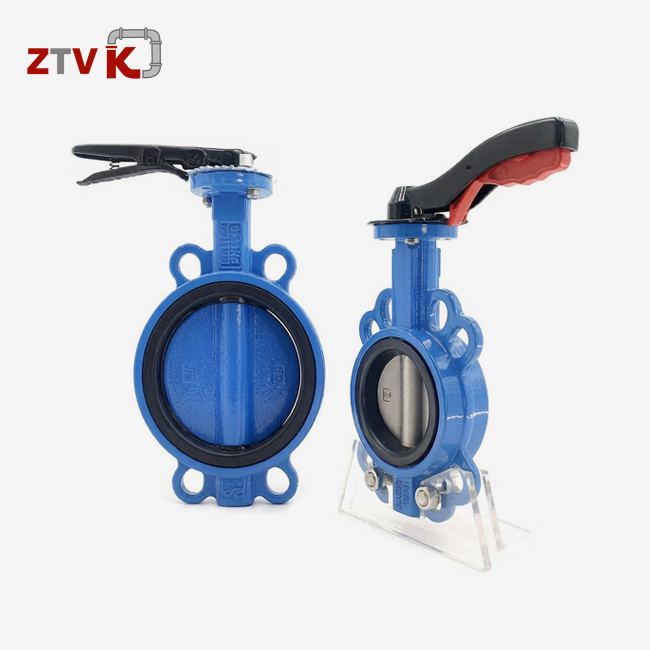
Selecting the right double flange type butterfly valve directly impacts your system's reliability, operational costs, and maintenance schedule. This valve design features integrated flanges on both inlet and outlet ends, bolted individually to mating pipe flanges, delivering mechanical stability that wafer or lug styles cannot match in large-diameter or high-stress installations. Whether you're specifying for municipal water systems, HVAC projects, or industrial process lines, understanding the construction, material compatibility, and procurement dynamics of these valves prevents costly downtime and ensures compliance with international standards. This guide walks you through core technical aspects, comparison benchmarks, procurement strategies, and maintenance practices to help you confidently choose valves that align with your operational demands and budget constraints.


Understanding Double Flange Butterfly Valves
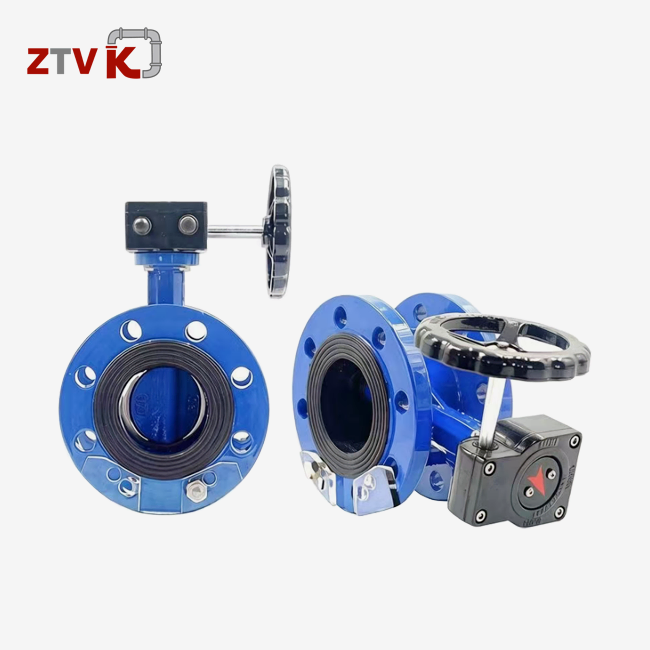
When you turn the double-flange type butterfly valve a quarter of a turn, a disc on a shaft pivots to control the flow. In contrast to wafer-style valves that are pressed between pipe flanges and have long through-bolts, this design has separate flanges that are cast or welded onto the valve body. Each flange connects directly to the corresponding pipe flange. This spreads the loads from the pipes across the valve body instead of putting all of the stress on the seat or liner.
Core Construction and Working Mechanism
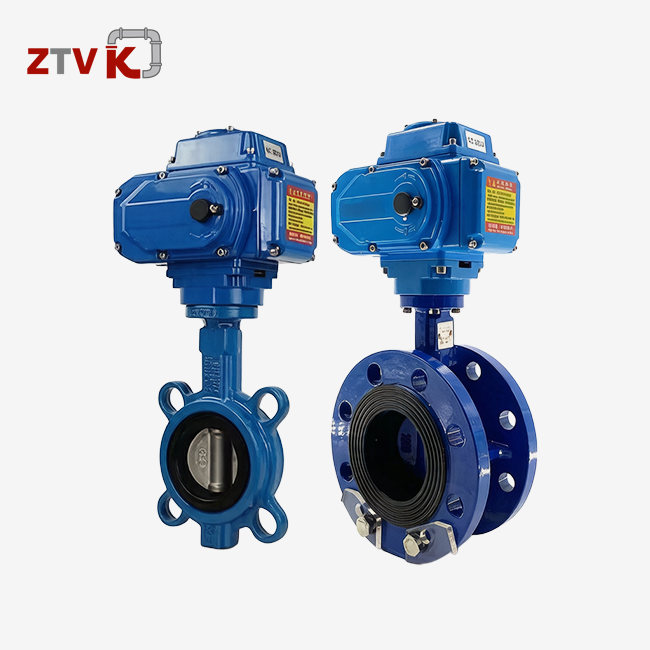
Most valve bodies are made of ductile iron (DI), which is stronger than grey cast iron in both tensile strength and impact resistance. A disc inside, made of DI, CF8, CF8M stainless steel, or aluminum bronze, turns 90 degrees to open or close the door. The edges of the disc press against a flexible seat made of EPDM, NBR, PTFE, or VITON, depending on the type of media and temperature. The shape of the bare shaft makes it easy to connect to manual gears, electric actuators, or pneumatic actuators. Flange connections are based on ISO 5211 standards and can support PN10, PN16, or ANSI 125/150 lb classes. They come in sizes from DN50 to DN2000.

Key Advantages in Industrial Applications
In dead-end service situations, this setup works great. When the pipes further downstream need to be fixed or taken out, the upstream flange connection is all that keeps the valve in place against full line pressure, which keeps the system's integrity. The stiff bolting pattern stops the loosening that happens when high-speed flows, like in pump discharge lines or cooling water circuits, are caused by shaking. The different types of materials can handle a range of working conditions. For example, EPDM chairs can handle water and light acids up to 120°C, while Viton can handle aggressive media and high temperatures. When designed correctly, aluminum bronze discs last longer than 50,000 cycles and are better at resisting corrosion in saltwater or seawater.
Industrial users in water distribution systems for cities, power plants, and desalination plants depend on these valves because they combine flow efficiency with low upkeep and strong fixing. The design works in harsh environments. For example, epoxy-coated bodies keep out humidity in Southeast Asian climates, and thicker shaft covers keep dust out of industrial areas in the Middle East.
Comparing Double Flange Butterfly Valves with Other Valve Types
Picking a valve design affects how hard it is to install, how easy it is to do maintenance, and how well it works in the long run. Understanding the differences between structures and operations helps procurement teams avoid mismatches that cause projects to fail early or cost too much.
Double Flange vs. Wafer and Lug Styles
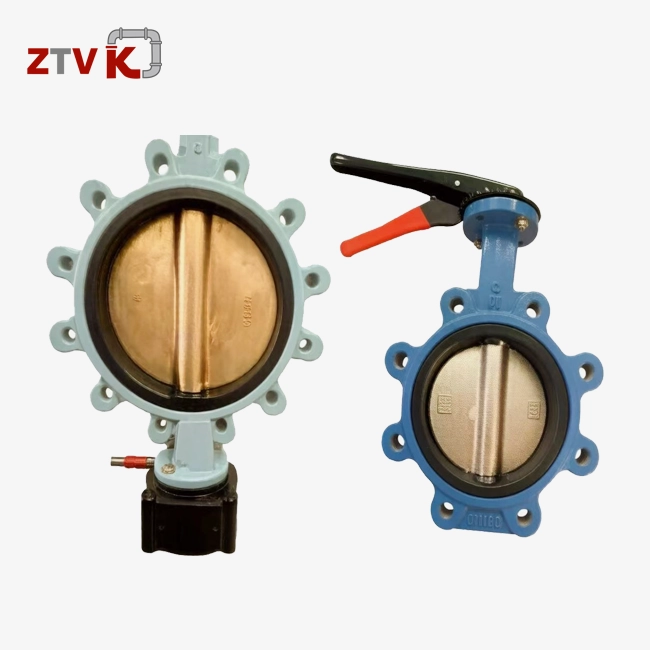
Long bolts that go through both pipe ends hold the wafer valves in place. They're small and cheap for mild pressures, but they can't handle dead-end service; taking out the pipes downstream could cause the valves to move. Lug valves have threaded inserts all around the body, which lets you bolt to each flange separately and remove piping from only one side. But lug bodies are not as rigid as double-flange-type butterfly valve designs, which means they can't be used for setups with big sizes (above DN600) or a lot of vibration. The double flange design spreads stress more evenly, which is why it's the best choice for long gearbox lines, underground burial, and pump station isolation, where mechanical stability is very important.
Seat Material Impact on Performance
Rubber seats (EPDM, NBR) have a tight shutoff and low working power, but they can only be used at temperatures below 150°C and may break down when exposed to ozone or UV light. PTFE chairs can handle higher temperatures (up to 200°C) and are very resistant to chemicals, but they need more force to seat, which makes the actuator bigger. When used in triple-offset designs, metal seats can handle high temperatures and rough media, but they give up bubble-tight shutoff in exchange for durability in tough service. It is very important to choose the right seat material for your media, temperature range, and pressure cycling. If you don't, wear and leaks will happen faster.
Standards Compliance for Global Projects
The sizes of double flange type butterfly valve flanges, pressure rates, and face-to-face widths are all governed by international standards. The sizes of short-pattern double flanges are set by ISO 5752 Series 13, and the sizes for North America are set by ANSI B16.10 and API 609. AWWA C504 is the standard for applications in waterworks. Compliance makes it possible for providers to work together and makes retrofitting easier. Valves that are approved to ISO 9001, API, and CE show that they follow safety rules and quality management systems. This lowers the risk of buying them and makes it easier for engineering firms and EPC companies around the world to accept them.
Procurement Considerations for Double Flange Butterfly Valves
Cost, quality assurance, and the dependability of the supply chain must all be balanced for buying to go well. To protect their investment, industrial buyers must check the credentials of the supplier, negotiate good terms, and make sure there is aftermarket support for the double-flange type butterfly valve.
Verifying Supplier Authenticity and Quality
Check that a supplier has ISO 9001, ISO 14001, and OHSAS 18001 certifications before hiring them to make sure they meet standards for quality control, environmental duty, and worker safety. Ask for mill test reports (MTRs) that show the composition and mechanical properties of the material, as well as pressure test certificates that show tests for both hydrostatic and pneumatic leaks. Third-party inspection services can check out factories to make sure they can meet production needs and follow quality control procedures. Real certifications can stand up to close inspections during project checks, so there are no delays or rejects.
Price Determinants and Bulk Purchase Benefits
Valve prices depend on the size, grade of the material, and number of orders. DN50 to DN300 valves made of ductile iron with EPDM seats are usually in stock and can be delivered in 3–7 days at a reasonable price. Larger sizes or unusual materials like CF8M or aluminum bronze make lead times 15 to 25 days longer, and unit costs higher because they need to be cast and machined in a special way. When you buy 50 or more units at once, you can usually get a 10-15% discount, and the seller will cover the costs of packing and paperwork. The framework deals with repeat sales, keeps prices stable, and gives production slots more priority during times of high demand.
Ordering Workflow and International Logistics
For buyers from other countries, the process usually starts with technical questions, then a quote (FOB Tianjin Xingang or CIF target port), a pro forma statement, and a down payment. Once payment is confirmed, production starts, and before shipments are sent out, factory acceptance tests are done. Many manufacturers in North China are only 50 km from Tianjin Port, which cuts the time it takes to travel inland to an hour and speeds up the booking of sea freight. Customs detention at target ports can't happen if the wooden box packaging meets ISPM 15 standards. Partnerships with COSCO Shipping and Maersk make sure that ship schedules are reliable and that freight rates are competitive. Buyers should find out about the warranty terms (usually 18 months), the availability of spare parts, and the professional help options, such as how to install the product and how to fix problems.
Selecting the Right Double Flange Butterfly Valve for Your Needs
By matching double flange type butterfly valve specs to working factors, you can avoid safety risks and poor performance. A thorough selection process takes into account things like pressure, temperature, the properties of the media, and the need for automation.
Sizing and Pressure Rating Criteria
The minimum flow coefficient (Cv) and the allowed pressure drop determine the size of the valve. When you undersize, the speed goes up, which leads to cavitation and erosive wear. When you oversize, the capital costs and actuator force go up. You can use flow curves from the manufacturer or online calculators to find the right valve diameter for the flow rate and differential pressure in your system. Up to 160 psi, PN10 and PN16 grades are good for most HVAC, water distribution, and light industry uses. For higher pressures or pulsating flows (like pump discharge), you should ask for valves with metal seats and reinforced bodies. Also, make sure that the face-to-face dimensions meet ISO 5752 Series 14 standards for the right amount of structural thickness.
Material and Media Compatibility
Ductile iron bodies work well with freshwater, wastewater, and fluids that don't corrode. To protect against chloride attack in saltwater or brackish water, switch to epoxy-coated DI or aluminum valves. bronze discs. CF8 (304) stainless steel can handle mildly acidic solutions, but CF8M (316) is better at resisting chlorides and sulfates. The material of the seat must be able to handle high temperatures and chemicals. For example, NBR is good for oil products up to 80°C, Viton is good for acids and solvents up to 150°C, and PTFE is good for harsh chemicals at high temperatures. Use the cross-reference media suitability charts that sellers give you to keep your media from breaking down too quickly and verify the thickness of flanged butterfly valves.
Avoiding Common Selection Pitfalls
A lot of the time, procurement teams don't look at actuator mounting interfaces because they think that all valves can use standard ISO 5211 gear operators. Make sure the shaft size and flange drilling patterns will work with any robotic equipment that is already in place or that is expected to be built. Another common mistake is not allowing enough space for maintenance—make sure there is enough space around the valve so that the disc can be removed or the seat can be replaced without having to take apart the pipes next to it. When projects need to follow API 609 or AWWA, skipping certification checks to save money backfires because valves that aren't certified will be rejected during commissioning inspections. Working with suppliers who have done work for your type of business before—like city workers, power plant owners, or petrochemical plants—lowers your risk and speeds up the approval process.
Customization and OEM Support
Catalogue valves are good for a lot of uses, but unique projects need solutions that are made just for them. OEM services include putting your logo and nameplate on the product, changing the way the flanges are drilled so that they fit together perfectly, and applying special coatings for harsh conditions. One thing that ODM can do is redesign disc geometries to lower turbulence or improve throttling performance. Suppliers with their own CNC machining centers and mold-making facilities can make custom parts in 15 to 25 days, which helps meet tight project deadlines. During the pre-sales phase, we offer free selection help, CAD sketches, and 3D models to help engineering teams safely add valves to system designs.
Maintenance Tips and Operation Guide for Double Flange Butterfly Valves
Proactive maintenance extends the life of the double-flange type butterfly valve and cuts down on unplanned downtime. Inspections done on a regular basis find wear and tear before it gets bad, and using something correctly keeps it from getting damaged by overuse.
Routine Inspection and Lubrication Practices
Cycling the disc once a month between fully open and closed positions stops it from seizing up because of corrosion or sediment buildup. Check the outside for damage to the coating, rust, or leaks near the stem packing. Follow the manufacturer's instructions for lubricating stem bearings and engine parts. This is usually done every six months in clean settings and every three months in dusty or humid ones. Use lubricants that work with your media. For example, silicone-based greases work well with water, and synthetic oils can handle high temperatures. Check the torque on the flange bolts and tighten them again if necessary to keep the seal compressed and stop leaks.
Troubleshooting Common Issues
Leakage past the seat is usually a sign of dirt blocking the seat or seat wear. Close the valve and clean the line to get rid of any debris. If the leak keeps happening, replace the seat. Misalignment, corrosion, or over-tightening of the packing can all be caused by high operating torque. Loosen the stem packing a little and cycle the valve. If the valve still won't work, it needs to be taken apart and checked for damaged disc edges or bent shafts. If there are external leaks at the stem gland, it means that the packing is wearing out. To keep the sealing integrity without too much friction, replace the gland packing with materials specified by the manufacturer.
Upgrading for Enhanced Performance
Adding new electric or gas operators to old valves with old motors can make them work better. The bare shaft design makes upgrades easier: just take off the handwheel or old gearbox, mount the new actuator using ISO 5211 interface adapters, and set it up according to the automation protocols. If you switch to metal-seated or high-performance offset designs, the throttling accuracy, thickness of flanged butterfly valves, and resistance to abrasive media get better, and the service life gets longer in tough situations. Before buying, talk to sellers about retrofit tools and how they work with other parts to avoid costly mistakes.
Conclusion
When looking for the best double-flange type butterfly valve, you need to weigh technical specs, material fit, and seller trustworthiness. The rigid mounting, dead-end service capability, and vibration resistance of this design make it essential for large-diameter pipelines, city infrastructure, and high-stress industrial settings. To ensure compliance and long-term performance, pay close attention to pressure levels, seat materials, and international standards. When you work with certified manufacturers that offer OEM customization, fast delivery, and full aftermarket support, procurement goes from being a transactional task to a strategic advantage. This lowers the total cost of ownership and increases system uptime in the process, power generation, and water distribution industries.
FAQ
1. What pressure ratings are typical for double flange butterfly valves?
Most double-flange-type butterfly valve designs are rated PN10 or PN16, which is about 150 psi or 230 psi. These ratings make them good for city water, HVAC, and light industry uses. For jobs with up to 300 psi of pressure, bodies may need to be strengthened or switched to triple-offset metal-seated valves, which can handle harsh conditions while still being small.
2. How do I choose between rubber and metal seats?
Rubber seats (EPDM, NBR, and VITON) have low torque and a bubble-tight shutoff, making them perfect for temperatures below 150°C and media that don't scratch. Metal seats work best in services that are hot (above 200°C), rough, or cold, but they give up complete shutoff in exchange for durability. To get the best performance and lifespan, make sure the seat material is right for the temperature range, media chemistry, and shutdown needs.
3. Can these valves operate in bidirectional flow?
Concentric rubber-seated designs usually let flow go in both directions with the same level of performance. Offset metal-seated versions may have a preferred flow direction (shown by an arrow on the body) for best sealing, but they can work fine in the opposite way at lower pressure levels. Check with your seller to make sure they can do it both ways during the planning process.
Partner with ZTVK for Reliable Double Flange Type Butterfly Valve Solutions
ZTVK is a reliable company in Tianjin's Beichen District that makes double flange type butterfly valve solutions. They have over 15 years of R&D experience and are certified by ISO 9001, ISO 14001, and OHSAS 18001 to make sure that every valve meets high-quality and safety standards. Our DN50 to DN2000 valves have bodies made of ductile iron, discs made of DI, CF8, CF8M, or aluminium bronze, and seats made of EPDM, NBR, PTFE, or VITON, depending on the media and temperature needs. We have more than 2,000 standard units in stock and can deliver them in 3–7 days. For non-standard customisations, the time frame is 15–25 days. We can meet tight project deadlines and are close to Tianjin Port, which makes global shipping easier. Our dedication to your success is shown by our OEM branding, ODM engineering, and 18-month warranties. You can talk to our team at ktec86961886@163.com to talk about your needs, get CAD drawings, and get competitive bulk pricing that lowers the total cost of ownership. Good flow control starts with the right partner. Let us show you how valuable we are on your next project.
References
1. American Water Works Association (AWWA), AWWA C504 Standard for Rubber-Seated Butterfly Valves, Denver, CO, 2018.
2. International Organization for Standardization, ISO 5752:1982 Metal Valves for Use in Flanged Pipe Systems—Face-to-Face and Centre-to-Face Dimensions, Geneva, Switzerland, 1982.
3. American Petroleum Institute, API Standard 609: Butterfly Valves: Double-Flanged, Lug- and Wafer-Type, Washington, DC, 2020.
4. British Standards Institution, BS EN 593:2009+A1:2011 Industrial Valves—Metallic Butterfly Valves, London, UK, 2011.
5. Valve Manufacturers Association (VMA), Butterfly Valve Selection and Application Guide for Industrial and Municipal Systems, Washington, DC, 2017.
6. Smith, P. R., & Zappe, R. W., Valve Selection Handbook: Engineering Fundamentals for Selecting the Right Valve Design, Materials, Actuators, and Applications (5th ed.), Elsevier, Oxford, UK, 2004.
Send us your valve requirements and our team will provide professional solutions and fast quotations.
RELATED INDUSTRY KNOWLEDGE