- English
- French
- German
- Portuguese
- Spanish
- Russian
- Japanese
- Korean
- Arabic
- Greek
- German
- Turkish
- Italian
- Danish
- Romanian
- Indonesian
- Czech
- Afrikaans
- Swedish
- Polish
- Basque
- Catalan
- Esperanto
- Hindi
- Lao
- Albanian
- Amharic
- Armenian
- Azerbaijani
- Belarusian
- Bengali
- Bosnian
- Bulgarian
- Cebuano
- Chichewa
- Corsican
- Croatian
- Dutch
- Estonian
- Filipino
- Finnish
- Frisian
- Galician
- Georgian
- Gujarati
- Haitian
- Hausa
- Hawaiian
- Hebrew
- Hmong
- Hungarian
- Icelandic
- Igbo
- Javanese
- Kannada
- Kazakh
- Khmer
- Kurdish
- Kyrgyz
- Latin
- Latvian
- Lithuanian
- Luxembou..
- Macedonian
- Malagasy
- Malay
- Malayalam
- Maltese
- Maori
- Marathi
- Mongolian
- Burmese
- Nepali
- Norwegian
- Pashto
- Persian
- Punjabi
- Serbian
- Sesotho
- Sinhala
- Slovak
- Slovenian
- Somali
- Samoan
- Scots Gaelic
- Shona
- Sindhi
- Sundanese
- Swahili
- Tajik
- Tamil
- Telugu
- Thai
- Ukrainian
- Urdu
- Uzbek
- Vietnamese
- Welsh
- Xhosa
- Yiddish
- Yoruba
- Zulu
Double Flange Type Butterfly Valve: Features and applications
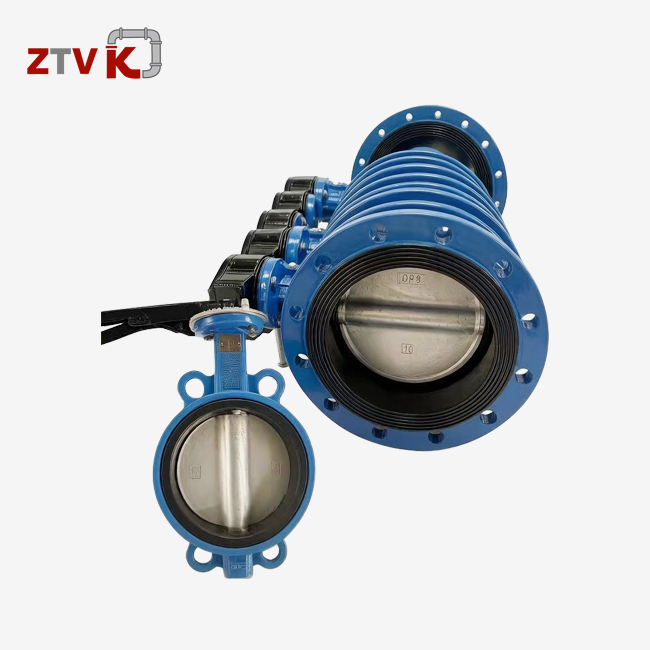
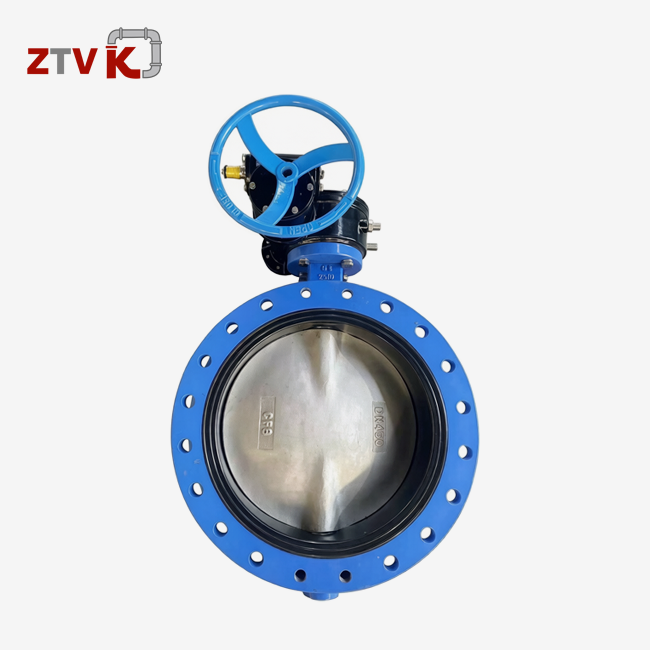
A double-flange type butterfly valve is a quarter-turn rotary valve that has separate flanges on both the entry and exit sides. These flanges are intended to fit straight onto pipe flanges that match. This design is more mechanically stable than wafer-style valves that are squished between pipes. This is especially true in large-diameter pipelines and dead-end service situations where the downstream pipes may need to be removed while the pressure upstream stays the same. This strong design solves important problems in the industry, like keeping things lined up correctly, not shaking, and closing well for a long time in tough conditions.
Understanding Double Flange Type Butterfly Valves
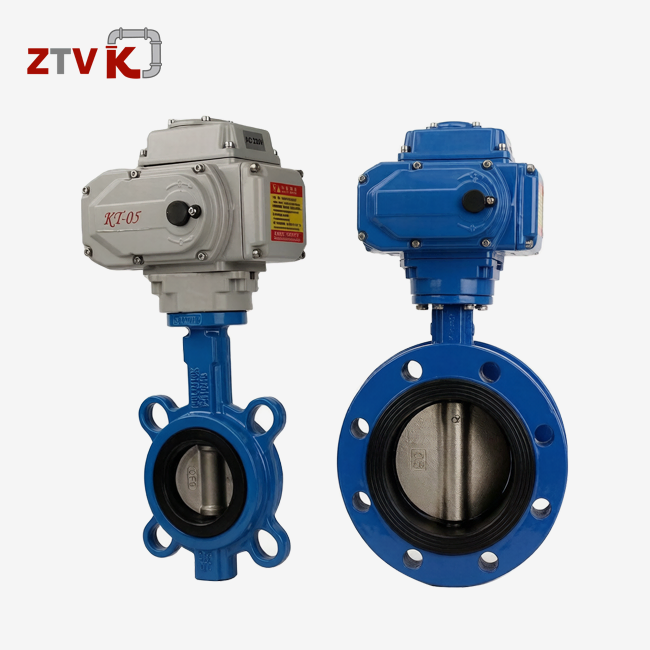
A double-flange type butterfly valve is different from other flow control devices because of how it is built. The valve is made up of a metal disc on a rotating shaft that is placed in the middle of the flow path. The disc spins from fully open to fully closed when the actuator turns the shaft 90 degrees. This controls flow with little pressure drop.
Design Features and Construction
This valve is different because both ends of the valve body have full flanges machined into them. These flanges have bolt holes that are drilled to meet standards like ANSI 125LB, 150LB, PN10, PN16, and JIS 5K, 10K, and 16K. This separate arrangement of bolts gets rid of the need for long through-bolts in wafer designs. This makes the valve system more fairly distribute mechanical stress. This makes it more resistant to vibration, thermal expansion, and pipes that aren't lined up right.
At ZTVK, we use double-eccentric geometry in the shaft-to-disc connection, which lowers the opening torque by about 30% compared to designs that are only concentric. This optimization makes the operating lifetime longer than 50,000 cycles, even when the speed is constantly slowed down. The offset design also keeps the seal's integrity by reducing the amount of seat contact during opening.
Material Selection and Standards Compliance
For general water and HVAC applications, body materials often include ductile iron (DI), which has a high strength-to-weight ratio and doesn't rust. For normal use, discs are made of ductile iron. For mild corrosion, they are made of CF8 (similar to stainless steel 304); for aggressive media, they are made of CF8M (316 grade); and for seawater or brine settings, they are made of aluminum bronze.
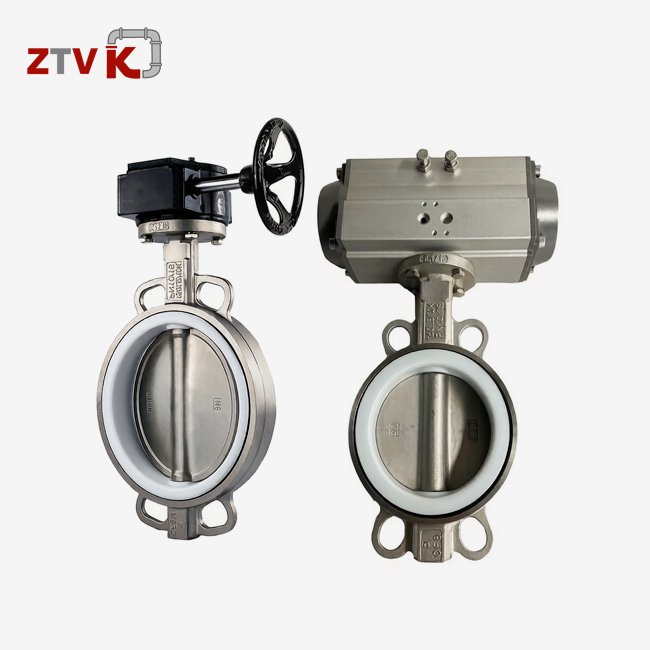
The materials used for the seats affect how well they close at different temperatures. EPDM works well in water applications from -20°C to 120°C; NBR works well with oil products; PTFE doesn't react with chemicals up to 200°C; and VITON is great for high-temperature or aggressive chemical service. This adaptability lets us exactly match operational needs, which is something we stress to our clients during technical consultations.
Size Range and Pressure Ratings
Sizes of the valves range from 2 inches to 80 inches (DN50 to DN2000), so they can be used for a wide range of applications, from small municipal connections to large industrial transmission lines. The working pressure ranges from PN10 to PN16, which cover most municipal water, HVAC, and light industrial uses. This range covers a lot of ground without making it too hard to keep track of all the SKUs that a distributor might have.
Following connection standards makes sure that everything works everywhere. Our goods are compatible with ISO 5211 mounting designs for actuators, which lets them work with electric or pneumatic operators without any problems. Face-to-face measurements are in line with ISO 5752 Series 13 and 14, which makes retrofit setups easier when there isn't much room.
Advantages and Applications of Double Flange Butterfly Valves
The engineering benefits of this double-flange type butterfly valve directly address problems that wholesalers and producers of industrial valves have. When you understand these benefits, it's easier to see why procurement professionals are choosing double flange designs for more and more important uses.
Key Performance Benefits
Mechanical toughness stands out right away. The separate flange connections make a structure that can support itself and keep its alignment even when the ground moves or the temperature changes in the piping systems. This benefit has been seen many times in municipal water projects where underground installations have to deal with changes in temperature and shifting soil.
The dead-end service feature solves a real-world support problem. While the valve is closed and under pressure, technicians can easily take out pipes further downstream to make repairs or changes. This gets rid of the need for expensive system shutdowns, which is especially helpful in facilities that use continuous processes or city systems that support important infrastructure.
Precision machining and matching of materials are what make sealing work well. When you mix offset disc shapes with resilient seat materials, you get bubble-tight shutdown across the pressure range. Leak rates always fall below API 598 guidelines, which meet the strict needs of chemical processors and water companies.
The modular design gives you options for how to install it. The valve can be put at the ends of a pipeline, at the points where two sections are separated, or anywhere else that needs a strong shutoff. Horizontal or vertical shaft orientation options work with limited space without affecting performance. For sizes above DN300, we usually suggest horizontal shaft mounting so that dirt doesn't build up in the lower bearings.
Industrial Application Landscape
The biggest groups of applications are municipal water supply and transportation networks. DN400 to DN2000 valves control the flow of water in pumping stations, treatment plants, and distribution mains. These valves are perfect for potable water service, where contamination risks must be kept to a minimum because they are made of materials that don't rust and seal well.
For cold water loops, heating circuits, and balance, HVAC and building systems use smaller sizes (DN50 to DN300). Contractors like how standard flange drilling makes installation quick and how little upkeep is needed compared to gate valves. Because the operating torque is low, smaller, cheaper actuators can be used, which keeps performance high while lowering project costs.
Isolation valves that don't need to be used for years but work perfectly when they do need to be used are needed for fire protection systems. The non-rising stem design and corrosion-resistant construction make sure that it will be ready for a long time. In places where service efficiency can't be compromised, like main feed lines and sectional isolation, many fire protection workers choose double flange types.
These valves are used in petroleum and chemical processing plants for non-critical service lines that carry electricity, process water, and cooling circuits. Exotic alloy gate or ball valves can handle aggressive process fluids, while double-flanged butterfly valves are a cheap way to control systems that support them. Because PTFE and Viton seating are available, they can be used in mildly corrosive settings.
Maintenance Best Practices
Routine maintenance depends on the condition of the service, but inspections are usually done every three months. Visual checks make sure that the flange connections are leak-free and that the actuator works properly. When the valve isn't used very often, cycling it through its full range of motion once a month keeps the seat from sticking and the bearings from rusting.
The most important repair task is replacing seats. To replace valves with vulcanized liners, units must be sent back to service centers. Mechanically retained seats can be replaced in the field, which cuts down on downtime by a large amount. We tell distributors who are building aftermarket support programs that having spare seat kits on hand cuts down on the time it takes to respond to an emergency.
Manufacturers set plans for lubricating double-flange-type butterfly valve bearings, which are usually done once a year for continuous-duty uses. Using the right lubricants keeps bearings from breaking down too soon. Our technical documentation lists suitable goods based on how well they work with different temperatures and media. It's also important not to grease too much, since too much lubricant can contaminate sealing surfaces.
Comparative Analysis: Double Flange Butterfly Valve vs. Other Valves
Understanding the tradeoffs between performance and cost across valve technologies is key to making decisions about what to buy. When you compare double-flange-type butterfly valves to other options, you can see where they work best.
Structural and Functional Comparisons
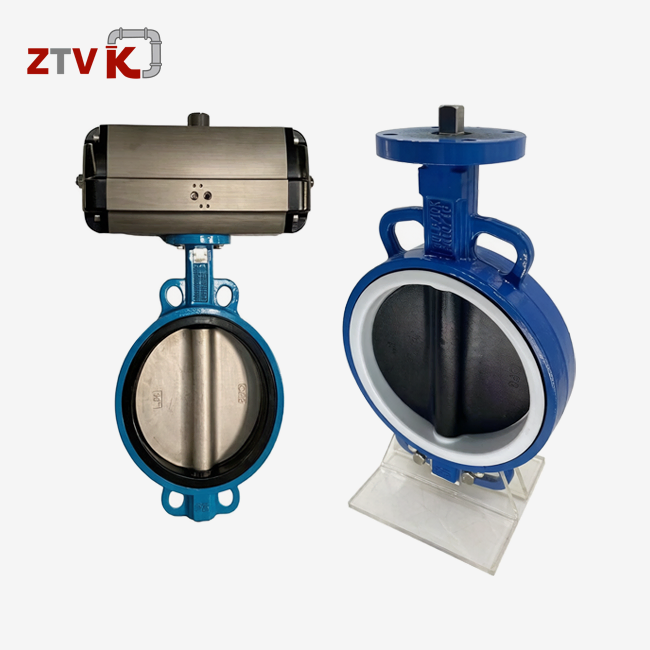
Wafer-style butterfly valves are cheaper to buy and lighter, but they don't work on their own mechanically. Long through-bolts squeeze the valve between the pipe flanges, which makes alignment very important and leaves it open to vibration-related shifting. These problems are solved by double-flange-type butterfly valves, which have separate bolting that makes up for the slightly higher cost in large-diameter or high-vibration situations.
Butterfly valves in the lug style can do dead-end service in the same way that double flange types can, but they use threaded inserts instead of full flanges. Compared to double flange designs, this hybrid method is lighter while still allowing for some independence. The full flange structure, on the other hand, lasts longer in sizes bigger than DN600 or situations where the pipe is under a lot of stress.
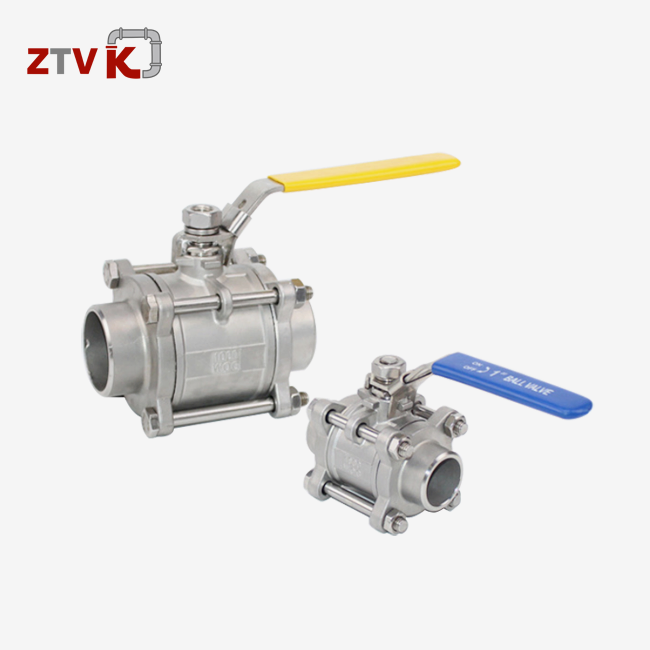
Ball valves are better at shutting off flow and closing off pressure in both directions, but they are much more expensive and heavier. The quarter-turn operation is the same as that of butterfly valves, but the larger envelope and higher torque needs make the actuator more expensive. When exact zero leakage is required, ball valves are usually used. Butterfly valves, on the other hand, are used in situations where slight leakage is acceptable according to API guidelines.
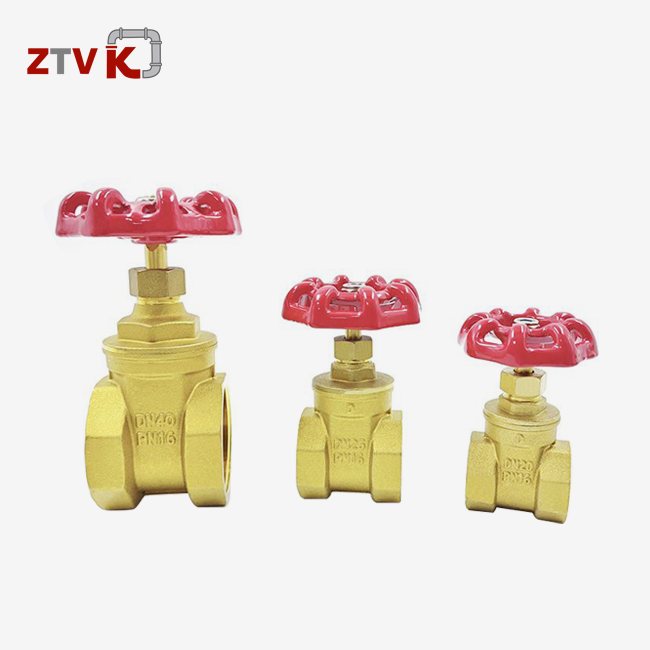
Gate valves allow full-bore flow with little blockage, but their rising stem designs take up too much vertical space. Because of the internal guides and wedges, the operating speeds are slower, and upkeep is more difficult. The double flange butterfly valve works faster, takes up less space, and is easier to maintain, so it is better for isolation duty in places with limited space.
Cost Analysis and Value Considerations
Material costs set the price of valves. Ductile iron body construction is a great deal because it usually costs 40–60% less than similar stainless steel fabrications. The choice of disc material has a smaller effect on price. For example, aluminum bronze costs about 30% more than ductile iron but is better at resisting water in saltwater.
Cost is affected by pressure grade and by the width of the walls that must be used. PN16 valves are slightly more expensive than PN10 valves (15–20%) because they have more material and have been tested more. This extra cost is often worth it for making the system flexible and ready for the future.
Costs are roughly proportional to the volume of the material, and size scaling follows well-known curves. Most of the time, a DN600 valve in the same material and pressure class costs four to five times as much as a DN150 valve. Buying in bulk has a big effect on unit economics. For example, when we buy more than 50 valves, the cost of each one drops by 20–30% because of better production efficiency.
The total cost of purchase includes labor for installation, energy use, and repairs. Double-flange-type butterfly valves are easier to install than gate valves because they are lighter, which saves money on labor costs. Low operating torque keeps the actuator's power use to a minimum. Lifecycle costs are lower for technologies that are easy to maintain, especially when compared to technologies that are more complicated.
Conclusion
There are many industrial uses for the double-flange type butterfly valve because it is mechanically stable, reliable, and cost-effective. Its independent flange design solves important problems in pipeline systems that need strong separation, the ability to provide dead-end service, and resistance to shaking. The different types of materials and sizes make it possible to match specifications to almost any water, HVAC, or light industrial application. Knowing the advantages and disadvantages of different technologies and using smart buying methods helps wholesalers and builders come up with the best solutions that balance performance and cost.
FAQ
1. What advantages does a double flange butterfly valve offer over wafer types?
When it comes to large diameters, the independent flange connections are more stable mechanically than wafer designs. Dead-end service lets you safely remove pipes further downstream while keeping pressure upstream. Because of the hard fitting instead of compression retention, vibration resistance is higher than that of wafer types. The self-supporting structure makes installation more flexible because it can handle misaligned pipes better than chip designs.
2. Can these valves handle corrosive fluids?
Chemical compatibility is based on the choice of material. Water and other fluids that aren't aggressive can be used with standard cast iron bodies and EPDM chairs. When you upgrade to CF8M (316 stainless steel) discs and VITON seats, you can use them in moderately corrosive environments. Applications that are very corrosive may need materials that aren't commonly available. Checking chemical compatibility charts and talking to supplier technical teams ensures that the right specification is made.
3. How do I determine appropriate sizing?
Usually, the best results happen when the nominal diameter of the valve matches the size of the pipe. Figuring out the pressure drop across the valve at full flow rates confirms that the size is right. Limits on speed, usually between 4 and 6 m/s for water, stop erosion damage. Oversizing costs more without adding any value, and undersizing causes too much head loss. With help from companies like ZTVK, engineers can make sure that the right size is chosen for each purpose.
Partner with a Reliable Double-Flange Type Butterfly Valve Manufacturer
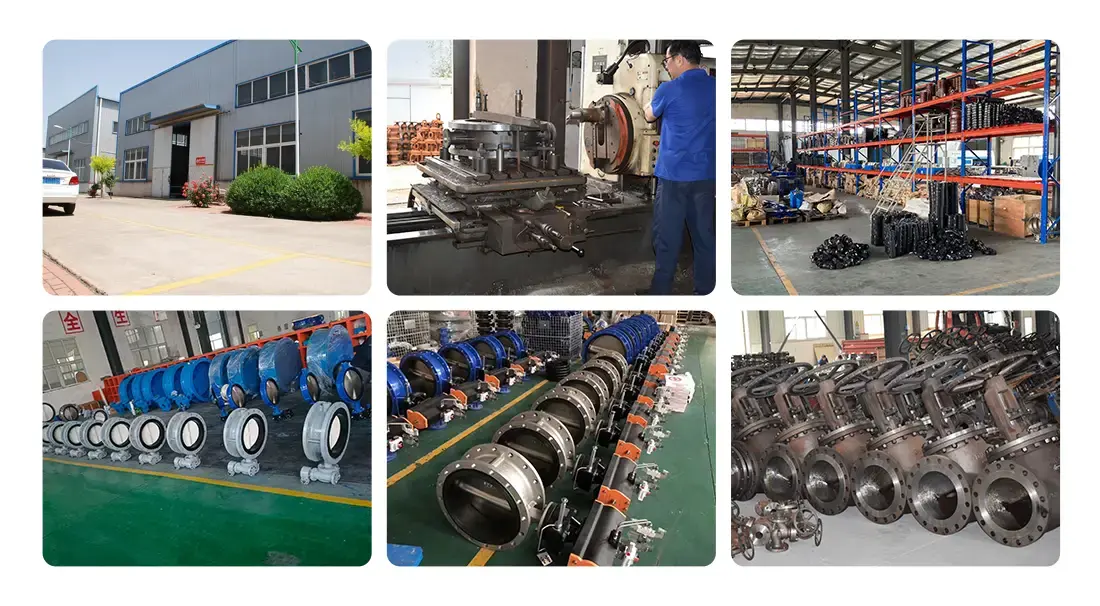
ZTVK has been making specialized products in Tianjin's Beichen Industrial Zone for over 15 years and offers flow control solutions that are fit for use in factories. Our double flange type butterfly valve inventory exceeds 2,000 units in standard sizes (DN50–DN600), allowing for delivery within 3–7 days of order confirmation. Custom versions ship between 15 and 25 days, and faster production is possible for those who need them right away.
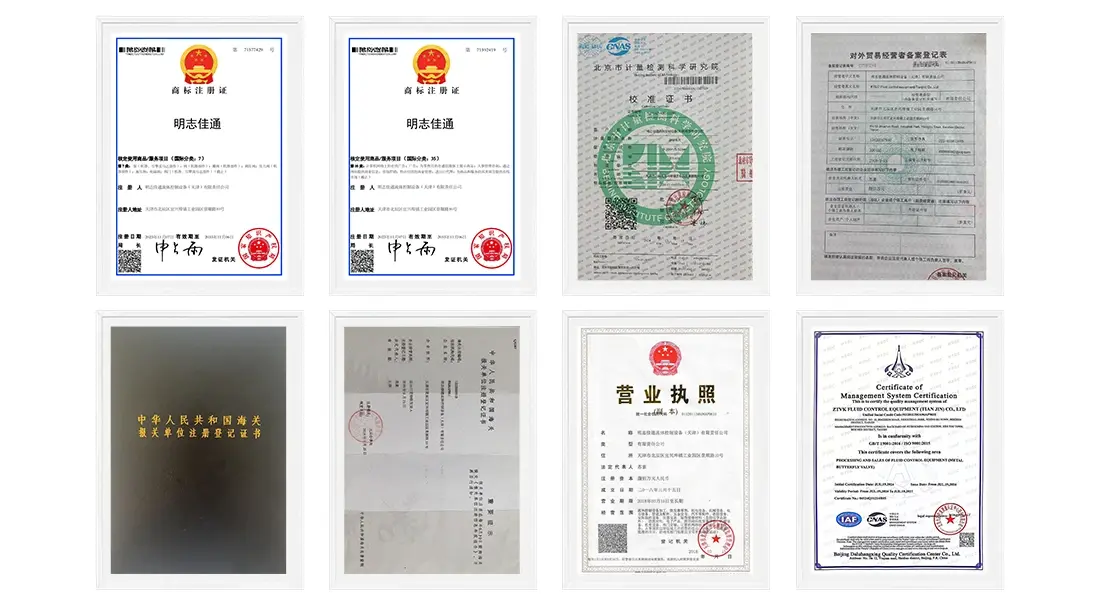
ISO 9001, ISO 14001, and OHSAS 18001 certifications validate our quality management systems, while compliance with international standards—ISO, API, ANSI, JIS, and DIN—ensures global compatibility. Our comprehensive OEM and ODM programs support distributor branding needs and application-specific modifications. Located just 50 km from Tianjin Port and having established logistics partnerships there. Our FOB Xingang or CIF destination port prices are competitive.
Reach out to our technical team at ktec86961886@163.com to discuss your specific requirements. We offer free selection help, CAD drawings, and 3D models to help you with the buying process. Our 18-month guarantee and helpful customer service after the sale will protect your purchase.
References
1. American Water Works Association. (2017). AWWA Manual M49: Butterfly Valves: Torque, Head Loss, and Cavitation Analysis. Denver, CO: AWWA.
2. International Organization for Standardization. (2021). ISO 5752: Metal Valves for Use in Flanged Pipe Systems — Face-to-Face and Centre-to-Face Dimensions. Geneva: ISO.
3. Lyons, J. L., & Askland, C. L. (2015). Valve Selection Handbook: Engineering Fundamentals for Selecting the Right Valve Design for Every Industrial Flow Application. Oxford: Gulf Professional Publishing.
4. Skousen, P. L. (2011). Valve Handbook (3rd ed.). New York: McGraw-Hill Professional.
5. Zappe, R. W. (2004). Valve Selection Handbook: For the Process Industries (5th ed.). Burlington, MA: Gulf Professional Publishing.
6. Nesbitt, B. (2007). Handbook of Valves and Actuators: Valves Manual International. Oxford: Elsevier Science.
Send us your valve requirements and our team will provide professional solutions and fast quotations.
RELATED INDUSTRY KNOWLEDGE