- English
- French
- German
- Portuguese
- Spanish
- Russian
- Japanese
- Korean
- Arabic
- Greek
- German
- Turkish
- Italian
- Danish
- Romanian
- Indonesian
- Czech
- Afrikaans
- Swedish
- Polish
- Basque
- Catalan
- Esperanto
- Hindi
- Lao
- Albanian
- Amharic
- Armenian
- Azerbaijani
- Belarusian
- Bengali
- Bosnian
- Bulgarian
- Cebuano
- Chichewa
- Corsican
- Croatian
- Dutch
- Estonian
- Filipino
- Finnish
- Frisian
- Galician
- Georgian
- Gujarati
- Haitian
- Hausa
- Hawaiian
- Hebrew
- Hmong
- Hungarian
- Icelandic
- Igbo
- Javanese
- Kannada
- Kazakh
- Khmer
- Kurdish
- Kyrgyz
- Latin
- Latvian
- Lithuanian
- Luxembou..
- Macedonian
- Malagasy
- Malay
- Malayalam
- Maltese
- Maori
- Marathi
- Mongolian
- Burmese
- Nepali
- Norwegian
- Pashto
- Persian
- Punjabi
- Serbian
- Sesotho
- Sinhala
- Slovak
- Slovenian
- Somali
- Samoan
- Scots Gaelic
- Shona
- Sindhi
- Sundanese
- Swahili
- Tajik
- Tamil
- Telugu
- Thai
- Ukrainian
- Urdu
- Uzbek
- Vietnamese
- Welsh
- Xhosa
- Yiddish
- Yoruba
- Zulu
Understanding the Double Flanged Butterfly Valve: A B2B Guide
When looking for industrial flow control solutions, the butterfly valve double flange type is one of the best options because it is reliable and well-built. This valve has special flanges on both the upstream and downstream ends. This lets it bolt directly to pipe flanges instead of depending on compression between the two surfaces. This gives the valve strong mechanical stability even when the temperature rises or falls, the ground moves, or there is shaking, all of which can cause wafer-style valves to shift or leak. Understanding this valve's design and powers can help procurement managers and engineers balance performance needs with limited budgets. It also means fewer upkeep issues, a longer service life, and a more predictable total cost of ownership.


What Is a Double Flanged Butterfly Valve?
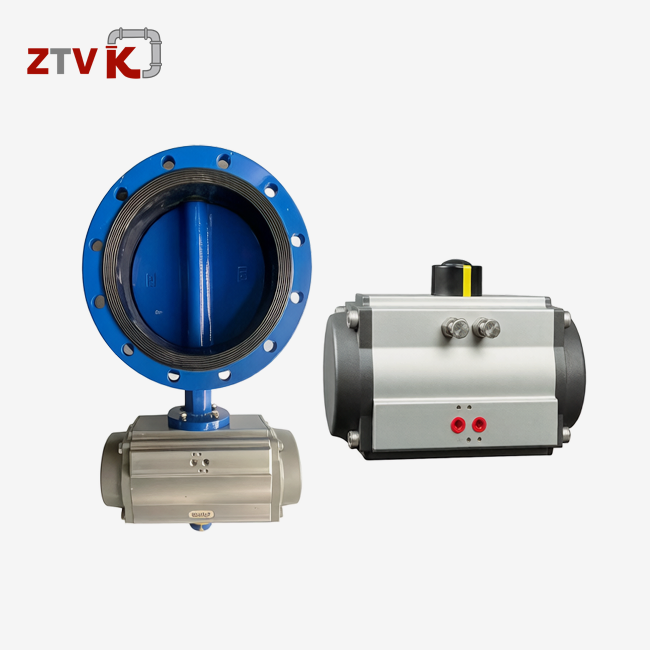
The butterfly valve double flange type is a quarter-turn rotating valve with separate flange fittings on each end of the body. Unlike wafer or lug versions that are held in place by pipe flange compression, this design has connection points that can support themselves and take the stress of the pipeline on their own. The disc inside rotates and can be turned 90 degrees to change or stop flow. Compared to traditional gate or globe valves, it has a small size.
Core Design Elements
The choice of material is very important for longevity. Body parts are often made of malleable iron, carbon steel (WCB), and types of stainless steel like SS304, SS316, SS304L, and SS316L. For better rust protection, the disc can be made from ductile iron (DI), stainless steel (CF8/CF8M), or aluminum bronze. Seat materials like EPDM, NBR, PTFE, or Viton are picked based on the service pressure, chemical stability, and temperature of the media.
Working Mechanism
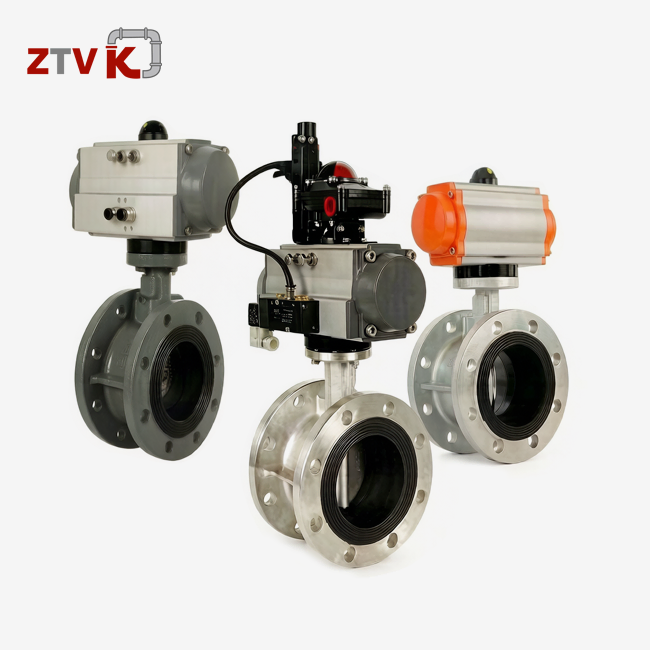
Flow can be managed by a hand handle, a worm gear, a gas actuator, or an electric actuator that turns a disc. When the disc is lined up with the flow direction, there isn't much resistance, so the pressure drop stays low. When the disc is rotated 90 degrees, it presses against the rubber or PTFE lining. This creates a bubble-tight seal that meets EN 12266-1 Class A or API 598 standards.
Key Advantages
Structural stability is very important. The double flange design spreads pipeline loads more widely than wafer types, which keeps the body from deforming, which could weaken the seal. This mechanical stability is very useful for large-diameter uses (DN50 to DN2000) or sites that have to deal with changes in temperature and outside forces. The valve's streamlined disc shape also reduces turbulence, which saves energy and makes parts last longer by lowering operating torque.
Comprehensive Comparison: Double Flanged Butterfly Valve vs. Other Valve Types
It's important to know how each design works in different working situations, installation limitations, and upkeep needs in order to choose the right valve.
Double Flange vs. Wafer and Lug Types
Wafer valves are held in place by through-bolts because they don't have their own bolt holes and sit between pipe flanges. This makes them cheaper and lighter, but it means they can't be used at the end of a line or in places where there is a lot of shaking. Lug-style valves have threaded plugs around the outside of the body, which lets the valves be bolted together independently and partially dead-end. But the butterfly valve double flange type is better because it gives the structure full independence. Each flange can be bolted and unbolted on its own, which makes servicing easier further down the line without having to depressurize or take apart the whole pipeline. For large-bore uses above DN600, the extra stiffness stops the disc from being out of line and the seat from wearing out too quickly.
Comparison with Ball and Gate Valves
Ball valves are great for tight closing and low-torque operation, but as they get bigger, they get too expensive and take up too much room. When fully open, gate valves let all flow through and have little pressure drop, but their straight motion means they need to be installed higher and have longer stroke times. The butterfly valve double flange type strikes a balance between these two options: it is small, can be opened quickly with a quarter-turn, and has a good pressure drop at a fraction of the cost per inch of gate or ball valves in sizes above DN200. Most pressure values are between PN10 and PN16, or Class 150, which is enough for most municipal water, HVAC, and general industry uses.
Material-Focused Considerations
Stainless steel bodies (SS304/SS316) are more expensive than ductile iron or carbon steel because they don't rust as easily in chemical processing, remote settings, and high-purity water systems. Aluminum bronze disks are great for desalination plants or marine cooling systems because they are light and don't react badly with seawater. Seat materials also affect performance. EPDM works well with water and light chemicals, NBR with oil-based products, PTFE with strong acids and high temperatures, and Viton with hydrocarbons and high temperatures.
Applications and Advantages of Double Flanged Butterfly Valves in B2B Industry Sectors
The butterfly valve double flange type is used in many different types of manufacturing settings where dependability, installation freedom, and low cost all come together.
Municipal Water and Wastewater
Double-flange valves are used to shut off and slow down large water delivery networks from DN400 to DN2000. They are often used for underground mains, pump stations, and treatment plants because they can handle ground movement and water hammer events without affecting the seal's performance. The stiff flange link stops the gasket from blowing out when there are short-term pressure jumps, which is a typical way for wafer designs to fail.
HVAC and Building Services
Contractors who work with heating, ventilation, and air conditioning like how easy the valve is to place and how little room it takes up. Any size between DN50 and DN600 will work in air handling units, cooling towers, and cold water loops. Hand levers, worm gears, and electric actuators can be used to handle anything from human zoning valves to fully automated building management systems.
Chemical Processing and Power Generation
High-velocity flows and media that are corrosive require strong seals and material compatibility. When used in caustic, acidic, or solvent environments, double flange valves with bodies made of stainless steel or duplex steel and seats made of PTFE or Viton last a long time between repairs. They are used in condenser cooling circuits in power plants, where they are often subjected to rapid switching and heat shock. Plant downtime is kept to a minimum because the valve can stay in place during repair further downstream without the pipe support collapsing.
Oil, Gas, and Petrochemical
The valve is structurally stable and meets international standards like API 609, EPDM, zero-leakage valves. It is used to isolate and control flow in pipelines in refineries, tank farms, and offshore platforms. Aluminum bronze discs don't crack when exposed to bad gas, and metal-seated triple-offset models can handle high-pressure, high-temperature situations that elastomer-lined models can't.
Installation, Maintenance, and Best Practices for Double Flanged Butterfly Valves
When valves are installed correctly and cared for regularly, they work better and last longer, which has a direct effect on operational uptime and repair funds.
Pre-Installation Checks
Check the smoothness and finish of the flange faces; flaws can stop the gasket from fitting properly and lead to leaks. Make sure the bolt holes line up and that the gaskets fit the valve's pressure level and the types of media that it can handle. Clean the inside of the pipeline to get rid of any weld dust, dirt, or other things that could hurt the disc or seat during commissioning.
Installation Steps
Place the valve between two plates that fit together. Make sure the disc is fully open to avoid damage. Between the valve flange and the pipe flange, you should put in seals. EPDM flat rings or spiral-wound types are popular. Tighten the bolts by hand in a star design, and then use a measured wrench to reach the manufacturer's torque specs. If you tighten the bolt too much, it could break or damage the body, which could cause leaks. If you tighten it too little, the bolt could come free when the machine shakes.
Routine Maintenance
Every month, the valve is cycled from fully closed to fully open. This keeps the seat from sticking and makes sure that the valve works smoothly. According to the maintenance plan, worm gear drives or actuator connections should be oiled every six months in clean service and every three months in dusty or humid service. Check the stem seals and packing glands for leaks. Small changes may be enough to fix the problem without having to replace the part. Every three to five years, based on the temperature of the media and how often it is cycled, or sooner if you can see cracks or thickening.
Troubleshooting Common Issues
Most of the time, leakage past the seat is caused by dirt stuck between the disc and the cover or by the seat wearing down. Cycling the valve a few times might get rid of any stuck particles, but if the leaks don't go away, the seat needs to be replaced. More working force means that the stem bearings are wearing out, the disc is out of place, or the seat is swollen. Make sure the actuator is the right size and look at the stem for rust or scale growth. When a valve sticks during operation, it could mean that it isn't properly oiled, that stress from the pipeline is being transferred to the valve body, or that the valve body is getting stuck because of high temperatures. Taking care of these signs right away lowers the chance of a catastrophic failure and expensive emergency fixes.
Procurement Guide: How to Source the Best Double Flanged Butterfly Valves for Your Business?
Strategic sourcing finds the best mix between product quality, source dependability, and total cost, all while meeting safety standards and project deadlines.
Evaluating Manufacturers and Suppliers
Credentials for certification offer the first level of quality security. Check for quality management standards like ISO 9001 and ISO 14001, as well as industry-specific standards like EPDM, zero-leakage valve, API 609, and AWWA C504. Manufacturers who have their own testing facilities, such as those for hydrostatic pressure testing, seat leak verification, and material tracking, show that they care about the quality of their products. Audits and reports from factory acceptance tests (FATs) done by a third party make complicated projects more clear.

Pricing and Lead Time Considerations
When you place a bulk order, you can get savings and priority production slots. Standard sizes (DN50 to DN600) made of common materials and operated in common ways usually ship three to seven days after stock is created. Lead times can be up to 25 days longer if you need special metals, non-standard pressure classes, or a custom fitting for the actuator. Rush orders may cost 20% more, but they get delivered in seven to ten days, so it's an investment that pays off to avoid project delays. To compare providers in a clear way, ask for specific quotes that list the valve body, actuator, accessories, packing, and freight.
Logistics and After-Sales Support
Freight prices and transit times are cut when you are close to big ports. If a supplier is close to Tianjin, Shanghai, or another transportation hub, they can combine orders, offer FOB or CIF terms, and give you an idea of when your goods will arrive. Make sure the packaging meets ISPM 15 guidelines to avoid delays at customs. After the sale, assistance like installation instructions, troubleshooting guides, and guarantee terms set reliable partners apart from transactional sellers. An 18-month guarantee that covers problems with the way the product was made gives you peace of mind, and being able to get new parts and use local service networks keeps downtime to a minimum.
Customization Capabilities
OEM branding lets resellers and distributors sell valves under their own brand names, which builds customer trust and brand value. ODM services change the design of valves to fit different working conditions. For example, they might have changed flange drillings that meet JIS or DIN standards, stems that are stronger for high-torque uses, or special coatings for tough environments. Suppliers who give CAD drawings, 3D models, and technical advice make it easier to integrate their products into complicated systems and lower the risk of buying them.
Conclusion
In the water, HVAC, chemical, and energy sectors, the butterfly valve double flange type offers a great mix of structural stability, cost-effectiveness, and ease of use. Its separate flange links can handle pipeline pressures that can damage wafer and lug designs. Its quarter-turn actuation and small size make it better than gate and ball valves for projects with limited room or a tight budget. The different materials—from stainless steel to aluminum bronze—and seat choices—from EPDM to PTFE—make it possible to work with a wide range of media and temperatures. Choosing qualified makers with proven quality systems, clear pricing, and strong after-sales support is key to successful procurement. Industrial buyers can choose valves that improve system reliability, lower upkeep costs, and support long-term operating goals by learning about design details, application needs, and the best ways to find them.
FAQ
1. How does the butterfly valve double flange type differ from a wafer valve?
Wafer valves don't have their own flanges; instead, they are held in place by through-bolts that squeeze pipe flanges together. The butterfly valve double flange type has separate flanges on each end, which lets the bolts be used separately. This independent structure keeps the valve in place even if the pipes below it are taken out, and it stops displacement caused by temperature changes or vibrations. It also allows for safe end-of-line service. The extra stiffness also lowers the stress on the seat and disc, which makes them last longer in setups with a big diameter or a lot of vibration.
2. Can these valves handle corrosive environments?
Material choice is very important. Discs made of aluminum bronze or CF8M and bodies made of stainless steel (SS304, SS316, or SS316L) can withstand a lot of different acidic substances, such as seawater, acids, and caustic solutions. Materials used for seats, like PTFE or Viton, can handle harsh chemicals and high temperatures. When you match the materials of the body, disc, and seat to the media and working conditions, you can be sure of solid performance and lower upkeep costs in harsh chemical processing or offshore applications.
3. What are typical lead times for bulk orders?
Standard setups in sizes DN50 to DN600 and popular ways to operate ship three to seven days after they are stocked. It takes 15 to 25 days to make custom specs like special metals, non-standard pressure rates, or actuators that fit your needs. For an extra 20%, rush items can be delivered in seven to ten days. Suppliers can prioritize orders and meet important dates if they are clear about project timelines and allow for flexibility in specs.
Partner with ZTVK for Reliable Butterfly Valve Double Flange Type Solutions
Based in Tianjin's Beichen District, ZTVK has been making products for over 15 years and has ISO 9001, ISO 14001, and OHSAS 18001 certifications. They make butterfly valve double flange type products that meet the strict needs of distributors, contractors, and industry workers around the world. Our double eccentric oblique seal design cuts down on working force by 30% and increases cycle life to more than 50,000 operations, which directly lowers your total cost of ownership. We have more than 2,000 standard valves in stock ranging from DN50 to DN600, and we can also make custom valves up to DN2000. This means we can meet both urgent needs and difficult project requirements. We are only 50 kilometers from Tianjin Port and have improved FOB and CIF shipping through relationships with COSCO and Maersk. This makes sure that your goods get to their destination on time. Our engineering team can help you with CAD plans, 3D models, and hands-on technical advice whether you need OEM branding, special materials, or quick turnaround for jobs that need to be done right away. Get in touch with us at ktec86961886@163.com to talk about your butterfly valve double flange type needs and get a custom quote backed by our 18-month guarantee and committed after-sales support.
References
1. American Water Works Association. AWWA C504 Standard for Rubber-Seated Butterfly Valves. Denver: AWWA, 2018.
2. British Standards Institution. BS EN 593:2017 Industrial Valves – Metallic Butterfly Valves. London: BSI, 2017.
3. International Organization for Standardization. ISO 5752:2021 Metal Valves for Use in Flanged Pipe Systems – Face-to-Face and Centre-to-Face Dimensions. Geneva: ISO, 2021.
4. Skousen, Philip L. Valve Handbook. 3rd ed. New York: McGraw-Hill Education, 2011.
5. Smith, Peter, and R.W. Zappe. Valve Selection Handbook: Engineering Fundamentals for Selecting the Right Valve Design for Every Industrial Flow Application. 5th ed. Oxford: Gulf Professional Publishing, 2004.
6. Zappe, R.W. Valve Designer's Handbook. Boca Raton: CRC Press, 2004.
Send us your valve requirements and our team will provide professional solutions and fast quotations.
RELATED INDUSTRY KNOWLEDGE