- English
- French
- German
- Portuguese
- Spanish
- Russian
- Japanese
- Korean
- Arabic
- Greek
- German
- Turkish
- Italian
- Danish
- Romanian
- Indonesian
- Czech
- Afrikaans
- Swedish
- Polish
- Basque
- Catalan
- Esperanto
- Hindi
- Lao
- Albanian
- Amharic
- Armenian
- Azerbaijani
- Belarusian
- Bengali
- Bosnian
- Bulgarian
- Cebuano
- Chichewa
- Corsican
- Croatian
- Dutch
- Estonian
- Filipino
- Finnish
- Frisian
- Galician
- Georgian
- Gujarati
- Haitian
- Hausa
- Hawaiian
- Hebrew
- Hmong
- Hungarian
- Icelandic
- Igbo
- Javanese
- Kannada
- Kazakh
- Khmer
- Kurdish
- Kyrgyz
- Latin
- Latvian
- Lithuanian
- Luxembou..
- Macedonian
- Malagasy
- Malay
- Malayalam
- Maltese
- Maori
- Marathi
- Mongolian
- Burmese
- Nepali
- Norwegian
- Pashto
- Persian
- Punjabi
- Serbian
- Sesotho
- Sinhala
- Slovak
- Slovenian
- Somali
- Samoan
- Scots Gaelic
- Shona
- Sindhi
- Sundanese
- Swahili
- Tajik
- Tamil
- Telugu
- Thai
- Ukrainian
- Urdu
- Uzbek
- Vietnamese
- Welsh
- Xhosa
- Yiddish
- Yoruba
- Zulu
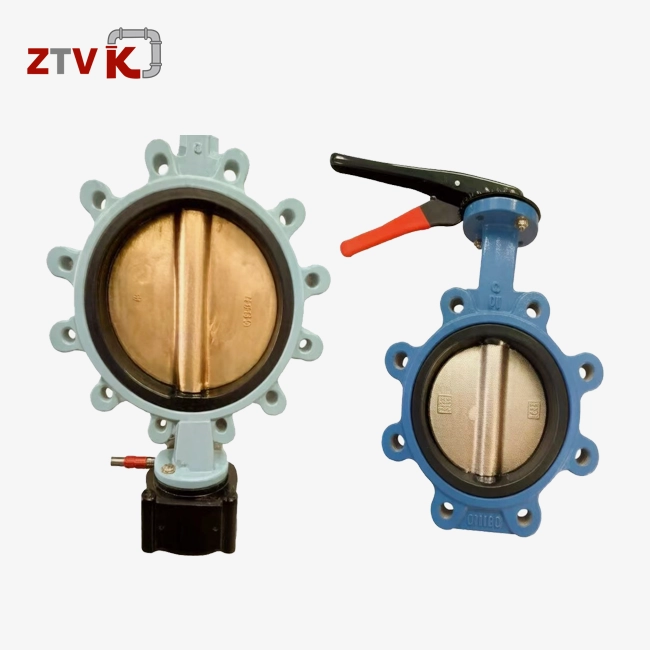
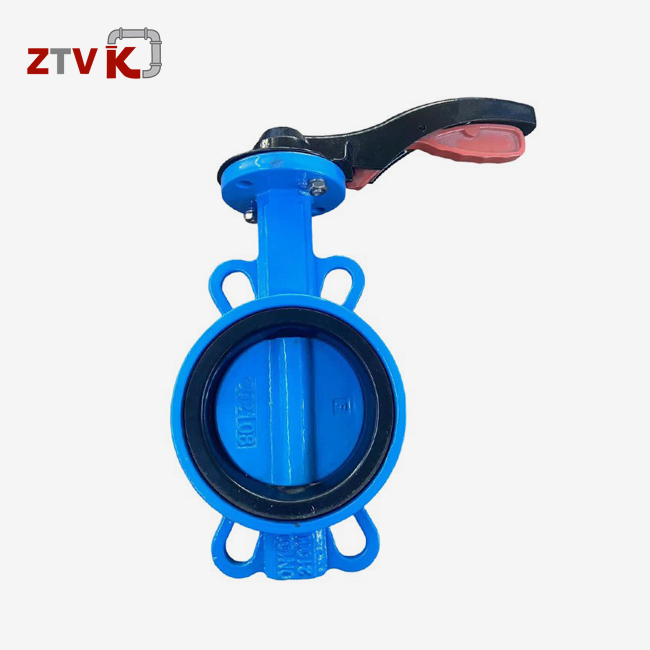
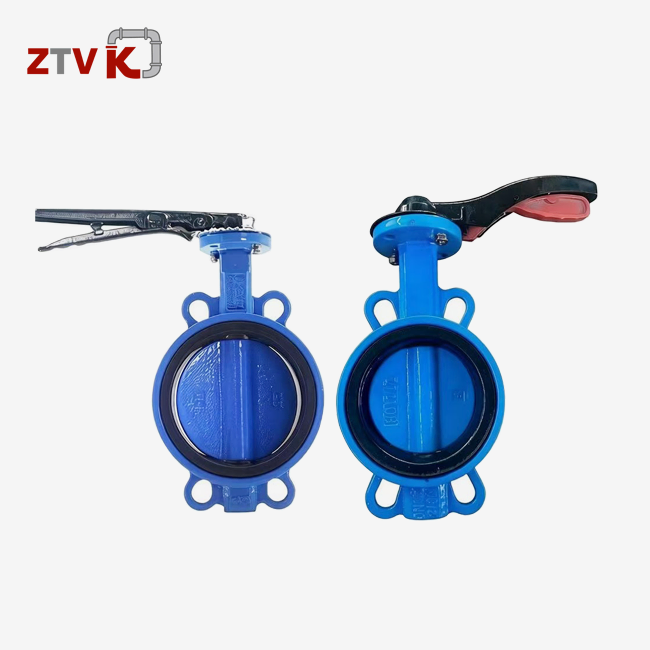
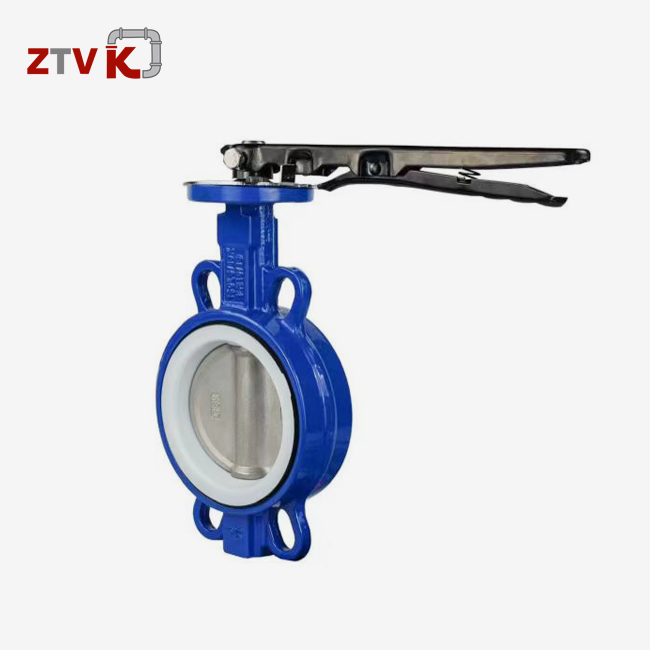
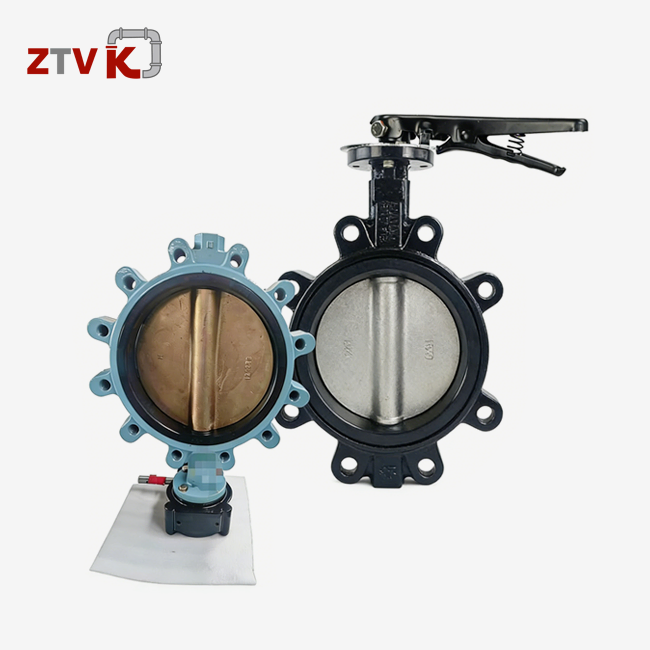
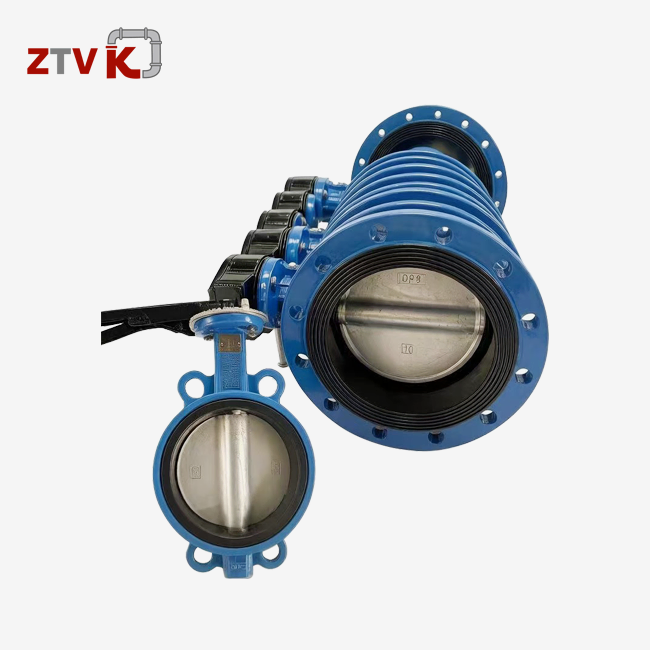
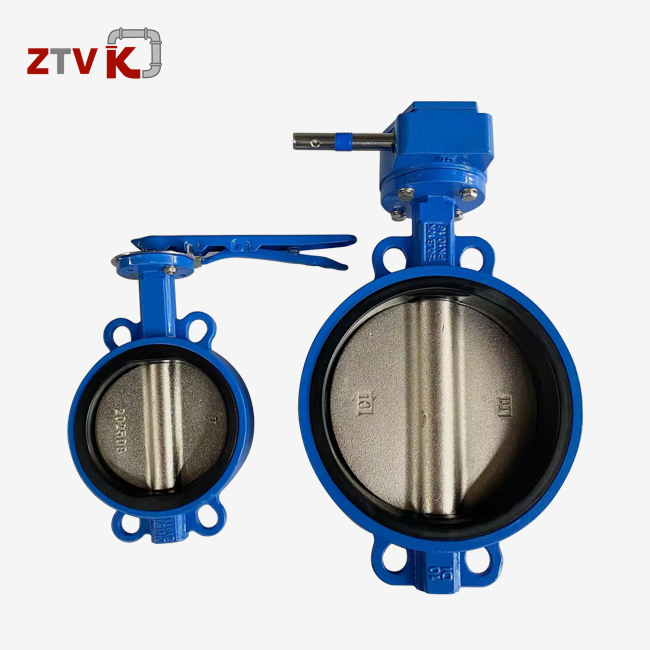
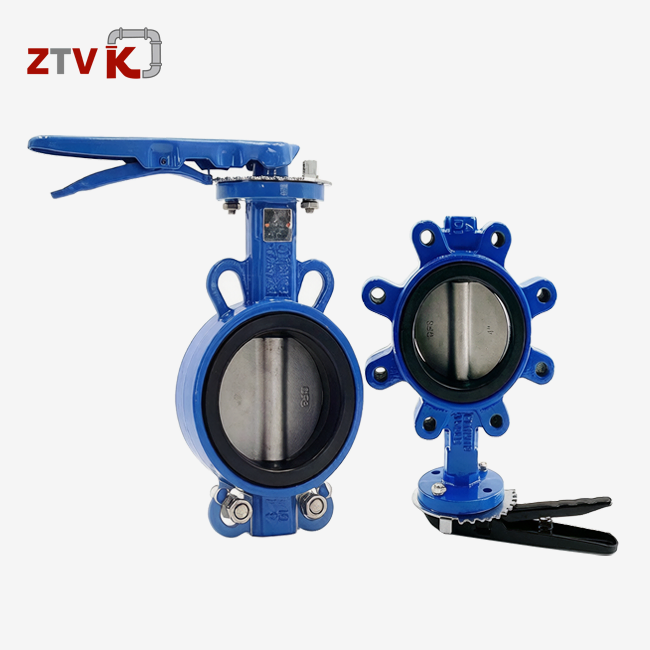
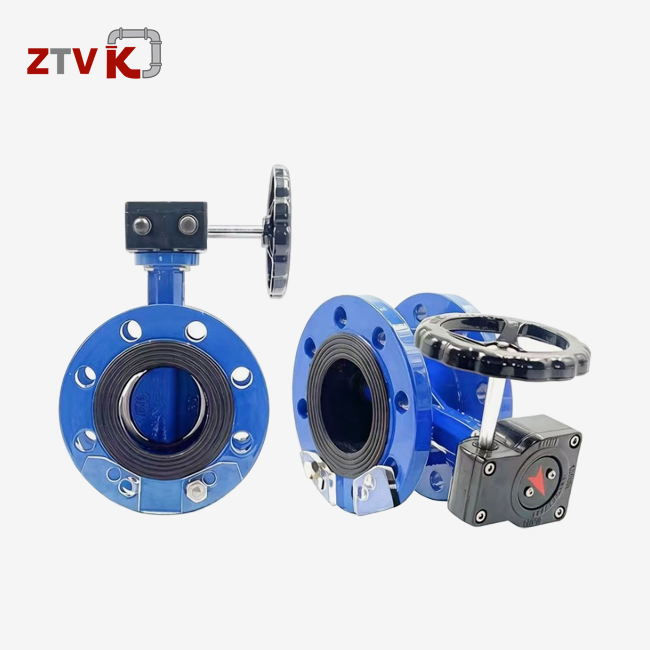
sea water butterfly valves
Connection method:Wafer type
Connection standard:ISO5211--PN10/PN16/125LB/150LB/JIS5K/JIS10K/JIS16K
Size:1.5"-48"(DN40-DN1200 mm)
Working pressure:PN10/PN16
Body material:DI/QT450
Disc material:DI/CF8/CF8M/Aluminum bronze
Seat material:EPDM/NBR/PTFE/VITON/
Sea Water Butterfly Valves – Marine-Grade Quarter-Turn Flow Control for Saltwater Environments
Sea water butterfly valves are quarter-turn flow control devices engineered for the corrosive demands of marine and saltwater service. Standard valves break down quickly when they come into contact with chloride ions, suspended solids, and dissolved salts. Choosing the right materials and paying attention to design details can make a real difference. We make marine-grade butterfly valves at ZTVK FLUID CONTROL EQUIPMENT (TIANJIN) CO., LTD. These valves come in sizes from DN40 to DN1200 (1.5" to 48"), can handle PN10/PN16 working pressure, and can work in temperatures from 0°C to 80°C.
What Sets These Valves Apart from Standard sea water butterfly valves
Normal butterfly valves aren't made to handle salt water. Chloride ions, sand in suspension, living things, and dissolved salts are all found in raw saltwater. These conditions quickly break down standard carbon steel or stainless steel parts.
These sea water butterfly valves address those failure modes through targeted material choices. Disc options include Aluminum Bronze, which naturally resists biofouling and forms a protective oxide layer in marine conditions. Seat materials — EPDM, NBR, PTFE, and VITON — are selected according to the specific medium and operating temperature. The valve stem and disc surface can be coated with nitrile rubber or EPDM to reduce metal erosion when in direct contact with seawater.
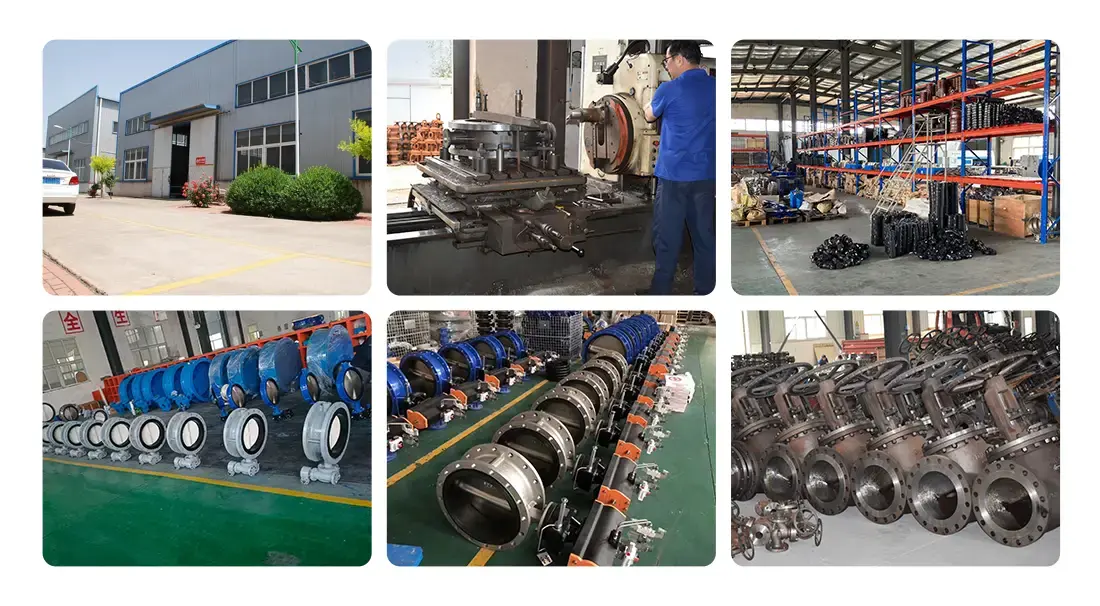
Product Specifications
|
Parameter |
Details |
|
Size Range |
1.5"–48" (DN40–DN1200) |
|
Working Pressure |
PN10 / PN16 |
|
Connection Method |
Wafer type |
|
Connection Standard |
ISO 5211 – PN10/PN16/125LB/150LB/JIS5K/JIS10K/JIS16K |
|
Body Material |
Ductile Iron (DI/QT450) |
|
Disc Material |
DI / CF8 / CF8M / Aluminum Bronze |
|
Seat Material |
EPDM / NBR / PTFE / VITON |
|
Suited Medium |
Water, seawater, gas, oil, and similar media |
|
Temperature Range |
0°C – 80°C |
|
Operation |
Hand lever / Worm gear / Pneumatic / Electric actuator |
Key Technical Features
The one-piece disk has a circular surface that has been machined and polished by hand on the disk edge. This keeps the working force low, increases the service life of the seat, and keeps the sealing performance stable.
Because the disk and stem are made of thin plates, the Cv value is up to 50% higher than with standard spindle-through designs. This lowers the pressure drop across the valve, which is helpful for marine piping systems with a lot of flow where saving energy is important.
The 90° open/close movement makes moving quick. It's easier to install, disassemble, and maintain because the internal structure is simple. This is useful for offshore or coastal plants where downtime is expensive.I don't know what to say.
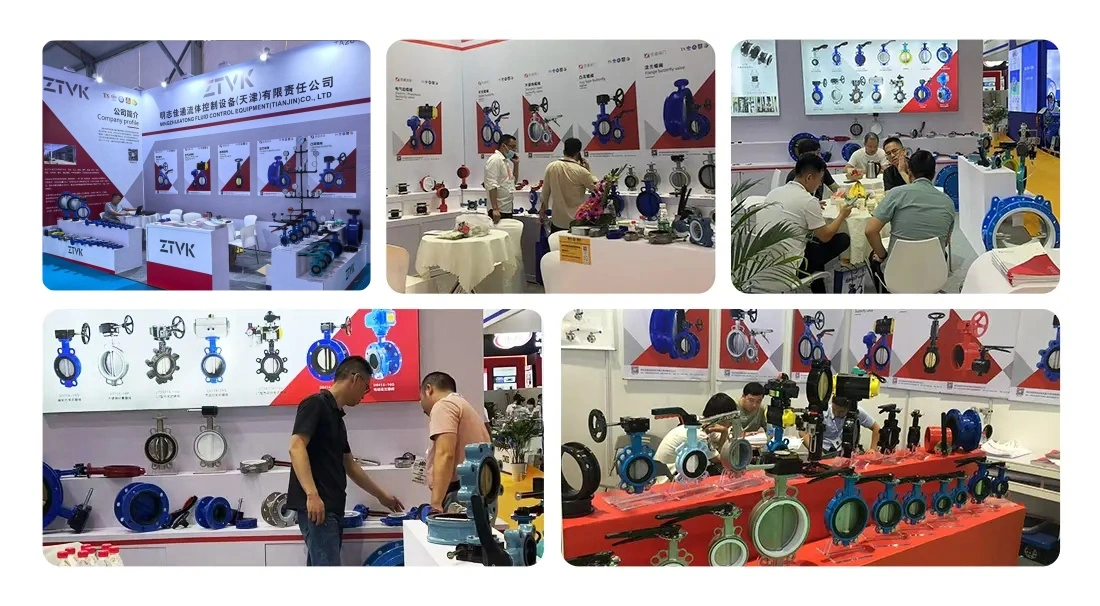
Material Selection for Seawater Service
When buying a seawater valve, it's very important to pick the right combination of materials. When metals that don't mix in a solution like seawater, galvanic rust speeds up and structures can break down quickly.
The ASTM B148 option for an aluminum bronze disk has natural antifouling properties and strong resistance to de-alloying in marine conditions. Marine-grade EPDM and NBR seats are vulcanized to the body so that they don't come apart in vacuums, which can happen in ballast and cooling loop uses.
Based on your needs, our engineering team can suggest the best seat and body material combinations for situations with harsher working conditions, such as higher chloride levels, faster flow rates, or bigger changes in temperature.
Application Scenarios
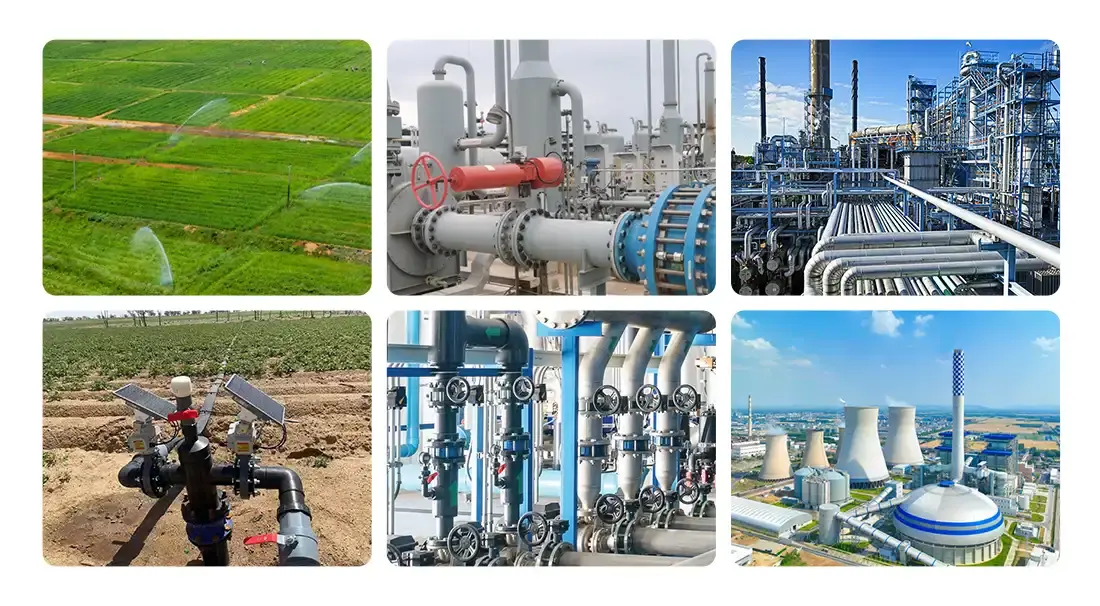
These sea water butterfly valves are used in:
Offshore platform ballast systems—Keeping the FPSO hull tanks stable, where valves must work reliably after long periods of not being used
Coastal power station cooling circuits—Handling large amounts of seawater for condenser cooling while being resistant to wear from sand and other debris
Desalination plants (SWRO)—Put in input and salt rejecting lines that are exposed to high chloride concentrations for a long time
Industrial seawater piping can handle raw seawater, cooling water, and other saltwater media that are used in process plants.
The range of valves can also be used in metallurgy, petrochemicals, pulp and paper, and water treatment.I don't know what to say.
Quality Control Process
Before being shipped, every valve goes through a structured inspection process:
Hydraulic and pneumatic tests according to API 598 or ISO 5208: the shell is tested at 1.5 times the rated pressure, and the seat leakage is tested at 1.1 times the rated pressure.
Spark testing, also known as "holiday detection," is done on rubber-lined and covered valves to make sure there are no holes that could let seawater into the ductile iron body.
Positive Material Identification (PMI): XRF spectral analysis confirms the presence of Ni, Mo, and Aluminum in disk and body materials that are resistant to corrosion.
Our factory has CNC lathes, grinding centers, chemistry analysis tools, and places to test the pressure of the air.
Customization and OEM/ODM Support
For foreign customers, we can do both OEM and ODM manufacturing. Custom logos, nameplates, and packages are some of the OEM choices. ODM options include redesigning the valve body, choosing the sealing material, changing the way the connections are set up, and adapting to specific needs for pressure, temperature, and media.
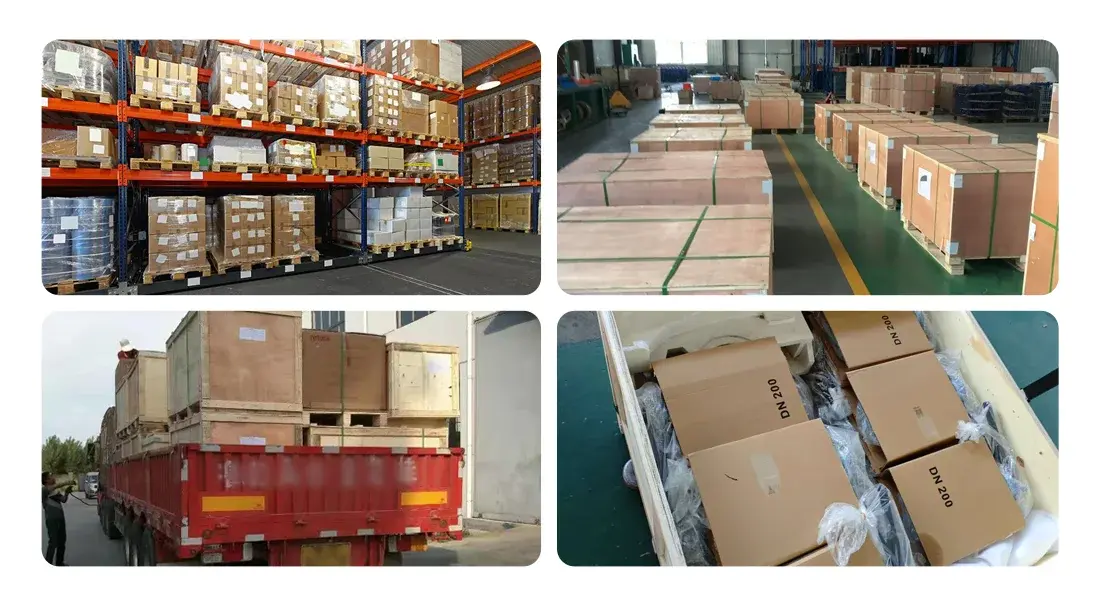
Most custom orders are sent out within 15 to 25 days. Standard sizes in stock (DN50–DN600, with more than 2,000 pieces available) ship in 3–7 days.
FAQ
Q: For the disk in butterfly valves, why should you choose aluminum bronze over stainless steel?
A: CF8M (316 stainless steel) can rust in cracks when it comes into contact with warm seawater. Depending on the conditions, aluminum bronze can be a better choice for long-term naval service because it forms a protective oxide layer that stops both rust and biofouling.
Q: How can the galvanic rust be stopped between the pipe lip and the valve?
A: Two common ways are to use dielectric isolation kits, which contain insulating gaskets, sleeves, and washers, or to choose a valve material that works with the piping next to it. Rubber-lined valve bodies that cover the metal completely also help keep things separate.
Q: Can these valves handle rough sand particles in uses that take in raw seawater?
A: For rough conditions, you should ask for higher-grade EPDM or polyurethane liners instead of standard grades, which wear out faster on the sealing surface.
Q: How many times should the valve be cycled in a marine setting?
A: It is common advice to do partial stroke tests once a month. Regular cycling helps get rid of early-stage biofouling before it hardens on flat surfaces and makes sure that the actuator force stays within its working range.
Q: What rules and approvals do these valves have to follow?
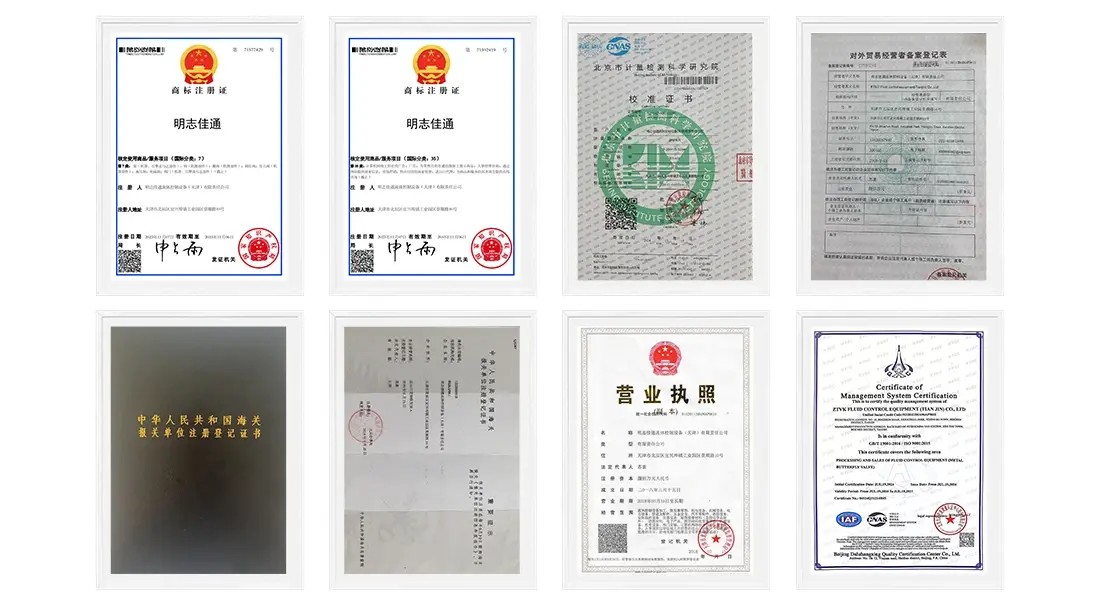
A: Our valves are made to meet the standards of ISO, API, ANSI, JIS, BS, DIN, and CE. It is certified by ISO 9001, ISO 14001, and OHSAS 18001, among others. All of the paperwork can be looked over, and factory inspections by third parties are allowed.
Contact Us
To request a quote or technical guidance on sea water butterfly valves, reach our team at ktec86961886@163.com. We respond to inquiries within one business day.
Send us your valve requirements and our team will provide professional solutions and fast quotations.