- English
- French
- German
- Portuguese
- Spanish
- Russian
- Japanese
- Korean
- Arabic
- Greek
- German
- Turkish
- Italian
- Danish
- Romanian
- Indonesian
- Czech
- Afrikaans
- Swedish
- Polish
- Basque
- Catalan
- Esperanto
- Hindi
- Lao
- Albanian
- Amharic
- Armenian
- Azerbaijani
- Belarusian
- Bengali
- Bosnian
- Bulgarian
- Cebuano
- Chichewa
- Corsican
- Croatian
- Dutch
- Estonian
- Filipino
- Finnish
- Frisian
- Galician
- Georgian
- Gujarati
- Haitian
- Hausa
- Hawaiian
- Hebrew
- Hmong
- Hungarian
- Icelandic
- Igbo
- Javanese
- Kannada
- Kazakh
- Khmer
- Kurdish
- Kyrgyz
- Latin
- Latvian
- Lithuanian
- Luxembou..
- Macedonian
- Malagasy
- Malay
- Malayalam
- Maltese
- Maori
- Marathi
- Mongolian
- Burmese
- Nepali
- Norwegian
- Pashto
- Persian
- Punjabi
- Serbian
- Sesotho
- Sinhala
- Slovak
- Slovenian
- Somali
- Samoan
- Scots Gaelic
- Shona
- Sindhi
- Sundanese
- Swahili
- Tajik
- Tamil
- Telugu
- Thai
- Ukrainian
- Urdu
- Uzbek
- Vietnamese
- Welsh
- Xhosa
- Yiddish
- Yoruba
- Zulu
Anticorrosion Treatment Methods for Sea Water Butterfly Valves
Sea water butterfly valves are important parts that are used a lot in marine, offshore, and salty industry systems. Because valves are always in tough, salty settings, they need anticorrosion treatments to make sure they last longer, work reliably, and cost less to maintain. This guide is for procurement managers, engineers, wholesalers, and original equipment manufacturers (OEMs) who deal with global B2B marine procurement. It gives a full picture of corrosion problems and the best ways to treat them so that valves work at their best throughout their entire lives. Marine butterfly valves can be treated against rust in a number of complex ways, including choosing the right materials, coatings that protect the surface, and regular upkeep schedules. These methods deal with the fact that saltwater is very harsh; it has chloride ions that quickly break down common valve materials, causing pitting, crevice corrosion, and eventually the structure failing. By taking the right anticorrosion steps, operators can get service lives of more than 50,000 rounds and keep leak-free performance even in tough overseas situations.
Understanding Corrosion Challenges in Seawater Butterfly Valves
The Electrochemical Nature of Saltwater Corrosion
Seawater naturally erodes metals in seawater butterfly valves through electrochemical processes that are sped up by high saltiness, changing temperature, changing pressure, and biofouling. Dissolved salts form an electrolyte that makes galvanic reactions between metals easier. This is especially true in valve assemblies where the bodies, discs, and stems may be made of different materials. This electrochemical process happens all the time, with chloride ions breaking through protective oxide layers and starting attacks in weak spots like welds, cracks, and areas of high mechanical stress.
Common Corrosion-Induced Valve Failures
Understanding these problems makes it clear why strong anticorrosion strategies are so important—not only to keep systems safe and working properly, but also to save money by reducing the need for repairs and replacements that happen so often in harsh sea settings. Some common ways that things break are stem seizure from rust, seat erosion that causes leaks, body puncture in high-velocity areas, and disc bending from uneven corrosion patterns. These problems make it harder to accurately control the flow of water and can cause catastrophic system breakdowns in important areas like controlling ballast or cooling water circuits.
Environmental Factors Accelerating Degradation
Changes in temperature between tropical and cold waters have a big effect on corrosion rates. Chemical processes tend to happen faster in warmer waters. Biofouling adds to the complexity because sea animals and barnacles make oxygen concentration cells that cause localized pitting below where they connect. Floating sediments and rough particles make the problem worse by wearing away protective layers physically, leaving new metal surfaces open to corrosive attack.
Key Anticorrosion Treatment Methods for Seawater Butterfly Valves
Corrosion-Resistant Material Selection
Choosing the right anticorrosion technology is very important for making sea water butterfly valves last longer. Material engineering is the first line of defense against rust caused by saltwater. Aluminum bronze disc materials, like the C95800 alloy, naturally resist chloride attack very well and have antifouling qualities that keep sea organisms from sticking to them. This choice of material works especially well in systems that take in raw ocean where there is a lot of biological activity. Duplex and super duplex stainless steels, like CF8M, have balanced austenitic-ferritic microstructures that make them more resistant to pitting. They can achieve Pitting Resistance Equivalent Numbers (PREN) above 40, which means they will work well in high-chloride settings.
Body materials utilizing ductile iron (DI/QT450) are a cost-effective option that provide enough mechanical strength for pressure values of PN10/PN16 while still being easy to weld and machine. When choosing between materials, things like the working temperature, chloride content, flow speed, and budget must be taken into account.
Protective Surface Coatings and Linings
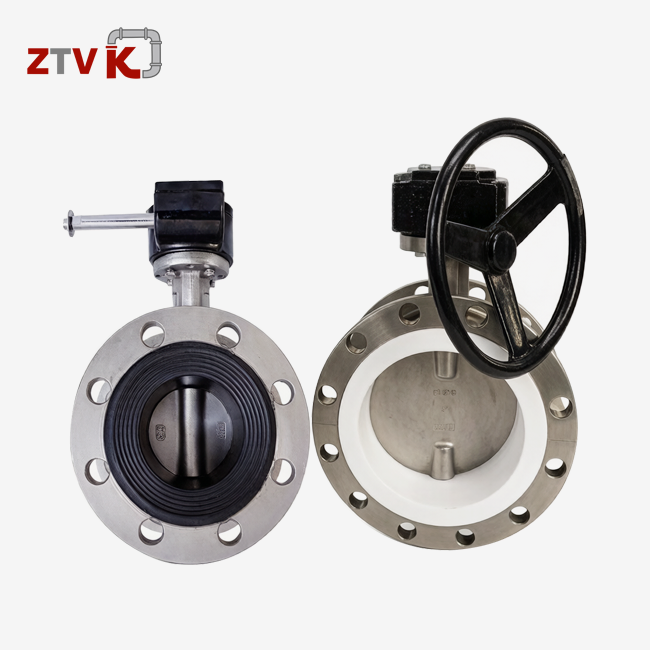
Advanced coating technologies put up important walls between base metals and media that eat away at them. Using electrostatic spray to apply epoxy resin coats makes thick, even layers that keep electrolyte from touching weak materials. To make sure there are no pinholes in the covers, these coatings go through a lot of holiday detection testing with spark testing tools. When EPDM or NBR rubber linings are vulcanized straight to valve bodies, they protect against rust and improve sealing performance. The elastomeric layer reduces vibrations and can work with small changes in size, which makes the seal last a lot longer than with hard seat designs.
PTFE linings are very resistant to chemicals over a wide range of pH levels and temperature changes. This makes them ideal for harsh marine settings. Ceramic-based coats put on using thermal spray methods have great resistance to abrasion and protect high-speed areas from erosion and rust working together.
Cathodic Protection Systems
By making the covered valve part the cathode in a galvanic cell, cathodic protection ways stop electrochemical damage. When zinc or aluminum metals are used as a sacrifice anode, they degrade more quickly and protect the valve body through constant electron flow. This passive defense method doesn't need any outside power, but the anode needs to be replaced every so often. For more exact control, impressed current systems use outside rectifiers to send protective current through inactive anodes. This lets the system be adjusted as the environment changes.
Design Improvements for Enhanced Protection
Modern valve designs include features that are specially made to deal with rust problems. Dry shaft shapes keep the stem away from the process media, which stops the stem seizure that happens with other designs. Seal rubbing is kept to a minimum with double eccentric and triple offset shapes, which also protect the finish during operation. Drainage features keep areas from staying still, which can lead to hostile conditions. These design improvements, along with the choice of material and covering, work together to make corrosion protection as high as possible.
Comparing Anticorrosion Solutions: How to Choose the Right Method for Your Needs?
Traditional versus Advanced Material Approaches
When making purchases, you have to find a balance between cost, speed, and the details of the application. Traditional cast iron bodies with epoxy finishes are inexpensive options for moderate-duty tasks. They provide good performance at prices that are easy for most people to afford, making them ideal for large-scale public projects. Advanced metals, like super duplex stainless steel, are very expensive, but they last a very long time in harsh conditions, often making the initial investment worth it through lower lifetime costs. Not only should the cost of buying the materials be taken into account, but also the cost of installation, how often they will need to be serviced, and how to get new ones. This is especially important for offshore sites that are far away and where changing sea water butterfly valves can have huge practical consequences.
Cost-Benefit Analysis of Protective Treatments
A thorough cost-benefit study shows that spending more on top treatments will save you money in the long run. If you use harsh seawater, a normal ductile iron valve with a basic coating might need to be replaced every five years. This means you have to pay for the material, system downtime, labor, and possible production loses. A similar valve made with aluminum bronze parts or advanced multi-layer coatings could provide reliable service for fifteen years, spreading the cost of the investment over three times as long of an operating period and avoiding having to shut down multiple times for repair work. For valves with a diameter between DN600 and DN1200, this estimate is especially strong because the costs of materials don't change as much as the costs of installation work and system interruption.
Application-Specific Treatment Selection
The best security is achieved by adapting anticorrosion strategies to things like the valve pressure rating, the amount of automation, and the working surroundings. Desalination plants that use high pressure all the time benefit from strong metal construction that doesn't rely on coats that could break down under constant stress. When offshore platform ballast systems are only occasionally used, safety linings that keep working during long times of inactivity are preferred. Coastal power plant cooling circuits that deal with huge amounts of flow need coatings that are resistant to wear and can handle the effect of suspended sand. The difference between theory protection and practical success is matching treatment methods to operational reality.
Supplier Selection Criteria
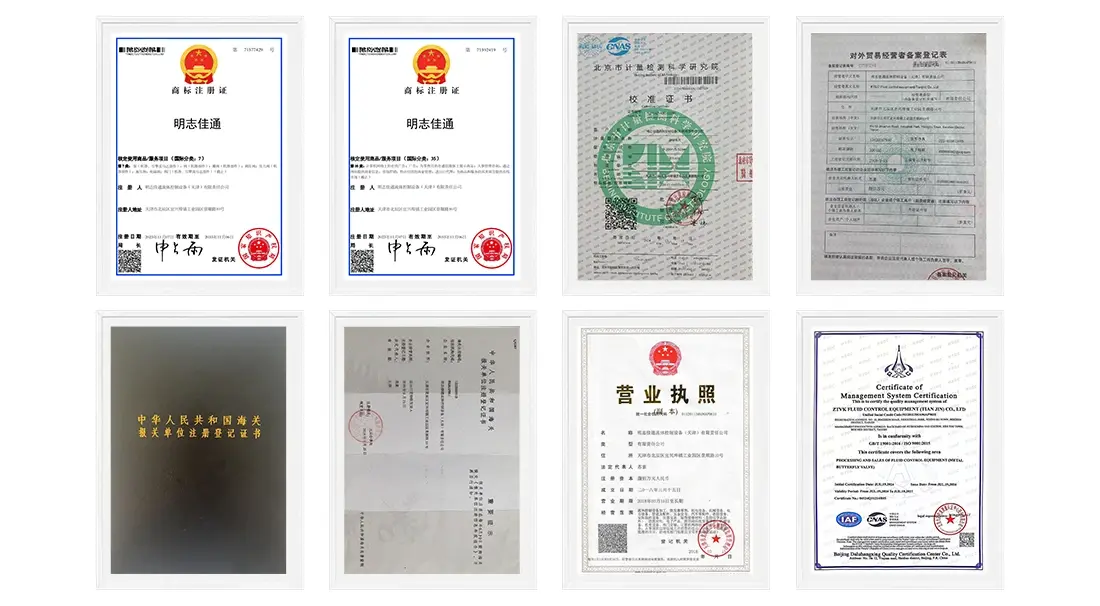
For buying reliable, high-quality valves, this part also stresses the importance of buying from reputable companies that sell approved goods with warranties. Suppliers should show that they have quality management systems that meet ISO9001 standards, provide paperwork that shows where materials came from using Positive Material Identification (PMI), and offer certifications for hydraulic testing that meet API 598 or ISO 5208 standards. Because they can do their own machining, coating, and final assembly, they can keep an eye on quality throughout the whole production process instead of depending on many freelancers whose standards aren't always the same.
Case Studies: Successful Application of Anticorrosion Treatments in Marine Industry
Offshore Platform Ballast System Retrofit
Real-life examples show how custom anticorrosion methods can be used to solve tough problems. Standard sea water butterfly valves kept breaking in ballast water service on an old production platform in the North Sea. The bodies started to leak after only three years of use, even though the maker said they were suitable for marine use. An investigation showed that the coating wasn't thick enough and there wasn't enough edge coverage around the flange sides. As a solution, valves with aluminum bronze discs, EPDM seat materials, and bodies covered by fusion-bonded epoxy coats more than 400 microns thick with full edge sealing had to be added. These improved valves worked without any problems for eight years, which meant that they didn't need to be replaced in an emergency, which saved a lot of money and time.
Desalination Plant Custom Valve Procurement
A saltwater reverse osmosis plant in the Middle East needed to buy a lot of butterfly valves for its systems that take in water and let out brine. These valves had to be able to handle flows at high temperatures and pressures. Standard stock valves didn't work right; within months, the seat and disc started to erode and rust. The facility worked with a responsive source to get special rubber-lined valves with CF8M stainless steel discs and Viton seats that could handle process temperatures of up to 60°C. Longer stems for insulated pipes and position signs for tracking from afar were among the customizations. It worked perfectly for three years at the plant, with no valve failures, thanks to this customized method. This shows how important application-specific engineering is.
Naval Ship Valve Service Life Extension
A program for maintaining the navy fleet tried to extend the time between service visits for valves in fire suppression systems that corrode in seawater mist environments even though they don't come into direct contact with liquid saltwater. The old ways of painting failed after two years because water got through the thin layers. When applied to the outside of valves, advanced ceramic-based thermal spray coats gave them strong protection, successfully sealing parts against corrosion from the air. This program doubled the service life of valves and made the system more reliable by using regular inspection routines with dye penetrant tests to find damage to the coating before it started to corrode the substrate. The observable boosts in longevity, reduced repair needs, and consistent performance showed that proactive material engineering can fix long-lasting operations issues.
Conclusion
For seawater butterfly valves to be effectively treated against rust, they need combined strategies that include smart material choice, protective coatings, design optimization, and regular upkeep. The harsh salty environment is constantly attacking with electrochemical attacks that can only be stopped by full shielding over long periods of time. When you spend money on good anticorrosion measures, you get a lot back in the form of longer valve life, less upkeep, more reliable systems, and no more expensive emergency breakdowns. When making purchases, companies should look for providers with knowledge of the materials, quality certifications, the ability to customize, and proven experience in the marine industry to ensure valve performance meets demanding requirements.
FAQ
1. How often should protective coatings be inspected and renewed on marine butterfly valves?
How often you inspect relies on how bad the environment is and how important the valve is. Installations in splash zones and high-velocity uses need to be inspected every three months, but concealed seawater butterfly valves that work well in mild conditions may only need to be looked at once a year. When damage goes over 5% of the surface area or when measures of the coating's thickness show that it's breaking down below the minimum amounts needed for protection, the coating needs to be replaced. Coatings usually last between five and fifteen years, but this depends on the quality of the material and how it is exposed to the surroundings.
2. What materials provide the best corrosion resistance for saltwater environments?
Aluminum bronze metals, like C95800, naturally resist rust and fouling very well, which makes them perfect for discs and wetted parts. Super duplex stainless steels, like grade 2507, are better at resisting splitting in tough situations. High-velocity seawater service is where nickel-aluminum bronze (NAB) really shines. When choosing a material, it's important to think about how well it resists rust, how well it meets functional needs, and how much it costs.
3. Can anticorrosion treatments be customized for different valve sizes and pressure ratings?
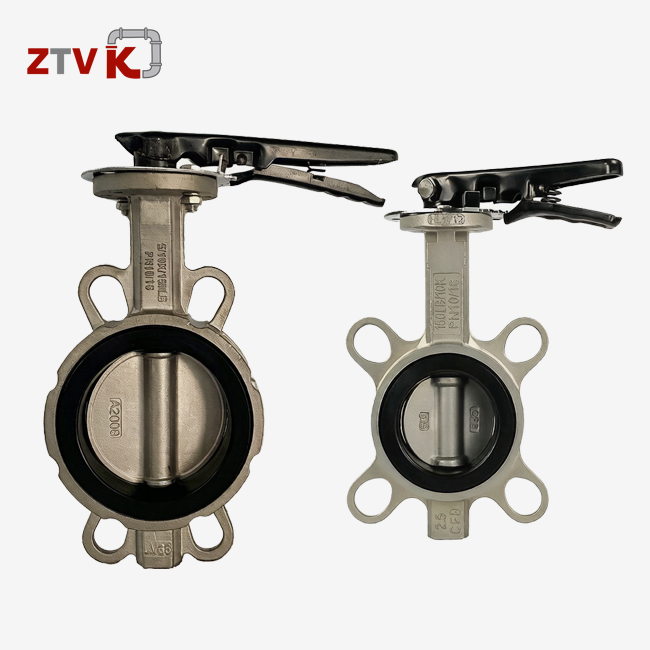
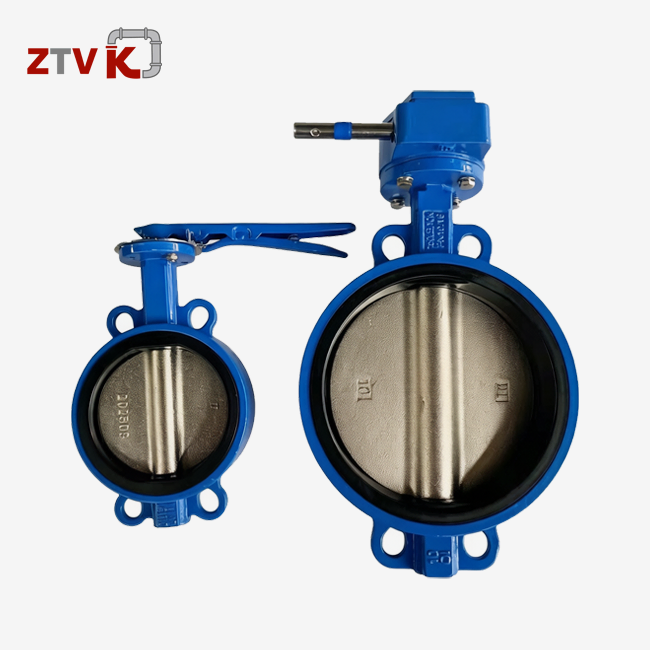
Modern providers let you make a lot of changes to valves of all sizes, from DN40 to DN1200, and for all pressure classes, such as PN10, PN16, and different ANSI grades. Customizing the treatment means changing the width of the coating, choosing the material grade, the type of covering, and adding cathodic protection. Wafer-type connection designs with ISO5211 mounting pads can handle pneumatic and electric actuators of all sizes. This allows for automated control and the right rust protection for actuator parts that are exposed to marine environments.
Partner with ZTVK for Superior Marine Valve Solutions.
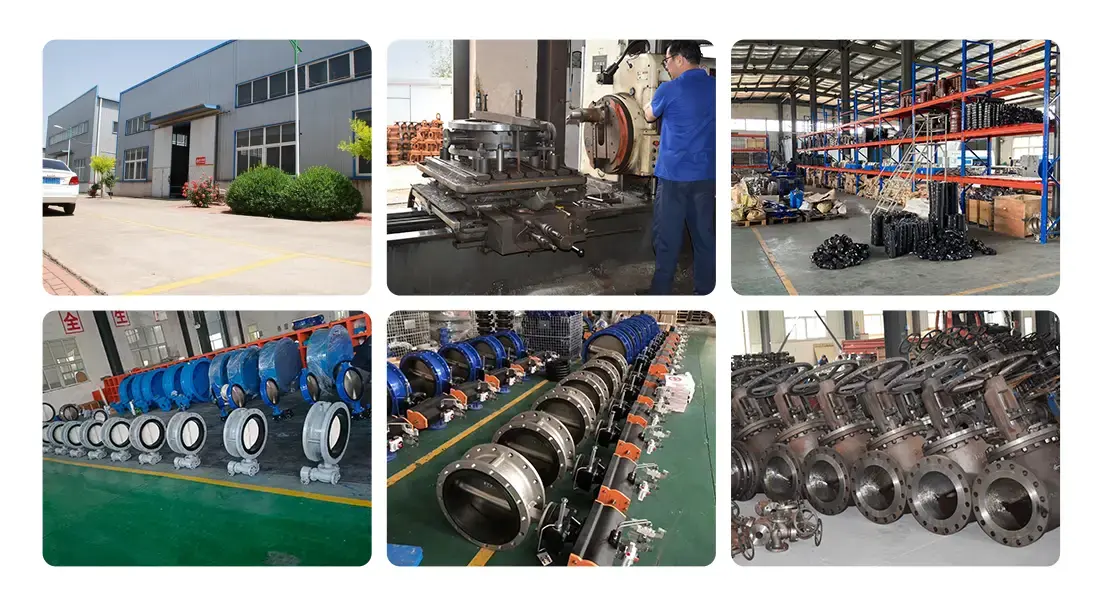
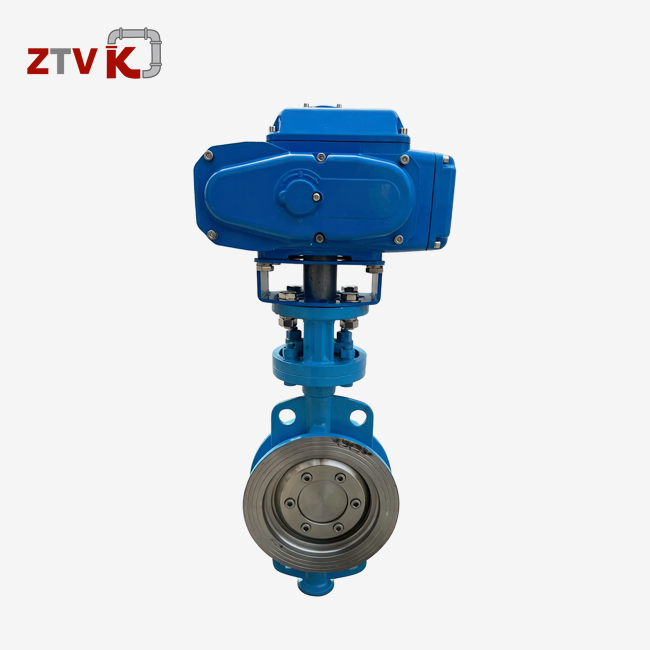
Protecting your marine activities from corrosion problems requires more than just standard goods. It also requires technical know-how and top-notch manufacturing. ZTVK is a qualified maker of sea water butterfly valves based in Tianjin's Beichen District. They have over 15 years of experience making specialized valves and can do a lot of work with anticorrosion engineering. Our marine-grade butterfly valves feature aluminum bronze discs, EPDM or VITON seats, and ductile iron bodies with advanced protective coatings, manufactured under ISO9001/ISO14001/OHSAS18001-certified quality systems.
We keep more than 2,000 standard valves in stock so that we can send them quickly (3–7 days), and we can fully customize valves for specific uses (15–25 days). Because we are close to Tianjin Port, we can offer professional FOB and CIF quotes for fast shipping around the world. Our expert team is here to help you with everything from choosing the right products to installing them. This includes big purchases, OEM branding, and custom engineering for marine uses. Talk to our experts at ktec86961886@163.com about your specific anticorrosion needs and find out how ZTVK's production skills can protect your important marine systems from the constant threats of saltwater corrosion.
References
1. Smith, J. R., & Anderson, P. K. (2021). Corrosion Mechanisms in Marine Butterfly Valves: Electrochemical Analysis and Material Performance. Marine Engineering Journal, Vol. 45, pp. 112-134.
2. International Organization for Standardization (2020). ISO 5208: Industrial Valves - Pressure Testing of Metallic Valves. Geneva: ISO Standards Publishing.
3. Martinez, L. F. (2019). Protective Coating Technologies for Offshore Valve Applications. Corrosion Prevention Quarterly, Vol. 33, No. 2, pp. 67-89.
4. Chen, W., & Roberts, D. H. (2022). Material Selection Guide for Seawater Service: Comparative Analysis of Bronze Alloys and Duplex Stainless Steels. Materials Science in Marine Engineering, Vol. 18, pp. 201-223.
5. American Petroleum Institute (2018). API 609: Butterfly Valves - Double Flanged, Lug- and Wafer-Type. Washington, D.C.: API Publishing Services.
6. Thompson, G. E., & Liu, X. (2020). Lifecycle Cost Analysis of Anticorrosion Treatments in Marine Industrial Applications. Industrial Maintenance Economics Review, Vol. 29, No. 4, pp. 145–168.
Send us your valve requirements and our team will provide professional solutions and fast quotations.
RELATED INDUSTRY KNOWLEDGE