- English
- French
- German
- Portuguese
- Spanish
- Russian
- Japanese
- Korean
- Arabic
- Greek
- German
- Turkish
- Italian
- Danish
- Romanian
- Indonesian
- Czech
- Afrikaans
- Swedish
- Polish
- Basque
- Catalan
- Esperanto
- Hindi
- Lao
- Albanian
- Amharic
- Armenian
- Azerbaijani
- Belarusian
- Bengali
- Bosnian
- Bulgarian
- Cebuano
- Chichewa
- Corsican
- Croatian
- Dutch
- Estonian
- Filipino
- Finnish
- Frisian
- Galician
- Georgian
- Gujarati
- Haitian
- Hausa
- Hawaiian
- Hebrew
- Hmong
- Hungarian
- Icelandic
- Igbo
- Javanese
- Kannada
- Kazakh
- Khmer
- Kurdish
- Kyrgyz
- Latin
- Latvian
- Lithuanian
- Luxembou..
- Macedonian
- Malagasy
- Malay
- Malayalam
- Maltese
- Maori
- Marathi
- Mongolian
- Burmese
- Nepali
- Norwegian
- Pashto
- Persian
- Punjabi
- Serbian
- Sesotho
- Sinhala
- Slovak
- Slovenian
- Somali
- Samoan
- Scots Gaelic
- Shona
- Sindhi
- Sundanese
- Swahili
- Tajik
- Tamil
- Telugu
- Thai
- Ukrainian
- Urdu
- Uzbek
- Vietnamese
- Welsh
- Xhosa
- Yiddish
- Yoruba
- Zulu
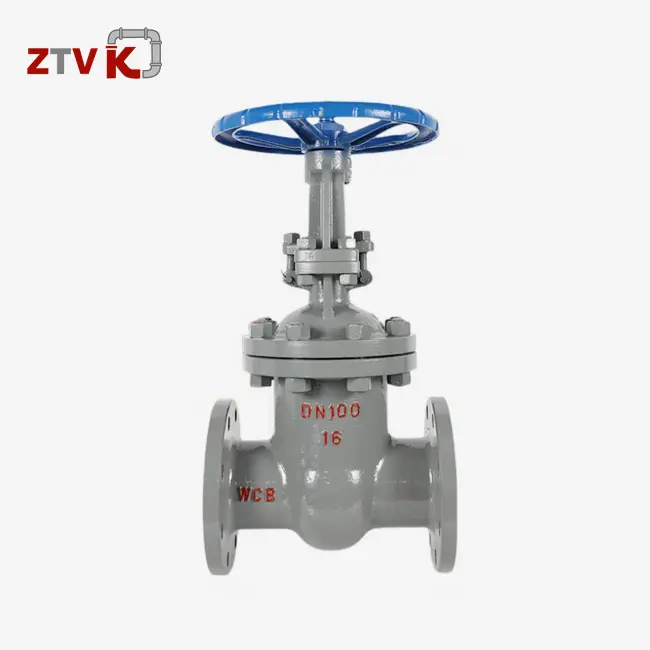
gate valve flanged
Design Standard AWWA C515
Stem Non-Rising Stem
Operator Handwheel
Connections Flanged / ANSI 125
Pressure Rating 250 PSI
Temperature Rating 180° F
Length (End to End) 9"
Weight 52 lbs
Gate Valve Flanged DN100 (4") | Full-Bore Isolation Valve for Industrial Pipelines
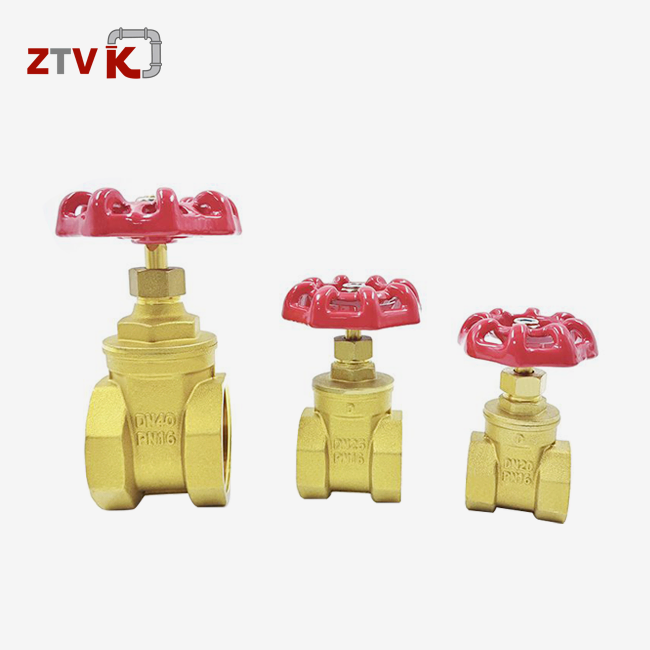
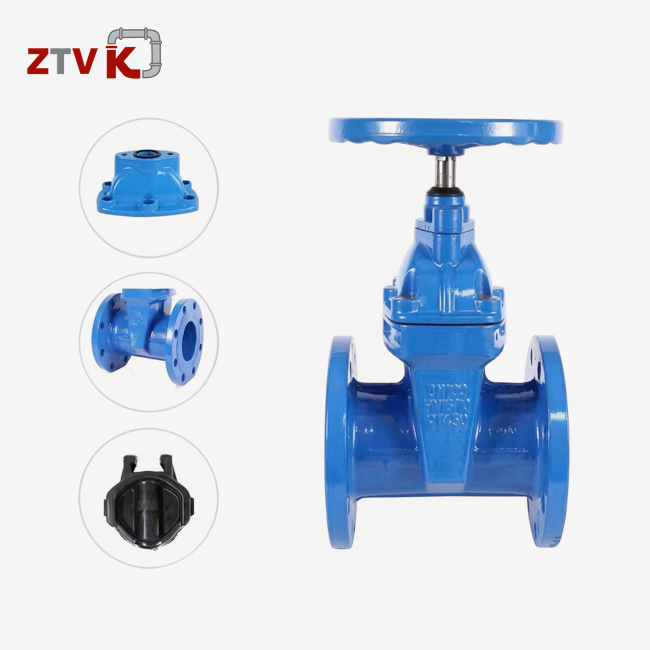
The gate valve flanged DN100 (4") from ZTVK FLUID CONTROL EQUIPMENT is built to AWWA C515 design standards, rated at 250 PSI working pressure and 180°F (82°C). It has an ANSI 125 flanged end connection, a stem that doesn't rise, and a length of 9" from end to end, making it ideal for tight pipeline layouts. This valve, which weighs 52 pounds (23.6 kg), can be used to turn pipes on and off in petroleum, water treatment, power generation, and other related industries.
What Is a Gate Valve Flanged?
A gate valve flanged is a linear-motion isolation device with bolted flange connections on both inlet and outlet ports. The flanged configuration follows dimensional standards — including ASME B16.5, EN 1092-1, and JIS B2220 — allowing installation and disassembly without cutting pipe.
When the gate is fully open, it moves perpendicular to the flow, making an internal passage that is full-bore and has a low pressure drop. This makes it a good choice for on/off isolation in moving large amounts of fluids when pressure losses from globe or butterfly valves are a problem.
When compared to threaded or welded end designs, the flanged end makes it easier to change valves during planned or unexpected shutdowns.
Product Specifications
|
Parameter |
Details |
|
Nominal Size |
DN100 (4") |
|
Design Standard |
AWWA C515 |
|
Stem Type |
Non-Rising Stem (NRS) |
|
Operator |
Handwheel |
|
End Connection |
Flanged / ANSI 125 |
|
Pressure Rating |
250 PSI |
|
Temperature Rating |
180°F (82°C) |
|
End-to-End Length |
9" (229 mm) |
|
Weight |
52 lbs (23.6 kg) |
|
Nominal Pressure Range |
0.1–48 MPa (full product range) |
|
Nominal Diameter Range |
DN32–DN2600 (full product range) |
Materials & Construction Options
There are different grades of material for the valve body so that it can fit your process media and operating environment.
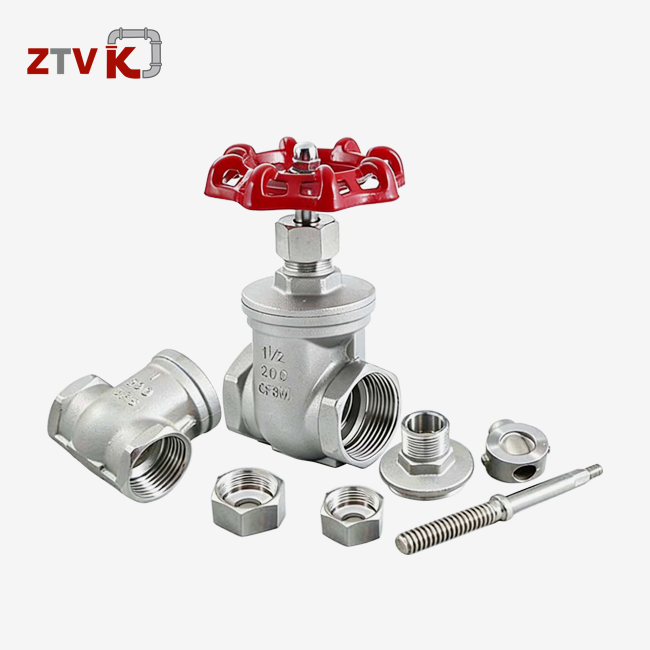
You can choose a body made of carbon steel (WCB), alloy steel, stainless steel (304/316), titanium alloy, Monel, copper alloy, or cast iron.
You can get lined metal bodies in rubber-lined, fluorine-lined (PTFE), lead-lined, plastic-lined, and enamel-lined styles, all of which are good for chemically aggressive media.
For some low-pressure or highly acidic uses, body valves made of clay, glass, or plastic are offered as alternatives to metal ones.
Overlays made of stainless steel or hard alloy can be used on sealing surfaces (Stellite 6 is an option). The standard way to seal a stem is with PTFE packing.
Key Performance Characteristics
The gate valve flanged design offers the following technical characteristics:
Low flow resistance—the straight-through internal passage lets media flow in a straight line, which keeps the pressure drop to a minimum.
Less operating force is needed because the gate moves in a straight line with the flow, requiring less torque than globe valves.
Less risk of surges—the slow closing stroke through the threaded stem lowers the surge pressure.
Two-way flow—the uniform channel design lets you place it without any limits on flow direction
The DN100 has a short face-to-face length of 9" from end to end, making it ideal for pipeline plans with limited room.
Flange Face & Design Variants
There are three types of flange faces: Raised Face (RF), Flat Face (FF), and Ring Type Joint (RTJ). These can handle pressures from ASME 150 to 2500. RTJ faces are usually chosen for oil and gas service with high pressure.
Depending on where you want to install it, you can choose between two stem designs:
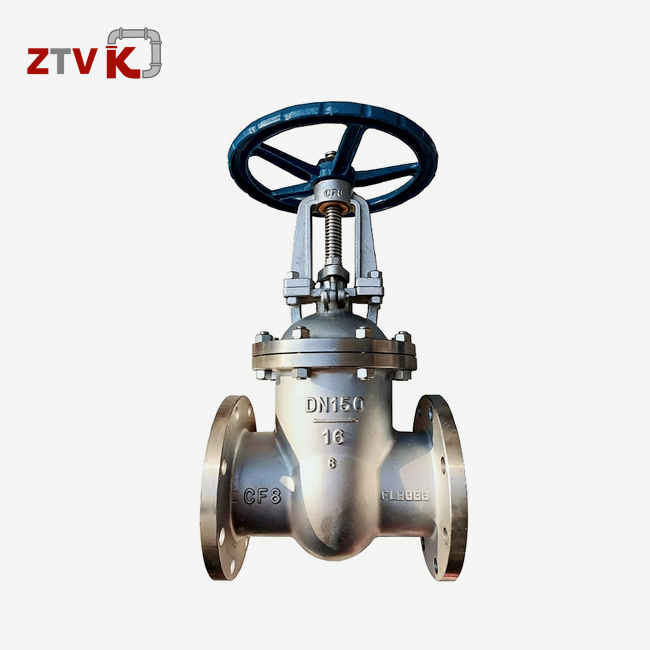
OS&Y (Outside Screw & Yoke): The stem position can be seen above the yoke, which makes it easy to confirm the valve status. Stem threads stay out of the media, which limits their exposure to rust.
NRS (Non-Rising Stem): The stem threads fit inside the valve body. This DN100 type works with NRS, which makes it perfect for deep caves or places with limited room.
There are two kinds of wedges: solid wedges and bendable wedges. When there is a chance that thermal shrinkage could cause binding in high-temperature steam lines, a flexible wedge is suggested.

Application Scenarios
This flanged gate valve is used in many fields where full-bore isolation and flanged accessibility are needed.
Upstream oil and gas: Flanged links let you change the valve without having to cut the pipe. RTJ face options meet the requirements of NACE MR0175 for sour service environments.
Municipal water and sewage: Flanged gate valves are used on water and sewage mains where the valves may need to be physically taken off to replace the seat or clear a blockage.
For power production, they are used as separation valves on lines for high-pressure turbines. The flanged joint keeps the seal in place even after many rounds of heat expansion and contraction.
Petrochemical, natural gas, metallurgy, pulp and paper, food processing, and pharmaceutical industries are some of the others that it serves.
Customization & OEM/ODM Support
For this line of flanged gate valves, ZTVK can handle both OEM and ODM orders.
Custom logos, nameplates, and packaging are all part of OEM services for customers. ODM services include redesigning the valve body structure, choosing the right sealing material, changing the way connections are set up, and adapting to different pressure, temperature, or media conditions.
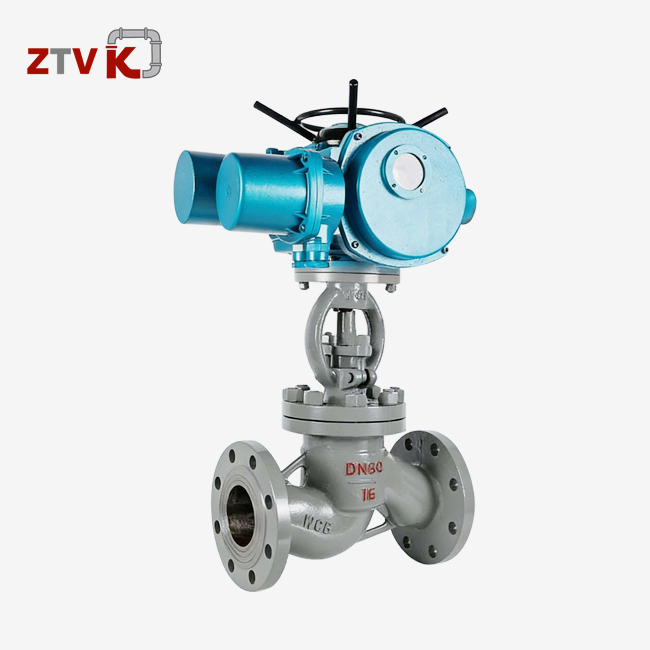
The actuators can be set up to work with a manual handwheel, electricity, pneumatics, hydraulics, electro-pneumatics, electrohydraulics, or a turbine drive, depending on the needs of the project.
If your project needs to be installed or done in a certain way, please contact us so we can talk about the different setup choices that will work best for you.
Delivery, Packaging & Logistics
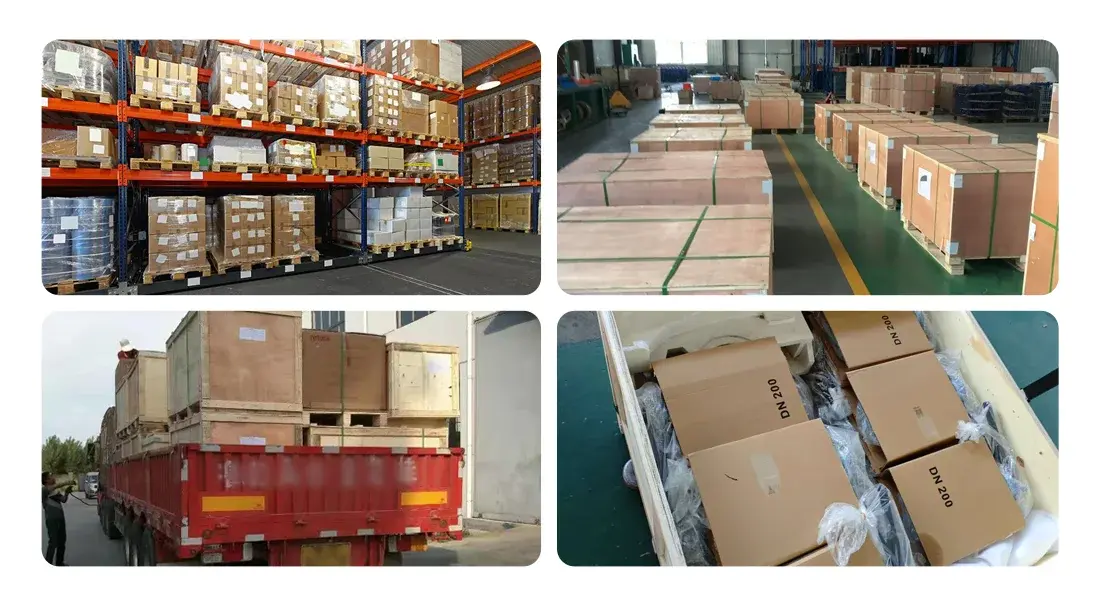
The factory is about 50 km away from the Tianjin Xingang Port. You can choose between FOB Tianjin and CIF destination-port pricing.
In order to meet the phytosanitary standards of ISPM 15, export packing uses wooden boxes, moisture-proof film, and fixing clamps.
Please contact us directly to find out about lead times and stock availability for certain sizes and configurations.
FAQ
Q1: Can a gate valve be used to slow down flow?
A: No, gate valves are only meant to separate on and off signals. Using them to slow down flow wears away the sitting surface from partial flow exposure. This is known as "wire drawing" and causes leaks and early valve failure.
Q2: My flanged link leaks after I fix it. What should I look at?
A: Pipes that aren't lined up right, gaskets made from materials that aren't right for the temperature or media, and wrong bolt pressure order are all common reasons. Tighten bolts in a cross (star) shape at all times. Also, look for damage on the face of the flange and make sure the bolt grade is right for the pressure class.
Q3: When should I pick a flexible wedge over a fixed wedge?
A: For high-temperature steam service or any system that tends to get stuck at high temperatures, choose a flexible wedge. The wedge can slightly bend, which keeps it from locking in place when the valve cools down and contracts after being shut off.
Q4: How often should the stem packing be checked?
A: For OS&Y designs, check the packing gland on a regular basis and after big thermal cycling events. If the packing is pressed all the way to the bottom, you should disconnect the valve before you replace the graphite or PTFE rings.
Q5: Can this gate valve be put in place vertically?
A: Yes. For bigger sizes (DN300+), it's better to have the stem oriented horizontally because a heavy wedge can move out of place over time in vertical pipe runs. Get in touch with us to talk about how to change the guides for certain vertical large-bore installations.
Q6: Does this gate valve meet any standards?
A: Depending on what the customer wants, ZTVK makes products that meet standards like ISO, API, ANSI, ASME, JIS, BS, DIN, and CE. If you ask, you can get the relevant paperwork.
Contact Us
For gate valve flanged inquiries or a custom quote, email us at ktec86961886@163.com. We will get back to you as soon as possible.
Send us your valve requirements and our team will provide professional solutions and fast quotations.