- English
- French
- German
- Portuguese
- Spanish
- Russian
- Japanese
- Korean
- Arabic
- Greek
- German
- Turkish
- Italian
- Danish
- Romanian
- Indonesian
- Czech
- Afrikaans
- Swedish
- Polish
- Basque
- Catalan
- Esperanto
- Hindi
- Lao
- Albanian
- Amharic
- Armenian
- Azerbaijani
- Belarusian
- Bengali
- Bosnian
- Bulgarian
- Cebuano
- Chichewa
- Corsican
- Croatian
- Dutch
- Estonian
- Filipino
- Finnish
- Frisian
- Galician
- Georgian
- Gujarati
- Haitian
- Hausa
- Hawaiian
- Hebrew
- Hmong
- Hungarian
- Icelandic
- Igbo
- Javanese
- Kannada
- Kazakh
- Khmer
- Kurdish
- Kyrgyz
- Latin
- Latvian
- Lithuanian
- Luxembou..
- Macedonian
- Malagasy
- Malay
- Malayalam
- Maltese
- Maori
- Marathi
- Mongolian
- Burmese
- Nepali
- Norwegian
- Pashto
- Persian
- Punjabi
- Serbian
- Sesotho
- Sinhala
- Slovak
- Slovenian
- Somali
- Samoan
- Scots Gaelic
- Shona
- Sindhi
- Sundanese
- Swahili
- Tajik
- Tamil
- Telugu
- Thai
- Ukrainian
- Urdu
- Uzbek
- Vietnamese
- Welsh
- Xhosa
- Yiddish
- Yoruba
- Zulu
Exploring the Features and Applications of a 12 Inch Butterfly Valve in Modern Systems
When industrial engineers need to control large amounts of fluid flows efficiently, the 12" butterfly valve is the best choice. This DN300 quarter-turn flow control device is both small and powerful, which is why it is an essential part of modern piping systems. Unlike smaller valves, the 12-inch size meets the needs of municipal water networks, HVAC installations, and chemical processing facilities, where reliable shutoff capabilities and efficient use of space are key to operational success and cost management.
Understanding the 12 Inch Butterfly Valve: Features and Functionality
Core Design and Working Principle
The 12" butterfly valve has a simple but effective way of working. The flow path can be opened or closed by turning a disc that is round and attached to a stem that rotates in the middle 90 degrees. When the disc is fully open, it lines up parallel to the flow direction, so there isn't much blockage or pressure loss. When the valve closes, the disc spins in a direction perpendicular to the flow and presses against a flexible cushion to make a tight seal. When compared to multi-turn valves, this quarter-turn process cuts actuation time by a large amount. This makes it possible to quickly shut down vital systems in case of an emergency.
The DN300 size refers to the standard bore diameter, which is great for pipes that handle a lot of flow, measured in thousands of gallons per minute. Because the disc has a lot of surface area at this size, there is a lot of hydraulic power during operation. To make sure safe, controlled movement under changing pressure conditions, gearbox operators are needed instead of hand levers.
Lug-Style Construction Advantages
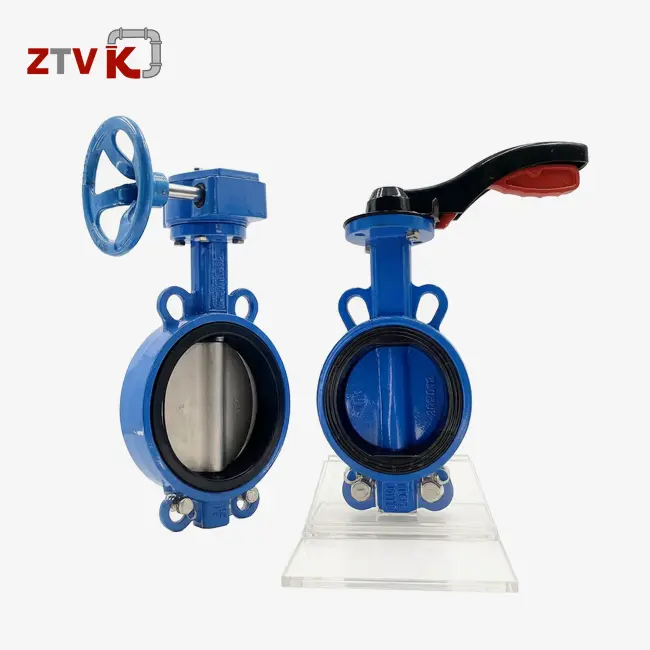
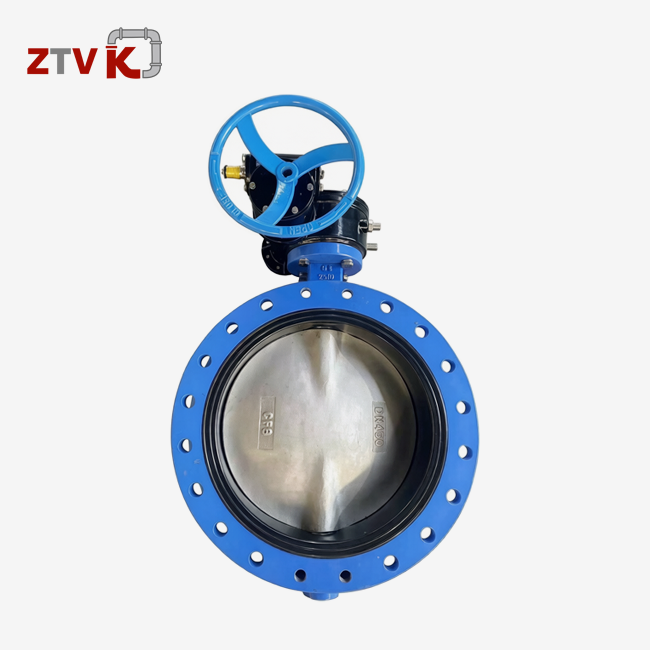
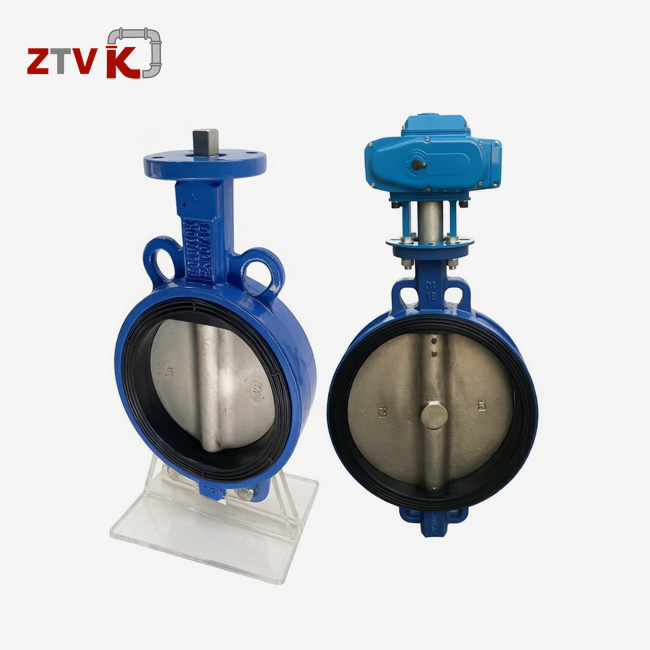
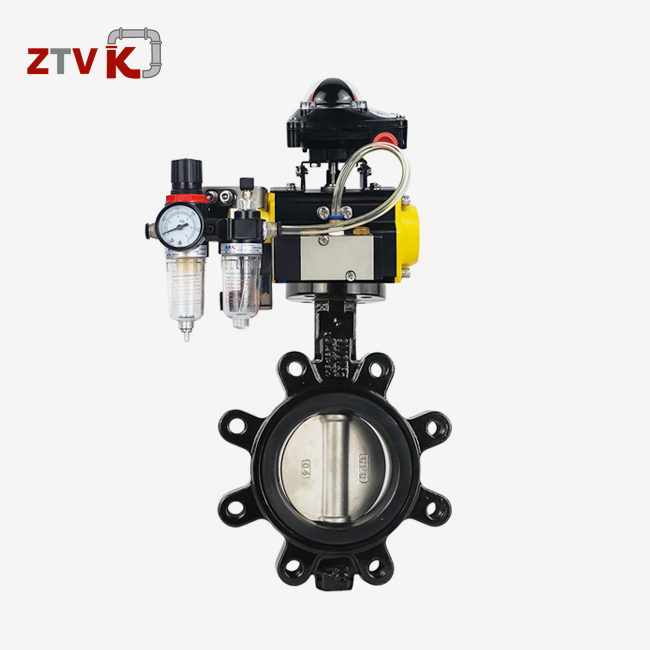
At ZTVK, we make lug-type setups that are meant to be flexible in maintenance situations. The lug design has threaded openings on both sides of the valve body, so the bolt can be put in through either side separately. This design allows for dead-end service, which means that pipes further downstream can be taken out while the valve is still under pressure, without having to shut down the whole system. This feature is especially useful for procurement managers at municipal water treatment plants because it keeps operations running as smoothly as possible during routine pipeline repair or growth projects, which saves a lot of money.
You can choose ductile iron (DI/QT450) as the body material. This type of iron has better strength-to-weight ratios and better impact protection than regular cast iron. Discs can be made of ductile iron for water service or CF8 and CF8M stainless steel types for corrosive media. Aluminum bronze is also available for high-temperature uses that need to be non-sparking in places that could be explosive.
Sealing Technology and Pressure Ratings
The material we choose for our seats has a direct effect on how long they last and how well they stop leaks. EPDM chairs work great in systems with drinkable water that are up to 230°F because they are very strong and don't react with chemicals. Nitrogen-based fluids and hydraulic oils work well with NBR (Nitrile). PTFE is chemically compatible with all harsh media, and VITON is used for high-temperature chemical processing where thermal stability is very important.
The PN10 and PN16 pressure values (about 145 and 232 psi, respectively) are in line with international standards like ISO5211. This means that these valves can be used with pipes that are made anywhere in the world. Connection standards, including 125LB/150LB ANSI, JIS10K/JIS16K Japanese standards, and European PN codes, make it possible to easily connect to existing infrastructure, no matter where the project is located or what the technical requirements are.
Comparing 12 Inch Butterfly Valves with Other Valve Types for Procurement Decisions
Operational Efficiency Versus Gate Valves
Large-diameter isolation applications have usually been handled by gate valves, but 12" butterfly valves offer strong benefits that change buying goals. It usually takes 15 to 25 full stem turns for a 12-inch gate valve to go from closed to open, which takes a lot of time during emergency shutdowns. Our butterfly valve does the same thing with just one 90-degree turn, which cuts response time by more than 90%. In fire defense devices, where every second counts, this quick action is very important.
On the face-to-face level, things are different. At this size, the distance between the flange sides of a Class 150 gate valve is about 22 to 26 inches. Our wafer and lug butterfly valves, on the other hand, are only 3 to 4 inches. This huge reduction in space is very important for repair projects where the length of the installation is limited by existing pipe supports and equipment in the area. The weight difference is about the same: a 12" gate valve weighs 180 to 220 pounds, while an equal butterfly valve weighs 65 to 85 pounds. This means that less structural weight is needed and installation work costs are lower.
Material Selection Economics
Stainless steel bodies are the best at resisting corrosion, but they are very expensive and may not be within the budget for non-critical applications. Our ductile iron construction with special coatings is a middle ground. We use an epoxy resin coating that was made for the high-humidity environments common in Southeast Asian installations. This coating extends the service life to match stainless performance at a 40–50% cost savings. For Middle Eastern markets, we designed a thickened valve stem protective cover that keeps dust from getting in and causing premature bearing wear in desert industrial zones.
Carbon steel alternatives work well in high-pressure steam service and high-temperature situations, but they need strong cathodic protection in buried or submerged installations. The material decision matrix weighs the initial capital cost against the total cost of maintenance over the product's lifetime. Our engineering team helps you make the right choice by looking at factors like fluid chemistry, temperature cycling, and the environment.
Installing and Maintaining a 12 Inch Butterfly Valve: Best Practices
Pre-Installation Verification
Before installing a large-diameter valve, we suggest doing a thorough inspection. Use a straightedge and feeler gauges to make sure the flange face is flat; uneven mating surfaces cause leaks. Check the alignment of the bolt holes while the flanges are still apart; finding out later that the holes aren't lined up correctly wastes time and could damage the gasket during forced bolt insertion. Finally, make sure the pipeline doesn't have any welding slag, construction debris, or scale buildup that could damage the seat surfaces during commissioning flow tests.
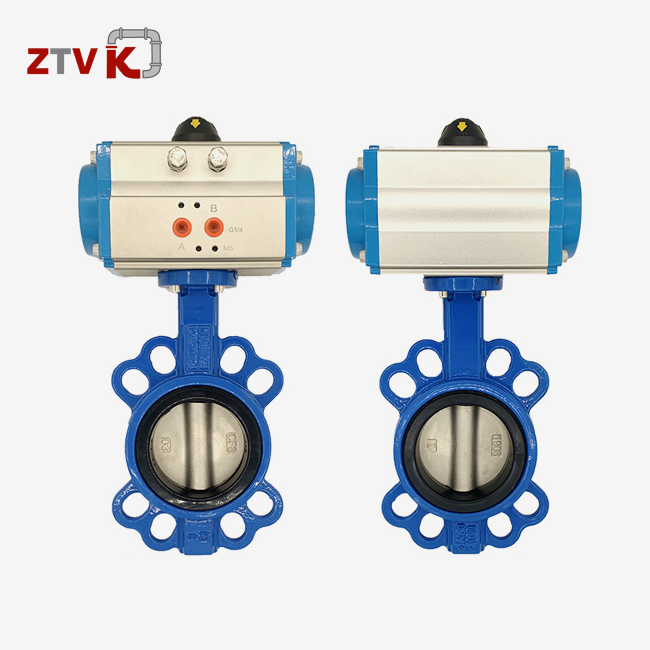
The lug-type design makes installation easier than wafer styles. Place the valve between the flanges, insert the bolts through the lugs, and tighten in a star pattern to make sure the gasket is compressed evenly. The torque values depend on the bolt size and gasket material, but for standard Class 150 flange bolting, they are usually between 45 and 65 ft-lbs. The gearbox operator attaches directly to the ISO5211 interface on the stem, so it doesn't need the complicated coupling assemblies that some actuator systems need.
Routine Maintenance Protocols
Visual inspections every three months catch problems early on before they become system failures. Check the packing glands for fluid weepage around the stem—minor leakage usually means the packing needs to be adjusted instead of the whole component being replaced. Check the oil levels and condition of the gearbox—inadequate lubrication speeds up gear tooth wear, which causes the system to operate erratically. Run the valve through several full-stroke operations while listening for binding, strange noises, or uneven movement that could be signs of problems inside.
An annual teardown inspection gives you a good idea of how the seat is holding up. Take the valve out of service, disassemble the disc assembly, and look at the seat surfaces for erosion, compression set, or chemical attack. Our seat materials wear in predictable ways. For example, EPDM seats usually need to be replaced every 8–10 years in clean water service, while abrasive slurries may need to be replaced every year. Keeping spare seat kits on hand helps avoid unplanned downtime, and replacements can be done in two to three hours by trained technicians using standard hand tools.
Applications of 12 Inch Butterfly Valves Across Industries
12" butterfly valves are used in many fields.
Municipal Water Distribution Networks
Water treatment plants use DN300 butterfly valves in their filtration trains, pump discharge lines, and distribution mains. The bubble-tight shutoff and low-pressure drop make the pumps work more efficiently and provide reliable isolation for maintenance work. Our EPDM-seated valves meet NSF/ANSI 61 potable water contact requirements, and the certified materials keep harmful chemicals from getting into drinking water supplies.
Fire safety systems need valves to work quickly and reliably, even after long periods of inactivity. The butterfly valve's quarter-turn design allows for quick isolation in emergencies, and the lug configuration lets you test a single sprinkler zone without depressurizing the whole system. The gearbox operator gives the valves a mechanical advantage for smooth operation, even when they are not used for months at a time, which prevents the seized-stem problems that happen with gate valves that are not used very often.
Chemical Processing and Petrochemical Facilities
When you work with corrosive chemicals, you need to make sure that the materials you use are compatible. Our CF8M stainless steel disc with VITON seating safely handles concentrated acids, caustic solutions, and organic solvents. The double-eccentric design of our construction lowers seat friction during operation, which increases its service life in abrasive slurry applications that are common in mineral processing and wastewater treatment.
Tank farm isolation is another important use. The lug-style design lets downstream pipes be removed for cleaning, inspection, or modification while storage tanks are still full. This feature keeps production going during maintenance, which has a direct effect on the facility's ability to make money. The PN16 pressure rating gives enough room for normal storage tank pressures plus hydraulic surge allowances.
HVAC and District Cooling Systems
Large commercial buildings and campus cooling systems move huge amounts of chilled water through 12-inch mains that connect chillers, cooling towers, and air handling units. Butterfly valves precisely balance flow by throttling between fully open and closed positions, which improves energy efficiency in situations with changing loads. The low-torque features of our double-eccentric design allow accurate positioning even when the disc is partially open, where stability is difficult.
The short installation length is very helpful in mechanical rooms where space limits the placement of equipment. Our valves fit within existing pipe runs during retrofit projects, so equipment next to them doesn't have to be moved, or expensive structural changes have to be made. The lightweight construction makes installing pipes suspended from the ceiling easier, so hangers aren't needed, and structural loading calculations aren't needed.
Procurement Insights: Sourcing 12 Inch Butterfly Valves for Global B2B Clients
Manufacturer Qualification Criteria
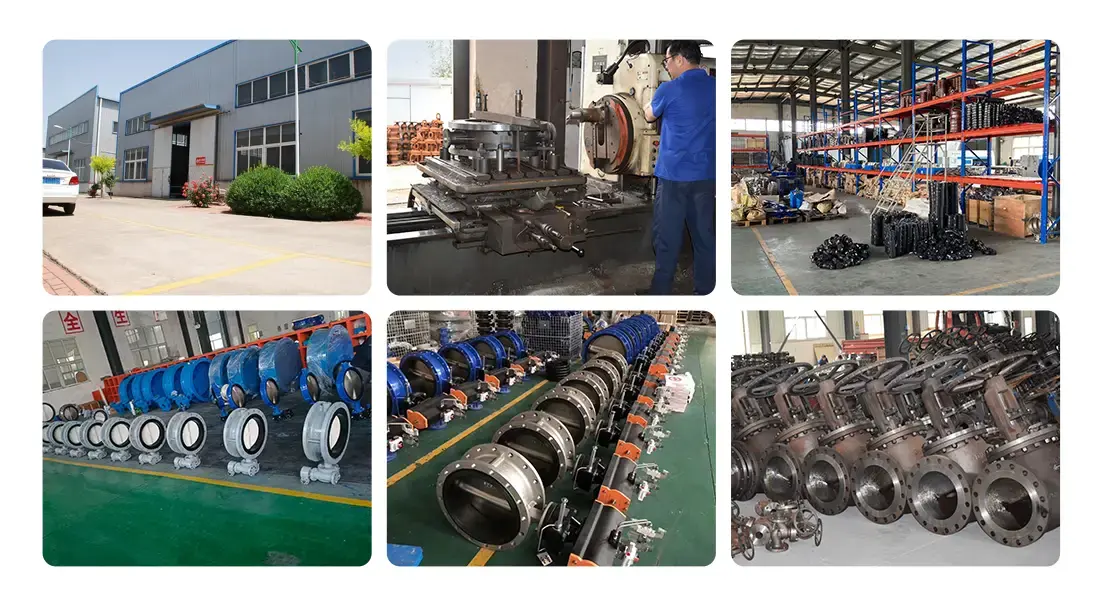
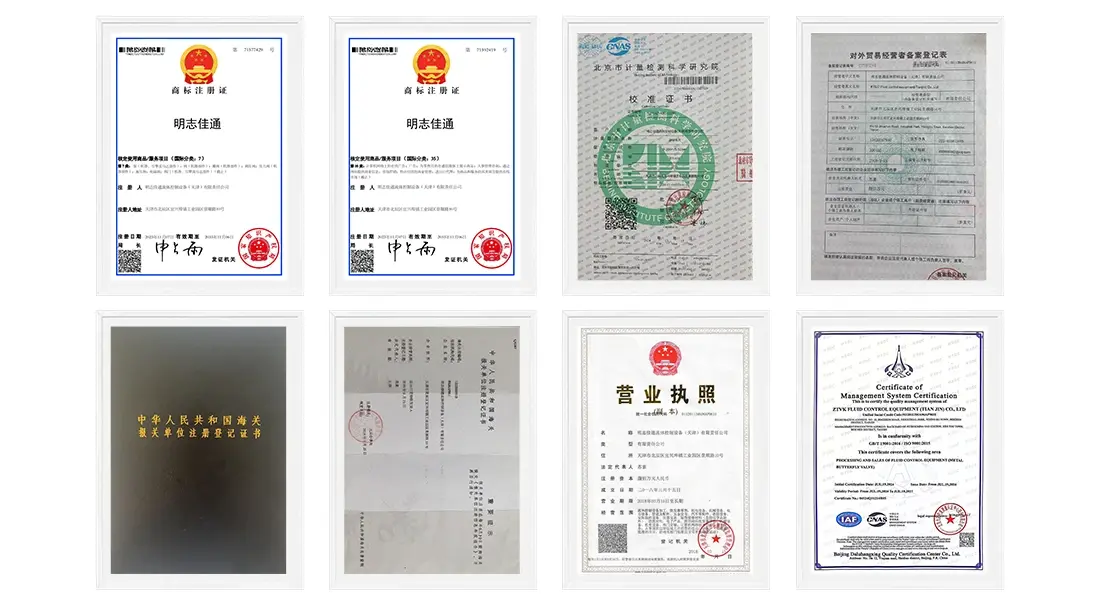
It's not enough to just look at product catalogs to find a reliable valve supplier. We have ISO9001 quality management certification, ISO14001 environmental compliance certification, and OHSAS18001 occupational safety credentials that show that our production is controlled in a planned way. Our factory in Tianjin's Beichen District has CNC machining centers, larger valve lathes, and a lot of testing equipment, such as hydrostatic test stands that can validate 1.5 times the rated pressure according to API 598 standards.
When buying things from other countries, the certification must be real. All of our compliance documents can stand up to third-party factory audits, and they can be tracked from the test reports on the raw materials to the records of the final assembly inspections. Fake certification is still a problem in the industry, so procurement managers need to be able to check the documentation to make sure that nonconforming materials don't put the project behind schedule or expose them to liability.
Supply Chain Reliability and Lead Times
Our location, just 50 kilometers from Tianjin Port, makes exporting easy. Standard DN300 lug-style 12" butterfly valves can be shipped from stock within 3–7 days of order confirmation, meeting urgent replacement needs and project speeding needs. Custom configurations with special seat materials, longer stems, or non-standard flange drillings take 15–25 days to produce, but rush service is available at an extra cost for projects that need them faster.
We keep good relationships with COSCO Shipping and Maersk, which lets us offer competitive FOB Tianjin Xingang and CIF destination port prices. Professional packaging follows ISPM 15 international wood treatment standards, which keeps goods from being held up at customs because they don't meet pest control requirements. Wooden crates with moisture-barrier film and internal bracing protect valve components during container transport and reduce the number of damage claims that delay projects.
OEM and Customization Capabilities
We offer full OEM support to distributors who serve regional markets. We make valves with customer branding, put on custom nameplates, and provide custom packaging that fits the marketing needs of the distributor. Our ODM services also include engineering changes, such as redesigned port configurations, different connection methods, and special coatings that work in different environments.
Technical support is what sets one supplier apart from others when there are several bids. During the pre-sales phase, our engineering team provides CAD drawings, 3D models, and application-specific selection guidance. The 18-month warranty covers free replacement for manufacturing defects, and installation guidance videos and troubleshooting manuals lower the cost of field service. We keep technical service partnerships in major markets so that projects can get local support when they need on-site commissioning help or training.
Conclusion
The 12" butterfly valve is an example of an advanced technology that is always getting better by using new materials and making the design better. The small size, fast operation, and reliable shutdown of this device solve important problems in water treatment, HVAC, and industrial process uses. Buying choices should weigh the original costs against the performance over the whole lifecycle, taking into account things like how long the seat material lasts and how often the actuator needs to be serviced. When you choose manufacturers with proven quality systems, full certification, and quick expert support, you lower the risks of the project and ensure long-term operating success in tough service settings.
FAQ
Q1: Can a 12" butterfly valve handle high-temperature steam applications?
Standard EPDM and NBR seats can only handle temperatures between 180°F and 230°F. For high-temperature steam, you need PTFE or metal seats paired with the right disc materials. CF8M stainless discs with PTFE seats can handle steam up to 400°F, but the operational torque goes up a lot at high temperatures, so the actuator needs to be resized to keep the motor from stopping during thermal cycling.
Q2: What maintenance intervals apply to DN300 butterfly valves in clean water service?
Visual inspections every three months are enough to find problems early on. Annual testing under full differential pressure confirms the integrity of the seat. Seat replacement and complete disassembly usually happen every eight to ten years, depending on the number of cycles and the quality of the water. Abrasive or chemically aggressive media speed up wear, so inspections and maintenance schedules need to be changed more often.
Q3: How does disc thickness affect flow characteristics?
Thinner discs lower the pressure drop and increase flow rates, but they also weaken the structure. Our standard disc design strikes a balance between hydraulic efficiency and mechanical durability, with Cv values ranging from 4,200 to 4,800, depending on the construction. Applications that want to minimize pressure loss may request streamlined disc profiles, but customization impacts lead times and prices.
Partner with ZTVK for Reliable Butterfly Valve Solutions
Industrial valve procurement demands suppliers combining manufacturing excellence with responsive service. At ZTVK, our 15 years of serving global markets from our Tianjin facility bring proven reliability to your project requirements. The DN300 lug-type 12" butterfly valve, manufactured in our ISO-certified facility, features ductile iron construction, multiple seat material options, and gearbox operation meeting PN10/PN16 standards. Our dedicated production lines prioritize international orders, with standard models shipping within one week and custom configurations delivered in three weeks. Whether you need OEM branding for distribution markets or technical consultation for complex process applications, our engineering team stands ready to support your success. Contact our export specialists at ktec86961886@163.com for detailed quotations, technical specifications, and delivery schedules tailored to your project timeline. As an established butterfly valve manufacturer serving contractors and distributors across North America, Europe, and Asia, we deliver the quality and service your operations demand.
References
1. American Water Works Association (AWWA). (2017). Manual M49: Butterfly Valves: Torque, Head Loss, and Cavitation Analysis. Denver: AWWA Publications.
2. Skoczylas, J., & Leonardi, M. (2015). Valve Selection Handbook: Engineering Fundamentals for Selecting the Right Valve Design. Oxford: Elsevier Science.
3. Smith, P. R., & Zappe, R. W. (2019). Valve Selection Handbook: For the Process Industries (6th ed.). Houston: Gulf Professional Publishing.
4. Lyons, J. L., & Askland, C. L. (2016). Lyons' Valve Designer's Handbook (2nd ed.). Boca Raton: CRC Press.
5. Nesbitt, B. (2011). Handbook of Valves and Actuators: Valves Manual International. Oxford: Butterworth-Heinemann.
6. Zappe, R. W. (2004). Valve Selection and Specification Guide. New York: McGraw-Hill Professional.
Send us your valve requirements and our team will provide professional solutions and fast quotations.
RELATED INDUSTRY KNOWLEDGE