- English
- French
- German
- Portuguese
- Spanish
- Russian
- Japanese
- Korean
- Arabic
- Greek
- German
- Turkish
- Italian
- Danish
- Romanian
- Indonesian
- Czech
- Afrikaans
- Swedish
- Polish
- Basque
- Catalan
- Esperanto
- Hindi
- Lao
- Albanian
- Amharic
- Armenian
- Azerbaijani
- Belarusian
- Bengali
- Bosnian
- Bulgarian
- Cebuano
- Chichewa
- Corsican
- Croatian
- Dutch
- Estonian
- Filipino
- Finnish
- Frisian
- Galician
- Georgian
- Gujarati
- Haitian
- Hausa
- Hawaiian
- Hebrew
- Hmong
- Hungarian
- Icelandic
- Igbo
- Javanese
- Kannada
- Kazakh
- Khmer
- Kurdish
- Kyrgyz
- Latin
- Latvian
- Lithuanian
- Luxembou..
- Macedonian
- Malagasy
- Malay
- Malayalam
- Maltese
- Maori
- Marathi
- Mongolian
- Burmese
- Nepali
- Norwegian
- Pashto
- Persian
- Punjabi
- Serbian
- Sesotho
- Sinhala
- Slovak
- Slovenian
- Somali
- Samoan
- Scots Gaelic
- Shona
- Sindhi
- Sundanese
- Swahili
- Tajik
- Tamil
- Telugu
- Thai
- Ukrainian
- Urdu
- Uzbek
- Vietnamese
- Welsh
- Xhosa
- Yiddish
- Yoruba
- Zulu
Solenoid-Operated Butterfly Valve: Structure, Benefits, and Applications
An important step forward in automatic flow control technology is the solenoid operated butterfly valve, which combines a quarter-turn butterfly disc mechanism with pneumatic action set off by electromagnetic solenoid pilot valves. This combination makes it possible to quickly and accurately change the flow in industrial pipe systems ranging from DN40 to DN1200. It meets the growing need for accuracy, safety, and system integration in the energy, chemical processing, and water infrastructure sectors. Unlike manual or basic motorised options, these valves can turn electrical signals into pneumatic action within milliseconds. They also support emergency shutdown protocols, PLC-based sequencing, and fail-safe operation, which are all very important for distributors and contractors working on complicated, high-stakes projects where downtime directly leads to lost revenue and fines from the government.
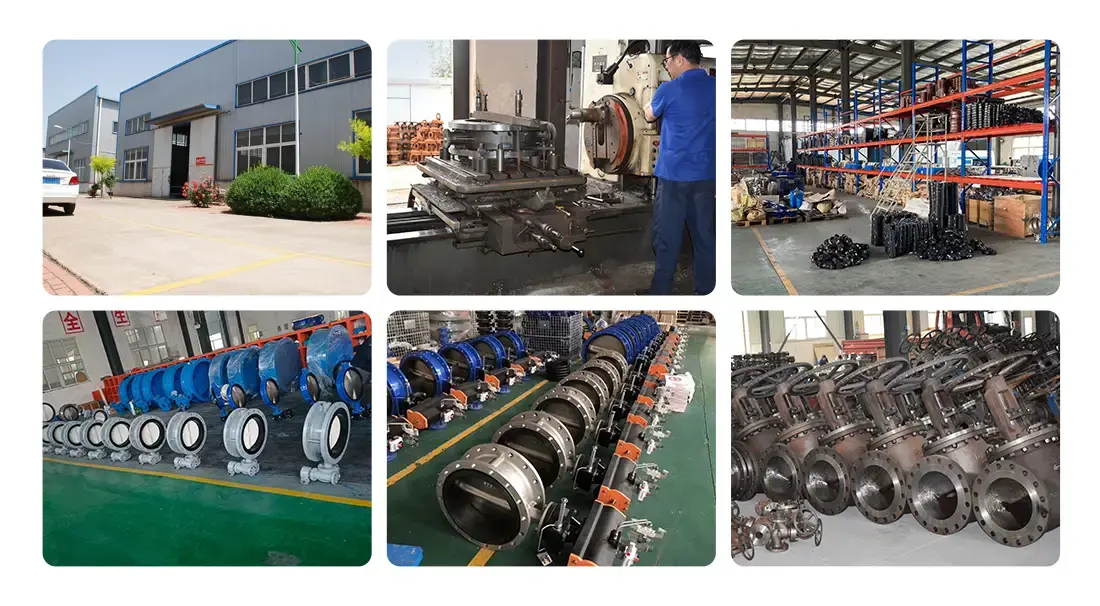
Understanding the Structure and Working Principle of Solenoid-Operated Butterfly Valves
Core Components and Material Composition
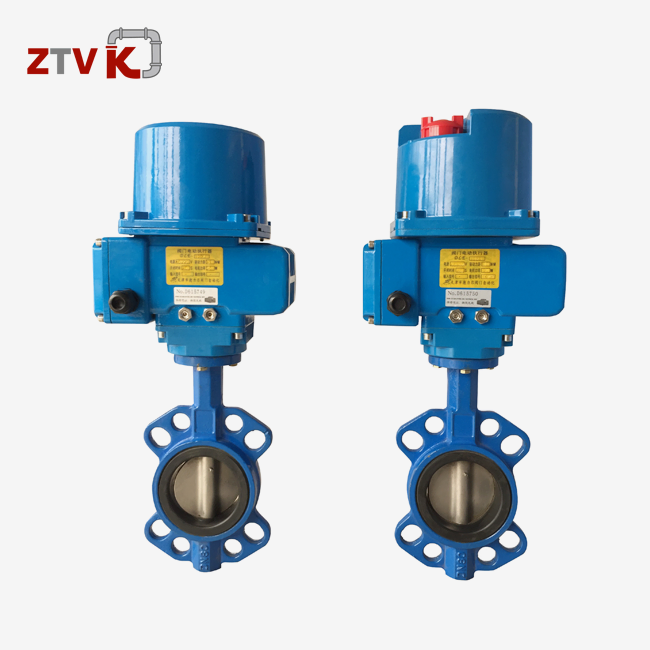
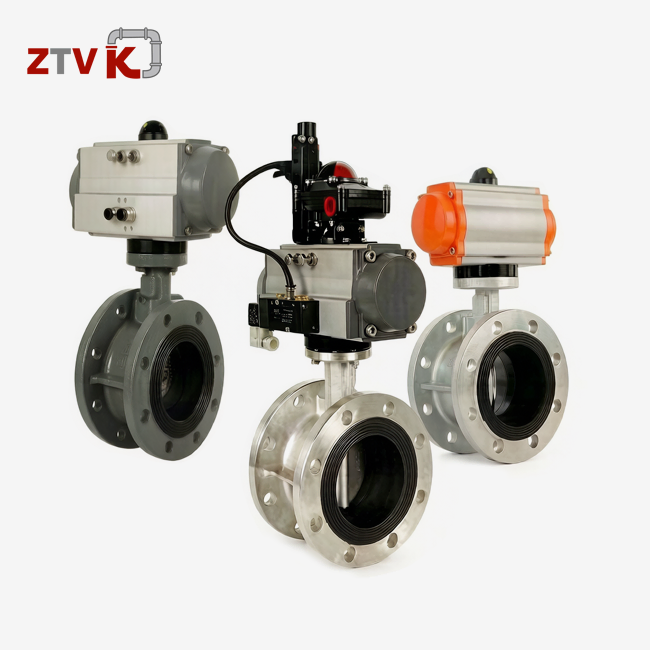
At its core, the valve system is made up of a wafer-shaped body made from ductile iron (DI/QT450), which is better at handling pressure and force than regular grey cast iron. The disc that spins is in the middle of the flow path. It can be made of malleable iron, stainless steel (CF8/CF8M), or aluminium bronze. Different seat materials are used for different tasks. EPDM and NBR are good for protecting against water and mild chemicals at a low cost. PTFE can handle corrosive media up to 200°C, and VITON can handle petroleum products and high temperatures. The ISO5211 interface connects to the pneumatic actuator, which then gets compressed air (usually 5 to 7 bar). A solenoid pilot valve that is powered by 24VDC, 110VAC, or 220VAC signals controls the air flow.
Electromagnetic Actuation Mechanism
The control system sends an electrical pulse to the solenoid coil, which moves a pilot spool. This sends instrument air to either the opening or closing chamber of the double-acting pneumatic actuator, depending on which pulse was sent. Single-acting designs use a return spring to make sure the device stays in place even if the power goes out. This is very important in water treatment plants, where backflow without control could pollute clean water zones. Based on the size of the valve and the air pressure, the disc turns 90 degrees in 2 to 5 seconds, ensuring a bubble-tight shutdown in line with API 598 standards. Because of its good torque-to-weight ratio, this design lets DN600 valves work consistently on regular plant air without the need for hydraulic lifters.
Pressure Ratings and Connection Standards
Our making follows a number of international standards. For example, ISO5211 flange designs make sure that all actuators can work with each other, and pressure classes include PN10/PN16 (European), 125LB/150LB (ANSI), and JIS5K through JIS16K (Japanese). This multi-standard compliance solves the problem that foreign distributors have with having to deal with different regional requirements. The wafer-type body is lighter and smaller than flanged designs, which cuts down on the cost of labour and materials for installation. This is especially helpful for HVAC workers who have to work in a small mechanical room.
Benefits and Advantages of Solenoid-Operated Butterfly Valves Over Traditional Valves
Rapid Response and Automation Integration
When compared to slow motor-driven units or hand wheel operation, the electromagnetic starting system of a solenoid operated butterfly valve cuts actuation time by a huge amount. In an emergency, like when a pipeline breaks or a process goes off track, the valve can quickly separate parts, stopping chain failures. The solenoid interface works with standard 4-20mA analogue signals or discrete digital directions, so it fits right in with the SCADA systems that city water departments and EPC companies use. This gets rid of the need for people to physically go to faraway valve locations. This saves money on labour costs and makes dangerous places safer, like chemical processing plants.
Maintenance Efficiency and Durability
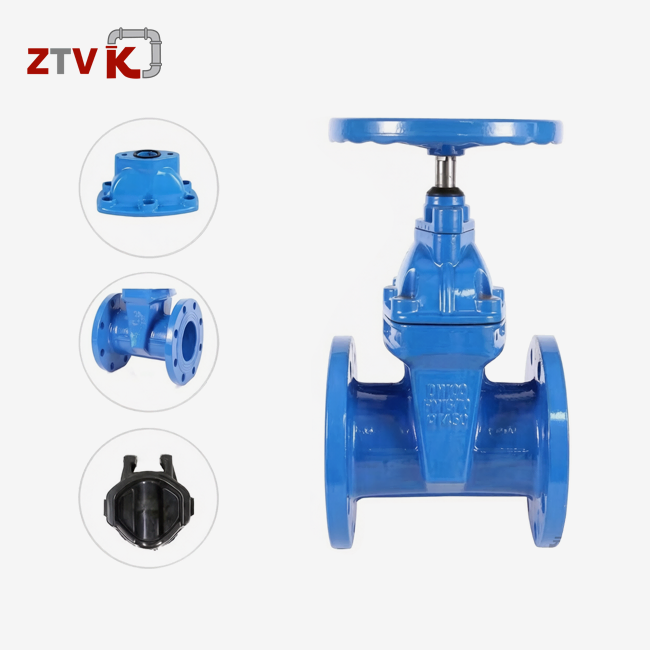
Traditional gate valves have stem thread wear and need to have their packing adjusted every so often. The quarter-turn butterfly form has fewer moving parts, mostly the disc pivot and actuator seals, which means it needs less upkeep. Our double eccentric design lowers the friction between the disc and the seat while it's working, which makes the service life longer than 50,000 rounds. In slightly corrosive situations, the PTFE or elastomeric seat materials are better at resisting chemical breakdown than metal-seated gate valves. This eases the worries of contractors who don't want to change seals too soon during guarantee periods.
Space and Cost Optimization
A DN300 butterfly valve takes up about a third of the space of a similar gate valve, which frees up important space in petrochemical plants' often-crowded pipe racks. The lighter weight means that the structure doesn't need as much support, which saves money on both materials and assembly. The valve's streamlined flow path minimises pressure drop, which is an important factor for pump sizing and operating efficiency. Procurement managers like the dual benefit of lower initial capital spending and lower ongoing energy consumption.
Common Applications of Solenoid-Operated Butterfly Valves in B2B Industries
Water and Wastewater Infrastructure
Municipal companies put these valves in networks that distribute drinkable water. When a main breaks, the valves automatically separate zones to stop the spread of contamination. They are used in aeration basin control, sludge transfer lines, and effluent release spots at wastewater treatment plants. Corrosion-resistant materials and IP67-rated solenoid casings work together to make sure reliable performance in wet, chemically harsh conditions. Regulatory requirements that buying departments must check before project approval include meeting AWWA C504 standards and getting NSF/ANSI 61 drinking water certifications.
HVAC and Building Automation
These valves are used in cold water loops, cooling tower makeup lines, and condenser water circuits in commercial HVAC systems. Demand-based flow control is possible with integration with Building Management Systems (BMS). This cuts down on energy waste when the system is only partially loaded. When the power goes out, the fail-safe spring-return choice closes the valves immediately. This keeps expensive chillers from getting damaged by low flow. Installers like the standard actuation size because it makes retrofitting in mechanical places easier and doesn't require special fabrication.
Chemical and Petrochemical Processing
Stainless steel disc and PTFE seat setups provide the material compatibility needed for working with acids, solvents, and hydrocarbon streams that can damage things. The solenoid-actuated design works with batch processes, where the exact timing of valve actions keeps the quality of the product high and stops cross-contamination. Emergency shutdown (ESD) systems depend on the fail-closed feature to limit spills when sensors discover problems. This meets strict safety standards like API 609 and ASME B16.34, which engineering firms need to protect themselves from liability.
Maintenance, Troubleshooting, and Technical Support for Solenoid-Operated Butterfly Valves
Scheduled Maintenance Protocols
Every three months, the actuator's air supply should be checked to make sure it is clean. The dimensions of electromagnetic butterfly valve systems. Moisture and particles in the air supply damage seals and slow down the reaction. Disc and seat inspections once a year find wear patterns before leaks happen. Preventively replacing rubber seats costs a lot less than fixing them in the middle of a production run. Depending on the service, grease the stem bearings with either food-grade or hydrocarbon-compatible grease. Be careful not to use too much grease, as that can attract dirt. To find early signs of insulation breakdown in solenoid coils, voltage checks are needed. This keeps surprising failures from happening during important operations.
Diagnosing Common Operational Issues
Lack of air pressure or a clogged pilot valve is a common cause of slow or partial disc spinning. This problem is usually fixed by cleaning the solenoid spool and checking the settings on the regulator. Leakage past the seat is usually caused by elastomers being damaged by heat cycling or debris that is blocking full closure. The root causes can be fixed by flushing the line and checking the state of the seat. When a coil gets too hot, it means that the voltage isn't right or there is mechanical binding. Turning off the power right away stops burnout and makes sure that the disc and body are properly spaced.
Technical Support Infrastructure
We offer a warranty that covers production flaws for 18 months, and new parts are sent out within 72 hours to keep downtime to a minimum. Installation advice videos show the right way to tighten flange bolts and connect the actuator's air line, which cuts down on mistakes made during commissioning.
How to Choose and Procure the Best Solenoid-Operated Butterfly Valves for Your Business
Critical Selection Parameters
If you match the pressure ratings to the design conditions of the system, you can avoid costly over-specification or catastrophic under-rating. Most local water uses only need PN16 flanges, but petrochemical systems may need ANSI 300 flanges. The temperature of the fluid determines the seat material. EPDM works well up to 120°C, but VITON is needed for circuits with hot condensate or heating oil. The number of cycles affects the size of the actuator; services with a lot of cycles need heavy-duty racks and pinions. Manufacturers that offer wide size ranges (DN40–DN1200) and different material grades through a single source are good for distributors who have a lot of different clients.
Evaluating Manufacturer Capabilities
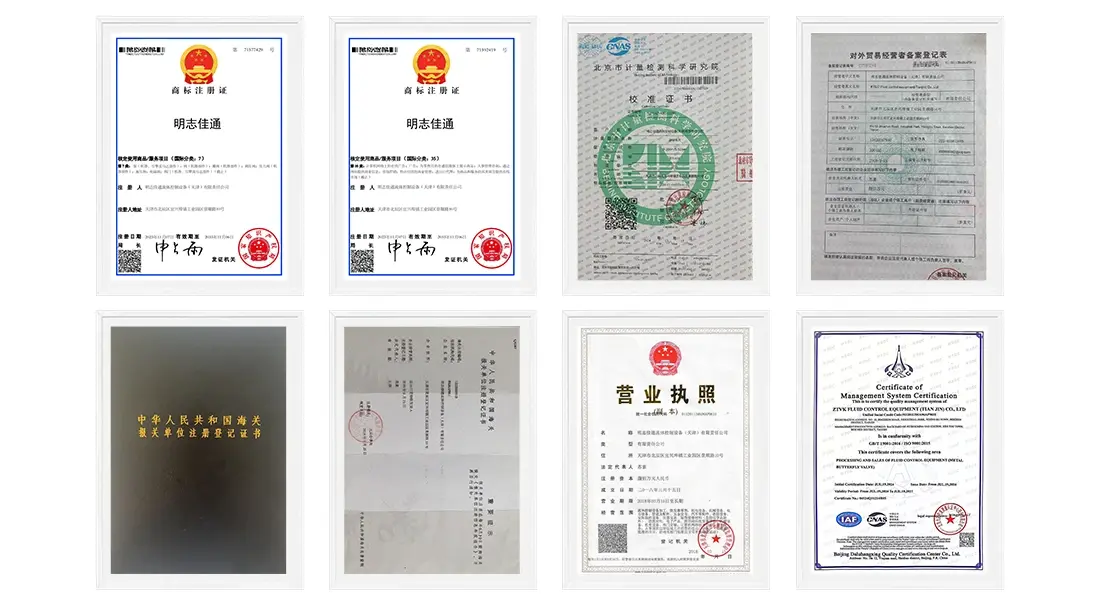
Check the production capacity to make sure that delivery times are always met. Factories with specialised CNC machining centres and in-house foundries can respond faster to custom requirements than operations that only do assembly. While ISO9001 approval is a good way to make sure of quality, third-party witness testing (hydrostatic, seat leaks per API 598) gives you even more peace of mind for big projects. Being close to important ports makes logistics easier. For example, our office in Tianjin is only 50 km from Xingang Port, which makes it easy to move FOB or CIF goods to markets in the Middle East and Southeast Asia.
Customization and OEM Partnerships
Equipment makers can use ODM services to add valves to skid packages that have their own control logic, and OEM branding helps sellers build a presence in regional markets. We can make changes based on drawings, such as adding longer stems for underground service, special coatings for marine conditions, or changing threading from metric to imperial. Minimum order flexibility is what sets flexible suppliers apart from strict producers. For example, our 15-day turnaround on non-standard setups meets the needs of important projects without requiring us to commit to too much inventory.
Conclusion
Industrial dealers, builders, and end-users who value automation, dependability, and cost control will find solenoid operated butterfly valves to be very useful. When you combine quarter-turn efficiency, pneumatic power, and electromagnetic accuracy, you get a tool that can be used in building systems, process industries, and water infrastructure. A range of materials, from ductile iron bodies to discs made of unusual alloys, can be used for corrosive, high-temperature, and clean uses within a single design architecture. Partnering with makers that show technical depth, production scalability, and responsive support is key to successful procurement. These skills have a direct effect on project timelines, regulatory compliance, and total ownership costs over multi-year service terms.
FAQ
1. What distinguishes single-acting from double-acting solenoid-operated butterfly valves?
Single-acting types move the disc in one way with compressed air, and a mechanical spring provides a return force. This makes the disc stay in place even if the power goes out or the air pressure drops, which is important for water treatment and emergency shutdown uses. Double-acting designs need pneumatic pressure to open and close. They give you more exact control in the middle position, but they don't have an automatic fail-safe unless they're paired with backup air tanks.
2. How does disc material selection impact service life in chemical applications?
Stainless steel CF8M (316 equivalent) is better at resisting chlorides and acidic chemicals than ductile iron. This keeps rust from happening, which leads to leaks before they should. In slurry services, aluminium bronze is better at resisting corrosion. Cross-referencing fluid chemistry with metallurgy in material compatibility charts helps with the right choice, preventing expensive early failures.
3. Can these valves integrate with existing PLC control systems?
Modern solenoid-operated butterfly valves can work with Siemens, Allen-Bradley, and Schneider PLC outputs and accept standard single signals of 24VDC or 4-20mA. Standard NAMUR electrical connections make wiring easier, and positioners that can be added give closed-loop input for exact throttling control that goes beyond on/off operation.
Partner with ZTVK for Reliable Solenoid-Operated Butterfly Valve Supply
From our Tianjin factory, ZTVK has been making butterfly valves for more than 15 years, and our ISO9001/API-certified goods are sold to contractors and wholesalers around the world. Our solenoid operated butterfly valve maker has a stock of over 2,000 standard units (DN50–DN600) that can be delivered in 3–7 days, as well as custom designs that can be delivered in 15–25 days. We offer wafer-type designs that meet ISO5211/PN10–PN16/ANSI standards and a range of materials, such as cast iron, stainless steel, EPDM, NBR, PTFE, and VITON seats. We also support OEM branding. We are 50 km from Tianjin Port and have long-term ties with both COSCO and Maersk, so we can offer efficient FOB/CIF operations. You can email our technical team at ktec86961886@163.com to talk about your project needs, ask for CAD drawings, or set up factory checks. We offer an 18-month guarantee and work with local service partners.
References
1. American Petroleum Institute. API Standard 609: Butterfly Valves—Double Flanged, Lug- and Wafer-Type. 11th Edition, 2018.
2. International Organization for Standardization. ISO 5211:2001 Industrial Valves—Part-Turn Actuator Attachments. Geneva: ISO, 2001.
3. American Water Works Association. AWWA C504-18: Standard for Rubber-Seated Butterfly Valves, Sizes 3 In. Through 72 In. Denver: AWWA, 2018.
4. Emerson Automation Solutions. Control Valve Handbook, 5th Edition. McKinney: Emerson Process Management, 2019.
5. Zappe, R.W. Valve Selection Handbook: Engineering Fundamentals for Selecting the Right Valve Design for Every Industrial Flow Application. 5th Edition. Oxford: Gulf Professional Publishing, 2004.
6. British Standards Institution. BS EN 593:2017: Industrial Valves—Metallic Butterfly Valves for General Purposes. London: BSI Group, 2017.
Send us your valve requirements and our team will provide professional solutions and fast quotations.
RELATED INDUSTRY KNOWLEDGE