- English
- French
- German
- Portuguese
- Spanish
- Russian
- Japanese
- Korean
- Arabic
- Greek
- German
- Turkish
- Italian
- Danish
- Romanian
- Indonesian
- Czech
- Afrikaans
- Swedish
- Polish
- Basque
- Catalan
- Esperanto
- Hindi
- Lao
- Albanian
- Amharic
- Armenian
- Azerbaijani
- Belarusian
- Bengali
- Bosnian
- Bulgarian
- Cebuano
- Chichewa
- Corsican
- Croatian
- Dutch
- Estonian
- Filipino
- Finnish
- Frisian
- Galician
- Georgian
- Gujarati
- Haitian
- Hausa
- Hawaiian
- Hebrew
- Hmong
- Hungarian
- Icelandic
- Igbo
- Javanese
- Kannada
- Kazakh
- Khmer
- Kurdish
- Kyrgyz
- Latin
- Latvian
- Lithuanian
- Luxembou..
- Macedonian
- Malagasy
- Malay
- Malayalam
- Maltese
- Maori
- Marathi
- Mongolian
- Burmese
- Nepali
- Norwegian
- Pashto
- Persian
- Punjabi
- Serbian
- Sesotho
- Sinhala
- Slovak
- Slovenian
- Somali
- Samoan
- Scots Gaelic
- Shona
- Sindhi
- Sundanese
- Swahili
- Tajik
- Tamil
- Telugu
- Thai
- Ukrainian
- Urdu
- Uzbek
- Vietnamese
- Welsh
- Xhosa
- Yiddish
- Yoruba
- Zulu
How to install a single flange butterfly valve
When used in industrial settings, installing a single flange butterfly valve correctly is important for maintaining system integrity and controlling flow reliably. One end of these valves is flanged so it can bolt straight to existing pipe flanges. This means that there is no need for support structures further downstream. To get leak-free operation, the installation process includes careful planning, exact alignment, and the right amount of torque. Knowing the right way to put something keeps expensive system failures from happening and greatly increases the life of valves.
Understanding Single Flange Butterfly Valves
One type of quarter-turn rotary valve is the single flange butterfly valve, which is made for end-of-line service and dead-end uses. Traditional wafer-style butterfly valves need to be clamped between two flanges. These valves, on the other hand, have an integral flange on one end and a solid close or specialised seating arrangement on the other end.
The fundamental operation relies on a circular disc that rotates 90 degrees within the valve body to control fluid flow. When the disc is fully open, it lines up with the flow direction, which reduces pressure drop and noise. When the valve is closed, the disc is lined up perpendicular to the flow, which makes a good seal against the valve seat.
Key Design Features and Components
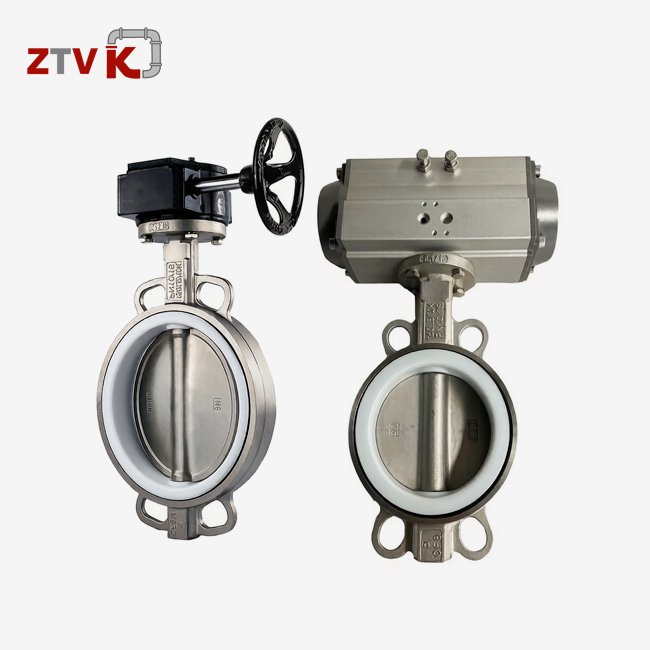
The performance and dependability of modern single-flange butterfly valves are improved by a number of important factors. Stainless steel (SS304/SS316/SS304L/SS316L) is often used for the valve body because it is very resistant to rust. The disc can be made of ductile iron, CF8/CF8M stainless steel, or aluminium bronze for specific uses.
The materials used for the seats are very important for how well they seal and how well they react with chemicals. When it comes to water service, EPDM works great, and NBR is good for oil protection. PTFE is very good at working with chemicals, and VITON can handle high temperatures and harsh chemicals. The choice is based on the needs of the product and the conditions of operation.
Industrial Applications and Advantages
These valves work great in places where they need to separate two terminals, like marine ballast systems, HVAC installs, and chemical processing plants. Their small size makes them easier to place while still allowing full flow capacity. The single flange design gets rid of the need for supporting pipes further downstream, which makes system design easier and lowers the cost of materials.
Compared to standard gate valves, they can be 40–60% lighter, which means that they need a lot less structural support. Because the link steps are easier, installation time is usually cut by 30%. This makes them appealing for big industrial projects where labour costs are a big budget issue.
Preparing for Installation: Key Considerations
Planning and getting ready for the installation of the valve is the first step to a successful installation. For professional installations, this part is very important because it determines how reliable and safe the system will be in the long run.
Pre-Installation Inspection and Documentation
First, make sure that the valve's specs match the system's needs. Check to see if the connection standard works (ISO5211 with pressure ratings of PN10/PN16, 125LB/150LB, JIS5K/JIS10K/JIS16K) and make sure the valve size fits the pipe width. Sizes usually run from 2" to 80" (DN50 to DN2000 mm) to fit a variety of industrial needs.
Check the body of the valve for damage from shipping and make sure the disc works smoothly throughout its entire range of motion. If you want to automate the process, make sure that the mounting connections for the actuators meet ISO5211 standards. Keep track of your quality assurance records and warranties by writing down product numbers and certification marks.
Tool Requirements and Safety Protocols
The right tools make sure that the installation is safe and that valve parts don't get damaged. Some important tools are calibrated torque wrenches that can reach the manufacturer-recommended bolt tensions, the right socket sets for flange bolts, and gasket fitting tools that make sure the sealing element is placed correctly.
Safety concerns include choosing the right personal protective equipment, knowing how to shut down a system, and planning for what to do in a disaster. Before you start installing, make sure that the working pressure has been released and that the upstream separation is safe. In some industrial settings, you may need to follow confined space entry methods.
Material Compatibility and Standards Compliance
Check to see if the system fluid is compatible with the materials of the valves to stop chemical breakdown or rust. For most commercial uses, stainless steel bodies are very resistant to corrosion, and different disc materials are used for different chemical problems. To keep seals from failing or materials from breaking down, temperature ratings must match working conditions.
To make sure the load is spread out evenly and connections don't fail, flange bolt specifications should match current pipeline standards. Different pressure ratings and temperature classes have different requirements for thread contact length and bolt grade. This makes verifying the specifications very important for safe operation.
Step-by-Step Installation Guide
Professional installation means following set steps in a way that makes sure they are safe, reliable, and work at their best. Each step builds on the ones that came before it to make a strong link that doesn't leak.
System Preparation and Safety Verification
Use upstream shutoff valves to fully isolate the pipeline section, and use the right test equipment to make sure there is no pressure in the system. If safety rules or environmental laws say so, drain any leftover fluids and clean the line. As required by building safety rules, lock out and tag out all power sources.
Thoroughly clean the current flange surface, getting rid of old gasket material, corrosion products, and any other junk that could stop the seal from working right. Check the face of the flange for damage like scoring, warping, or distorted bolt holes that could affect the integrity of the fitting.
Valve Positioning and Alignment Procedures
Setting the single flange butterfly valve so that the disc is fully open will reduce fitting stress and make sure that everything is lined up correctly. The orientation of the valve must match the direction of flow that is supposed to happen. This is usually shown by lines cast into the valve body or written down.
Carefully line up the bolt holes on the valve flange and the pipe flange. Do not push them to line up, as this could cause stress to build up. When positioning bigger valves, make sure the installer is safe and that no damage is done to the parts.
Bolt Installation and Torque Application
Install the new seals according to the manufacturer's instructions, making sure they are centred and facing the right way. Use the right thread sealant or anti-seize compound on bolt threads unless the valve documentation or system standards say not to.
Install the bolts in a star design and make sure they are finger-tight before you start applying torque. To make sure the load is spread out evenly and the gasket doesn't get distorted, apply torque in steps using the star pattern sequence. Depending on the size of the flange and the pressure rating, the final torque figure is usually between 25 and 150 ft-lbs.
Post-Installation Testing and Verification
Pressure checking should be done according to the system's instructions and any relevant codes. Test at low pressure first to find clear leaks, then move on to full operating pressure. Watch the valve work as it opens and closes several times to make sure it works smoothly and is properly seated.
Write down the test results and installation information for future reference and to make sure the guarantee is followed. Check that the mounting interfaces for actuators can still be reached if automation is planned for the future, and make sure that the servicing clearances meet the needs of the facility.
Maintenance Tips and Troubleshooting Post-Installation
Good maintenance practices keep valves working longer and stop them from breaking down when they're least expected, which could stop industrial activities. Regular inspections and proactive repair plans keep the total cost of ownership low while keeping the system's dependability high.
Routine Inspection and Performance Monitoring
Set up how often inspections should happen based on how the system is being used and how important the service is. During a visual review, you should look for signs of external leakage, corrosion, and damage to the actuator's mounting. Measuring operating force can show signs of internal wear or contamination that need to be fixed.
Keep track of maintenance tasks and working cycles to find patterns of wear and improve replacement schedules. Noise, shaking, or resistance that doesn't seem normal during operation are often signs of problems that need to be looked into right away.
Common Installation Issues and Solutions
Leakage around the flange connection is usually caused by using too much force, gaskets that are damaged, or flaws on the surface of the flange. Small leaks can usually be fixed by re-torquing the bolts in a certain way. For bigger problems, you may need to repair the gasket or fix the flange.
A binding or hard operation is generally a sign of alignment issues, contamination, or bad installation methods. To prevent damage from happening during repairs, these problems need to be carefully diagnosed.
Replacement Parts and Service Considerations
Keep a stock of important wear parts like gaskets, packing materials, and seat rings based on what you've learned from using the machine and what the maker says. Brand-name parts make sure that the car fits and works properly, while replacement parts might be cheaper in some situations.
For major repairs or emergencies, build ties with qualified service providers. When dealing with complicated installations or unusual operating conditions that go beyond what standard maintenance can handle, having access to technical help becomes very important.
Comparing Single Flange Butterfly Valves with Other Valve Types
By knowing the pros and cons of each valve technology, you can make better choices about which one to use in different situations. Each type of valve has its own benefits that are best suited to a specific task and system limitations.
Single Flange vs. Double Flange Configurations
Double-flange butterfly valves can handle pressure going in either direction and can be removed without changing the system. This makes them good for uses that need to be maintained or replaced often. On the other hand, they need longer installation lengths and more bolts than single-flange types.
Single-flange butterfly valves work great at the end of a line, where space limitations make installation choices limited and two-way functionality is not needed. Their easy installation cuts down on labour costs and the number of places where the system could leak.
Performance Comparison with Ball and Gate Valves
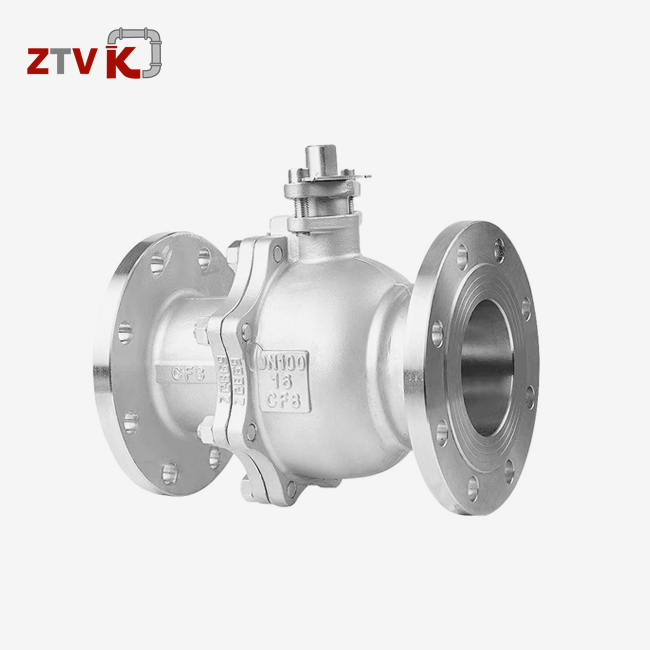
Ball valves are better at shutting off flow and controlling it than butterfly valves, but they cost 40 to 60 per cent more in bigger sizes. Because the actuators are small, they are good for automated uses. However, they are harder to maintain because you can't get to some of the parts inside.
When fully open, gate valves let a lot of fluid through, but they need a lot of force to operate and a high place to be installed compared to a single flange butterfly valve. They can precisely slow down motion in a way that butterfly valves can't in critical control situations because they move in a straight line.
Selection Criteria for Optimal Performance
Butterfly valves are better for big diameter, low-pressure applications where energy efficiency affects operating costs because they have less pressure drop. Because the disc naturally slows the flow, it causes turbulence that could be a problem in situations where pressure loss or flow disturbance could be a problem.
Temperature limits are very different for different types of valves and closing materials. PTFE chairs can work up to 450°F, but elastomeric materials can only handle 250°F or less, depending on how well they work with chemicals.
Conclusion
To install single flange butterfly valves correctly, you need to pay close attention to preparation, follow systematic installation steps, and do regular upkeep. In terms of weight, cost, and ease of installation, these valves are much better than traditional options. This makes them great choices for many industrial uses. To be successful, you need to know what the system needs, follow the manufacturer's instructions, and keep good records throughout the valve's lifecycle. Professional installation methods make sure that the system works reliably, gives you the best return on your investment, and cuts down on unexpected maintenance costs and system downtime.
FAQ
Q1: How long does it take to install a single flange butterfly valve?
Installation time varies based on valve size and system complexity, typically ranging from 2-6 hours for standard applications. Larger valves or complex piping configurations may require additional time for proper positioning and alignment verification.
Q2: Can I install these valves myself, or do I need professional service?
While experienced maintenance personnel can handle standard installations, complex applications benefit from professional installation services. Safety considerations and warranty requirements may mandate certified installer involvement for certain applications.
Q3: What are the signs of improper installation?
Common indicators include external leakage, difficulty operating the valve, unusual noise during operation, or premature actuator failure. Systematic troubleshooting helps identify root causes and prevent recurring problems.
Q4: What working pressures can these valves handle?
Standard configurations accommodate PN10/PN16 pressure ratings, suitable for most industrial applications. Higher pressure requirements may necessitate specialised designs or alternative valve technologies.
Q5: How often should I perform maintenance inspections?
Inspection frequency depends on operating conditions and service criticality. Monthly visual inspections and quarterly operational checks provide baseline monitoring, while annual comprehensive inspections ensure long-term reliability.
Choose ZTVK as Your Trusted Single Flange Butterfly Valve Supplier
ZTVK delivers premium industrial valve solutions engineered for reliability and compliance with international standards. Our single flange butterfly valves feature an advanced "double eccentric + oblique seal" design, reducing operating torque by 30% while extending service life beyond 50,000 cycles. Located in Tianjin's Beichen District with ISO9001/ISO4001/OHSAS18001 certifications, we maintain over 2000 units of standard models (DN50-DN600) in stock for 3-7 day delivery. Our comprehensive product range includes hand lever, worm gear, pneumatic, and electric actuator options to meet diverse automation requirements. With 15 years of specialised experience and proximity to Tianjin Port, we provide efficient global shipping solutions and dedicated technical support. Contact our engineering team at ktec86961886@163.com to discuss your specific requirements and discover how our bulk pricing options can optimise your procurement strategy.
References
1. American Petroleum Institute. "API 609: Butterfly Valves - Double Flanged, Lug- and Wafer-Type." 5th Edition, American Petroleum Institute Standards Department, 2018.
2. Manufacturers Standardisation Society. "MSS SP-67: Butterfly Valves." Manufacturers Standardisation Society of the Valve and Fittings Industry, 2019.
3. International Organisation for Standardisation. "ISO 5752: Metal Valves for Use in Flanged Pipe Systems - Face-to-face and Centre-to-centre Dimensions." International Standards Organisation, 2021.
4. American Society of Mechanical Engineers. "ASME B16.5: Pipe Flanges and Flanged Fittings." American Society of Mechanical Engineers Standards Committee, 2020.
5. Smith, Robert K. and Johnson, Michael A. "Industrial Valve Installation and Maintenance Handbook." McGraw-Hill Professional Engineering Series, 2022.
6. European Committee for Standardisation. "EN 1092: Flanges and Their Joints - Circular Flanges for Pipes, Valves, Fittings and Accessories." CEN Technical Committee, 2023.
Send us your valve requirements and our team will provide professional solutions and fast quotations.