- English
- French
- German
- Portuguese
- Spanish
- Russian
- Japanese
- Korean
- Arabic
- Greek
- German
- Turkish
- Italian
- Danish
- Romanian
- Indonesian
- Czech
- Afrikaans
- Swedish
- Polish
- Basque
- Catalan
- Esperanto
- Hindi
- Lao
- Albanian
- Amharic
- Armenian
- Azerbaijani
- Belarusian
- Bengali
- Bosnian
- Bulgarian
- Cebuano
- Chichewa
- Corsican
- Croatian
- Dutch
- Estonian
- Filipino
- Finnish
- Frisian
- Galician
- Georgian
- Gujarati
- Haitian
- Hausa
- Hawaiian
- Hebrew
- Hmong
- Hungarian
- Icelandic
- Igbo
- Javanese
- Kannada
- Kazakh
- Khmer
- Kurdish
- Kyrgyz
- Latin
- Latvian
- Lithuanian
- Luxembou..
- Macedonian
- Malagasy
- Malay
- Malayalam
- Maltese
- Maori
- Marathi
- Mongolian
- Burmese
- Nepali
- Norwegian
- Pashto
- Persian
- Punjabi
- Serbian
- Sesotho
- Sinhala
- Slovak
- Slovenian
- Somali
- Samoan
- Scots Gaelic
- Shona
- Sindhi
- Sundanese
- Swahili
- Tajik
- Tamil
- Telugu
- Thai
- Ukrainian
- Urdu
- Uzbek
- Vietnamese
- Welsh
- Xhosa
- Yiddish
- Yoruba
- Zulu
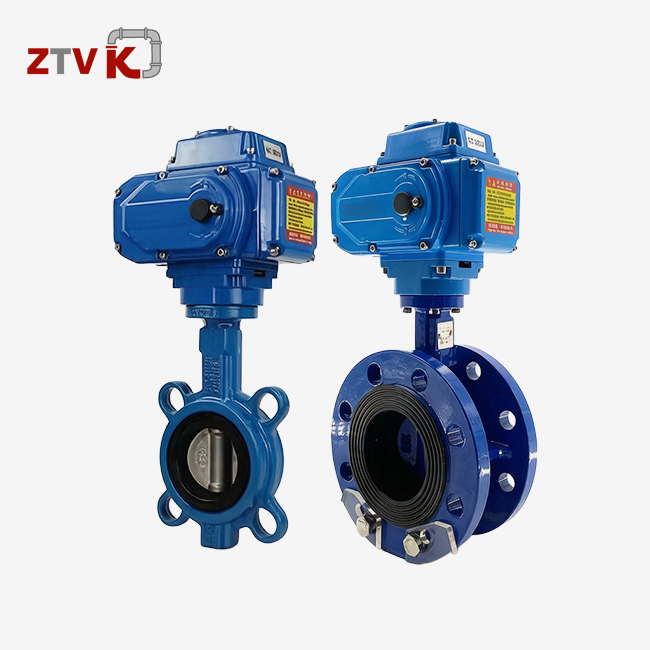
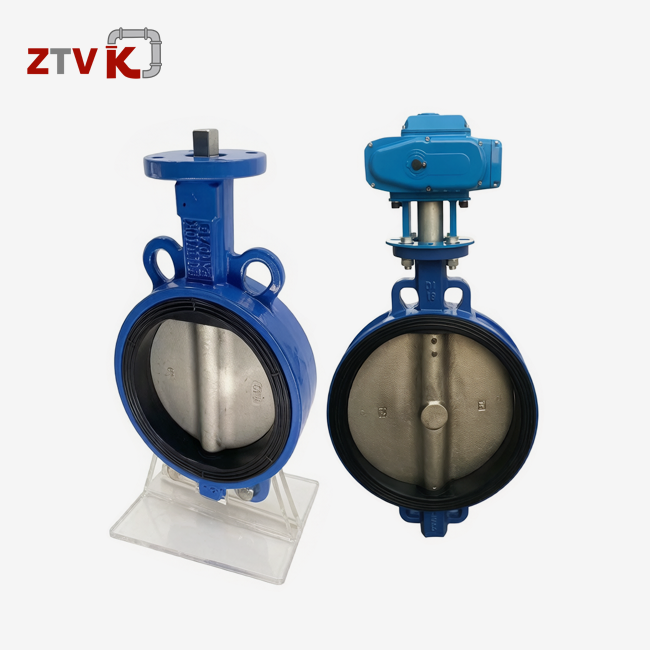
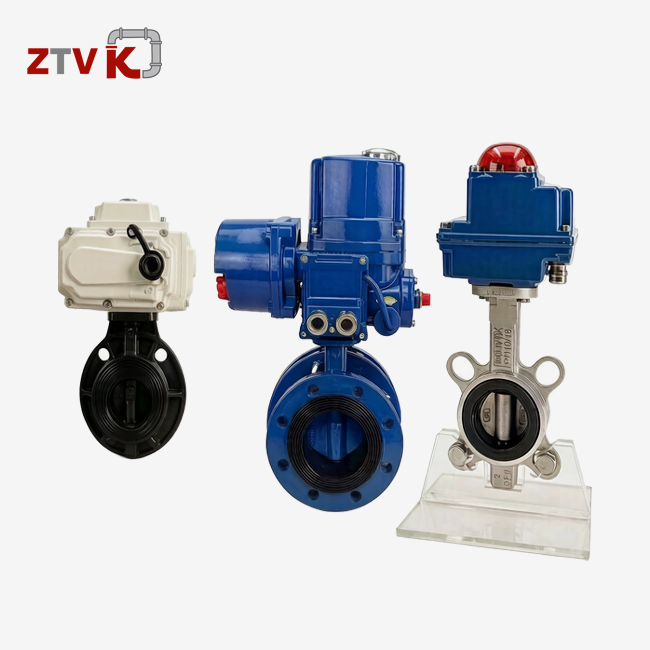
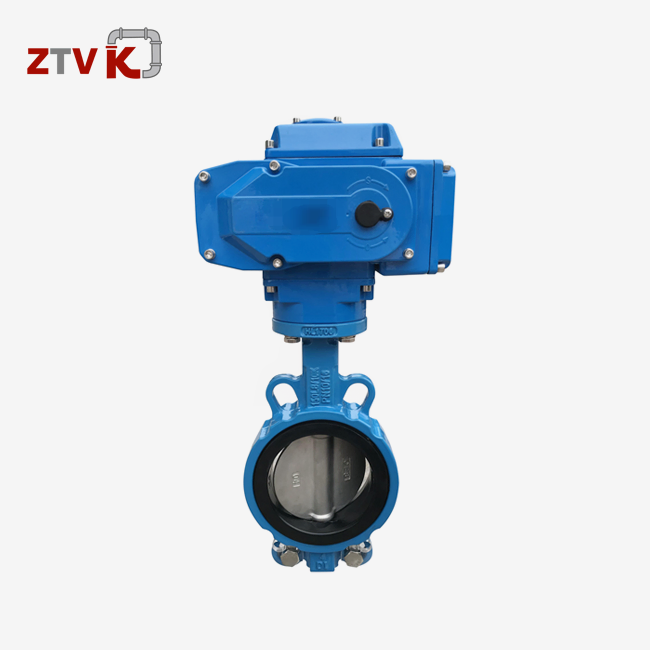
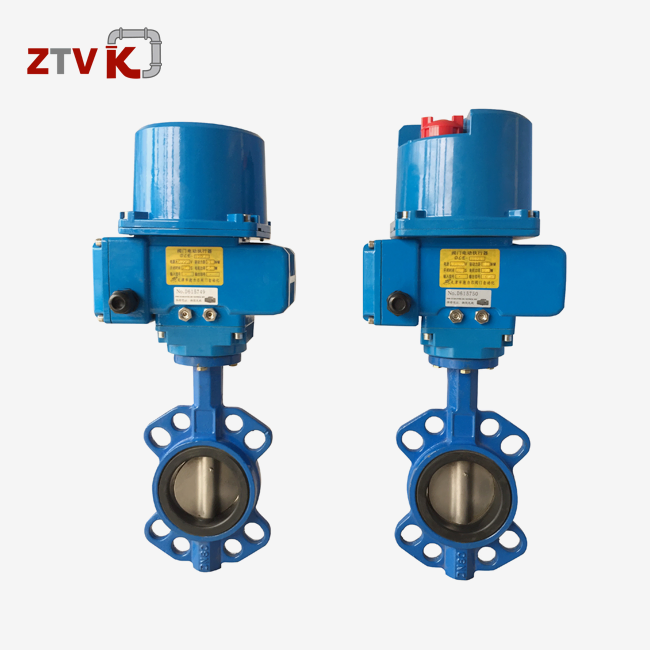
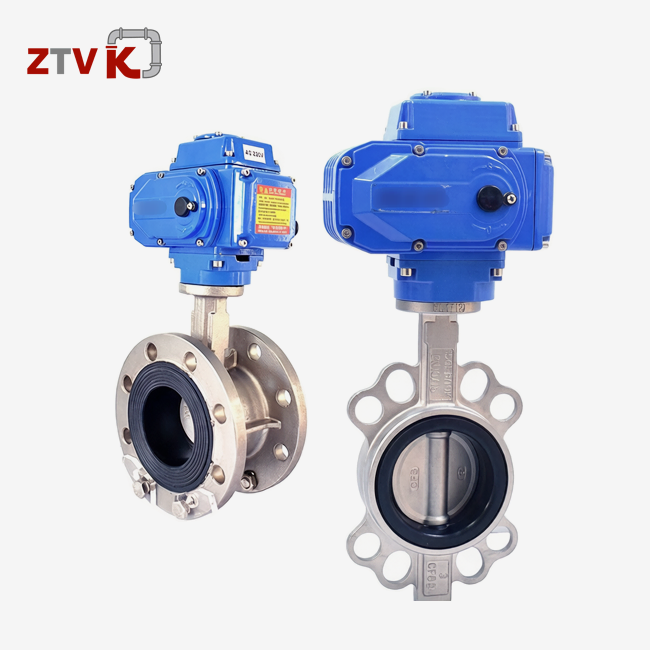
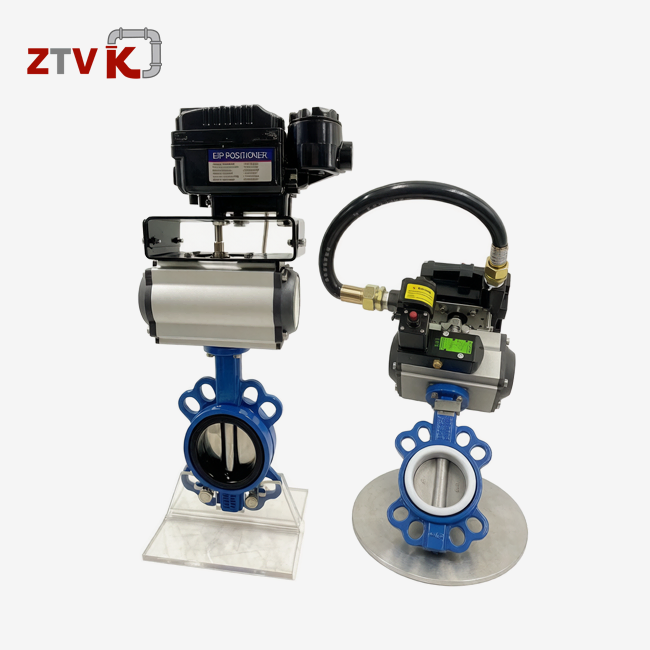
motor operated butterfly valve
Connection method:Wafer type
Connection standard:ISO5211--PN10/PN16/125LB/150LB/JIS5K/JIS10K/JIS16K
Size:2"-12"(DN50-DN300 mm)
Working pressure:PN10/PN16
Body material:UPVC
Disc material:UPVC
Seat material:EPDM/NBR
Motor Operated Butterfly Valve — UPVC Wafer Type
When a pipeline carries corrosive media and requires remote or automated control, selecting the right valve becomes a practical engineering decision. ZTVK's motor operated butterfly valve uses a UPVC body and disc, an EPDM or NBR seat, and an electric actuator that accepts AC 220V, AC 380V, or 4–20mA / 0–10V signals. Available from DN50 to DN300 (2” – 12”) with pressure ratings of PN10 or PN16 it interacts with PLC, DCS and SCADA systems for dependable flow control in corrosive service.
What Is a Motor Operated Butterfly Valve?
A motor operated butterfly valve pairs a quarter-turn rotary disc with an electromechanical actuator. Instead of being operated manually, the disk is rotated 90° to open or shut flow by an electrical signal driving a gearbox, or it may be held at an intermediate angle for modulating control.
For automated systems this means operators may operate valves from a control room, PLC panel or building management system without having to physically go to the valve. Particularly effective in hazardous chemical conditions and at areas where manual access is limited.
Key Features
UPVC Body & Disk
The valve body and disk are UPVC which is resistant to corrosive chemicals, acids and alkalis. This fits water treatment, chemical dosing and other pipes where corrosion is a concern.
EPDM / NBR Seat Choices
EPDM seats. Suitable for water, ozone and most water treatment chemicals. Suitable for oil and petroleum based media NBR chairs are. Both alternatives are dependable cutoff.
Electric Actuators
The actuator may be controlled by AC 220V or AC 380V to turn on/off, or receive 4-20mA / 0-10V analog signal for modulating control, therefore it can be integrated into DCS or PLC panel.
ISO 5211 Mounting Interface.
Actuator mount is according to ISO 5211 and adaptable to PN10/PN16, 125LB/150LB and JIS 5K/10K/16K flange standards, so it may be replaced or upgraded without modification of the pipeline.
Wafer Connection 2.
To keep the installation compact and minimize system weight in confined pipeline locations, the wafer body is sandwiched between conventional flanges.
Technical Specifications
|
Parameter |
Details |
|
Actuation Type |
Electric (Motor Operated) |
|
Connection Method |
Wafer Type |
|
Connection Standard |
ISO 5211 – PN10/PN16 / 125LB/150LB / JIS 5K/10K/16K |
|
Size Range |
2"–12" (DN50–DN300) |
|
Working Pressure |
PN10 / PN16 |
|
Body Material |
UPVC |
|
Disc Material |
UPVC |
|
Seat Material |
EPDM / NBR |
|
Power Supply |
AC 220V / AC 380V (Switch); 4–20mA / 0–10V (Modulating) |
|
Disc Travel |
0°–90° |
|
Certifications |
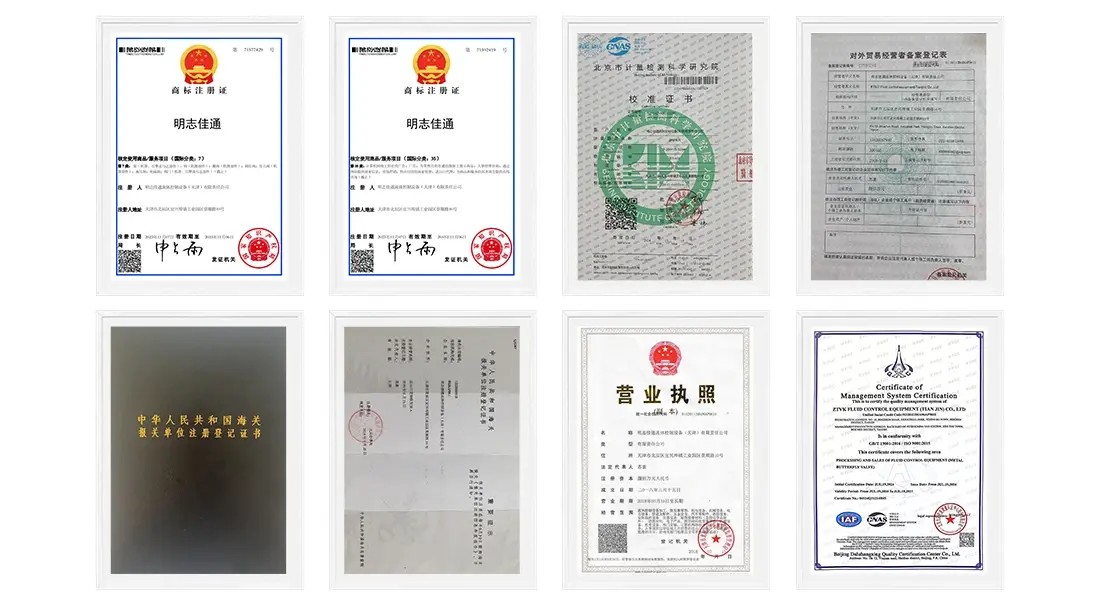
ISO 9001, ISO 14001, OHSAS 18001 |
|
Warranty |
18 months |
How It Works
The actuator receives an electrical signal, which may be a simple on/off command or a 4–20mA analog input, and drives the valve stem to spin the UPVC disk between 0° and 90°.
In switch mode the disk is either completely opened or fully closed. at the modulating mode the disk stops at an intermediate position, e.g., 30° or 60° to control the flow rate, pressure or temperature in the process line. The control system decides where . The actuator does it .
Application Scenarios
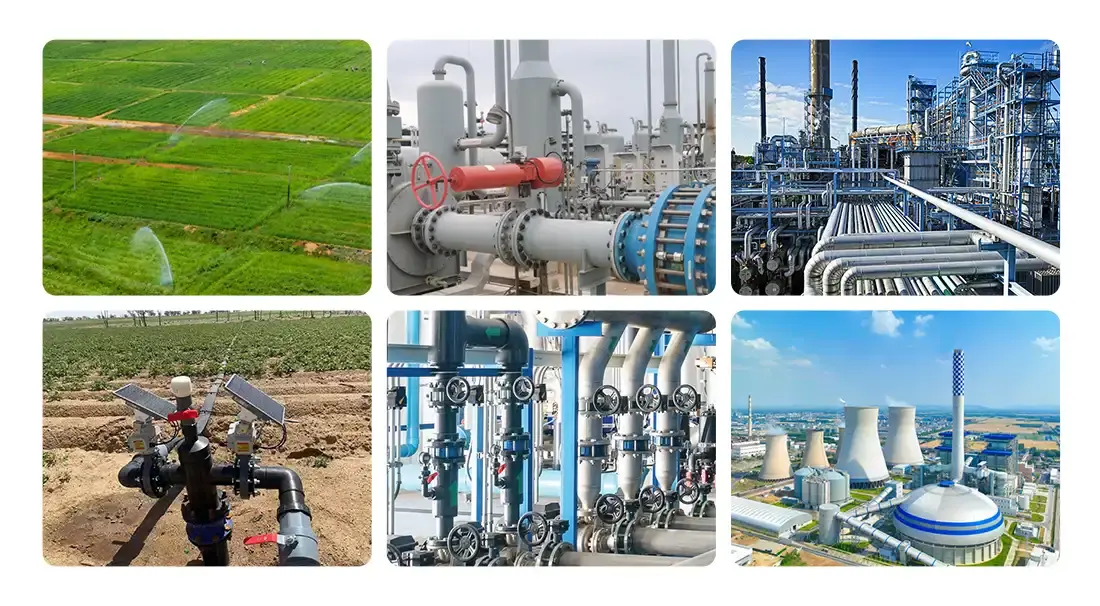
Water Treatment and Distribution
UPVC is resistant to corrosion from treatment chemicals, chlorinated water and ozone. The valve is suitable for installation in filtration systems, desalination units and pump discharge lines with regular automatic cycling.
Chemical Processing
Operators may handle acids, alkalis or other hostile substances from a distance, and avoid dangerous locations. The UPVC body is chemically resistant and the actuator reacts to control signals at the valve without operator involvement.
Heating & Cooling Systems
In chilled water loops and district cooling systems, the modulating actuator interacts with the building management systems to modify flow based on real-time thermal demand for more consistent temperature control.
Pharma & Food Processing
UPVC is a typical material used for clean process piping. The disk and seat design features reduced internal dead zones, which helps with sanitary operation when media buildup is a problem.
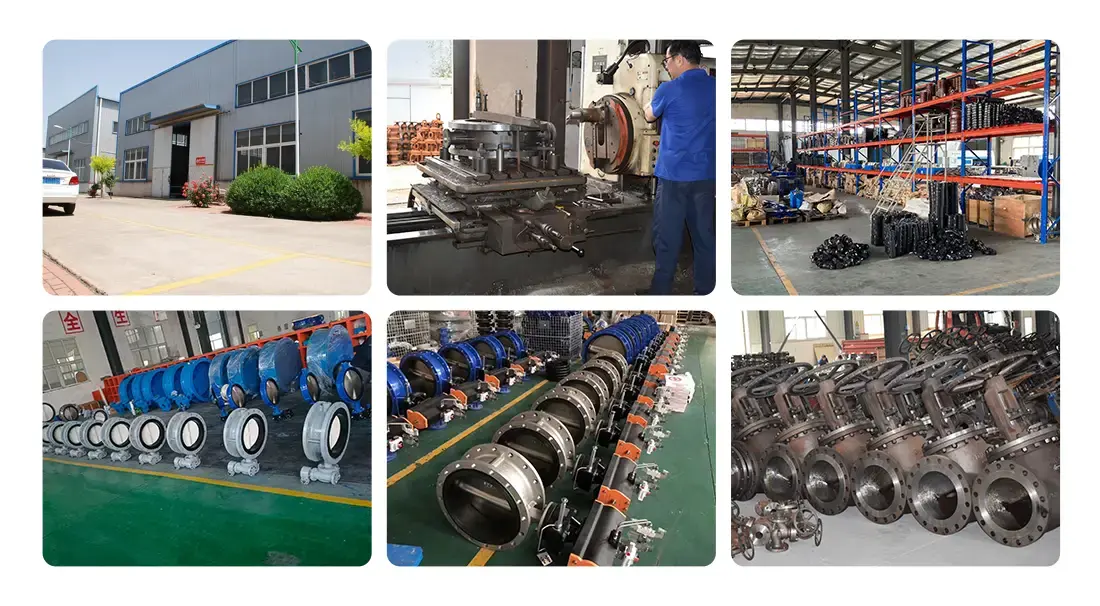
Quality Control
Each motor operated butterfly valve goes through hydrostatic shell testing to verify body integrity, and seat closure tests to check shutoff performance at both low and high pressure.
Actuator load testing confirms torque output and duty cycle ratings before shipment. Insulation resistance testing is conducted to check electrical integrity, and dimensional checks verify ISO 5211 mounting pad tolerances for field installation accuracy.
Customization and OEM/ODM Options
OEM and ODM orders are welcome by ZTVK. OEM supplies might include bespoke branding, logos, nameplates and packaging. For ODM projects the team may customize the sealing material selection and connection arrangement and valve design to meet the precise pressure, temperature or media requirements.
Standard sizes from DN50-DN300 are sent in 3-7 days. Custom-engineered orders usually take 15–25 days to complete, expedited manufacturing is possible in 7–10 days for time-sensitive projects. Confirm availability at time of request.
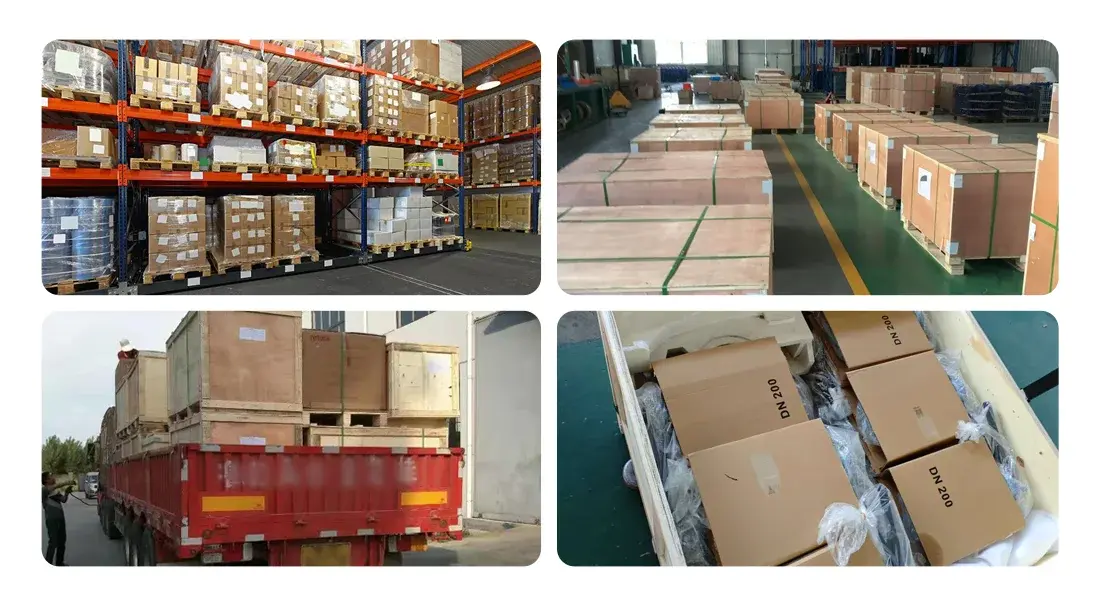
The plant is situated 50 km away from Tianjin Port. Prices are quoted on a FOB Tianjin Xingang and CIF destination-port basis. Export packing is done in hardwood cases, moisture-proof film and fastening brackets as per ISPM 15.
FAQ
Q1: How can I choose between on/off and modulating control?
A: Select on/off if the valve only has to be completely open or closed e.g. pump isolation. If the disk must be held at intermediate angles to adjust flow rate, temperature or pressure, use modulating control with 4–20mA signal input.
Q2: Why is the electric actuator overheating?
A: The most typical reasons are: exceeding the motor duty cycle rating, improper supply voltage, or torque mismatch, when media accumulation needs greater torque than the actuator is rated to provide.
Q3: Will this valve stay in place during power failure?
A: Standard units stay in the last position on power loss. If your application needs fail-safe behavior – to go to full open or full closure on power loss – purchase a fail-safe actuator with either a spring-return mechanism or internal battery backup.
Q4: Valve is closed and yet passing flow?
A: This usually means that the limit switches are out of calibration, and the motor is turning off before the disk can compress the seat all the way. Abrasive or particle media may also cause seat wear that does not allow a full seal.
Q5: Do we need to hook up the internal actuator heater?
A: Yes. The anti-condensation heater prevents moisture from building up on the electronic connections within the actuator housing. This step is often omitted and is a typical cause of actuator failure in outdoor installations or high humidity conditions.
Q6: Which material do I choose for the seat- EPDM or NBR?
A: Use EPDM for water, ozone, steam and most water treatment chemicals. NBR – Oils, fuels, petroleum products. If you are not sure which one is best for your fluid please contact the ZTVK team directly for recommendations.
Contact Us
Send your motor operated butterfly valve details or quote request to ktec86961886@163.com. Include valve size, media type, pressure rating, and control signal type for a faster response.
Send us your valve requirements and our team will provide professional solutions and fast quotations.