- English
- French
- German
- Portuguese
- Spanish
- Russian
- Japanese
- Korean
- Arabic
- Greek
- German
- Turkish
- Italian
- Danish
- Romanian
- Indonesian
- Czech
- Afrikaans
- Swedish
- Polish
- Basque
- Catalan
- Esperanto
- Hindi
- Lao
- Albanian
- Amharic
- Armenian
- Azerbaijani
- Belarusian
- Bengali
- Bosnian
- Bulgarian
- Cebuano
- Chichewa
- Corsican
- Croatian
- Dutch
- Estonian
- Filipino
- Finnish
- Frisian
- Galician
- Georgian
- Gujarati
- Haitian
- Hausa
- Hawaiian
- Hebrew
- Hmong
- Hungarian
- Icelandic
- Igbo
- Javanese
- Kannada
- Kazakh
- Khmer
- Kurdish
- Kyrgyz
- Latin
- Latvian
- Lithuanian
- Luxembou..
- Macedonian
- Malagasy
- Malay
- Malayalam
- Maltese
- Maori
- Marathi
- Mongolian
- Burmese
- Nepali
- Norwegian
- Pashto
- Persian
- Punjabi
- Serbian
- Sesotho
- Sinhala
- Slovak
- Slovenian
- Somali
- Samoan
- Scots Gaelic
- Shona
- Sindhi
- Sundanese
- Swahili
- Tajik
- Tamil
- Telugu
- Thai
- Ukrainian
- Urdu
- Uzbek
- Vietnamese
- Welsh
- Xhosa
- Yiddish
- Yoruba
- Zulu
High Temperature Gate Valve Selection for Extreme Heat Service
Getting the right high temperature gate valve is very important for the safety and efficiency of your business. It's very important to do a good job when working in great heat, where temperatures regularly rise above 425°C, and pressures push normal equipment to its limits. It's not just a part; a high temperature gate valve is your first line of defense against thermal binding, catastrophic leaks, and expensive downtime. These special separation valves are made to work in harsh environments like petrochemical plants, power plants, and factories, where regular valves just don't last. It will save you time, money, and practical problems in the long run to know what makes these valves different and how to pick the right one for your needs.


Understanding High Temperature Gate Valves: Key Concepts and Applications
What Makes a Valve "High Temperature"?
A high temperature gate valve is designed to work in places where the temperature is higher than 425°C and can go as high as 816°C or higher. These units are not like regular gate valves because they use modern metallurgy and structural design to handle temperature expansion, stop material creep, and stop oxidation. Thermal binding is the main problem that these valves fix. This is when the wedge gets hot, grows, and gets stuck between the seats, making the valve useless. This very important problem is dealt with directly by flexible wedge designs and special metals.
Core Industries Relying on Extreme Heat Valves
In supercritical and ultra-supercritical power plants, where steam temperatures regularly exceed 600°C and pressures regularly exceed 250 bar, these valves are used to separate the main steam and high-pressure feedwater lines. They are used in fluid catalytic cracking units and hydrocrackers at oil plants to work with hydrogen and heavy fuels at temperatures above 500°C. High-temperature hydrogen attack and sulfidation are problems that the valves have to be able to handle without breaking. They are used in liquid salt loops at concentrated solar power plants, where changes in temperature between day and night cause extreme thermal shock.
Material Selection and Performance Characteristics
The choice of material has a direct effect on how long and reliably a valve works. Chrome-molybdenum steels, such as ASTM A217 WC6, WC9, and C12A, have great creep strength and don't decarburize easily. Austenitic stainless steels, like 304H and 316H, are better at resisting rust and oxidation when they are heated. Stellite 6, a cobalt-based metal, is used to hardface seat rings and wedge faces. This gives them a 37–45 HRC toughness that stops erosion and galling. This mix makes sure that the valve stays closed tightly even after thousands of heat cycles.
Key Factors in Selecting the Right High Temperature Gate Valve
Defining Your Operating Parameters
Before choosing a valve, you need to know exactly how it will be used. Every choice after that is based on the temperature range, pressure class, and type of media being used. In most commercial settings, valves rated for -40°C to 500°C will work, but in some, valves such as the high temperature gate valve rated for up to 816°C are needed. Classes 150 to 2500 of pressure can handle a wide range of processes, from low-pressure steam to high-pressure petrochemicals. The particle content and acidic qualities of the media also affect the choice of material and seat design.
Pressure Ratings and Size Specifications
It is easy to match the size of the valve to the pipe, but you need to think carefully about the pressure number. There are Class 150, 300, 600, 900, 1500, and 2500 valves made by ZTVK. The sizes range from 1/2" to 36" (DN15 to DN900). For the same size range, we also offer PN16 and PN40 grades, which make sure they work with international pipe standards. Larger sizes and higher pressure classes typically employ pressure-seal bonnets, where line pressure actually strengthens the body-bonnet seal—the higher the internal pressure, the tighter the seal, eliminating gasket leakage risks during thermal cycling.
Connection Types and Bonnet Designs
End links can be made with a raised face, a flat face, or ring-type joint flanged ends. In most situations, raised face flanges work well, but RTJ joints seal better in high-pressure, high-temperature service. Just as important is the shape of the bonnet. Bolted bonnets are easier to maintain, while pressure-seal bonnets work best in harsh circumstances. Rising stem and outside screw and yoke (OS&Y) designs make it easy to see where a valve is, which is a safety trait that workers of complex process systems value.
Material Compatibility with Process Media
Carbon steel valves work well for steam and gas service that doesn't corrode, but stainless steel 304 or 316 is needed for toxic fluids or places where contamination needs to be kept to a minimum. For very harsh conditions, duplex steels are the best choice because they are both strong and resistant to rust. ZTVK lets you choose the exact material you need, including rare metals like Monel and Inconel for uses that need to be very resistant to chemical attack or very stable at high temperatures. Based on your process chemistry and temperature profile, our metallurgy team can help you choose the best material.
Maintenance and Troubleshooting of High Temperature Gate Valves
Establishing Effective Inspection Routines
Small problems don't turn into big problems when they are checked on a regular basis. Visual checks should be done once a month to look for external leaks, rust, and the state of the stem packing. Every three months, the valve should be put through its full range of motion as part of operational testing. This will make sure that it moves smoothly and find any early signs of wear or binding. During yearly interior checks, the state of the seats, the stability of the wedges, and the health of the bonnet gasket can be checked. Keeping track of these checks creates a repair history that helps figure out when parts need to be replaced and how to best store spare parts.
Common Issues and Practical Solutions
Most of the time, leakage through the seats means that the seats are old or that something is stuck between the wedge and the seat rings. In light situations, cleaning and lapping can fix the sealing, but if there is a lot of wear, the seat rings or the whole wedge assembly need to be replaced. If there is stem packing leakage, the gland bolts should be tightened. If the leaking doesn't go away, the packing rings should be replaced. Only use die-formed graphite packing that is rated for the temperature where you will be working. Thermal deformation makes it hard to open or close the valve. If the distortion has forever changed the body or wedge geometry, this is a major problem that may need a new valve.
Spare Parts Strategy
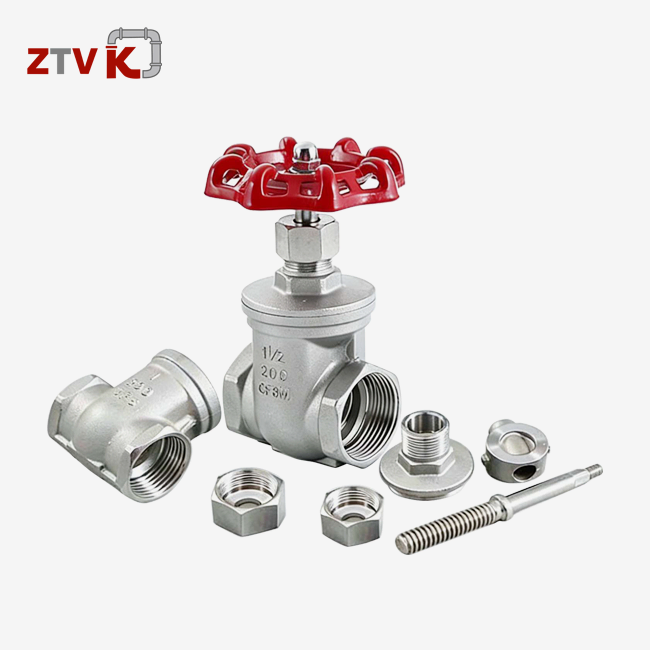
Keeping a stockpile of important spare parts reduces downtime. Keep things like packing sets, sealing kits, and bolts on hand in case you need them. We give you thorough parts lists and exploded-view models for the high temperature gate valve to make it easier to find what you need and place your order. Our 18-month guarantee covers problems with the way the product was made, and we keep replacement parts for common configurations in stock at all times. Orders that need to be made quickly are given priority, and they usually ship within 7–10 days. Working with a provider that knows how important it is to have extra parts on hand quickly will keep your business from having to deal with long outages.
Procurement Guidance: How to Buy High Temperature Gate Valves Efficiently
Evaluating Supplier Credentials
How you choose your suppliers affects whether you get solid tools or problems that keep happening. Look for an ISO 9001 license that shows you have a method for managing quality. API 600 compliance for steel gate valves ensures that the product meets the highest standards in the business. The ASME B16.34 approval makes sure that the pressure-temperature numbers are correct. We have ISO9001, ISO14001, and OHSAS18001 certifications for ZTVK. Our goods also meet API, ANSI, JIS, BS, DIN, and CE standards. Our Tianjin plant has up-to-date CNC machine centers, large-diameter valve lathes, and a wide range of testing tools, such as those that can analyze materials and test pressure.

Understanding Lead Times and Inventory Advantages
Standard types in sizes DN50 to DN600 are sent out from our warehouse 3 to 7 days after the order is confirmed. We keep more than 2,000 units in stock so that we can complete orders quickly. Customizations that aren't standard take 15 to 25 days, based on how complicated they are. However, rush orders can be taken with a 20% fee for 7 to 10-day delivery. We are only 50 kilometers from Tianjin Port, which makes exporting easy. Goods can be delivered to the port by truck in an hour. We can offer competitive FOB Tianjin Xingang or CIF target port prices because we have long-term ties with COSCO Shipping and Maersk.
OEM and ODM Customization Capabilities
We are very good at making big changes to meet the specific needs of each application. You can brand valves with your logo, nameplate, and package requirements when you do OEM manufacturing. This is great for wholesalers who are building their brand identity. As part of ODM services, valve body designs are redesigned, special sealing materials are chosen, and connection methods are changed to fit your unique pressure, temperature, and media conditions. During the pre-sales part, our engineering team offers free help with choosing, CAD plans, and 3D models. This way of working together makes sure that the result exactly meets your operational needs and compliance standards.
After-Sales Support That Protects Your Investment
Comprehensive help after the sale is what sets trusted suppliers apart from those who don't follow through after the sale. We give your repair team full troubleshooting manuals and videos that show how to put valves so that they work as well as possible. For 18 months after delivery, our guarantee covers any flaws that were not caused by humans and includes a free replacement. When help is needed, technical service partners in key areas can come to the spot. Product specifications, test reports, and upkeep records can all be found in digital documents that can be accessed by scanning QR codes on the valve. Third-party factory checks have shown that all certificates are real and can be checked.
Comparative Insights: Why Choose a High Temperature Gate Valve?
Gate Valves vs. Alternative Valve Types
When it comes to high-temperature separation service, gate valves are clearly better than globe or ball valves. The straight-through flow line reduces pressure drop by a large amount, which is very important in processes that use a lot of energy and where pumping costs add up quickly. Globe valves are better at controlling flow, but they have a higher flow resistance and a more complicated internal design that can change shape when heated. Ball valves can handle high temperatures, but they usually need expensive metal seats and may have problems with thermal growth that make it hard for the ball to touch the seat. Gate valves offer effective isolation, low flow resistance, and have been shown to work well in situations with extreme heat.
Manual Operation vs. Automation
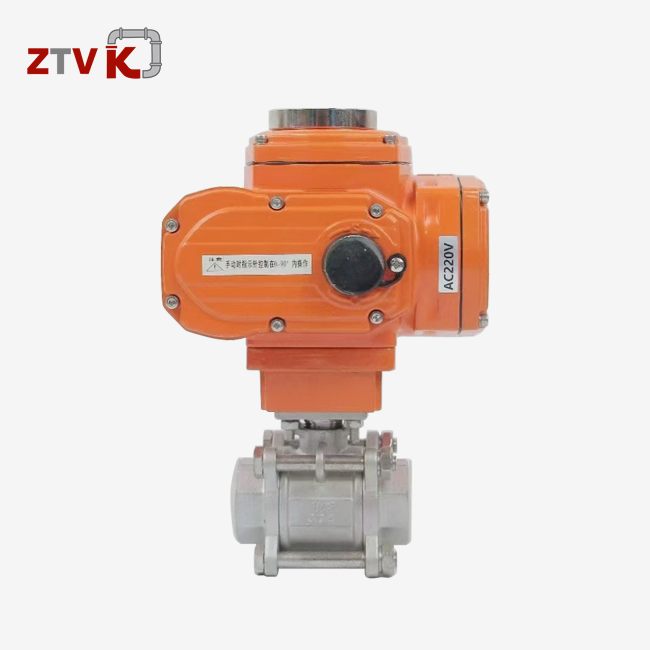
Manual gate valves are cheaper up front, and you don't have to worry about the motor breaking or the control system not working with it. They work well for operations that don't happen very often and can be controlled locally. Using electric or pneumatic actuators in automated solutions lets you handle things from afar, respond more quickly, and connect to spread control systems. ZTVK builds our high temperature gate valve bodies with spare actuator connections so that you can start using them by hand and later switch to automation without having to replace the whole valve. This gives you the freedom to protect your initial investment while still allowing for process changes in the future.
Real-World Performance and ROI
A plant in the Midwest updated its old gate valves in its hydrocracker unit with new ones that had better metalwork and pressure-seal bonnets. As a result? Over three years, unplanned shutdowns went down by 60%, and the cost of repair went down by 40%. A power plant in Europe put our OS&Y rising stem valves in their supercritical steam lines. This gave workers a clear visual sign of the position of the valves, which helped them act faster when things went wrong. The simple design made maintenance training easier, and it took half as long to qualify new techs.
Conclusion
Picking the right valve for work in very high temperatures saves your business, your employees, and your bottom line. We've talked about the basics of technology, like how thermal binding works and how to choose materials that don't grow or rust. You now know which connection types and pressure classes work best for different uses. You also know how to set up repair schedules that find problems early and what to look for in a dependable provider. There are a lot of valves on the market, but only a few makers have the technical depth, quality standards, inventory, and quick customer service that are needed to really meet the needs of challenging industrial uses. The next step is to find a seller who knows what you're going through and can help you find answers that work.
FAQ
Q1: What temperature range can these valves typically handle?
Most industrial high temperature gate valves can work from -40°C to 500°C, which is hot enough for most chemical, petroleum, and steam processes. For extreme uses like making supercritical power or some industrial processes, designs made with advanced metals can hit 816°C or higher. The exact temperature rating depends on the material used. Chrome-molybdenum steels can handle mild high-temperature work, while austenitic stainless steels and rare alloys like Inconel can handle higher temperatures.
Q2: How often should I perform maintenance on high-temperature service valves?
Visual checks once a month find problems on the outside, like packing leaks or rust. By rotating the valve through its full range of motion every three months, locking or wear can be found before they become a problem. You can look at the seating areas and other parts inside during the yearly internal checks. In harsh environments with a lot of temperature changes or toxic media, internal checks may need to be done every six months. Always write down what you find during a check so you can keep track of wear trends and figure out when to replace parts.
Q3: Can I order custom valves for unique applications?
Of course. Most companies, including ZTVK, offer ODM services, which let engineering teams change the specs of valves to fit your exact needs. You can ask for specific materials, change the types of connections, change the pressure levels, or add unique seating arrangements. Usually, the process starts with a scientific meeting where you give information about the temperature, pressure, chemistry of the media, and cycle frequency. Then, engineering comes up with a design answer and sends it to you with plans and details so you can approve them before production starts.
Partner with ZTVK for Reliable High Temperature Gate Valve Solutions
Businesses that use valves need providers who do more than just sell goods; they need partners who care about their success. ZTVK has been making things for more than 15 years and has modern production facilities, a wide range of quality standards, and helpful customer service. We have Class 150 through Class 2500 high temperature gate valves in sizes ranging from 1/2" to 36". Standard models ship within one week. Do you need something specific? Our ODM team makes unique solutions that are backed by API compliance and ISO9001 quality management. We serve global wholesalers, EPC contractors, and industry end-users quickly and easily because we are close to Tianjin Port. You can talk to our engineering team about your needs, get technical specs, or get a full quote by emailing ktec86961886@163.com. We're ready to help you reach your buying goals with the dependability and knowledge that your business needs.
References
1. American Petroleum Institute. API Standard 600: Steel Gate Valves – Flanged and Butt-welding Ends, Bolted and Pressure Seal Bonnets. Washington, D.C.: API Publishing Services, 2021.
2. ASME International. ASME B16.34: Valves – Flanged, Threaded, and Welding End. New York: American Society of Mechanical Engineers, 2020.
3. Zappe, R.W. Valve Selection Handbook: Engineering Fundamentals for Selecting the Right Valve Design for Every Industrial Flow Application. 5th ed. Burlington: Gulf Professional Publishing, 2004.
4. Smith, Philip L., and William C. Stewart. High Temperature Properties of Steels: A Handbook for Materials Engineers and Designers, Operating Plant Personnel, and Manufacturers. Materials Park: ASM International, 1999.
5. Skousen, Philip L. Valve Handbook. 3rd ed. New York: McGraw-Hill Education, 2011.
6. Nesbitt, Brian. Handbook of Valves and Actuators: Valves Manual International. Oxford: Butterworth-Heinemann, 2007.
Send us your valve requirements and our team will provide professional solutions and fast quotations.
RELATED INDUSTRY KNOWLEDGE