- English
- French
- German
- Portuguese
- Spanish
- Russian
- Japanese
- Korean
- Arabic
- Greek
- German
- Turkish
- Italian
- Danish
- Romanian
- Indonesian
- Czech
- Afrikaans
- Swedish
- Polish
- Basque
- Catalan
- Esperanto
- Hindi
- Lao
- Albanian
- Amharic
- Armenian
- Azerbaijani
- Belarusian
- Bengali
- Bosnian
- Bulgarian
- Cebuano
- Chichewa
- Corsican
- Croatian
- Dutch
- Estonian
- Filipino
- Finnish
- Frisian
- Galician
- Georgian
- Gujarati
- Haitian
- Hausa
- Hawaiian
- Hebrew
- Hmong
- Hungarian
- Icelandic
- Igbo
- Javanese
- Kannada
- Kazakh
- Khmer
- Kurdish
- Kyrgyz
- Latin
- Latvian
- Lithuanian
- Luxembou..
- Macedonian
- Malagasy
- Malay
- Malayalam
- Maltese
- Maori
- Marathi
- Mongolian
- Burmese
- Nepali
- Norwegian
- Pashto
- Persian
- Punjabi
- Serbian
- Sesotho
- Sinhala
- Slovak
- Slovenian
- Somali
- Samoan
- Scots Gaelic
- Shona
- Sindhi
- Sundanese
- Swahili
- Tajik
- Tamil
- Telugu
- Thai
- Ukrainian
- Urdu
- Uzbek
- Vietnamese
- Welsh
- Xhosa
- Yiddish
- Yoruba
- Zulu
Air Operated Butterfly Valve: All You Need To Know About Its Application In Piping Systems
The air operated butterfly valve is a crucial part of industrial flow control in modern piping systems because it provides fast, dependable automation without electrical dangers. A disc is rotated 90 degrees, a quarter-turn, by compressed air in this pneumatic device to precisely regulate or isolate fluid flow. It meets distributors' and contractors' important challenges, including rapid response, intrinsic safety in hazardous zones, and seamless integration into automated processes, with lightweight construction and robust performance. Strategic sourcing selections improve operational efficiency when procurement teams understand their technical capabilities and application scope.
Understanding Air Operated Butterfly Valves
What Makes Pneumatic Actuation Different
Air operated butterfly valves use pneumatic actuation to convert compressed air pressure into rotational torque. Pneumatic systems need clean, dry pressurized air at 4–8 pressure, unlike manual valves or motorized actuators. The actuator housing's rack-and-pinion or scotch-yoke mechanism converts linear force into rotary motion that turns the valve disc. This actuation speed is milliseconds to seconds, much faster than multi-turn electric options. In emergency shutdown systems, pneumatic valves are essential for quick response to avert catastrophic failures.
Extruded aluminum with hard anodization gives the actuator body corrosion resistance and a good torque-to-weight ratio. Aluminum pressure die-cast caps and racks withstand continuous cycling. The actuator mounting interface follows ISO 5211 requirements for easy installation and interchangeability among valve brands, reducing downtime during replacement or upgrades.
Single Acting vs Double Acting Configurations
Understanding actuation kinds helps engineers choose fail-safe behavior. Double-acting actuators open and close valves with compressed air, providing precise control. This arrangement works for applications that can maintain the last known position during an air supply interruption. One-way or spring-return actuators use air pressure for one direction and an internal spring mechanism for the other. When the air supply fails, the spring automatically opens or closes the valve to a safe position. This fail-safe logic is essential in chemical processing and petrochemical facilities where uncontrolled flow is dangerous.
ZTVK makes both actuation configurations, allowing clients to choose process safety-compliant fail-safe behavior. For mission-critical applications, the spring-return mechanism is cycle-tested over 50,000 times to assure long-term reliability.
Key Components and Material Selection
Service life and compatibility depend on valve body construction. General water and HVAC applications benefit from ductile iron bodies' mechanical robustness and affordability. When corrosive media or hygienic standards apply, CF8 (304 equivalent) or CF8M (316 equivalent) stainless steels perform well. WCB cast steel bodies can withstand higher pressures and temperatures in steam and thermal oil systems. Disc material must meet or surpass body corrosion resistance while decreasing weight to reduce actuator torque. Ductile iron, CF8, CF8M, and aluminum bronze are marine options.
For an air operated butterfly valve, material choice affects shaft reliability under cycling. SS410 and SS416 are strong enough for moderate duty, whereas SS304 and SS316 resist corrosion in hostile situations. EPDM seals water and mild chemicals, Nitrile petroleum products, PTFE strong acids and alkalis, and Viton high-temperature hydrocarbons. Bubble-tight shutoff and longer wear life are achieved by matching disc and seat materials.
Applications and Suitability in Industrial Piping Systems
Industrial industries with automated control, quick actuation, and intrinsic safety use pneumatic butterfly valves. Understanding application needs and environmental conditions helps choose the proper valve configuration.
Water Treatment and Municipal Infrastructure
Pneumatic butterfly valves control flow in large water treatment facilities such as intake filters, sedimentation basins, and distribution networks. Valve sizes from DN300 to DN2000 handle high-volume flows with low pressure drop. Wafer-type end connections are lighter and smaller than flanged ones, making them cost-effective for large pipeline networks. Meeting NSF/ANSI 61 drinking water safety standards, epoxy-coated ductile iron bodies with EPDM seats perform reliably.
Municipal contractors like the quick response when altering treatment flow or isolating portions for repair. Operators can remotely control multiple valves from control rooms using SCADA integration in the pneumatic system. Automating process adjustments and emergencies minimizes labor expenses and speeds reaction.
Processing and petrochemical plants
Special valves are needed for harsh acids, caustic solutions, and volatile organic chemicals. Chemically inert flow paths from PTFE-lined butterfly valves with stainless steel discs prevent media contamination and material degradation. These valves are suitable for installation in ATEX Zone 1 and Zone 2 explosive atmospheres because pneumatic actuation avoids electric motor spark concerns. When air supply fails or emergency depressurization occurs, spring-return actuators close process limits to contain dangerous chemicals.
Petrochemical facility procurement managers prioritize API 609 and ASME B16.34 valves for infrastructure compatibility and regulatory compliance. ZTVK delivers detailed material test reports and third-party certifications to aid client quality assurance and project clearance.
HVAC and Building Management Systems
For chilled water delivery, cooling tower isolation, and heat exchanger balance, commercial HVAC systems use pneumatic butterfly valves. Electro-pneumatic positioners accept 4-20mA control signals from Building Management Systems to precisely modulate valve control based on thermal load. Maintaining goal flow rates without throttling globe valves optimizes energy use.
Hard-anodized aluminum actuators resist UV degradation and moisture infiltration on cooling towers and rooftop equipment. Lightweight construction simplifies installation logistics and reduces structural support needs for contractors. Wafer-type installation between ASME B16.5 flanges speeds field assembly, reducing project duration.
Food, Beverage, and Pharmaceutical Industries
For sanitary applications, polished stainless steel must meet 3-A and EMATE standards. Air operated butterfly valves with electropolished surfaces and FDA-approved EPDM or PTFE seats support Clean-in-Place practices, which flush pollutants from sealing surfaces rapidly. Pneumatic systems' quick actuation cycles allow thorough cleaning without manual disassembly, improving manufacturing hygiene and minimizing downtime.
Pharmaceutical batch production advantages from modifying ingredient blends and sterile fluid transfers. Positioners offer precision dosage, supporting regulatory-compliant production processes.
Comparing Air Operated Butterfly Valves with Alternative Solutions
Pneumatic vs Electric Actuation
Electric actuators offer accurate positional control and no compressed air infrastructure, making them appealing to facilities without pneumatic systems. Electric motors produce heat and ignition sources, limiting their use in hazardous conditions. Constant operation risks motor burnout in high-frequency modulating applications due to the electric actuator duty cycle constraints. Rapid-cycling pneumatic actuators can handle millions of operations without thermal deterioration.
When operating an air operated butterfly valve and compressed air infrastructure exists, pneumatic solutions are cheaper. The initial actuator purchase price is comparable, but maintenance is simpler with fewer electronic components to fail. Electric actuators need motor brushes, gearbox lubrication, and circuit board maintenance, while pneumatic ones merely need seal replacement and simple lubrication.
Automated vs Manual Operation
Lever or gearbox-operated butterfly valves are suitable for infrequent adjustments and accessible positions. When operators physically adjust several valves in large operations, labor costs rise quickly. Centralised pneumatic systems reduce staffing and improve response uniformity. The repeatability and positioning accuracy of pneumatic actuation exceed those of human operation, improving process control stability.
Automation is preferred in dangerous or confined places where manual valve access puts workers at risk. Remote actuation protects personnel and maintains operational flexibility during atypical conditions or emergencies.
Procurement Guide for Air Operated Butterfly Valves
Evaluating Supplier Capabilities
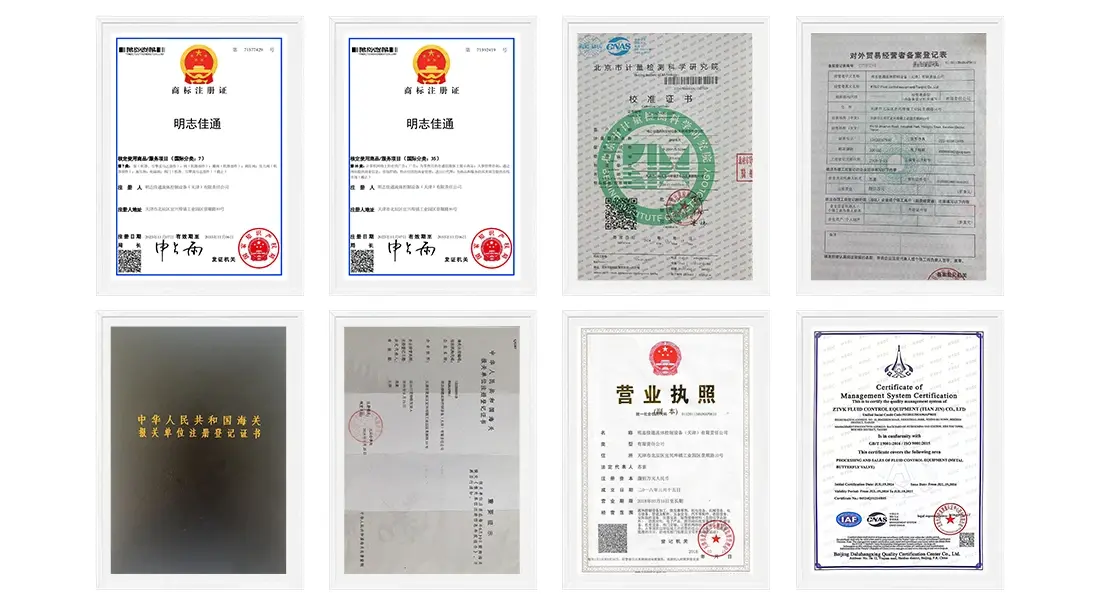
Find dependable suppliers by considering more than unit pricing. ISO 9001, API 6D, and CE marking demonstrate quality management and product compliance. Performance claims are supported by third-party testing of pressure ratings, ISO 5208 seat leakage rates, and material composition. Suppliers with large inventory supplies can finish projects faster, eliminating bespoke fabrication delays.
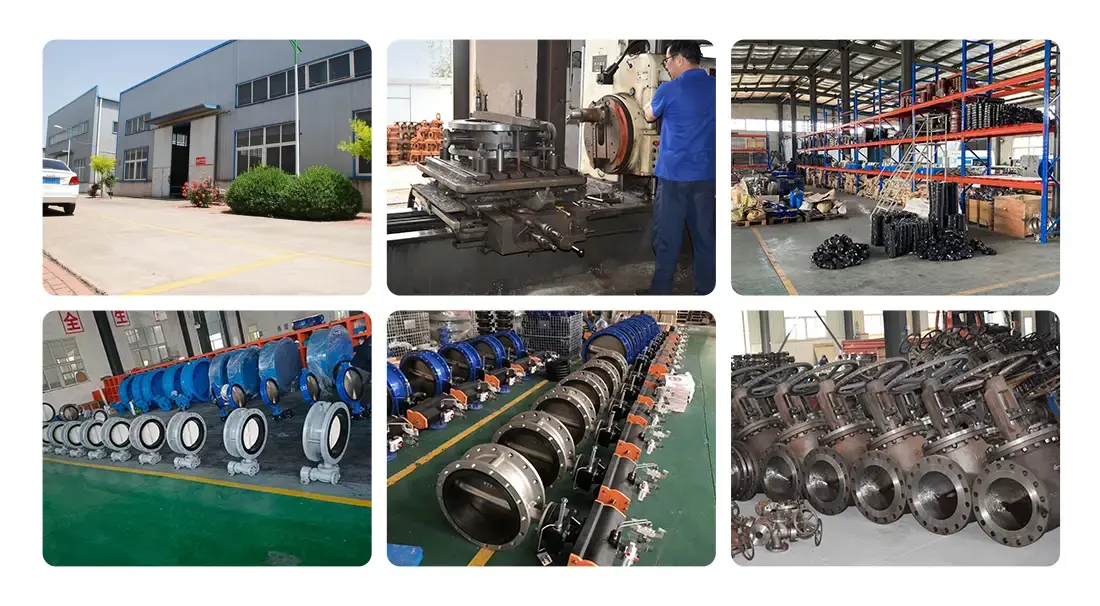
Location near major shipping ports affects landed costs and delivery times. ZTVK's position in Tianjin Beichen District, 50 kilometers from Tianjin Port, makes container loading and access to COSCO and Maersk easy. This closeness provides competitive FOB Tianjin Xingang pricing and consistent departure schedules for project-based procurement with defined installation dates.
Customization and OEM Support
Standard catalog products cover common applications, but project-specific needs necessitate customization. OEM private labeling, nameplate engraving, and branded packaging help distributors establish proprietary product lines. ODM services that modify end connections, actuator sizes, and material specifications handle unique application problems. ZTVK's engineering staff optimizes valve configurations with clients using CAD drawings and 3D models to validate design before production.
Distributors testing new markets or controlling inventory risk benefit from production flexibility for smaller order volumes. Rush production speeds necessary replacements or project acceleration, but premium fees apply. Procurement teams plan inventory and negotiate better terms by understanding supplier minimum order numbers and lead times.
After-Sales Support and Spare Parts Availability
Suppliers with extensive after-sales support stand out. Technical assistance helps diagnose field issues and propose solutions, and the 18-month warranty covers manufacturing faults. End users may enhance valve performance and service life via installation videos, troubleshooting instructions, and maintenance plans. Replaceable seals, actuator service kits, and worn components provide long-term operation without costly valve replacements.
When remote help fails, local technical service partners from vendors give on-site support. This local presence speeds problem-solving and reduces production downtime, adding value beyond purchasing savings.
Troubleshooting and Maintenance Best Practices
Diagnosing Common Operational Issues
Hissing sounds and lower torque production indicate actuator seal failure from a contaminated air supply or excessive cycling. Most leaks are fixed by replacing O-rings and adding an upstream air filter. Full stroke actuator failure indicates insufficient air pressure, undersized actuator selection, or high valve breakaway torque from disc media buildup. Root causes are found by checking the actuator supply pressure and disc deposits.
When the actuator stops before the disc seats, limit switch misalignment causes valve sticking or unpredictable positioning. Recalibrating limit switches following the manufacturer's instructions fixes them. When closed, excessive seat leakage indicates worn or broken seat material, contamination preventing disc contact, or disc-seat misalignment. Leakage is usually fixed by seat replacement or cleaning, but significant disc damage may necessitate valve replacement.
Preventive Maintenance Protocols
Scheduled maintenance for an air operated butterfly valve prolongs valve life and prevents failures. Quarterly checks should check actuator mounting bolts, air supply connections, and valve operation through full stroke. Annual maintenance comprises removing the actuator for seal examination and replacement if wear occurs, lubricating moving parts using manufacturer-recommended lubricant, and checking limit switch calibration.
The environment affects maintenance frequency. Internal actuator heaters avoid electronics condensation in high-humidity or outdoor situations. Insulation or heat tracing keeps the air supply temperature above the dew point for operable actuators to prevent ice accumulation and mechanism immobilization.
Documenting maintenance, replacement parts, and performance observations produces useful historical records. These records provide wear patterns to guide predictive maintenance and advise service interval and component reliability procurement decisions.
Conclusion
Air operated butterfly valves automate industrial piping applications with rapid response, intrinsic safety, and reliable performance. Understanding pneumatic actuation, material compatibility, and application-specific criteria helps procurement professionals describe operationally optimal solutions. The comparison with electric and manual options shows that pneumatic systems offer faster cycling, simpler maintenance, and better safety. Strategic supplier selection considers manufacturing capabilities, customization choices, and complete support to maximize valve performance and control TCO. Established maintenance and troubleshooting practices improve reliability and reduce production disruptions.
FAQ
Q1: How do I select between wafer and flanged end connections?
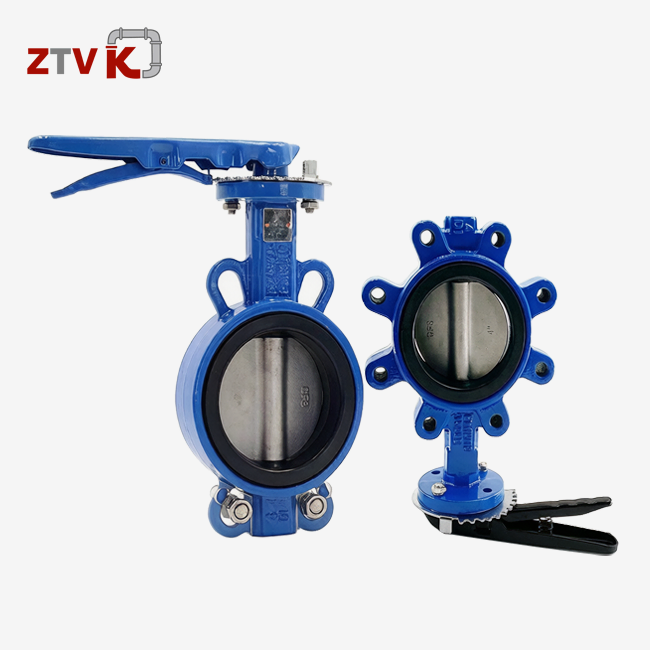
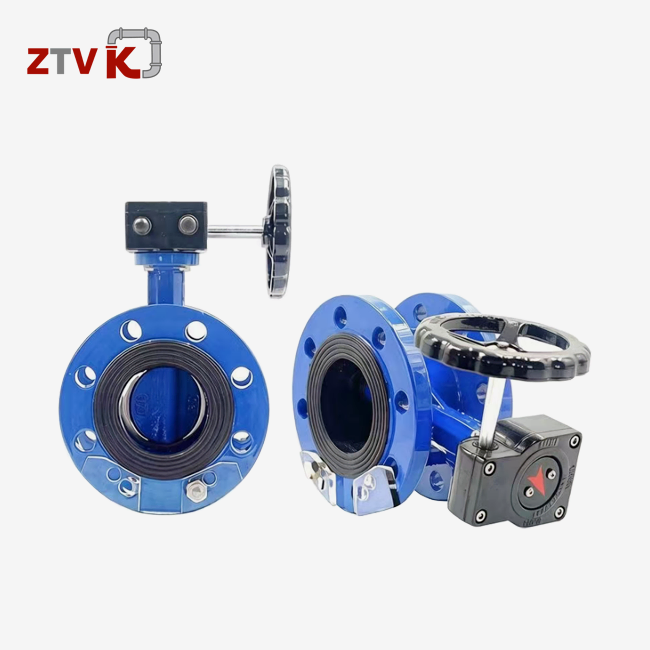
Wafer-type connections fit between standard pipeline flanges using longer bolts, creating a lightweight, compact installation suitable for lower-pressure applications and space-constrained locations. Flanged valves include integral mounting flanges bolted directly to pipeline flanges, providing enhanced structural rigidity and suitability for higher pressures or applications requiring frequent valve removal. Consider system pressure ratings, installation space, and maintenance access when choosing connection styles.
Q2: What causes pneumatic actuators to respond slowly?
Slow actuation typically results from inadequate air supply pressure, undersized air supply tubing restricting flow, or excessive valve torque from media buildup. Verify supply pressure reaches actuator specifications, inspect tubing for restrictions or kinks, and confirm the valve disc moves freely without binding. Installing quick exhaust valves or larger-diameter supply lines improves response times in critical applications.
Q3: Can these valves handle slurries or abrasive media?
Standard elastomer seats wear rapidly in abrasive service. Metal-seated butterfly valves using chrome-plated or stellite-faced discs against hardened seat rings provide superior abrasion resistance for slurry applications, though bubble-tight shutoff capability diminishes compared to resilient seats. Regular inspection and seat replacement according to wear patterns maintain acceptable leakage rates in demanding services.
Partner with ZTVK for Reliable Air Operated Butterfly Valve Solutions
Choosing the right pneumatic butterfly valve supplier directly impacts project success and operational reliability. ZTVK brings over 15 years of specialized manufacturing experience, maintaining 2000+ standard valves in stock for rapid 3-7 day delivery after order confirmation. Our ISO 9001, ISO 14001, and OHSAS 18001 certifications demonstrate a commitment to quality management and environmental responsibility. We support comprehensive OEM and ODM customization, enabling private labeling, bespoke material specifications, and modified designs meeting unique application requirements. The double eccentric oblique seal design reduces operating torque by 30 percent while extending service life beyond 50,000 cycles, delivering measurable performance advantages.
As a trusted air operated butterfly valve manufacturer located just 50 kilometers from Tianjin Port, we provide competitive FOB and CIF pricing with reliable shipping schedules through established partnerships with major carriers. Our engineering team offers free technical consultation, CAD drawings, and selection guidance, ensuring optimal valve specification for your piping systems. Contact us at ktec86961886@163.com to discuss your procurement needs and receive detailed quotations tailored to your project specifications. Experience responsive service backed by substantial inventory, flexible production capacity, and comprehensive 18-month warranty coverage that protects your investment.
References
1. American Society of Mechanical Engineers. (2020). ASME B16.34: Valves—Flanged, Threaded, and Welding End. New York: ASME Press.
2. International Organization for Standardization. (2019). ISO 5211: Industrial Valves—Part-Turn Actuator Attachments. Geneva: ISO Standards.
3. American Petroleum Institute. (2018). API 609: Butterfly Valves: Double-Flanged, Lug- and Wafer-Type. Washington: API Publishing Services.
4. Valve Manufacturers Association. (2021). Pneumatic Actuator Selection and Sizing Guidelines for Quarter-Turn Valves. Washington: VMA Technical Publications.
5. Nesbitt, B. (2017). Handbook of Valves and Actuators: Valves Manual International. Oxford: Elsevier Science Ltd.
6. Smith, P., & Zappe, R. W. (2019). Valve Selection Handbook: Engineering Fundamentals for Selecting the Right Valve Design. Houston: Gulf Professional Publishing.
Send us your valve requirements and our team will provide professional solutions and fast quotations.
RELATED INDUSTRY KNOWLEDGE