- English
- French
- German
- Portuguese
- Spanish
- Russian
- Japanese
- Korean
- Arabic
- Greek
- German
- Turkish
- Italian
- Danish
- Romanian
- Indonesian
- Czech
- Afrikaans
- Swedish
- Polish
- Basque
- Catalan
- Esperanto
- Hindi
- Lao
- Albanian
- Amharic
- Armenian
- Azerbaijani
- Belarusian
- Bengali
- Bosnian
- Bulgarian
- Cebuano
- Chichewa
- Corsican
- Croatian
- Dutch
- Estonian
- Filipino
- Finnish
- Frisian
- Galician
- Georgian
- Gujarati
- Haitian
- Hausa
- Hawaiian
- Hebrew
- Hmong
- Hungarian
- Icelandic
- Igbo
- Javanese
- Kannada
- Kazakh
- Khmer
- Kurdish
- Kyrgyz
- Latin
- Latvian
- Lithuanian
- Luxembou..
- Macedonian
- Malagasy
- Malay
- Malayalam
- Maltese
- Maori
- Marathi
- Mongolian
- Burmese
- Nepali
- Norwegian
- Pashto
- Persian
- Punjabi
- Serbian
- Sesotho
- Sinhala
- Slovak
- Slovenian
- Somali
- Samoan
- Scots Gaelic
- Shona
- Sindhi
- Sundanese
- Swahili
- Tajik
- Tamil
- Telugu
- Thai
- Ukrainian
- Urdu
- Uzbek
- Vietnamese
- Welsh
- Xhosa
- Yiddish
- Yoruba
- Zulu
Three-Inch Wafer Check Valve Options for Industrial Applications in China
When industrial wholesalers and builders around the world are looking for ways to stop backflow in DN80 pipe systems, the 3-inch wafer check valve stands out as a small, low-cost option. These one-way flow control devices fit snugly between standard flanges, so you don't need separate valve flanges, and they don't take up much space in the pipeline. Chinese companies have improved their production methods so they can now make 3-inch wafer check valves that meet API 594 and ASME B16.5 standards. These valves are stable and cost less than similar ones sold in other countries. Knowing the different technical terms and how to buy things helps wholesalers make smart choices that meet the needs of end users in the petroleum, HVAC, and water treatment industries.
Understanding 3 Inch Wafer Check Valves: Working Principles and Technical Specifications
How Wafer Check Valves Prevent Backflow
A simple idea behind a 3-inch wafer check valve: it lets fluid flow in one direction but instantly stops flow in the other direction. The body of the valve has a disc or plate that can move and open when upstream flow puts pressure on it. When the flow stops or changes direction, the disc presses against its seat to make a shield that stops backflow. This system keeps pumps, compressors, and other equipment from getting damaged by water hammer, which is quick changes in pressure.
The standard width of the DN80 size is about 80 millimetres, and it fits perfectly into 3-inch ANSI Class 150 or 300 flanged systems. Traditional swing check valves close quickly because of gravity. Dual-plate wafer versions, on the other hand, use spring tension to make sure they close quickly, no matter how they are installed. Because of this, they can be used in steep pipes where gravity-based valves would not work.
Key Technical Specifications to Consider
When purchasing managers look at 3-inch wafer check valves, they should pay attention to a number of important factors. To make sure they work with current flange configurations, face-to-face dimensions must meet API 594 guidelines. For normal industrial uses, pressure levels are usually between PN10 and PN40. However, higher values are available for harsh petrochemical environments.
Choosing the right material has a direct effect on how long it lasts and how well it works with working media. Grades 304 and 316 stainless steel are great for chemical processing and water treatment plants because they don't rust in slightly acidic and alkaline environments. If you need something that won't rust, carbon steel frames (ASTM A216 WCB) are a cheap option. The ZTVK Model D77X is made of SS304/316 and has a specification range from DN40 to DN1000, so it can handle both normal 3-inch needs and bigger special projects.
Different types of seats can handle different temperatures. When the temperature is average, soft chairs made of EPDM, NBR, or Viton provide a bubble-tight seal, but when the temperature gets too high, they break down. Stellite-covered metal-to-metal seats can handle temperatures above 400°C, which is necessary for steam and high-temperature fuel work. Flow coefficients (Cv values) affect the pressure drop across the valve. The best designs keep energy waste in pumping systems to a minimum.
Comparison of 3 Inch Wafer Check Valves with Other Check Valve Types
Operational Differences and Advantages
When compared to swing, lift, and ball check valves, 3-inch wafer check valves are easy to tell apart because they are small and light. For the movable disc to work, traditional swing check valves need a lot of room, so they can't be used in places with limited space. When compared to swing models, wafer designs are up to 80% lighter, which means they require less installation work and cost less to ship in bulk.
A directed piston moves vertically against the flow in lift check valves. These valves shut off very well, but they cause bigger pressure drops than wafer options. Ball check valves are easy to use and don't need much upkeep, but they can't seal tightly enough for important uses. Spring-loaded 3-inch wafer check valves close at zero flow before reverse motion builds momentum. They have fast response times and reliable seals.
Material and Performance Considerations
When deciding between carbon steel and stainless steel, you have to weigh how resistant they are to rust against your budget. Stainless steel 316 has molybdenum in it, which makes it more resistant to cracking caused by salt in coastal areas and chemical plants. Carbon steel works well in city water systems and HVAC uses where aggressive media are not present, and it saves money when buying in bulk.
Pressure values are directly related to the width and grade of the material of the valve body. At room temperature, ANSI Class 150 valves can handle pressures of up to 285 psi, which is enough for most industrial HVAC systems. Class 300 grades raise the pressure limit to 740 psi, which is enough for industrial process lines and steam uses. Knowing these performance limits helps distributors match valve specifications to the needs of the end user's system. This way, distributors can avoid over-specification, which drives up costs, and under-specification, which can cause valves to fail too soon.
Installation, Maintenance, and Common Issues of 3 Inch Wafer Check Valves
Proper Installation Techniques
The first step in installing a 3-inch wafer check valve correctly is to check the flow direction, which is shown by lines that are cast or stamped on the valve body. For the wafer design to work, it needs to be put between two plates and held in place by through-bolts that press down on seals on both sides. As part of getting ready for installation, the flange faces must be checked for damage, the sealing surfaces must be cleaned of debris, and the gasket material must match the working medium.
Installers should tighten flange bolts in a star design to even out the pressure. This will stop the gasket from coming out or filling unevenly, which can lead to leaks. To keep the internal disc device from getting stuck, the valve needs to be lined up straight with the pipeline. Gravity-dependent designs won't work in vertical placements, so you need models that are loaded with springs. If you follow these steps, the 3-inch wafer check valve will last longer, and in ideal conditions, it can last over 50,000 times.
Maintenance Protocols and Troubleshooting
As part of regular maintenance, the external flange bolts should be checked and retightened to account for the gaskets loosening over time. 3-inch wafer check valves are usually non-serviceable inline units, in contrast to serviceable valves with open internals. If you check the pressure downstream while the flow stops upstream, you can find a failing seal early and repair it before the system gets contaminated.
One common problem is buzzing, which happens when the disc keeps slamming shut because the flow speed isn't fast enough to keep it open all the way. This can be fixed by making sure that the operating flow rates match the valve's specs or by choosing a model with a lower cracking pressure. Leakage past the seat is usually caused by debris build-up or seat wear, which can be fixed by changing the whole valve unit in designs that can't be fixed. Upstream filter and chemical compatibility checks are examples of preventative steps that lower the number of failures. This helps water treatment plants and industrial process lines stay reliable over time.
Procuring 3 Inch Wafer Check Valves from China: What Buyers Should Know
Market Landscape and Manufacturer Capabilities
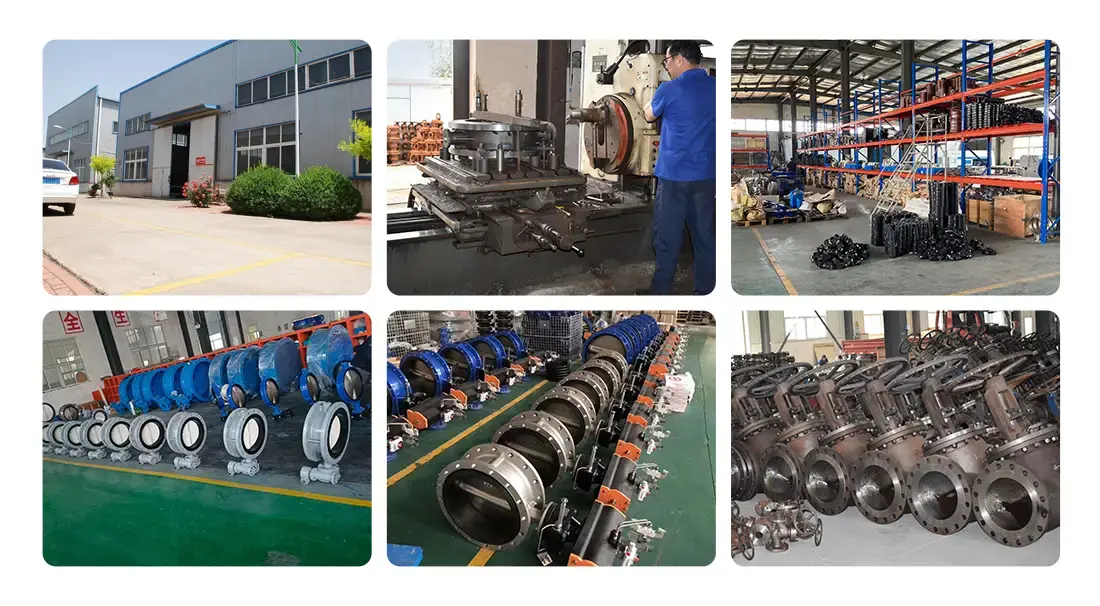
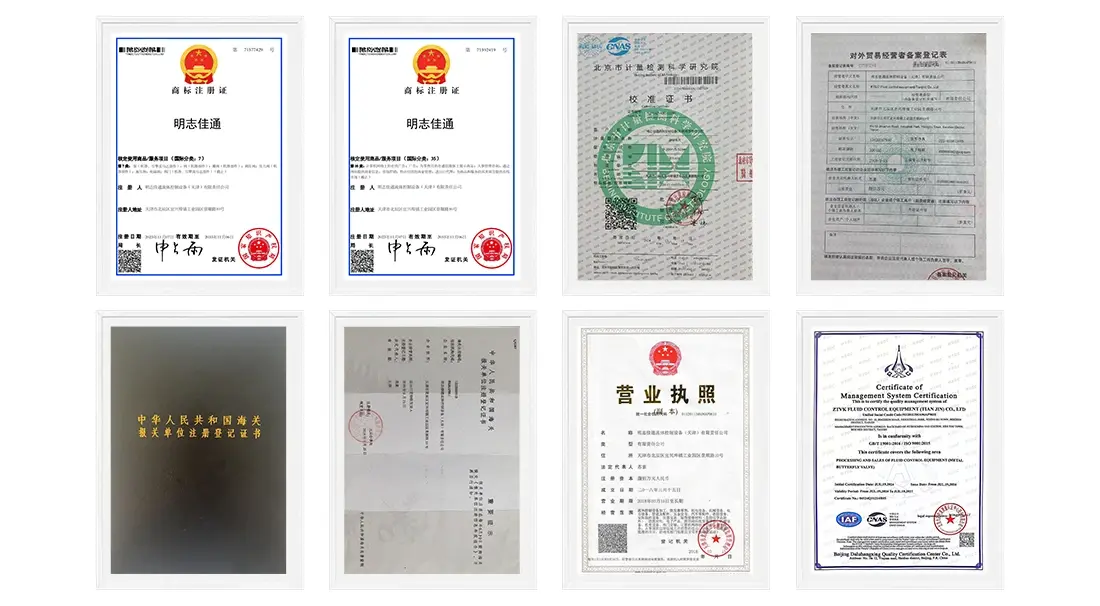
A lot of China's valve production is concentrated in places like Tianjin, which is close to Tianjin Port and makes exporting easier. Companies like ZTVK have spent money on ISO9001, ISO14001, and OHSAS18001 standards to show their dedication to quality management systems that are known all over the world. API and ANSI-compliant valves can be made on a large scale in modern buildings with CNC machining tools and pressure testing equipment.
China has a competitive advantage because its supply chain is well-connected and includes easy access to raw materials, skilled workers, and well-established export infrastructure. OEM and ODM services help buyers because they let them customise logos, designs, and packages to fit the needs of different markets. By knowing about these features, wholesalers can make their products stand out and easily meet the needs of end users.
Pricing, Lead Times, and Supplier Evaluation
One main factor that affects prices is volume deals. When you buy a lot of regular models, you can save a lot of money per unit. Lead times depend on how much stock is available. ZTVK keeps over 2,000 normal DN50–DN600 units in stock, so delivery can happen 3–7 days after an order is confirmed. Customisation that isn't standard can add 15 to 25 days to the production cycle, based on how complicated it is. However, rush services can cut the time to 7 to 10 days for urgent projects for an extra fee.
If you want to find good suppliers, you need to look closely at their certifications, how open their plant audits are, and how they handle help after the sale. Third-party checks should be able to confirm that ISO and API data are real. This way, fake certificates that compromise quality assurance can be avoided. Being close to major ports lowers the cost and time of moving goods within China. ZTVK's site 50 kilometres from Tianjin Port is a great example of this. Established relationships with international carriers like COSCO and Maersk guarantee accurate FOB and CIF quotes, and packing that meets ISPM 15 standards avoids delays at customs.
Technical help services set trustworthy makers apart from transactional providers. Full services include helping customers choose with CAD models before they buy, 18-month warranties that cover damage not caused by people, and installation video lessons. Having access to local professional partners for on-site problem-solving is helpful for workers who are in charge of big projects with tight deadlines.
Reliable Wafer Check Valve Solutions from Proven Manufacturers
Performance Characteristics That Matter
High-quality 3-inch wafer check valves have been tested and proven to work well in a wide range of industry settings. In petrochemical plants where hydrocarbon contact can be dangerous, fire-safe approval according to API 607 is very important. Positive Material Identification (PMI) testing makes sure that the amount of nickel, chromium, and molybdenum in stainless steel bodies meets ASTM standards. This makes sure that promises of corrosion protection are true in harsh environments.
Dual-plate designs with Inconel X-750 springs allow for quick dynamic reaction, stopping before the reverse flow reaches a destructive speed. Water hammer is less of a problem in high-rise building HVAC systems and city pumping sites with this function. New designs in the structure, like double eccentric and oblique seals, lower the opening force by 30%. This makes the service life longer and allows for the inclusion of electric or pneumatic actuators for better automatic control.
Real-World Application Insights
Chemical dosing lines in water treatment plants use 3-inch wafer check valves because traditional valve designs can't work in those places due to limited room and corrosive media. The small size makes it possible to place it in equipment rooms that are already full, and the stainless steel construction means it can stand up to chlorine solutions and coagulants for a long time. Municipal workers like the lighter upkeep load, since non-serviceable designs don't need regular internal checks but still keep backflow protection working well.
In chemical processing plants, fire-safe types are used in flare systems and condensate return lines, where a broken valve could cause huge leaks. Metal-to-metal seats can handle temperatures above 400°C and keep the integrity of the seal even when temperatures change. Integrators of HVAC systems put spring-loaded 3-inch wafer check valves on the discharge lines of booster pumps to stop reverse gravity flow, which breaks motor windings and spins idle pumps backwards. These tried-and-true uses show that matching specifications to operational situations leads to measured dependability and cost savings.
Conclusion
When looking for the right 3-inch wafer check valve for industrial use, you need to carefully consider technical specs, material fit, and the supplier's reputation. In the water treatment, HVAC, and petrochemical industries, the 3-inch size is a flexible option that can be installed in a smaller area and reliably stop backflow. Chinese makers have grown up and are now able to work with global wholesalers as partners. They offer API-compliant goods, OEM freedom, reasonable prices, and modern production facilities. A good procurement process combines performance needs with the total cost of ownership, which includes not only the purchase price but also shipping reliability, warranty coverage, and expert support. Buyers can easily find 3-inch wafer check valves that protect important infrastructure and build long-term business relationships if they understand the above operating principles, comparative benefits, and quality assurance procedures.
Frequently Asked Questions
1. Can wafer check valves be installed in vertical pipelines?
Vertical placements work well with spring-loaded and dual-plate designs because they close with spring force instead of gravity. When the valve is vertical, traditional swing check valves don't work because the disc can't close on its own. If the 3-inch wafer check valve is going to be used vertically, make sure it has a spring device that works with the pressure range.
2. What causes premature seat wear in wafer check valves?
Most of the time, seat decline is caused by choosing the wrong material, particle erosion, or chemical mismatch. When used with high-temperature steam, soft seats break down quickly. Metal seats, on the other hand, can handle extreme temperatures but allow small leaks according to API 598 guidelines. An upstream filter gets rid of rough particles that speed up wear, which makes valves last longer in flows with slurry or grit.
3. How do I verify that supplier certifications are authentic?
Ask for actual certificates with serial numbers that can be checked and information on how to get in touch with the granting body. Reputable makers are happy to have their factories inspected by a third party and provide paperwork that can be tracked back to independent testing labs. Check the validity of an ISO certificate by looking up its number in the official registrar's database. Stay away from providers who won't share audit results or who don't have clear quality management paperwork.
Partner with ZTVK for Reliable 3 Inch Wafer Check Valve Supply
ZTVK has been making industrial valves for 15 years, which is helpful for distributors looking for a reliable 3-inch wafer check valve maker. We keep over 2,000 standard valves in stock and can send them quickly (3–7 days) from our location in Tianjin's Beichen District, which has direct access to Tianjin Port. Our Model D77X 3-inch wafer check valves are made of stainless steel 304/316 and come in sizes DN40 to DN1000. They meet API 594 standards for dimensions and quality and have ISO certifications. Your marketplace is helped by OEM logos, custom seat materials, and designs that are ready to be activated. We provide full professional help, which includes CAD drawings, installation videos, and a warranty that lasts for 18 months. Your business can make more money by producing things in-house and selling them at competitive bulk prices. You can talk to our team at ktec86961886@163.com about your needs. Partnering with a qualified Chinese valve seller who is dedicated to quality and on-time delivery will save you time and money.
References
1. American Petroleum Institute. API Standard 594: Check Valves: Flanged, Lug, Wafer, and Butt-welding. Washington, DC: API Publishing Services, 2017.
2. ASME International. ASME B16.5: Pipe Flanges and Flanged Fittings: NPS 1/2 through NPS 24 Metric/Inch Standard. New York: ASME Press, 2020.
3. Gupta, S. K. Industrial Valve Selection and Maintenance Handbook. Cambridge: Elsevier Science & Technology, 2019.
4. Manufacturer Standardization Society. MSS SP-80: Bronze Gate, Globe, Angle, and Check Valves. Vienna, VA: MSS Standards Practice, 2016.
5. Zhang, Wei and Liu, Hongyang. Advanced Manufacturing Techniques for Industrial Valves in China. Beijing: China Machine Press, 2021.
6. International Organization for Standardization. ISO 5752: Metal Valves for Use in Flanged Pipe Systems—Face-to-face and Centre-to-face Dimensions. Geneva: ISO Central Secretariat, 2021.
Send us your valve requirements and our team will provide professional solutions and fast quotations.
RELATED INDUSTRY KNOWLEDGE