- English
- French
- German
- Portuguese
- Spanish
- Russian
- Japanese
- Korean
- Arabic
- Greek
- German
- Turkish
- Italian
- Danish
- Romanian
- Indonesian
- Czech
- Afrikaans
- Swedish
- Polish
- Basque
- Catalan
- Esperanto
- Hindi
- Lao
- Albanian
- Amharic
- Armenian
- Azerbaijani
- Belarusian
- Bengali
- Bosnian
- Bulgarian
- Cebuano
- Chichewa
- Corsican
- Croatian
- Dutch
- Estonian
- Filipino
- Finnish
- Frisian
- Galician
- Georgian
- Gujarati
- Haitian
- Hausa
- Hawaiian
- Hebrew
- Hmong
- Hungarian
- Icelandic
- Igbo
- Javanese
- Kannada
- Kazakh
- Khmer
- Kurdish
- Kyrgyz
- Latin
- Latvian
- Lithuanian
- Luxembou..
- Macedonian
- Malagasy
- Malay
- Malayalam
- Maltese
- Maori
- Marathi
- Mongolian
- Burmese
- Nepali
- Norwegian
- Pashto
- Persian
- Punjabi
- Serbian
- Sesotho
- Sinhala
- Slovak
- Slovenian
- Somali
- Samoan
- Scots Gaelic
- Shona
- Sindhi
- Sundanese
- Swahili
- Tajik
- Tamil
- Telugu
- Thai
- Ukrainian
- Urdu
- Uzbek
- Vietnamese
- Welsh
- Xhosa
- Yiddish
- Yoruba
- Zulu
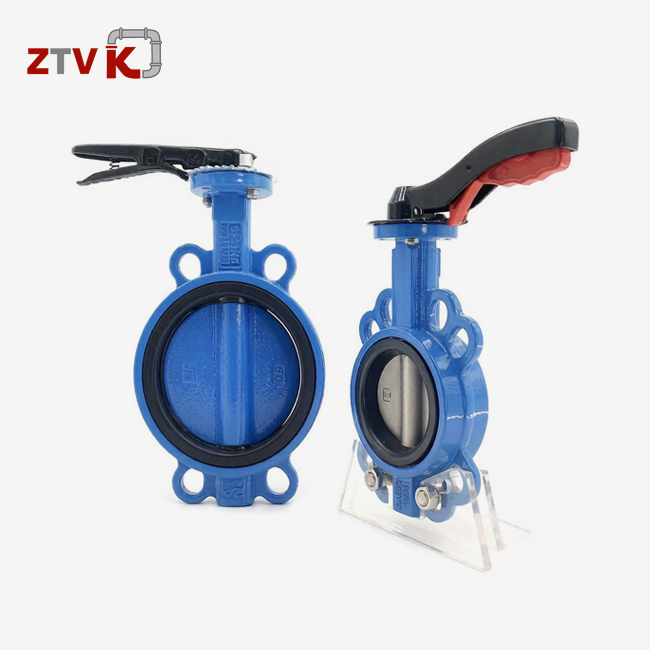
cast iron wafer type butterfly valve
Pressure: PN6, PN10, PN16 (class 150)
Temperature: -29 ℃ ~ + 120 ℃
Body: Ductile Iron: GGG40
Seat: NBR, EPDM, Viton, Silicone Rubber
Disco / Trim: epoxy coated ductile iron, SS316, SS304, stainless steel duplex, bronze
Stem: SS316, SS304, SS420, SS416
Connection: Wafer, Lug, flange
Design standard: API, DIN, ASME, ISO, ANSI, GB / T, BS EN, AWWA
Application: Water, power plant, HVAC, food, medicine, desalinization
Cast Iron Wafer Type Butterfly Valve — DN50 to DN2400
Cast iron wafer type butterfly valves are quarter-turn, rotary-motion flow control devices designed to fit directly between two mating pipe flanges without separate flange connections on the valve body. This valve is made by ZTVK FLUID CONTROL EQUIPMENT (TIANJIN) CO., LTD. It comes in sizes DN50 to DN2400 (NPS 1¿ to NPS 96) and can handle pressures of PN6, PN10, and PN16. The valve body is made of ductile iron GGG40, and the seats can be made of NBR, EPDM, Viton, or Silicone Rubber. The valve can work in temperatures ranging from -29°C to +120°C.
What Is a Cast Iron Wafer Type Butterfly Valve?
A cast iron wafer type butterfly valve is held in position between two pipeline flanges by the compressive force of the flange bolts, eliminating the need for separate flange connections on the valve body itself. This makes installation straightforward and keeps the valve compact.
The body is composed of ductile cast iron (GGG40 / ASTM A536) which is stronger and less prone to shatter when pushed apart than gray cast iron (GG25). Therefore, GGG40 is the usual option for industrial systems subject to vibration or rapid pressure fluctuations.
It is wafer shaped so as to minimize the total face to face length and installation weight. This reduces the static stress on pipe supports and facilitates installation in congested mechanical rooms.
Product Specifications
|
Parameter |
Details |
|
Nominal Size |
DN50–DN2400 (NPS 1¼–NPS 96) |
|
Pressure Rating |
PN6, PN10, PN16 (Class 150) |
|
Temperature Range |
-29°C to +120°C |
|
Body Material |
Ductile Iron GGG40 |
|
Seat Material |
NBR, EPDM, Viton, Silicone Rubber |
|
Disc / Trim |
Epoxy coated ductile iron, SS304, SS316, duplex stainless steel, bronze |
|
Stem Material |
SS304, SS316, SS420, SS416 |
|
Connection Type |
Wafer, Lug, Flange |
|
Design Standards |
API, DIN, ASME, ISO, ANSI, GB/T, BS EN, AWWA |
|
Actuation Options |
Manual, electric, pneumatic, turbine, electro-pneumatic |
Key Product Features
GGG40 body made of ductile iron
The GGG40 body can handle stress and pressure surges in pipelines better than regular gray cast iron. Because it is made of wafers, the valve is short and light, which makes it useful in pump rooms and other crowded mechanical areas.
Choices of seat materials that go with media
From -10°C to 120°C, EPDM chairs can take water, glycol, and weak acids. From -10°C to 80°C, NBR seats can handle oils, fuels, and hydrocarbons. Seats made of Viton can handle higher temperatures and fuel service. It is very important to choose the right seat material for the process fluid and temperature to get the longest service life.
Epoxy disk coating fused together
You can get the disk with a fusion-bonded epoxy (FBE) coating that has a dry film thickness (DFT) of at least 250 microns. This keeps cast iron parts safe when they are used in damp or slightly corrosive situations.
Concentric disk with sealing in two directions
The circular disk shape lets flow go in both directions. As the disk turns, it cleans itself at the seat, which keeps debris from building up. This is especially helpful in applications that treat water or make slurry.
Compatibility with actuators
The valve can be operated by a lever or a gear, and it can be controlled by electric or pneumatic actuators. This means that it can work with automated pipeline control systems.
Application Scenarios
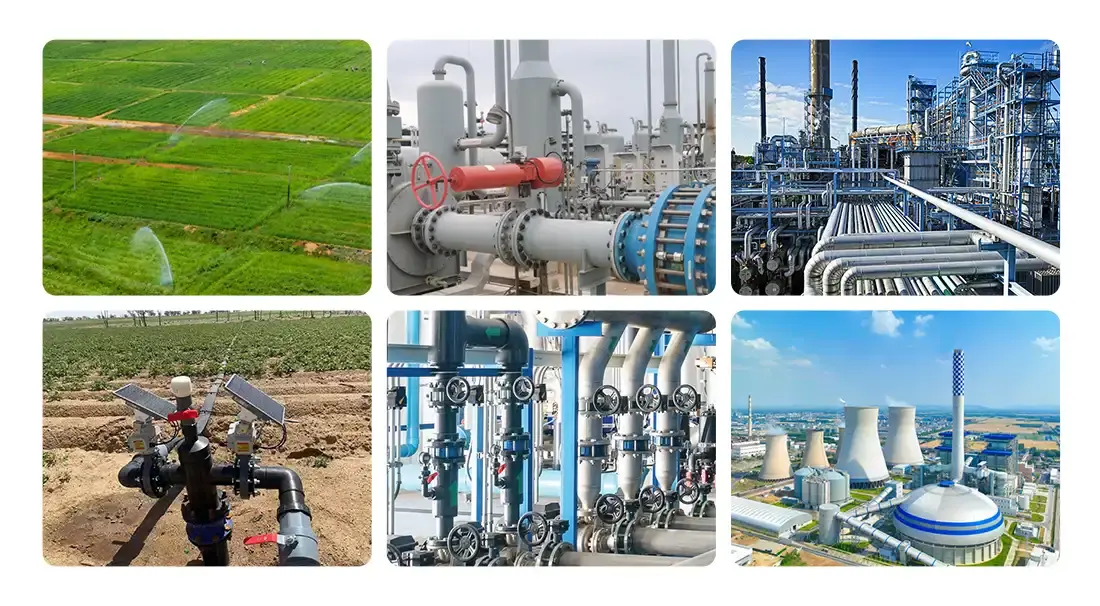
HVAC systems for businesses
These valves are used to regulate the flow of cold and hot water in chiller loops and cooling towers in data centers and high-rise structures. EPDM seat is heat resistant and resistant to typical hydronic additives, and the wafer design is ideal for compact pump rooms.
Water and wastewater cleansing city
The valve is designed as a circular disk and can handle raw water, sludge and treated wastewater without clogging. Ductile iron structure is sufficiently robust to withstand water pounding prevalent in municipal pumping networks.
General utilities for industry
The valve makes it easy to turn off compressed air lines in factories and watering systems in farms. Trace oil or chemicals can't get into irrigation lines through NBR seats, and the robust seat can be changed in the field.
Other areas that got help
The small size and variety of seat materials for this valve are often requested in the power generation, food processing, pharmaceuticals, desalination, petrochemicals, and pulp and paper industries.
Quality Control
Each cast iron wafer type butterfly valve goes through a defined inspection sequence before shipment.
Tests for hydrostatic pressure (API 598 / EN 12266-1)
A shell test is done on each valve at 1.5 times its rated pressure, which is 24 bars for a PN16 valve, to see if there are any body leaks. A test of the seat seal at 1.1 times the maximum pressure shows that there is no leaking between the disk and the seat.
Tracking of materials
Optical Emission Spectrometry (OES) is used to confirm the chemical make-up of the cast iron body. You can get Material Test Reports (MTRs) that follow EN 10204 3.1 as standard delivery documents.
Accuracy in measurements
Face-to-face sizes and the positioning of flange bolt holes are checked against ANSI 125/150 and DIN PN10/16 flange standards to make sure they can be used directly in current pipeline systems.
Checking the thickness of the coating
An electromagnetic gage is used to measure the thickness of the FBE coating to make sure that DFT meets the 250-micron minimum standard.
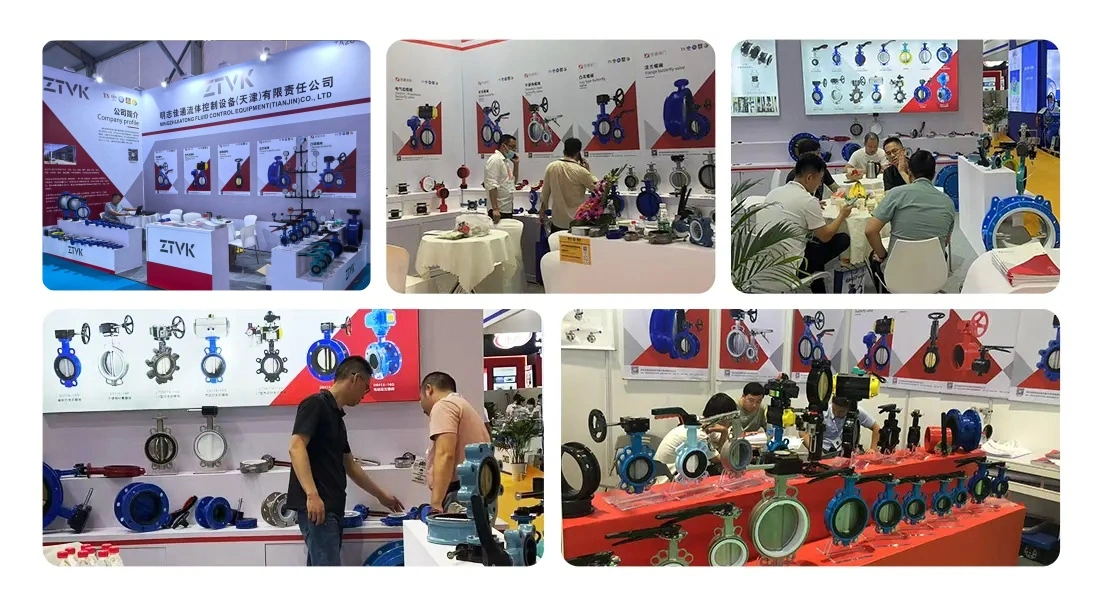
OEM and ODM Options
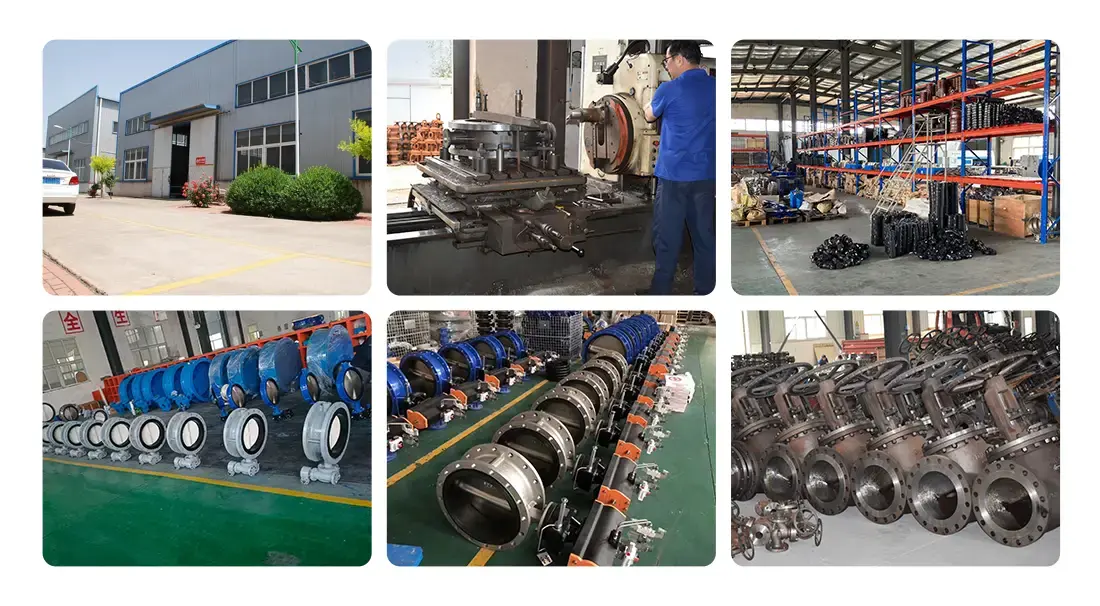
For the cast iron wafer butterfly valve range, ZTVK can handle both OEM and ODM orders.
Branding, logos, nameplates, and packaging for customers are all part of OEM services. ODM services include changing the structure of the valve body, the material used for closing, the material of the stem, and the way the connections are set up. Send us your specs and we'll talk about the choices we have and the lead times.
Technical Support
During the delivery process, ZTVK offers help both before and after the sale.
Help with choosing valves, CAD drawings, 3D models, and technical advice are all part of pre-sales support. Once the valve is delivered, it comes with an 18-month guarantee that covers problems with the way it was made and covers free replacements if needed. A QR code on each valve leads to information about the valve's history of use, inspection, and repair. Each shipment comes with instructions on how to install it and how to fix any problems that might arise.
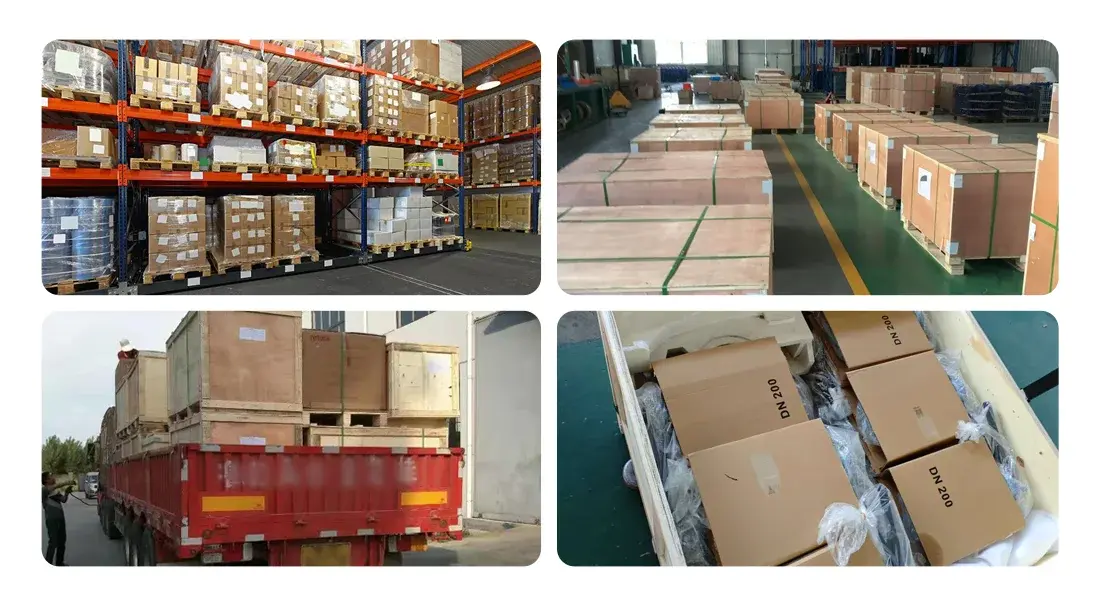
FAQ
Q1: What's the difference between ductile iron and gray cast iron when it comes to butterfly valves?
A: Gray cast iron (GG25) is fragile and works best in static, low-pressure systems. Ductile iron (GGG40) has magnesium added to it, which makes it more flexible and stronger when pulled apart. The usual advice is to use GGG40 for manufacturing systems that have vibrations or sudden changes in pressure.
Q2: can an end-of-line service butterfly valve be used?
A: No, because the chip design depends on pipes further downstream to support and seal the valve. The valve loses both mechanical support and closing tension if the downstream lip is taken away. For dead-end or end-of-line service, you need a lug-type butterfly valve.
Q3: How do I pick between EPDM and NBR seats?
A: EPDM is compatible with water, glycol and mild acids (-10 to 120 °C). NBR For oils, fuels and any form of hydrocarbons -10°C to 80°C NBR when used in hot water service becomes excessively harsh and the seat fails too fast.
Q4: Which way is the best way to install the stem?
A: It is best to place the stem horizontally. This keeps dirt and other things from collecting at the bottom pivot point, which would raise the operating torque and speed up seat wear over time if it did.
Q5: What do I do if the valve leaks across the seat?
A: If there is a leak through a valve that is closed, the durable seat cushion is probably broken. If the disk and body are not destroyed, the valve can be fixed by taking it apart and changing the rubber seat.
Q6: Can this valve handle steam?
A: Most of the time, cast iron shouldn't be used for high-pressure steam. The temperature range for this valve is from -29°C to +120°C, and it can handle water, air, and low-pressure neutral gasses.
Contact Us
Have a cast iron wafer type butterfly valve specification to discuss or need technical drawings? Send your inquiry to ktec86961886@163.com and we will respond promptly.
Send us your valve requirements and our team will provide professional solutions and fast quotations.