- English
- French
- German
- Portuguese
- Spanish
- Russian
- Japanese
- Korean
- Arabic
- Greek
- German
- Turkish
- Italian
- Danish
- Romanian
- Indonesian
- Czech
- Afrikaans
- Swedish
- Polish
- Basque
- Catalan
- Esperanto
- Hindi
- Lao
- Albanian
- Amharic
- Armenian
- Azerbaijani
- Belarusian
- Bengali
- Bosnian
- Bulgarian
- Cebuano
- Chichewa
- Corsican
- Croatian
- Dutch
- Estonian
- Filipino
- Finnish
- Frisian
- Galician
- Georgian
- Gujarati
- Haitian
- Hausa
- Hawaiian
- Hebrew
- Hmong
- Hungarian
- Icelandic
- Igbo
- Javanese
- Kannada
- Kazakh
- Khmer
- Kurdish
- Kyrgyz
- Latin
- Latvian
- Lithuanian
- Luxembou..
- Macedonian
- Malagasy
- Malay
- Malayalam
- Maltese
- Maori
- Marathi
- Mongolian
- Burmese
- Nepali
- Norwegian
- Pashto
- Persian
- Punjabi
- Serbian
- Sesotho
- Sinhala
- Slovak
- Slovenian
- Somali
- Samoan
- Scots Gaelic
- Shona
- Sindhi
- Sundanese
- Swahili
- Tajik
- Tamil
- Telugu
- Thai
- Ukrainian
- Urdu
- Uzbek
- Vietnamese
- Welsh
- Xhosa
- Yiddish
- Yoruba
- Zulu
The Main Advantage Of A PVC Butterfly Valve
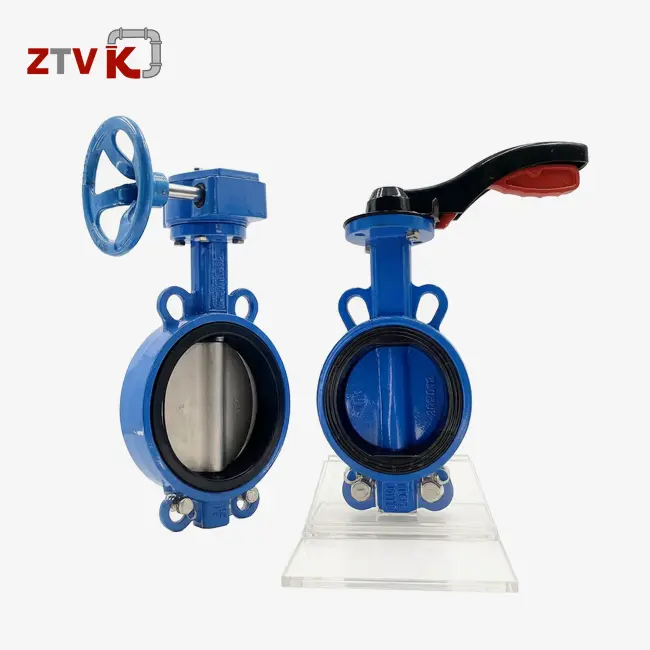
When choosing flow control parts for industrial pipes, the 3 inch PVC butterfly valve comes out as a very useful option that solves several working problems at once. Unlike regular metal valves, this specialty quarter-turn device is made of unplasticized polyvinyl chloride (PVC-U) and has an efficient disc mechanism that makes it very resistant to chemicals, lighter, and cheaper. These valves have a 150 PSI pressure rating and a wafer-style design that works with ANSI 125 flanges. They only weigh 4 pounds, which is a lot less than similar metal or cast iron options. Because they don't rust, are easy to install, and don't cost much, PVC butterfly valves are essential for distributors, builders, and OEM clients working on water treatment, chemical handling, and city infrastructure projects.
Understanding the Core Advantages of a 3 Inch PVC Butterfly Valve
The best thing about 3-inch PVC butterfly valve models is that they can fix problems that metal valve systems have had for a long time. As I've worked with valve distributors and HVAC workers over the years, I've seen how corrosion-related failures lead to expensive downtime and last-minute repairs. Because they are made of PVC, these valves don't suffer from galvanic rust at all. This makes them perfect for places that are salty, acidic, or chemically aggressive, where stainless steel would cost more.
Superior Chemical Resistance Across Diverse Media
PVC-U material meets the requirements of ASTM D1784 Cell Class 12454, which means it can be used with a wide range of acids, bases, salts, and reactive agents. The NSF/ANSI 61 approval for drinkable water contact is good for municipal water treatment facilities. Chemical processing plants like how stable the valve is when they are working with bleach, fertilizers, or industrial cleaning solutions. The non-reactive surface keeps things from getting dirty, which is very important for making medicines and using metals in food-grade situations where they could make the result less pure.
Weight Reduction That Simplifies Installation
At 4 pounds, a 3-inch wafer-style PVC butterfly valve weighs about 75% less than metal or iron types that do the same job. This big difference in weight means that structures don't have to be supported as much, shipping costs are lower for large orders, and one person can place it in tight areas. Distributors that serve markets that are far away really like this feature because shipping costs for container loads are much lower than for heavy metal goods.
Cost-Effective Lifecycle Economics
The initial savings on purchases are only a small part of the overall cash benefit. Butterfly valves made of PVC don't need much upkeep because they don't rust and have smooth inside areas that don't scale. The lever-action system allows for steady quarter-turn movement without the need for lubrication that comes with metal valves with gears. Total cost of ownership over a normal 10-year service life often includes upkeep savings that are greater than the difference in purchase price between metal options.
In-Depth Comparison: PVC vs Metal Butterfly Valves for 3 Inch Pipes
The choice of material has a big impact on how well a 3-inch PVC butterfly valve works, how long it lasts, and how well it fits into certain manufacturing settings. Procurement experts can better match technical needs with operational facts when they understand the trade-offs.
Pressure and Temperature Operating Envelopes
When the temperature is normal (73°F), PVC butterfly valves usually work at a maximum of 150 PSI. As the temperature nears 140°F, which is the realistic upper limit for PVC-U material, the valves lose a lot of pressure. Metal valves, especially ones made of malleable iron or stainless steel, can handle temperatures and pressures of 300 PSI or more. Most city water systems, irrigation networks, and chemical transfer uses, on the other hand, work well within PVC's capabilities. This means that the better chemical resistance is more useful than the wider temperature range.
Sealing Performance and Leakage Prevention
EPDM (ethylene propylene diene monomer) seats are used in modern PVC butterfly valves for water service, and FKM (fluoroelastomer) seats are used for chemical service. When the disc is closed, these rubber seals mold to the edge of the disc, ensuring a bubble-tight seal that meets API 598 testing standards. Even though metal valves with metal seats might be fire-safe, they rarely work as well as elastomer-sealed PVC valves that are properly placed and don't leak at pressures below 100 PSI. This better closing is especially useful for chemical dosing skids and wastewater treatment plants because it prevents production losses and environmental compliance risks caused by leaks.
Real-World Application Performance
Integrators of irrigation systems always choose PVC butterfly valves for pipeline sectional control because the material doesn't react to changes in soil chemistry and doesn't need to be protected from corrosion like underground steel valves do. Industrial aquaculture relies on the fact that PVC is not made of metal to keep sensitive saltwater life support systems from becoming toxic from heavy metals. Chemical mixing plants use PVC butterfly valves on toxic additive feed lines because they are lighter and don't react badly with chemicals. This lets them make modular skid designs that would be too heavy with metal valves.
Installation and Maintenance: Ensuring Peak Performance of Your 3 Inch PVC Butterfly Valve
Using the right fitting methods has a direct effect on how long a 3-inch PVC butterfly valve lasts and how reliable the system is. I've seen early failures caused by improper bolt torqueing or poor flange alignment, both of which could have been avoided by following the right steps.
Wafer-Style Installation Best Practices
Wafer butterfly valves can be used between pipeline flanges without having to drill separate flange holes. When fitting an ANSI 125 3-inch PVC butterfly valve, make sure the centerline of the valve body is perfectly lined up with the pipe hole to avoid disc interference. Tighten all the bolts in a star pattern to 20 to 30 ft-lbs of torque, and use flat washers on all of them. Too much force can crack the PVC flange lugs. PVC valves don't need maximum bolt preload like metal valves do. Instead, they need equal tension. Leaving the valve partly open (15 to 20 degrees) while the bolts are being tightened for the first time keeps the disc from warping from uneven pressing force.
Routine Maintenance Protocols
When compared to metal options, PVC butterfly valves need less upkeep. Visual inspections should be done every three months to look for signs of seat wear, such as rising actuation force or leakage that can be seen past the disc edge. Disassembly once a year lets the stem seals and seat state be checked. The SS304 or SS316 stem usually lasts longer than the valve body. However, EPDM seats may wear out faster in active service if they are exposed to certain halogenated solvents. FKM seats are better at resisting chemicals in these situations. With spare seat kits, you can change the valve in the field without taking it off the line. This cuts down on downtime during planned maintenance times.
Troubleshooting Common Issues
Handle binding usually happens when the stem glands are too tight or when dirt builds up in the stem packing. If the valve is stuck, back off the gland nut and cycle it several times. Leaks that don't go away even after the valve is closed properly are usually caused by seat damage from solid particles or disc edge wear from fast flows. Check that the valve manufacturer's suggestions for system filters are followed and that the flow rate stays below 10 feet per second to avoid erosive wear. Temperature changes above the allowed limits deform the seat permanently. Carefully watch process temps in situations where they are getting close to 140°F for PVC.
Making the Right Procurement Decision: Buying Guide & Supplier Insights
When looking for the best 3-inch PVC butterfly valve options, you need to compare technical specs to operational needs and think about what the seller can do that goes beyond product specs.
Critical Specification Parameters
In addition to nominal size, pressure grade, and material make-up, purchase requirements should include a number of important technical points. For example, ANSI 125 flange drilling is used for installations in North America, while ISO PN10/PN16 is used for projects in other countries. Media suitability charts that look at chemical type, concentration, and temperature all play a role in choosing the right seat material. As automated needs change, ISO 5211 mounting pads let you update actuators in the future without having to replace valve bodies. This protects your investment. Certification records, such as material test results, pressure test certificates, and measurement inspection records, show that the product was made correctly and allow for proof of regulatory compliance.
Comparing Valve Configurations
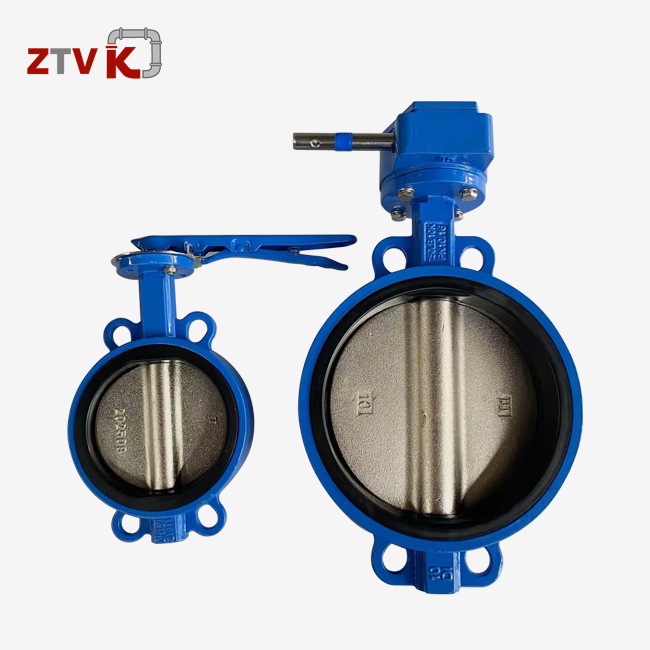
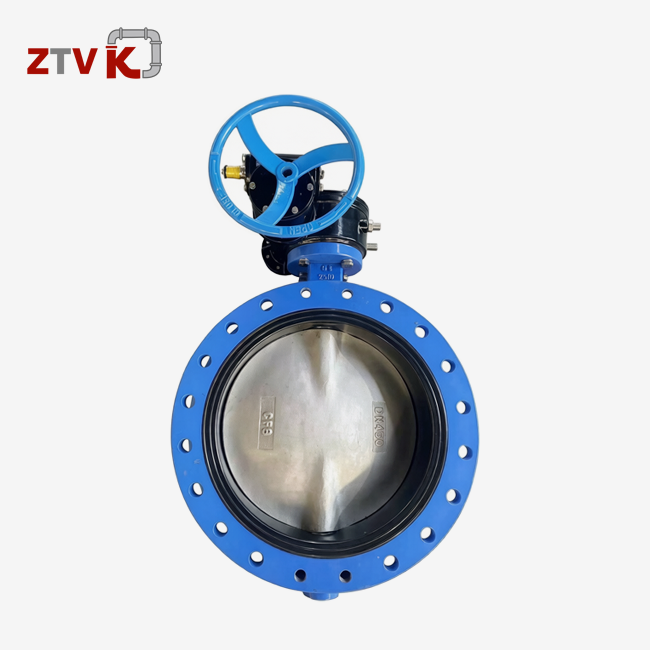
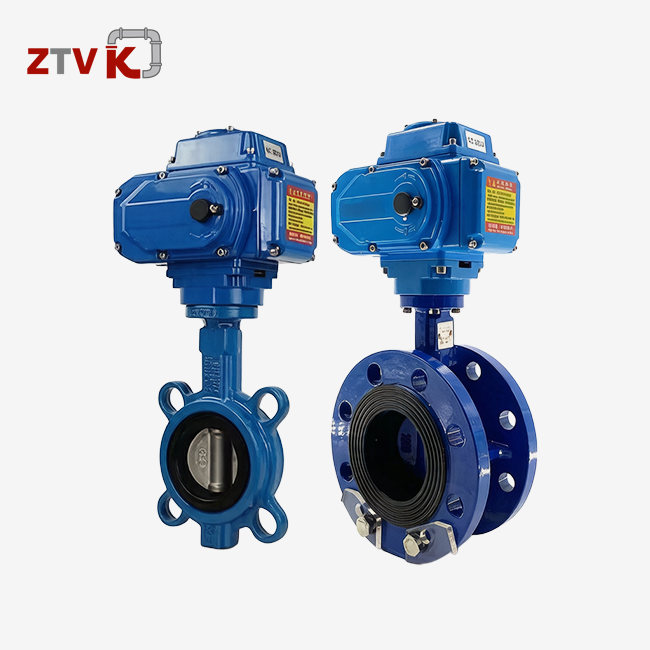
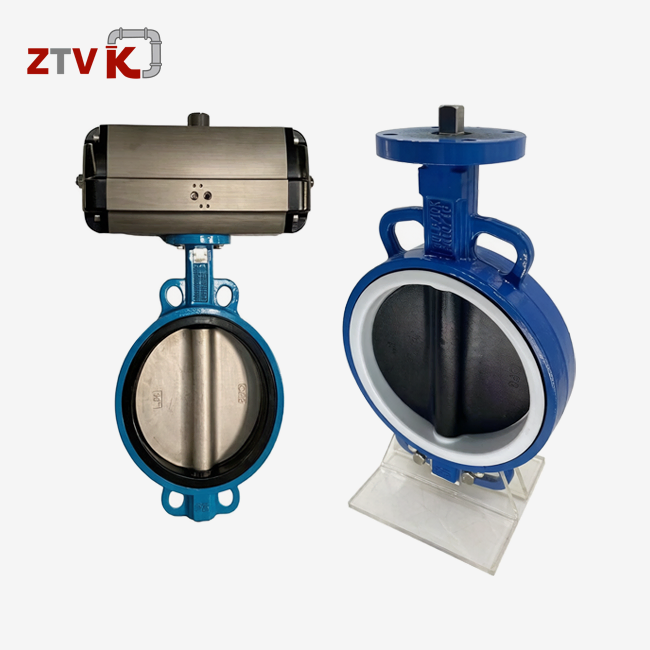
As we've seen, wafer-style valves like the 3-inch model we're talking about here save room and weight, but they need to be carefully torqued. Lug-body designs have threaded pieces in the valve body that let the flange be removed separately. This makes it easier to do repairs when there are a lot of pipes in one place. When used in places with a lot of shaking, flanged-body valves are the strongest option, but they are heavier and cost more. Lever operation is best for physical tasks that need to see where something is, while gear operation makes it easier to move bigger sizes. Through ISO 5211 connections, electric and pneumatic motors can work together. This lets them be controlled from a distance and automatically.
Supplier Evaluation Criteria
Good makers show they can do more than just what's listed in the catalog. ISO 9001 approval shows that the process is well controlled, and API 598 compliance shows that the testing procedures for pressure are followed. OEM clients who need different sizes, seat materials, or private marking may need more customization options. Lead times depend on how much inventory a seller has. For example, suppliers who stock basic configurations can deliver within days, while make-to-order models can take weeks. For foreign buyers, being close to major ports cuts down on freight costs and transport times. What sets true manufacturing partners apart from commodity providers is their technical support, which includes application engineering help and fixing advice.
Future-Proofing Your Investment: Trends and Innovations in PVC Butterfly Valves
As material science progresses and operational needs change toward sustainability and digitization, the valve business is always changing.
Advanced Material Formulations
The companies that make polymers improve PVC materials by adding UV stabilizers and impact modifiers that make them work better in cold temperatures. Some special mixtures get NSF/ANSI 372 lead-free approval even though they don't have any metal parts in them, which is important for drinking water uses because rules are changing all the time. Environmentally conscious buying teams are becoming more interested in bio-based PVC alternatives made from green feedstocks. However, performance comparisons with petroleum-based PVC-U are still being worked on.
Smart Valve Technologies
When position sensors, flow meters, and condition tracking are all combined, "smart" valve units from a China butterfly valve manufacturer are made that send data to SCADA networks or building management systems. Predictive maintenance is possible with wireless sensor networks that keep track of activation cycles and look for unusual torque signs that mean a seal is about to fail. Multi-valve systems can use precise throttling control and automatic scheduling thanks to actuators that have regulators built in. These technologies turn simple isolation devices into networked system parts that give a practical view that was previously only possible with different instruments.
Sustainability and Regulatory Trends
Environmental laws favor materials that are easier to recycle and have less stored energy. At first, making PVC takes more energy than making metals, but its resistance to rust means that it doesn't need to be replaced as often. End-of-life recycling programs get PVC parts back so they can be used again, which closes the material loop. Water conservation laws increase the need for accurate flow control that can find leaks and lower water use. In these situations, the bubble-tight sealing and low-friction activation of PVC butterfly valves are clearly superior to older gate and globe valve technologies.
Conclusion
Corrosion resistance, lightweight design, and low lifecycle costs are some of the best things about a 3-inch PVC butterfly valve. These are some of the problems that valve wholesalers, contractors, and industry end users keep having. The 3-inch wafer-style design with a 150 PSI rating and ANSI 125 compatibility is the best combination of performance and usability for moderate-pressure pipe systems that deal with media that is hard to work with chemically. Improvements in material science and the integration of smart technology are continuing to make PVC butterfly valves more useful. These valves still have the core benefits that have made them essential flow control solutions in water treatment, chemical processing, and municipal infrastructure. It's helpful for procurement professionals to know about technical specs, installation requirements, and seller evaluation criteria that make sure long-term performance that meets business needs and budget limits.
FAQ
Q1: What is the maximum temperature a 3-inch PVC butterfly valve can handle?
PVC-U material keeps its full pressure ratings up to about 73°F. As the temperature approaches 140°F, which is the realistic upper limit for continued service, a lot of downsizing is needed. Pressure capacity usually drops to about 22% of the rated cold-water value at 140°F. For uses with hot liquids, CPVC (chlorinated polyvinyl chloride) material is a good choice because it can handle temperatures up to 200°F and still has good chemical protection.
Q2: Can PVC butterfly valves be used with compressed air systems?
Industry standards make it clear that PVC valves should not be used for compressed gas service because they could fail catastrophically. Unlike liquids, compressed gases store a lot of energy that can explode if cracks appear in the valve body. For uses using air, nitrogen, or other compressed gases, metal valves that have been tested and rated for pneumatic work provide the right amount of safety.
Q3: How do I determine the correct seat material for my application?
Chemical compatibility charts show how the type of fluid, its concentration, and its temperature relate to the performance data of a rubber. Most uses up to 180°F can use EPDM seats with water, weak acids, and bases. FKM (Viton) seats are better at withstanding oil-based products, strong acids, and high temperatures that are getting close to PVC's limits. For the best material choice in complicated or mixed-chemical environments where public compatibility data might not cover all possible working conditions, it is best to talk directly with the manufacturer.
Partner with ZTVK for Reliable 3 Inch PVC Butterfly Valve Supply
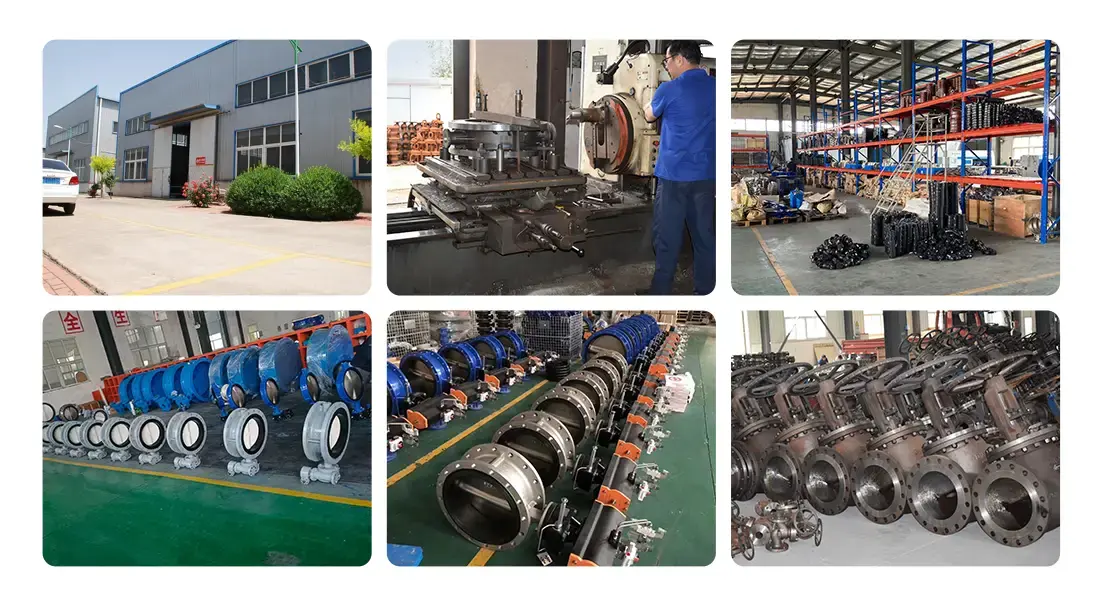
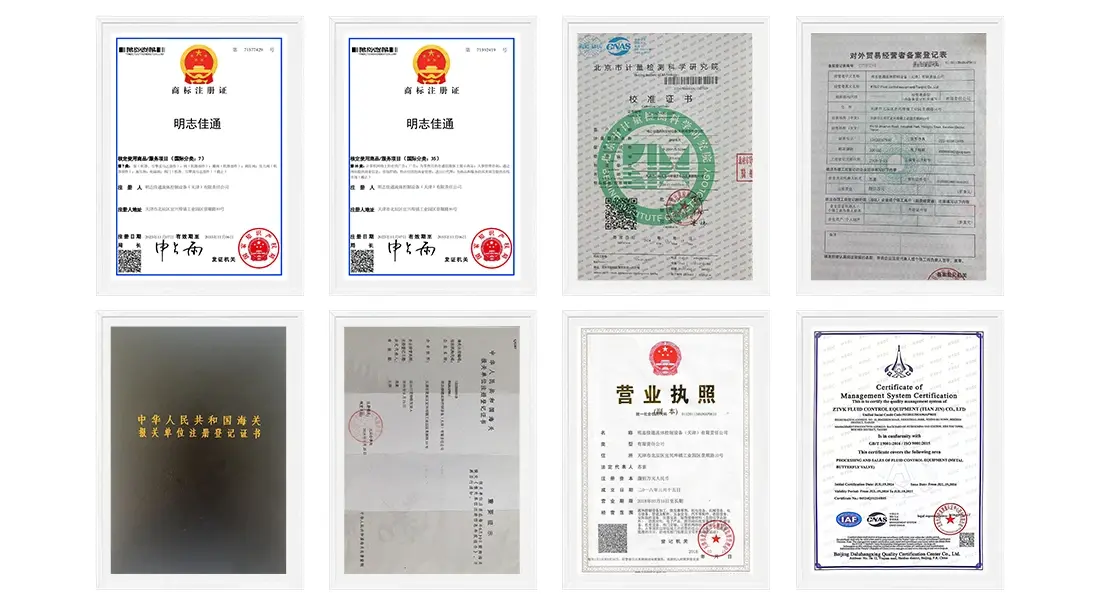
In Tianjin's Beichen Industrial Zone, ZTVK has ISO 9001-certified production facilities and 15 years of experience making butterfly valves. Our wafer-style 3-inch PVC butterfly valve units are made to ANSI standards and go through strict quality control to make sure that wholesalers, contractors, and OEM clients around the world always get the same level of performance. Over 2,000 standard units are in stock and can be delivered in 3–7 days. We also offer special OEM/ODM services to meet the needs of specific brands, including changing materials, sizes, and packing. We're only 50 km from Tianjin Port and have long-term relationships with both COSCO and Maersk. We offer cheap FOB Xingang and CIF prices and use packaging that meets ISPM 15 standards to avoid customs delays. Technical help includes CAD drawings, movies that show how to install the product, and a guarantee that lasts for 18 months. Get in touch with our engineering team at ktec86961886@163.com to talk about your needs and look into possible business partnerships with a reputable 3-inch PVC butterfly valve maker who values quality, flexibility, and a reliable supply chain.
References
1. American Society for Testing and Materials (2021). ASTM D1784: Standard Specification for Rigid Poly(Vinyl Chloride) (PVC) Compounds and Chlorinated Poly(Vinyl Chloride) (CPVC) Compounds. West Conshohocken: ASTM International.
2. American Petroleum Institute (2019). API 598: Valve Inspection and Testing Standard. Washington, DC: API Publishing Services.
3. International Organization for Standardization (2018). ISO 5211: Industrial Valves - Part-turn Actuation Attachments. Geneva: ISO Central Secretariat.
4. NSF International (2020). NSF/ANSI 61: Drinking Water System Components - Health Effects. Ann Arbor: NSF International Standards.
5. Zappe, R.W. (2017). Valve Selection Handbook: Engineering Fundamentals for Selecting the Right Valve Design for Every Industrial Flow Application (6th ed.). Oxford: Elsevier.
6. Smith, P.R. & Zappe, R.W. (2016). Valve and Actuator Technology: Design, Material Selection, and Installation Best Practices. New York: McGraw-Hill Professional.
Send us your valve requirements and our team will provide professional solutions and fast quotations.
RELATED INDUSTRY KNOWLEDGE