- English
- French
- German
- Portuguese
- Spanish
- Russian
- Japanese
- Korean
- Arabic
- Greek
- German
- Turkish
- Italian
- Danish
- Romanian
- Indonesian
- Czech
- Afrikaans
- Swedish
- Polish
- Basque
- Catalan
- Esperanto
- Hindi
- Lao
- Albanian
- Amharic
- Armenian
- Azerbaijani
- Belarusian
- Bengali
- Bosnian
- Bulgarian
- Cebuano
- Chichewa
- Corsican
- Croatian
- Dutch
- Estonian
- Filipino
- Finnish
- Frisian
- Galician
- Georgian
- Gujarati
- Haitian
- Hausa
- Hawaiian
- Hebrew
- Hmong
- Hungarian
- Icelandic
- Igbo
- Javanese
- Kannada
- Kazakh
- Khmer
- Kurdish
- Kyrgyz
- Latin
- Latvian
- Lithuanian
- Luxembou..
- Macedonian
- Malagasy
- Malay
- Malayalam
- Maltese
- Maori
- Marathi
- Mongolian
- Burmese
- Nepali
- Norwegian
- Pashto
- Persian
- Punjabi
- Serbian
- Sesotho
- Sinhala
- Slovak
- Slovenian
- Somali
- Samoan
- Scots Gaelic
- Shona
- Sindhi
- Sundanese
- Swahili
- Tajik
- Tamil
- Telugu
- Thai
- Ukrainian
- Urdu
- Uzbek
- Vietnamese
- Welsh
- Xhosa
- Yiddish
- Yoruba
- Zulu
Understanding High Temperature Gate Valves: Functions and Importance
It is important to know about the unique features of high temperature gate valves when you are looking for industrial valves for tough jobs. Not just any isolation devices—these are precision-engineered parts that were made to work in temperatures ranging from -40°C to 500°C (-40°F to 932°F). Working with contractors and dealers around the world has taught us that choosing the right high-temperature valve option has a direct effect on project revenue, business uptime, and safety. This guide tells you what makes these valves unique, where they do their best work, and how to pick the best one for your business's needs.
What Are High Temperature Gate Valves?
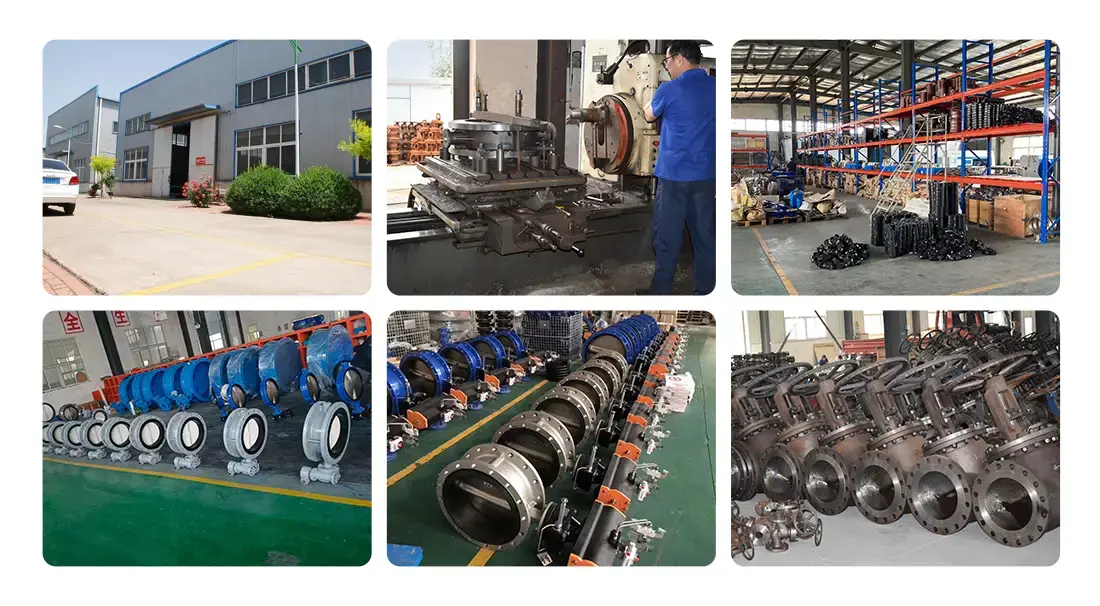
High temperature gate valves are a special kind of separation valve that are made to control the flow of fluids in places where the temperature is always higher than 425°C and can go up to 500°C or more. Unlike most gate valves, these units are made with special metals and structures that allow them to expand and contract with temperature changes, prevent creep deformation, and keep their closing integrity even when temperatures are very high.
How They Differ from Standard Gate Valves
The main difference is the choice of materials and changes to the style. Standard gate valves are made of cast iron or basic carbon steel. High temperature versions are made of austenitic stainless steels like 304H and 316H or chrome-molybdenum steels like ASTM A217 WC6 or WC9. These high-tech metals don't rust and keep their mechanical qualities at high temperatures. Furthermore, cobalt-based alloys (Stellite Grade 6) are used to harden the valve seats and wedge faces. This stops galling, which happens when hot metal surfaces join together under pressure.
Core Design Features That Enable Extreme Heat Performance
High temperature gate valves have several changes made to them by engineers. The rising stem design with an Outside Screw and Yoke (OS&Y) setup lets you see where the valve is positioned and keeps the important threading away from the hot medium. Extended cap designs get rid of heat before it gets to the stem packing, which keeps the seals from breaking down due to heat. The fixed bonnet design provides strong containment, but for Class 900 and higher, pressure-seal bonnets are recommended because the internal pressure makes the body-bonnet seal stronger while the engine is running.
We make these valves in sizes from 1/2" to 36" (DN15 to DN900), and they can handle pressures from 150 to 2500 psi according to ANSI standards or PN16/40 in Europe. There are different types of connections for pipelines, such as raised face, flat face, or ring-type joint (RTJ) flanged ends.
Applications and Benefits of High Temperature Gate Valves
High temperature gate valves are very important in many fields where safety and efficiency are directly affected by how well they handle heat.
Power Generation Applications
The main steam separation and high-pressure feedwater lines in supercritical and ultra-supercritical power plants work at temperatures and pressures above 600°C and 250 bar. In these situations, gate valves need to be able to fight creep, which is the warping that happens over time when high temperatures are applied for a long time. The chromium-molybdenum metals we use don't lose their shape even after years of constant use. This keeps catastrophic pressure boundary failures from happening, which could shut down whole power plants.
Petrochemical and Refining Environments
Some of the roughest situations to work in are fluid catalytic cracking units and hydrocrackers. In this case, the valves are hit by not only high temperatures but also high-temperature hydrogen attack (HTHA) and sulfidation. Materials like ASTM A217 C12A (9Cr-1Mo-V) are strong enough to prevent hydrogen-induced fissuring and decarburization. We've sold valves to refineries where failure is not only expensive but also puts workers and people in the area at real risk of injury.
Steam Distribution and Thermal Processing
Industrial boilers, heat treatment plants, and systems that make steam need valves that can handle sudden changes in temperature without losing their lock. Because the flexible wedge design can adapt to differences in temperature expansion between the valve body and its internal parts, it doesn't have the binding problems that happen with hard designs when they are heated and cooled.
Key Operational Benefits
The benefits go beyond just being able to survive in difficult environments. Because their internal pathways are straight through, these valves have low flow resistance, which means that media can move with little pressure drop. When compared to globe valves, the gate's perpendicular motion to the flow direction needs less actuating force. This means that workers and robotic equipment wear out less quickly. Symmetric flow patterns allow for installation in both directions, which simplifies pipe layouts and lowers the amount of stock that wholesalers need to keep on hand for a wide range of customers.
Better reliability directly leads to lower care costs. These valves have stable shut-off performance over long service times because they use PTFE packing materials and precision-machined sealing surfaces. We have proof of installations that have been used more than 50,000 times without any major problems. This performance protects your clients' operations and builds your name as a reliable provider.
High Temperature Gate Valve Comparison and Selection Guide
To pick the right high temperature gate valve, you need to match the technical specs to the needs of the product while also thinking about how to get it.
Material Selection Considerations
Options made of stainless steel (304/316 series) are very good at resisting rust and work great in environments that are salty or oxidizing. Chrome-molybdenum metals and carbon steel are both very strong at high temperatures and don't cost as much. This makes them good options for steam and hydrocarbon services where corrosion isn't the main worry. For harsh chemical conditions, we have designs made of duplex steel that are strong and don't rust.
When we choose a material, we don't just look at temperature; we also look at the projected service life, the makeup of the media, and how often the pressure changes. We've come up with specs that work best in a variety of regions. For example, epoxy resin coats work well in Southeast Asia's humid climates, while strengthened stem protective covers work well in the Middle East's dusty environments.
Pressure Rating and Size Selection
Using the right safety gaps means matching the pressure class to the working conditions. Valves in Class 150 are good for low-pressure steam and normal industrial processes. Valves in Classes 600 and above are better for high-pressure hydrocarbons and power generation. Everything from instrument separation to main process lines is covered in a wide range from 1/2" to 36" (DN15 to DN900).
Comparing Valve Types for High Temperature Service
Gate valves are great for isolating systems that don't need to be used often. Their full-port design keeps pressure drop to a minimum, which makes them perfect for shutting off the main line. Ball valves work faster, but they have smaller hole sizes and cost more for larger widths. Globe valves let you slow down the flow, but they also cause big drops in pressure. Gate valves are still the best choice for most high-temperature separation tasks that need to be done quickly and efficiently.
Supply Chain and Procurement Factors
Lead time and the supply of goods have a direct effect on project plans. Standard versions (DN50–DN600) are kept in stock, and our distribution network can get them 3–7 days after the order is confirmed. Customizations that aren't standard take 15 to 25 days, based on how complicated they are. However, urgent projects can be met with faster production (7 to 10 days with priority scheduling).
Our site in Tianjin is convenient for logistics: we're only 50 kilometers from Tianjin Port, and it only takes an hour to get there by land. Because it is close, FOB Tianjin Xingang and CIF target port prices are low thanks to partnerships with major shipping lines. All of the packaging used for exports meets the international standard ISPM 15, which means that there are no delays at the ports of arrival due to customs checks.
Maintenance and Longevity Tips for High Temperature Gate Valves
High temperature gate valve service life can be extended and your investment protected with proper upkeep, especially in harsh thermal conditions.
Common High Temperature Failure Modes
Most of the time, seal weariness is the problem. When the temperature changes over and over, the graphite packing gets compressed and breaks down, which finally lets the stem leak. We suggest that check times be based on thermal cycles instead of just time. Valves that go through frequent temperature changes need more frequent attention than valves that work in a steady state.
Corrosion and rusting happen faster when temperatures are high. Over time, even stainless steel parts can get scales and scratches on the surface. Visual inspections during planned shutdowns help find early signs of wear and tear before they affect the sealing's effectiveness.
Practical Maintenance Routines
Set a standard of force values for how the valve should work and keep an eye out for changes. An increasing working force is often a sign of seat wear or stem binding, which lets you fix the problem before it breaks completely. During shutdowns, check the packing glands for compression and re-inflate them if necessary. We offer repair kits that come with pre-formed graphite rings that are matched to specific valve sizes.
Different lubrication methods are used for high-temperature tasks. Normal oils made from gasoline break down quickly above 200°C. For stem threads and visible parts, we suggest high-temperature anti-seize products that contain molybdenum disulfide or copper. To stop galling, use these during installation and again during maintenance times.
Extending Operational Lifespan
Documentation is very helpful. With every package, we include troubleshooting guides and videos that show how to install the product. There are also QR codes on the valve nameplates that give you digital access to product specs, test reports, and maintenance records. This information makes it easy for repair teams to find parts and find out how to order spares.
Early failure detection saves a lot of money. The people who are working should look out for leaks around the packing glands, strange operating forces, or not being able to close the valve all the way. If you take care of these signs right away, small problems won't get worse and require emergency replacements that throw off production plans.
Our 18-month warranty covers problems with the way the product was made and problems with the materials, giving your customers even more safety. We keep professional service partnerships in key areas so that we can get help locally when we need it instead of just getting help from afar.
Procuring High Temperature Gate Valves: Process and Considerations
Clear communication and knowledge of the high temperature gate valve buying process are the first steps to efficient purchase.
Initiating Your Inquiry
When you contact makers like ZTVK, be sure to give them all the information they need, such as the necessary size, pressure number, temperature range, media type, and connection choices. Include any relevant standards (ANSI, API, DIN) as well as any unique needs, such as material certifications or extra tests. The initial quote and technical plan will be more accurate if you give more information up front.
Understanding Lead Times and Ordering Processes
Standard models ship within a week, so we can meet the urgent restocking needs of distributors who are in charge of handling supplies across areas. Custom orders have a set schedule that includes engineering review (two to three days), production ordering, manufacturing, quality testing, and packing. Throughout this cycle, we keep you up to date on the state of production, which lets your clients make accurate delivery predictions.
Bulk orders benefit from volume price models that help you compete in tenders. Since we produce everything ourselves, there are no markups for middlemen. This means that you can get factory-direct prices that help you meet your profit goals while keeping quality high.
The Value of Certified Suppliers
When projects need written quality assurance, certifications are important. We keep our ISO 9001, ISO 14001, and OHSAS 18001 certifications, which show that we are responsible for quality management and the environment. All of the materials come with mill test reports that can be linked to heat numbers. This meets the strict project paperwork needs that are popular in the petrochemical and power generation sectors.
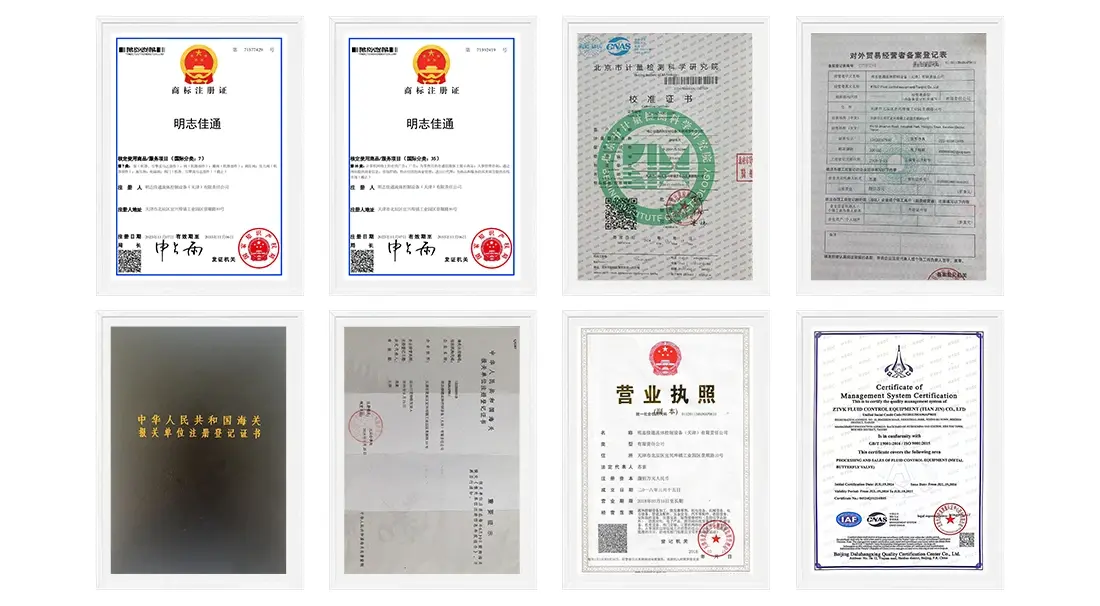
Avoid suppliers whose prices seem too low and who don't have any certifications to back them up. We've seen distributors have to wait for expensive project delays because the valves they supplied didn't pass a third-party review, due to the materials or construction not being up to par. Our buildings have been checked by outside groups, so you can be sure they meet your standards and the standards of your customers.
OEM and Customization Capabilities
For well-known wholesalers, brand recognition is important. We can work with you on full OEM agreements so that the valves have your brand, logo, and nameplate specs, and they are packaged the way you want them to be. This lets you offer your customers uniform lines of products while taking advantage of our production knowledge and capacity.
We do more than just branding. We also offer OEM services, which involve changing the inside of valves to work in certain situations. Our technical team works together to create solutions that set your products apart and solve specific customer problems. This includes changing the types of connections or seal materials to work with certain chemicals and designing unique trim configurations.
Conclusion
High temperature gate valves are important parts of difficult industrial processes that need to control flow accurately in very hot or cold temperatures. This is because safety, efficiency, and profits are all directly affected. Knowing how they are made, including advanced metals and hardfacing treatments, as well as extended hood designs and flexible wedge shapes, helps you make smart choices about which ones to use based on your needs. Whether your clients run power plants, petroleum plants, or steam distribution systems, they will be safer with valves that are made to work at high temperatures. This will also protect your professional image. To help your business grow in global markets, the right buying partner has technical knowledge, the ability to manufacture, quality certifications, and quick transportation.
FAQ
1. What temperature range do these valves typically handle?
Our high temperature gate valves work well from -40°C to 500°C (-40°F to 932°F), which is a wide range of temperatures that are commonly used in industry. The exact upper limit depends on the material used. Chrome-molybdenum steels can keep their features up to 600°C, while special metals can go even further for harsh conditions.
2. How do I know if a gate valve is suitable for steam service?
For steam uses, you need materials that can handle sudden changes in temperature, sealing systems that can handle changes in temperature, and a pipe that meets ASME standards for the outside of the boiler. Look for rising stem OS&Y designs that keep packing from coming into contact with steam, and make sure that the pressure and temperature ratings are higher than what you will be using them for, with the right safety factors added in.
3. What distinguishes high temperature gate valves from conventional ones?
Metallurgy (high-alloy steels vs. basic carbon steel), seating surface treatments (hardfaced with cobalt alloys to prevent galling), extended bonnets for thermal protection of packing, and flexible wedge designs that allow for thermal expansion without binding are the main differences. All of these features are designed to keep the sealing integrity and structural reliability when temperatures stay high for a long time.
Partner with ZTVK for Reliable High Temperature Gate Valve Supply
Industrial contractors and wholesalers around the world trust ZTVK to make their high temperature gate valves because we offer quality, quick response times, and relationship value that makes you more competitive. Our factory in Tianjin has ISO-certified production methods and has been making specialized valves for more than 15 years. They can meet the strict requirements of the power generation, petroleum, and process industries to make solutions.
We keep a lot of standard setups (DN50–DN600) in stock so that we can deliver them quickly. We also offer full customization, such as OEM branding, material changes, and engineered solutions that are made to fit specific working conditions. We offer efficient global transportation and cheap FOB and CIF pricing models that support your margin goals. We are only 50 kilometers from Tianjin Port.
Our team has the knowledge and experience to make your sourcing process easier, whether you need professional help choosing the right valves, bulk purchases for projects, or special engineering for one-of-a-kind uses. Get in touch with us at ktec86961886@163.com to talk about your needs and find out how our manufacturing skills, quality systems, and focus on customer satisfaction can give you the dependability your clients want and the speed your business needs.
References
1. American Petroleum Institute. API Standard 600: Steel Gate Valves - Flanged and Butt-welding Ends, Bolted and Pressure Seal Bonnets. Washington, D.C.: API Publishing Services, 2020.
2. ASME International. ASME B16.34: Valves - Flanged, Threaded, and Welding End. New York: American Society of Mechanical Engineers, 2021.
3. Skousen, Philip L. Valve Handbook. 3rd Edition. New York: McGraw-Hill Professional, 2011.
4. Parisher, Roy A. and Robert A. Rhea. Pipe Drafting and Design. 3rd Edition. Burlington: Gulf Professional Publishing, 2012.
5. Zappe, R.W. Valve Selection Handbook: Engineering Fundamentals for Selecting the Right Valve Design for Every Industrial Flow Application. 5th Edition. Oxford: Gulf Professional Publishing, 2004.
6. Smith, Philip and R. W. Zappe. Valve Selection and Specification Guide for the Process Industries. New York: Van Nostrand Reinhold, 1991.
Send us your valve requirements and our team will provide professional solutions and fast quotations.
RELATED INDUSTRY KNOWLEDGE