- English
- French
- German
- Portuguese
- Spanish
- Russian
- Japanese
- Korean
- Arabic
- Greek
- German
- Turkish
- Italian
- Danish
- Romanian
- Indonesian
- Czech
- Afrikaans
- Swedish
- Polish
- Basque
- Catalan
- Esperanto
- Hindi
- Lao
- Albanian
- Amharic
- Armenian
- Azerbaijani
- Belarusian
- Bengali
- Bosnian
- Bulgarian
- Cebuano
- Chichewa
- Corsican
- Croatian
- Dutch
- Estonian
- Filipino
- Finnish
- Frisian
- Galician
- Georgian
- Gujarati
- Haitian
- Hausa
- Hawaiian
- Hebrew
- Hmong
- Hungarian
- Icelandic
- Igbo
- Javanese
- Kannada
- Kazakh
- Khmer
- Kurdish
- Kyrgyz
- Latin
- Latvian
- Lithuanian
- Luxembou..
- Macedonian
- Malagasy
- Malay
- Malayalam
- Maltese
- Maori
- Marathi
- Mongolian
- Burmese
- Nepali
- Norwegian
- Pashto
- Persian
- Punjabi
- Serbian
- Sesotho
- Sinhala
- Slovak
- Slovenian
- Somali
- Samoan
- Scots Gaelic
- Shona
- Sindhi
- Sundanese
- Swahili
- Tajik
- Tamil
- Telugu
- Thai
- Ukrainian
- Urdu
- Uzbek
- Vietnamese
- Welsh
- Xhosa
- Yiddish
- Yoruba
- Zulu
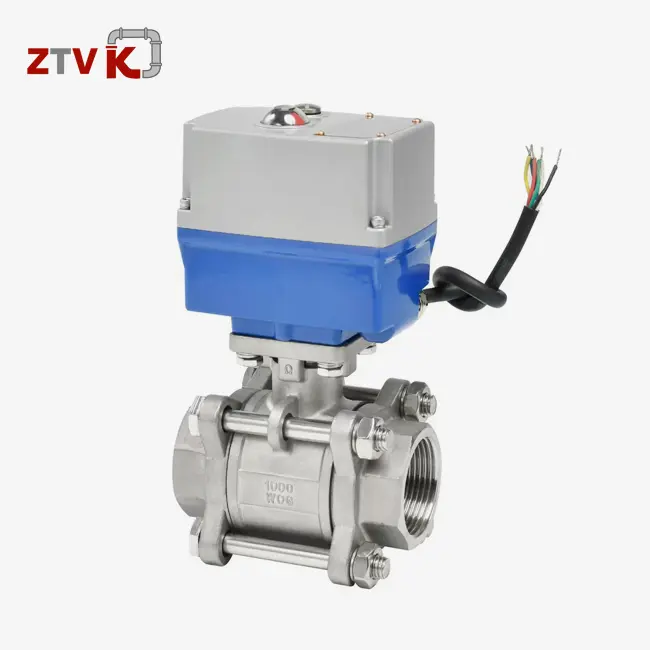
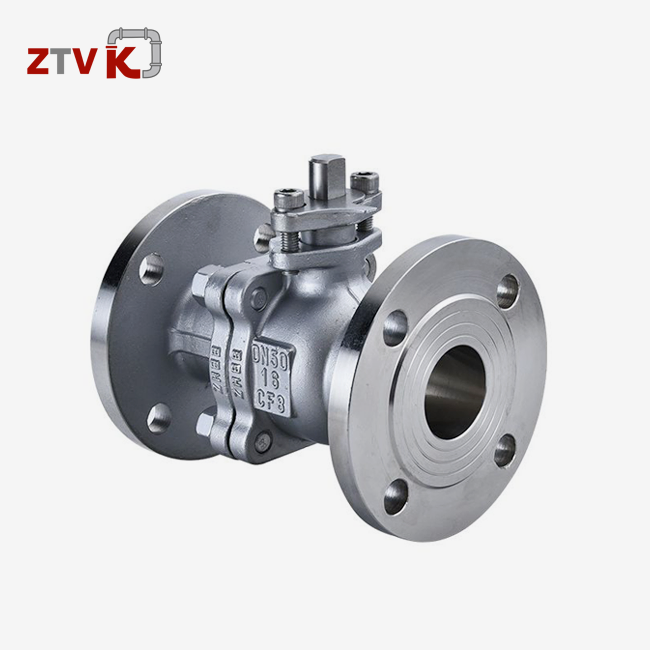
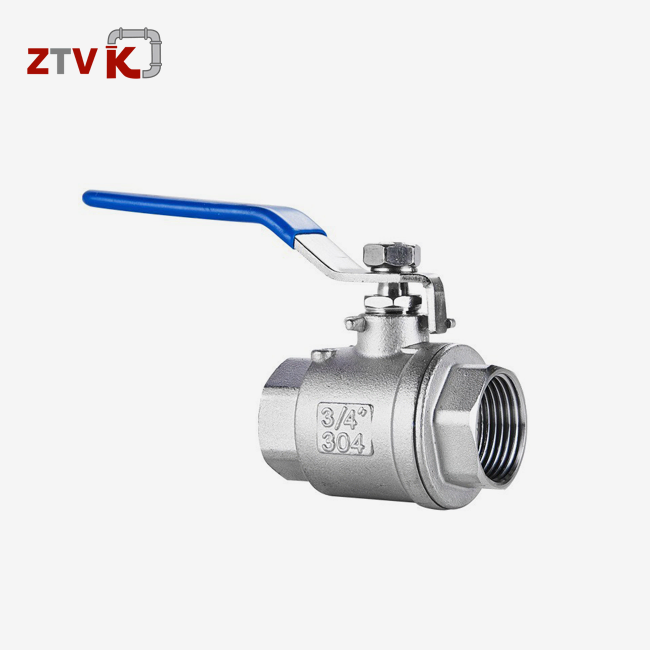
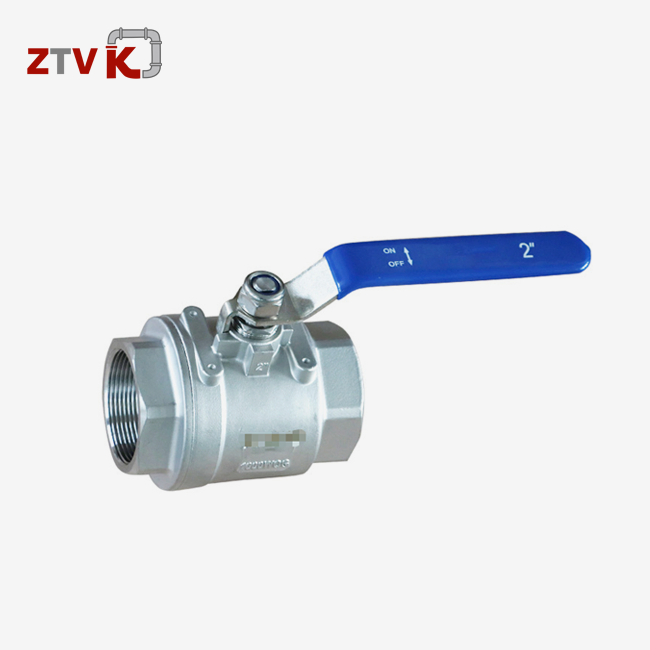
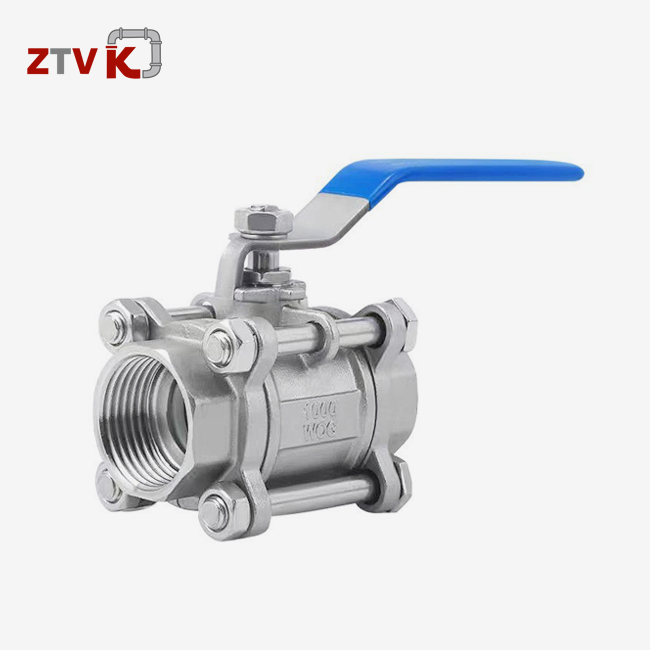
304 stainless steel ball valve
Materials: 304 Cast Stainless Steel
Seat: PTFE
Medium: Water, Oil, Gas
Pressure Rating: 1000 PSI
Temperature Rating: -60° F to 450° F
304 Stainless Steel Ball Valve for Industrial Flow Control — Factory-Direct Supply with OEM/ODM Support
The 304 stainless steel ball valve from ZTVK FLUID CONTROL EQUIPMENT (TIANJIN) CO., LTD is built from ASTM A351 CF8 grade austenitic stainless steel, made up of 18% chromium and 8% nickel that creates a passive oxide film to prevent oxidation in water, oil and gas lines. This valve is rated to 1000 PSI (WOG) with a PTFE seat and may be used from -60°F to 450°F. It covers sizes from DN25 (NPS 1¼) to NPS 96 with PN6, PN10 and PN16 (Class 150) ratings.
What Is a 304 Stainless Steel Ball Valve?
A 304 stainless steel ball valve is a quarter-turn flow control device that uses a hollow, perforated ball rotating 90° to align with or block the pipeline flow path, creating a reliable shutoff. Flow moves easily while the ball bore is in line with the pipe and is entirely blocked when rotated 90°, presenting the solid face. It has minimal working torque and may be controlled manually or with actuators. Unlike carbon steel valves, the 304 grade resists oxidation in moisture-rich situations and is a typical option for ordinary utility lines where high-chloride exposure beyond 200 ppm is not an issue.
Key Technical Specifications
|
Parameter |
Details |
|
Material |
304 Cast Stainless Steel (CF8) |
|
Connection Type |
Female NPT |
|
Seat Material |
PTFE |
|
Medium |
Water, Oil, Gas |
|
Pressure Rating |
1000 PSI (WOG) / PN6, PN10, PN16 |
|
Pressure Class |
Class 150 |
|
Temperature Range |
-60°F to 450°F (-51°C to 232°C) |
|
Nominal Diameter |
DN25 (NPS 1¼) – NPS 96 |
|
Chromium Content |
~18% |
|
Nickel Content |
~8% |
|
Material Density |
~7.9 g/cm³ |
|
Tensile Strength |
Min. 515 MPa |
|
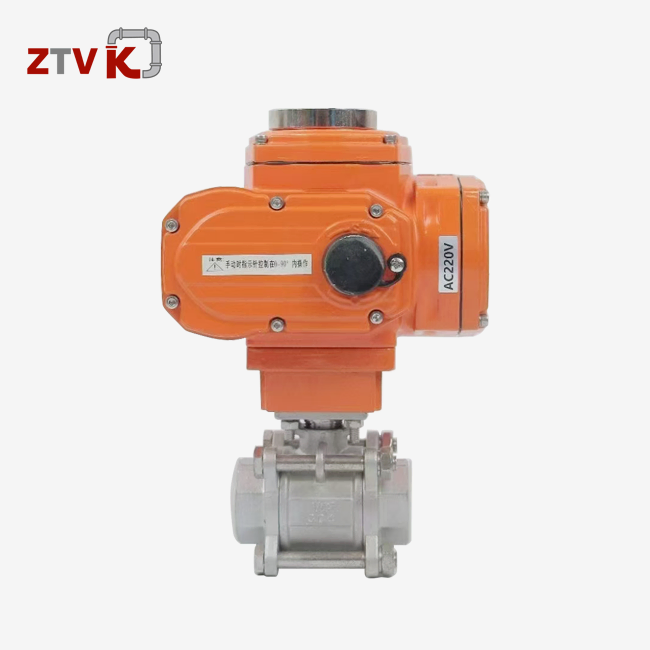
Actuation Options |
Manual, Pneumatic, Electric |
|
Standards |
API, ANSI, ISO, DIN, JIS, BS, CE |
Material Properties & Engineering Performance
This valve has a melting point of 1400-1450°C and is resistant at cryogenic temperatures due to 18/8 metallurgical structure. Resistant to oxidizing acids like as nitric acid . Used in vacuum and higher - pressure applications .
In the annealed condition the material exhibits low magnetic permeability. A recognized property of austenitic grades is the martensite transition which may be induced by cold-working during ball or stem machining, resulting in mild magnetism, but does not affect corrosion resistance.
The valve is compositionally lead free with no heavy metals seeping into the process fluid. This makes it suited for food processing utility lines and pharmaceutical plant utilities where there is indirect contact with the process medium.
Product Features & Design
The 304 stainless steel ball valve's design addresses several practical concerns in daily industrial service.
The bore diameter is sized to the linked pipe segment, thereby reducing the pressure drop across the valve as compared with partial-bore systems. The quarter-turn stroke – from completely open to fully closed – is ideal for manual lever operation and for the fitting of an automated actuator without the need for extra gear reduction for most typical sizes.
The ball and seat surfaces are protected from the flowing media in the completely open or fully closed position of the valve, which minimizes seat degradation during normal operation. Shutoff is obtained by the polished stainless steel ball rotating against PTFE seats. Metal seated variants are available for use over 450°F.
The body is designed to have a removable seal ring, allowing the seat and stem packing components to be replaced in the field without special tools.
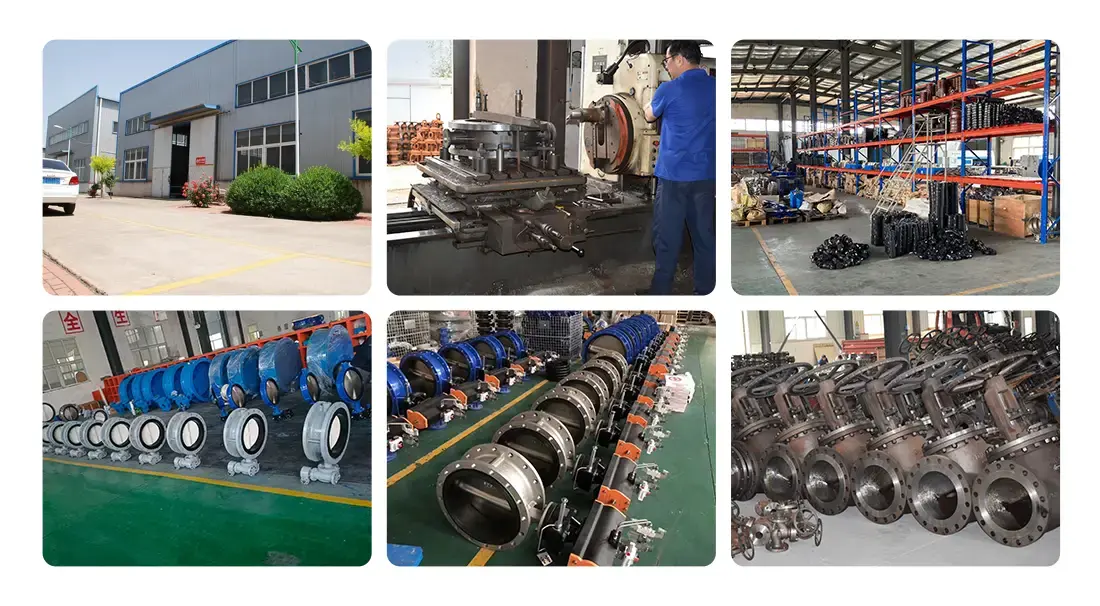
Quality Control Process
Each valve undergoes a prescribed inspection routine before shipping.
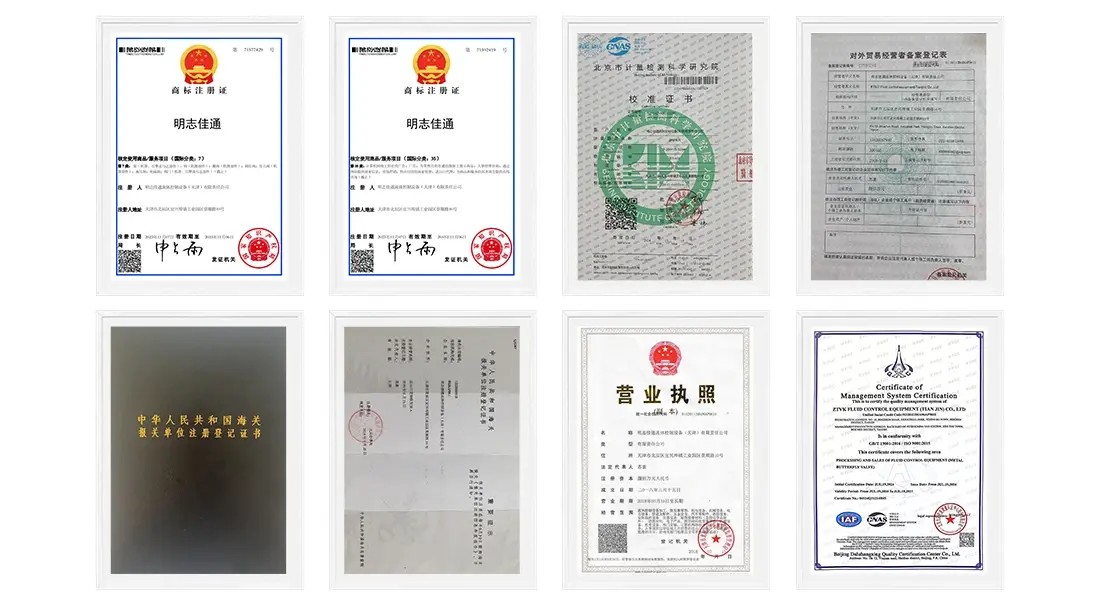
PMI (Positive Material Identification): Spectrographic examination validates CF8/304 material with chromium content over 18% and nickel above 8% to differentiate it from lower-nickel grades such as 201 stainless steel.
Hydrostatic Shell Test: Per API 598, at 1.5 times rated pressure (1500 PSI for 1000 WOG valve) to prove zero porosity in cast body.
Air Seat Closure Test: An underwater low-pressure air test of 80–100 PSI to identify leaks at the ball-to-seat contact in accordance with API 598 approval requirements.
Dimensional Inspection Thread profiles (NPT/BSP) are examined using Go/No-Go gages and face to face measurements are checked as per ASME B16.10.
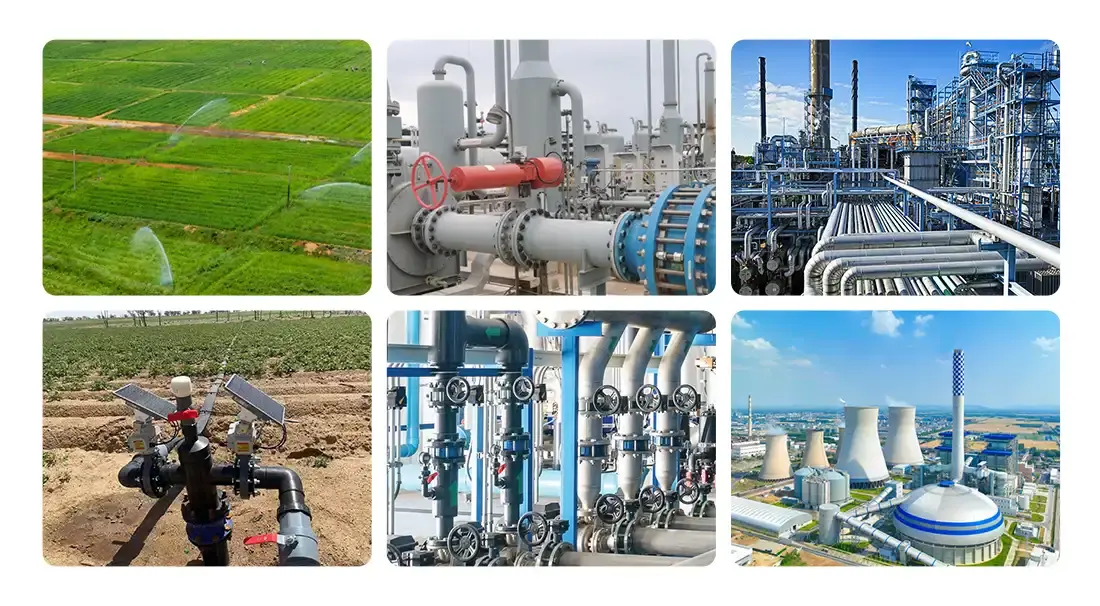
Application Scenarios
Industrial Water Treatment & HVAC: The 304 stainless steel ball valve is used in filtration skids, reverse osmosis pre-treatment systems (non-seawater), and cooling loops. It resists localized pitting from stagnant water and treatment chemicals that corrode iron-based valves, reducing the unplanned maintenance common with carbon steel installations.
Food & Beverage Utility Lines: The 304 grade offers sanitary, lead-free surfaces for washdown lines, CIP (Clean-in-Place) utility fluids and transmission of vegetable oils. If you are going to have direct food contact with strong acid items it is advised that you upgrade to 316 stainless steel because of the molybdenum content and its better pitting resistance .
Petrochemical & Light Industrial Processing: Ideal for fuel and biodiesel transfer, low-chloride agriculture chemical dispensing and light hydrocarbon handling. The stem sealing design minimizes fugitive emissions under these service circumstances.
Pharmaceuticals & General Utilities Lead-free material qualities make it a viable solution for pharmaceutical plant utility lines and general process systems where direct product contact is not needed.
OEM/ODM Customization Options
ZTVK accepts OEM and ODM orders for the valve product line.
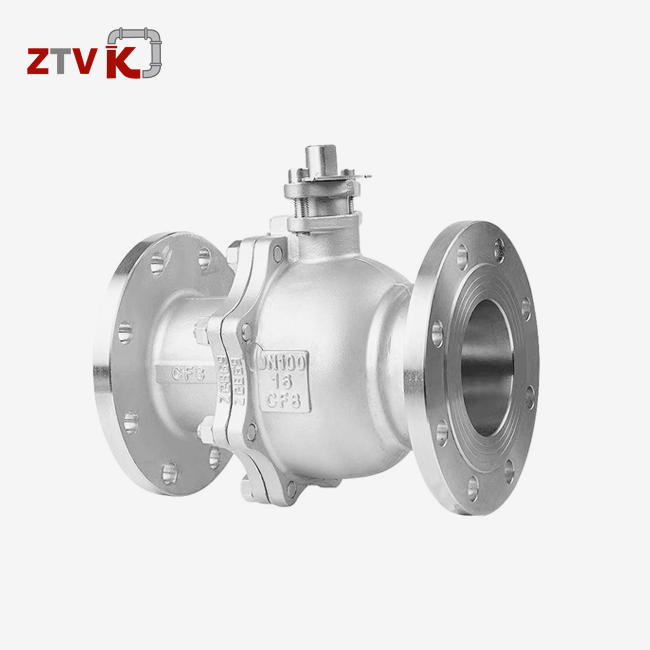
We provide OEM services such as customer branding, custom logo, nameplate and packaging. Our ODM services include valve body structure redesign, sealing material selection and adaption to specified pressure, temperature and media conditions including wafer, flanged and lug connection types.
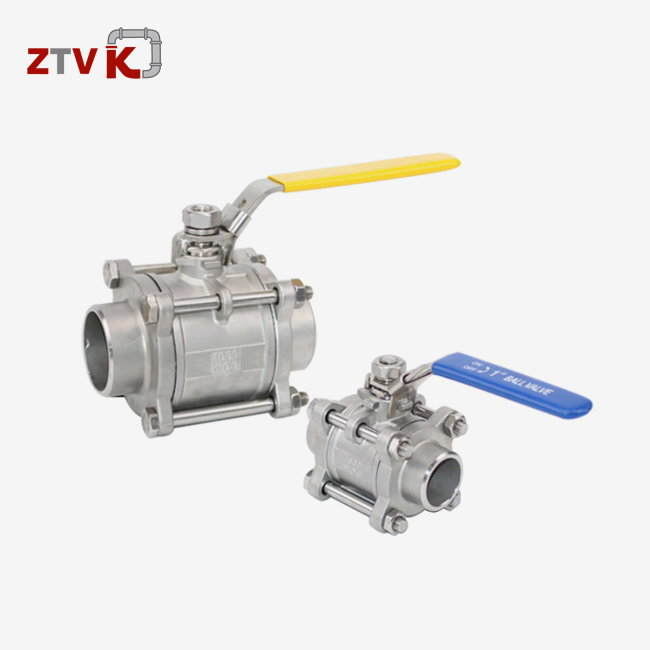
Standard units DN50-DN600 ex stock 3-7 days delivery from Tianjin. Custom orders are processed in 15-25 days. Expedited deadlines may be possible based on order quantity and specification, contact us to check.
Logistics & Export Support
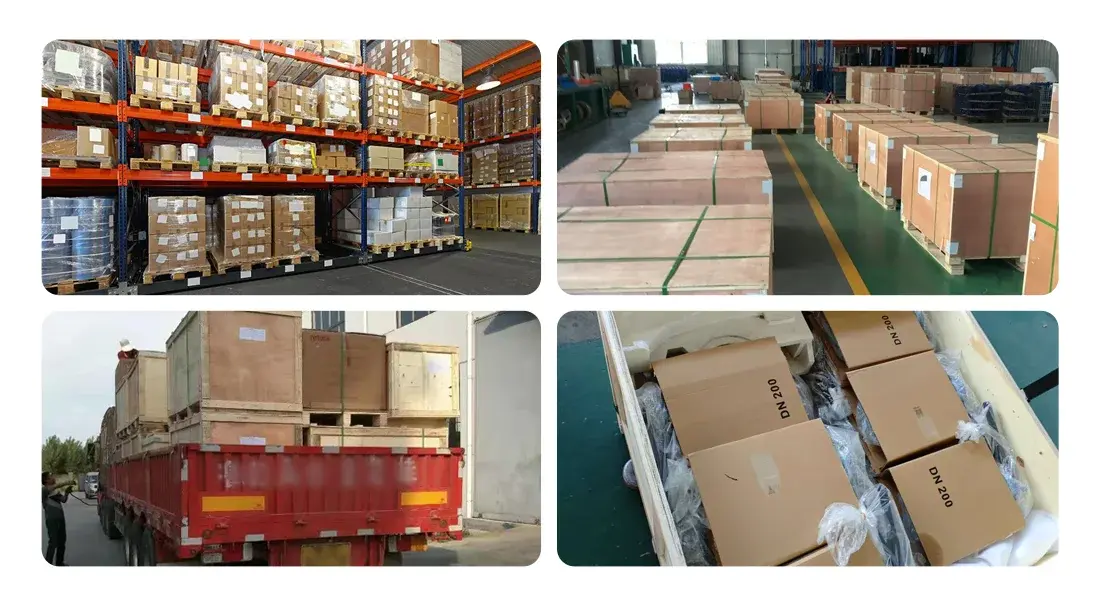
ZTVK plant is located around 50 km from Tianjin Port, one hour away by car. Quotations on FOB Tianjin Xingang basis and CIF destination-port basis.
Packaging for export purposes is made in hardwood boxes, moisture-proof film and attaching brackets according to international phytosanitary criteria ISPM 15. This setup may be utilized for ocean freight to locations all around South East Asia, the Middle East, Europe and the Americas.
After-Sales Support
Each order includes an 18-month warranty covering manufacturing defects. ZTVK provides pre-sales valve selection consultation, CAD drawings, and 3D models on request. After installation, customers can access installation guidance documentation and troubleshooting manuals.
FAQ
Q1: Is a valve suitable for marine applications?
A: No. Grade 304 is vulnerable to crevice corrosion and pitting in high-chloride conditions exceeding 200 ppm. Seawater service requires a duplex stainless steel or 316 (CF8M) valve.
Q2: Why is my valve a little bit magnetic after machining?
A: Some austenite may be converted to martensite by cold-working during ball or stem machining, causing a small magnetism. This is a known property of austenitic stainless steel and does not impact corrosion resistance.
Q3: What is the material of the seal within the valve?
A: The seal is made of PTFE seats pushed into the polished stainless steel ball. Metal seats are necessary for designs with temperatures exceeding 450°F.
Q4: How frequently should this valve be serviced?
A: These are usually maintenance free designs under normal service circumstances. If heat cycling causes stem leaking, the gland packing may be re-compressed by tightening the stem packing nut.
Q5: Is this valve suitable for use in biodiesel?
A: Yes. It is chemically compatible with biodiesel and ethanol fuels, therefore eliminating the deterioration problems of brass or PVC valves in fuel service.
Q6: How can I know the material is real 304 material, not 201 stainless steel?
A: Ask for a PMI exam. Spectrographic examination reveals the presence of at least 18% chromium and 8% nickel, composition indicators for CF8/304 material.
Contact Us
For 304 stainless steel ball valve requirements, technical questions, or a quote, email us at ktec86961886@163.com. We will respond within one business day.
Send us your valve requirements and our team will provide professional solutions and fast quotations.