- English
- French
- German
- Portuguese
- Spanish
- Russian
- Japanese
- Korean
- Arabic
- Greek
- German
- Turkish
- Italian
- Danish
- Romanian
- Indonesian
- Czech
- Afrikaans
- Swedish
- Polish
- Basque
- Catalan
- Esperanto
- Hindi
- Lao
- Albanian
- Amharic
- Armenian
- Azerbaijani
- Belarusian
- Bengali
- Bosnian
- Bulgarian
- Cebuano
- Chichewa
- Corsican
- Croatian
- Dutch
- Estonian
- Filipino
- Finnish
- Frisian
- Galician
- Georgian
- Gujarati
- Haitian
- Hausa
- Hawaiian
- Hebrew
- Hmong
- Hungarian
- Icelandic
- Igbo
- Javanese
- Kannada
- Kazakh
- Khmer
- Kurdish
- Kyrgyz
- Latin
- Latvian
- Lithuanian
- Luxembou..
- Macedonian
- Malagasy
- Malay
- Malayalam
- Maltese
- Maori
- Marathi
- Mongolian
- Burmese
- Nepali
- Norwegian
- Pashto
- Persian
- Punjabi
- Serbian
- Sesotho
- Sinhala
- Slovak
- Slovenian
- Somali
- Samoan
- Scots Gaelic
- Shona
- Sindhi
- Sundanese
- Swahili
- Tajik
- Tamil
- Telugu
- Thai
- Ukrainian
- Urdu
- Uzbek
- Vietnamese
- Welsh
- Xhosa
- Yiddish
- Yoruba
- Zulu
The Role of Stainless Steel Check Valves in Fluid Control
Stainless steel check valves are very important parts of industrial pipe systems because they stop backflow that could damage pumps, contaminate processes or cause terrible water hammer events. When fluid runs through a 2-inch stainless steel check valve in the right way, the disc or ball inside opens up completely, letting the fluid pass through without any problems. As soon as the flow stops or changes direction, the valve closes instantly, making a reliable seal that protects equipment upstream without any help from a person or power from outside. This automatic, self-actuating feature makes stainless steel check valves essential in water treatment plants, petrochemical factories, HVAC installations, and many other industry settings where it is important to keep the flow direction intact.
Understanding 2 Inch Stainless Steel Check Valves: Function and Design
Stainless steel check valves that work with pipes that are 2 inches in diameter combine small size with strong performance. They only let fluid move in one direction and stop it completely from moving in the opposite direction. This protects pumps from damaging backpressure and keeps fluids from moving from one system zone to another.
How do check valves prevent backflow?
Differential pressure acting on an internal part—usually a swing disc, lift disc, or dual-plate assembly—is what makes it work. The internal mechanism opens when the forward flow pressure goes over the cracking pressure threshold of the valve, which is usually between 0.5 and 2.0 PSI. As soon as the forward motion stops or turns around, gravity and opposite pressure push the part back against its seat, making a seal right away. Within milliseconds, this passive reaction takes place, stopping the damaging pressure spikes that come with sudden flow reversal.
Common Design Configurations
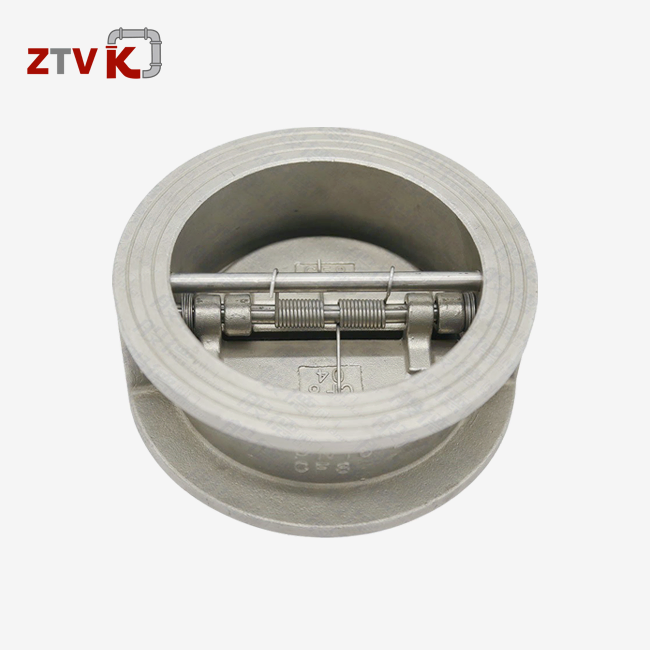
In different industrial situations, different valve architectures are needed. Swing check valves have a disc that is hinged and can swing completely out of the flow path. This makes them perfect for horizontal pipes with steady flow rates. Dual-plate wafer-style valves have plates that are spring-loaded and fold open when forward pressure is applied. They can be installed easily between flanges and work well in both horizontal and vertical positions. Lift check valves have a guided disc that lifts vertically off its seat. This makes for a good seal, but it also needs higher cracking pressures. Ball check valves have a circular part that works especially well in situations with slurries or fluids that are full of particles, where disc-shaped valves might get stuck.
Material Grade Selection: 304 vs. 316 Stainless Steel
Material choice has a direct effect on how long a valve lasts and what applications it can be used for. SS304 (ASTM A351 CF8) is very resistant to corrosion and can be used in water, steam condensate, and many food-grade uses. It works reliably up to 120 degrees Celsius in settings without chlorine. SS316 (CF8M) has molybdenum content between 2% and 3%, which makes it much more resistant to pitting corrosion in chloride-rich environments like coastal installations, desalination plants, and chemical processing facilities that work with acidic materials. Not only does the grade of the material determine its resistance to corrosion, but it also determines its mechanical strength under changing pressures and its thermal expansion properties.
2-inch stainless steel check valves usually have pressure values between Class 150 (about 285 PSI at room temperature) and Class 300 (740 PSI). Some special designs are even rated for 1000 PSI WOG (water, oil, and gas) work. Temperature limits depend on how well the seat material works with the temperature. PTFE seats work reliably up to 400°F, while metal-to-metal seating can handle higher temperatures but has slightly higher leakage rates that meet API 598 standards.
Advantages and Key Benefits of Using 2-Inch Stainless Steel Check Valves
When factories choose stainless steel check valves over brass, carbon steel, or plastic ones, they get measurable operational benefits that lead to lower maintenance costs and longer system uptime.
Superior Corrosion Resistance and Durability
The chromium oxide passive layer in stainless steel keeps growing back, protecting the metal from oxidation, scaling, and chemical attack. This quality is very useful in city water systems, where high chlorine levels would quickly break down metal parts, and in industrial cooling loops, where mineral deposits and biological growth speed up corrosion. When properly stated stainless steel types are used instead of carbon steel alternatives, which might need to be replaced every 5 to 7 years, valves can last longer than 20 years in places that work in humid coastal conditions or with chemicals that eat away at metal.
Optimal Flow Characteristics and Pressure Drop
Investing in casting and precise machining can make the inside of a part very smooth, which reduces turbulence and pressure loss. A correctly sized 2-inch stainless steel check valve adds very little resistance—usually only a 0.5 to 3 PSI pressure drop at regular flow rates—which keeps the system running efficiently. Because polished stainless steel has a low friction coefficient, it doesn't collect deposits that would make flow more difficult in rougher materials. This means that the valve's hydraulic performance stays the same over its entire life.
Maintenance Efficiency and Lifecycle Economics
Compared to other materials, stainless steel check valves need to be inspected and fixed a lot less often. The material is naturally clean, which makes it perfect for clean-in-place (CIP) applications. Aggressive detergents and thermal cycling would quickly damage elastomeric or composite valve bodies in these situations. Maintenance intervals range from checking carbon steel valves every three months to checking stainless steel valves once or twice a year. Despite having higher initial purchase prices, stainless steel check valves have a lower total cost of ownership over a 15-year period when replacement costs, system downtime costs, and labour requirements are taken into account.
Stainless steel check valves are the best choice for critical applications where reliability directly affects production continuity and safety because the material is strong, the valves work well with hydraulics, and they require less maintenance.
Installation and Maintenance Guide for 2-Inch Stainless Steel Check Valves
The right way to put a check valve determines whether it lasts as long as it's supposed to or breaks down early. Regular repair stops unexpected failures during important operations.
Installation Best Practices
Before starting to prepare the site, make sure the pipeline is clean by getting rid of welding slag, pipe scale, and building debris that could damage the seating surfaces during the first startup. Installers must make sure that the flow direction is lined up correctly because check valves have arrows that point in the right direction to match the flow direction. If the installation is done backwards, the valve will not work at all. Before making fillet welds that meet ASME B31.3 standards, the gap between the pipe and the valve socket must be carefully maintained. This gap is usually 1/16 of an inch.
Orientation Considerations
For best results, install swing check valves horizontally so that gravity helps the disc close. For high-velocity situations, however, you can install them vertically so that the flow goes up. Dual-plate designs that are loaded with springs work consistently in any direction, which makes them useful for complicated pipe setups. For valves that need to have their discs inspected on a regular basis, there needs to be enough space for the bonnet to be removed. For wafer designs, maintenance can be done in-line between the flanges.
Routine Maintenance Protocols
Inspection plans should be in line with how important the system is and how it is being used. Visual inspections of the outside every six months find leaks at the pressure limits, and yearly inspections of the inside check the state of the seat and the movement of the disc. Cleaning methods depend on the use. For example, vinegar or citric acid can be used to remove mineral deposits from water service valves, while liquid cleaning for chemical process valves may be needed because of the process media. Lubrication is mostly used for stem-guided lift systems, and only lubricants that work with process fluids and temperature ranges should be used.
Compliance and Safety Standards
Pressure-temperature ratings for a 2-inch stainless steel check valve must be in line with ASME B16.34; check valve design standards must be in line with API 594; and local building codes must be followed for backflow prevention in potable water systems. Documentation should include material test reports that confirm the grade of stainless steel, hydrostatic test certificates that confirm the integrity of the pressure, and valve datasheets that describe the cracking pressure and closing characteristics. During building checks and insurance compliance reviews, these records are very important.
By following these rules, facility managers and maintenance teams can keep things running at their best while also lowering operational risks and making sure that regulations are followed for the entire life of the valve.
Comparison and Selection: Choosing the Best 2 Inch Stainless Steel Check Valve for Industrial Use
To choose the right check valve configuration, you need to match the design features to the needs of the application, taking into account both the short-term functional needs and the long-term operating costs.
Material Comparison: Stainless Steel vs. Alternatives
Brass valves are 20–30% cheaper at first, but they lose their zinc quickly in high-temperature water use and don't work well with steam condensate. Carbon steel is the cheapest and strongest material that can be used for non-corrosive tasks. However, it needs protective coatings that wear off over time, leaving the base metal open to rust and scaling. Plastic versions are resistant to chemicals in low-pressure situations, but they aren't strong enough or able to handle high temperatures for industrial systems. 2-inch stainless steel check valve products made of stainless steel fill in these gaps by providing resistance to corrosion, strength, and thermal stability all in one material.
Valve Style Selection Criteria
Configuration options are based on application factors. Swing check valves work best with clean liquids that flow steadily and pipes that are laid flat. They have full port holes with little pressure drop, but they need long, straight pipe runs to work right. Wafer dual-plate valves work well in tight spaces because they fit straight between flanges and have small face-to-face dimensions. They also work effectively in both horizontal and vertical orientations, though they lose a little more pressure when they're vertical. Ball check valves work well with slurries and fluids that are full of particles. They don't get clogged up as disc-style valves do, which makes them perfect for use in wastewater and mining.
Pressure and Temperature Matching
Conditions for running the system must be within the valve's grade, with enough room for error. For a system that works at 180 PSI, you should choose Class 300 valves that can handle 740 PSI at normal conditions. This will make sure that there is enough safety even when there are short-term pressure spikes. Temperature issues go beyond the highest working values. Going back and forth between room temperature and operating temperature causes expansion stresses that speed up seat wear. When temperatures change a lot, metal-seated designs are better than soft-seated designs because they can handle higher leakage rates. In stable temperature environments, soft-seated designs offer bubble-tight shutoff.
Supplier Evaluation Criteria
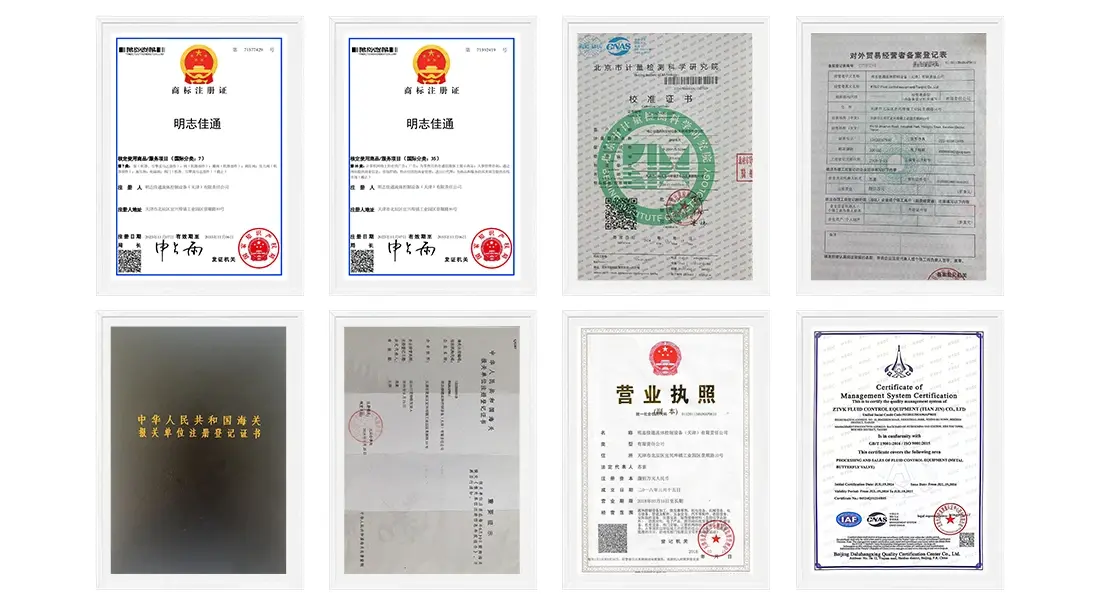
Buying groups should judge producers of 2-inch stainless steel check valves by their certifications, such as ISO 9001 quality management, paperwork for tracking materials, and compliance with foreign standards like API, ANSI, and DIN. Production skills are very important. Suppliers with a lot of stock offer lead times of 3–7 days for standard configurations, and those with custom engineering support offer ODM services for pressure classes or materials that aren’t standard. Logistics costs and transit times are cut down when factories are close to container terminals and offer competitive FOB prices and reliable delivery schedules.
Conclusion
Stainless steel check valves are very important for keeping industrial fluid systems safe because they stop backflow that could damage equipment or lower the quality of the process. The 2-inch size is good for most piping needs in commercial buildings, manufacturing facilities, and city infrastructure. Choosing the right material from types SS304 and SS316 decides how resistant it is to corrosion in different environments and media. Configuration choices, like swing, wafer, lift, or ball styles, need to be in line with placement limitations, flow traits, and ease of upkeep. The intended performance is guaranteed by proper installation that follows orientation requirements and compliance standards. Systematic maintenance extends service life and stops failures that come up out of the blue. Strategic purchasing decisions that balance cost, quality certification, the ability to customise, and the supplier's dependability set up businesses for operational success and supply chain resilience.
FAQ
1. Can stainless steel check valves be installed vertically?
Installing a valve vertically depends on how it is made. In vertical upflow setups, spring-loaded wafer and dual-plate designs work consistently because the spring force helps the closure against gravity. Most of the time, swing check valves need to be mounted horizontally so that gravity can help close the disc. However, high flow rates can get around this problem. Before selecting vertical applications, always check with the manufacturer's instructions on what angles are allowed for fitting to make sure the right closure features.
2. What cracking pressure should I specify?
Standard cracking pressures are between 0.5 and 2.0 PSI. This is done to balance low resistance during normal operation with reliable closure when the flow changes directions. Cracking pressures as low as 0.5 PSI are good for low-head applications like drainage systems. Higher values up to 2.0 PSI are fine for high-pressure process lines. When normal offers don't meet system needs, custom spring tensions can be asked for, but this usually requires a minimum order quantity.
3. How do I choose between metal and soft seats?
Soft seats made of PTFE or elastomeric materials offer a bubble-tight seal that meets Class VI leakage standards. They are perfect for uses that need to allow zero backflow up to 400°F. Metal-to-metal seats can handle temperatures above 500°F, where elastomers would break down, and can handle higher leaking rates that meet API 598 Class IV or V standards. Chemical stability and high temperatures usually determine the choice of seat material, not price.
Partner with ZTVK for Reliable Stainless Steel Check Valve Solutions
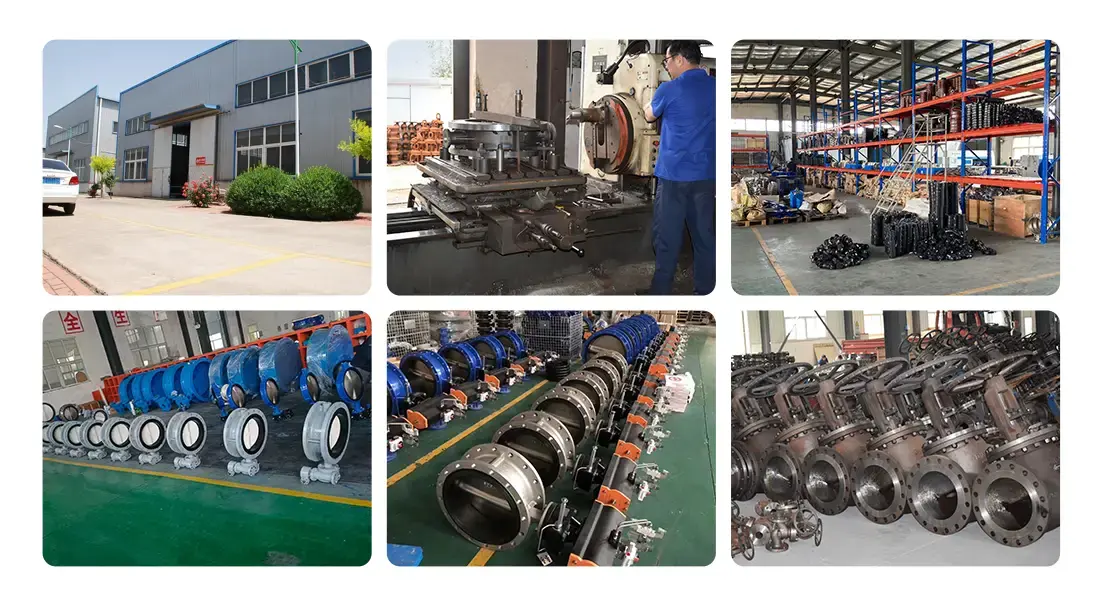
The Beichen Industrial Zone in Tianjin is where ZTVK is based. They make high-quality check valves that meet international standards like ISO 9001, API, and ANSI. Our factory keeps a large stock of standard 2 inch stainless steel check valves in both SS304 and SS316 grades, so stock configurations can be delivered in 3–7 days. Custom needs get their own engineering help, and ODM services can handle different pressure ratings, connection types, and material requirements within 15 to 25-day production cycles. We are only 50 kilometres from Tianjin Port and offer competitive FOB Xingang prices and reliable handling of sea freight with major carriers. Our 18-month warranty covers problems with the way the product was made, and technical information like CAD drawings, material certifications, and installation instructions help make sure the project goes smoothly. Our team is ready to help you whether you need a 2 inch stainless steel check valve supplier for immediate stock delivery or custom-engineered solutions for specialized applications. Our team stands ready to support your requirements. Contact us at ktec86961886@163.com to discuss your specific needs and receive detailed quotations.
References
1. American Petroleum Institute. API Standard 594: Check Valves—Flanged, Lug, Wafer and Butt-welding. Washington, D.C.: API Publishing Services, 2017.
2. ASME International. ASME B16.34: Valves—Flanged, Threaded, and Welding End. New York: American Society of Mechanical Engineers, 2020.
3. Zappe, R.W. Valve Selection Handbook: Engineering Fundamentals for Selecting the Right Valve Design for Every Industrial Flow Application. Houston: Gulf Publishing Company, 2019.
4. Skousen, Philip L. Valve Handbook, Third Edition. New York: McGraw-Hill Professional, 2011.
5. Hydraulic Institute. Pump System Optimization Guidebook: Check Valve Selection and Application. Parsippany: Hydraulic Institute, 2018.
6. Lyons, Jerry L. The Valve Designer's Handbook. Boca Raton: CRC Press, 2015.
Send us your valve requirements and our team will provide professional solutions and fast quotations.
RELATED INDUSTRY KNOWLEDGE