- English
- French
- German
- Portuguese
- Spanish
- Russian
- Japanese
- Korean
- Arabic
- Greek
- German
- Turkish
- Italian
- Danish
- Romanian
- Indonesian
- Czech
- Afrikaans
- Swedish
- Polish
- Basque
- Catalan
- Esperanto
- Hindi
- Lao
- Albanian
- Amharic
- Armenian
- Azerbaijani
- Belarusian
- Bengali
- Bosnian
- Bulgarian
- Cebuano
- Chichewa
- Corsican
- Croatian
- Dutch
- Estonian
- Filipino
- Finnish
- Frisian
- Galician
- Georgian
- Gujarati
- Haitian
- Hausa
- Hawaiian
- Hebrew
- Hmong
- Hungarian
- Icelandic
- Igbo
- Javanese
- Kannada
- Kazakh
- Khmer
- Kurdish
- Kyrgyz
- Latin
- Latvian
- Lithuanian
- Luxembou..
- Macedonian
- Malagasy
- Malay
- Malayalam
- Maltese
- Maori
- Marathi
- Mongolian
- Burmese
- Nepali
- Norwegian
- Pashto
- Persian
- Punjabi
- Serbian
- Sesotho
- Sinhala
- Slovak
- Slovenian
- Somali
- Samoan
- Scots Gaelic
- Shona
- Sindhi
- Sundanese
- Swahili
- Tajik
- Tamil
- Telugu
- Thai
- Ukrainian
- Urdu
- Uzbek
- Vietnamese
- Welsh
- Xhosa
- Yiddish
- Yoruba
- Zulu
Is there any difference between stainless steel check valves and ordinary ones?
When looking at different types of industrial valves, many purchasing managers wonder if stainless steel check valves really do perform better than other types. The clear answer is yes, especially when dependability and comfort are important. Compared to brass or carbon steel types, a 2-inch stainless steel check valve is much more resistant to rust, can handle higher pressures, and lasts longer. Because of this, it works great in places like water systems, chemical processes, and high temperatures where regular valves tend to break down early, causing expensive downtime and replacements all the time.
Introduction
Check valves are very important parts of fluid control systems because they stop reverse flow that could hurt pumps, contaminate processes, or make the system less reliable. Choosing the right valve material has a direct effect on operational safety, the frequency of maintenance, and the total cost of ownership, whether you're in charge of municipal water infrastructure, petrochemical pipelines, or HVAC installations.
This guide is for engineers, buying managers, valve dealers, and OEM clients who need accurate information to help them make decisions about what to buy. We look at the real differences between regular check valves and stainless steel ones, focusing on how long they last, what they're good for, and how much they cost. When you know these differences, you can choose valves that meet your technical needs, your budget, and your long-term goals for stability in a global market that is very competitive.
Understanding Stainless Steel Check Valves and Ordinary Check Valves
What Defines a Stainless Steel Check Valve?
Stainless steel check valves are precision-engineered parts made from austenitic alloys like SS304 (CF8) or SS316 (CF8M), which meet the standards for casting set by ASTM A351. With spring-loaded discs, swing mechanisms, or lift designs, these valves let flow go in one direction but not the other. The material is made up of 18% chromium, 8–10% nickel in 304 grades, and molybdenum in 316 grades. This makes a passive oxide layer that stops oxidation, pitting, and stress corrosion cracking.
Wafer-style bodies are common for tight placements, swing check designs are common for low-pressure drop, and lift types are common for high-pressure uses. Connectors with socket weld ends are strong and won't leak. They can be used in systems with up to 1000 PSI of pressure and temperatures up to 450°F. Round body forms make it easier to fit into standard pipe layouts, and meeting API 594 and ASME B16.34 standards makes sure that the dimensions are the same all over the world's supply lines.
Ordinary Check Valves: Material and Design Limitations
Ordinary check valves are made from brass, carbon steel (WCB), cast iron, or plastics that have been reinforced. Brass valves work fine in systems with clean water that is less than 250°F, but they quickly break down when they come into contact with chlorides or acidic vapors. Different types of carbon steel work well with oil products, but they rust quickly in wet or salty places without protective coats.
Cast iron models are cheaper for low-pressure drainage systems, but they don't have the tensile strength needed for temperature changes or pressure surges that happen a lot in industrial settings. Plastic check valves work well with mild chemicals, but they break down in UV light and completely stop working at very high temperatures. Different types of connections are available, such as threaded NPT fittings and flanged designs. However, their mechanical strength and seal reliability are not the same as those of welded stainless steel joints.
Key Differences Between Stainless Steel and Ordinary Check Valves
Material Performance Under Industrial Conditions
The chromium in stainless steel creates an oxide barrier that heals itself and protects against acid, alkaline, and chloride solutions. This means that the structure stays strong even in harsh environments. In reverse osmosis systems, a 2-inch stainless steel check valve can handle brine concentrations above 35,000 ppm TDS without pitting. Brass valves, on the other hand, can't do this after six months of continuous exposure.
Temperature flexibility is what sets stainless steel apart from other materials. Brass softens above 350°F, and carbon steel needs stress relief treatments to keep it from warping during thermal cycling. SS316 valves, on the other hand, stay the same size and shape and don't compress when the temperature goes from -20°F to 450°F. This feature is very important in steam condensate lines where the temperature changes every hour. Mechanical strength is also very different. For example, stainless steel's yield strength of 30,000 PSI is much higher than that of brass (15,000 PSI) and cast iron (21,000 PSI). This means that catastrophic failures are less likely to happen during pressure changes or water hammer events.
Operational Lifespan and Maintenance Frequency
Most of the time, normal valve replacement plans are based on breakdowns caused by corrosion. In city water systems, carbon steel check valves need to be replaced every 5 to 7 years because rust builds up and stops the disc from closing, letting water escape and damaging equipment further downstream. In the same applications, stainless steel units often last longer than 15 years with little maintenance because the inert surface doesn't allow scale to form or biological fouling to happen.
Compatibility with seat materials makes this benefit even bigger. Even after 50,000 cycles, PTFE seats in stainless steel valves keep them shut tightly. On the other hand, rubber seats in brass valves harden and crack after 15,000 cycles in chlorine water. Metal-to-metal seating choices made of stainless steel can handle abrasive slurries that would quickly wear down softer seat materials. This keeps mine and wastewater uses from having to shut down without warning. The longer lifespan and less maintenance add up to a lower total cost of ownership, even though the initial investment was higher.
Compliance and Certification Standards
Compliance with international standards depends on the type of material. When ISO 9001 and API 598 testing standards are followed to make stainless steel check valves, they are put through hydrostatic shell tests at 1.5 times the rated pressure and low-pressure seat closure verification at 80 PSI air. These strict quality controls make sure that the dimensions are correct according to ANSI B16.10 face-to-face standards and that the materials can be tracked using X-ray fluorescence spectroscopy for Positive Material Identification (PMI).
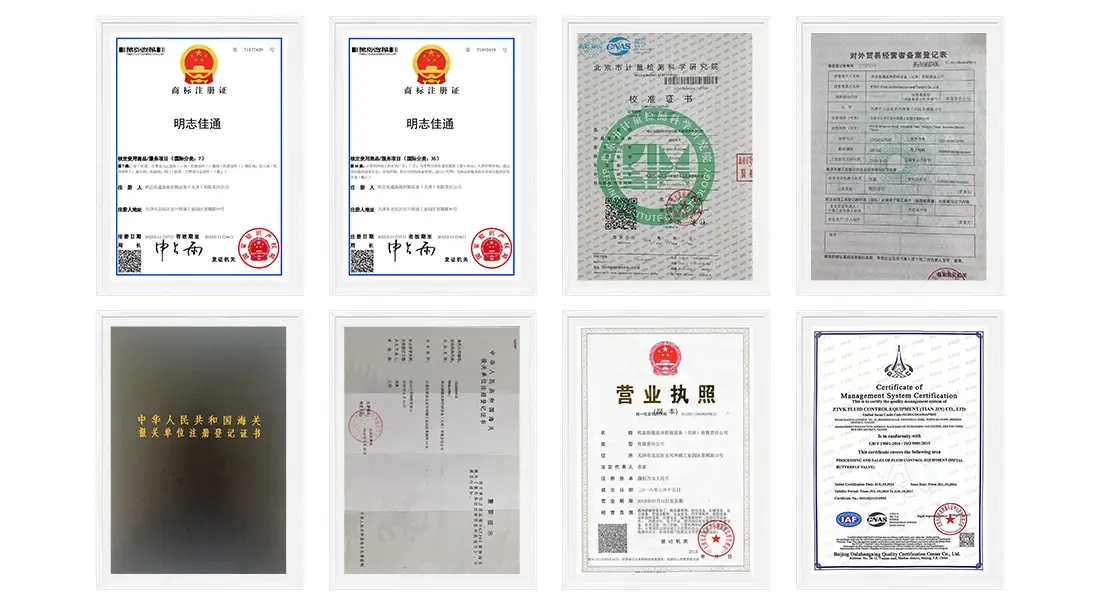
Ordinary valves don't always have third-party certification, especially in lower-priced segments where material substitution is still a problem. Brass valves that say they are "lead-free" may still have 3–5% lead in them, which is against NSF-61 drinking water standards that are used in North America. When buying stainless steel valves, purchasing managers can get full mill test reports (MTRs) that show the valves' chemical makeup, mechanical properties, and the results of non-destructive testing. This kind of information isn't always available with other valve options.
How to Choose the Right Check Valve for Your Industrial Application?
Assessing Pressure and Temperature Requirements
Material suitability is determined by the system's operating parameters. If the water source is below 150 PSI and 180°F, metal or PVC check valves may work fine, but their long-term dependability is still unknown. Systems that go beyond these limits, like boiler feedwater lines at 350°F and 300 PSI, need to be made of stainless steel to avoid thermal fatigue cracking.
To do a chemical compatibility study, you need to carefully look at the media. When working with mild water, more types of materials can be used. But when working with salt water, acids (pH below 5), or alkalis (pH above 9), you need SS316 grades with molybdenum content above 2% to stop localized corrosion. Flow speed also affects selection. Systems with speeds above 10 feet per second speed up the erosion-corrosion process in carbon steel, but the harder surface of stainless steel can handle being exposed to unpredictable flow patterns for longer periods of time.
Evaluating Connection Methods and Installation Constraints
Socket weld connections are stronger and less likely to leak than threaded fittings, especially in places with a lot of vibration, like pump discharge lines. Mechanical threads become free over time, but the permanent fusion weld gets rid of them. This cuts down on fugitive emissions and upkeep work. Flanged connections make it easier to take things apart for inspection, but they also create weak spots in the gasket that need to be retorqued on a regular basis to keep the seal's integrity.
The type of 2-inch stainless steel check valve you choose depends on how it is installed. The disc on a swing check valve closes by gravity. They work best in horizontal runs or vertical upflow configurations where the flow rate is more than 2 feet per second. Spring-assisted lift check valves work reliably no matter which way they are positioned. This makes them better for complex pipe layouts that are common on offshore platforms or in small equipment rooms. Existing plumbing shapes may limit the types of bodies that can fit between existing flanges. This means that the pipes don't have to be cut again.
Balancing Initial Investment Against Lifecycle Costs
When people decide what to buy, they often only look at the price and don't think about the ongoing costs that are much higher than the original cost. A metal check valve that costs $85 needs to be replaced every six years in filtered water service. This costs $425 in materials and $600 in labor over the life of the asset, which is 30 years. A stainless steel valve that costs $240 works for more than 20 years and needs one $50 seal replacement in the middle of its life. This adds up to $290 in lifecycle costs, which is a 75% savings despite the higher initial cost.
Costs for unplanned downtime make this difference even bigger. In a chemical processing plant, a broken check valve can stop production lines that are making $15,000 an hour, which means that an emergency fix that takes four hours will cost $60,000 in lost output. Because stainless steel has a predictable lifespan, it can be maintained during planned shutdowns. This avoids production interruptions that usually happen when regular valves break down without warning.
Procurement Guide: Acquiring 2-Inch Stainless Steel Check Valves for B2B Clients
Identifying Reliable Valve Suppliers and Manufacturers
When buying valves around the world, sources must be checked to make sure they can meet manufacturing standards and the supply chain is stable. Manufacturers with ISO 9001:2015 certification show that they have documented quality management processes. However, certification doesn't guarantee that the products they make are excellent. You can learn more about operational reliability by looking at audit reports from a third party and getting customer references from similar industries.
OEM makers that have their own casting facilities can keep a closer eye on quality and make customizations faster than assembly-only businesses that get parts from a lot of different suppliers. Being close to major shipping ports makes logistics easier and lowers the cost of freight. For example, a manufacturer 50 kilometers from Tianjin Port delivers goods to loading ships in hours instead of days, which cuts down on warehouse storage fees and speeds up delivery times for projects that need to be done quickly.
Negotiating Pricing, Lead Times, and Volume Discounts
A lot of money can be saved by buying things in bulk. When distributors buy 500 or more normal DN50–DN600 sizes, they can get tier prices, which lowers the cost per unit by 20–30% compared to buying them on the spot. Setting up yearly supply deals with volume commitments gets better prices and makes sure that inventory is available during busy building seasons, when lead times are longer across the board.
It's easy to see how customization affects shipping times. Standard 2-inch stainless steel check valves can be shipped within 3–7 days from a well-stocked warehouse. However, non-standard specs that need custom seat materials or special finishes can take 15–25 days to make. Rush order surcharges usually add 20% to the base price, but they shorten lead times to 7–10 days. This gives you options when project delays threaten key path dates. Costly speeding fees and last-minute airfreight charges can be avoided by being clear about realistic lead times.
Verifying Certifications and Quality Assurance Protocols
What paperwork is needed depends on the target market and the type of entry. For sour gas service, European clients usually want CE marking and EN 12266 pressure testing certificates, while Middle Eastern projects need to be in line with NACE MR0175. In North America, municipal water applications need NSF/ANSI 61 certification to make sure the materials are safe for contact with potable water.
Ask for full test reports that include PMI spectroscopy data that prove the chemical makeup, measurements of the tensile strength, and hydrostatic pressure test records that show the 2-inch stainless steel check valve works without leaks at 1.5 times its rated pressure. Reputable manufacturers give each valve a unique serial number that can be traced back to the production batch records. This lets quality problems be looked into quickly if they happen in the field. The warranty should last for 18 months from the date of delivery and cover production flaws. It should not cover damage caused by improper installation or media that doesn't work with the product.
Conclusion
Material choice has a big impact on how reliable a check valve is, how much it costs to run, and how safe the system is in industrial settings. Compared to brass, carbon steel, or plastic options, stainless steel check valves are better at resisting corrosion, last longer, and need less upkeep. Even though stainless steel valves cost 40–60% more at first, they are more cost-effective over their lifetime because they don't break down as often, require less maintenance, and work well in harsh conditions.
When making a purchase decision, it's important to think about both the short-term and long-term costs of ownership, along with technical requirements like pressure ratings, temperature ranges, and media compatibility. Working with certified manufacturers who provide thorough testing records, clear lead times, and quick technical support is the best way to make sure that valves are successfully integrated into critical infrastructure systems that depend on them for safety and operational continuity.
FAQ
1. Can 2 Inch Stainless Steel Check Valves Handle Both Water and Chemical Applications?
Of course. As high as 400°F, SS304 grades can handle general water service, mild chemicals, and food processing. For uses with chlorides, acids, or salt water, SS316 with molybdenum content is needed to prevent pitting damage. Always check if the media is compatible by using chemical resistance charts that are made for the fluid you are using and the conditions under which it will be used.
2. What Maintenance Practices Extend Check Valve Service Life?
Every year, disc movement freedom, seat wear, and spring tension should be checked at sites that are easy to get to. Regularly flush systems to get rid of sediment buildup that keeps them from closing all the way. In rough work, check the seats every 18 to 24 months for scoring that makes leaks more likely. To avoid emergency downtime, replace internal parts before they completely break.
3. How Do Stainless Steel Check Valves Compare in Price to Brass Alternatives?
At first, stainless steel units will likely cost 40–60% more than brass ones. A 2-inch brass check valve costs about $75 to $110, and a stainless steel one costs about $120 to $250, based on the features. A lifecycle study over 20 years regularly shows that stainless steel has 50–75% lower total costs because it needs to be replaced less often and requires less upkeep work.
Partner with ZTVK for Premium Stainless Steel Check Valve Solutions
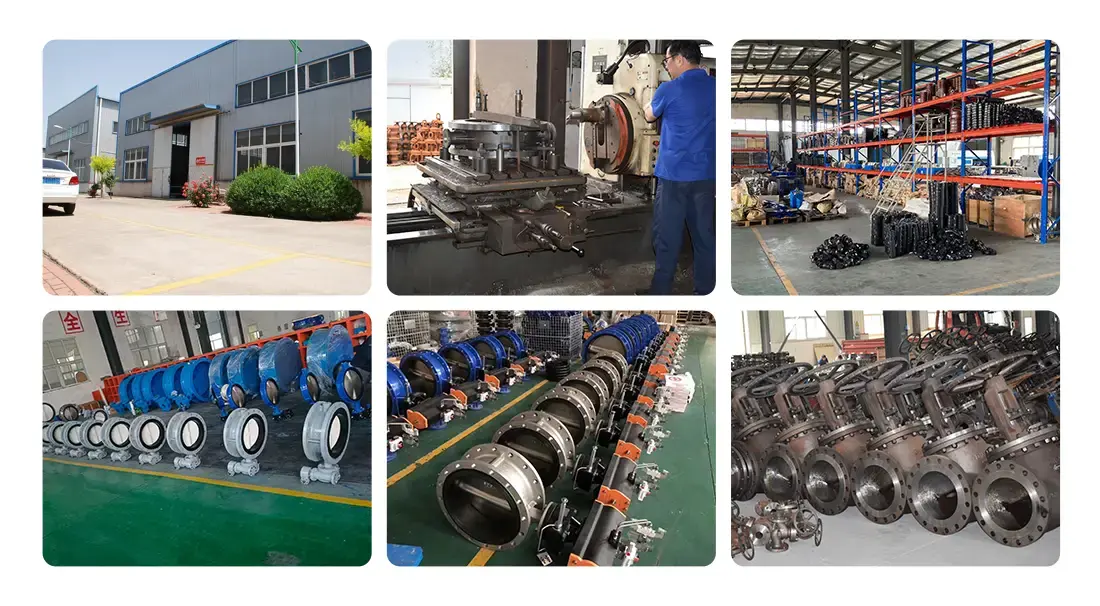
ZTVK has been serving industrial clients from our ISO 9001-certified plant in Tianjin's Beichen District for more than 15 years. We focus on making flow control parts that are reliable and meet international quality standards. Our 2-inch stainless steel check valve supplier maintains more than 2,000 standard units in stock and ready to ship within 3–7 days. This means that we don't have to wait for long lead times that slow down important projects.
As a seasoned manufacturer, we offer full OEM/ODM customization, which includes choosing the material (SS304 or SS316), connection types (socket weld, flanged, or threaded), and pressure ratings that are exactly what you need. We are only 50 kilometers from Tianjin Port, which makes it easier to export goods because we can offer FOB and CIF quotes through partnerships with major shipping lines. According to API 598 standards, each valve goes through strict testing, and full documentation of PMI verification and pressure testing is kept.
You can email our technical team at ktec86961886@163.com to talk about your buying needs, get full specs, or set up factory inspections. We offer warranties that last 18 months, technical support in multiple languages, and competitive bulk pricing that encourages long-term partnerships.
References
1. American Petroleum Institute. API Standard 594: Check Valves—Flanged, Lug, Wafer, and Butt-welding. Washington, D.C.: API Publishing Services, 2018.
2. ASME International. ASME B16.34: Valves—Flanged, Threaded, and Welding End. New York: American Society of Mechanical Engineers, 2020.
3. ASTM International. ASTM A351/A351M: Standard Specification for Castings, Austenitic, for Pressure-Containing Parts. West Conshohocken, PA: ASTM International, 2019.
4. Davis, J.R. Corrosion of Weldments. Materials Park, OH: ASM International, 2006.
5. Skousen, Philip L. Valve Handbook, Third Edition. New York: McGraw-Hill Education, 2011.
6. Zappe, R.W. Valve Selection Handbook: Engineering Fundamentals for Selecting the Right Valve Design for Every Industrial Flow Application, Fifth Edition. Burlington, MA: Gulf Professional Publishing, 2004.
Send us your valve requirements and our team will provide professional solutions and fast quotations.
RELATED INDUSTRY KNOWLEDGE