- English
- French
- German
- Portuguese
- Spanish
- Russian
- Japanese
- Korean
- Arabic
- Greek
- German
- Turkish
- Italian
- Danish
- Romanian
- Indonesian
- Czech
- Afrikaans
- Swedish
- Polish
- Basque
- Catalan
- Esperanto
- Hindi
- Lao
- Albanian
- Amharic
- Armenian
- Azerbaijani
- Belarusian
- Bengali
- Bosnian
- Bulgarian
- Cebuano
- Chichewa
- Corsican
- Croatian
- Dutch
- Estonian
- Filipino
- Finnish
- Frisian
- Galician
- Georgian
- Gujarati
- Haitian
- Hausa
- Hawaiian
- Hebrew
- Hmong
- Hungarian
- Icelandic
- Igbo
- Javanese
- Kannada
- Kazakh
- Khmer
- Kurdish
- Kyrgyz
- Latin
- Latvian
- Lithuanian
- Luxembou..
- Macedonian
- Malagasy
- Malay
- Malayalam
- Maltese
- Maori
- Marathi
- Mongolian
- Burmese
- Nepali
- Norwegian
- Pashto
- Persian
- Punjabi
- Serbian
- Sesotho
- Sinhala
- Slovak
- Slovenian
- Somali
- Samoan
- Scots Gaelic
- Shona
- Sindhi
- Sundanese
- Swahili
- Tajik
- Tamil
- Telugu
- Thai
- Ukrainian
- Urdu
- Uzbek
- Vietnamese
- Welsh
- Xhosa
- Yiddish
- Yoruba
- Zulu
Cast Iron vs Carbon Steel Butterfly Valves: Which Is Better?
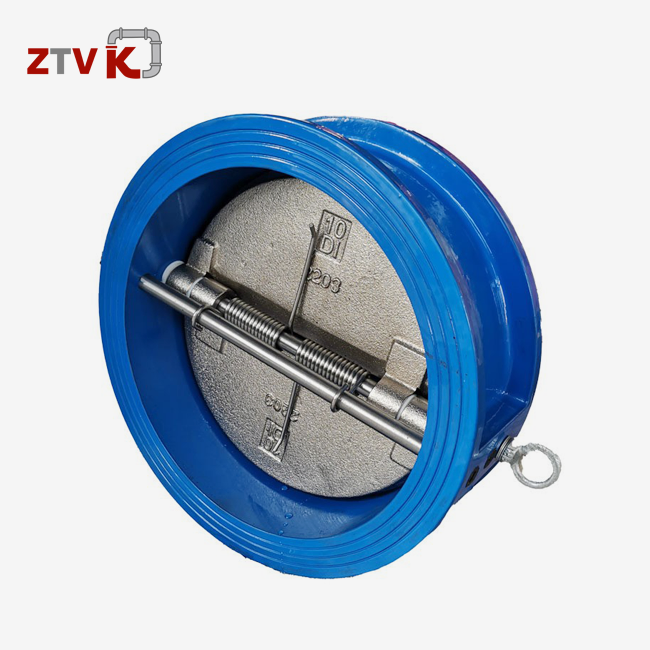
When choosing between cast iron and carbon steel butterfly valves, the answer depends on your application environment. A cast steel butterfly valve typically outperforms cast iron alternatives in high-pressure, high-temperature scenarios such as petrochemical processing and steam systems, delivering enhanced mechanical strength and thermal resilience. Cast iron valves remain cost-effective for low-pressure water supply and HVAC installations. The decision hinges on balancing operational demands—pressure ratings, temperature extremes, and corrosion exposure—with budget considerations and long-term maintenance costs.
Understanding Butterfly Valve Materials: Cast Iron vs. Carbon Steel
Choosing the right material for butterfly valves has a direct effect on how reliable the system is and how much it costs to run. Picking the right material is an important part of buying something because it affects everything from how much pressure it can handle to when it needs to be maintained.
Cast Iron Butterfly Valves: Composition and Applications
Molding techniques are used to make cast iron valves, which are inexpensive parts that can be used for light-duty tasks. The bodies of these valves are usually made of malleable or grey iron that is strong when compressed. They are commonly used in places like building HVAC systems, water treatment plants for cities, and irrigation networks where temperatures and working pressures stay below 1.6 MPa. Because the material is naturally weak, it can't be used in places where temperatures change a lot. However, its low cost makes it appealing for projects with limited funds and known working conditions.
Carbon Steel Butterfly Valves: Engineering for Demanding Environments
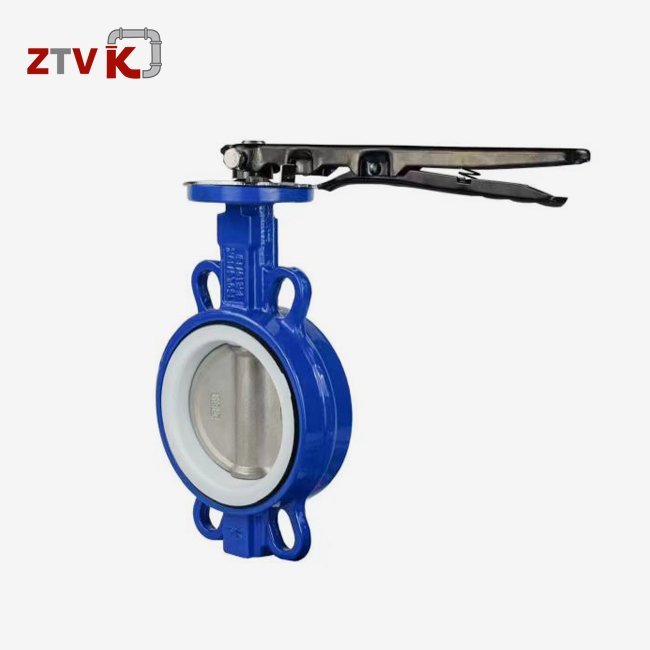
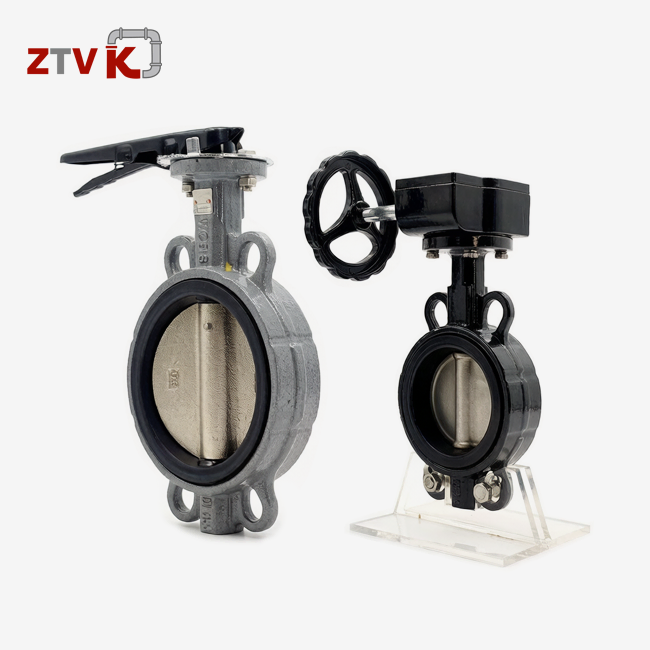
It is better for tensile strength and impact resistance to use carbon steel valves, especially ones with bodies made of ASTM A216 WCB or 304 stainless steel. Our 304 stainless steel butterfly valves can handle nominal diameters from DN15 to DN1200 mm and pressures from 150 lb to 300 lb (PN0.6 to 1.6 MPa). The 304 body and disc construction makes it very resistant to corrosion in water, seawater, weak acids, oils, and alcohols. These valves can be operated by hand, electrically, or pneumatically, which makes them useful in a wide range of industrial settings. Because the material is flexible, it doesn't break in a big way when it experiences thermal shock, which happens a lot in process industries where temperatures change all the time.
Material Property Comparison
The difference in performance between carbon steel and cast iron is clear when you look at the qualities of the two materials. Cast iron's yield strength is only 200 to 300 MPa, but carbon steel's is over 250 MPa. This gives pressurized systems a big safety cushion. Different materials have very different thermal expansion coefficients. Carbon steel stays the same size over a wider range of temperatures. Our tests show that 304 stainless steel butterfly valves can seal properly for more than 50,000 cycles, which is a level of durability that can't be reached with standard cast iron construction. This longer service life means that distributors who manage inventory for repeat customers will have to replace things less often and pay less overall.
Performance Comparison: Cast Iron vs. Carbon Steel Butterfly Valves
When procurement teams know how these materials work in real life, they can better match valve specs with working needs.
Pressure and Temperature Tolerance
Butterfly valves made of carbon steel can handle a lot more pressure than valves made of cast iron. Cast iron valves usually stop working at PN1.6 MPa in city settings, but our 304 stainless steel valves can handle pressures up to 300 lb class without any problems. Even more of a difference can be seen in temperature performance. When the temperature goes above 200°C, cast iron becomes brittle and easily cracks. On the other hand, carbon steel and stainless steel can withstand temperatures close to 425°C in certain configurations. This ability to withstand changes in temperature is very important in places like chemical processing lines, steam systems, and thermal oil circuits, where process problems can cause temperature to rise quickly.
Sealing Performance and Leakage Prevention
Whether a valve meets zero-leakage standards, which are important for environmental compliance, depends on how well its seals work. The seats on our butterfly valves are made of EPDM, Teflon, ethylene-propylene, or fluorine rubber, depending on which material works best with the process media. The 304 disc design has a double eccentric geometry that lowers the opening torque by about 30% and creates a cam action when the disc is closed that activates the seat seal. This design achieves bubble-tight shutdown even after long-term use, which fixes a typical problem where cast iron valve seats break down quickly in flows with particles or when temperatures change.
Maintenance Requirements and Service Life
When valves need to be inspected or parts need to be replaced often, maintenance costs add up quickly. When the right material is used, cast steel butterfly valves and carbon steel butterfly valves have longer maintenance gaps (18 to 24 months) between checks because they are more resistant to wear. We have proof that our stainless steel butterfly valves in desalination plants worked nonstop for three years without needing a new seat. This is in contrast to cast iron valves that need to be overhauled every year. This dependability decreases unexpected downtime, which is very important for contractors who are keeping track of project timelines and EPC companies that are handling setups with multiple suppliers.
Application Suitability: Matching Valve Types to Industry Needs
To get the best performance and lifecycle costs, the materials you choose must work well in the conditions that are common in your business.
Cast Iron Valves: Ideal Use Cases
Cast iron butterfly valves work great in situations where the operating conditions are stable and don't change much. Cast iron is cheaper than other materials used to deliver potable water at pressures below 1.0MPa, which is good for municipal water distribution systems. Cast iron valves are good for isolating and balancing systems in buildings that use chilled water or low-pressure steam. Cast iron valves are also used in business buildings' fire protection systems because they work reliably during the few times they are activated. Moderate pressures, steady temperatures, and non-aggressive media that don't push the limits of the material are all things that these uses have in common.
Carbon Steel Applications: High-Performance Environments
Chemical processing plants need valves that can handle acidic media and keep their seals even when the process changes. As you might find in batch reactors and continuous processing lines, our 304 stainless steel butterfly valves can handle weak acids, alkaline solutions, and organic solvents. When working with saltwater cooling systems or produced water, offshore platforms and coastal industry sites can use stainless steel because it doesn't rust when exposed to chloride. In power plants, these valves are used in condensate systems and extra cooling circuits, where temperature changes and pressure surges would destroy cast-iron valves in just a few months. Pharmaceutical and food processing industries use stainless steel for sanitary uses that need to be cleaned often with CIP, which makes material compatibility with cleaning products very important.
Case Study Evidence
We've worked with a Southeast Asian water treatment company for seven years. In their brackish water intake systems, they switched from cast iron butterfly valves to our stainless steel ones. Over three years, failures caused by corrosion dropped by 85%. This meant that expensive emergency fixes were no longer needed, and maintenance times were raised from six months to twenty-four months. Within two operational years, the initial 40% price premium was paid back by lower labor costs and less need for spare parts. This real-life example shows how choosing the right materials has a direct effect on ROI and operating consistency.
Procurement Considerations: Making the Right Choice
To make smart purchasing decisions, you need to look at more than just the initial purchase price.
Cost Analysis: Initial Investment vs. Lifecycle Value
When first bought, cast iron valves are about 30–50% less expensive than carbon steel valves of the same size. But this benefit becomes less important when you look at the total cost of ownership over the life of a valve. We suggest that contractors and distributors do a lifecycle cost study that covers the following:
- Price to buy and shipping costs
- Installation work and downtime for the system
- Maintenance schedules and a collection of extra parts
- Possible unplanned failures and the cost of fixing them right away
- Replacement rates over a 10-year period
Our research shows that in tough situations, carbon steel valves last two to three times longer than cast iron valves. This means that they are more cost-effective, even though they are more expensive at first. When lifetime analysis supports it, projects with limited funds and good working conditions may choose cast iron.
Supplier Reliability and Certification Compliance
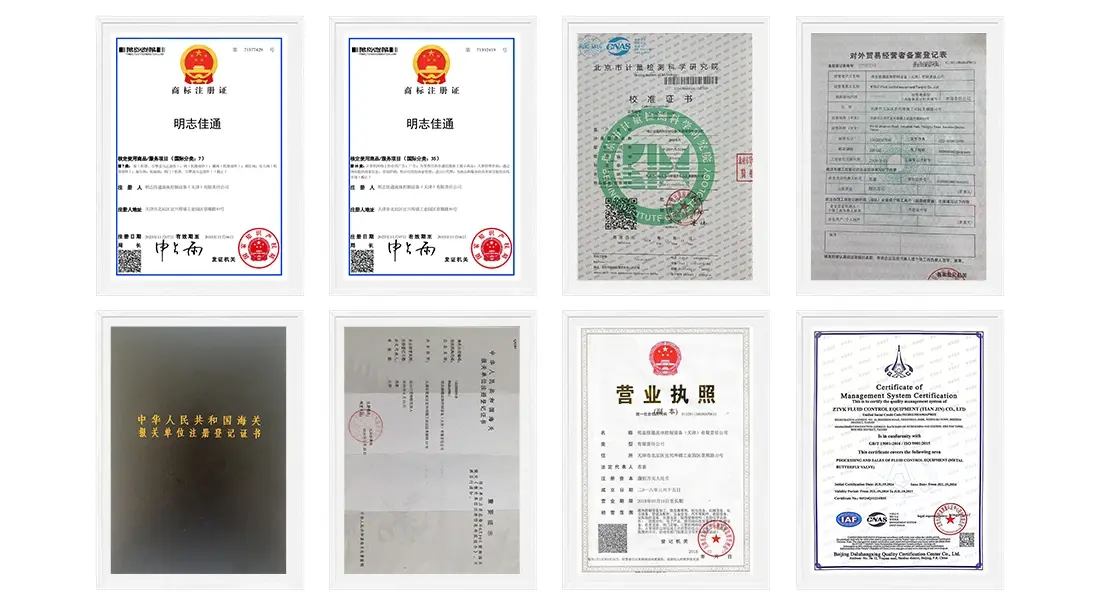
Quality stability is what sets trustworthy cast steel butterfly valve makers apart from commodity sellers. ZTVK keeps its ISO9001, ISO14001, and OHSAS18001 certifications, and it can fully trace the materials it uses and the processes it uses to make its products. Our valves meet the requirements of API 609, ASME B16.34, and DIN, which gives international purchasing teams peace of mind. When judging suppliers, make sure they offer:
- Material test papers that include a study of the chemicals used
- Every valve has a pressure test report (hydrostatic shell and seat testing)
- Records from dimensional inspections that confirm face-to-face lengths
- Certificates from a third party for tests for fire safety and harmful emissions
We've seen many examples of wholesalers getting cheap valves that weren't properly certified, only to have them turned down when the project was put into service or when they went through customs. These expensive delays can be avoided by working with approved producers like ZTVK.
Delivery Reliability and Inventory Support
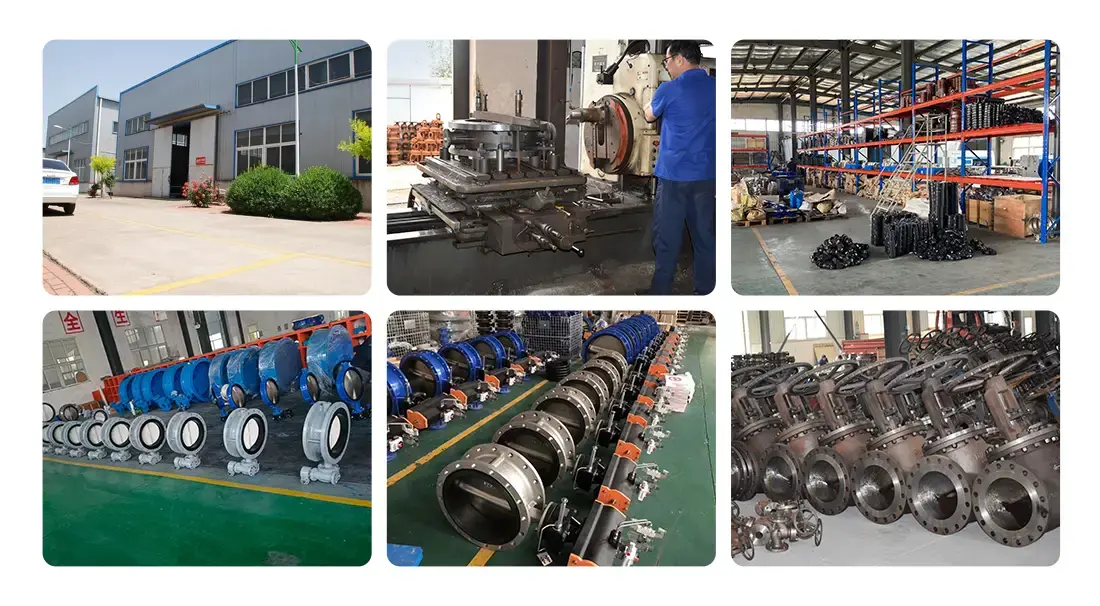
Problems in the supply chain can throw off project plans and make it hard to work with clients. Our Tianjin facility is only 50 km from Xingang Port, which makes it easy to process exports quickly through partnerships with COSCO and Maersk. We keep more than 2,000 standard butterfly valves (DN50–DN600) in stock and can deliver them 3–7 days after you confirm your order. Customizations that aren't standard, like OEM logos and special seat materials, ship between 15 and 25 days, based on how complicated they are. This wide range of inventory and flexible production options solves one of the biggest problems wholesalers face: how to balance the costs of keeping inventory with the risk of running out during times of high demand.
How to Choose Between Cast Iron and Carbon Steel Butterfly Valves: A Decision Support Framework?
Systematic decision-making lowers the risks of procurement and improves the performance of assets in a wide range of settings.
Define Critical Operating Parameters
First, write down the system requirements that limit the choice of materials. Write down the highest working pressure plus a safety cushion. For example, if the system design pressure is 1.2 MPa, you should choose valves that can handle at least 1.6 MPa. Not only normal operating ranges, but also temperature extremes and upset conditions should be written down. Find out what chemicals are in the process media, especially the pH levels, salt levels, and amount of suspended solids. These parameters immediately get rid of materials that aren't right. Cast iron can be used for water treatment systems that deal with potable water at 0.8MPa and 25°C, but stainless steel is needed for offshore desalination plants that deal with seawater at 1.4MPa.
Evaluate Performance Criteria
Align the material's abilities with the priorities for performance. When working, uptime is key to the success of a project, choose materials that will last longer and require less upkeep. Suppliers with a lot of stock and quick fulfillment are good for projects with tight delivery dates. Municipal projects with limited funds may try to save money at the start when operating conditions make cast iron the better choice. Make a weighted ranking matrix by giving factors like cost-effectiveness, durability, and how often upkeep needs to be done priority scores. This structured method keeps people from making decisions based on their feelings and creates evidence to back up buying decisions.
Consider Customization and Integration Requirements
When OEM companies put cast steel butterfly valve products into machinery, they need precise measurements and the ability to make changes as needed. We offer ODM services at ZTVK, which means that we can change the shape of the valve body, the types of connections (wafer, lug, and flanged), and the way it is activated to fit with existing equipment. During the quotation process, our engineering team sends you CAD drawings and 3D models so you can virtually check the fit before you agree to production. This feature is useful for equipment makers who have had problems with standard catalog valves not working with their products, which led to costly changes in the field and installation delays.
Conclusion
When picking between cast iron and carbon steel butterfly valves, you need to think about how much they cost over their whole life, how well they perform, and where they will be used. Cast iron valves work well in low-pressure, stable-temperature situations where saving money is important, like in city water systems and building HVAC systems. Butterfly valves made of carbon steel or stainless steel are stronger, more resistant to heat, and less likely to rust. These properties make them ideal for demanding chemical processing, offshore platforms, and power generation facilities. When making purchases, people shouldn't just look at the initial purchase price; they should also look at the total cost of ownership. Partnering with approved makers that offer a wide range of products, flexible customization options, and reliable delivery times lowers supply chain risks and ensures product quality and compliance with regulations.
FAQ
1. What pressure ratings do cast iron and carbon steel butterfly valves support?
Cast iron butterfly valves can usually handle pressures of up to PN1.6MPa, which is about 232 psi. They can be used in HVAC systems and for distributing water in cities. Higher ratings from the 150 lb to 300 lb class (PN 0.6 to 2.5 MPa) are supported by carbon steel and stainless steel versions. This means they can be used in industrial processes that need to handle high pressures. Always ask for valves with safety margins that are higher than the system's maximum design pressure.
2. Can I use cast iron butterfly valves above 200°C?
When heated above 200°C, cast iron becomes weak and can crack from thermal shock. Butterfly valves made of carbon steel or stainless steel stay structurally sound at temperatures close to 400°C. This means they are required for steam systems, thermal oil circuits, and high-temperature chemical processes where thermal cycling happens.
3. What maintenance intervals apply to different valve materials?
When cast iron valves are used in abrasive or thermal cycling situations, they need to be inspected every 6 to 12 months, and the seats may need to be replaced every year. Because they are more resistant to wear and temperature changes, stainless steel butterfly valves can go 18 to 24 months without needing to be inspected. How often maintenance is done depends on how hard the media is being used and how it behaves.
Partner with ZTVK: Your Trusted Cast Steel Butterfly Valve Manufacturer
Distributors of industrial valves and engineering contractors are under more and more pressure to provide reliable parts with short lead times and low prices. ZTVK has been making specialised butterfly valves in Tianjin's industrial center for more than 15 years, so they know how to deal with these problems. Our 304 stainless steel butterfly valves have quality control that is ISO9001-certified, an inventory depth that ranges from DN15 to DN1200mm, and pressure ratings that range from 150Lb to 300Lb. We can help with OEM branding, custom seat materials (EPDM, Teflon, and fluorine rubber), and fast fulfilment. In stock items, we can send in 3–7 days. Our closeness to Tianjin Xingang Port makes it easier to ship goods overseas, and we offer both FOB and CIF pricing options. Email our engineering team at ktec86961886@163.com to talk about the needs of your project, get detailed drawings, or set up an audit of your plant by a third party. We want people who buy in bulk and people who buy from us again to experience the efficient supply chain and customisable options that make ZTVK your best choice for a cast steel butterfly valve supplier.
References
1. American Petroleum Institute, "API Standard 609: Butterfly Valves – Double-Flanged, Lug- and Wafer-Type," Tenth Edition, 2018.
2. Smith, J.R. and Williams, T.K., "Material Selection for Industrial Valves: Performance Comparison of Cast Iron, Carbon Steel, and Stainless Steel in Process Applications," Journal of Materials Engineering and Performance, Vol. 28, No. 4, 2019.
3. Chen, L., "Corrosion Resistance and Service Life Analysis of Butterfly Valves in Marine and Offshore Applications," International Journal of Pressure Vessels and Piping, Vol. 186, 2020.
4. ASME International, "ASME B16.34: Valves – Flanged, Threaded, and Welding End," American Society of Mechanical Engineers, 2017.
5. Davis, M.A., "Total Cost of Ownership Analysis for Industrial Valves: A Decision Framework for Procurement Professionals," Process Plant Engineering Quarterly, Vol. 15, No. 2, 2021.
6. Zhang, W. and Kumar, R., "Thermal Cycling Effects on Cast Iron and Carbon Steel Valve Bodies: Experimental Analysis and Failure Prediction," Engineering Failure Analysis, Vol. 112, 2020.
Send us your valve requirements and our team will provide professional solutions and fast quotations.
RELATED INDUSTRY KNOWLEDGE