- English
- French
- German
- Portuguese
- Spanish
- Russian
- Japanese
- Korean
- Arabic
- Greek
- German
- Turkish
- Italian
- Danish
- Romanian
- Indonesian
- Czech
- Afrikaans
- Swedish
- Polish
- Basque
- Catalan
- Esperanto
- Hindi
- Lao
- Albanian
- Amharic
- Armenian
- Azerbaijani
- Belarusian
- Bengali
- Bosnian
- Bulgarian
- Cebuano
- Chichewa
- Corsican
- Croatian
- Dutch
- Estonian
- Filipino
- Finnish
- Frisian
- Galician
- Georgian
- Gujarati
- Haitian
- Hausa
- Hawaiian
- Hebrew
- Hmong
- Hungarian
- Icelandic
- Igbo
- Javanese
- Kannada
- Kazakh
- Khmer
- Kurdish
- Kyrgyz
- Latin
- Latvian
- Lithuanian
- Luxembou..
- Macedonian
- Malagasy
- Malay
- Malayalam
- Maltese
- Maori
- Marathi
- Mongolian
- Burmese
- Nepali
- Norwegian
- Pashto
- Persian
- Punjabi
- Serbian
- Sesotho
- Sinhala
- Slovak
- Slovenian
- Somali
- Samoan
- Scots Gaelic
- Shona
- Sindhi
- Sundanese
- Swahili
- Tajik
- Tamil
- Telugu
- Thai
- Ukrainian
- Urdu
- Uzbek
- Vietnamese
- Welsh
- Xhosa
- Yiddish
- Yoruba
- Zulu
How to choose the right bronze gate valve for my application?
Before you can choose the right bronze gate valve, you need to know how your system works, including the pressure range, temperature range, fluid type, and link standards. For uses that need a 4 bronze gate valve (usually with a nominal diameter of 4 inches), you need to make sure that it fits your pipeline size, that it meets industry standards like ANSI B16.24 or MSS SP-80, and that the bronze alloy composition (like C83600) is right for the medium, whether it's water, steam, oil, or chemicals. Make sure that the pressure class values (PN20, Class 125/150) are right for your system. Choose the right end connections (screwed BSPP, flanged, or soldered), and think about whether the stem should rise or not based on the fitting space and visibility needs. A smart buying choice that balances performance, durability, and cost-effectiveness includes checking the trustworthiness of the seller, the terms of the guarantee, and the delivery wait times.
Understanding Bronze Gate Valves – Basics and Key Specifications
Bronze gate valves are important parts of water supply, marine, HVAC, and industrial fluid systems because they keep fluids from mixing with other fluids. Their wedge-shaped disc moves perpendicular to the flow path, which lets them shut off the whole system with little pressure loss when they're fully open. Because of how they are made, they work best for on/off service rather than blocking.
Material Composition and Standards
Bronze gate valves are usually made from ASTM B62 C83600 metal, which is also known as "85-5-5-5" bronze. It is made up of 85% copper, 5% tin, 5% lead, and 5% zinc. In places like seawater, brine, and steam, where brass or cast iron would break down quickly, this mixture resists rust very well. To follow the rules for safe drinking water, NSF/ANSI 61-certified lead-free copper metals like C89833 are used instead of older types of materials.
ZTVK's bronze gate valves meet BS:1400 LG2 standards, which means they always have the same metallurgical qualities and mechanical power. For sizes 4 inches and smaller, the screwed BSPP connections provide solid thread engagement. For bigger diameters, ANSI B16.1-compliant flanged designs work best.
Pressure and Temperature Ratings
With a rating of PN20 (about 290 PSI at room temperature), these valves can safely handle uses with moderate pressure. The temperature range is -20°C to 180°C (-4°F to 356°F), which is warm enough for low-pressure steam lines, cold water systems, and hot water distribution. When choosing valves for water infrastructure or industrial process lines, it's important to know the difference between Class 125 bronze gate valves, which can handle 200 PSI of non-shock cold working pressure, and Class 150 types, which can handle up to 300 PSI.
The cast handwheel design lets you operate it by hand and transfers enough power. However, for bigger sizes like the 4 bronze gate valve, you may need longer handles or actuator mounts to make it easier to use when under pressure.
Comparing Bronze Gate Valves with Other Valve Types and Materials
Knowing the differences between materials and designs helps procurement pros avoid costly mistakes when valve specs don't match up with application needs.
Bronze vs. Brass Gate Valves
Bronze and brass are often mixed up, but they are not at all the same when it comes to rust protection. Brass has more zinc than copper (usually 60–70% copper and 30–40% zinc), which makes it easy for dezincification to happen, a type of selective weathering that leaves behind porous copper. Because bronze has more copper and tin than brass, it doesn't break down as easily and can last more than 20 years in harsh media, while brass only lasts 3 to 5 years in the same conditions.
Bronze vs. Stainless Steel
Stainless steel gate valves are stronger and can handle higher temperatures better, but they cost a lot more. Bronze works well enough for most water, HVAC, and mild chemical uses, and it costs 40–60% less to buy. Depending on the chemistry of the fluid, stainless steel is better for acidic or highly chlorinated fluids, while bronze is better for neutral water and steam systems because it has a better cost-to-performance ratio.
Gate Valves vs. Ball and Globe Valves
When they are fully open, gate valves let most of the flow through without stopping it. Ball valves can be turned a quarter of the way, but they cost more and might not shut off as tightly when they get bigger. Globe valves let you control the flow rate by slowing it, but they also drop the pressure and make the flow more difficult. Bronze gate valves are the best choice when you need free flow and a reliable shut-off that doesn't need to be operated often.
These comparisons make it clear why wholesalers who keep bronze gate valves in stock have a competitive edge in water treatment projects and naval retrofits where the lifetime of the material has a direct effect on the total cost of ownership.
Key Criteria for Selecting the Right Bronze Gate Valve
To choose the right bronze gate valve, you need to carefully look at the technical details that are relevant to your work setting.
Pressure and Temperature Matching
Make sure that the highest working pressure in your system stays within the valve's stated capacity. Our PN20-rated valves work with 145–290 PSI city water networks. For higher-pressure commercial uses, you may need PN25 or Class 150 valves. Cycling temperatures is also important. Bronze's good thermal conductivity helps steam condensate systems because it keeps valves from sticking together during heat expansion cycles, which can happen with valves made of different materials.
Sizing and Connection Standards
A 4 bronze gate valve works with systems that have a nominal pipe diameter of 4 inches (DN100), but make sure that the real pipe measurements match the valve port sizes. Screwed BSPP connections work well for sizes up to DN80, which is about 3 inches. For systems 4 inches and bigger, flanged ANSI 150 connections are better because they are easier to maintain and seal better when torqued.
Check to see if your project also needs to meet ISO, DIN, or JIS standards in addition to ANSI ones. ZTVK makes valves that are compatible with many international frameworks, which makes it easier for wholesalers serving a variety of regional markets to buy across borders.
Stem Configuration and Sealing Type
Rising stem (OS&Y) designs let you see where the valve is, which is very important for safety in big installations where workers need to check the state quickly. Non-rising stems save vertical space in confined pump rooms or underground vaults. Solid wedge disc designs are better at resisting pipe pressure than bendable wedges. This means that systems that expand or settle due to heat need less upkeep.
Supplier Evaluation
In addition to product specs, you can find out how reliable a seller is by looking at their ISO 9001 certification, testing skills, and customer service after the sale. When compared to plants in the middle of nowhere that have to travel long distances, those that are close to big ports like Tianjin have better operations. Shorter lead times and consolidated shipping lower total landed costs by 15–25%.
Installation, Maintenance, and Troubleshooting Best Practices
When valves are installed correctly, they last a lot longer, and regular upkeep keeps them from needing expensive repairs during critical project stages.
Installation Guidelines
Before installing, check the valve body for damage from shipping and clean the pipeline to get rid of any dirt that could hurt the seating surfaces. When possible, put bronze gate valves so that the stems are straight and facing upward. This way, sediment doesn't build up in the bonnet cavities, which can cause the seal to fail too soon in wastewater or slurry situations.
Use the right pipe sealant or PTFE tape on screwed joints and make sure the thread contact meets the manufacturer's requirements, which are usually between 4 and 6 full threads. Do not tighten too much, as this can break metal housings or bend threads. For setups with flanges, use seal materials that work with your medium and tighten the bolts in a star pattern to spread the stress out evenly.
Maintenance Protocols
Check the function of valves in important systems every three months. Make sure the handwheel turns smoothly and listen for noises that could mean the disc isn't lined up right. Every year, use graphite-based grease that is safe for your temperature range to grease the stem threads. In sea settings, clean the outside of things once a month with fresh water to keep salt from building up and speeding up localized corrosion.
Instead of waiting for big drips, replace the packing glands as soon as you notice small stem leaks. Doing so quickly saves minutes of work compared to hours of work for major repacking. Keep records of repair tasks to get basic performance information that can be used to guess when parts will need to be replaced during planned plant shutdowns.
Troubleshooting Common Issues
Leakage past the seat is usually caused by debris stuck on the sealing surfaces. To free the particles, open and close the valve several times under low pressure. Leaking that won't stop needs the valve to be taken off so that the seat can be lapped or a part can be replaced. If the handwheel is hard to turn, it could be because the packing is too tight or the stem is corroding. Loosen the packing gland a little and grease it up before pushing the operation, which could damage internal parts.
These useful steps lower downtime and protect the investment value that makes bronze gate valves appealing to sellers who want to keep customers by making sure their products work well.
Procurement Insights — How to Buy Bronze Gate Valves Smartly
Strategic buying practices set successful wholesalers apart from rivals who have trouble with unstable supply chains and tight margins.
Identifying Reliable Suppliers
Check out more than just price lists to see how much a maker can make and how they keep an eye on quality. Suppliers with ISO 9001, ISO 14001, and OHSAS 18001 certifications use structured process management to lower differences from batch to batch. This is important when completing big project orders that need hundreds of units to be made to the same specs.

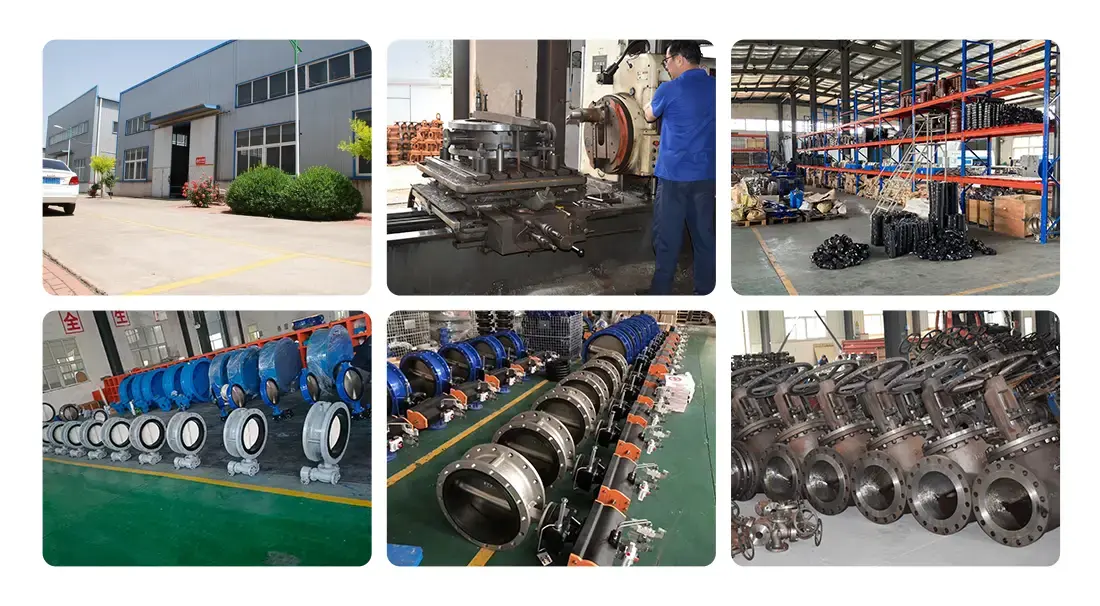
ZTVK is located in the Tianjin Beichen District, which is close to groups of companies that make specialized valves and has direct port access within 50 kilometers. Because of its location, this company can send normal DN50–DN600 items in 3–7 days, while custom orders take 15–25 days. This quickness helps distributors keep up with tight project schedules.
Bulk Purchasing and Pricing Dynamics
Valve prices are based on more than just the cost of raw materials. Unit prices are affected by the grade of the bronze alloy, the pressure class, the type of link, and the testing certificates. Due to less complicated manufacturing, a normal 4 bronze gate valve with screwed ends costs 30–40% less than a similar flanged type. However, lead-free bronze increases material costs by 15–20%.
Instead of focusing on individual order numbers, talk about volume savings that are based on your yearly buying plans. When manufacturers set flexible minimums (often 10 to 50 units for common sizes), wholesalers can balance the costs of keeping inventory with their customers' promises of availability.
OEM and Customization Options
OEM services that offer personalized nameplates, packaging, and paperwork in local languages are helpful for distributors who are trying to build brand recognition in their area. ZTVK can work with both OEM (your name on our standard designs) and ODM (redesigned parts to your specs) agreements. For overseas clients, dedicated production lines make sure they get first-class scheduling.
During the quote process, ask for CAD sketches and 3D models. These digital assets will help you make sales and cut down on technical confusion that slows down production. Check to see if the price includes test results for hydrostatic pressure, shell leakage, and seat leakage, as well as material certificates. If this isn't stated at the start, it will cost time and money to add this information later.
Logistics and Delivery Considerations
Fully understand Incoterms—FOB Tianjin Xingang price means that you are responsible for setting up ocean freight and insurance, which gives you more control but requires you to be good at operations. The CIF target port price includes shipping and insurance, which makes planning easier but might limit the carriers you can choose from.
ZTVK uses wooden crates that are ISPM 15-compliant and are packed with moisture-proof film and attached brackets. This keeps goods from getting damaged and avoids delays at the final port because the wood treatments used are not compliant. We have long-term relationships with COSCO Shipping and Maersk, which means that you can count on reliable shipping times and competitive rates.
Conclusion
To choose the correct bronze gate valve, you need to meet technical specifications and evaluate suppliers strategically. If you know the pressure rates, temperature limits, material make-up, and connection standards, you can be sure that the product will work with your specific application, whether it's for marine installations, HVAC systems, or city water distribution. The 4 bronze gate valve is an important size for large-scale industrial projects that need full-bore flow and solid isolation. This is why corrosion-resistant bronze metals are needed. When you compare bronze to brass and stainless steel, you can see the clear cost-performance trade-offs. Also, if you install and maintain it correctly, it will last as long as possible. Smart procurement uses suppliers' closeness to ports, OEM customization options, and quality certifications to get the best prices without losing reliability. This is important for wholesalers who want to build long-term relationships with customers by making sure products always work well.
FAQ
Q1: What distinguishes a 4 bronze gate valve from smaller residential models?
With its thicker walls, strengthened bonnet shapes, and higher-grade bronze alloys (usually ASTM B62 C83600), the 4 bronze gate valve is built to last in industrial settings. These improvements make it possible for PN20 pressure ratings and DN100 (4-inch) flow capacity, which can handle amounts that are too big for domestic ½-inch or ¾-inch valves that are made for potable water service at lower pressures.
Q2: Can bronze gate valves handle corrosive chemicals?
Bronze works well with neutral-pH water, steam, and hydrocarbons, but it doesn't stand up well to strong acids or bases. If the media has a lot of sulfuric acid, hydrochloric acid, or chlorine, you may need to use stainless steel instead. Always look at material suitability charts that are made for the chemistry of your fluid and the temperature at which it will be used.
Q3: How do I determine the correct pressure rating?
Find the highest working pressure in your system, taking into account any surge pressure that may happen when the pump starts up or a valve closes. Choose a valve with a rating at least 20 to 30 percent higher than this estimated maximum. This will give you extra safety. PN20-rated valves can handle up to 230 PSI of working pressure at room temperature. When temperatures get close to 180°C, the valves need to be downrated.
Q4: Why choose screwed BSPP over flanged connections?
Screwed BSPP joints are cheaper and take less time to install for smaller pipe sizes that don't need to be taken apart very often. Larger sizes, like the 4 bronze gate valve, are easier to maintain because they have flanged connections that make bolt-out removal possible without cutting lines. This is useful in systems that need to be inspected or parts replaced regularly during planned maintenance windows.
Partner with ZTVK for Reliable Bronze Gate Valve Supply
ZTVK is ready to help you with your bronze gate valve needs. They have been making them for over 15 years and are based in Tianjin's industrial center. Our 4 bronze gate valves are made to BS:1400 LG2 standards and have PN20 grades and screwed BSPP fittings. Standard orders are shipped within 3–7 days. As a qualified maker of bronze gate valves with ISO 9001, ISO 14001, and OHSAS 18001 certifications, we promise consistent quality backed by full hydrostatic testing and material certifications.
Our engineering team can help you with technical drawings, installation instructions, and 18-month guarantees that are longer than the norm in the industry, whether you need OEM branding for local sales or custom stem materials for specific uses. We are only 50 kilometers from Tianjin Port and have long-term ties with both COSCO and Maersk. We offer FOB Tianjin Xingang or CIF destination port price that helps you get the best total landed costs.
You can talk to our sales team about your project details, get quotes, or set up a plant check by emailing ktec86961886@163.com. Find out how ZTVK's reasonable prices, fast delivery, and expert support can help you turn your procurement problems into competitive benefits.
References
1. American Water Works Association (AWWA). Manual M11: Steel Pipe—A Guide for Design and Installation. Denver: AWWA, 2017.
2. Lyons, Jerry L., and William C. Askland. Piping Handbook. 8th ed. New York: McGraw-Hill Education, 2019.
3. Parisher, Roy A., and Robert A. Rhea. Pipe Drafting and Design. 3rd ed. Burlington: Gulf Professional Publishing, 2012.
4. Skousen, Philip L. Valve Handbook. 3rd ed. New York: McGraw-Hill Education, 2011.
5. Smith, Peter, and R. W. Zappe. Valve Selection Handbook: Engineering Fundamentals for Selecting the Right Valve Design for Every Industrial Flow Application. 5th ed. Oxford: Gulf Professional Publishing, 2004.
6. Stewartson, Richard. Bronze and Brass Valves in Marine and Industrial Applications: Material Properties and Performance Analysis. London: Technical Press Ltd., 2015.
Send us your valve requirements and our team will provide professional solutions and fast quotations.
RELATED INDUSTRY KNOWLEDGE