- English
- French
- German
- Portuguese
- Spanish
- Russian
- Japanese
- Korean
- Arabic
- Greek
- German
- Turkish
- Italian
- Danish
- Romanian
- Indonesian
- Czech
- Afrikaans
- Swedish
- Polish
- Basque
- Catalan
- Esperanto
- Hindi
- Lao
- Albanian
- Amharic
- Armenian
- Azerbaijani
- Belarusian
- Bengali
- Bosnian
- Bulgarian
- Cebuano
- Chichewa
- Corsican
- Croatian
- Dutch
- Estonian
- Filipino
- Finnish
- Frisian
- Galician
- Georgian
- Gujarati
- Haitian
- Hausa
- Hawaiian
- Hebrew
- Hmong
- Hungarian
- Icelandic
- Igbo
- Javanese
- Kannada
- Kazakh
- Khmer
- Kurdish
- Kyrgyz
- Latin
- Latvian
- Lithuanian
- Luxembou..
- Macedonian
- Malagasy
- Malay
- Malayalam
- Maltese
- Maori
- Marathi
- Mongolian
- Burmese
- Nepali
- Norwegian
- Pashto
- Persian
- Punjabi
- Serbian
- Sesotho
- Sinhala
- Slovak
- Slovenian
- Somali
- Samoan
- Scots Gaelic
- Shona
- Sindhi
- Sundanese
- Swahili
- Tajik
- Tamil
- Telugu
- Thai
- Ukrainian
- Urdu
- Uzbek
- Vietnamese
- Welsh
- Xhosa
- Yiddish
- Yoruba
- Zulu
Why electric operated butterfly valves dominate fire protection systems?
Due to their unrivalled speed, automation, and dependability during situations, Electric Operated Butterfly Valves have replaced mechanical ones as the standard in fire safety systems. Electrically actuated designs react right away to fire warning signals, unlike manual valves that need human action, which can be slow in an emergency, or pneumatic models that need infrastructure for compressors. They work well with Building Management Systems and SCADA networks, which let you keep an eye on things from afar and make sure you're in the right place at all times. This can be the difference between disaster and control. These valves meet strict fire safety standards and lower long-term upkeep costs because they are approved by FM and comply with international standards like NFPA 20. Because they are small and have a quarter-turn operation, they can be quickly set up in city water systems, high-rise sprinkler networks, and industrial suppression lines. This makes them essential in situations where time is of the essence.


Understanding Electric-Operated Butterfly Valves in Fire Protection Systems
Core Structure and Operating Principle
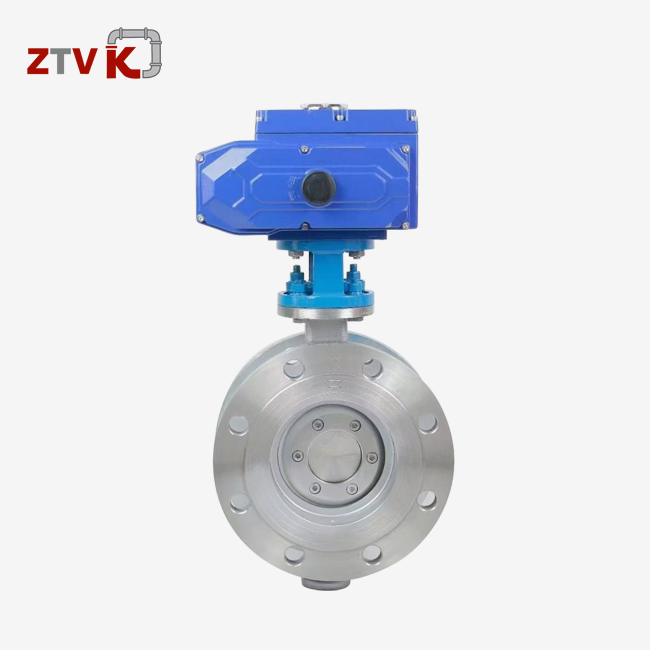
In order to work, an Electric Operated Butterfly Valve needs a valve body made of ductile iron DI/QT450, a moving disc made of DI, CF8, CF8M, or aluminium bronze, a resilient seat made of EPDM, NBR, PTFE, or Viton, and an electric actuator fixed according to ISO 5211 standards. The actuator takes electrical energy (usually 110V AC or 220V AC) and turns it into spinning force. This turns the disc 90 degrees, going from fully closed to fully open. This quarter-turn device makes sure that there is little pressure drop and quick operation, which are very important when fire control systems go off. When compared to flanged gate valves, the wafer-type connection method takes up less space and weight during installation, making it easier to add to existing pipes.
Integration with Fire Safety Infrastructure
For modern fire defence, responses must be automatic. Powerful electric motors with separate ON/OFF signals or 4-20mA analogue control can get instructions straight from fire alarm panels or main control rooms. Limit switches and position feedback monitors show the state of the valves right away, so you don't have to guess in an emergency. A lot of units have fail-safe battery backup systems that keep the water supply going even when the power goes out by driving the valve to a certain open state. Water getting into the actuators during overflow testing or accidental flooding is kept out by IP67-rated shelters. This is a common problem in fire pump rooms and wet pipe systems.
Material Selection for Fire Environment Durability
In fire situations, valves are put under heat stress, and toxic rescue chemicals are used. EPDM chairs can handle water-glycol mixes in antifreeze sprinkler systems, and Viton seals can handle chemical foam concentrates used to put out industrial fires. Valve bodies that are covered with epoxy stop oxidation in humid pump rooms, which means they last longer than 50,000 rounds. The fact that stainless steel CF8M discs are available makes them useful for setups in coastal factories where saltwater corrosion speeds up the breakdown of materials. When paired with pressure values of PN10 or PN16 (equal to ANSI 150 LB), these combinations of materials meet the needs of international fire rules and insurance companies.
Why Electric-Operated Butterfly Valves Outperform Traditional Valves in Fire Protection
Automation Eliminates Human Delay
People have to physically turn handles on manual butterfly valves, which can be dangerous in smoke-filled situations or in facilities that are far away. Studies show that operating a valve by hand usually takes between 30 and 90 seconds, based on its size and ease of access. However, using an electric actuator to do the same job takes less than 10 seconds. Pneumatic alternatives need compressed air systems that can get dirty or lose pressure, which adds failure spots that aren't okay in life-safety situations. Electric activation gets rid of these weaknesses with direct motor-driven control. This has been shown to work in thousands of high-rise sprinkler systems across North America.
Fail-Safe Modes Guarantee System Reliability
Electric actuators have fail positions that can be programmed, such as fail-open, fail-close, or fail-in-place, so they can be used with different fire tactics. Sprinkler riser valves are set to fail-open by default, which keeps the water flowing even if the power goes out. On the other hand, isolation valves in storage areas for dangerous materials may fail to close properly to stop chemical spills. Dual power sources (mains power plus battery or capacitor backup) make sure that the device can still work when the power goes out, which is something that has been thoroughly tested for UL 1091 and FM 1130 approvals. Pneumatic valves can't be set up in this way, so they usually need different fail-safe units that make them more complicated and cost more.
Compliance with Fire Safety Standards
NFPA 20 requires that the fire pump discharge control parts be mentioned and approved. Third-party testing shows that normal Electric Operated Butterfly Valves meet these requirements. The FM Global and UL certification processes check the actuator torque margins, the stability of the seals at the highest flow rates, and the resistance to corrosion in fire simulations. The API 598 hydrostatic test is done on our ductile iron butterfly valves at 1.5 times their design pressure, and the ISO 5208 Rate A standards are used to record the seat leakage rates. Even though manual gate valves are strong, they don't have the remote proof features that insurers are increasingly looking for in risk assessment. This puts electric actuators ahead in talks about regulatory compliance.

Comparing Electric-Operated Butterfly Valves With Other Valve Types
Performance Against Manual and Pneumatic Butterfly Valves
While manual butterfly valves are simple, they lack reaction time and remote control, which are two important features for automatic fire networks. While pneumatic actuators are faster to use than manual ones, they require regular upkeep of the air pump and are more likely to break when the structure is damaged. Electric types don't have these problems because they have self-contained motor drives that only need an electricity source, which most modern buildings already have. Comparing energy use shows that electric units using 50–150 watts while operating are better than pneumatic compressor loads, topping 2 kW all the time. This means that over the 20-year span of a valve, operating costs will be lower.
Ball Valves and Solenoid Valves: Trade-offs in Fire Applications
Ball valves have great shutoff, but they have higher pressure drops and slower quarter-turn speeds because they need more power, especially when the width is big. But solenoid valves only work with small bores (usually less than DN50), so they can't be used for main fire mains or pilot lines. A DN200 Electric-Operated Butterfly Valve can handle 800 GPM flow with only 3 PSI loss. A similar ball valve, on the other hand, might need twice as much actuator power and space. Because of this, butterfly designs are better for fire pump output, riser isolation, and cross-main sectioning where both room and hydraulic performance are important.
Actuator Types: Modulating vs. On/Off in Fire Systems
Most of the time, on/off electric actuators with two-position control and spring-return or motor-driven fail modes are enough for fire prevention isolation and sectioning jobs. Modulating motors that respond to 4-20mA signals allow throttling in flood systems so that pipes don't get damaged by water hammer. Ex d IIC T4 approved explosion-proof actuators protect sites in chemical plants or factories with flammable atmospheres, which is something that pneumatic systems can't do as cheaply. Choosing the right actuator class relies on how complicated the system is. For example, simple sprinkler steps only need basic on/off units, but modulating precision is useful for industrial foam control.
Critical Procurement Considerations for Electrically Operated Butterfly Valves in Fire Systems
Evaluating Supplier Certifications and Standards Compliance
Along with product-specific FM, UL, or CE marks, procurement managers should check for ISO 9001 quality management approval. Reputable companies like ZTVK keep safety and environmental certifications like ISO 14001 and OHSAS 18001, which show that they closely watch over the production process. Ask for mill test records (MTRs) that prove the composition of the valve body material and the seat durometer hardness. This is important paperwork for insurance checks. Face-to-face measurements in API 609 make sure that new pipes can be dropped in and connected without having to make expensive changes in the field. Global supply chains are full of fake valves that can't be tracked. Before signing contracts, make sure that the plant is audited by a third party and that all documents are genuine.
Customization Options for Specialized Fire Environments
In high-temperature fire pump rooms, PTFE seats that can withstand 200°C may be needed. On the other hand, nickel-aluminum bronze discs that don't rust in seawater are needed for naval fire systems. ZTVK provides OEM branding and packaging, which is useful for wholesalers who serve area markets with their own labels. Explosion-proof actuators approved to ATEX Zone 1 standards put out petroleum fires, but niche pneumatic providers usually turn them down because the testing costs are so high. Custom stem extensions can fit protected pipes in cold storage areas, which keeps the actuators from breaking down because of freezing. Talk about wait times right away. Standard DN50–DN600 sizes ship within 3–7 days from Tianjin stock, but non-standard versions need 15–25 days to be made.
Total Cost of Ownership: Pricing and Delivery Logistics
Valve price combines the initial cost with the costs that come up over time, such as repairs, downtime, and how often the valve needs to be replaced. When compared to gate valves, which need to have their packing glands adjusted frequently, Electric Operated Butterfly Valves have a lifespan of 50,000 cycles or more with little wear. Because ZTVK is close to Tianjin Port, it can offer FOB Xingang or CIF target port terms. Packaging in ISPM 15-compliant wooden crates keeps customs delays to a minimum. People who buy in bulk get savings on container loads, and if you need delivery quickly, you can pay an extra 20% and get it in 7 to 10 days. Think about the guarantee terms. Our 18-month coverage against manufacturing flaws includes free replacement, while foreign options may have shipping costs that are too high to be worth it.
After-Sales Support and Technical Partnership
During the bidding part, reliable providers offer CAD drawings, 3D models, and installation tutorial videos. This speeds up the approval process for engineers. After delivery, having access to local expert service partners for on-site problem-solving keeps the project on schedule. The QR codes on ZTVK's product labels connect to digital test results and maintenance plans. This makes it easier to show compliance for AHJ checks. Contractor teams can do regular checks without help from the factory thanks to training programs that teach them how to calibrate actuators and set limit switches. This is different from foreign suppliers who only offer email help and little documentation, which increases the risk when important fire systems fail during commissioning.
Maintenance and Troubleshooting Best Practices for Electric Butterfly Valves in Fire Protection
Routine Inspection Protocols
Every three months, NFPA 25 says that fire protection control valves should be looked at visually to see if they are corroded, the actuator case is intact, and the position sign is working correctly. Full-stroke tests should be done once a year, cycling the valve through full open-close cycles while recording actuator power and elapsed time and comparing them to data from the initial setup. Every two years, megohm testing is done to check for moisture getting into motor windings before they break. Every five years, take the seat surfaces apart and look at them. If the EPDM seals start to harden or crack, replace them. These plans are in line with what insurance companies need and keep emergency failures from putting whole fire suppression zones at risk.
Common Fault Diagnostics and Solutions
Actuators that don't work usually have blown fuses, heat overloads, or loose terminal connections. These problems can be fixed by checking the electrical contact and making sure the terminal screws are tight enough. Valve disc binding under load could mean that debris has built up or the seat isn't lined up correctly. This can be fixed by cleaning the pipes and tightening the body bolts back up to the recommended level. Miscalibrating the limit switch leads to a false position input, which can be fixed by adjusting the screws as described in the actuator instructions. If you see corrosion on the stem threads, it means that the closing isn't working right, so you need to change the stem and use better gland packing materials. Keeping extra actuator modules and seal kits on hand cuts down on downtime, and ZTVK can quickly ship parts from its stores in Tianjin.
Leveraging Automated Monitoring for Predictive Maintenance
Condition-based repair can be done by connecting Electric Operated Butterfly Valves to SCADA or IoT systems. Actuator current draw trends show how worn out the bearings are, and cycle counters tell you when to change the seals before they leak. Remote diagnostics find problems with the connection without sending out experts, which lowers the cost of service. During off-hours, automated alert systems let site managers know about valve settings that don't seem normal. This keeps water damage from happening when valves are accidentally closed. Because of these features, Electric Operated Butterfly Valves are important parts of smart fire protection systems, and case studies from local water utilities in the U.S. and Europe show that they improve downtime.
Conclusion
Due to their superior automation, fail-safe stability, and compliance with industry standards, Electric Operated Butterfly Valves rule fire prevention systems. Manual and pneumatic options cannot compare. Their quick reaction time removes the risk of human error, and their fail modes can be changed to fit modern control systems. This makes sure that operations don't stop when the power goes out or there is an emergency. Butterfly shapes are better at managing flow than ball valves and solenoid designs, and they can be used on fire mains ranging from DN40 to DN1200. When making purchases, people should look for certified providers like ZTVK that offer clear paperwork, strong customisation, and quick after-sales support. Proactive maintenance procedures and predictive tracking make service life last longer than 50,000 cycles, giving distributors, contractors, and end users who are committed to life safety excellence long-term value that supports the initial investment.
FAQ
1. What advantages do electric actuators offer over pneumatic systems in fire protection?
Electric motors get rid of the equipment needed for compressed air, which lowers the cost of installation and gets rid of places where compressors can break down. They provide exact fail-safe placement with a battery backup, while pneumatic valves stop working when the air supply is cut off. Electrical systems connect directly to fire alarm screens using separate signals, which lets them respond more quickly than pneumatic solenoids. Energy use stays low—50–150 watts during operation compared to constant compressor loads, which lowers costs over many years.
2. How do I size an electric actuator correctly for fire pump discharge applications?
Figure out how much valve torque is needed at the highest differential pressure. Usually, manufacturer torque charts can be used for this. To account for changes in fluid viscosity and seat friction, add a safety factor of 1.3 to 1.5 times the estimated force. Make sure that the actuator's total torque is greater than this number by a reasonable amount. NFPA 20 often calls for On/Off motors with fail-open spring-return modes that are rated for duty cycles that match the frequency of the pump start. Talk to providers like ZTVK to make sure that the pairing of actuator and valve meets the hydraulic needs of the project.
3. Can electric-operated butterfly valves handle outdoor installations in cold climates?
Yes, as long as the motors have IP67 protection against water and humidity and heaters that keep the mist from freezing. Epoxy coats on valve bodies should be immune to UV damage and temperature cycles. EPDM seats are flexible down to -30°C, and heated pipe jackets can fit on special stem extensions. In the Arctic, systems may need heated shelters that are safe from explosions or indoor actuator mounting with long stems that go through outer walls. To make sure you get the right materials, you should always include temperature ranges for the area when you're buying them.
Partner with ZTVK for Reliable Electric-Operated Butterfly Valve Solutions
ZTVK is a reliable company that makes Electric Operated Butterfly Valves. They have over 15 years of experience in specialised research and development, are ISO 9001, 14001, and 18001 certified, and are close to Tianjin Port for easy shipping around the world. Fire safety workers need our ductile iron valve bodies, durable EPDM/PTFE seats, and ISO 5211-compliant actuators to meet NFPA and FM standards. We keep over 2,000 units of DN50–DN600 in stock so that we can send them in three to seven days. We also offer OEM/ODM customisation to meet the needs of demanding settings that need to be explosion-proof and corrosion-resistant. You can email our technical team at ktec86961886@163.com to talk about project needs, ask for CAD models, or set up workplace checks. Our 18-month warranty and local service partnerships lower your risk, and our low prices from making the valves ourselves improve your place in the market as a supplier of Electric Operated Butterfly Valves.
References
1. National Fire Protection Association. (2023). NFPA 20: Standard for the Installation of Stationary Pumps for Fire Protection. Quincy, MA: NFPA Publications.
2. Factory Mutual Research Corporation. (2022). FM Approval Standard 1130: Electrically Operated Valves for Fire Protection Service. West Glocester, RI: FM Global.
3. American Water Works Association. (2021). AWWA Manual M51: Air-Release, Air/Vacuum, and Combination Air Valves. Denver, CO: AWWA Press.
4. International Organization for Standardization. (2020). ISO 5208: Industrial Valves – Pressure Testing of Metallic Valves. Geneva, Switzerland: ISO Central Secretariat.
5. American Petroleum Institute. (2019). API 609: Butterfly Valves: Double-Flanged, Lug- and Wafer-Type. Washington, DC: API Publishing Services.
6. Underwriters Laboratories. (2018). UL 1091: Standard for Butterfly Valves for Fire Protection Service. Northbrook, IL: UL Standards Publications.
Send us your valve requirements and our team will provide professional solutions and fast quotations.
RELATED INDUSTRY KNOWLEDGE