- English
- French
- German
- Portuguese
- Spanish
- Russian
- Japanese
- Korean
- Arabic
- Greek
- German
- Turkish
- Italian
- Danish
- Romanian
- Indonesian
- Czech
- Afrikaans
- Swedish
- Polish
- Basque
- Catalan
- Esperanto
- Hindi
- Lao
- Albanian
- Amharic
- Armenian
- Azerbaijani
- Belarusian
- Bengali
- Bosnian
- Bulgarian
- Cebuano
- Chichewa
- Corsican
- Croatian
- Dutch
- Estonian
- Filipino
- Finnish
- Frisian
- Galician
- Georgian
- Gujarati
- Haitian
- Hausa
- Hawaiian
- Hebrew
- Hmong
- Hungarian
- Icelandic
- Igbo
- Javanese
- Kannada
- Kazakh
- Khmer
- Kurdish
- Kyrgyz
- Latin
- Latvian
- Lithuanian
- Luxembou..
- Macedonian
- Malagasy
- Malay
- Malayalam
- Maltese
- Maori
- Marathi
- Mongolian
- Burmese
- Nepali
- Norwegian
- Pashto
- Persian
- Punjabi
- Serbian
- Sesotho
- Sinhala
- Slovak
- Slovenian
- Somali
- Samoan
- Scots Gaelic
- Shona
- Sindhi
- Sundanese
- Swahili
- Tajik
- Tamil
- Telugu
- Thai
- Ukrainian
- Urdu
- Uzbek
- Vietnamese
- Welsh
- Xhosa
- Yiddish
- Yoruba
- Zulu
What preparations are required before installing an electric butterfly valve?
An electric operated butterfly valve installation requires careful planning to ensure seamless integration, maximum performance, and long-term trustworthiness. Before the installation, it's important to make sure that the system works at the installation site, that all the tools and safety rules are in place, and that the mechanical and electrical parts are in good shape. You could get a leak, a broken actuator, or even pay a lot for downtime if you skip or rush through these steps. We'll walk you through every important planning step that will help your team finish the job well and get the most out of your valve systems for years to come.
Understanding Electric Butterfly Valves and Their Installation Requirements
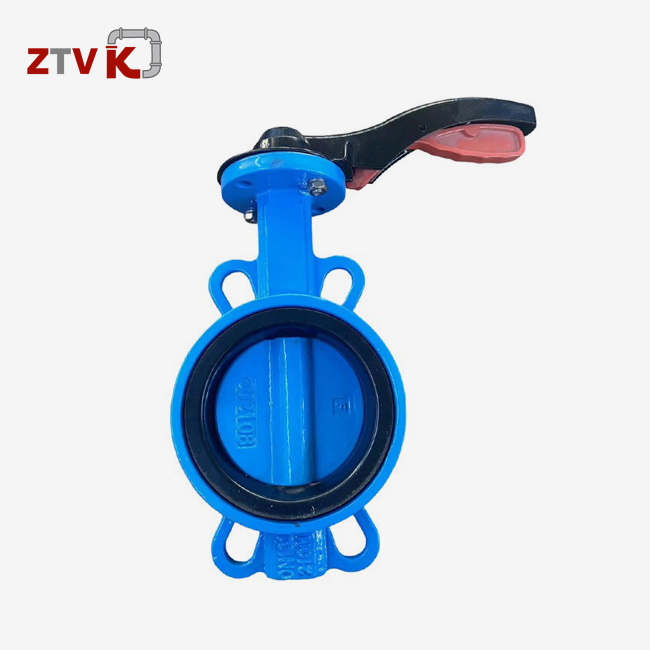
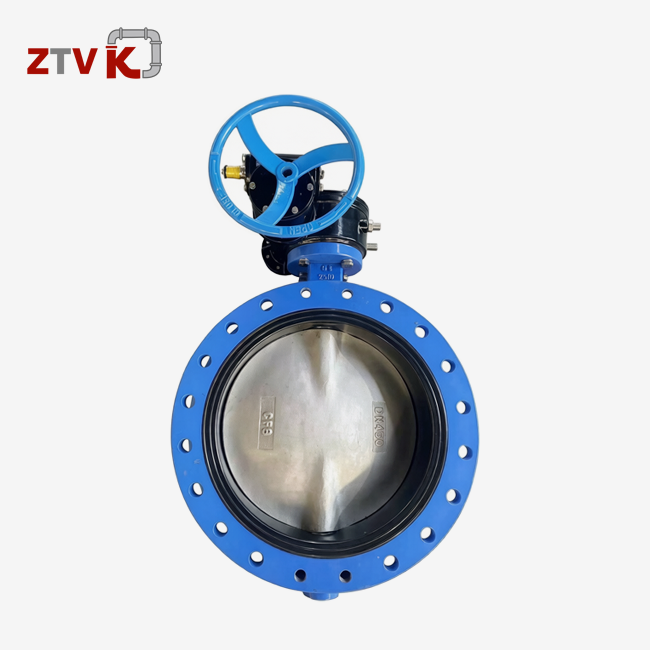
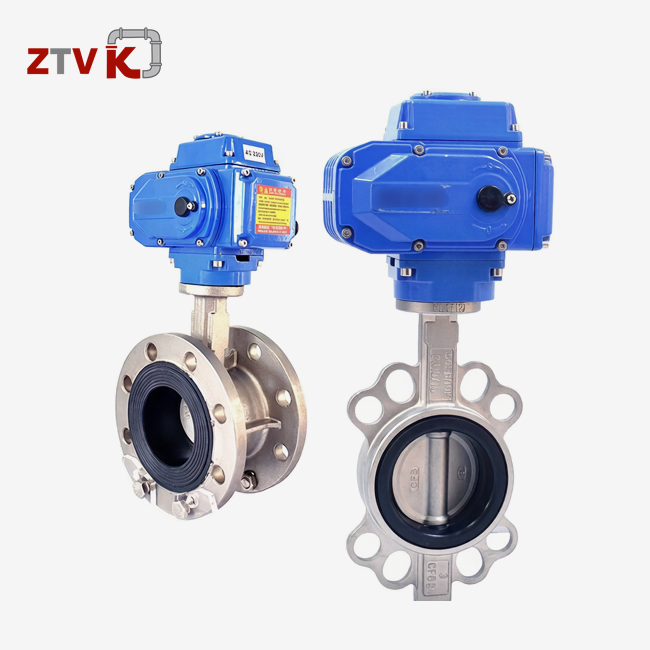
When it comes to controlling the flow of fluid in industrial pipes, electric-operated butterfly valves are the best of both mechanical and electrical automation. An electric actuator in an electric-operated butterfly valve changes electricity (usually 24V DC, 110V AC, or 220V AC) into spinning power. The other kind is a butterfly valve that you turn by hand using a handle or wheel. This force flips the valve disc 90 degrees inside the flow path. This lets you fine-tune whether the valve is modulating, on, or off.
How Electric Butterfly Valves Differ from Manual and Pneumatic Models
Manual butterfly valves are tough to use, so don't put them on large pipes or in out-of-the-way places. Pneumatic types are more involved and harder to keep up because they need a source of compressed air. You can control electric motors from a distance; they work with Building Management Systems (BMS), and they let you change the flow exactly through 4-20mA control signals. So, they work great in places that need to be accurate and automatic, like water systems for cities, chemical processing plants, and HVAC networks.
Why Proper Preparation Matters
If you don't plan well, things like misalignment, seal failure, and actuator overload can happen. Leaking not only wastes resources, but it can also be dangerous in oil fields. If you set the force or voltage wrong, it can damage the actuator and stop working. It also costs a lot to fix. You can lower these risks by planning ahead of time before installing the valve. This will also make sure that it works reliably for its expected 50,000 run life.
Essential Pre-Installation Checks and Planning
It is important to do a full study of the site's conditions, system compatibility, and external factors before any work is done. You will not make mistakes that cost a lot of money if you do this step. It also makes sure that the electric operated butterfly valve works well with the rest of your system.
Site Condition and Environmental Assessment
You can choose the right grade and material for the actuator housing if you know how it will be installed. Valve life is affected by weather, humidity, and coming into contact with things that are bad for it. For outdoor use near the coast, you need devices with marine-grade C5-M anticorrosion coatings and IP67 or IP68 grades for safety against water entry. IP65 or NEMA 4X grades may be enough for setups inside, like HVAC or cold water systems. EPDM is not as good for soft seat materials like PTFE or Viton when they need to be used in hot places like steam lines.
System Compatibility Verification
Checks need to be made on both the mechanical and electrical connections. To make sure the valve fits in the system you already have, check that its face-to-face measurements meet the requirements of EN 558 or API 609. Make sure the sizes don't clash by looking at the flange connection standards, such as ISO5211, PN10/PN16, 125LB/150LB, JIS5K/JIS10K, or JIS16K. Make sure that the control system you want to use can connect to the thing you want to use. The jobs that need modulating need smart positioners and signs that are either 4-20mA or 0-10V. Relay control is all you need for easy jobs like turning things on and off.
Torque Rating and Actuator Sizing
A motor that is too small stops working when it is full, while a motor that is too big wastes energy and costs more. To find the valve's Maximum Allowable Stem Torque (MAST), you need to know the largest differential pressure, how thick the fluid is, and how much friction there is on the seat. As you start, use a safety factor of 1.3x to 1.5x to account for breakaway torque during startup. Because of this formula, the actuator will always be able to move the valve, even if it gets too hot or breaks down physically.
If the planning and buying teams plan well now, they can make sure that the specs of the tools fit the needs of the business. This speeds up the construction process and makes sure the system will work well for a long time.
Tools, Materials, and Safety Preparations
For a good repair, you need the right materials, tools, and a strong safety frame. You could hurt or damage something while putting it together if you forget a tool or skip a safety step.
Essential Tools and Equipment
You need a torque wrench that is set to the valve's bolt tightening specs so that the seal is compressed evenly and the valve closes without leaking. You will need shielded screwdrivers and wire cutters to make electrical connections. A voltmeter checks the power and link before the actuator is turned on. For moving bigger valves, like those between DN400 and DN1200, which can weigh several hundred kilos, you need to use pulling tools like chain hoists or carts. That way, the valve body is less stressed, and there is less chance of a leak. Flange adjustment tools make sure that the bolt holes are not out of line.
Recommended Accessories for Enhanced Performance
With a limit switch, you can see and control things from afar because you know where a valve is at all times. It is possible to exactly put discs at right angles with smart positioners, which is needed to change the flow rate for chemical dosing or aerating wastewater. Manual bypass handwheels let you operate the system in an emergency if the power goes out. This is an important part of fire safety systems or an important process separation.
Safety Protocols and Standards Compliance
Lock-out/tag-out (LOTO) procedures make sure that machinery doesn't turn on by accident while it's being set up. For all electrical work, you have to follow the National Electrical Code (NEC) and any state rules. If you need to lift big things, make sure you use the right techniques and safety gear, like steel-toed boots, gloves, and safety glasses. To keep the power safe, make sure that all of the electronics meet UL or CE guidelines. If you need to use the actuator in a dangerous area, make sure it is approved for use in ATEX or IECEx settings.
Safety and planning come first because they lower the risk, protect workers, and keep your investment safe during the installation process.
Step-by-Step Pre-Installation Procedures
A planned method for getting ready makes sure that the installation goes smoothly and quickly, and that the valves last for a long time. You might mess up these steps if you move too quickly. This will make the system go more slowly.
Component Inspection Upon Delivery
As soon as you get the parts for an electric operated butterfly valve, make sure none of them are broken from shipping. The valve body, disc, and actuator box should all be checked for dents, cracks, and rust. Check to see if all of the electrical plugs, screws, and seals are there and not broken. To make sure it works well and doesn't get stuck, turn the actuator by hand or use the master switch. Check the paperwork from the manufacturer to make sure that the type of material, size, pressure grade, seat material, and voltage mentioned match what you bought.
Pipeline Preparation and Cleaning
Small pieces of pipe, weld spray, or scale can damage the valve disc or seat, which can cause it to wear out quickly or leak. Flush the pipe well with clean water or the right fluid before putting the valve in place. Remove any burrs or rust from the flange faces with a wire brush or other tool. Make sure the faces are flat. Change the seals so that they work with the process medium. EPDM is good for water, Viton is good for oils, and PTFE is good for acids, among other things. Make sure the seals are centred on the flange so they don't blow out.
Electrical Wiring Path Planning and Control System Verification
Figure out how to run the motors' power and control lines in a way that keeps them safe from damage and the weather. Use pipe or wire trays that are allowed in the area where they will be used. Check to see if the computer gadget can provide the voltage, frequency, and output type. Test the control signals with a signal generator or a model before you connect the actuator. As the manufacturer's terminal marks and wire pictures show, the electrical connections on the actuator should match up with them.
These well-thought-out steps help make sure the valve works right in complex industrial systems and allow for more reliable integration. They also cut down on the time it takes to set up.
Troubleshooting and Common Pitfalls to Avoid Before Installation
Making sure there are no mistakes before installing the valve saves time and money and makes sure it works well for a long time. A lot of common problems can be found and fixed during the planning stage.
Misalignment and Improper Torque Application
They can stress the valve body in different ways if the flanges aren't lined up correctly. This could cause the case to crack or the disc to bend. Use spacers or adjustment pins to make sure the circular ring is in the right place before you tighten the nuts. A cross-pattern series of forces should be used to get the seal to be compressed evenly. Some materials, like ductile iron (DI/QT450), can break if you tighten something too much. Seals can also get crushed. Sometimes air can get out of things that aren't tight enough.
Wiring Faults and Actuator Configuration Errors
The actuator motor or control board could get damaged if the power or direction is off. Now look at the voltage on the power source again and compare it to the voltage on the control box. Check to see if the settings on the limit switch match the valve's fully open and fully closed states. If you don't set the limit switch properly, the actuator will either stop moving or move too far, which will hurt the gears inside. Test the actuator on a bench to make sure it works correctly and reacts to signs before you put it in place.
Sealing and Leakage Prevention Strategies
It will wear out faster if you pick the wrong seat cloth for the process medium. NBR chairs break down quickly in oily or chemical fluids, but EPDM seats don't work in acidic places. Charts that match materials can help you pick the right ones for your seats. For cracks or holes on the disc's edge that are close, make sure the lid can't be closed all the way. Leaks can happen even if the flaws are small. This is especially true when API 598 Class VI or EN 12266 Leakage Rate A standards need to be met for a tight stop.
When you know about these issues and act quickly to fix them, you lower risks, boost performance, and protect the system's security for as long as the valve works.
Conclusion
It's important to get an electric operated butterfly valve ready for use so that it works well. Making sure the environment and systems work well together and having the right tools, supplies, and safety rules in place are all important steps for getting good performance that lasts. It is very expensive for mistakes and downtime to happen, so parts need to be carefully checked, pipes need to be cleaned, and electrical systems need to be tested. For example, if you don't misalign the valves, use too little force, or have connection issues, your valve system will work safely and correctly from the start. It's worth the time to make sure everything is ready before installation because it leads to lower maintenance costs, longer equipment life, and smooth operations.
Frequently Asked Questions
1. What is the typical timeline for preparing and installing an electric butterfly valve?
It takes anywhere from one to three days to get ready, but it depends on the site conditions, how complicated the system is, and how quickly the parts can be delivered. Installation can be done in four to eight hours for everyday use. On the other hand, it might take longer for bigger valves or more complicated control interfaces.
2. How do electric butterfly valves differ from manual models during installation?
Electric versions are more difficult to build than manual versions because they need electrical parts like a power source, a pipe, and control lines. But you don't have to be near them for them to work, which makes them great for places that are hard to get to or far away. It is also very important to figure out the size and power of the actuator, which can only be done in electric types.
3. Can electric butterfly valves be installed in hazardous or explosive environments?
Yes, as long as the actuator is approved to work in dangerous places, such as by ATEX or IECEx. You need to use explosion-proof valves with a grade of Ex d IIC T4 in Zone 1 or Zone 2 dangerous areas, like when working with chemicals or oil.
Partner with a Trusted Electric-Operated Butterfly Valve Manufacturer
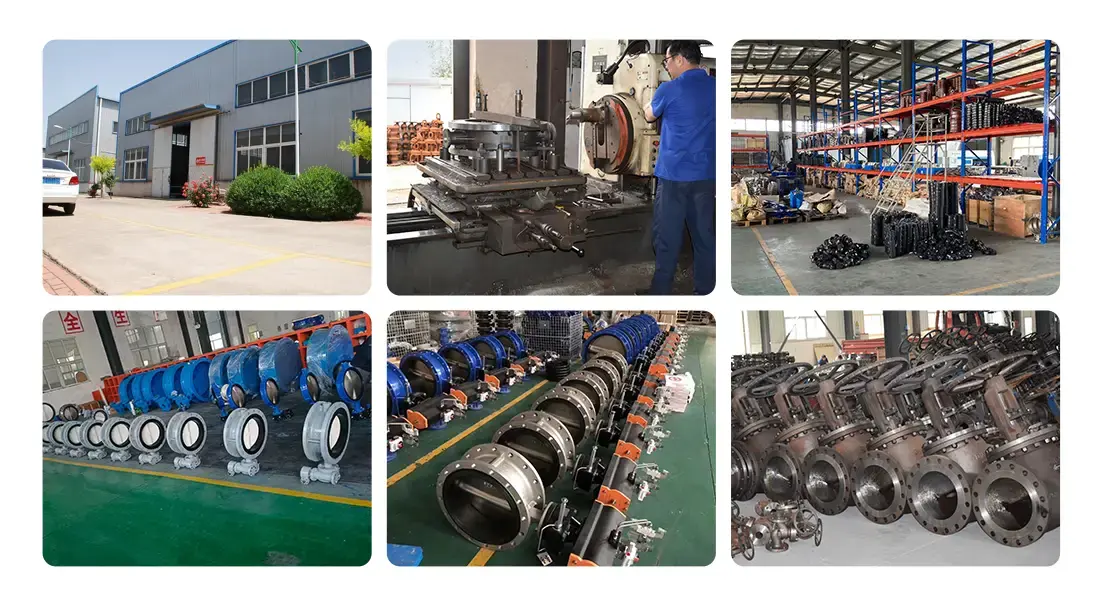
ZTVK makes high-quality electric operated butterfly valves for tough industry uses in Tianjin's Beichen District. Our goods have double eccentric slant seals that make them 30% easier to open and last longer—they can be used over 50,000 times. The DN50–DN600 regular types are among the more than 2,000 that we keep in stock and can be sent out in 3–7 days. Our production lines are flexible, so they can also take 15–25 days to fulfill unique requests. We can do OEM/ODM work and are certified to meet the requirements of ISO9001, ISO14001, and OHSAS18001; we also give full technical documentation, CAD models, and installation directions. We can easily deal with other countries because we are close to Tianjin Port. Our engineering team can be reached at ktec86961886@163.com to get a price, download technical brochures, or talk to experienced valve experts about your project's requirements.
References
1. American Petroleum Institute. (2018). API Standard 609: Butterfly Valves – Double-Flanged, Lug- and Wafer-Type.
2. International Organization for Standardization. (2020). ISO 5208: Industrial Valves – Pressure Testing of Metallic Valves.
3. National Electrical Manufacturers Association. (2019). NEMA Standards Publication 250: Enclosures for Electrical Equipment.
4. European Committee for Standardization. (2017). EN 558: Industrial Valves – Face-to-Face and Centre-to-Face Dimensions of Metal Valves.
5. International Electrotechnical Commission. (2021). IEC 60079: Explosive Atmospheres – Part 0: Equipment – General Requirements.
6. American Water Works Association. (2016). AWWA Manual M49: Quarter-Turn Valves: Head Loss, Torque, and Cavitation Analysis.
Send us your valve requirements and our team will provide professional solutions and fast quotations.
RELATED INDUSTRY KNOWLEDGE