- English
- French
- German
- Portuguese
- Spanish
- Russian
- Japanese
- Korean
- Arabic
- Greek
- German
- Turkish
- Italian
- Danish
- Romanian
- Indonesian
- Czech
- Afrikaans
- Swedish
- Polish
- Basque
- Catalan
- Esperanto
- Hindi
- Lao
- Albanian
- Amharic
- Armenian
- Azerbaijani
- Belarusian
- Bengali
- Bosnian
- Bulgarian
- Cebuano
- Chichewa
- Corsican
- Croatian
- Dutch
- Estonian
- Filipino
- Finnish
- Frisian
- Galician
- Georgian
- Gujarati
- Haitian
- Hausa
- Hawaiian
- Hebrew
- Hmong
- Hungarian
- Icelandic
- Igbo
- Javanese
- Kannada
- Kazakh
- Khmer
- Kurdish
- Kyrgyz
- Latin
- Latvian
- Lithuanian
- Luxembou..
- Macedonian
- Malagasy
- Malay
- Malayalam
- Maltese
- Maori
- Marathi
- Mongolian
- Burmese
- Nepali
- Norwegian
- Pashto
- Persian
- Punjabi
- Serbian
- Sesotho
- Sinhala
- Slovak
- Slovenian
- Somali
- Samoan
- Scots Gaelic
- Shona
- Sindhi
- Sundanese
- Swahili
- Tajik
- Tamil
- Telugu
- Thai
- Ukrainian
- Urdu
- Uzbek
- Vietnamese
- Welsh
- Xhosa
- Yiddish
- Yoruba
- Zulu
How does a spring return butterfly valve work?
A spring return butterfly valve has a simple but reliable mechanism. A single-acting actuator uses compressed air or hydraulic pressure to move the valve disc to one position. When the supply pressure is lost or taken away, an internal spring assembly automatically moves the valve disc back to a fail-safe position. The valve's automatic return feature makes it very useful in safety-critical systems. Keeping process control during power outages or pressure drops can help avoid damage to equipment, dangers to the environment, or production shutdowns. The actuator's spring capsule is compressed when it's not in use, but it quickly releases its energy when the control signals stop. This makes sure that the valve closes or opens within seconds, depending on whether it's set up as fail-closed or fail-open.
Understanding the Spring Return Butterfly Valve Operation Principle
This valve is made up of a quarter-turn butterfly disc on a central shaft and a pneumatic or hydraulic actuator with pre-compressed spring modules inside it. When feed pressure goes into the actuator chamber, it pushes against a piston. The piston then compresses the springs and turns the valve shaft and disc to either an open or a closed state. During regular operation, the springs stay tight, holding potential energy that is released right away when the pressure drops.
Key Operational Components
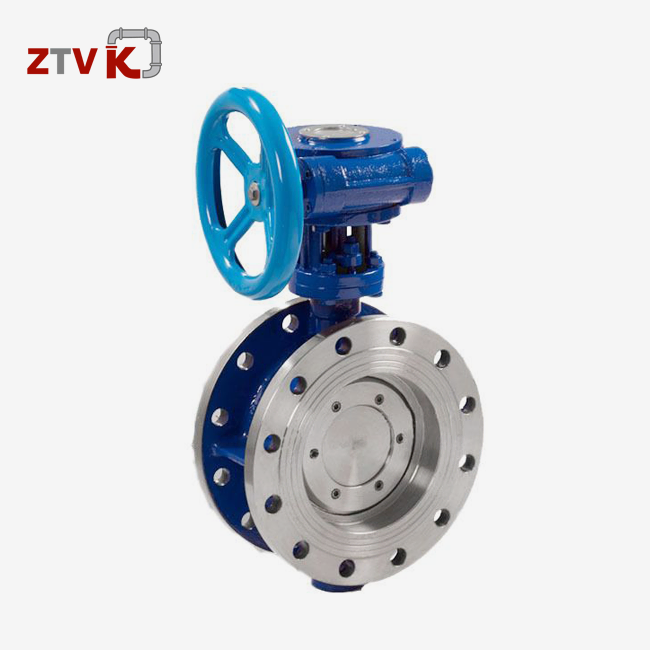
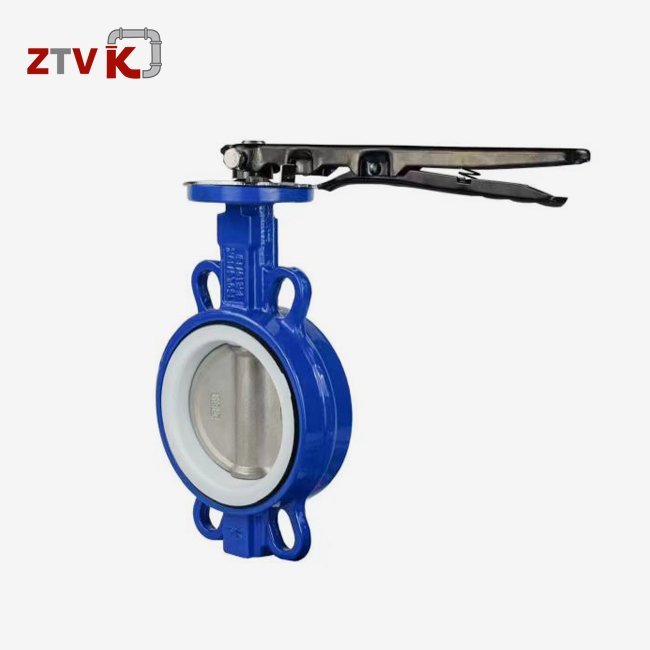
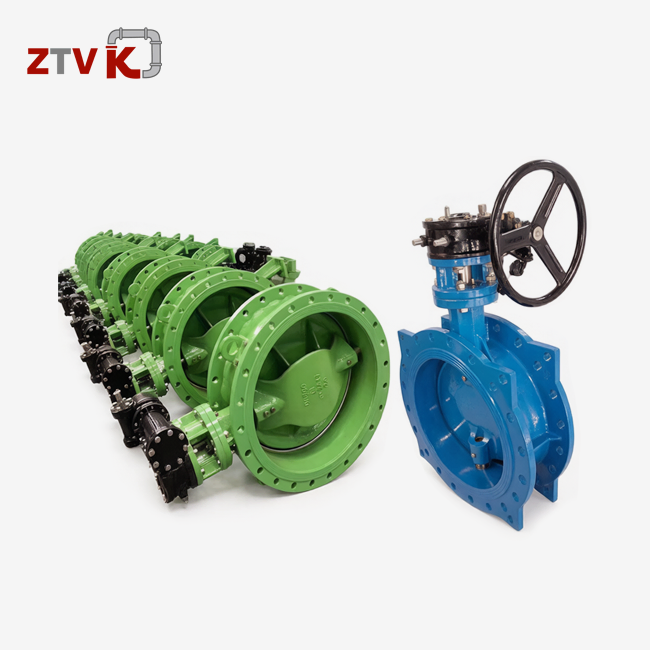
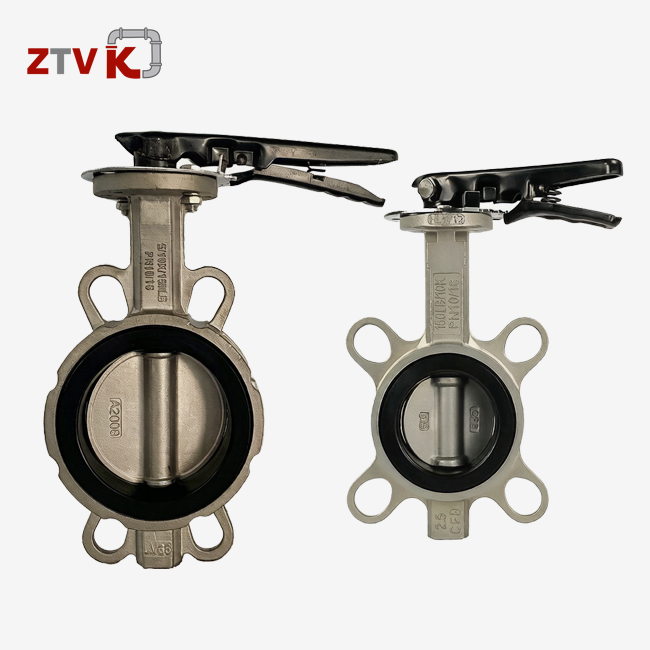
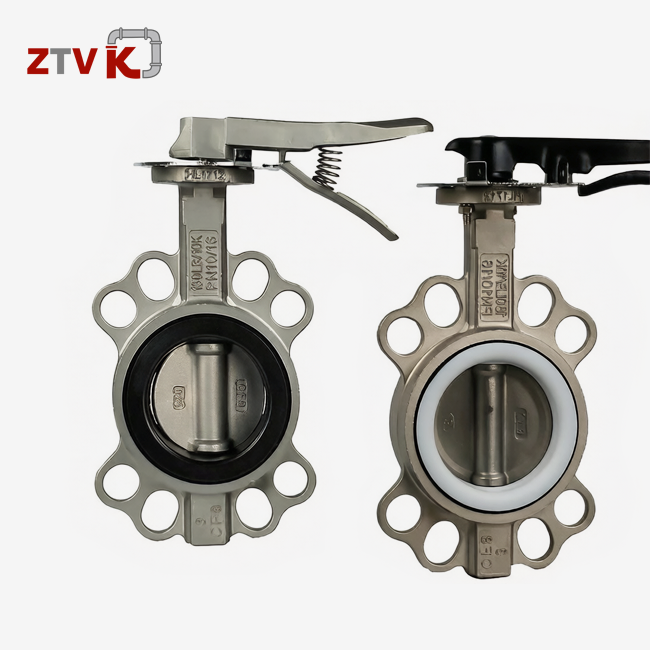
For sizes like DN 125, the valve body is usually made of ductile iron like QT450, which is stronger and less likely to break than regular cast iron. The disc is usually made of stainless steel CF8M, which is very resistant to rust and works well in chemical and water treatment uses. A strong seat material like EPDM forms a bubble-tight seal against the disc edge and can handle small alignment errors while it's working. The wafer-style mounting lets it be put in place between standard pipe flanges without the need for extra hardware. This saves workers time and effort on short project schedules.
Fail-Safe Configuration Logic
Based on the safety needs of the process, engineers choose between fail-closed and fail-open configurations. If the power goes out, fail-closed valves close automatically, stopping the flow of fluids to keep tanks from overflowing or to keep dangerous materials separate. If something goes wrong, fail-open designs automatically open, letting cooling water flow to keep equipment from overheating or releasing held pressure to keep the tank from bursting. This choice was made on purpose to make the gadget safer than regular electrically operated valves that stick in place when something goes wrong.
Actuation Cycle Mechanics
In normal use, the control air pressure is greater than both the spring force and the braking torque. It's up to the actuator to make enough force to squeeze the springs and turn the disc through the media flow resistance. Modern designs include torque safety factors that are 25–30% higher than what was estimated to be needed. This makes sure that the machine will still work reliably even if the seats wear down a little or the pressure differences get bigger. When the control signal stops, the exhaust ports let go of air pressure within milliseconds. This lets the spring capsules move the valve to a safe position, which usually happens within one second for emergency shutdown uses.
Benefits and Typical Applications of Spring Return Butterfly Valves
These specialised flow control devices offer many practical benefits that help industry contractors and equipment dealers with specific problems they are having. Because it is a fail-safe by design, it doesn't need backup power systems or complicated control logic. This means that it costs less to buy and requires less upkeep than other options.
Core Performance Advantages
Wafer-style bodies with built-in actuators have a small size that makes them easy to place in piping systems that don't have a lot of room, like those found in city water facilities and offshore platforms. It is better for pumping stations to have quick reaction speeds so that the gates close at controlled rates when the pumps trip suddenly. Single-acting designs use less compressed air than double-acting designs, which lowers energy costs in plants that can't hold as much air. Combinations of materials like CF8M discs and EPDM seats make them chemically compatible across pH ranges from 4 to 10 while still meeting ANSI standards for Class VI shutoff tightness.
Industrial Application Scenarios
These valves are used in surge relief systems at municipal water treatment plants, which use spring return butterfly valve units when quick pump shutdowns cause pressure jumps. The controlled spring closing rate stops harmful backflow, and the fail-closed design stops pollution from flowing backwards. HVAC workers put them in smoke extraction systems, where fire alarms close them right away to separate the oxygen supply. The spring mechanism works reliably even if the electrical panels are damaged. In emergency shutdown loops at petrochemical plants, fire-safe models are used. The valves must cut off fuel sources within two seconds of the monitoring system going off, even though they are exposed to high temperatures.
The valves' ability to handle corrosive media while keeping their closing integrity over time is useful for chemical processes. The ductile iron bodies can handle changes in temperature better than regular cast iron, which makes them last longer in steam applications. Tank farm workers like the fail-safe feature that stops environmental leaks when the power goes out. This helps them stay in line with strict environmental rules.
Maintenance and Longevity Characteristics
When spring packs are the right size and actuator parts are oiled on a regular basis, properly described units can operate over 50,000 times. The protected spring modules get rid of the safety risks that come with adjusting springs by hand and make replacement easier. Every three years, torque measurements are used to check the spring tension and look for air leaks in the actuator box. The seat is also checked for wear patterns once a year as part of routine maintenance. When compared to complicated electric actuators that need to be programmed and sensors calibrated, these simple repair requirements cut down on downtime.
Spring Return Butterfly Valve vs Alternative Valve and Actuation Solutions
When procurement experts look at flow control choices, they have to think about a lot of things, such as the starting cost, the operational reliability, and the total costs over the lifecycle. Depending on the needs of the product and the conditions of the site, each actuation technique has its own benefits.
Comparison with Electric Actuators
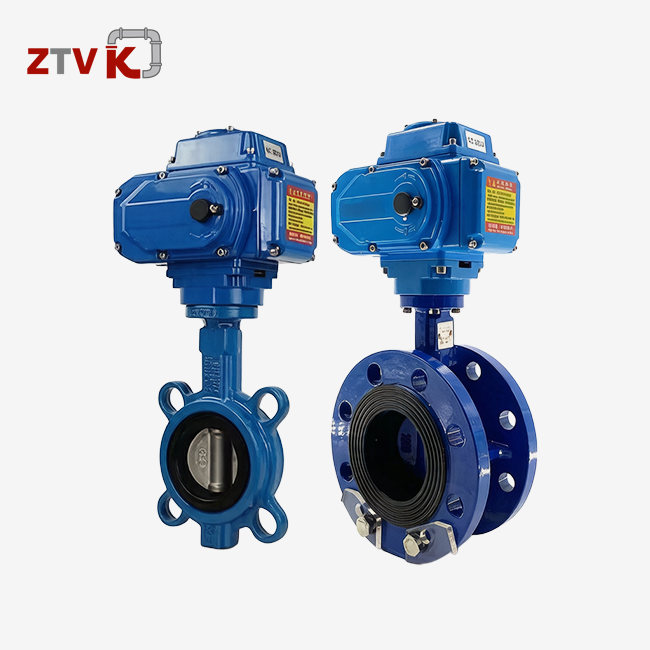
Electric motor-driven butterfly valves have exact throttling control and position feedback through built-in receivers. This makes them good for modulating uses that need to be adjusted often. However, they don't have built-in fail-safe features unless expensive battery backup systems are added. Electromagnetic interference can damage the electronics in power plants, and they need to be maintained by people who know how to fix them. While spring return butterfly valve pneumatic types offer better safety at a lower initial cost, they mostly work in on-off service rather than continuous variation. Because they are simple, repair teams don't have to keep as many extra parts on hand and can figure out problems faster.
Advantages Over Manual and Ball Valves
Manual butterfly valves don't need an actuator, but they do need to be adjusted by a user, which can be dangerous in dangerous or remote areas. Response times are measured in minutes instead of seconds, which means they aren't good for emergency separation tasks. Ball valves close very well, but they need higher working torques, which makes the actuators bigger and more expensive. Their full-bore design works well for high-flow situations, but the quarter-turn butterfly version is much cheaper per valve and has enough flow capacity for most commercial uses. When installing, the wafer design makes it easier to handle than flanged ball valves, which need heavy lifting tools.
Sizing and Specification Considerations
To choose the right valve size, you need to match the standard diameter (DN) to the pipe measurements and take into account the pressure drop across the disc at the highest flow rates. In water service, a DN 125 (5-inch) valve can usually handle amounts of up to 400 cubic meters per hour with little to no head loss. Undersizing leads to too much speed, which damages the seat through corrosion and cavitation. Oversizing raises the cost of capital and can make control less steady when flows are low. Pressure class values must be higher than the maximum system pressure by an amount big enough to account for possible surges that might happen during short-term events like pump starts.
Procurement Guide: Buying and Sourcing Spring Return Butterfly Valves
Global trading and wholesalers need providers they can rely on to provide steady quality, fair prices, and quick technical support. When looking at possible partners, you should look at their production skills, certifications, and customer service systems.
Supplier Evaluation Criteria
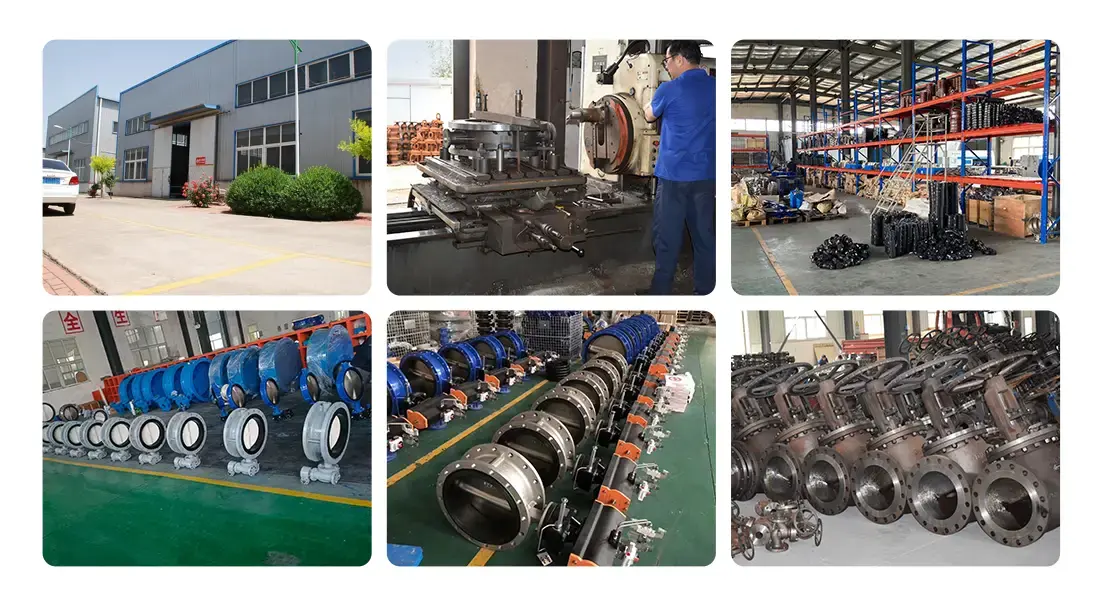
Years of production concentration and success in various industries have shaped manufacturing's image. ZTVK has learned a lot about butterfly valve design and manufacturing in Tianjin's industrial zones during the last 15 years. ISO9001, ISO14001, and OHSAS18001 certificates prove that their building control procedures are systematic. Modern CNC machining centers and large-diameter valve lathes allow precise, close-tolerance body and disc manufacturing. Material testing laboratories analyze chemical makeup using spectroscopy, and pressure test stations follow API 598 to ensure shell and seat integrity.
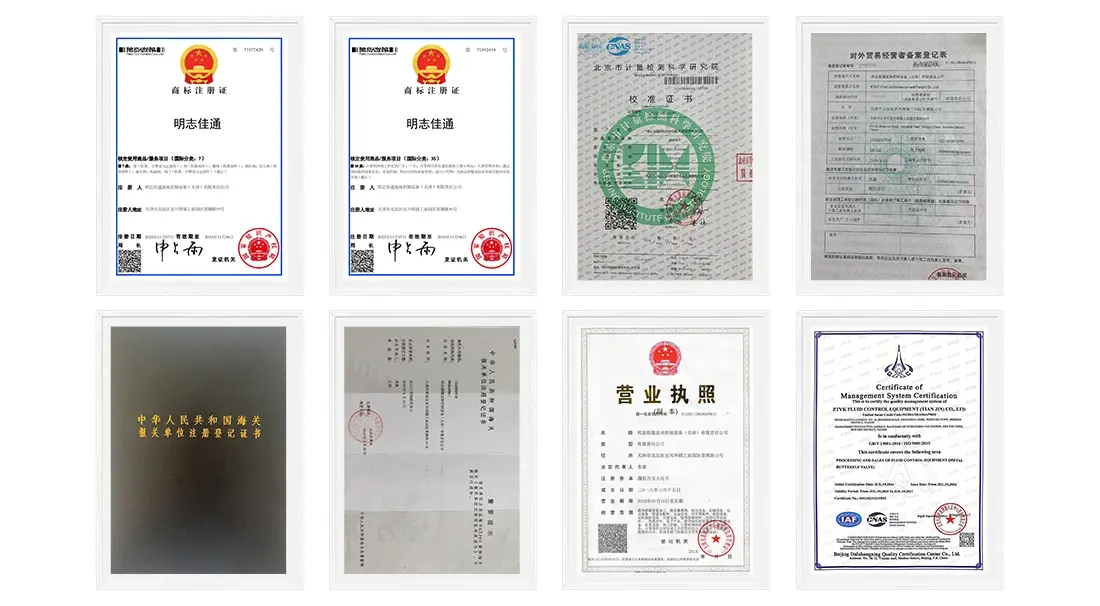
OEM approval is needed for local market name changes by wholesalers. Flexible manufacturers provide nameplate etching, custom color coatings, and customized packaging without a minimum purchase. Making valves from customer models makes it easier for equipment producers to utilize them in their systems. Selection assistance, CAD drawings, and 3D models speed up project planning and purchase.
Pricing Structure and Lead Time Management
Bulk order prices reflect scale savings in material purchases and production scheduling for a spring return butterfly valve. Standard DN 125 wafer-style valves with QT450 bodies ship in 3–7 days if specifications match stock. Depending on complexity, custom seat materials, longer stems, and specific finishes might delay manufacturing by 15 to 25 days. Rush order services may shorten the time to 7–10 days with the correct pricing changes, which helps when projects face unforeseen delays or change orders.
Logistics benefits affect delivery cost and plan reliability. Shipping products inland is faster and cheaper when suppliers are near major ports. The Tianjin Beichen ZTVK plant is 50 km from the Tianjin Xingang Port, making cargo loading and customs processing straightforward. Our longtime partners COSCO and Maersk provide low ocean freight prices and good booking availability. ISPM 15-compliant hardwood boxes with moisture barriers and set brackets for professional export packaging protect your products and minimize customs delays.
Warranty and After-Sales Support
A full warranty guards against problems with the way the product was made and shows that the seller believes in its quality. An 18-month warranty that covers problems that aren't caused by people gives dealers and end users peace of mind. Technical tools that are easy to get to, like installation videos, troubleshooting guides, and quick email help, cut down on the need for service calls. Some makers keep networks of local expert partners who can help with commissioning and emergency repairs on-site. This is especially helpful for big infrastructure projects where the cost of downtime goes up quickly.
Installation and Troubleshooting Guidelines
The right way to install something sets the stage for long-lasting reliability and stops early breakdowns that put safety systems at risk. Using orderly methods makes sure that the valve works correctly during testing and stays ready for use throughout its life.
Installation Best Practices
Wafer-style valves between pipe flanges are secured by through-bolts. Both sides of the body include gaskets that seal and enable flange misalignment. Before tightening the flange bolts, technicians must ensure the disc spins freely in the pipe hole. This prevents disc binding, which increases actuator force. The bolts are tightened in a cross-pattern at predefined torque levels to evenly distribute clamping force and prevent body bend.
The actuator must be placed with the driving shaft and valve stem aligned. Uneven alignment creates side loading, which accelerates bearing wear and friction. A spring return actuator's spring housing is normally mounted so that gravity helps close it. Direction may be adjusted with the right bracket support. Air supply lines require filtration and pressure control to prevent pollutants from damaging seals and maintain operational force. You can observe valve status during setup and frequent inspections using location markers.
Functional Testing Procedures
As part of the initial starting process, the stroke is tested through several full-cycle processes to make sure it moves smoothly and seats correctly. Technicians check that there is enough safety cushion by measuring the actuator supply pressure needed to beat the spring force. For fail-safe function testing, the source pressure is turned off while the closing time and end position are tracked. Downstream pressure gauges are used to check for leakage across the closed disc during seat tightness testing. The accepted rates are set by the application needs and industry standards.
Common Issues and Remedies
When springs wear out, they slow down the closing process or stop working all the way, which means that new spring packs need to be installed. Over time, actuator seals leak, lowering air pressure and making the system work less reliably. By checking exhaust ports for continuous air flow on a regular basis, seal wear can be found before it affects performance. Seat wear from rough media or frequent pedalling lowers the tightness of the stop. This can be fixed by replacing the seat or refurbishing the disc. It's possible that the machine is misaligned, the seat is damaged, or there is media buildup that needs to be taken apart and cleaned.
Based on cycle counts and working hours, preventive repair plans help find problems before they break down. External inspections every three months, interior inspections once a year, and full overhauls every three years combine the prices of upkeep with the need for reliability. Keeping detailed service records helps with planning when to replace parts by keeping track of how long they last.
Conclusion
Spring return butterfly valves are very important for protecting industrial systems that could become unsafe if the power goes out or the controls stop working. Their simple mechanical stability, small size, and quick response make them essential in a wide range of settings, from water systems for cities to industrial plants. Procurement experts can choose the best options for their needs by understanding the operating principles, application benefits, and correct specification criteria. Distributors and builders can be sure that these valves will work reliably when they're needed most by working with experienced makers that offer customisation options, quick delivery, and full technical support.
Frequently Asked Questions
1. How do I determine if a fail-closed or fail-open configuration is appropriate?
The choice will depend on what poses the greatest safety risk when the power goes out. Fail-safe designs work well in situations where stopping flow stops dangers like tank spills, fuel leaks, or chemical releases. Fail-open designs are used when keeping the flow going saves the equipment, like when cooling water keeps the equipment from overheating or when pressure relief keeps the tank from bursting.
2. Can spring return valves handle high-pressure applications?
Yes, as long as it's graded correctly for the job. When choosing a pressure class, you need to think about the highest system pressure as well as any spike limits. For modest pressures up to PN16, body materials like ductile iron QT450 are strong, but for higher grades, you need better alloys. The size of the actuator must produce enough power to work with the highest differential pressure. In these scenarios, spring-return butterfly valves must be meticulously sized to ensure reliable closure.
3. What maintenance intervals are recommended for optimal performance?
Every three months, a visual check is done to look for air leaks and damage to the outside. Seat state and wheel alignment are checked every year during internal checks. Depending on how often the cycle happens, spring cartridges usually need to be replaced every three to five years. However, current pre-compressed designs have much longer service lives than older changeable spring designs.
4. Are these valves suitable for throttling service?
Positioner settings allow for variation, but doing it too often speeds up the wear on the springs and seals. They work best in an on-off isolation service, where the valve goes back and forth between fully open and fully closed. Electric valves that are made to change duty cycles work better in situations where the flow needs to be adjusted all the time.
Partner with ZTVK for Reliable Spring Return Butterfly Valve Solutions
When the safety of the system rests on how well a valve works at vital times, quality matters. At our Tianjin factory, ZTVK makes spring return butterfly valves using high-tech machining centers and strict quality control methods that have been approved by ISO9001 certification. Our DN 125 wafer-style models have strong bodies made of QT450 ductile iron, discs made of CF8M stainless steel that won't rust, and reliable EPDM seats designed for use in water, HVAC, and light chemicals.
As a well-known company that makes spring return butterfly valves, we keep over 2,000 standard units in stock so that we can ship them quickly (within 3–7 days). We also offer OEM branding and technical specs that are specific to your market needs. Because we are close to Tianjin Port, we can offer cheap FOB and CIF prices for foreign shipping. With a guarantee that lasts for 18 months and full technical support that includes CAD drawings and assembly instructions, we help builders and distributors meet project schedules and make sure that the products will last for a long time.
Contact our technical team at ktec86961886@163.com to discuss your specific application requirements. During the whole procurement process, we offer competitive quotes, thorough help with selection, and quick contact.
References
1. American Petroleum Institute. API Standard 609: Butterfly Valves—Double Flanged, Lug- and Wafer-Type, 8th Edition, 2018.
2. International Organization for Standardization. ISO 5752: Metal Valves for Use in Flanged Pipe Systems—Face-to-Face and Centre-to-Face Dimensions, 2021.
3. Lyons, Jerry L. and Askland, Carl W. Valve Selection Handbook: Engineering Fundamentals for Selecting the Right Valve Design for Every Industrial Flow Application, 5th Edition, Gulf Professional Publishing, 2008.
4. Zappe, R.W. Valve Selection Handbook: The Definitive Industry Reference for the Selection, Application, and Specification of All Industrial Valves, Gulf Publishing Company, 5th Edition, 2004.
5. Smith, Peter and Zappe, R.W. Valve and Actuator Technology, McGraw-Hill Professional, 1999.
6. Emerson Automation Solutions. Control Valve Handbook, 4th Edition, Fisher Controls International LLC, 2005.
Send us your valve requirements and our team will provide professional solutions and fast quotations.
RELATED INDUSTRY KNOWLEDGE