- English
- French
- German
- Portuguese
- Spanish
- Russian
- Japanese
- Korean
- Arabic
- Greek
- German
- Turkish
- Italian
- Danish
- Romanian
- Indonesian
- Czech
- Afrikaans
- Swedish
- Polish
- Basque
- Catalan
- Esperanto
- Hindi
- Lao
- Albanian
- Amharic
- Armenian
- Azerbaijani
- Belarusian
- Bengali
- Bosnian
- Bulgarian
- Cebuano
- Chichewa
- Corsican
- Croatian
- Dutch
- Estonian
- Filipino
- Finnish
- Frisian
- Galician
- Georgian
- Gujarati
- Haitian
- Hausa
- Hawaiian
- Hebrew
- Hmong
- Hungarian
- Icelandic
- Igbo
- Javanese
- Kannada
- Kazakh
- Khmer
- Kurdish
- Kyrgyz
- Latin
- Latvian
- Lithuanian
- Luxembou..
- Macedonian
- Malagasy
- Malay
- Malayalam
- Maltese
- Maori
- Marathi
- Mongolian
- Burmese
- Nepali
- Norwegian
- Pashto
- Persian
- Punjabi
- Serbian
- Sesotho
- Sinhala
- Slovak
- Slovenian
- Somali
- Samoan
- Scots Gaelic
- Shona
- Sindhi
- Sundanese
- Swahili
- Tajik
- Tamil
- Telugu
- Thai
- Ukrainian
- Urdu
- Uzbek
- Vietnamese
- Welsh
- Xhosa
- Yiddish
- Yoruba
- Zulu
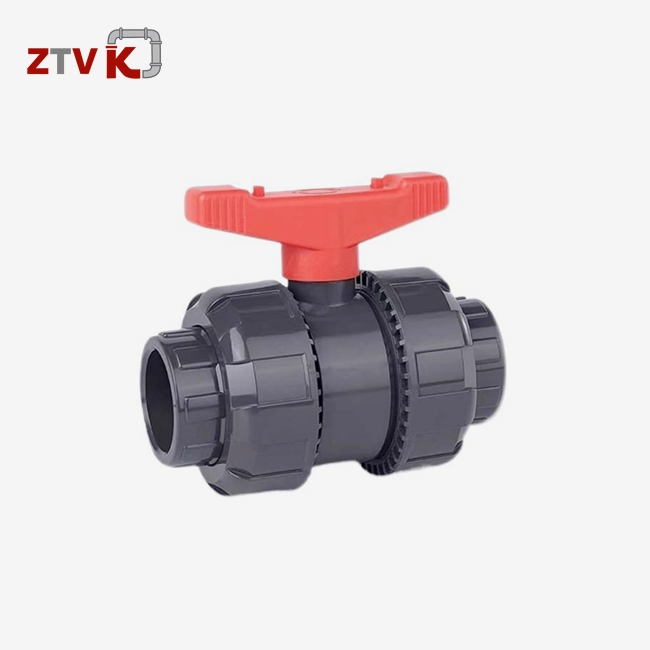
1 inch gas shut off valve
Gasket PTFE
Seat PTFE
Ball 316 Stainless Steel
Body ASTM A351 CF8M
Stud ASTM A351 CF8M
Spring Washer ASTM A140
Nut ASTM A194 8
Spud ASTM A193 B8
Packing PTFE
Gland 304 Stainless Steel
Stem 316 Stainless Steel
Stem Washer PTFE
O'Ring NBR/VITON
Packing PTFE
Gland 304 Stainless Steel
Washer PVC
Stopper 304 Stainless Steel
Handle 201 Stainless Steel
Bolt ASTM A193 B8
1 Inch Gas Shut Off Valve — DN25 Full Port Ball Valve for Natural Gas & LPG Systems
The 1 inch gas shut off valve from ZTVK FLUID CONTROL EQUIPMENT (TIANJIN) CO., LTD is a DN25 isolation ball valve built for Natural Gas (NG), LPG, and manufactured gas piping systems. Astm A351 CF8M stainless steel is used to make the body, and 316 stainless steel is used for the ball. PTFE seats and NBR/Viton O-rings provide stable seals at pressures of PN6, PN10, and PN16 (Class 150). This design meets the needs for safety and separation in business and industrial gas systems.
What Is a 1 Inch Gas Shut Off Valve?
A 1 inch gas shut off valve is a quarter-turn ball valve designed to isolate gas flow in DN25 (NPS 1") piping systems. It is not interchangeable with standard water or plumbing valves.
A gas-rated shut off valve is different from other valves because it has to meet specific safety standards. These include burst pressure reserves, seat compatibility with hydrocarbon gasses, and blow-out proof stem designs. These rules stop rogue pollutants and help make sure that emergency shut-offs are safe.
The quarter-turn handle lets you see right away whether the valve is open or closed, which is helpful for techs working on business or industrial gas lines for safety reasons.
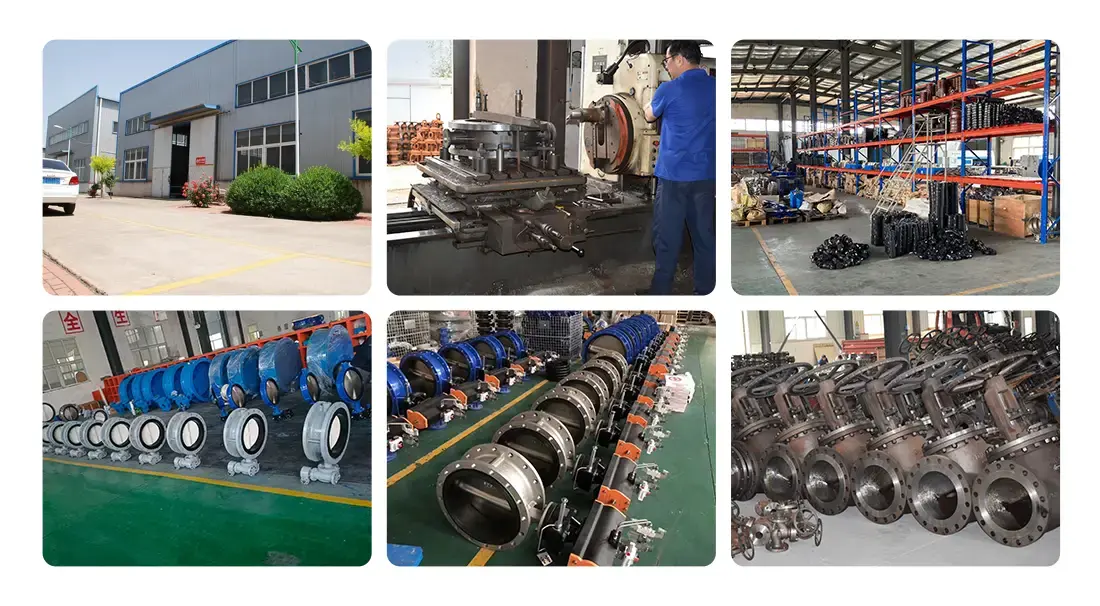
Material Composition
Every component is selected for gas service compatibility and long-term corrosion resistance.
|
Component |
Material |
|
Body |
ASTM A351 CF8M |
|
Bonnet |
ASTM A351 CF8M |
|
Ball |
316 Stainless Steel |
|
Stem |
316 Stainless Steel |
|
Seat |
PTFE |
|
Gasket |
PTFE |
|
Packing |
PTFE |
|
O-Ring |
NBR / Viton |
|
Gland |
304 Stainless Steel |
|
Stopper |
304 Stainless Steel |
|
Handle |
201 Stainless Steel |
|
Stem Washer |
PTFE |
|
Washer |
PVC |
|
Spring Washer |
ASTM A140 |
|
Nut |
ASTM A194 8 |
|
Spud / Bolt |
ASTM A193 B8 |
The CF8M cast stainless steel body resists dezincification and stress corrosion cracking in gas environments. Virgin PTFE seats provide low friction and chemical resistance against gas impurities.
Technical Specifications
|
Parameter |
Details |
|
Nominal Size |
DN25 (NPS 1") — up to NPS 96 |
|
Pressure Rating |
PN6 / PN10 / PN16 (Class 150) |
|
Operation |
Quarter-turn manual handle |
|
Connection Type |
Flanged / Threaded (NPT ANSI B1.20.1) |
|
Seat Material |
Virgin PTFE |
|
O-Ring Material |
NBR / Viton (FKM) |
|
Temperature Range |
-20°F to 350°F (standard PTFE) |
|
Flow Type |
Full Port |
|
Standards |
ISO, API, ANSI, DIN, JIS, BS |
The full port design matches the 1-inch pipe internal diameter, keeping pressure drop minimal and avoiding turbulence that could affect combustion ratios in industrial burner systems.
Key Performance Features
PTFE and Viton System for Sealing
From -20°F to 350°F, Virgin PTFE chairs can handle it, and they are also very resistant to chemicals. Viton O-rings make the combination more stable at the same temperature range, so it can be used for outdoor installations as well as industrial settings with close to high temperatures.
Blow-Out-Proof Stem
The 316 stainless steel stem is kept inside the body so that it doesn't come out under pressure. This is a safety requirement for gas applications that regular water valves don't always meet.
Low Torque to Work
The CNC-machined sealing surfaces keep the operating torque within a range that is manageable for DN25 valves. They also keep up enough resistance to keep the valves from shifting by accident when the pipeline shakes.
Service Life
The double-eccentric and inclined sealing design from ZTVK gives the whole product line a service life of more than 50,000 operating cycles.
Application Scenarios
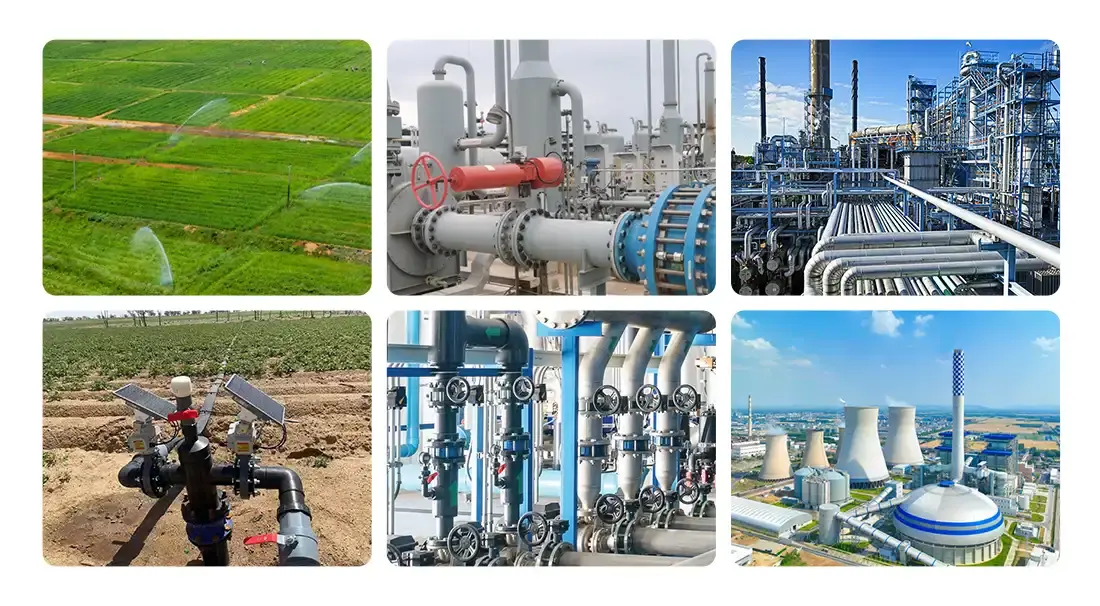
This valve works well with gas systems that are used a lot in businesses and factories.
Commercial HVAC units on roofs
The valve separates the gas supply line that feeds rooftop HVAC equipment. It can handle UV light, freeze-thaw cycles, and constant vibration without losing its seal or handle retention.
Boiler and furnace lines for industry
When used as a starter or main burner separation in boiler trains, the full port design keeps the pressure from dropping, which can mess up the ratios of burning or cause pressure switch problems.
Residential Meter Headers for Multiple Units
At places where utility pipes meet private pipes, the valve reliably locks out the pipe so that maintenance, leak repairs, or planned service separation can happen.
Distribution of petrochemicals and natural gas
The 1 inch gas shut off valve also fits into broader gas distribution networks, industrial furnace supply lines, and LPG manifold systems where consistent isolation performance is required.
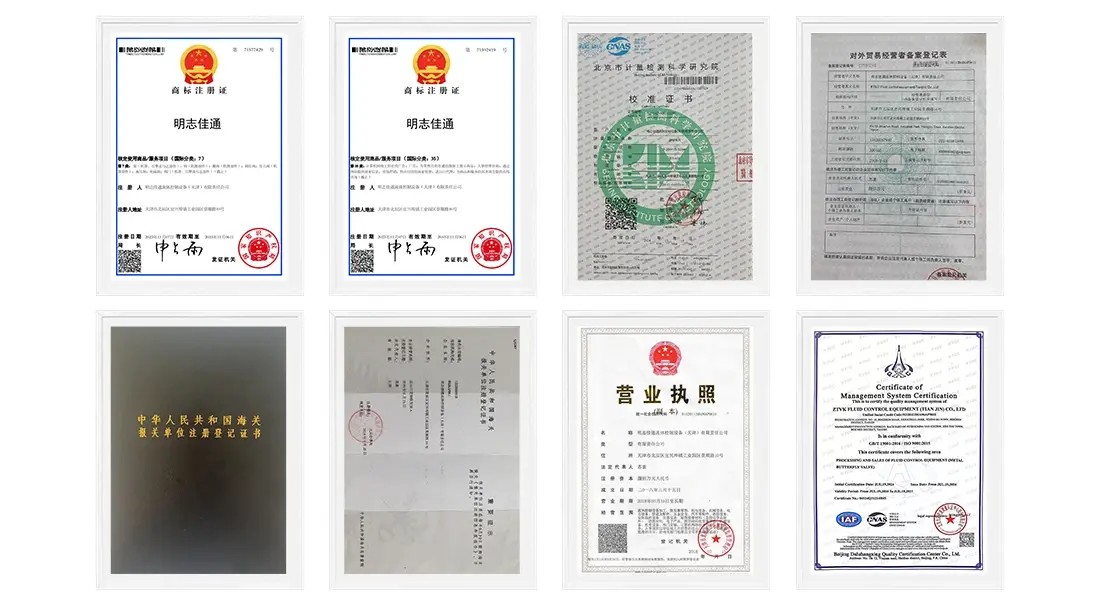
Quality Control Process
For ZTVK to meet the standards for B2B procurement, structured QC is used at every stage of production.
Shell and Seat Testing with Pneumatics
Following API 598 or EN 12266-1 at 80–100 psi, all valves are tested with 100% air under water. In low-viscosity gas uses, hydraulic water tests may miss casting porosity or seat leaks. This method finds them.
Checking the torque
Every unit's operating torque is checked to make sure it stays in a safe ergonomic range and stops shifting caused by vibration.
Thread Gage
L1 and L2 ring gages check the accuracy of the NPT taper, which stops cross-threading and installation problems in the field.
Positive Material Identification, or PMI
Spectroscopic analysis proves the metal makeup of the body and stem materials, making sure they follow lead content rules and don't have any flaws that could cause stress corrosion cracks.
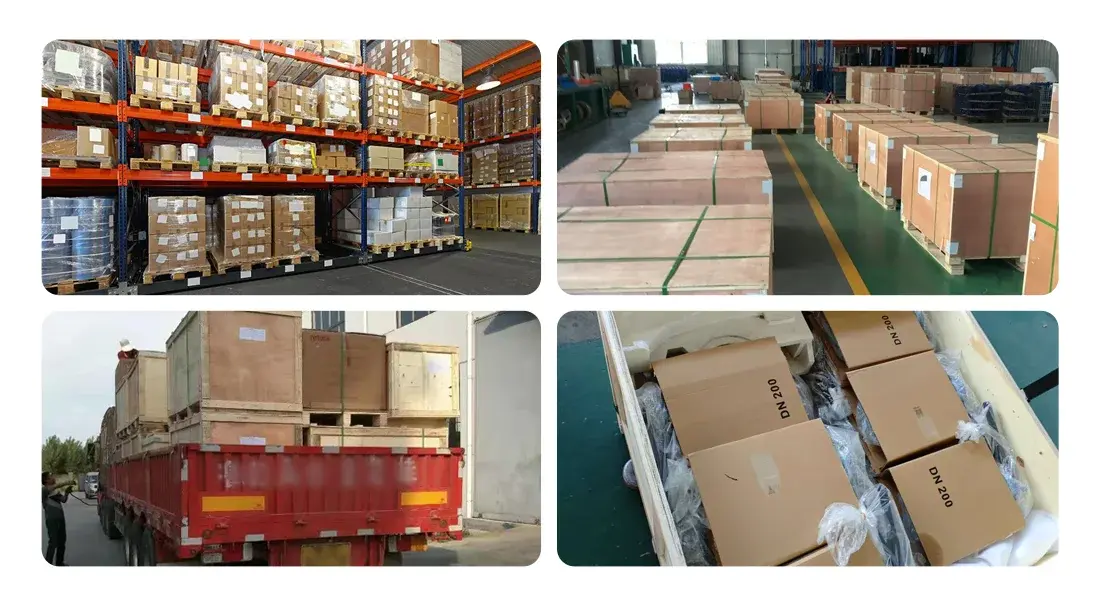
Customization & OEM/ODM Options
ZTVK supports both OEM and ODM configurations for procurement teams with specific project requirements.
OEM options include custom branding, logo engraving, nameplates, and packaging. ODM options cover valve body structure modifications, alternative sealing materials such as R-PTFE or metal seat for high-heat environments, connection type changes, and adaptation to specific pressure, temperature, or media conditions.
Standard DN25 units are available from stock. Custom configurations follow a 15–25 day production cycle, with expedited options available for urgent project needs. Contact us to discuss your requirements and confirm lead times.
FAQ
Q1: Can a normal water ball valve be used instead of a valve?
A: Not really. A special gas valve needs to be approved by certain groups, like CSA or UL, to make sure that the seat can handle hydrocarbon gasses and that there are safety margins for burst pressure. Legally or technically, a water valve does not meet these needs for burning gas service.
Q2: What does PN16/Class 150 mean for this valve?
A: The number PN16 means that the highest pressure that can be applied is 16 bar at room temperature. In ANSI, the same thing is called Class 150. When used with gas, the certified operating pressure is set by the gas safety standard, not just the body pressure class.
Q3: What's the difference between a gas valve's Full Port and Standard Port?
A: A full port means that the ball hole fits the inside diameter of the pipe, which means that there is very little pressure drop. The bore of a standard port is smaller. Full port is better for industrial gas lines, especially boiler trains, because it prevents turbulence that can mess up combustion control.
Q4: How does the weather change the PTFE seats?
A: From -20°F to 350°F, standard PTFE works consistently. Thermal growth can cause binding near burners that are very hot. In that case, either reinforced PTFE (R-PTFE) or a metal-seated configuration is the best option. ZTVK's ODM service offers both of these.
Q5: Why do gas shutoff valves usually have a yellow handle?
A: The industry standard for marking gas lines with a yellow coating makes them easy to spot and tell apart from water lines during emergency situations. It's not required by building standards, but many people do it for safety reasons.
Q6: What kind of testing does this valve need?
A: The thread sizes are the same as those in ANSI B1.20.1 (NPT). Quality management systems that are certified by ISO 9001, ISO 14001, and OHSAS 18001 are used to make the valve.
Contact Us
For 1 inch gas shut off valve quotes, technical drawings, or custom configuration inquiries, email us at ktec86961886@163.com. We respond within one business day.
Send us your valve requirements and our team will provide professional solutions and fast quotations.