- English
- French
- German
- Portuguese
- Spanish
- Russian
- Japanese
- Korean
- Arabic
- Greek
- German
- Turkish
- Italian
- Danish
- Romanian
- Indonesian
- Czech
- Afrikaans
- Swedish
- Polish
- Basque
- Catalan
- Esperanto
- Hindi
- Lao
- Albanian
- Amharic
- Armenian
- Azerbaijani
- Belarusian
- Bengali
- Bosnian
- Bulgarian
- Cebuano
- Chichewa
- Corsican
- Croatian
- Dutch
- Estonian
- Filipino
- Finnish
- Frisian
- Galician
- Georgian
- Gujarati
- Haitian
- Hausa
- Hawaiian
- Hebrew
- Hmong
- Hungarian
- Icelandic
- Igbo
- Javanese
- Kannada
- Kazakh
- Khmer
- Kurdish
- Kyrgyz
- Latin
- Latvian
- Lithuanian
- Luxembou..
- Macedonian
- Malagasy
- Malay
- Malayalam
- Maltese
- Maori
- Marathi
- Mongolian
- Burmese
- Nepali
- Norwegian
- Pashto
- Persian
- Punjabi
- Serbian
- Sesotho
- Sinhala
- Slovak
- Slovenian
- Somali
- Samoan
- Scots Gaelic
- Shona
- Sindhi
- Sundanese
- Swahili
- Tajik
- Tamil
- Telugu
- Thai
- Ukrainian
- Urdu
- Uzbek
- Vietnamese
- Welsh
- Xhosa
- Yiddish
- Yoruba
- Zulu
What is a PVC Butterfly Valve?
For the isolation and control of fluid flow within DN80 (nominal diameter 80mm) pipe systems, a 3-inch PVC butterfly valve is a specialised quarter-turn rotary motion valve developed. In a technical sense, it uses a disc on a stem that spins 90 degrees to either let flow through or stop it. Unplasticized Polyvinyl Chloride (PVC-U), a material picked for its rigidity and chemical stability, is used to make the valve body and disc. This part was designed to solve important problems in the industry that happen in 3-inch pipe networks. For example, it lowers flow resistance, stops galvanic corrosion, and saves money compared to stainless steel alloys for areas where temperature is not a critical factor.
Understanding PVC Butterfly Valves
Basic Construction and Components
PVC butterfly valves are a big step forward in fluid control technology because they combine the strength of industrial plastics with the accuracy of precision manufacturing. The basic design has a disc in the middle of the pipe that is attached to a shaft that rotates and goes through the valve body. The disc either lines up with the flow direction (fully open) or across from it (fully closed) when the actuator turns the shaft 90 degrees.
The body of the valve is made of high-quality PVC-U that meets the standards for Cell Class 12454 according to ASTM D1784. This gives the valve great impact strength and tensile qualities. There is less turbulence and pressure drop in the system because the disc unit has a smooth profile. Different types of seat materials are used for different situations. EPDM (Ethylene Propylene Diene Monomer) is often used in water systems, while FKM (Fluoroelastomer) is used in harsh chemical settings.
Operating Principles and Flow Control
Because they work with a quarter-turn, PVC butterfly valves are great for uses that need to quickly shut off or change the flow. Butterfly valves let the user control the flow completely with little effort, unlike gate or globe valves that need to be turned more than once to reach full stroke. This trait is especially useful in emergency stop situations where acting quickly keeps the system from getting damaged.
The flow coefficient (Cv) optimisation in the design of a PVC butterfly valve lets the most fluid move through with the least amount of pressure loss. The smooth inside walls of PVC material lower frictional resistance, and the shape of the disc keeps laminar flow properties throughout the working range. This way of thinking about design works especially well for systems that need high flow rates with low energy use.
Industrial Applications and Use Cases
PVC butterfly valves work great in many industrial settings where chemical compatibility and resistance to rust are more important than temperature tolerance. In local water treatment plants, these valves control the flow of chlorinated water without breaking down as metal valves do over time. Because PVC is non-toxic, these parts are NSF/ANSI 61 approved for use with potable water.
PVC butterfly valves are used in chemical processing plants to handle acids, alkalis, and salt solutions that would quickly eat away at metal valves. The 3-inch PVC butterfly valve size works well for transfer lines that go from one processing tank to another. It provides solid isolation while keeping the system running efficiently. PVC is resistant to changes in pH and harsh cleaning chemicals, which makes it a good choice for industrial wastewater cleanup.
Benefits and Performance of 3 Inch PVC Butterfly Valves
Better resistance to corrosion and compatibility with chemicals
By its very nature, PVC material is very resistant to a lot of different chemicals that are used in industrial settings. Galvanic corrosion happens to metal valves in salty environments, but PVC butterfly valves keep their structural integrity and sealing function for their whole life. Because they can stand up to both acidic and basic liquids, they can be used in pH control systems and chemical dosing.
Lab tests show that PVC butterfly valves keep their mechanical features even after being exposed to harsh chemicals for a long time. Other plastics often break down, crack, and swell, but the polymer structure doesn't do any of those things. This chemical stability means that long-term performance can be predicted, and operators don't have to do as much upkeep.
Weight Reduction and Installation Benefits
PVC construction is much easier to place and doesn't need as much infrastructure as metal alternatives because it is lightweight. The weight of a normal 3-inch PVC butterfly valve is about 60–70% less than similar models made of cast iron or stainless steel, which puts less strain on the pipes that hold them up and makes mounting easier.
This weight advantage lasts longer than just the original installation. It also helps with routine maintenance. When technicians do regular maintenance on PVC butterfly valves, they don't need to use lifting equipment as they do with heavier metal valves. The lighter weight also lowers the cost of shipping for large orders, making them even more useful for big projects.
Pressure Ratings and Durability Metrics
At a normal room temperature of 73°F (23°C), modern PVC butterfly valves usually work at 150 PSI (PN10/PN16) of pressure. The link between pressure and temperature can be predicted by curves. As operating temperatures get closer to the material's limit, around 140°F (60°C), pressure ratings go down.
Testing for durability according to API 598 guidelines shows that good PVC butterfly valves keep their seals intact after thousands of cycles of use. The elastic memory of properly chosen seat materials makes sure that the sealing works the same way even after long periods of non-use. This lowers the chance of leaks happening when the system starts up.
Comparing 3 Inch PVC Butterfly Valves with Alternative Valve Types
PVC vs. Metal Butterfly Valves
When choosing between PVC and metal butterfly valves, it's often a matter of balancing performance needs with cost concerns and the operational surroundings. Metal valves work better in high-temperature situations than PVC ones because they can handle temperatures above 400°F, while PVC can only handle temperatures up to 140°F.
PVC butterfly valves, on the other hand, work better in corrosive settings than metal valves, which need expensive alloy construction or protective coatings. When you think about how much it costs to maintain and replace metal parts because of corrosion over the course of their life, the starting cost advantage of PVC becomes even clearer.
Butterfly Valves vs. Ball Valves
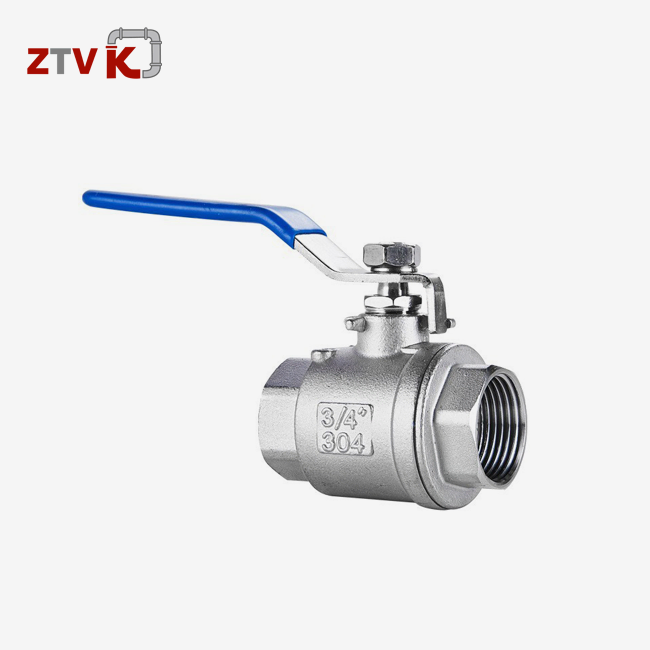
There are pros and cons to both butterfly and ball valve designs that need to be thought through in terms of flow characteristics, space needs, and operational tastes. When it comes to shutting off, ball valves are better and seldom leak, while butterfly valves are better at controlling flow and have less pressure drop when they are partly open.
When space is limited, butterfly valves are often better options than ball valves because they don't need as much installation space and don't need extra room for the actuator to put. This small design benefit is especially helpful for the 3-inch PVC butterfly valve layout in piping arrangements that are already full.
Manual vs. Actuated Operations
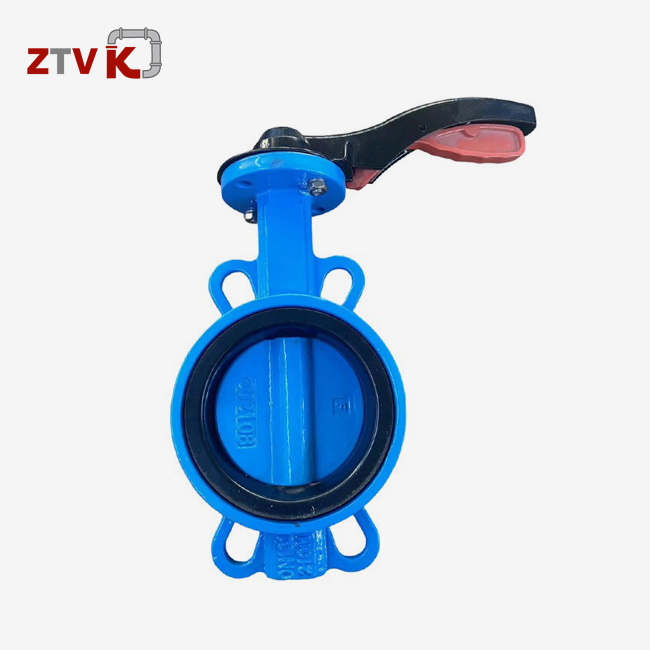
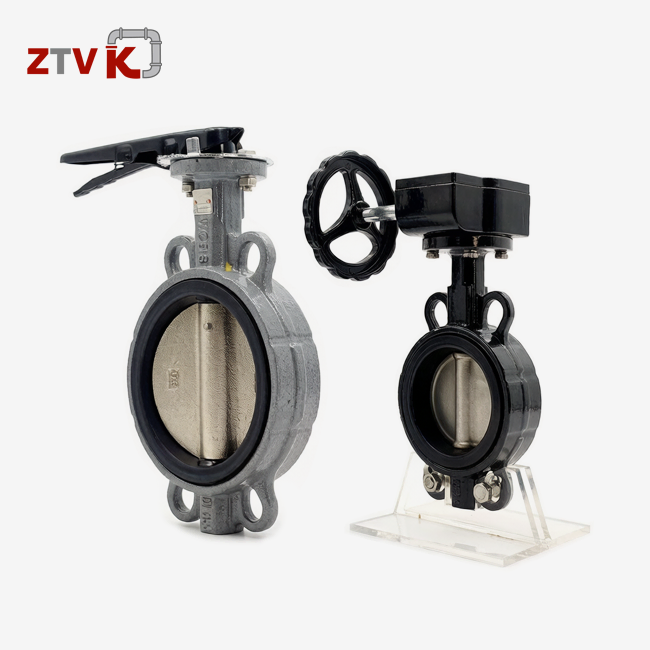
Hand levers or worm gear mechanisms from a Chinese butterfly valve manufacturer allow reliable valve control without the need for external power. This makes them suitable for situations where the practical benefits are greater than the complexity of automation. Hand lever operation lets you act quickly in an emergency, while worm gear mechanisms are better for bigger valves or uses that need a lot of torque.
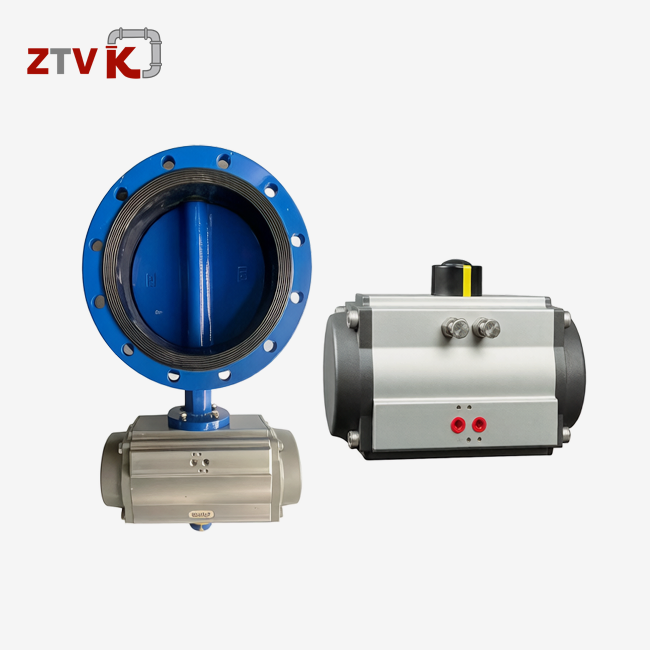
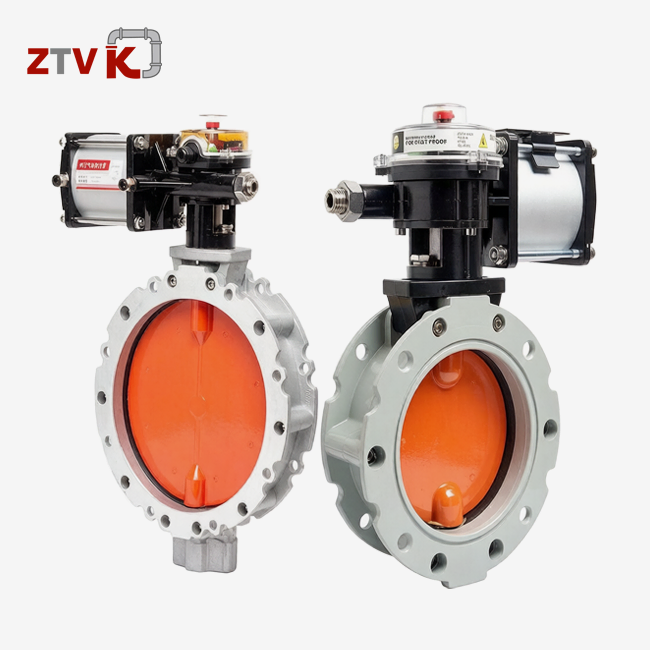
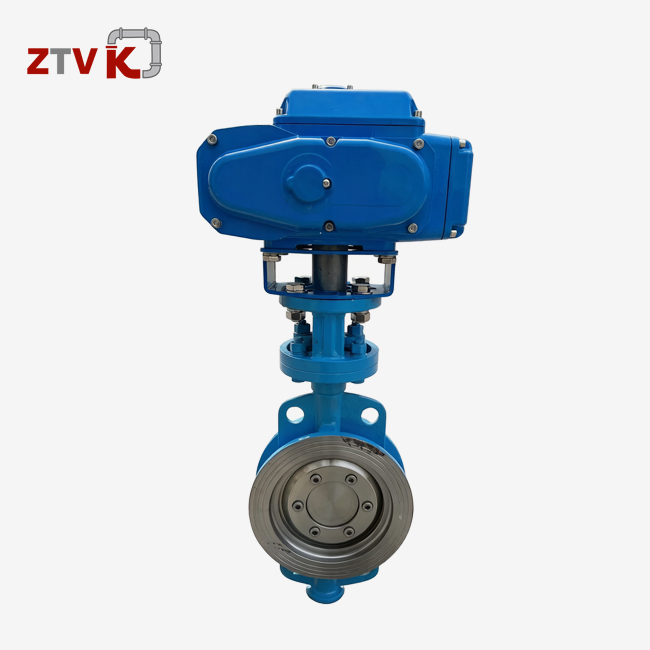
Automated operation with pneumatic or electric actuators lets you handle things from afar and connect them to process control systems. The ISO 5211 mounting standard makes sure that valve bodies can work with different types of actuators. This means that system changes can be made without replacing the valves. Electric actuators let you precisely control where something is placed, while gas actuators respond quickly and can work even if something goes wrong.
How to Choose the Right 3 Inch Butterfly Valve for Your Needs?
Application Requirements and System Compatibility
Before choosing the right butterfly valve, you should carefully look at the system's needs, including the flow rates, pressures, and properties of the fluid. The nominal 3-inch diameter works well for uses that need a modest flow capacity while still being able to precisely control the flow. System makers have to figure out if the valve selection process is driven by continuous throttling service or simple isolation operation.
Temperature is a very important factor in choosing materials, since PVC can only be used in mild temperature ranges. Systems that work at temperatures close to or above 140°F need different materials, like CPVC for a longer temperature range or metal building for high-temperature use. Chemical compatibility testing makes sure that the materials used in valves won't break down when exposed to process fluids for the whole time they're supposed to be used.
Connection Standards and Installation Factors
In most cases, the 3-inch PVC butterfly valve has flanged connections that meet ISO5211, ANSI B16.5 Class 150, JIS, and DIN requirements. When flanges are compatible, they can be properly connected to existing pipe systems and keep their structural integrity even when they are under a lot of stress from use.
Installation direction affects how well and how long a valve works, especially when it comes to how the seat wears and where the actuator is placed. The right choice of gasket and bolt torque specs keeps PVC flanges from being damaged by overtightening while making sure the assembly doesn't leak. The suggested bolt torque range of 20 to 30 ft-lbs seals well without causing the flange to crack.
Supplier Qualifications and Certification Requirements
Suppliers with a good reputation have complete quality management systems that include ISO 9001 approval and testing products according to industry standards like API 598 for seat leakage and ISO 5211 for actuator mounting compatibility. The CE mark means that the product meets European safety and performance standards, and the NSF mark means that it is safe for use with drinkable water.
An assessment of a manufacturing capability looks at things like production capacity, quality control methods, and the availability of technical help. Suppliers who offer OEM customisation services add value by changing the sealing materials, the way connections are made, and the finishes they use to meet the needs of each application.
Procurement Guide for 3 Inch PVC Butterfly Valves
Identifying Reliable Suppliers and Manufacturers
A good way to buy things is to carefully look at the suppliers you're thinking about, paying special attention to their manufacturing skills, quality certifications, and name in the market. Manufacturers that have been around for a while usually have full testing facilities for international standards-based pressure testing, material analysis, and performance proof.
ZTVK, which is in Tianjin's Beichen District, is a great example of a modern valve manufacturing company because it does study, production, and sales all in one. Our ISO9001, ISO14001, and OHSAS18001 certifications show that we are dedicated to quality control, protecting the environment, and meeting health and safety standards at work. The building has up-to-date CNC machining centres, specialised equipment for handling large-diameter valves, and a wide range of testing options for material analysis and pressure validation.
Pricing Factors and Bulk Purchase Considerations
The prices of PVC butterfly valves are affected by the cost of materials, the difficulty of production, and the need for approval. Buying in bulk usually gets you big discounts, but if you need to customise something, it might make each unit cost more, based on how hard the modification is. Logistics and transportation prices depend on where the supplier is located and how the goods are shipped.
We are only 50 kilometres from Tianjin Port, which makes it easy to ship goods by sea. We have established partnerships with big shipping lines like COSCO and Maersk to make this possible. This advantage in logistics means that foreign customers can get competitive FOB Tianjin Xingang and CIF destination port quotes.
Customisation and OEM Solutions
Customers can ask for brand markings, unique packaging, and different technical specifications based on the needs of their market when they use OEM manufacturing. ODM services include redesigning the valve body, using different sealing materials, and changing the link based on the pressure, temperature, and chemical compatibility needs of the operation.
Our engineering team offers full support, including free help with choosing what to buy, CAD models, and 3D modelling services for unique uses. According to ISO 5211 mounting standards, the 3-inch PVC butterfly valve platform can handle different types of actuators, such as hand levers, worm gear mechanisms, pneumatic actuators, and electric actuators.
Conclusion
The 3-inch PVC butterfly valve represents an optimal balance of performance, cost-effectiveness, and chemical resistance for numerous industrial applications. Understanding the technical specifications, operational characteristics, and selection criteria enables procurement professionals to make informed decisions that optimise system performance while minimising lifecycle costs. The combination of corrosion resistance, lightweight construction, and reliable operation makes PVC butterfly valves particularly suitable for chemical processing, water treatment, and municipal infrastructure applications. Proper supplier selection, including evaluation of manufacturing capabilities and certification standards, ensures long-term satisfaction with valve performance and technical support availability.
FAQ
Q1: What pressure rating should I expect from a 3-inch PVC butterfly valve?
Standard PVC butterfly valves typically handle pressures up to 150 PSI (PN10/PN16) at room temperature conditions. The pressure rating decreases with temperature increases, dropping significantly as operating temperatures approach 140°F. Applications requiring higher pressure capabilities should consider metal valve alternatives or specialised high-pressure PVC formulations.
Q2: How do I properly maintain a PVC butterfly valve?
Regular maintenance involves periodic inspection of seat condition, stem packing adjustment, and actuator lubrication according to manufacturer guidelines. Avoid over-tightening bolts during assembly, as PVC flanges can crack under excessive stress. The 18-month warranty period provided by quality manufacturers covers non-human-caused damage while emphasising proper installation and operation procedures.
Q3: What are the temperature limitations for PVC butterfly valves?
PVC material maintains structural integrity up to approximately 140°F (60°C), with pressure ratings decreasing as temperature increases. Applications operating above this threshold require CPVC construction for moderate temperature increases or metal valves for high-temperature service. Chemical compatibility may also change at elevated temperatures, requiring material selection review for specific applications.
Q4: Can PVC butterfly valves handle vacuum applications?
PVC butterfly valves can handle moderate vacuum conditions with a proper seat design to prevent collapse or distortion. Bonded liner configurations resist seat displacement under vacuum conditions, while reinforced body construction maintains structural integrity. Extreme vacuum applications may require metal construction or specialised vacuum-rated designs.
Partner with ZTVK for Premium 3 Inch PVC Butterfly Valve Solutions
Discover comprehensive valve solutions engineered for industrial excellence through our advanced manufacturing capabilities in Tianjin's premier industrial zone. ZTVK combines over 15 years of specialised butterfly valve expertise with modern production facilities to deliver reliable 3-inch PVC butterfly valve systems that meet stringent international standards. Our ISO-certified manufacturing processes ensure consistent quality across standard models (DN50-DN600) with 2000+ units maintained in stock for rapid 3-7 day delivery. Contact our engineering team at ktec86961886@163.com to explore competitive pricing for bulk purchases, comprehensive OEM customisation options, and technical consultation services tailored to your specific application requirements.
References
1. American Society for Testing and Materials. "Standard Specification for Poly(Vinyl Chloride) (PVC) Plastic Pipe Fittings, Schedule 40." ASTM International, 2019.
2. International Organization for Standardization. "Industrial Valves - Face-to-face and Centre-to-face Dimensions of Valves." ISO 5752:2021.
3. American Petroleum Institute. "Valve Inspection and Testing." API Standard 598, Tenth Edition, 2016.
4. National Sanitation Foundation International. "Drinking Water System Components - Health Effects." NSF/ANSI Standard 61-2020.
5. European Committee for Standardization. "Industrial Valves - Mounting Pads for Valve Actuator Attachment." EN ISO 5211:2017.
6. American Water Works Association. "Butterfly Valves: 6 In. Through 48 In. (150 mm Through 1200 mm)." AWWA Standard C504-18.
Send us your valve requirements and our team will provide professional solutions and fast quotations.