- English
- French
- German
- Portuguese
- Spanish
- Russian
- Japanese
- Korean
- Arabic
- Greek
- German
- Turkish
- Italian
- Danish
- Romanian
- Indonesian
- Czech
- Afrikaans
- Swedish
- Polish
- Basque
- Catalan
- Esperanto
- Hindi
- Lao
- Albanian
- Amharic
- Armenian
- Azerbaijani
- Belarusian
- Bengali
- Bosnian
- Bulgarian
- Cebuano
- Chichewa
- Corsican
- Croatian
- Dutch
- Estonian
- Filipino
- Finnish
- Frisian
- Galician
- Georgian
- Gujarati
- Haitian
- Hausa
- Hawaiian
- Hebrew
- Hmong
- Hungarian
- Icelandic
- Igbo
- Javanese
- Kannada
- Kazakh
- Khmer
- Kurdish
- Kyrgyz
- Latin
- Latvian
- Lithuanian
- Luxembou..
- Macedonian
- Malagasy
- Malay
- Malayalam
- Maltese
- Maori
- Marathi
- Mongolian
- Burmese
- Nepali
- Norwegian
- Pashto
- Persian
- Punjabi
- Serbian
- Sesotho
- Sinhala
- Slovak
- Slovenian
- Somali
- Samoan
- Scots Gaelic
- Shona
- Sindhi
- Sundanese
- Swahili
- Tajik
- Tamil
- Telugu
- Thai
- Ukrainian
- Urdu
- Uzbek
- Vietnamese
- Welsh
- Xhosa
- Yiddish
- Yoruba
- Zulu
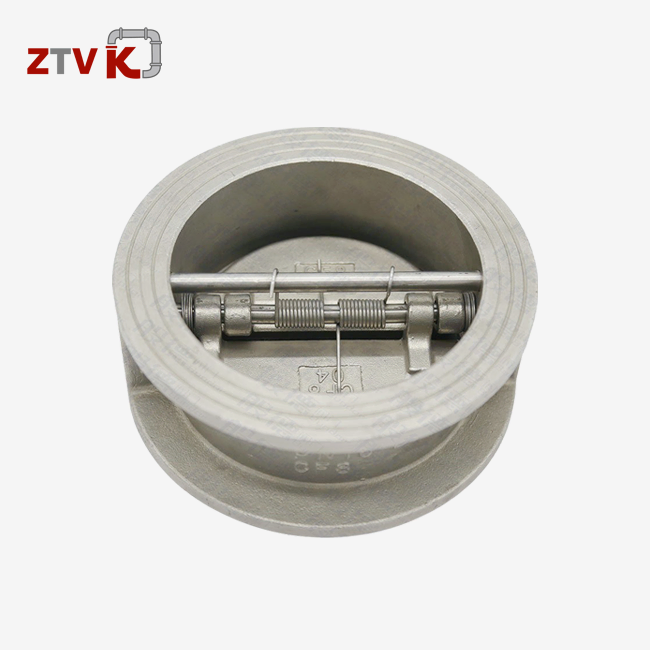
2 inch stainless steel check valve
Material:Stainless Steel304/316
Usage/Application:Water
End Connection:Socket Weld
Shape:Round
Material Grade:SS304
Operating Temperature:120 Degree C
2 Inch Stainless Steel Check Valve for Industrial Pipeline Systems
A 2 inch stainless steel check valve (DN50) is an automatic, self-actuating valve that allows fluid flow in one direction only, protecting upstream equipment from reverse flow damage. It is made from ASTM A351 CF8 (SS304) or CF8M (SS316) investment castings and can handle temperatures up to 120°C with socket weld connections at each end. ZTVK uses CNC cutting to make sure that the quality of the sealing surface stays the same from one production run to the next while following API 6D, API 594, and ASME B16.34 standards.
What Is a 2 Inch Stainless Steel Check Valve?
A 2 inch stainless steel check valve is a one-way automatic valve installed in DN50 pipeline systems. It opens under forward flow pressure and closes when flow reverses — no manual operation or external power required.
Changes in system pressure have a direct effect on the valve disk. The disk shuts to stop overflow when forward pressure drops or changes direction. This self-acting mechanism keeps pumps from turning in the wrong direction, stops cross-contamination, and lowers the chance that pressure surges will damage pipeline parts.
Unlike brass or carbon steel, stainless steel doesn't rust, cavitate, or react with chemicals. This makes it a good choice for uses that need to withstand harsh media or be clean.
Product Specifications
|
Parameter |
Details |
|
Valve Size |
2 Inch (DN50 / NPS 2) |
|
Body Material |
Stainless Steel SS304 / SS316 |
|
Material Grade |
SS304 (CF8) / SS316 (CF8M) |
|
End Connection |
Socket Weld |
|
Shape |
Round |
|
Operating Temperature |
Up to 120°C |
|
Pressure Rating |
Class 150 / Class 300; up to 1000 PSI WOG |
|
Seat Material |
PTFE / Viton / Metal-to-Metal |
|
Cracking Pressure |
0.5 – 2.0 PSI (standard) |
|
Design Standards |
API 6D, API 594, ASME B16.34 |
|
Temperature Range |
-20°F to 450°F (seat material dependent) |
|
Application Media |
Water, steam condensate, chemicals, food-grade fluids |
Key Technical Features
SS304 vs. SS316: How to Pick the Right Material
SS304 (CF8) is good for general use with water, air, and media that doesn't corrode. SS316 (CF8M) is the right material for systems that deal with saltwater, chlorides, or acids. 316 is more resistant to pitting and salt stress corrosion cracks because it has more molybdenum in it.
Choice of Seat Material
Chemicals don't stick to PTFE seats, and they seal well up to 400°F. Viton chairs can take a wider range of chemicals and are flexible at room temperature. Metal-to-metal seats can work in environments with higher temperatures, but API 598 says they can leak more. The seat you choose should be based on the temperature and chemistry of the media you will be using.
Reduction of the Water Hammer
When a check valve shuts off, the speed of reverse flow drops very quickly to zero. This causes a pressure spike known as water hammer. It can put stress on pipelines and hurt equipment that is connected to them. Designs that use springs to help close the disk before the flow completely turns lower the pressure rise that happens when the disk closes. This is especially important in parallel pump configurations where timing of simultaneous closure is important.
Operation that moves itself
Differential pressure is the only thing that makes the valve open and close. There is no need for an actuator, an external signal, or a power supply. This makes maintenance easier and keeps the response time directly linked to flow conditions.
Application Scenarios
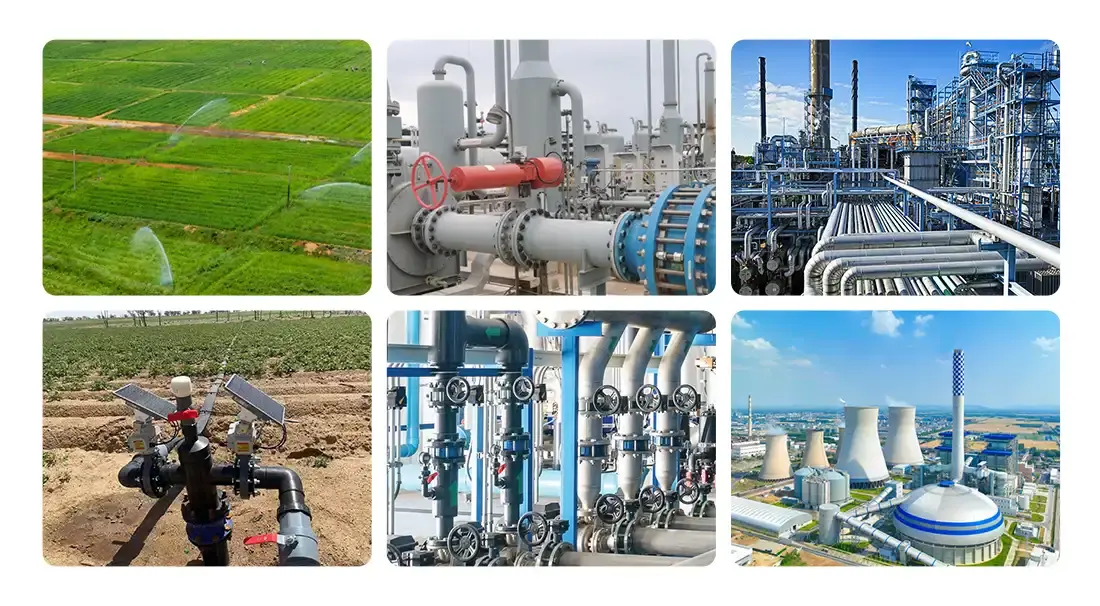
Systems for Reverse Osmosis Desalination
When put on the high-pressure pump discharge lines, stainless steel check valves stop the backflow of brine that would damage the pump impellers and speed up the rusting of carbon steel parts.
Return lines for steam and condensate
In petroleum plants, carbonic acid-containing vapor quickly eats away at carbon steel. Stainless steel construction doesn't break down in this way, and the steam trap still works correctly.
Food and Beverage CIP Systems
In clean-in-place wash lines using caustic detergents, a 2 inch stainless steel check valve prevents dirty wash water from flowing back into clean supply lines, maintaining hygiene integrity under repeated thermal cycling.
Other Applications
Power generation, pharmaceutical processing, natural gas distribution, chemical feed lines, water treatment, and pulp and paper systems regularly specify this valve size and material combination.
Why Source from ZTVK?
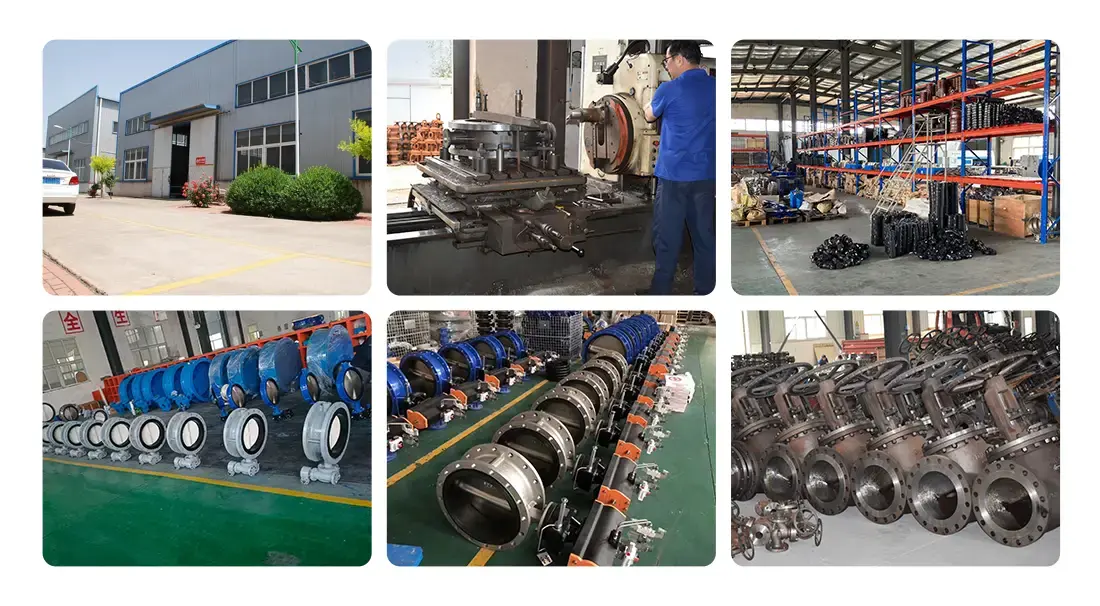
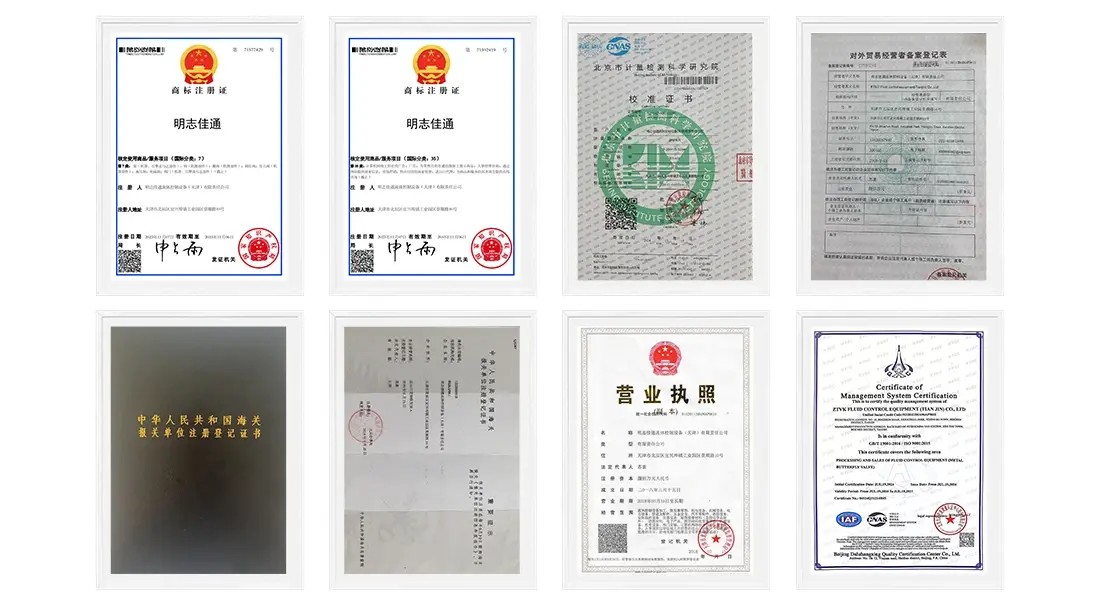
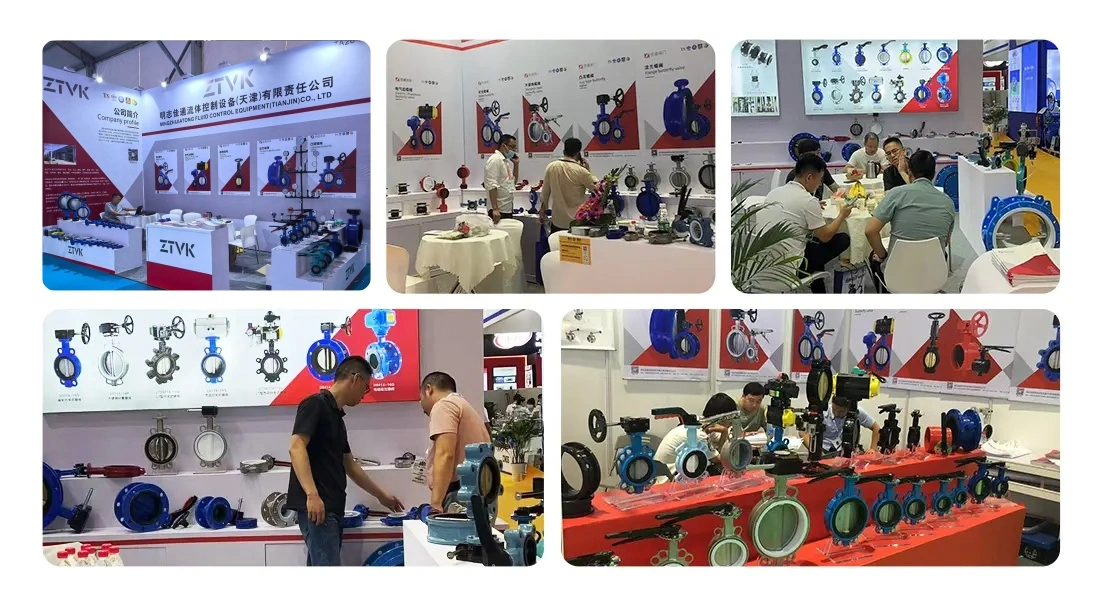
ZTVK makes these valves at a factory in Tianjin, which is about 50 km from Tianjin Port and has easy access to major international shipping routes. You can choose between FOB Tianjin Xingang and CIF destination-port.
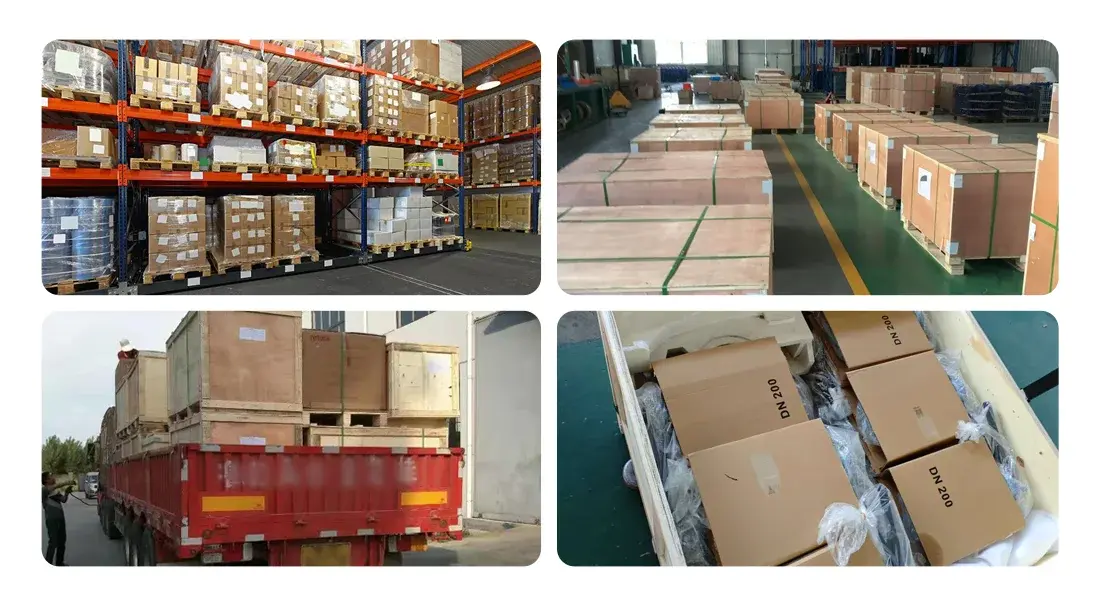
Standard valves from DN50 to DN600 are kept in stock and usually ship 3 to 7 days after an order is placed. Custom configurations take 15–25 days to finish, or 7–10 days for orders that need to be done quickly.
There is an 18-month guarantee on every valve. Failures that aren't caused by people are replaced for free. As part of the pre-sales help, valve selection advice, CAD sketches, 3D models, installation instructions, and repair guides are all provided.
You can get OEM and ODM services, which include custom branding, nameplate configuration, choice of sealing material, and adaption of connection type. Should you have specific project needs, please send them straight to our team for a quick response.
Frequently Asked Questions
Q1: Can a valve be put in place vertically?
A: It depends on how the valve is made. In vertical up-flow installations, both spring-loaded and dual-plate wafer types can be used. Standard swing check valves close by gravity and are best used on horizontal lines unless the flow rate is high enough to keep the disk open consistently.
Q2: What is cracking pressure, and what is the normal range?
A: Cracking pressure is the least amount of pressure upstream that the valve needs to open. In general, it's between 0.5 and 2.0 PSI. For uses that need less head loss, the spring's specifications can be changed to fit.
Q3: Does a check valve with a spring stop water hammer?
A: There is no valve that completely stops water hammer. Spring-assisted non-slam designs cut it down a lot by closing the disk before the flow completely turns. This stops the sudden slam closure that causes the biggest pressure spikes.
Q4: How does the material of the seat affect how well the valve works?
A: PTFE seats seal tightly and won't break down in chemicals up to 400°F. API 598 says that metal-to-metal chairs can handle higher temperatures, but they also allow a higher rate of leaking. The most effective way to keep seats from wearing out or leaking too quickly is to make sure that the seat material is right for the working temperature and media chemistry.
Q5: What standards does this valve meet?
A: Based on API 6D, API 594, and ASME B16.34, ZTVK's valve is made. The company can also make things that meet ISO, ANSI, DIN, JIS, and BS standards, depending on the needs of the project.
Contact Us
Send your specifications or quote requests to ktec86961886@163.com. We review technical inquiries and respond with product details, drawings, or pricing based on your 2 inch stainless steel check valve requirements.
Send us your valve requirements and our team will provide professional solutions and fast quotations.