- English
- French
- German
- Portuguese
- Spanish
- Russian
- Japanese
- Korean
- Arabic
- Greek
- German
- Turkish
- Italian
- Danish
- Romanian
- Indonesian
- Czech
- Afrikaans
- Swedish
- Polish
- Basque
- Catalan
- Esperanto
- Hindi
- Lao
- Albanian
- Amharic
- Armenian
- Azerbaijani
- Belarusian
- Bengali
- Bosnian
- Bulgarian
- Cebuano
- Chichewa
- Corsican
- Croatian
- Dutch
- Estonian
- Filipino
- Finnish
- Frisian
- Galician
- Georgian
- Gujarati
- Haitian
- Hausa
- Hawaiian
- Hebrew
- Hmong
- Hungarian
- Icelandic
- Igbo
- Javanese
- Kannada
- Kazakh
- Khmer
- Kurdish
- Kyrgyz
- Latin
- Latvian
- Lithuanian
- Luxembou..
- Macedonian
- Malagasy
- Malay
- Malayalam
- Maltese
- Maori
- Marathi
- Mongolian
- Burmese
- Nepali
- Norwegian
- Pashto
- Persian
- Punjabi
- Serbian
- Sesotho
- Sinhala
- Slovak
- Slovenian
- Somali
- Samoan
- Scots Gaelic
- Shona
- Sindhi
- Sundanese
- Swahili
- Tajik
- Tamil
- Telugu
- Thai
- Ukrainian
- Urdu
- Uzbek
- Vietnamese
- Welsh
- Xhosa
- Yiddish
- Yoruba
- Zulu
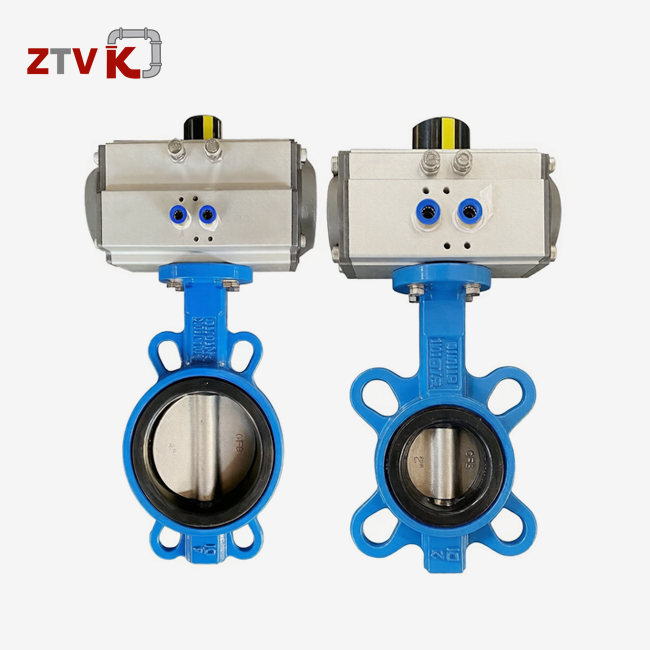
double acting butterfly valve
Connection method:Flanged type
Connection standard:ISO5211--PN10/PN16/125LB/150LB/JIS10K
Size:28"-80"(DN700-DN2000 mm)
Working pressure:PN10/PN16
Body material:WCB (A216)/Ductile Iron(GGG50), Stainless Steel(CF8/CF8M/CF3/CF3M)
Disc material:DI(Ni lined), WCB (A216), Stainless Steel(SS304/SS316/SS304L/SS316L) , Duplex Stainless Steel(2205/2507)
Seat material:EPDM/NBR/PTFE/VITON/
Double Acting Butterfly Valve for Large-Bore Industrial Pipelines
The double acting butterfly valve from ZTVK FLUID CONTROL EQUIPMENT (TIANJIN) CO., LTD is a pneumatically actuated quarter-turn valve covering DN700 to DN2000 (28"–80"). The opening and closing strokes are both driven by air, so the torque output stays the same throughout the whole 0°–90° range. The working pressure is PN10/PN16. The valve can work with water, gas, oil, and chemically aggressive media at temperatures ranging from 0°C to 80°C because the seat is made of EPDM, NBR, PTFE, and VITON.
How a double acting butterfly valve Works
It gets its power from compressed air at 2.5 to 8 bar (maximum 10 bar). When air goes through Port A, it opens the valve. When air goes through Port B, it stops it, turning the disk from 0° to 90° ± 5°.
The actuator gives the same amount of torque throughout the whole journey because both strokes are driven by air. This is different from spring-return systems, where the power output slowly drops as the spring loosens up.
If there is no more air, the valve stays in the last known position (fail-last or stay-put). It won't open or close until the air pressure is back to normal. This helps keep the process stable when the power goes out.
Key Technical Specifications
|
Parameter |
Details |
|
Size Range |
DN700–DN2000 (28"–80") |
|
Working Pressure |
PN10 / PN16 |
|
Connection Standard |
ISO5211 — PN10/PN16 / 125LB / 150LB / JIS10K |
|
Connection Type |
Flanged |
|
Actuation |
Double-acting pneumatic actuator (Rack & Pinion / Scotch Yoke) |
|
Air Supply Pressure |
2.5–8 bar (max 10 bar) |
|
Rotation |
90° ± 5° |
|
Suited Medium |
Water, gas, oil, and compatible process fluids |
|
Temperature Range |
0°C–80°C |
|
Body Materials |
WCB (A216), Ductile Iron (GGG50), CF8, CF8M, CF3, CF3M |
|
Disc Materials |
DI (Ni-lined), WCB, SS304, SS316, SS304L, SS316L, Duplex 2205/2507 |
|
Seat Materials |
EPDM / NBR / PTFE / VITON |
|
Standards |
API, ANSI, ISO, DIN, BS, JIS, CE |
Performance Characteristics
Always the same force across the whole stroke.As the spring loosens up near the end of its journey, spring-return motors lose force. The double-acting design keeps air pressure on both sides of the piston active throughout the stroke. This is useful for fluids with a high viscosity or lines with a large diameter that need a high runaway torque all the way through the movement.
Small cover for the actuator.The actuator body can be smaller for the same torque rating if it doesn't have a spring cartridge inside it. This can make installation easier in header systems that are tight or on equipment skids that don't have a lot of room.
The ability to modulate control.When used with a 4–20mA electro-pneumatic positioner, the balanced pneumatic forces on both sides of the piston help stop fluttering that is caused by changing fluid flow. This lets you precisely control the flow instead of just turning the device on and off.
Durability of cycles.The rack-and-pinion system doesn't have a constant spring load, which lowers the friction inside. Because of this, the design works well for uses that need to do a lot of operations every year.
Typical Application Scenarios
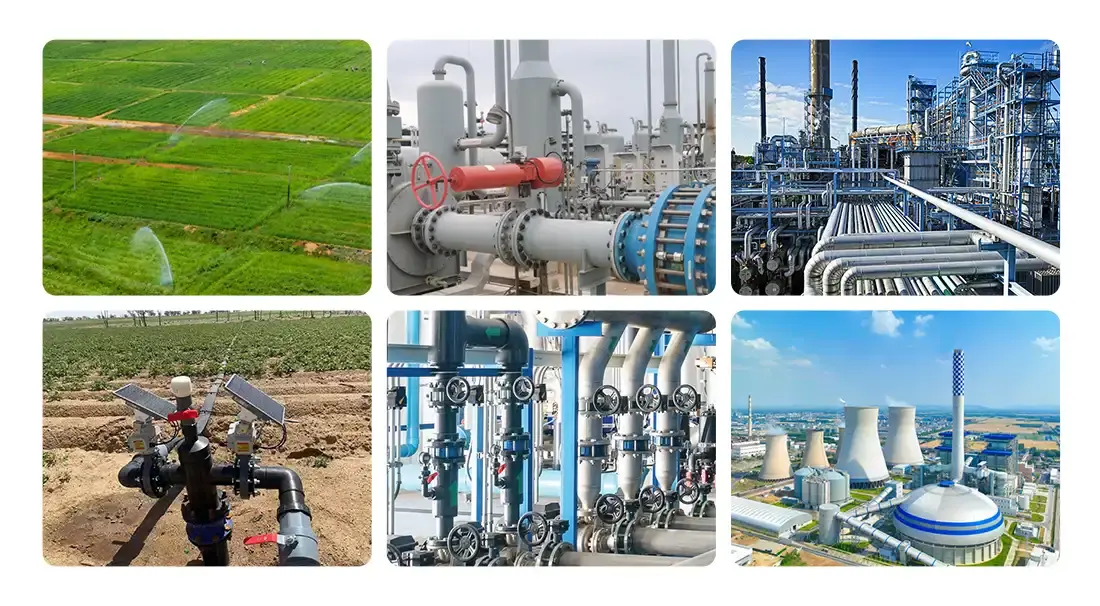
In large-bore distribution headers, this valve is used in plants that treat wastewater and remove salt from water. Through exhaust flow control valves, the double-acting system lets you set the speed at which it closes. This helps lower water hammer and pressure spikes.
When working with thick fluids or slurries that contain some particles, chemical processing and dosing skids benefit from having torque that stays constant. You can use air power for the close stroke, which can work through seat friction loads that might stop a spring-return actuator. The valve stays in place between batches so that the pressure doesn't change.
When an industrial HVAC or cooling tower loop loses a control signal, it uses the fail-last behavior to keep the flow of cool air going instead of shutting down right away like a fail-close configuration would.
Quality Control & Testing
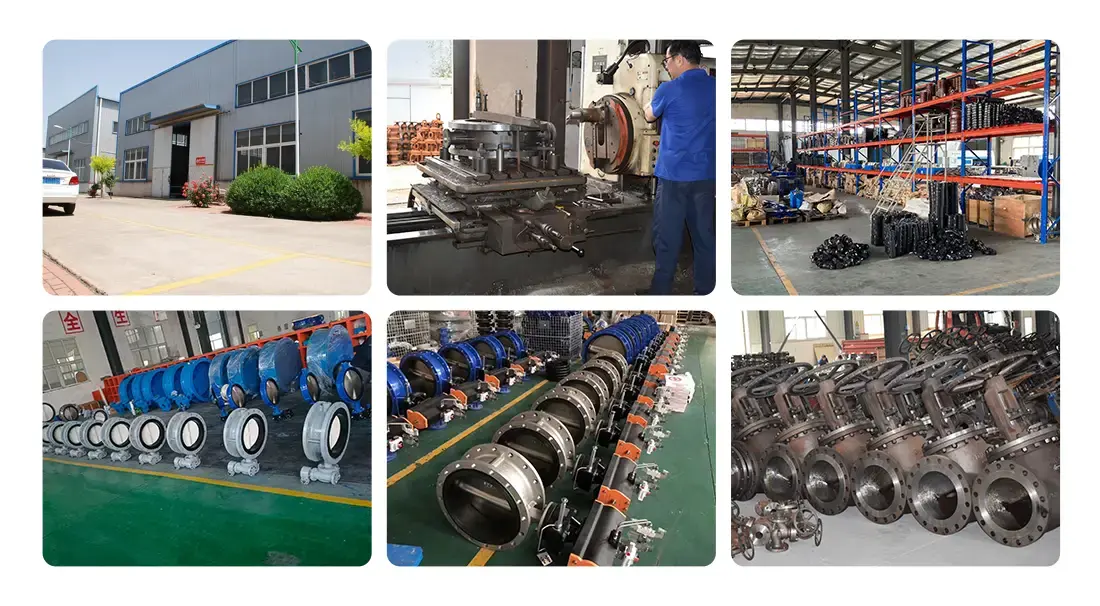
Every double acting butterfly valve leaving the ZTVK facility goes through a structured inspection process.
Shell test: hydrostatic pressure at 1.5 times the maximum pressure to make sure the body is solid.
Seat leakage test (API 598 / EN 12266-1): hydrostatic or pneumatic test at 1.1× rated pressure to make sure the valve is shut off.
A pneumatic cycle test must be done with at least 50 dry cycles to see if the rack-and-pinion system has hysteresis or is stuck.
Check for air leakage: The O-rings inside the actuator are checked to make sure there is no air leakage between chambers A and B.
Positive Material Identification (PMI): Alloy composition testing is used to make sure that stainless steel bodies are made of the right material grade (for example, CF8M = 316SS).
Verification of actuator torque: output torque is checked against the pressure/torque charts that come with each unit.
Customization & OEM/ODM Options
ZTVK supports both OEM and ODM requirements. Body material, disc alloy, seat elastomer, connection configuration, and actuator interface can be specified to match your operating conditions.
For high-dust environments, ZTVK offers thicker stem protection. For humid climates, epoxy resin anti-corrosion treatment is available on the body exterior.
Standard flanged valves in common sizes can ship within 3–7 days. Custom-engineered configurations typically require 15–25 days, with expedited production available in 7–10 days for urgent orders.
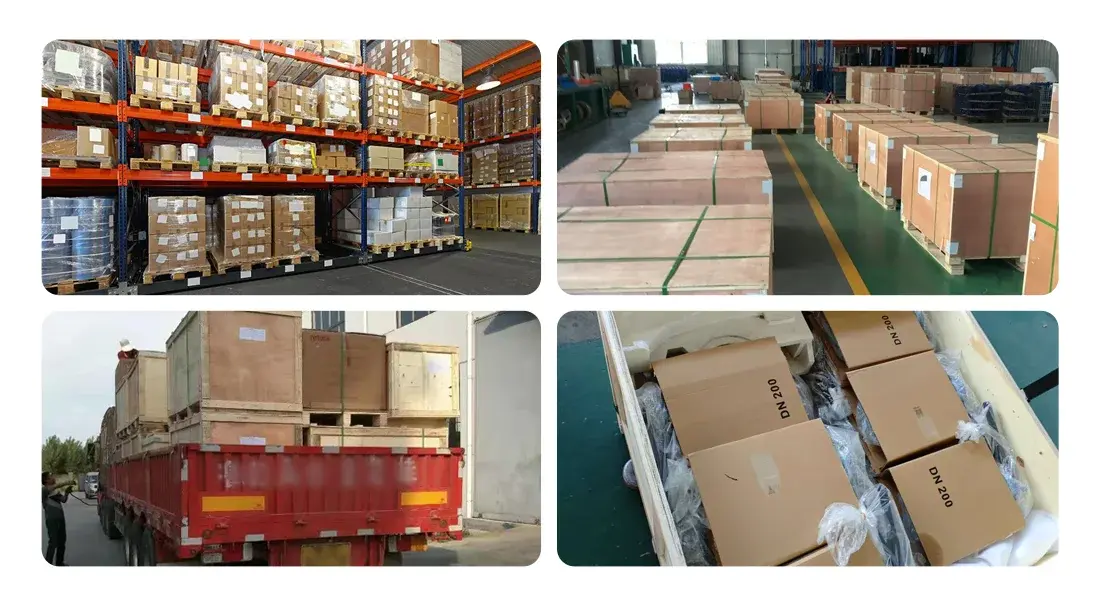
Export packaging uses wooden crates, moisture-proof film, and fixing brackets, compliant with ISPM 15 phytosanitary requirements. The factory is approximately 50 km from Tianjin Port, supporting FOB and CIF shipments.
After-Sales Support
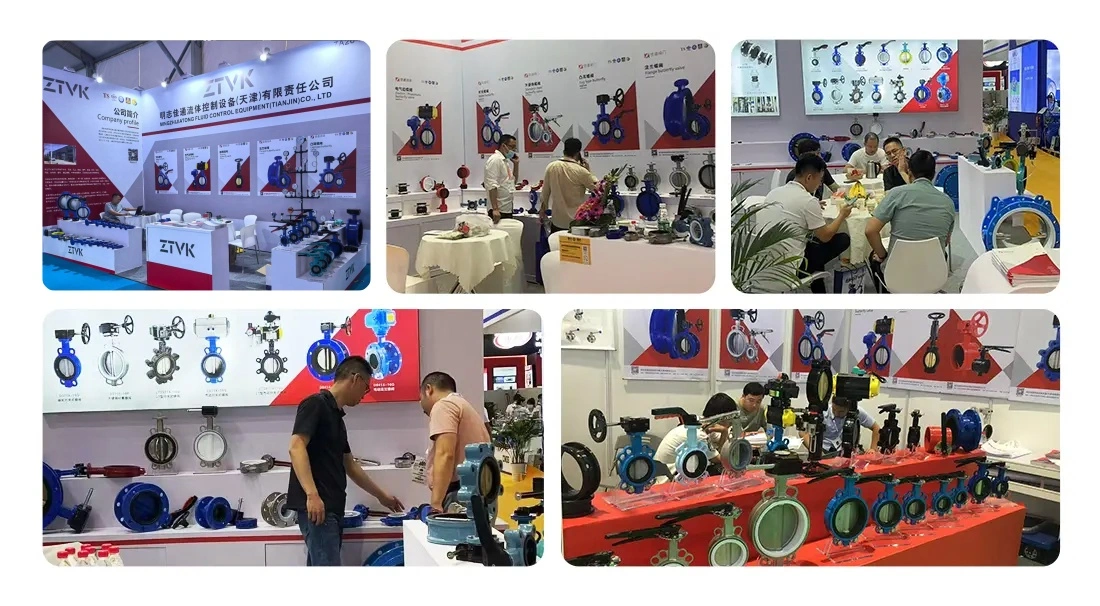
ZTVK provides an 18-month warranty covering non-human-caused product failures, with free replacement parts included. Pre-sales support includes valve selection recommendations, CAD drawings, and 3D models.
Post-installation support includes video guides, troubleshooting manuals, and technical assistance. Each double acting butterfly valve carries a QR code linking to its product record, inspection report, and maintenance history.
FAQ
Q1: What does a butterfly valve do when the air flow stops?
A: It stays put in the last place it was seen (fail-last) and won't move until the air pressure is back to normal. If your process needs a clear fail position without springs, you might want to think about putting an air reserve tank next to the actuator.
Q2: Can this valve handle control that slows down or speeds up?
A: Yes. When a 4–20mA electro-pneumatic positioner is used, the balanced air pressure on both sides of the piston helps keep the movement stable and stops fluttering caused by dynamic fluid forces. This lets the flow be changed accurately.
Q3: How do I choose the right size actuator?
A: Find the highest torque that will cause your valve to break away at operating pressure. Then choose an actuator that can deliver that torque with a good safety margin. Make sure that it is sized based on your facility's lowest available air pressure, not its normal operating pressure, so that it will work reliably even if the supply conditions are bad.
Q4: What kind of solenoid valve do I need to handle this?
A: It needs a 5/2-way solenoid valve. It sends air to one port on the actuator and lets go of air from the other. This setup doesn't work with a 3/2-way solenoid valve because it's made for single-acting motors.
Q5: Why is the double-acting design cheaper than the spring-return design when the size is big?
A: It doesn't need as many internal parts because it doesn't need a heavy enclosed spring cartridge. It can also use a smaller actuator housing to get the same torque output at large bore sizes. This lowers the cost of the materials and makes the building easier.
Q6: What types of companies often use this type of valve?
A: Water treatment, desalination, petrochemicals, chemical processing, industrial HVAC, power generation, and pulp and paper are all common industries that need large-bore automated shutoff or flow regulation.
Contact Us
Contact our technical team at ktec86961886@163.com to request a quote, technical drawings, or selection assistance for your double acting butterfly valve.
Send us your valve requirements and our team will provide professional solutions and fast quotations.