- English
- French
- German
- Portuguese
- Spanish
- Russian
- Japanese
- Korean
- Arabic
- Greek
- German
- Turkish
- Italian
- Danish
- Romanian
- Indonesian
- Czech
- Afrikaans
- Swedish
- Polish
- Basque
- Catalan
- Esperanto
- Hindi
- Lao
- Albanian
- Amharic
- Armenian
- Azerbaijani
- Belarusian
- Bengali
- Bosnian
- Bulgarian
- Cebuano
- Chichewa
- Corsican
- Croatian
- Dutch
- Estonian
- Filipino
- Finnish
- Frisian
- Galician
- Georgian
- Gujarati
- Haitian
- Hausa
- Hawaiian
- Hebrew
- Hmong
- Hungarian
- Icelandic
- Igbo
- Javanese
- Kannada
- Kazakh
- Khmer
- Kurdish
- Kyrgyz
- Latin
- Latvian
- Lithuanian
- Luxembou..
- Macedonian
- Malagasy
- Malay
- Malayalam
- Maltese
- Maori
- Marathi
- Mongolian
- Burmese
- Nepali
- Norwegian
- Pashto
- Persian
- Punjabi
- Serbian
- Sesotho
- Sinhala
- Slovak
- Slovenian
- Somali
- Samoan
- Scots Gaelic
- Shona
- Sindhi
- Sundanese
- Swahili
- Tajik
- Tamil
- Telugu
- Thai
- Ukrainian
- Urdu
- Uzbek
- Vietnamese
- Welsh
- Xhosa
- Yiddish
- Yoruba
- Zulu
The installation direction requirements and working principle of gate valves
Gate valves are important isolation devices in industrial pipe systems. For system stability, it's important to know how to install and use them correctly. The 200mm gate valve moves in a straight line, with a wedge-shaped or parallel gate moving in a direction opposite to the flow path. When the gate is fully open, it retracts all the way into the bonnet. This makes a clear, straight-through passageway that keeps pressure low, which is perfect for high-volume water mains, moving petrochemicals, and HVAC systems. When the gate presses against two seat rings under system pressure, closing happens. In well-maintained units, this results in a zero-leakage shutdown.


Understanding the Working Principle of Gate Valves
Learning how gate valves work is important. Gate valves are different from other flow control devices because they have a simple but effective way of working. A gate element is linked to a stem, which moves vertically when the handwheel is turned or when a motor is powered.
Linear Motion Mechanism
The gate valve's principal benefit is straight-line flow. The stem threads connect to the hood when the handwheel is turned counterclockwise. This lifts the gate from fluid flow. Compared to globe valves, which change direction numerous times, this design reduces turbulence and friction loss. A 200mm system pumping 16 bar of city water reduces pumping energy expenses by approximately 20% over a year.
Sealing Technology and Gate Designs
Two gate designs dominate the industry. One-piece solid wedge gates wedge between seats when pressure is applied. They close tightly but must be machined correctly. Wastewater systems have minor misalignments and particulates; thus, resilient-seated wedges feature EPDM or NBR wrapping. Due to its ductile iron and sturdy seating, the ZTVK Z45X-10/16Q stays leak-tight at Rate A according to EN 12266-1 after 30,000 cycles. Ductile iron has 50% more tensile strength than gray cast iron. Cracking is less common when the temperature shifts from -10°C to 120°C.
Stem Configurations and Actuation Options
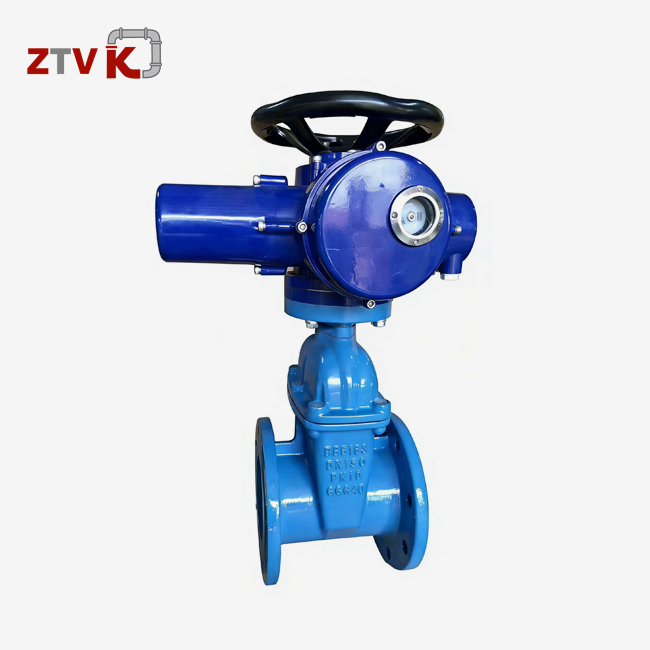
Rising stem designs extend the stem when the valve opens to show where it is. Non-rising stems conserve vertical space in underground tunnels but need location indicators. For higher power, DN300–DN600 valves need pneumatic or electric motors, whereas DN40–DN200 valves can be controlled by hand. ZTVK valves use ISO 5211 mounting pads; therefore, upgrading actuators doesn't require valve body changes. This allows automated retrofits without system downtime.
Installation Direction Requirements for Gate Valves
The right placement has a direct effect on how long a valve lasts and how well it seals. Unlike check valves, gate valves should allow flow in both directions, but the right position depends on the purpose.
Flow Direction Considerations
Gate valves rarely restrict flow direction. System-specific limitations limit this freedom. Steam lines above 20 bar with valves that let flow in under the gate (upstream through the seat) seal better by pushing the wedge against the upstream seat. However, downhill movement prevents dirt from accumulating in the bonnet hollow and binding the stem when distributing potable water. The valve body usually features a cast line indicating flow direction. For non-critical services, this is for reference only.
Pre-Installation Inspection Protocol
Be sure everything is fine before adding a 200mm gate valve to your pipeline. Using this will prevent field issues. Check flange side flatness with a feeler gauge. Gasket leaks may result from deviations beyond 0.25 mm. Make sure bolt holes match EN 1092-2 drilling patterns for PN10 or PN16 flanges. Run five full open-close cycles with the valve horizontally to ensure the stem slides freely without getting trapped. Check the bonnet bolt pressure markings and packing gland for factory oiling.
Spatial and Environmental Requirements
When manually manipulating a gate valve, the wrench must reach the stem height + 150 mm above the valve. Valve boxes must fit this vertical chamber and be accessible to repair teams when buried. Extreme temperatures limit installation options. Valve bonnets must be longer for outdoor use below -20°C to prevent packing freezing and stem seizing. Fusion Bonded Epoxy coverings thicker than 300 microns are needed in corrosion-prone regions like seaside manufacturing. ZTVK treats Middle Eastern clients with windstorm damage and Southeast Asian clients in areas with year-round humidity over 85%.
Alignment and Support During Installation
Placing the valve body so the pipe doesn't strain can loosen the valve hole's form and openness. Align the flanges to within 1 mm before tightening the bolts in a star pattern to the stipulated torque values—150 Nm for M20 bolts on PN16 flanges. Maintain the pipe within one meter of the valve to prevent cantilever tension. Keep actuator wire conduits available and mechanically safe. Maintain cable integrity with bend radii above 10 times the conduit width.
Comparison of Gate Valves with Other Industrial Valves
To choose the right type of valve, you need to know how gate valves compare to other options in real life. Each type of valve meets a different set of practical needs, and choosing the wrong ones can cause early failures or too much upkeep.
Gate Valves Versus Ball Valves
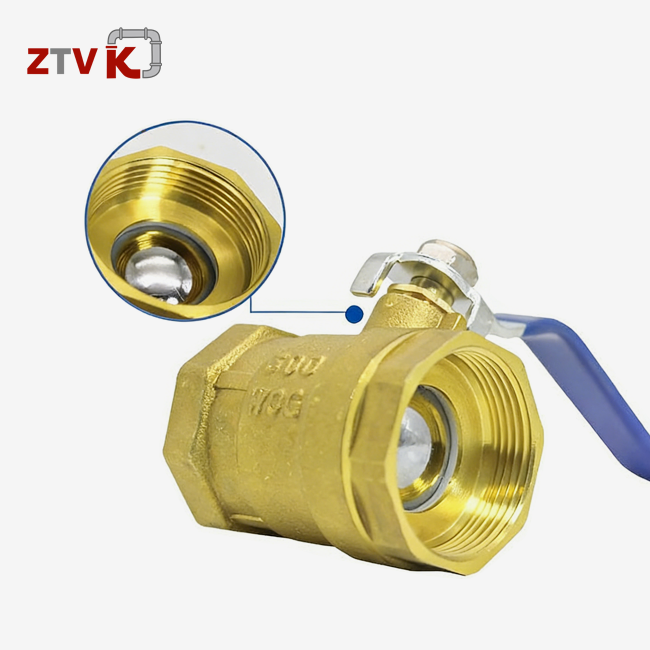
Ball valves are ideal for quarter-turn shutoffs where space doesn't allow multi-turn handwheels. A 200mm ball valve turns 90°, while a gate valve takes 20–30 rotations. Opening takes less than 3 seconds, down from 45 seconds. Ball valves cost 40–60% more than gate valves for large holes because the sphere and seats must be manufactured more precisely. Gate valves handle suspended slurries and solids better because the rising gate removes waste. However, ball valve seats collect particles and leak. Municipal water corporations use gate valves for sectionalizing because they are cheaper to maintain and repair.
Gate Valves Versus Butterfly Valves
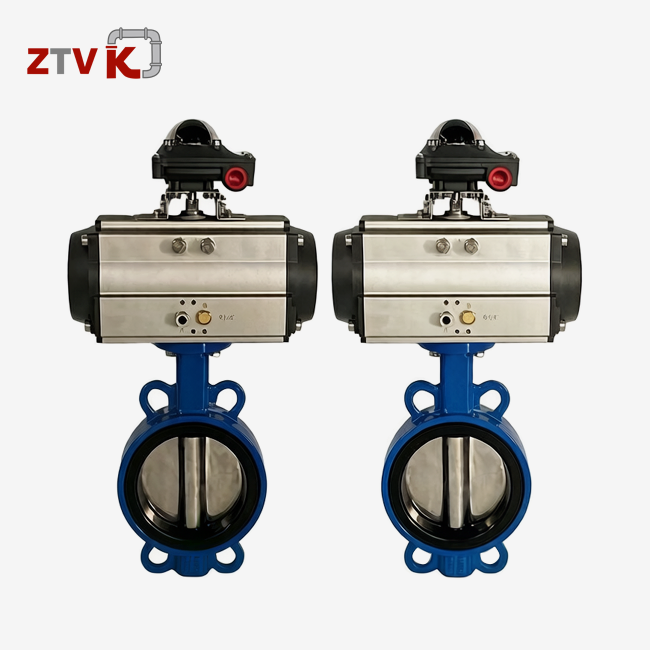
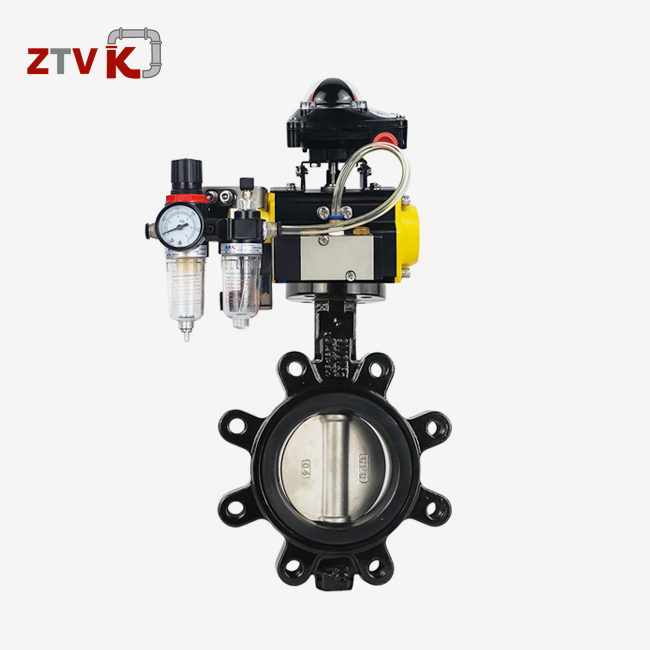
Butterfly valves have the shortest fittings. A DN200 butterfly valve is 60mm face-to-face, while a DIN 3202 F4 gate valve is 230mm. Butterflies are ideal for small pump locations. Butterfly discs remain in the flow line when fully open. This drops pressure by 15-20%, and blocks flow almost completely with gate valves. Steam system gate valves seal better and can handle temperature variations that would harm butterfly disc materials above 40 bar.
Performance Metrics Comparison
The 200mm gate valve has a flow coefficient (Cv) of 1200 when fully open, but a globe valve of the same size has 400 because its internal channels are more intricate. Pumps need three times the pressure to move the same amount via a globe valve, which uses more energy. Maintenance frequency also varies. Gate valves need stem repacking every 3–5 years, but globe valves need packing replacement every year since the stem contact forces slowly increase.
Advantages and Maintenance Best Practices for Gate Valves
Due to their operating strengths that save money over the course of their life, gate valves are the most common type of separation valve used across all industries. Understanding these benefits, along with strategic repair plans, will help you get the most out of your investment.
Core Operational Advantages
The full-bore design gets rid of flow turbulence, which protects internal parts from wear and tear and makes the valve last longer than 25 years in clean water service. Water hammer shocks up to 15 bar surge pressure can't break ductile iron bodies like those in ZTVK's Z45X series. This isn't possible with gray cast iron valves that serve networks with changing demand. Because it can close in both directions, a single valve stock can be used for multiple pipeline orientations. This makes inventory management easier for wholesalers who work on a variety of projects. The stem moves perpendicular to the flow, so there is no packing wear during steady-state operation. Only during activation events does packing wear happen, which makes servicing a lot easier than with continuously adjusted control valves.
Material Selection Impact on Performance
When choosing between ductile iron and stainless steel bodies, you have to weigh how resistant they are to rust against how much they cost. 316 stainless steel valves can withstand chloride attack in seawater evaporation plants and acidic petrochemical streams, which is why they cost 2.5 times more but last 30 years longer. If you treat ductile iron correctly, it works well with drinkable water and neutral pH industrial fluids for a third of the price. ZTVK's epoxy coating system, which has been tested to ISO 4628 standards, keeps outdoor projects from rusting for eight years. This meets the needs of builders who need to balance short-term costs with long-term dependability.
Routine Maintenance Procedures
When properly defined, gate valves don't need much maintenance. However, ignoring them can speed up failure modes that require expensive emergency shutdowns. Do five full strokes of the valve every six months to keep the stem thread from corroding from not being used. This is called "frozen valve syndrome," and it happens to emergency isolation valves that have been left alone for years. Check packing glands once a year for tears, which can be seen by rust spots on the stem, and tighten gland nuts by quarter-turns at a time until leaks stop without going too far. Molybdenum disulfide grease should be applied to uncovered stem threads every six months to keep water out.
Troubleshooting Common Issues
If there is leakage past the seats when the valve is closed, it's usually because of debris stuck on the sealing surfaces or wear from too much slowing. Gate valves shouldn't control flow as globe valves do. You can avoid this damage by flushing the line before closing it and turning the valve all the way open or all the way closed. If the handwheel is hard to turn, it could be because the packing is too compressed or there is rust inside. Loosen the packing gland a little and use penetrating oil to work the stem through its range. If the resistance doesn't go away, the valve may need to be taken apart, and the seat refaced. ZTVK can help with this by providing replacement parts and expert advice videos that come with valve documentation.
Procurement Guide: Selecting and Ordering Gate Valves
Strategic valve buying strikes a balance between technical requirements and the dependability of the supply chain. Distributors and project contractors need models that make evaluating vendors easier and make sure that the goods supplied meet the needs of the site.
Critical Specification Parameters
First, make sure that the pressure-temperature numbers are correct for the system design settings and include safety margins. According to the material data, a PN16 valve that was rated to 16 bar at 20°C dropped to 11 bar at 100°C. This makes it unsuitable for steam uses that need PN25 or higher. Make sure that the cutting patterns for the flanges are in line with current plumbing standards. Using EN and ANSI flanges together can cause problems with the seals. For petrochemical services, you should ask for material test records (MTRs) that confirm the body makeup and hydrostatic testing at 1.5 times the rated pressure by a third party. ZTVK gives full tracking paperwork, like heat numbers and coating thickness records, which meet the needs of audits for oil and gas EPC projects.
Supplier Evaluation Criteria for 2024
Lead times are still very important as supply lines get back to normal after the plague. Standard 200mm gate valves from well-known brands now ship within 3–7 weeks. ZTVK keeps more than 2,000 units in stock in Tianjin so they can be sent out right away. Depending on how complicated they are, customized materials or activation packages can add 15 to 25 days to the time frame. Prices for 200mm ductile iron PN16 valves range from USD 180 to USD 320 FOB China, while prices for stainless steel valves range from USD 600 to USD 950. OEM branding adds 5 to 8 days to production, but there is no extra charge for orders over 50 units, which is a big plus for wholesalers trying to build a brand presence in their area.
Quality Assurance and Certification
As a starting point, insist on ISO 9001 certification. However, check the dates of any workplace audits within the last two years to make sure they are still following the rules. Water valves must have either an NSF-61 or WRAS approval that shows the coatings don't release heavy metals. ISO 9001, ISO 14001, and OHSAS 18001 are all standards that ZTVK has, and the company website lists yearly surveillance reports. Shipments should come with dimensional inspection reports that follow EN 558 and EN 1092 standards. This way, the teams that receive them can check the face-to-face lengths and joint holes before installing the goods.

Logistics and After-Sales Considerations
Being close to major ports cuts down on interior transportation costs and delays. ZTVK's Beichen District plant is only 50 km from Tianjin Xingang Port, which means that containers can be stuffed within 24 hours of production ending. Valves are kept safe during the 30-day sea freight to the U.S. in heat-treated wooden boxes with moisture shields that meet ISPM-15 standards. Gulf ports. Warranty terms are very important; a standard 12-month coverage doesn't work for project deadlines. ZTVK offers 18-month guarantees that cover problems with the way the valves were made. Replacement valves are sent out within 10 days of a claim being approved, which reduces the contractor's risk of having to pay punitive damages.
Conclusion
Due to their low pressure drop and reliable closing, gate valves are still needed for isolating tasks in water infrastructure, petrochemical processing, and HVAC systems. Even though the right installation angle can be changed, it needs to take into account things like the direction of the pressure and how the sediment is managed. Gate valves are more cost-effective than ball and butterfly valves in big-bore situations where full flow capacity and long service intervals are more important than quick activation needs. Distributors who want to find the best balance between quality and price will love the ductile iron structure and resilient seats. Active maintenance, like riding and packing checks regularly, keeps stems from freezing and seats from wearing out too quickly. Making sure that suppliers are close to international infrastructure, checking certifications, and making sure projects stay on schedule while meeting strict quality standards are all important parts of procurement.
FAQ
Q1: What's the difference between rising and non-rising stem gate valves?
Rising stem valves have holes on the outside of the stem that make it move up when the valve is opened. This lets workers see the position from a distance. Non-rising stems have threads inside that engage directly with the gate. This saves vertical space in underground basements or machinery rooms with low clearance. Both seal the same way, but rising stems are easier to maintain because worn threads can be seen from the outside without taking the whole thing apart.
Q2: Can gate valves be installed horizontally?
Gate valves can work in any position—horizontal, vertical, or at an angle—without losing any of their performance. But horizontal setups with stems facing sideways should not be used in fluids that are full of particles because sediment builds up in the bonnet and locks the gate. When flow direction is taken into account in vertical systems, debris problems are avoided, and drainage is made easier during repair shutdowns.
Q3: How often should gate valves be operated?
When valves are in use, they naturally keep moving. To keep seats and threads from welding together, emergency isolation valves need to be cycled through their full stroke every three months. Monthly functional tests should be done on automated valves to make sure the actuator responds correctly and the limit switch works correctly. This way, problems can be found before they cause the valve to shut off.
Partner with ZTVK for Reliable 200mm Gate Valve Supply
In industrial settings, gate valves need to be able to last for decades without losing their purity. The ZTVK Z45X-10/16Q type is made to withstand tough conditions. It combines the strength of ductile iron with robust seating technology that has been tested to meet EN standards. Our factory in Tianjin is ISO 9001 approved and has CNC machining centers. It makes valves from DN40 to DN600 with uniform quality that meets the needs of both city contractors and petrochemical operators. We keep more than 2,000 standard valves in stock, so we can send them in 3–7 days to meet tight project deadlines. Custom OEM orders take 15–25 days to ship. We are only 50 km from Tianjin Xingang Port and have streamlined export operations by forming relationships with COSCO and Maersk. We offer FOB or CIF terms and use ISPM-15 packaging that gets goods through customs quickly.
Distributors gain competitive advantages through our flexible small-batch powers, and clear prices give distributors a competitive edge—there are no hidden costs or minimum order traps. In addition to selling products, we offer value through installation tutorial videos, CAD models, and an 18-month guarantee with quick technical support. Our engineering team works together to make sure that requirements are met in the real world, whether you need 200mm gate valve solutions for water infrastructure or special actuation packages for process automation. Get in touch with ZTVK at ktec86961886@163.com to talk about your valve needs with our team and get full quotes within 24 hours. See for yourself how a dedicated 200mm gate valve manufacturer can turn procurement from a problem to a relationship.
References
1. American Water Works Association (AWWA). Manual M11: Steel Pipe – A Guide for Design and Installation. Denver: AWWA, 2020.
2. British Standards Institution. BS EN 1074-1:2000 Valves for Water Supply – Fitness for Purpose Requirements and Appropriate Verification Tests. London: BSI, 2000.
3. Lyons, Jerry L., and William C. Plisga. Piping Handbook, Eighth Edition. New York: McGraw-Hill Education, 2019.
4. Nayyar, Mohinder L. Piping Handbook, Seventh Edition. New York: McGraw-Hill Professional, 2000.
5. Smith, Philip L., and R. W. Zappe. Valve Selection Handbook: Engineering Fundamentals for Selecting the Right Valve Design for Every Industrial Flow Application, Fifth Edition. Burlington: Gulf Professional Publishing, 2004.
6. Zappe, R. W. Valve Designer's Handbook. New York: Van Nostrand Reinhold, 1981.
Send us your valve requirements and our team will provide professional solutions and fast quotations.
RELATED INDUSTRY KNOWLEDGE