- English
- French
- German
- Portuguese
- Spanish
- Russian
- Japanese
- Korean
- Arabic
- Greek
- German
- Turkish
- Italian
- Danish
- Romanian
- Indonesian
- Czech
- Afrikaans
- Swedish
- Polish
- Basque
- Catalan
- Esperanto
- Hindi
- Lao
- Albanian
- Amharic
- Armenian
- Azerbaijani
- Belarusian
- Bengali
- Bosnian
- Bulgarian
- Cebuano
- Chichewa
- Corsican
- Croatian
- Dutch
- Estonian
- Filipino
- Finnish
- Frisian
- Galician
- Georgian
- Gujarati
- Haitian
- Hausa
- Hawaiian
- Hebrew
- Hmong
- Hungarian
- Icelandic
- Igbo
- Javanese
- Kannada
- Kazakh
- Khmer
- Kurdish
- Kyrgyz
- Latin
- Latvian
- Lithuanian
- Luxembou..
- Macedonian
- Malagasy
- Malay
- Malayalam
- Maltese
- Maori
- Marathi
- Mongolian
- Burmese
- Nepali
- Norwegian
- Pashto
- Persian
- Punjabi
- Serbian
- Sesotho
- Sinhala
- Slovak
- Slovenian
- Somali
- Samoan
- Scots Gaelic
- Shona
- Sindhi
- Sundanese
- Swahili
- Tajik
- Tamil
- Telugu
- Thai
- Ukrainian
- Urdu
- Uzbek
- Vietnamese
- Welsh
- Xhosa
- Yiddish
- Yoruba
- Zulu
The method for replacing the valve core of a brass curb stop valve
To change the valve core in a brass curb stop valve, you have to turn off the water supply, remove the operating nut and stem assembly, remove the worn internal core, install a new certified replacement core with the right sealing components, and test the pressure to make sure the valve works without leaks. This repair process fixes your 2 inch brass curb stop valve so it can shut off completely again without having to be replaced. This cuts down on costs and downtime for water distribution systems that serve businesses, government buildings, and factories.
Understanding the 2 Inch Brass Curb Stop Valve and Its Valve Core
The brass curb stop valve is the key control point between big buildings and the city's water mains. This switch is buried underground and can be reached through a curb box. It lets utility workers turn off the water from afar, without having to go into the building. The heart of the valve, which is what seals and controls flow, has a direct effect on how reliable the system is.
What Makes the Valve Core Critical
The main assembly of every metal curb stop valve handles hydraulic pressure over 300 PSIG. These cores are lead-free brass that meets NSF/ANSI 61 and 372. PTFE-coated sealing sides reduce operating force and seal tightly. Water hammer events or decades of inactivity degrade the core, causing leaks. Dezincification from harsh soil conditions or silt buildup might freeze the valve stem, making emergency shutoff difficult.
Recognizing When Replacement Becomes Necessary
Several symptoms indicate valve core failure. O-ring wear occurs when the stem seal leaks even when closed. If turning difficulty increases or the stem stops operating, internal rust or mineral accumulation is present. Partially opening doors sounds like seat degradation. Recognizing these indications early prevents catastrophic failures during peak demand times for procurement managers buying parts for multi-unit residential complexes or HVAC contractors servicing business systems.
Modern metal curb stop valves are two-piece, making core replacement easy. Modern versions may be serviced using hand tools, unlike previous single-body designs that needed to be dug up and valves replaced. Because of its structural value, core replacement is the greatest option to repair outdated infrastructure because it saves over 60% on upkeep compared to full valve replacements.
Step-by-Step Guide to Replacing the Valve Core of a 2 Inch Brass Curb Stop Valve
For valve core repair to go well, it needs to be done carefully and according to safety rules. This guide shows how to use standard manual metal curb stop valves that are put in underground service lines.
Preparation and Safety Measures
Start by planning with the correct individuals to switch off the water. Notify building residents and turn off their systems. Bring a bucket, curb key (T-wrench), adjustable wrenches, penetrating oil, a new valve core kit, and clean rags. Check the compatibility of the 2 inch brass curb stop valve core. The connection type (CTS compression, IPS thread, or flare), pressure number, and material must match.
Avoid hitting subsurface utilities by finding their locations before opening the curb box. Carefully remove dirt and other buildup from the box. Put penetrating lubricant on the working nut and soak if the valve hasn't been fixed recently.
Core Extraction Process
Close the working nut by turning it counterclockwise with the curb key. Lowering valve pressure against the seat. Release leftover line pressure by opening a downstream tap. Put the bucket under the work area to collect remaining water.
Hold the valve body tightly using adjustable tools to stop the pipe from turning. Remove the bonnet nut, the large hex nut holding the stem piece. As the bonnet loosens, water will drain from the valve chamber. Remove the stem and core sections, and they pull out. Check valve body interiors for silt, rust pits, and damaged seats. If necessary, wire brush areas thoroughly.
Installing the New Valve Core
Inspect the replacement core for shipping damage and ensure all closing parts are there. Lightly lubricate O-rings with silicone. Avoid petroleum-based greases, which damage seals. Make sure the replacement core piece matches the seat before inserting it into the valve body. First, hand-thread the bonnet nut to avoid cross-threading. Next, use wrenches to tighten it to the manufacturer's recommended strength, usually 45 to 60 ft-lbs for 2-inch valves.
Slowly increase water pressure, checking for stem seal and hood connection leaks. Open and close the valve many times to ensure the new core fits. Make sure the turn is smooth and unsticky. A small hood adjustment may be needed if pushback occurs.
Troubleshooting Common Installation Challenges
When a bonnet is seized, be patient: too much force could break the brass body. Penetrating oil and light metal hammering should be done in turns. Plastic parts in neighboring meters must be handled carefully to avoid damage; however, localized heat may aid difficult pieces.
Leaking after fitting usually indicates improper O-ring seating or bonnet torque. Remove the pressure, disassemble the parts, correct any twisted or pinched O-rings, and reassemble. Leaks that persist after fitting indicate defective valve body seats that need professional inspection.
Best Practices for Maintaining Your 2 Inch Brass Curb Stop Valve Post-Replacement
Valve service lives are extended by proactive repair, which also stops emergency breakdowns. Setting up regular inspection procedures has big practical benefits for workers who are in charge of multiple properties or city systems.
Recommended Inspection Schedules
Once stability is established, new valve cores should be exercised every three months for the first six months of the year. When you open the valve, you stop the stem from seizing up from inactivity and redistribute the lubricants across the closing surfaces. Write down each action in maintenance logs, making sure to note any findings of turn resistance and leaks.
Visual checks of the curb box surroundings once a year find threats before they do any damage. Check for water buildup, which could mean there are external leaks, sinking dirt, which could mean the pipes are moving, or sidewalk damage that lets contaminants get in. Take care of these problems right away to keep the valve system safe.
Lubrication and Cleaning Protocols
During each workout cycle, put food-grade silicone oil on the stem threads that are showing. Do not use too much oil, as it will attract dirt particles. Remove the curb box cover every so often and clean up any waste that has built up. Leaves, sand, and ice forms can make it hard for operators to get to the box in an emergency.
If you live near the coast and the soil is corrosive, you might want to put dielectric coatings on brass areas that are visible during big repair times. This method, along with cathodic protection when it's available, greatly lowers the rate of dezincification.
Deciding Between Core Replacement and Full Valve Replacement
When the valve body and seats are still physically sound, replacing the core is enough. If you see cracks, serious pitting that goes through the top layers, or broken end connections, you need to replace the whole 2 inch brass curb stop valve. The choice depends on a cost-benefit analysis. Core kits usually cost between $45 and $120, while full valve assemblies cost between $280 and $450. But if the analysis isn't done right, failures happen more often, which leads to higher overall costs.
Any valves that have been used for more than 40 years need to be replaced, even if they look like they are in good shape. This is because mechanical wear lowers safety margins even in units that don't leak. Instead of waiting for key applications to break down, procurement managers should keep replacement plans based on when things were installed.
Comparing Valve Core Replacement with Other Maintenance Solutions
Knowing the different types of repair options helps tech teams make the best use of their resources and keep downtime to a minimum.
Cost and Downtime Analysis
Changing a valve core usually takes two to three hours of work, which includes getting the parts ready and checking them. Good parts cost less than $150. To replace a valve completely, you have to dig down to a certain level, disconnect the pipe, and then fill it back up. The whole process takes 4 to 6 hours and costs between $600 and $1,200 for the work and tools. Core replacement gives building managers who are in charge of budgets for multiple places an instant return on investment (ROI) while saving money for infrastructure changes.
If you want to avoid downtime, it's best to repair the core of an active building. Tenants can handle short water outages during planned repair better than long outages caused by full digging. This part of social engineering is very important in multi-family housing, where tenant happiness affects the number of renewals.
Valve Type Comparison for Maintenance Ease
When used in underground service, brass curb stop valves are clearly better than gate valves and ball valves. Gate valves have stem threads that wear out quickly, and when the wedge breaks, the whole valve has to be replaced. Even though ball valves are great for shutting off flow, they are expensive to fix underground because they are so complicated on the inside.
Modern metal curb stop valves work with a quarter-turn, which lowers activation stress compared to multi-turn gate valves and increases the mechanical lifespan. The top-entry core design makes it easy to repair in the field without damaging the pipe connections. This isn't possible with straight ball valves because they need to be taken apart for access inside.
Material Selection for Valve Cores
When it comes to drinkable water uses, brass cores work better than alternatives. Plastic cores aren't strong enough for high-pressure systems, and they break down quickly in lower placements when exposed to UV light. Even though stainless steel cores don't rust, they cost 40 to 60 percent more and don't work better in standard city water chemistry.
Lead-free brass alloys that meet NSF/ANSI standards have the best mix of strength, machinability, and biostatic qualities that stop germs from growing. Because of these benefits, brass is still the standard material for curb stop valve cores, even though there are more unusual options available.
Selecting Quality Valve Cores and Trusted Suppliers for Your 2 Inch Brass Curb Stop Valve
To be successful in procurement, you need to get approved parts from respectable companies that put quality control and following the rules first.
Leading Manufacturers and Product Standards
The valve cores made by Mueller, Apollo, and Watts that meet AWWA C800 standards make up most of the North American market. These companies have production sites that are ISO 9001-certified, and they test their goods under hydrostatic pressures that are higher than the recommended working pressures. When ordering new cores, make sure they are certified by NSF/ANSI 61 & 372 to make sure they are lead-free. Since 2014, this has been a legal requirement for contact with potable water.
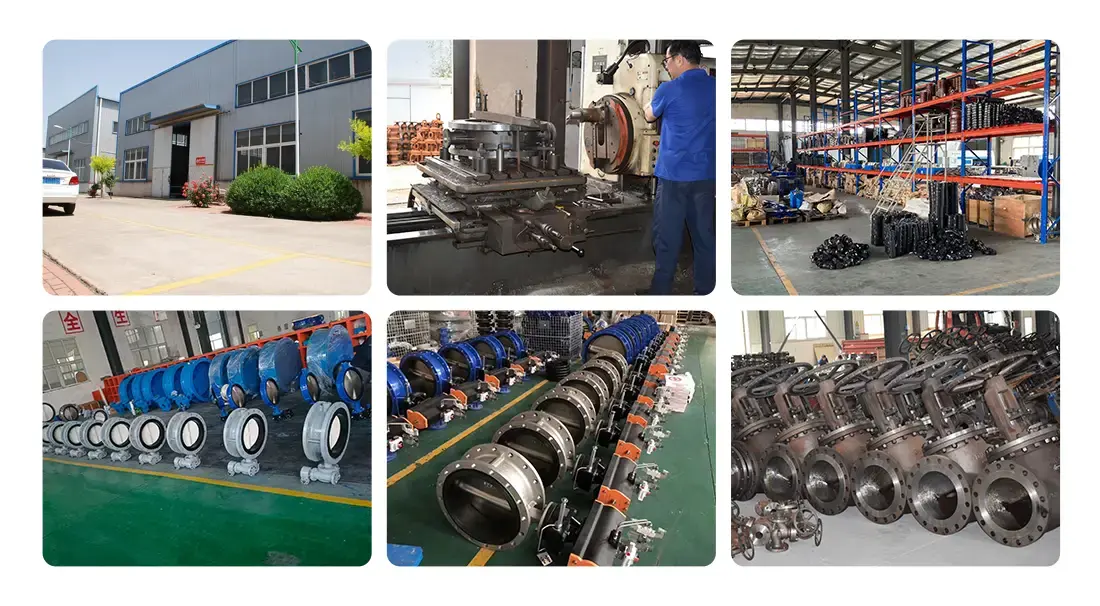
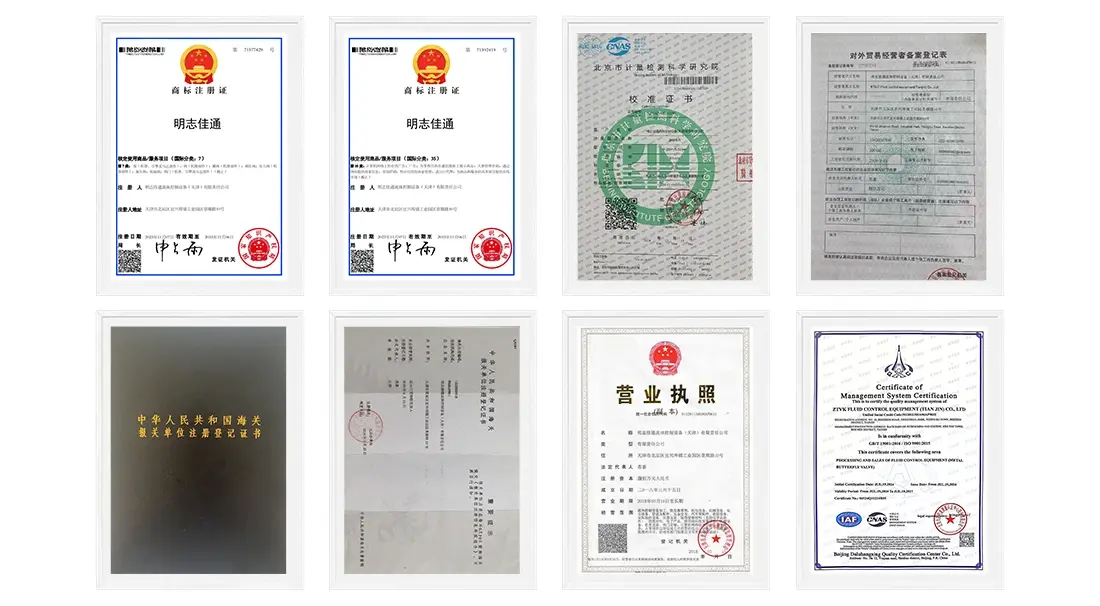
ZTVK gives similar quality through ISO9001, ISO14001, and OHSAS18001-certified manufacturing methods at prices that are competitive, which is good for people who buy in bulk. ZTVK is in Tianjin's Beichen District and has direct access to the port. They keep a lot of stock so they can supply standard configurations in 3–7 days and custom configurations in 15–25 days. They can also do OEM branding, which is important for distributors covering regional markets.
Critical Purchase Criteria
Material proof is the most important thing. Ask for mill test records (MTRs) that prove the composition and mechanical qualities of the alloy. Accuracy in all dimensions is important—cores must match valve body specs to within 0.001 inches to stop leaks. Reliable providers give thorough specification sheets that include the types of connections, the pressures that can be used, the temperature ranges (-29°C to 120°C for normal use), and the liquids and gases that can be used with the equipment.
Warranty terms show that the maker is confident. Standard 18-month coverage protects against defects, but purchase contracts should spell out how to repair items that break in the field. Check out providers that offer technical support tools, like installation guides, movies, and troubleshooting guides. These can help you avoid having to pay a lot for service calls.
Bulk Procurement Strategies
Consolidated buying gives buyers who buy in bulk more power. ZTVK keeps more than 2,000 standard valve units, including the 2 inch brass curb stop valve, in stock so that emergency repairs can be sent out right away. Custom production lines can also be used to meet the needs of special projects. FOB Tianjin Xingang and CIF destination port price structures make foreign transportation easier for distributors who serve markets in Europe, the Middle East, and Southeast Asia.
Differentiating yourself from the competition means forming vendor agreements with makers that offer OEM/ODM services. Trading companies can build brand value in regional markets by using custom branding, packaging, and specs that are made just for them. ZTVK can meet these needs by changing the type of connection, upgrading the materials, and making changes to the sizes based on CAD models provided by the user.
Being close to Tianjin Port cuts down on shipping wait times, which is very important for workers who are facing tight project deadlines. Because ZTVK is only 50 km away, it is possible to book freight for the same day with big companies like COSCO and Maersk. Professional packing that meets ISPM 15 standards keeps customs delays from happening, making sure that deliveries happen on time for buying cycles that are based on projects.
Conclusion
Replacement of a metal curb stop valve's valve core is a cost-effective way to keep the infrastructure in good shape and keep operations running smoothly. Facility managers and workers can reliably control water in tough situations by knowing how valve cores work, replacing them in a planned way, and following preventative maintenance rules. Long-term efficiency and total cost of ownership are directly affected by the materials used and the relationships between suppliers. Getting certified parts from companies that are committed to quality control and have good logistics skills is the best way to make sure that projects go well and customers are happy in household, industrial, and public water systems.
FAQ
Q1: How often should I replace valve cores in brass curb stop valves?
Replacement times are not set in stone; they depend on how the machine is being used. When valves are used in acidic soil or high-cycle situations, the core may need to be replaced every 8 to 12 years. However, when valves are not in use and are in a safe setting, they can last for more than 20 years. Instead of just using time-based schedules, check for leaks, higher working torque, or missing shutdown as signs that something needs to be replaced. By working out every three months during the year, you can spot signs of decline early on.
Q2: Can I replace the valve core myself, or should I hire professionals?
If a property manager knows how to work with mechanics and has the right tools, they can change the core in an accessible way. It's not too hard to do, but there are risks if line pressure isn't released properly or hood threads are broken while the engine is being taken apart. Because of liability and code compliance concerns, commercial and city projects often need qualified plumbers. When making a choice, weigh the cost of work against the problems that could arise.
Q3: What causes premature valve core failure?
Several things speed up the decline of the core. Water hammer from a valve closing quickly or a pump spinning hurts the sealing surfaces. Brass metals are damaged by water that has a low pH or a lot of chlorine in it. Seats get scored when sediment builds up during operation. O-rings fail early because of flaws in the way they were made in low-quality cores. These risks can be successfully reduced by using approved parts and installing water hammer arrestors.
Partner with ZTVK for Reliable Brass Curb Stop Valve Solutions
ZTVK sells industrial-grade valve parts and has strict quality control and quick customer service. As an established 2 inch brass curb stop valve supplier, we keep a large stock ready to ship right away, and we can also make special valves to meet OEM needs. Our factory in Tianjin uses modern CNC cutting and strict testing procedures to make sure that every valve core meets international standards like ISO, ANSI, and AWWA requirements. Take advantage of our low bulk prices, fast delivery (3–7 days for in-stock items), and expert technical advice that is tailored to your unique application needs. You can email our team at ktec86961886@163.com to talk about project needs, ask for CAD models, or get quotes for your next buying cycle.
References
1. American Water Works Association. (2020). AWWA C800 Standard for Underground Service Line Valves and Fittings. Denver: AWWA Publications.
2. Britton, G. & Harrison, M. (2018). Industrial Valve Selection and Maintenance: A Comprehensive Guide. London: Technical Engineering Press.
3. Chen, L. & Rodriguez, P. (2021). "Corrosion Resistance of Lead-Free Brass Alloys in Potable Water Systems," Journal of Materials Engineering and Performance, 30(4), 2817-2829.
4. National Sanitation Foundation International. (2019). NSF/ANSI 61: Drinking Water System Components—Health Effects. Ann Arbor: NSF International.
5. Thompson, R. (2017). Municipal Water Distribution System Design and Operation. New York: Infrastructure Publishing Group.
6. Wilson, K. & Zhang, H. (2022). "Lifecycle Cost Analysis of Valve Maintenance Strategies in Urban Water Networks," Water Resources Management, 36(8), 2673-2691.
Send us your valve requirements and our team will provide professional solutions and fast quotations.
RELATED INDUSTRY KNOWLEDGE