- English
- French
- German
- Portuguese
- Spanish
- Russian
- Japanese
- Korean
- Arabic
- Greek
- German
- Turkish
- Italian
- Danish
- Romanian
- Indonesian
- Czech
- Afrikaans
- Swedish
- Polish
- Basque
- Catalan
- Esperanto
- Hindi
- Lao
- Albanian
- Amharic
- Armenian
- Azerbaijani
- Belarusian
- Bengali
- Bosnian
- Bulgarian
- Cebuano
- Chichewa
- Corsican
- Croatian
- Dutch
- Estonian
- Filipino
- Finnish
- Frisian
- Galician
- Georgian
- Gujarati
- Haitian
- Hausa
- Hawaiian
- Hebrew
- Hmong
- Hungarian
- Icelandic
- Igbo
- Javanese
- Kannada
- Kazakh
- Khmer
- Kurdish
- Kyrgyz
- Latin
- Latvian
- Lithuanian
- Luxembou..
- Macedonian
- Malagasy
- Malay
- Malayalam
- Maltese
- Maori
- Marathi
- Mongolian
- Burmese
- Nepali
- Norwegian
- Pashto
- Persian
- Punjabi
- Serbian
- Sesotho
- Sinhala
- Slovak
- Slovenian
- Somali
- Samoan
- Scots Gaelic
- Shona
- Sindhi
- Sundanese
- Swahili
- Tajik
- Tamil
- Telugu
- Thai
- Ukrainian
- Urdu
- Uzbek
- Vietnamese
- Welsh
- Xhosa
- Yiddish
- Yoruba
- Zulu
The Benefits of Stainless Steel Stop Valve
When we're looking for industrial valves for important building projects, the choice of material often determines whether systems work well for decades or break down too soon. Stainless steel stop valves are the strongest, most resistant to rust, and most reliable in harsh settings, such as petroleum production lines and city water networks. Brass or cast iron valves break down when exposed to aggressive media, but these valves stay structurally sound in water, steam, and oil uses and meet strict international standards. Because they can handle pressures up to and above PN16 and have low lifetime costs, they are the best choice for wholesalers, contractors, and OEM makers who need reliable flow control parts to protect their investments and make sure they meet safety standards.
What Is a Stainless Steel Stop Valve and How Does It Work?
Understanding the Core Design
A stainless steel stop valve, which is also known as a globe valve in the business world, controls the flow of fluid by moving its stem in a straight line. A disc that can move inside the valve body fits against a ring that stays in place, making a tight seal when the valve is closed. The design prioritises both precise control and the ability to turn off. It is made from austenitic types of stainless steel, such as 304 or 316. The J41W-16P type we make has a standard pressure grade of PN16 and can work with pipes that are DN15 to DN600 in diameter. It can handle water, steam, and oil products in places like chemical plants, sewage treatment plants, and environmental protection facilities.
Operating Mechanism Explained
The stem turns when the handwheel is turned, which moves the disc away from the flow direction. This vertical movement lets the flow change slowly, which is a big benefit over quarter-turn valves like butterfly or ball designs. The internal tube in the shape of an S causes higher pressure drops but also better throttle control, which is important for controlling changing flow rates in HVAC systems or chemical dose lines. The rising stem design (OS&Y setup) lets workers see where the valve is located, so they can check its state without using instruments.
Material Advantages in Real-World Conditions
At least 10.5% of stainless steel is chromium, which forms an inactive rust layer that fixes itself when it gets scratched. This feature of metals keeps them from rusting in damp places and from cracking in chloride-rich places, where carbon steel would break in months. For valve bodies, our factory in Tianjin's Bechen District uses ASTM A351 CF8M castings. This makes sure that the valves can work with acids, alkalis, and salty solutions that are popular in evaporation plants in the Middle East or sea applications in Southeast Asia.
Key Benefits of Stainless Steel Stop Valves for Industrial Use
Superior Corrosion Resistance
Distributors serving coastal regions understand the challenge of galvanic corrosion destroying brass fittings within warranty periods stainless steel stop valve. Stainless steel valves eliminate this risk through inherent passivity. The addition of molybdenum in 316-grade alloys further enhances resistance to chloride-induced stress corrosion cracking, crucial for offshore platforms and chemical handling systems. We've observed valves operating in acidic wastewater treatment plants maintain sealing integrity beyond fifteen years—triple the lifespan of coated carbon steel equivalents.
Extended Service Life Reduces Total Cost
Maintenance teams appreciate fewer replacement cycles. Our J41W-16P valves undergo rigorous factory testing, cycling stems over 50,000 iterations to verify durability. The Stellite-hardened seats resist erosion from high-velocity steam, preventing leakage that would otherwise necessitate emergency shutdowns. Procurement managers calculate that despite 20-30% higher initial costs compared to bronze valves, the absence of recoating expenses and extended intervals between overhauls deliver 40% lower total ownership costs across ten-year infrastructure projects.
High-Temperature and High-Pressure Capability
Petrochemical operators demand components that perform under extreme conditions. Stainless steel maintains tensile strength at temperatures reaching 400°C when paired with metal-to-metal seats, surpassing PTFE-sealed alternatives limited to 200°C. The PN16 pressure rating handles 16 bar working pressures with safety margins compliant with ASME B16.34 standards. This thermal stability proves essential in steam distribution networks and thermal oil circuits where temperature fluctuations would warp lesser materials.
Broad Chemical Compatibility
Chemical processing plants handle diverse corrosive media daily. A single valve type compatible with sulfuric acid dilutions, sodium hypochlorite, and organic solvents simplifies inventory management. Stainless steel's inertness prevents contamination of pharmaceutical-grade water systems, where metallic ion leaching would violate FDA purity standards. The electropolished interiors available in sanitary configurations achieve surface roughness below 0.8µm Ra, meeting stringent clean-in-place protocols for bioprocessing equipment.
These performance characteristics address critical pain points for our customer base—valve wholesalers need reliable products that minimize warranty claims, while EPC contractors require certified components that won't delay project handovers due to premature failures.
Stainless Steel Stop Valve vs Alternative Valves: Making the Right Choice
Comparing Material Options
Bronze and brass valves cost less upfront but suffer dezincification in soft water, creating porous structures that leak. Carbon steel requires protective coatings that chip during shipping or installation, exposing base metal to corrosion. Stainless steel's monolithic corrosion resistance eliminates these vulnerabilities. When sourcing for municipal water systems with twenty-year design horizons, the material decision directly impacts infrastructure reliability and public safety.
Functional Differences from Ball and Gate Valves
Ball valves excel at quick shutoff with minimal pressure drop but offer poor throttling control—the flow characteristic changes nonlinearly across the rotation arc. Gate valves provide full-bore flow but cannot regulate intermediate positions without causing seat damage. Stainless steel stop valve: Stop valves balance these needs, allowing precise flow adjustment while maintaining bubble-tight shutoff when closed. Fire protection systems benefit from this dual capability, enabling both flow testing and emergency isolation with a single component.
Application-Specific Selection Criteria
Pressure class requirements guide initial screening. PN16 valves suit standard building services and light industrial processes, while PN40 or higher ratings become necessary in high-pressure steam systems. Media temperature determines seat material—soft seals like EPDM work below 120°C, but superheated steam demands metal seats or graphite packing. Our engineering team provides selection worksheets helping distributors match valve specifications to end-user requirements, reducing misapplication risks that lead to field failures.
Procurement Guide: How to Buy Stainless Steel Stop Valves
Evaluating Supplier Qualifications
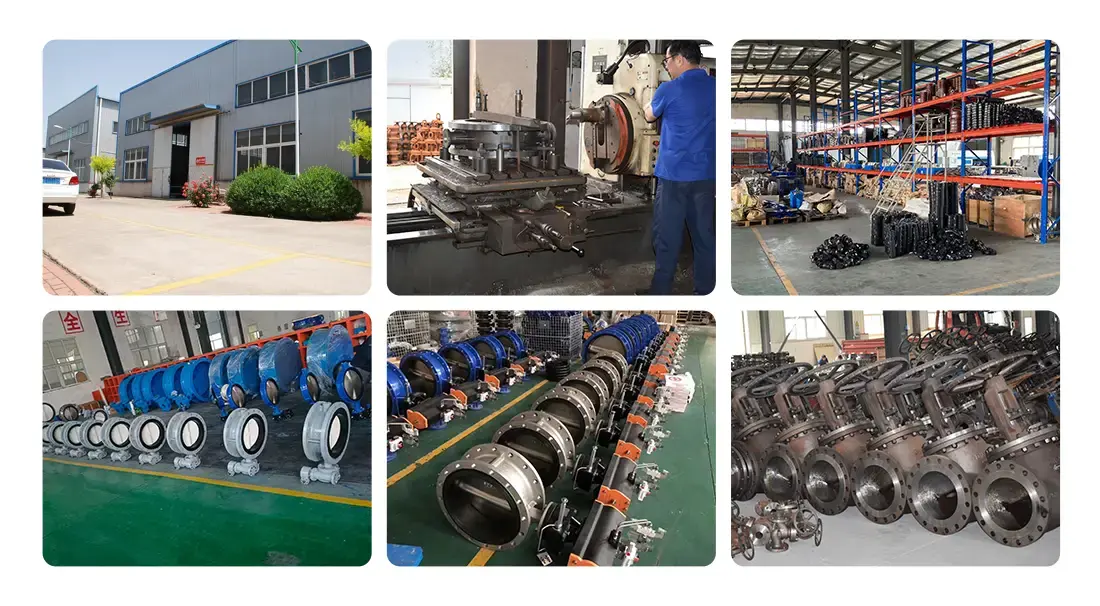
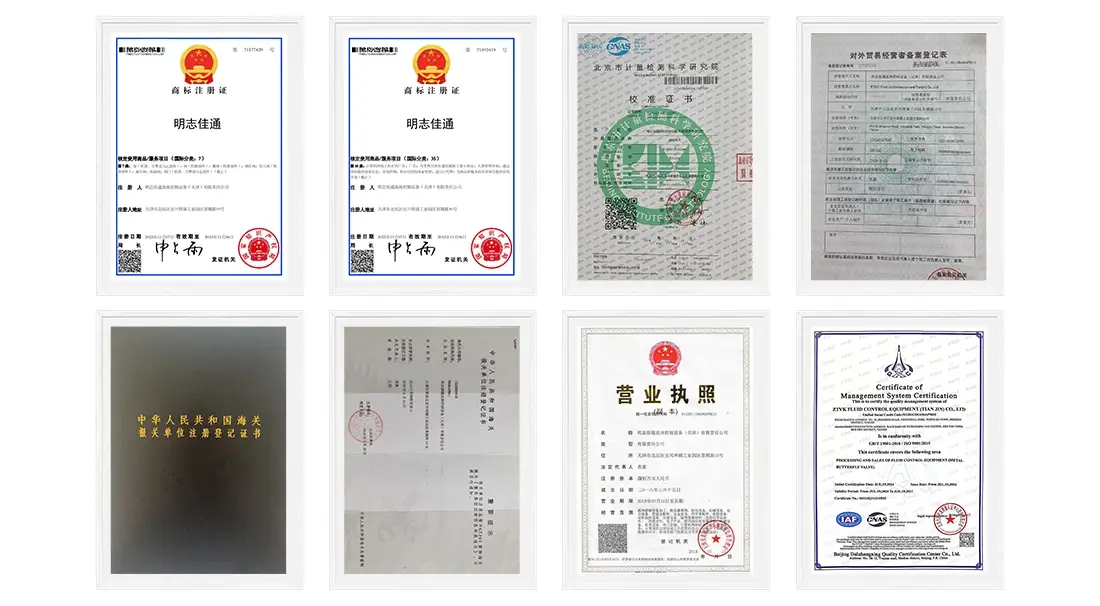
Global buyers should verify ISO 9001 quality management certification and product-specific approvals like API 602 for compact steel globe valves. We maintain certifications for ISO 14001 environmental standards and OHSAS 18001 occupational safety protocols, demonstrating systematic manufacturing controls. Third-party factory audits validate that production capabilities match marketing claims—our CNC machining centers and pressure testing bays in Tianjin undergo annual assessments by European notified bodies.
Understanding Pricing Structures
Factory-direct sourcing eliminates distributor markups. Our standard DN50-DN600 valves ship from 2000+ units of ready stock within 3-7 days, enabling just-in-time inventory strategies. Custom configurations require 15-25 day lead times depending on complexity, with expedited options available at 20% premium for urgent project needs. FOB Tianjin Xingang pricing includes ISPM-15 compliant wooden crate packaging, while CIF terms incorporate ocean freight through our partnerships with Maersk and COSCO Shipping.
OEM and ODM Capabilities
Trading companies serving regional markets often require private labeling. We support full OEM programs, applying customer branding to valve bodies, nameplates, and packaging materials. ODM services extend to custom port configurations—converting standard flanged ends to grooved couplings for fire protection distributors or modifying stem extensions for actuator compatibility. Design collaboration begins with CAD file exchange, followed by prototype validation before production ramp-up, ensuring compatibility with existing product lines.
Logistics and After-Sales Considerations
Our Beichen District facility sits 50 kilometers from Tianjin Port, enabling truck delivery within one hour of order release of stainless steel stop valve. Established freight forwarding relationships provide predictable shipping schedules and competitive ocean rates. The 18-month warranty covers manufacturing defects with free replacement parts, while installation guidance videos and multilingual troubleshooting manuals reduce service call requirements. Local technical partners in key markets offer on-site commissioning support for large orders, addressing installation challenges that could otherwise delay project completion.
Installation, Maintenance, and Troubleshooting Tips
Proper Installation Practices
Valve orientation matters—install with the bonnet vertical to prevent debris accumulation in the packing gland. The flow direction arrow stamped on the body indicates optimal performance positioning, typically with flow entering below the disc to reduce stem stress. Use appropriate gasket materials between flanges, matching chemical resistance to the process media. Overtightening bolts causes flange warping and gasket failure; follow torque specifications from standards like ASME B16.5 to achieve uniform loading.
Routine Maintenance Procedures
Quarterly visual inspections catch early signs of external corrosion or packing leaks. Cycling the valve monthly prevents stem seizing in infrequently operated lines—a common issue in standby fire systems. Live-loaded packing glands using Belleville spring stacks maintain seal compression as graphite rings wear, extending maintenance intervals compared to conventional jam-nut designs. When repacking becomes necessary, clean the stuffing box thoroughly and install rings in staggered joint configurations to prevent leakage paths.
Common Issues and Solutions
Stem binding often results from overtightened packing or debris in the threads. Back off the gland nuts slightly and apply approved anti-seize compound to the stem. Leakage past the seat typically indicates erosion damage from high velocity or cavitation. Inspect internal components during scheduled outages and replace damaged parts with genuine components, maintaining original metallurgy. Unusual operating torque suggests misalignment or internal corrosion—disassemble and measure critical dimensions against factory drawings before reinstallation.
When to Seek Professional Support
Complex failures involving pressure boundary integrity require expert assessment. Cracks in the body casting or bonnet joint demand metallurgical analysis to determine root causes—thermal shock, overpressure events, or material defects. Our technical service team provides remote diagnostics via video consultation and can dispatch field engineers for critical installations. Maintaining detailed service records, including pressure test results and dimensional measurements, aids troubleshooting and supports warranty claims when necessary.
Conclusion
Stainless steel stop valves represent a strategic investment for industrial fluid control, delivering corrosion resistance, mechanical durability, and operational flexibility that alternative materials cannot match. The J41W-16P model's PN16 pressure rating and wide diameter range serve diverse applications from municipal water infrastructure to petrochemical processing. Proper supplier selection—emphasizing certifications, manufacturing capabilities, and logistical support—ensures procurement success. When installed and maintained according to industry best practices, these valves provide decades of reliable service, reducing lifecycle costs while enhancing system safety. Distributors, contractors, and OEM manufacturers benefit from partnering with experienced manufacturers who combine quality production with responsive technical support, turning valve procurement from a routine transaction into a competitive advantage.
FAQ
1. What industries benefit most from stainless steel stop valves?
Petrochemical refineries handling corrosive hydrocarbons rely on stainless steel's chemical inertness, while municipal water treatment plants value its resistance to chlorine and pH variations. HVAC contractors specify these valves for chilled water systems where brass dezincification causes failures. Pharmaceutical manufacturers require 316L electropolished valves meeting sanitary standards for sterile process lines.
2. How long do stainless steel stop valves typically last?
Service life exceeds ten years in properly maintained systems, with many installations reaching fifteen to twenty years before requiring major component replacement. Factors affecting longevity include media aggressiveness, operating pressure relative to rating, and maintenance frequency. Valves in clean water service outlast those handling abrasive slurries or high-temperature steam.
3. Can these valves operate across extreme temperature ranges?
The J41W-16P handles water and oil products from -20°C to 200°C with standard PTFE seals. Upgrading to metal seats extends capability to 400°C for steam applications. Cryogenic service down to -60°C requires 316L material specification and special seat designs. Always verify temperature compatibility with media characteristics and pressure conditions during selection.
4. Why choose SS 316 over SS 304 for valve construction?
The 2-3% molybdenum content in 316 stainless steel provides superior resistance to chloride pitting and crevice corrosion. Marine environments, coastal facilities, and applications involving brackish water or road salt exposure mandate 316-grade materials. The cost premium—approximately 15-20%—proves justified in aggressive service conditions where 304 would fail prematurely.
Partner with ZTVK for Reliable Stainless Steel Stop Valve Supply
ZTVK operates from Tianjin's Beichen Industrial Zone, bringing over fifteen years of specialized valve manufacturing expertise to global markets. Our stainless steel stop valve inventory includes the proven J41W-16P model, covering DN15 through DN600 sizes with PN16 pressure ratings suitable for water, steam, and petroleum applications across sewage treatment, chemical processing, and environmental protection sectors. ISO 9001-certified production facilities equipped with CNC machining centers and comprehensive testing equipment ensure consistent quality meeting API, ANSI, and DIN standards.
Direct factory access eliminates intermediary markups while maintaining competitive bulk pricing for valve distributors and trading companies. Standard models ship within one week from our 2000+ unit ready stock, with custom OEM branding and ODM engineering services available for specialized project requirements. Located just 50 kilometers from Tianjin Port, we provide efficient FOB and CIF shipping through established partnerships with major ocean carriers, supported by ISPM-15 compliant packaging that prevents customs delays.
Our 18-month warranty and multilingual technical support team stand ready to assist with valve selection, installation guidance, and troubleshooting throughout your project lifecycle. Whether you're a stainless steel stop valve supplier seeking a reliable manufacturing partner or an EPC contractor requiring certified components for infrastructure projects, ZTVK delivers the quality, responsiveness, and supply chain stability your operations demand. Contact our team at ktec86961886@163.com to discuss your requirements and request detailed technical specifications tailored to your application.
References
1. American Society of Mechanical Engineers (2020). ASME B16.34: Valves - Flanged, Threaded, and Welding End. ASME International Standards Publication.
2. ASTM International (2019). ASTM A351/A351M Standard Specification for Castings, Austenitic, for Pressure-Containing Parts. ASTM Technical Standards.
3. British Standards Institution (2018). BS EN 1503: Industrial Valves - Materials for Valve Bodies. BSI Standards Publication.
4. Lyons, Jerry L. (2021). Piping Handbook, 8th Edition. McGraw-Hill Professional Engineering Series.
5. Parisher, Roy A. and Rhea, Robert A. (2020). Pipe Drafting and Design, 4th Edition. Gulf Professional Publishing Technical Reference.
6. Valve Manufacturers Association (2022). Valve Selection Guide: Materials, Applications, and Performance Standards. VMA Technical Publication Series.
Send us your valve requirements and our team will provide professional solutions and fast quotations.
RELATED INDUSTRY KNOWLEDGE