- English
- French
- German
- Portuguese
- Spanish
- Russian
- Japanese
- Korean
- Arabic
- Greek
- German
- Turkish
- Italian
- Danish
- Romanian
- Indonesian
- Czech
- Afrikaans
- Swedish
- Polish
- Basque
- Catalan
- Esperanto
- Hindi
- Lao
- Albanian
- Amharic
- Armenian
- Azerbaijani
- Belarusian
- Bengali
- Bosnian
- Bulgarian
- Cebuano
- Chichewa
- Corsican
- Croatian
- Dutch
- Estonian
- Filipino
- Finnish
- Frisian
- Galician
- Georgian
- Gujarati
- Haitian
- Hausa
- Hawaiian
- Hebrew
- Hmong
- Hungarian
- Icelandic
- Igbo
- Javanese
- Kannada
- Kazakh
- Khmer
- Kurdish
- Kyrgyz
- Latin
- Latvian
- Lithuanian
- Luxembou..
- Macedonian
- Malagasy
- Malay
- Malayalam
- Maltese
- Maori
- Marathi
- Mongolian
- Burmese
- Nepali
- Norwegian
- Pashto
- Persian
- Punjabi
- Serbian
- Sesotho
- Sinhala
- Slovak
- Slovenian
- Somali
- Samoan
- Scots Gaelic
- Shona
- Sindhi
- Sundanese
- Swahili
- Tajik
- Tamil
- Telugu
- Thai
- Ukrainian
- Urdu
- Uzbek
- Vietnamese
- Welsh
- Xhosa
- Yiddish
- Yoruba
- Zulu
What is a watertight valve? Types Used in Water Storage Systems
When you're specifying components for municipal reservoirs, underground pump stations, or marine ballast systems, the term "watertight valve" carries more weight than standard isolation hardware. A watertight valve is a specialized flow control device engineered to achieve zero leakage isolation under submersion or high differential pressure conditions. Unlike conventional valves that may permit minor weeping at the stem or bonnet, these assemblies incorporate reinforced stem sealing technologies, IP68-rated actuator housings, and high-integrity flange designs. They're built to function reliably when the valve body is fully submerged or exposed to hydrostatic head pressure from water columns, preventing catastrophic flooding in ship compartments, cross-contamination in potable systems, and equipment damage in underground vaults where groundwater infiltration compromises standard designs.
Understanding Watertight Valves: Definition and Working Principle
What Makes a Valve Truly Watertight?
True watertight valves are different from regular industrial valves because they have multi-barrier stem closing that uses triple O-ring systems or chevron packing setups. This makes sure that no outside water gets into the actuator device during long submersion, which is very important for installations below grade. The discs are usually made of corrosion-resistant alloys like aluminum bronze. The bodies are usually made of ductile iron (DI/QT450) with a fusion-bonded epoxy coating (minimum 250 microns), and the seats are usually made of EPDM, NBR, PTFE, or VITON compounds that stay flexible at high and low temperatures. These valves meet strict ingress protection ratings (IP67/IP68) at the interface with the bonnet and pressure testing standards set by AWWA C509 or API 598.
Key Performance Characteristics
Watertight systems are different from general-purpose tools in terms of how they work. The two-way closing uses resilient seats that meet ISO 5208 Rate A (bubble-tight) standards. This means that there is no leaking that can be found during hydrostatic shell testing at 1.5 times the normal working pressure. ZTVK's designs use double eccentric geometry, which lowers the opening force by about 30% compared to concentric disc configurations. This makes the service life longer in city uses, going beyond 50,000 cycles. The wafer-type connection method (ISO 5211 standard) makes it possible to install between flanges rated PN10/PN16 or ANSI 125LB/150LB without having to use through-bolts. This makes it easier to make changes to pipelines that are already in place.
Types of Watertight Valves Used in Water Storage Systems
Butterfly Valves with Enhanced Sealing
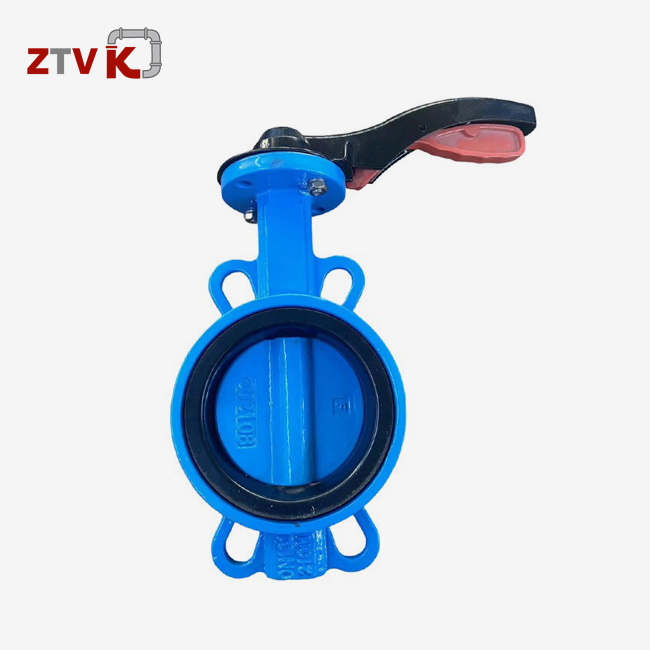
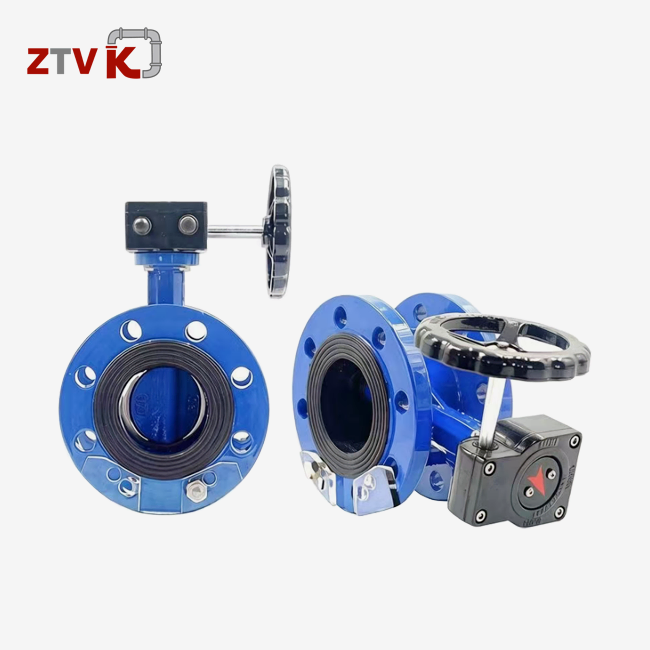
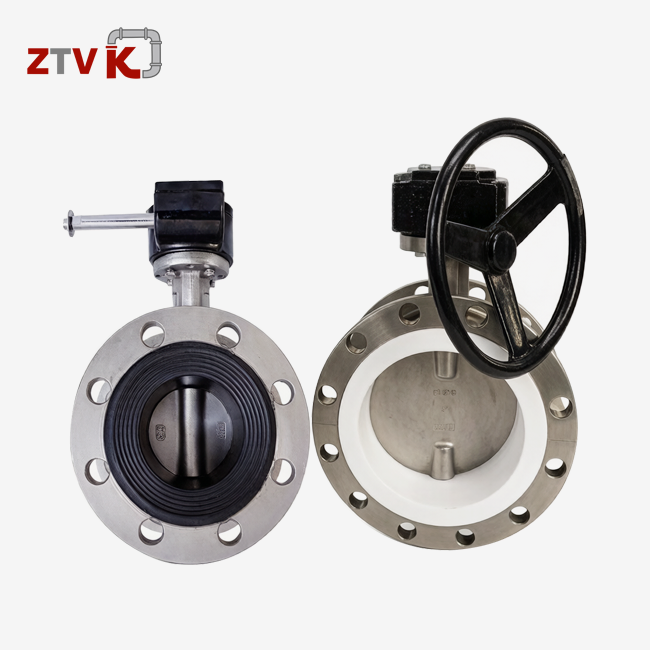
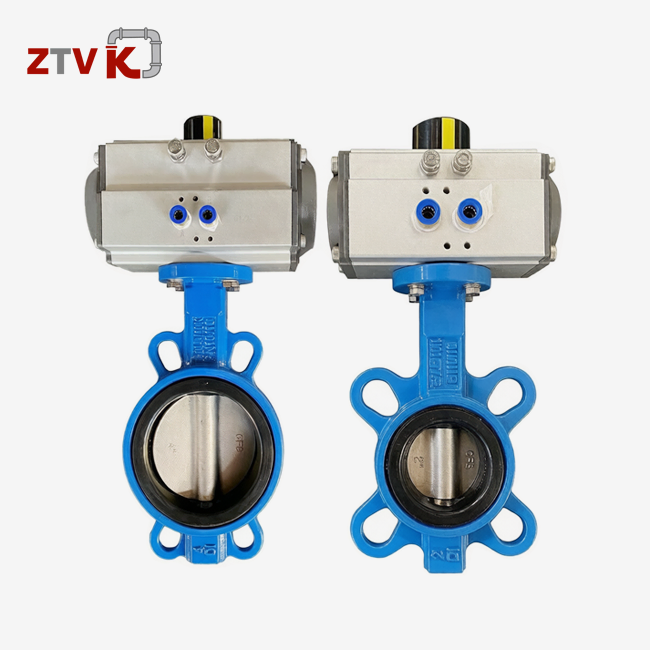
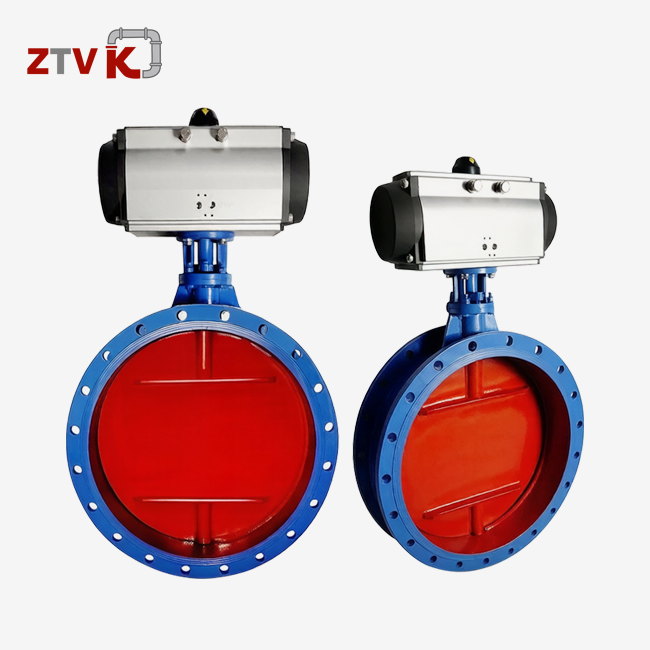
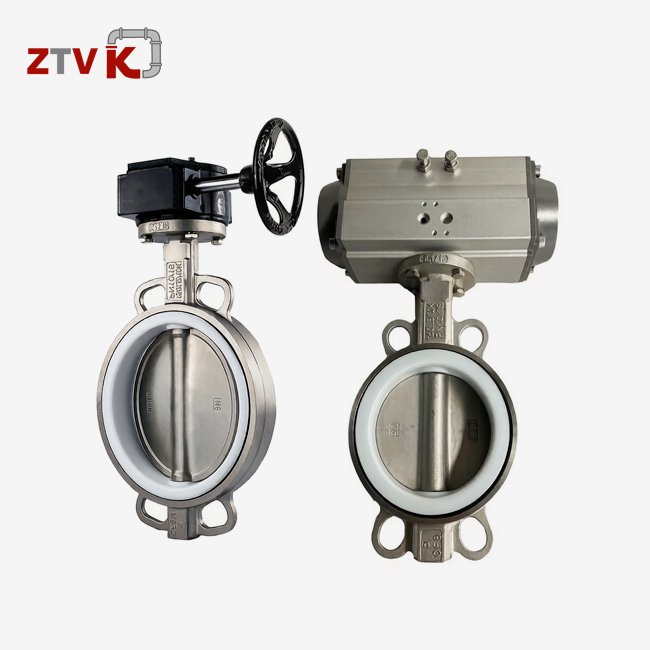
Butterfly valves are most common in water tank setups because they take up little space and are easy to automate. From DN40 to DN1200 (1.5" to 48"), ZTVK makes units with ductile iron cores and aluminum bronze, CF8, or CF8M discs, based on the needs for corrosion resistance. The angled seal design makes sure that the disc edge pinches the seat evenly when it's closed. This keeps the watertight valve seal intact even if something gets stuck on the seat surface. Hand levers can be used for smaller sizes, worm gears can be used for manual DN300+ applications, and pneumatic or electric actuators can be used for remote operation in systems that are integrated with SCADA. These setups allow chip links that meet the requirements of JIS5K/10K/16K standards. This helps trading companies that serve Asian markets meet a range of regional requirements.
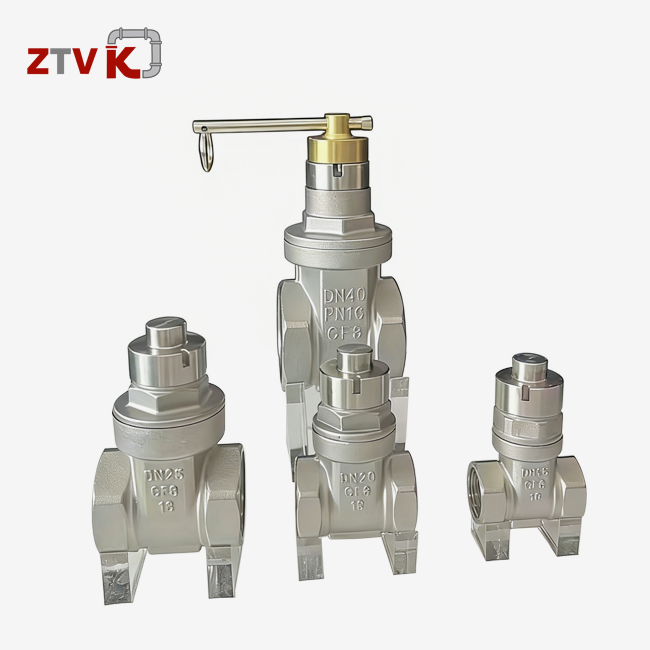
Gate Valves for High-Pressure Shut-Off
Gate valves are a strong way to separate high-pressure water mains and reservoir outlet works where fast flow rates create big dynamic loads. The wedge-shaped gate fits into machined surfaces inside the body, allowing for either metal-to-metal or resilient-seated closure, depending on the need for purity in the application. Even though they are heavier than butterfly valves, gate valves are best for situations where there needs to be little pressure drop when the valve is fully open, and the operation cycle happens very rarely. Combining stainless steel stems with EPDM-seated wedges makes them last longer in chlorinated city water, which is a common problem for builders who have to deal with seals wearing out too quickly.
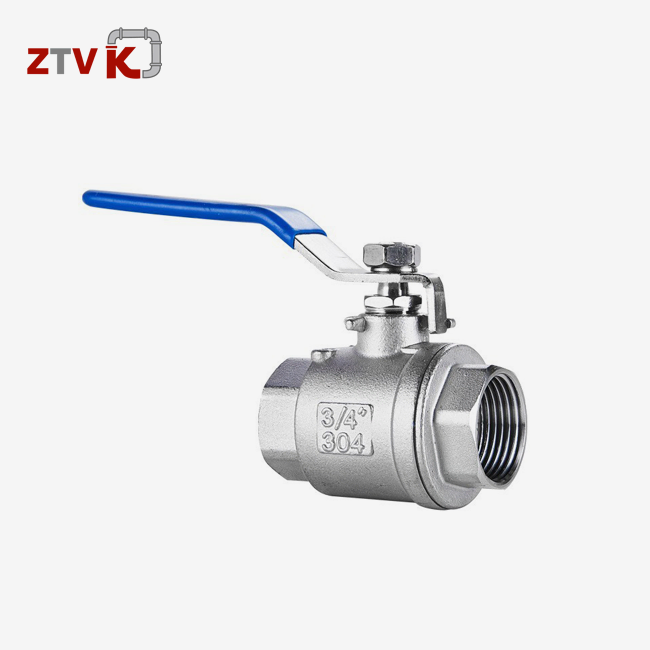
Ball Valves for Precise Flow Control
Ball valves are good for water-holding systems that need to be able to slow down or where quick quarter-turn action is needed to reduce sudden pressure spikes. The circular close element spins inside elastomeric seats, providing a tight seal with little upkeep. Due to cost concerns, water applications usually limit ball valves to DN300 or smaller. However, ball valves are more reliable in slurry-filled fluids where particles would damage gate or butterfly seating surfaces. A watertight valve design helps maintain reliable sealing performance in these applications.
Check Valves for Backflow Prevention
Check valves protect the purity of storage tanks by stopping backward flow when the pump's release pressure drops or the power goes out. Swing-check and dual-plate types can be installed either vertically or horizontally, and they close themselves when the forward motion stops. The watertight version has external lever-and-weight systems that let the closing speed be changed in the field. This keeps long pipes that feed high reservoirs from getting damaged by water hammer.
How to Select the Best Watertight Valve for Your Water Storage System?
Evaluating Material Compatibility
The first step in choosing the right materials is to look at the chemistry of the water and the operating environment. Chlorinated drinking water with 2 to 4 parts per million of free chlorine breaks down natural rubber faster, so EPDM or PTFE seats are better for municipal contractors who need watertight valves to last 15 to 20 years. For use in saltwater or brackish water, aluminum bronze discs and duplex stainless stems are needed to prevent pitting rust. This is a very important requirement for offshore platform ballast systems. ZTVK lets you change the properties of ductile iron, CF8/CF8M stainless steel, and bronze alloys, so buying teams can find the best corrosion protection while staying within their budgets.
Operational Pressure and Temperature Ratings
Working pressure ratings (PN10/PN16) must match the design pressures for the system plus any safety margins set by local codes. Most water storage systems don't work above 16 bar, but during commissioning, hydrostatic testing may reach 24 bar, which means that valve bodies must be certified to 1.5 times working pressure according to ISO 5208. The temperature affects the choice of seat material. EPDM works from -20°C to +80°C, while VITON can handle temperatures up to +120°C for hot water recirculation loops in district heating integration.
Here are the essential selection criteria for industrial procurement:
- Size and Flow Capacity: Turbulence and pressure loss are kept to a minimum by matching the valve width (DN40-DN1200) to the pipeline size. If you're off by one nominal size, you can lose 400% more head, which means you have to use bigger pumps and pay more for energy over the life of the asset.
- Actuation Method: For DN150 and smaller jobs that are only done occasionally, manual hand levers work fine. Worm gears, on the other hand, let a single person handle up to DN600. For emergency isolation, pneumatic actuators can stroke quickly (3-5 seconds full travel), and electric actuators can modulate control for level management in automated facilities. ZTVK keeps ISO 5211 fixing pads on all valve bodies so that they can be upgraded to automation in the future without having to replace the main separation device.
- Customization and OEM Flexibility: Custom solutions are needed for non-standard tasks like pre-treatment of seawater for desalination or drainage in mines. ZTVK can make custom parts, like stems with different lengths for buried vault installations, seat compounds that work better in harsh pH environments, and private-label branding for distributors who want to keep their own product lines.
These factors have a direct effect on the total cost of ownership by combining the cost of buying the item up front with the amount of energy and upkeep it needs. Distributors who work with EPC contractors like it when suppliers offer selection grids that connect application variables to suggested valve designs. This cuts down on the number of times engineers have to make changes.
Maintenance Tips and Testing for Optimum Performance
Routine Inspection and Preventive Care
Setting up repair plans keeps things running smoothly and extends the life of watertight valves. Visual checks should be done every three months to keep track of the state of the stem packing, the torque on the actuator mounting bolts, and the integrity of the external coating, especially at the flange interfaces where crevice rust starts. The number of times an actuator needs to be oiled affects how often it needs to be oiled. Worm gear units need lithium-based grease every 500 cycles, while pneumatic actuators need to have their airplane filters replaced every year to keep moisture from building up and corroding internal parts. When leakage rates go over what was planned for the project, which usually happens after 30,000 to 50,000 cycles in clean water service or sooner in abrasive slurries, the seat needs to be replaced.
Pressure Testing and Leak Detection
Hydrostatic shell testing at 1.5 times the rated pressure checks the integrity of the casting and finds holes in the material that could lead to failures through the walls. For seat closure testing, the upstream side is pressed up to 1.1 times working pressure while the downstream leakage is watched. To meet ISO 5208 Rate A standards, there must be no bubble formation during a five-minute observation period. Every production unit at ZTVK goes through both low-pressure pneumatic tests (6-8 bar air) and high-pressure water tests. The results are written down on serialized test papers that meet the needs of third-party inspections for foreign projects.
Troubleshooting Common Failure Modes
Too much force is usually a sign of misaligned discs or buildup of debris, which can be fixed by taking the machine apart and cleaning it without having to replace any important parts. External water getting into actuators is caused by worn-out O-rings at the bonnet penetration. These are common wear items that are kept in maintenance kits. Contractors should keep digital records that connect valve serial numbers to times of installation and service history. This way, contractors can figure out when to repair valves before they break down in a way that cuts off the water supply. This paperwork is very helpful when making service claims and during regulatory checks.
Advantages and Industry Applications of Watertight Valves
Core Benefits in Water Infrastructure
Getting rid of leaks is the main benefit of watertight valves because it stops water loss, which costs U.S. companies about $2.6 billion a year in unaccounted-for-water programs. In ecologically sensitive areas, protecting the environment is more important because valve weeping could let untreated water into protected watersheds or let contaminated groundwater get into potable supplies. Durability in submersion conditions lowers lifecycle costs. For example, a properly specified valve in a flooded vault keeps working, while standard assemblies need to be dug up and replaced, which can cost 10 to 15 times the price of the original part when emergency response and lost service time are taken into account.
Municipal and Industrial Deployments
These valves are used in municipal water distribution networks at pump stations, pressure-reducing stations, and buildings that connect to and drain reservoirs. They are used in places where the ground is 6 to 8 meters below grade and equipment is submerged during certain times of the year. According to SOLAS rules, marine and offshore sites must have watertight designs for impact bulkhead penetrations, sea chest intakes, and isolating ballast tanks. Chemical companies use them in secondary containment systems and scrubber circuits where process leaks must not damage safety shields.
Emerging Technological Trends
New rubber formulations make watertight valve seats last longer in chlorinated and ozonated water, which solves a problem that water treatment companies have had for a long time. Sensors built into the stems allow condition monitoring through vibration analysis and torque profiling, which tells you what repairs need to be done before they break down. Recycled ductile iron content and water-based epoxy finishes are examples of sustainable manufacturing practices that lower volatile organic compound emissions during production. These practices are in line with green buying requirements that are becoming more common in government bids.
Conclusion
When choosing the right watertight valve for different water storage uses, you need to think about how well it works technically, how long the material will last, and how much it costs overall. When it comes to underwater installations, high-purity systems, and naval settings where failures can have very bad effects very quickly, the differences between standard isolation hardware and custom-built watertight assemblies become very important. Knowing the features of different types of valves, how to match materials correctly, and how to do preventative maintenance can help procurement professionals choose solutions that will last for decades and cost as little as possible over their entire life.
FAQ
1. What Differentiates Watertight Valves from Standard Designs?
Watertight valves have IP68 ingress protection because they have multi-barrier stem seals and strengthened actuator housings. This means that they can be submerged in water for a long time without water getting into the internal mechanisms. Standard valves with an IP54 or IP65 rating can handle dripping but not long-term soaking.
2. Which Seat Material Suits Potable Water Applications?
EPDM- and NSF-61-approved elastomers make sure that drinking water standards are met because they are more resistant to chemical damage than natural rubber. Chemical inertness is a benefit of PTFE seats, but they don't seal as well as resilient compounds do.
3. How Often Should Watertight Valves Undergo Testing?
Every year, low-pressure pneumatic tests find early signs of seat wear, and every five years, full hydrostatic tests make sure the structure is still strong, as recommended by the industry. Applications with a lot of cycles may need to be inspected more often.
4. Can Actuators Be Upgraded Without Replacing the Valve Body?
When the need for automation changes, valves made with ISO 5211 mounting pads can be retrofitted with either gas or electric motors. This protects the initial investment in capital. When compared to replacing all the valves at once, this modular approach cuts down on downtime and installation costs.
Partner with ZTVK for Reliable Watertight Valve Solutions
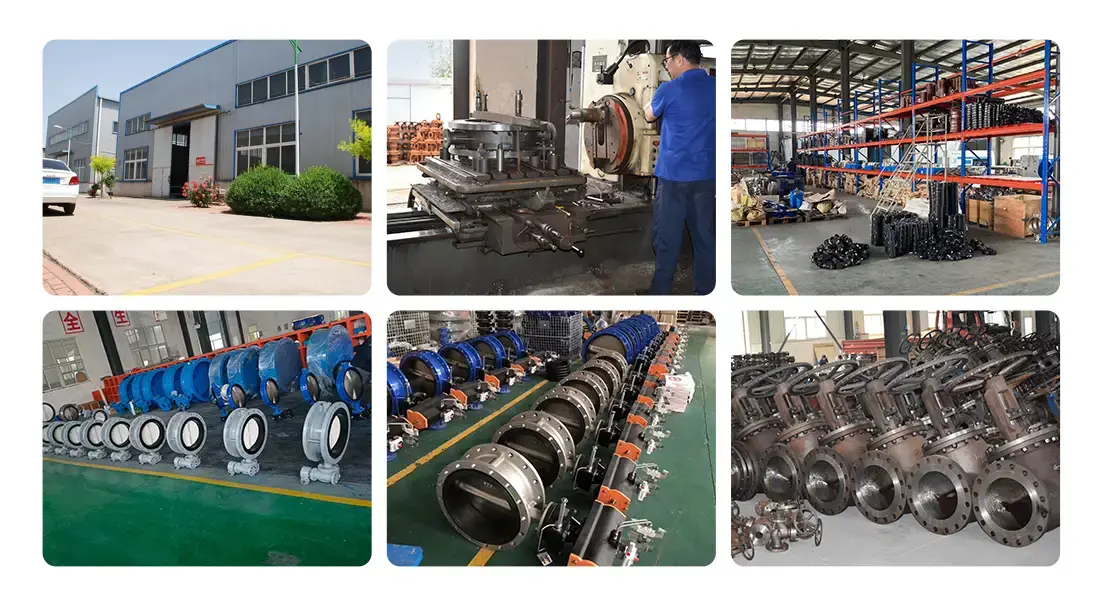
ZTVK has a factory that is 15,000 square meters big and is in Tianjin's Beichen Industrial Zone. It makes watertight valves for municipal contractors, marine equipment distributors, and EPC firms on six continents. Our ISO 9001-certified production lines keep standard DN50-DN600 sizes in stock and offer delivery windows of 3-7 days. Custom configurations, such as non-standard materials, extended stems, and private labeling, ship within 15-25 days. As a direct maker of watertight valves, we don't have to pay markups to middlemen. Our FOB Tianjin Xingang prices include export packaging that meets ISPM-15 standards and full test paperwork. Being only 50 km from Tianjin Port makes transportation for container consolidation easier and lowers the cost of goods for large orders. Before you buy, our engineering team can answer any questions you have about suitability by giving you CAD models, material certifications, and advice that is specific to your application. You can email us at ktec86961886@163.com to talk about the needs of your project, get technical datasheets, or get bulk pricing for upcoming bids.
References
1. American Water Works Association. (2020). AWWA Manual M49: Butterfly Valves: Torque, Head Loss, and Cavitation Analysis. Denver: AWWA Publications.
2. British Standards Institution. (2018). BS EN 12266-1:2012 – Industrial Valves: Testing of Metallic Valves – Pressure Tests, Test Procedures, and Acceptance Criteria. London: BSI Standards.
3. International Organization for Standardization. (2019). ISO 5208:2015 – Industrial Valves: Pressure Testing of Metallic Valves. Geneva: ISO Central Secretariat.
4. Lydon, P. M. (2017). Valve Selection Handbook: Engineering Fundamentals for Selecting the Right Valve Design. Burlington: Elsevier Science.
5. Nesbitt, B. (2021). Handbook of Valves and Actuators: Valves Manual International. Oxford: Butterworth-Heinemann.
6. Zappe, R. W. (2019). Valve Selection Handbook: For the Process Industries (6th ed.). Houston: Gulf Professional Publishing.
Send us your valve requirements and our team will provide professional solutions and fast quotations.
RELATED INDUSTRY KNOWLEDGE