- English
- French
- German
- Portuguese
- Spanish
- Russian
- Japanese
- Korean
- Arabic
- Greek
- German
- Turkish
- Italian
- Danish
- Romanian
- Indonesian
- Czech
- Afrikaans
- Swedish
- Polish
- Basque
- Catalan
- Esperanto
- Hindi
- Lao
- Albanian
- Amharic
- Armenian
- Azerbaijani
- Belarusian
- Bengali
- Bosnian
- Bulgarian
- Cebuano
- Chichewa
- Corsican
- Croatian
- Dutch
- Estonian
- Filipino
- Finnish
- Frisian
- Galician
- Georgian
- Gujarati
- Haitian
- Hausa
- Hawaiian
- Hebrew
- Hmong
- Hungarian
- Icelandic
- Igbo
- Javanese
- Kannada
- Kazakh
- Khmer
- Kurdish
- Kyrgyz
- Latin
- Latvian
- Lithuanian
- Luxembou..
- Macedonian
- Malagasy
- Malay
- Malayalam
- Maltese
- Maori
- Marathi
- Mongolian
- Burmese
- Nepali
- Norwegian
- Pashto
- Persian
- Punjabi
- Serbian
- Sesotho
- Sinhala
- Slovak
- Slovenian
- Somali
- Samoan
- Scots Gaelic
- Shona
- Sindhi
- Sundanese
- Swahili
- Tajik
- Tamil
- Telugu
- Thai
- Ukrainian
- Urdu
- Uzbek
- Vietnamese
- Welsh
- Xhosa
- Yiddish
- Yoruba
- Zulu
Cast Iron Wafer Type Butterfly Valve Design and Features Explained
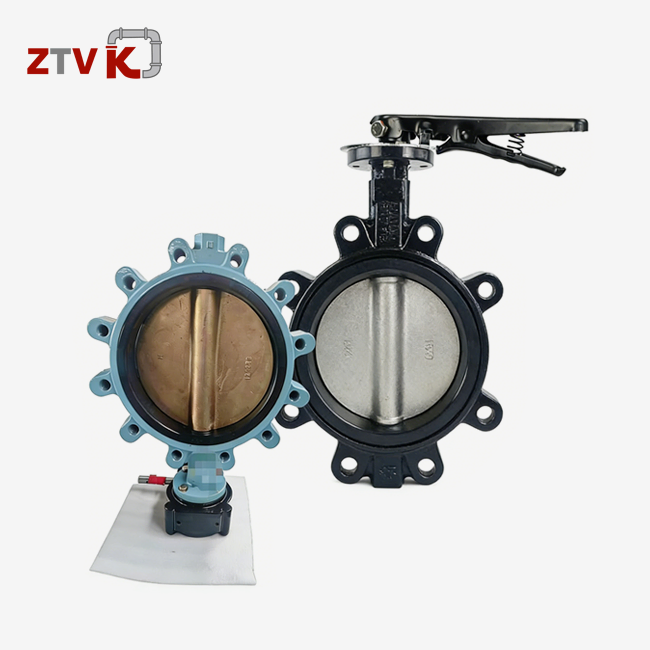
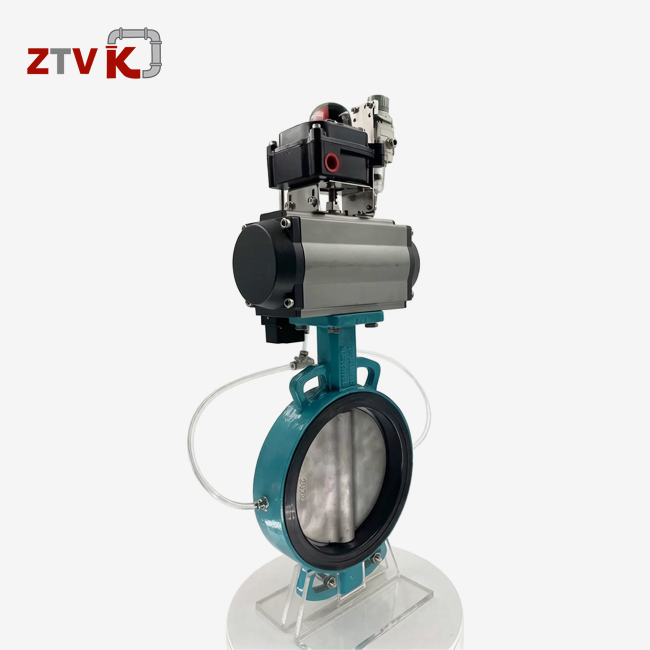
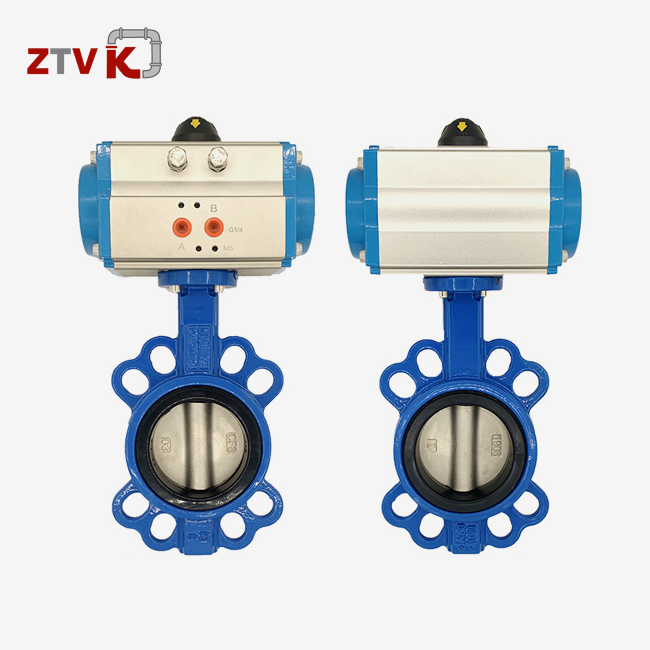
The body of a cast iron wafer type butterfly valve fits snugly between two pipeline flanges without the need for extra bolting holes. It is a quarter-turn rotating valve. The disc can turn perpendicular to the flow, which lets it open and close quickly. This makes it a cost-effective way to control fluid flow in HVAC, water treatment, and industrial settings. Because it is small and light, it makes installation easier and lowers the overall cost of the system, especially in places with limited room.
Understanding Wafer Butterfly Valve Design
When buying teams are looking at fluid control options, knowing how a cast iron wafer-type butterfly valve is put together helps them make smart choices. The wafer design, unlike the lug or flanged types, relies only on the compression from the bolted flanges to hold the valve in place. This way of building cuts down on weight and space requirements by a large amount, making it perfect for systems that need to be installed quickly.
Key Components and Their Functions
The valve has several built-in parts that work together to control the flow. The disc, which is usually made of epoxy-coated ductile iron or stainless steel (SS304, SS316), sits in the middle of the valve body and turns 90 degrees to let flow through or stop it. The stem, which is made of corrosion-resistant metals like SS316 or SS420, links the disc to the actuator and sends the force of spinning to it. The seat, which can be made of NBR, EPDM, Viton, or silicone rubber, forms a strong seal against the disc edge, making sure that there are no bubbles and allowing for small differences in how the pipes are aligned.
The body, which is usually made of ductile iron GGG40, keeps the structure strong while keeping the weight low enough to handle. This choice of material has higher tensile strength than grey cast iron, so it can handle mechanical stress and water hammer effects that are common in HVAC installs and public water systems.
Technical Specifications That Matter
Sizes range from DN50 to DN2400 (NPS1 1/4 to NPS96), so they can fit a wide range of buildings, from small businesses to huge factories. Most of the time, pressure values between PN6 and PN16 (Class 150) are fine for most normal water distribution and low-pressure steam needs. Cooled water systems, heating loops, and moderately hot process fluids can all work in the temperature range of -29°C to +120°C.
Connection standards follow rules set by API, DIN, ASME, ISO, ANSI, GB/T, BS EN, and AWWA. This makes sure that all systems can talk to each other. One of the biggest problems for foreign valve distributors is that they have to serve different regional markets without keeping separate stocks. This multi-standard compliance solves that problem.
Core Features and Advantages of Wafer Butterfly Valves
The technical benefits of cast iron wafer type butterfly valves directly translate into practical benefits that contractors and procurement managers value. When it comes to installation speed, upkeep access, and lifetime costs, these valves solve certain problems.
Practical Benefits for Industrial Applications
Small face-to-face measurements mean that pipelines don't have to be as long, which saves money on materials and makes routing easier in crowded machinery rooms or plant facilities. When automation is needed, the quarter-turn process needs very little actuation force, which means that smaller, less expensive motors can be used. Installation teams like the simple bolt-through design because it means they don't have to use different screws for each valve.
Because there aren't many working parts in the valve, maintenance times are much longer. The flexible seat design lets small trash pass through without affecting the shutoff's integrity. This keeps water treatment plants and HVAC systems from having to shut down without warning. When service is needed, the light design means that a single worker can work on smaller sizes without having to use heavy lifting tools.
When you compare the total fixed prices, cost efficiency becomes clear. When you combine lighter materials, smaller actuators, and faster installation times, you save money that adds up over multiple valve jobs. This is especially appealing for city contractors who have to stick to tight budgets and short deadlines.
Industry Applications Across Sectors
These valves are used in water supply systems to separate flows and control them. The EPDM seats don't break down when exposed to chlorine, and the seals stay intact even when temperatures change a lot. They are popular with HVAC workers because they can balance and turn off systems that use chilled water and heat, and their small size makes them easy to install in tight roof spaces. Desalination plants use versions with Viton seats to deal with the corrosive brine environment. Food and drug processing plants, on the other hand, choose versions with silicone rubber seats for hygiene reasons.
Within power plants, wafer butterfly valves are used in cooling water circuits and other systems where stable isolation and low upkeep are needed. The epoxy covering on ductile iron parts makes them more resistant to corrosion, which increases their useful life in wet or chemically harsh settings.
Comparative Analysis for Informed Procurement Decisions
To choose the right cast iron wafer type butterfly valve, you need to know about the material trade-offs and fitting limitations that affect how well and how much it costs in the long run.
Material Considerations: Ductile Iron Versus Alternatives
Ductile iron GGG40 is strong and not too expensive at the same time. The spheroidal graphite structure gives it a tensile strength of about 400 MPa, which is much higher than grey cast iron and cheaper than stainless steel. Because of this, ductile iron is the best material for normal water and HVAC uses where corrosion rates are low.
When working with slightly acidic or diluted water at high temperatures, stainless steel trim choices (SS304 and SS316) become important. For seaside sites or desalination plants, the duplex stainless steel type is better at resisting pitting. Bronze disc choices are good for sea or brackish water uses where galvanic compatibility with current pipes is important.
Wafer Versus Lug Installation Types
The wafer design assumes that it will be put in between two flanges in a single waterway and held in place only by through-bolts that compress the flanges and the valve together. This set-up works great for mid-line service, but it can't handle dead-end jobs because taking off the downstream flange removes the holding force.
Lug-type valves have threaded pieces in the body of the valve that can hold nuts separately from each flange. This makes single-flange installation possible and provides dead-end service, so lug types can be used for pump separation or duty at the end of the line. The trade-off is that they are heavier and cost 20–30% more than similar wafer designs.
For standard pipeline integration where both flanges stay in place, procurement teams should specify wafer types. Lug types, on the other hand, should be saved for situations where one flange needs to be removed or a dead end needs to be placed.
Comparing Butterfly Valves to Ball Valves
Ball valves have a much higher flow rate and almost no pressure drop when they are open, but they become very expensive above DN150. Butterfly valves have good flow properties for most industrial uses and are much cheaper, especially when they are bigger. Above DN300, the difference in installation size becomes clear: butterfly valves stay small, while ball valves need a lot of room for their body shape.
Procurement Guide: Sourcing the Right Valve
A good buying process for a cast iron wafer type butterfly valve combines technical needs with suppliers' abilities, making sure that both the quality of the product and its delivery are reliable.
Critical Selection Factors
Material and seat needs are set by the operating conditions. For water and steam applications between -10°C and 120°C, choose EPDM. For oils and chemical applications up to 80°C, choose NBR. Viton can handle harsh acids and higher temperatures, but it costs more per unit. When choosing a size, make sure that the diameter of the pipeline matches the right pressure grade. For example, PN10 should be used for normal building services, and PN16 should be used for systems that sometimes experience surge pressures.
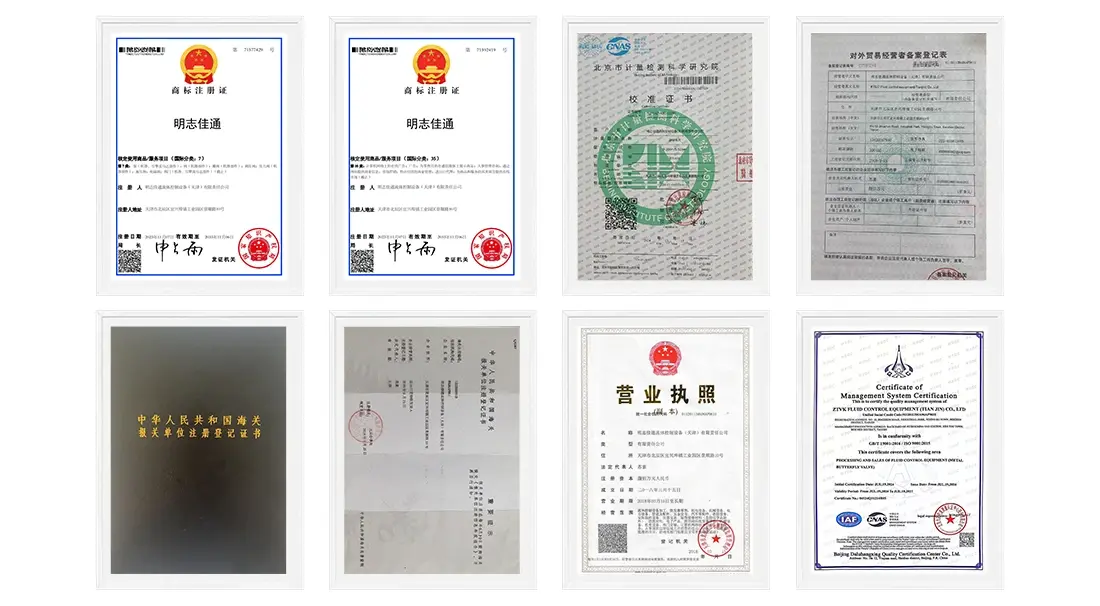
Verification of certification guards against low-quality goods. ISO 9001 certification shows that quality control systems are in place, and material test records according to EN 10204 3.1 make it possible to track down important parts. Before being shipped, hydrostatic pressure testing according to API 598 or EN 12266-1 makes sure that the structure is sound and that the seat seals properly.
Evaluating Supplier Credibility
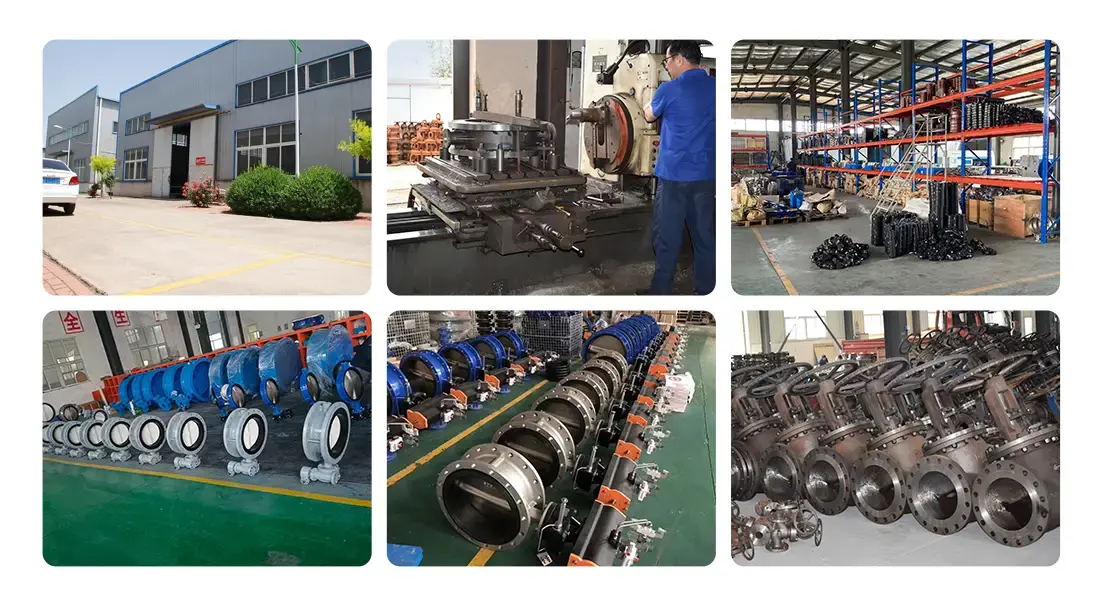
The ability to manufacture has a direct effect on the dependability of supply and the freedom to customize. Suppliers who keep a large inventory (over 2,000 units in regular sizes) can meet the needs of short-term projects with delivery in 3–7 days. In-house machining centers and specialized production lines show that non-standard customization can be done quickly and easily.
Logistics prices and lead times are affected by how close a location is to big ports. Facilities that are close to container ports cut down on the cost of shipping goods within the country and make export paperwork easier. Having long-term ties with foreign shipping companies like COSCO and Maersk means getting better freight rates and being able to book more space during busy times.
OEM Partnership Advantages
OEM deals are good for wholesalers who need branded goods for local markets. Customization goes beyond just adding a brand; it also includes changing the way the package looks, the specs on the nameplates, and providing technical information in local languages. With ODM, you can change the closing materials, stem shapes, or link types to fit the needs of a specific market or to stay ahead of the competition.
Tier-structured pricing for bulk purchases rewards customers who commit to buying a lot while keeping supplies flexible. Long-term supply deals keep prices stable, which eases distributors' worries about losing money because of changes in currency or raw material prices.
Conclusion
In conclusion, cast iron wafer-type butterfly valves are a great choice for industrial valve distributors and city builders because they are small, easy to install, and have lower lifecycle costs. The ductile iron design makes them long-lasting and suitable for use in water, HVAC, and light industrial settings while keeping the price low. Procurement experts can choose valves that meet both technical needs and price limits if they know the differences between wafer and lug configurations, material choices, and seat choices. Partnering with makers that offer thorough testing, clear certification, and open customization is the best way to make sure a project succeeds while reducing common problems related to quality consistency and delivery reliability.
FAQ
1. Can wafer butterfly valves function in end-of-line applications?
Most of the time, cast iron wafer-type butterfly valves cannot be used at the end of a line. For wafer designs to stay in place and seal, two flanges must compress the valve body. If you take off the downstream flange, this holding device is gone, which makes the pressure a safety risk. For dead-end setups, lug-type valves with separate bolt holding work best.
2. How do I choose between EPDM and NBR seat materials?
EPDM is resistant to ozone and weathering and can handle water, glycol-based fluids, and low-pressure steam between -10°C and 120°C. Up to 80°C, NBR works better with natural oils, greases, and petroleum products. However, it breaks down when it comes in contact with hot water or steam. If you match the seat material to the type of fluid and the temperature, it will not fail too soon.
3. What installation orientation works best?
Placing the stem horizontally keeps dirt from building up in the lower pivot area, which lowers the torque needed and increases seat life. Vertical installs work fine, but they might need to be checked more often in systems that have suspended solids or water that forms scale.
Partner With ZTVK for Reliable Butterfly Valve Supply
Distributors and builders looking for a reliable cast iron wafer-type butterfly valve manufacturer will find that ZTVK's production capacity, certification compliance, and transportation efficiency solve the main problems that come up when buying valves internationally. Over 2,000 standard-size units are kept in stock at our Tianjin plant, so we can deliver them in 3–7 days for urgent jobs. Our 15–25 day customization cycle allows for OEM branding and specification changes. Our ISO9001, ISO14001, and OHSAS18001 certifications show that we care about quality control, being good to the earth, and keeping workers safe.
We are only 50 kilometers from Tianjin Port and can handle both FOB and CIF exports quickly and easily thanks to our established carrier partnerships. Our ISPM 15-compliant wooden box packing also keeps customs delays to a minimum. Our engineering team offers CAD drawings, 3D models, and help with choosing the right product before you buy it. They also offer an 18-month guarantee and expert support in multiple languages. If you need PN10 DN200 valves with EPDM seats for a city water project or PN16 DN600 units with Viton seals that are specifically made for industrial use, we can get them to you. Our goods have been tested and approved to meet international standards.
You can email our team at ktec86961886@163.com to talk about your unique needs, ask for technical documentation, or set up an audit of the plant. We know how important it is for your business to have reliable suppliers, and we'd love the chance to show you how our skills can make your supply chain stronger.
References
1. American Petroleum Institute. (2009). Valve Inspection and Testing. API Standard 598, Ninth Edition.
2. British Standards Institution. (2012). Industrial Valves - Testing of Metallic Valves. BS EN 12266-1:2012.
3. American Water Works Association. (2016). Rubber-Seated Butterfly Valves. AWWA C504-17 Standard.
4. International Organization for Standardization. (2015). Quality Management Systems - Requirements. ISO 9001:2015.
5. American Society of Mechanical Engineers. (2017). Face-to-Face and End-to-End Dimensions of Valves. ASME B16.10-2017.
6. Deutsches Institut für Normung. (2011). PN-Designated Flanges and Their Joints - Circular Flanges for Pipes, Valves, Fittings and Accessories. DIN EN 1092-2:2011.
Send us your valve requirements and our team will provide professional solutions and fast quotations.
RELATED INDUSTRY KNOWLEDGE