- English
- French
- German
- Portuguese
- Spanish
- Russian
- Japanese
- Korean
- Arabic
- Greek
- German
- Turkish
- Italian
- Danish
- Romanian
- Indonesian
- Czech
- Afrikaans
- Swedish
- Polish
- Basque
- Catalan
- Esperanto
- Hindi
- Lao
- Albanian
- Amharic
- Armenian
- Azerbaijani
- Belarusian
- Bengali
- Bosnian
- Bulgarian
- Cebuano
- Chichewa
- Corsican
- Croatian
- Dutch
- Estonian
- Filipino
- Finnish
- Frisian
- Galician
- Georgian
- Gujarati
- Haitian
- Hausa
- Hawaiian
- Hebrew
- Hmong
- Hungarian
- Icelandic
- Igbo
- Javanese
- Kannada
- Kazakh
- Khmer
- Kurdish
- Kyrgyz
- Latin
- Latvian
- Lithuanian
- Luxembou..
- Macedonian
- Malagasy
- Malay
- Malayalam
- Maltese
- Maori
- Marathi
- Mongolian
- Burmese
- Nepali
- Norwegian
- Pashto
- Persian
- Punjabi
- Serbian
- Sesotho
- Sinhala
- Slovak
- Slovenian
- Somali
- Samoan
- Scots Gaelic
- Shona
- Sindhi
- Sundanese
- Swahili
- Tajik
- Tamil
- Telugu
- Thai
- Ukrainian
- Urdu
- Uzbek
- Vietnamese
- Welsh
- Xhosa
- Yiddish
- Yoruba
- Zulu
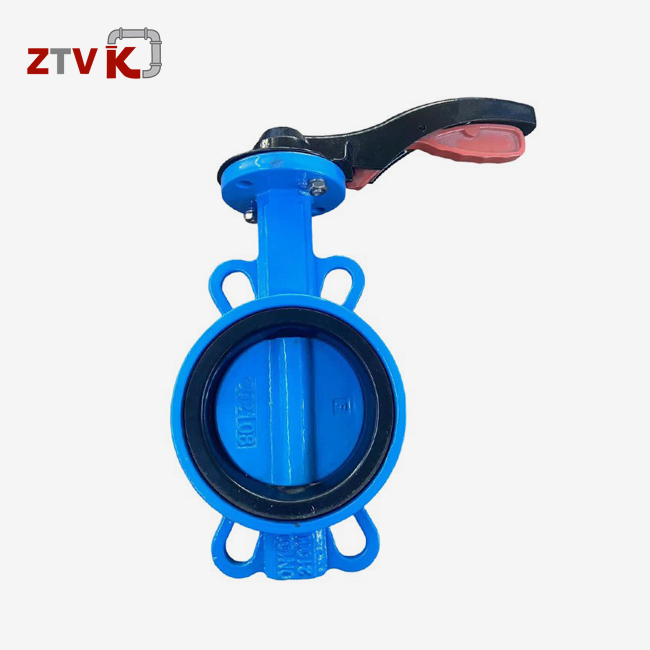
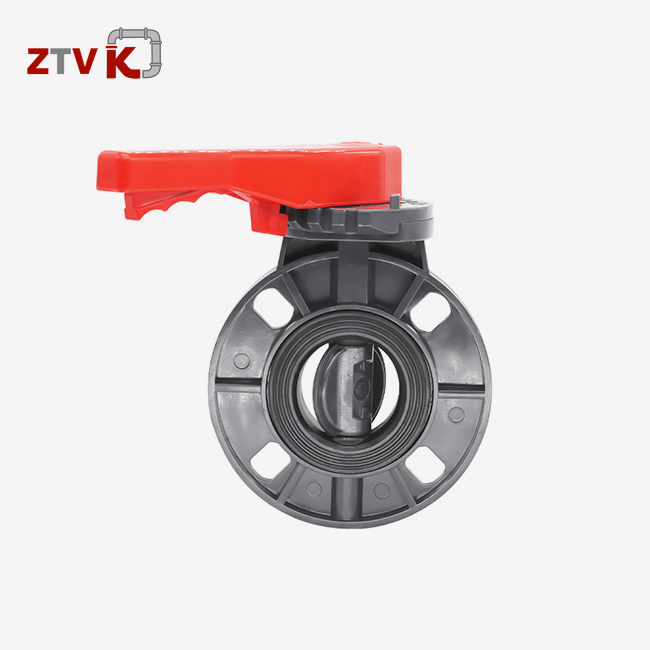
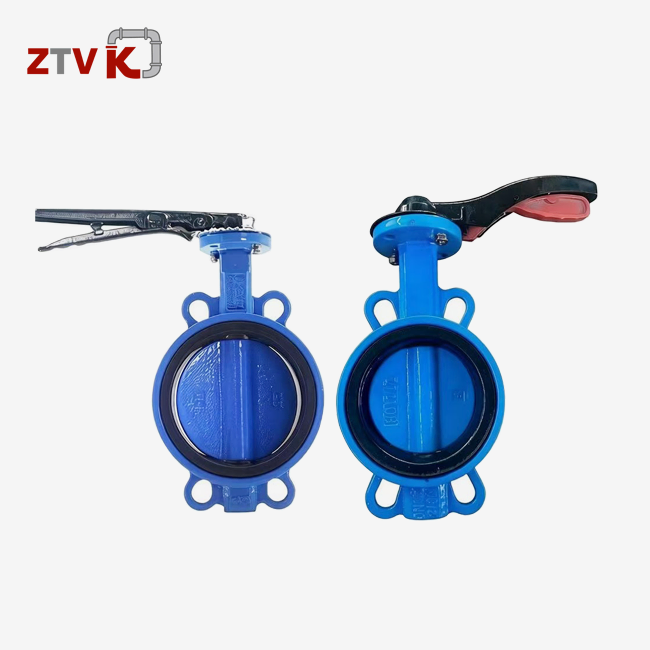
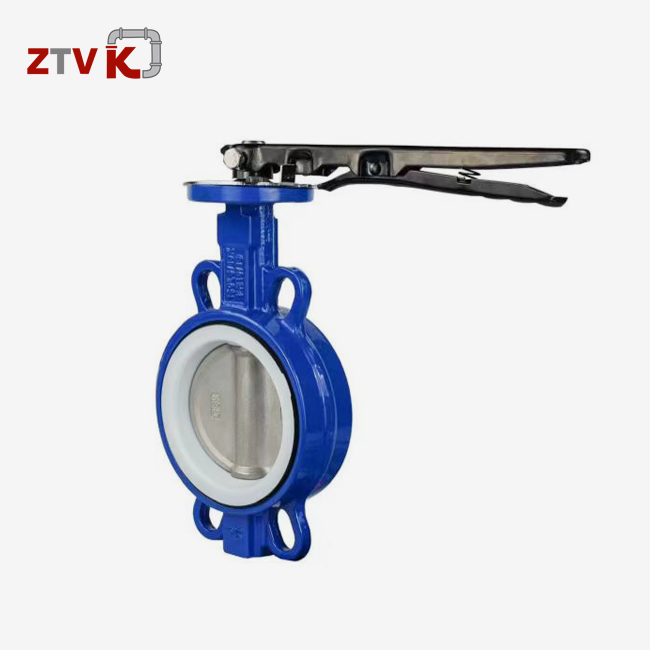
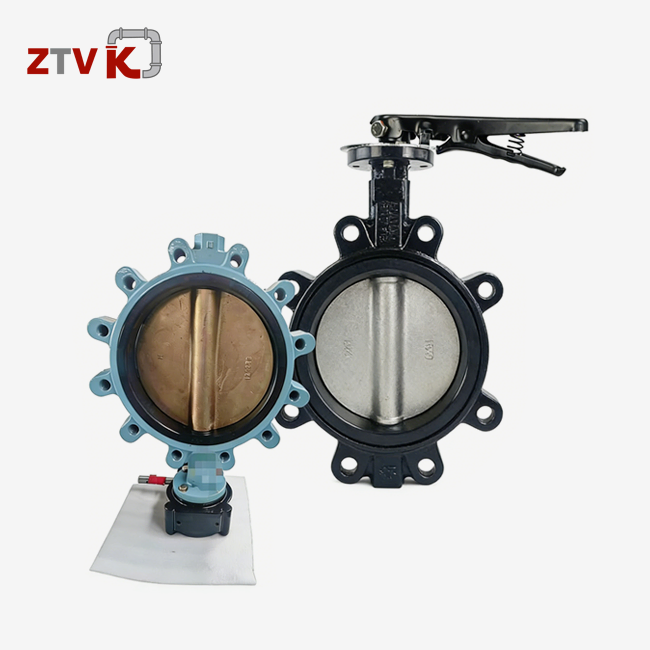
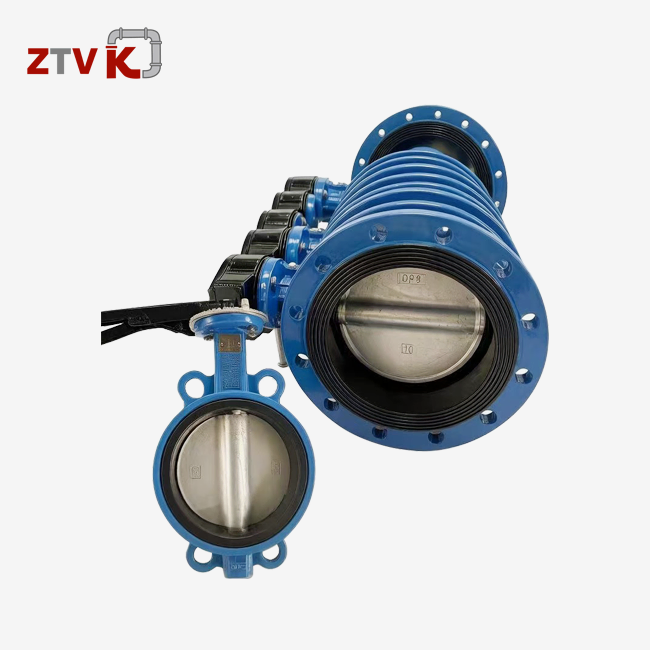
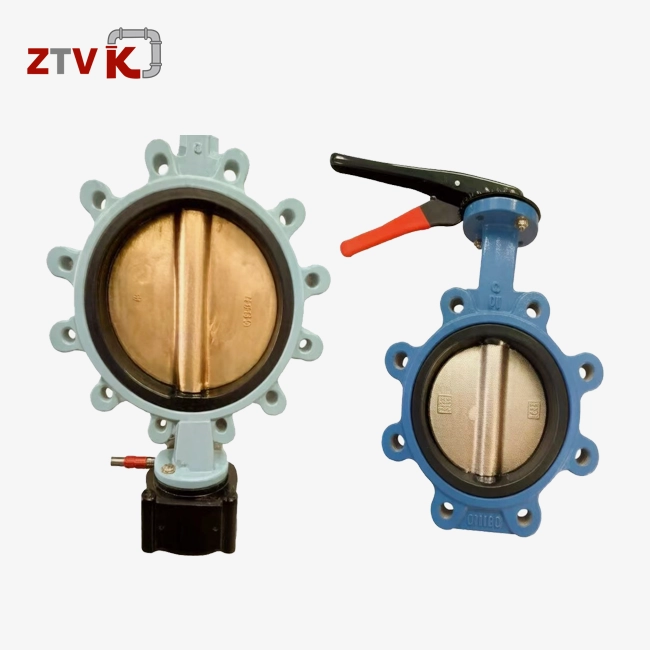
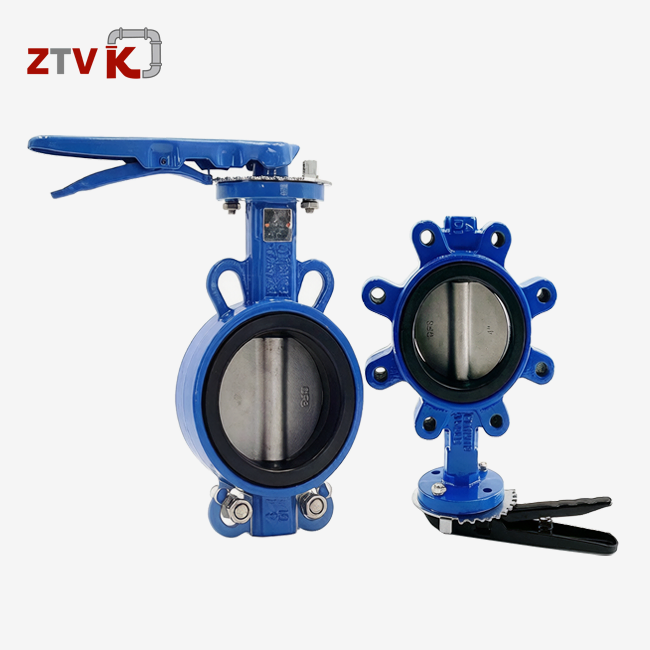
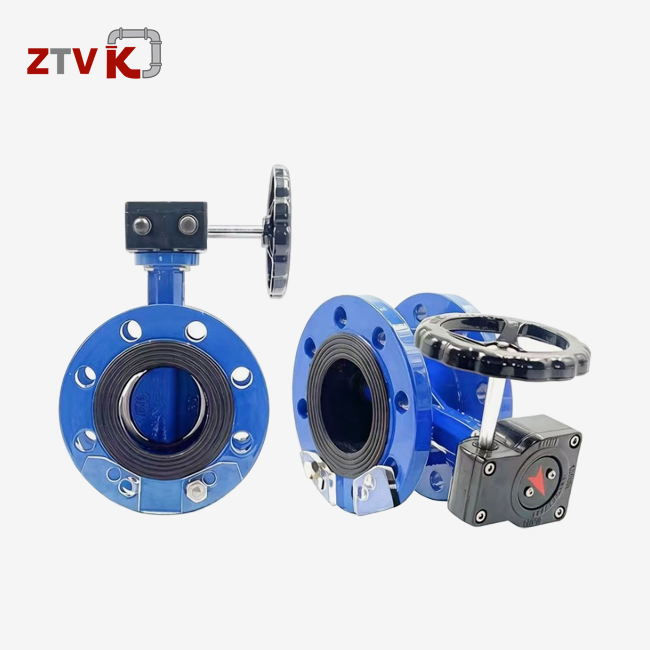
wafer body butterfly valve
Connection method:Wafer type
Connection standard:ISO5211--PN10/PN16/125LB/150LB/JIS5K/JIS10K/JIS16K
Size:1.5"-48"(DN40-DN1200 mm)
Working pressure:PN10/PN16
Body material:DI/QT450
Disc material:DI/CF8/CF8M/Aluminum bronze
Seat material:EPDM/NBR/PTFE/VITON/
Wafer Body Butterfly Valve — Compact Quarter-Turn Flow Control for Industrial Piping Systems
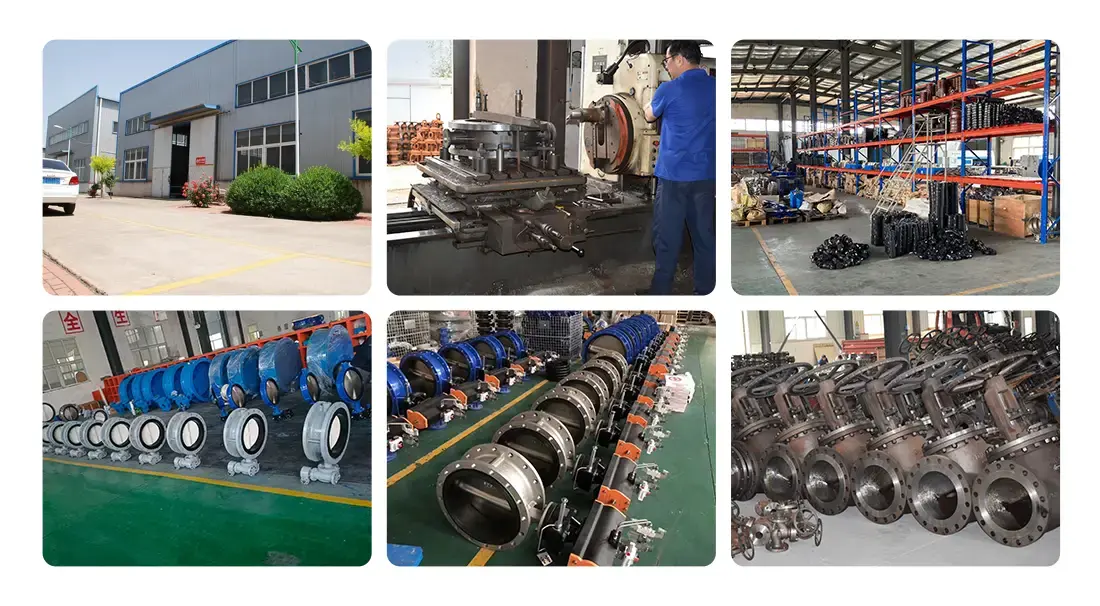
Wafer body butterfly valves from ZTVK are engineered for industrial piping environments where installation space, structural load, and sealing reliability are all critical factors. This valve was made by people who have been making things for more than 15 years. It comes in sizes from DN40 to DN1200 (1.5" to 48") and can handle working pressures of PN10 and PN16 (1.0 to 1.6 MPa). The body is made of a single piece and has a hand-polished, spherical disk edge that keeps the operating torque low and supports consistent shutoff performance across all compatible seat materials.
What Is a Wafer Body Butterfly Valve?
A wafer body butterfly valve is a quarter-turn rotary valve designed to be clamped between two pipe flanges using long bolts that pass through the full valve body. Unlike a lug-style valve, it does not use threaded inserts — it relies on the compressive force of both flanges to hold position and maintain seal integrity.
This design solves a number of problems that come up in industrial plumbing. Its short length from end to end meets API 609 standards and can be used in places where gate valves can't. Its thin, light shape makes the structural load on the pipe supports less. It also usually lowers the total cost of installation because it uses less raw materials and can be put in faster than flanged options.
One thing is wrong with this valve: it can't be used at the dead end or end of a line. A lug-style valve is the right choice if you need to take out downstream pipes while the system is still under pressure.
Technical Specifications
|
Parameter |
Details |
|
Size Range |
DN40–DN1200 (1.5"–48") |
|
Nominal Pressure |
PN10 / PN16 (1.0–1.6 MPa) |
|
Connection Type |
Wafer type |
|
Connection Standard |
ISO5211 — PN10/PN16 / 125LB/150LB / JIS5K/JIS10K/JIS16K |
|
Body Material |
Ductile Iron (DI) / QT450 |
|
Disc Material |
Ductile Iron / CF8 / CF8M / Aluminum Bronze |
|
Seat Material |
EPDM / NBR / PTFE / VITON |
|
Applicable Media |
Water, gas, oil, sewage, seawater, air, steam, food-grade fluids, acid, alkali |
|
Temperature Range |
0°C – 80°C |
|
Operation |
Hand lever / Worm gear / Pneumatic / Electric actuator |
|
Certifications |
ISO9001 / ISO14001 / OHSAS18001 |
|
Design Standards |
API / ANSI / JIS / BS / DIN / ISO / CE |
Key Product Features
The valve's one-piece body keeps it small and light, which makes it easier to handle, speeds up installation, and lets you take it apart without special tools.
The disk and stem are made with a thin-plate design that makes the Cv value higher than with regular spindle-through disks. In high-volume systems, using less energy is better because a higher Cv means less pressure drop across the valve.
The 90° open/close action is quick and easy to use. On mid-range sizes, low working force makes manual action possible, and the ISO5211 top flange contact lets air or electric actuators be added without changing the body.
Seat sealing works with many types of media and service conditions. EPDM works well with clean water, mild process fluids, and general utility work that stays within the temperature range. NBR deals with media that are built on oil, fuel, and gas. PTFE can stand up to acids, alkalis, and dry bulk materials. It also keeps media from getting contaminated during batch processing. VITON is resistant to acids and service conditions that are harsh on chemicals.
You can cover the disk and stem in NBR or EPDM rubber to keep the metal from rusting in sewage, seawater, and other slightly toxic fluids.
Material Options & Selection Guide
Selecting the right material combination for your service conditions is the most direct way to protect system integrity and extend valve service life.
|
Component |
Option A |
Option B |
Option C |
Option D |
|
Body |
DI (QT450) |
DI (QT450) |
DI (QT450) |
DI (QT450) |
|
Disc |
Ductile Iron |
CF8 (SS304) |
CF8M (SS316) |
Aluminum Bronze |
|
Seat |
EPDM |
NBR |
PTFE |
VITON |
EPDM — Suited to water, steam within rated temperature limits, and food-grade fluid service. Good resistance to ozone and aging.
NBR — Recommended for oil, fuel, and gas lines with petroleum-based media exposure.
PTFE — Chemical-resistant option for acid, alkali, and dry powder conveying service. Non-contaminating in pharmaceutical and food processing applications.
VITON — Preferred for solvent-laden and chemically aggressive environments. Offers higher thermal and chemical resistance than EPDM or NBR.
Application Industries
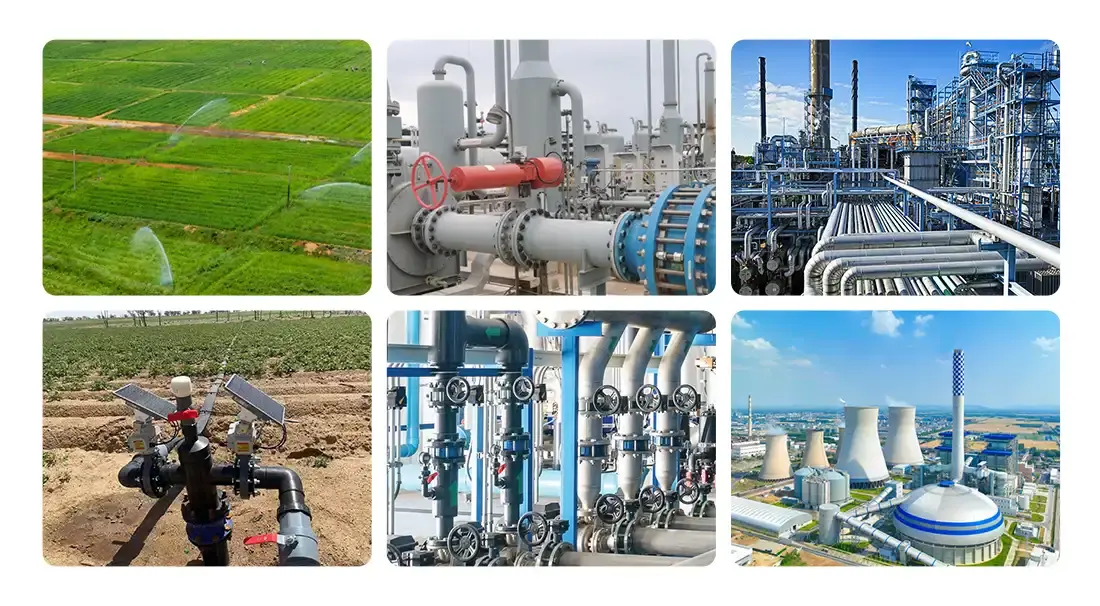
The wafer body butterfly valve is used across a wide range of industries and fluid service conditions.
To treat and desalinate water, CF8M disks with EPDM or PTFE seats keep brine and sludge from sticking to filtration skids and pump discharge lines.
Industrial HVAC and district cooling—Useful for moving large amounts of cold water and isolating cooling towers. Electric or gas robotics can work with low actuator force.
Chemical Processing: Versions with PTFE seats keep media clean in batch reactors and pneumatic conveying lines. The centric disk geometry keeps things from building up in holes.
Food, Pharmaceutical, and Sanitary Service: The hand-polished disk edge smooths out the surface, making it less likely for germs to grow. This meets the cleanliness standards for these uses.
Metallurgy, natural gas delivery, pulp and paper, making soda and salt, and water drainage systems are some of the other industries that are involved.
Customization & OEM/ODM Services
ZTVK can do OEM and ODM production for customers who have unique project needs.
Custom logos, nameplates, and packaging are all part of OEM services for customers. As part of ODM services, valve body structure can be changed, sealing materials can be chosen, link configurations can be changed, and pressure or temperature changes can be made to fit non-standard working conditions.
There are regional changes that can be made, such as changing the stem protection for places with a lot of dust or treating the surface to prevent rust for places with a lot of moisture. Send us your operating conditions and project details so we can look at it and see if it's possible.
Delivery, Packaging & Logistics
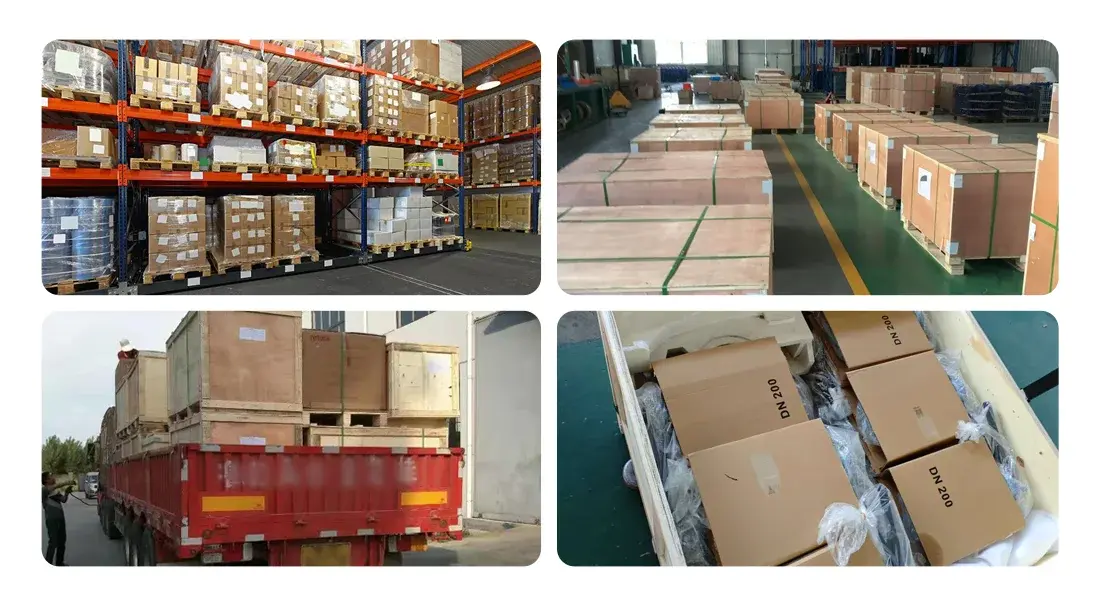
For DN50–DN600 standard sizes, ZTVK maintains stock of 2,000+ units. Standard orders ship within 3–7 days. Custom production lead time is 15–25 days, with expedited production available in 7–10 days where scheduling permits.
The factory is approximately 50 km from Tianjin Port — roughly one hour by road — which supports efficient export coordination. FOB Tianjin Xingang and CIF destination-port pricing are both available.
Export packaging uses wooden crates, moisture-proof film, and fixing brackets compliant with ISPM 15 phytosanitary standards.
Technical Support & Warranty
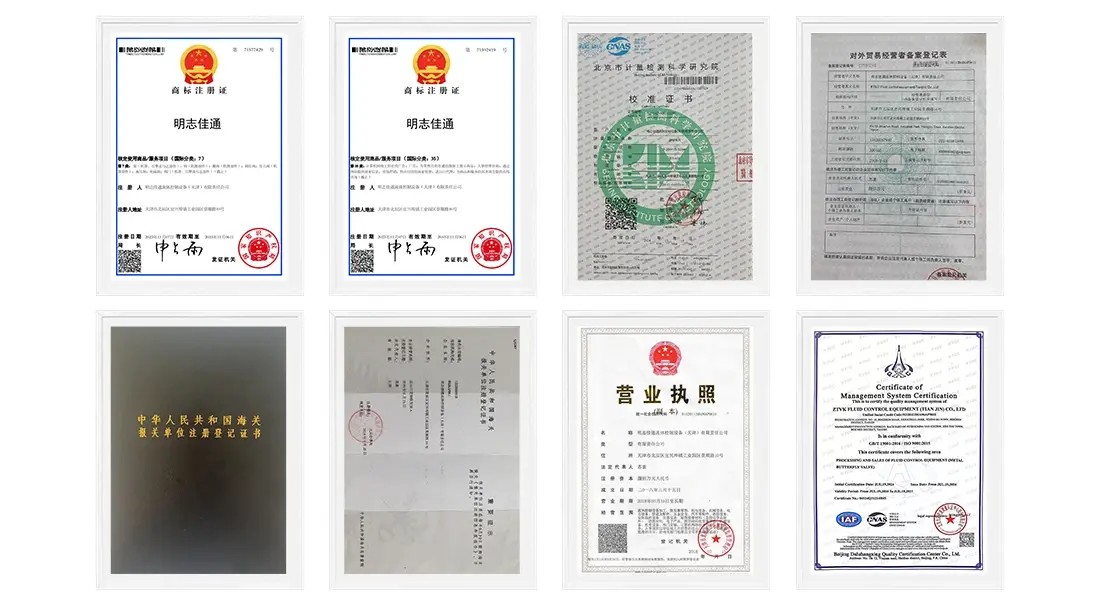
Pre-sales support includes valve selection guidance, CAD drawings, 3D models, and technical consultation. After delivery, ZTVK provides an 18-month warranty covering non-human-caused failures, with free replacement for qualifying defects.
Installation guidance, troubleshooting documentation, and access to local technical service partners are available upon request. Each product includes a QR code linking to inspection reports, product records, and maintenance history.
FAQ
Q1: Can an end-of-line switch be used for service?
A: Not really. Both lips work together to clamp the valve and squeeze the seal. Taking out the pipes further downstream while the system is under pressure breaks the seal. For dead-end service, use a valve with lugs.
Q2: Which way should the installation be done?
A: Lay the stem flat in slurry or particle-filled service so solids can flow through. Running clean water through a vertical stem works well. During fitting, leave part of the disk open to keep the cover from getting damaged by the lip compressing it.
Q3: How do I pick between wafer and nut styles?
A: Pick the valve for long runs of pipes where saving money and getting it put lighter are important. If you need to be able to remove downstream pipes while the system is still under pressure, choose the lug style.
Q4: Can I get a new seat liner?
A: The liner can be changed in the field for cartridge-seat designs. In vulcanized or bonded designs, the liner is built into the valve body, so to replace it, you have to send the valve back for service or get a whole new unit.
Q5: What kinds of flanges work with each other?
A: This valve works with both Weld Neck and Slip-On flanges. When using Slip-On flanges, make sure that the pipe plan leaves enough space for the disk to fully spin without any technical issues.
Q6: What sizes and forces does ZTVK offer?
A: This valve is made by ZTVK in sizes DN40 to DN1200 (1.5" to 48") and working pressures of PN10 to PN16. Through ODM customization, you can get sizes and pressure ratings that aren't standard.
Contact Us
Have a wafer body butterfly valve requirement or need a quote? Send your specifications to ktec86961886@163.com and our team will respond with selection guidance or pricing.
Send us your valve requirements and our team will provide professional solutions and fast quotations.