- English
- French
- German
- Portuguese
- Spanish
- Russian
- Japanese
- Korean
- Arabic
- Greek
- German
- Turkish
- Italian
- Danish
- Romanian
- Indonesian
- Czech
- Afrikaans
- Swedish
- Polish
- Basque
- Catalan
- Esperanto
- Hindi
- Lao
- Albanian
- Amharic
- Armenian
- Azerbaijani
- Belarusian
- Bengali
- Bosnian
- Bulgarian
- Cebuano
- Chichewa
- Corsican
- Croatian
- Dutch
- Estonian
- Filipino
- Finnish
- Frisian
- Galician
- Georgian
- Gujarati
- Haitian
- Hausa
- Hawaiian
- Hebrew
- Hmong
- Hungarian
- Icelandic
- Igbo
- Javanese
- Kannada
- Kazakh
- Khmer
- Kurdish
- Kyrgyz
- Latin
- Latvian
- Lithuanian
- Luxembou..
- Macedonian
- Malagasy
- Malay
- Malayalam
- Maltese
- Maori
- Marathi
- Mongolian
- Burmese
- Nepali
- Norwegian
- Pashto
- Persian
- Punjabi
- Serbian
- Sesotho
- Sinhala
- Slovak
- Slovenian
- Somali
- Samoan
- Scots Gaelic
- Shona
- Sindhi
- Sundanese
- Swahili
- Tajik
- Tamil
- Telugu
- Thai
- Ukrainian
- Urdu
- Uzbek
- Vietnamese
- Welsh
- Xhosa
- Yiddish
- Yoruba
- Zulu
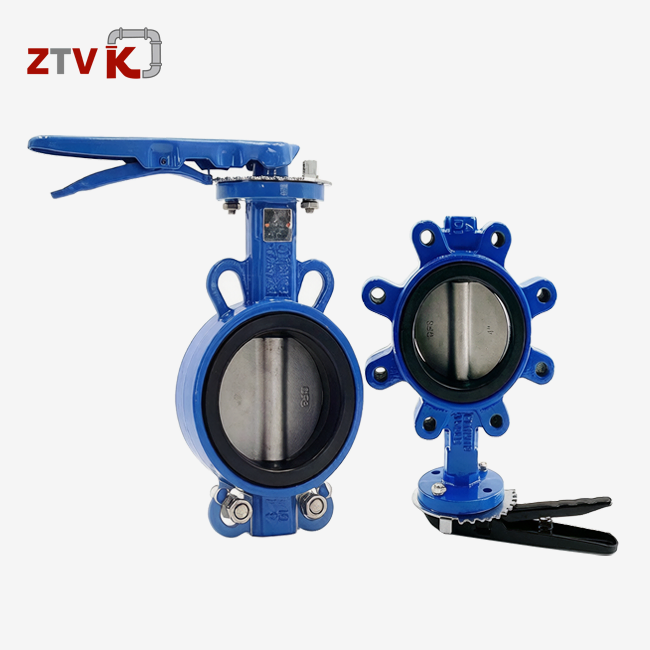
watertight valve
Connection method:Wafer type
Connection standard:ISO5211--PN10/PN16/125LB/150LB/JIS5K/JIS10K/JIS16K
Size:1.5"-48"(DN40-DN1200 mm)
Working pressure:PN10/PN16
Body material:DI/QT450
Disc material:DI/CF8/CF8M/Aluminum bronze
Seat material:EPDM/NBR/PTFE/VITON/
Watertight Valve – Wafer Butterfly Type for Water, Gas & Industrial Flow Control
Watertight valve from ZTVK FLUID CONTROL EQUIPMENT (TIANJIN) CO., LTD. are wafer-type butterfly valves covering DN40 to DN1200 (1.5"–48") at PN10/PN16 working pressures. The spherical surface machining and manual polishing of the one-piece disk keep the operating torque low and extend the seat service life. The body is made of ductile iron DI/QT450, and the seats can be EPDM, NBR, PTFE, or VITON. They can handle water, gas, oil, and other industrial media from 0°C to 80°C.
What Is a Watertight Valve?
A watertight valve is a flow control device engineered to achieve zero-leakage isolation under defined hydrostatic pressure conditions — preventing water ingress or egress whether the valve is submerged or exposed to significant backpressure. Reinforced stem sealing and high-integrity body construction are the two design elements that distinguish it from a standard butterfly valve.
This kind of valve works well in areas of ships, underground structures, and any pipe system where regular isolation valves wouldn't work well during flooding or long-term changes in differential pressure.
Key Features & Design Advantages
A single piece forms the base of the ZTVK wafer butterfly valve. The edge of the disk is spherically machined and then hand-polished. This lowers the friction between the disk and the seat, which keeps the operating torque low and increases the life of the seat.
90° open/close operation—switching quickly and with little work
It has zero leakage and can be used in situations that need tight isolation.
Sealing in two directions with flexible seats
Disc and stem surface coatings can be made of NBR or EPDM rubber to stop metal from wearing away.
When compared to standard spindle-through designs, thin-plate disk designs raise Cv.
It lowers the pressure drop across the valve when the pressure recovery is higher.
The frame is small, making it easy to move, set up, and fix.
Flow pattern that is very close to linear—allows for both regulation and shutoff
You can also wrap the valve stem and disk in nitrile or ethylene propylene rubber to protect them from rusting even more in harsh media conditions.
Technical Specifications
|
Parameter |
Details |
|
Size |
1.5" – 48" (DN40 – DN1200) |
|
Working Pressure |
PN10 / PN16 |
|
Suited Medium |
Water, gas, oil, sewage, sea water, steam, food, drugs, acid, alkali, and similar media |
|
Suited Temperature |
0°C – 80°C |
|
Connection Method |
Wafer type |
|
Connection Standard |
ISO5211 – PN10/PN16/125LB/150LB/JIS5K/JIS10K/JIS16K |
|
Body Material |
DI / QT450 (Ductile Iron) |
|
Disc Material |
DI / CF8 / CF8M / Aluminum Bronze |
|
Seat Material |
EPDM / NBR / PTFE / VITON |
|
Operation |
Hand lever, Worm gear, Pneumatic actuator, Electric actuator |
Seat Material Selection & Media Compatibility
Each type of seat material is designed to work in a certain way:
- EPDM can handle clean water, sewage, steam, and mild chemicals.
- Uses for NBR in oil, gas, and fuel
- PTFE and VITON are chemical, acid, or high-temperature materials.
Selecting the correct seat material is especially important when the watertight valve will be used in submerged service or aggressive chemical environments, where seat degradation would compromise the sealing performance over time.
Industry Applications
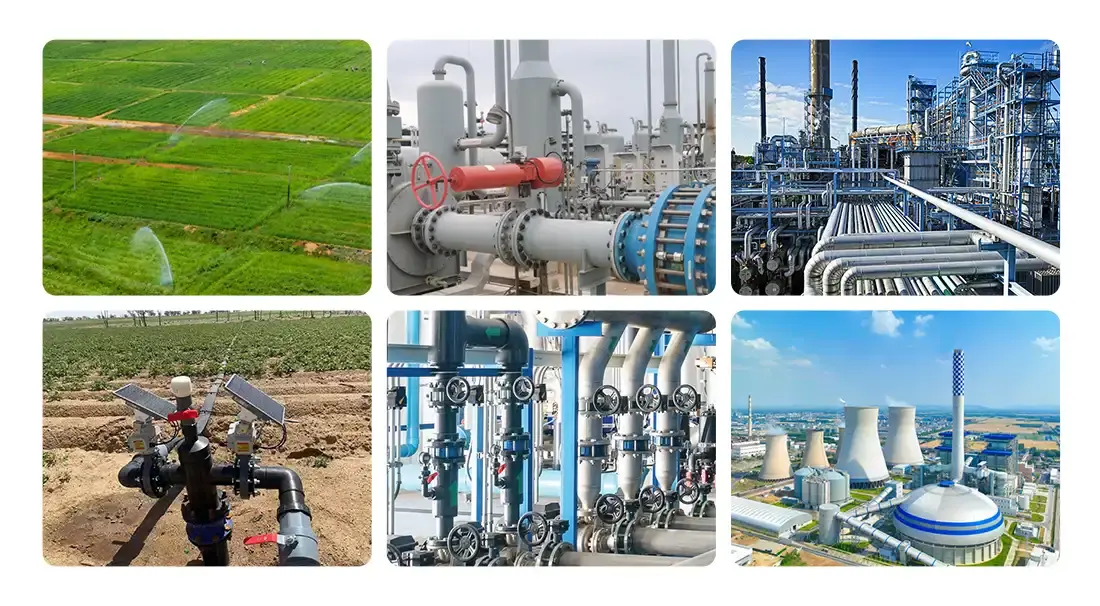
This valve design is used across multiple sectors where reliable isolation and resistance to submersion or backpressure are required:
- Municipal water distribution and wastewater lift stations have valves that are put in underground pits that are likely to flood. The actuator ingress protection and extension spindles keep the system running even when they are submerged.
- Marine and remote systems, like ballast systems and sea boxes that need to be resistant to saltwater and not leak at all
- Petrochemical and power plants - Tight shut-off and flow control under process circumstances
- Food and medicine processing: The flat surface of the disk prevents particle accumulation and bacterial growth.
- Hydropower maintenance isolation—can handle high hydraulic head and water hammer events
Materials & Sealing Performance
The body is made of DI/QT450 ductile iron, which makes it strong and resistant to damage. Disks made of CF8 (stainless steel 304), CF8M (stainless steel 316), and aluminum bronze can be used in acidic environments.
The sealing system has resilient seats, and the stem has multi-barrier sealing to stop both media from escaping and water from the outside getting in. This is necessary in places that are submerged or prone to flooding, where a single-barrier stem design would eventually let water in.
Epoxy coating can be used on iron-based bodies to stop under-film rusting. This is especially useful in places that are underwater or have a lot of moisture.
Quality Control & Testing
All valves checked before shipping. The standard tests are:
· Hydrostatic shell test according to API 598 or EN 12266-1 at 1.5xrated operating pressure to check integrity of casting and body
· Seat closure test at 1.1× rated pressure (hydrostatic) and low pressure pneumatic test to validate sealing performance
· Coating Continuity Check – Electrical Spark Test to Detect Pinholes in Epoxy Coating Where Applied
· Submersion verification – type testing to establish that the mechanism does not allow water to enter under circumstances of prolonged submersion
Inspection reports are available on request for particular batches of manufacturing.
Customization & Delivery
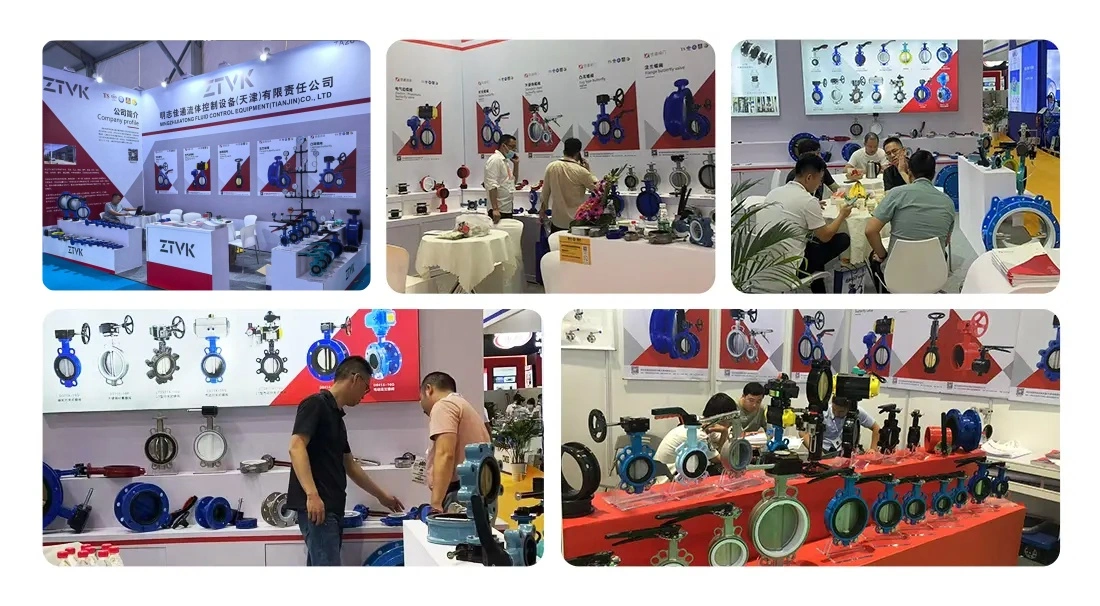
ZTVK supports OEM and ODM orders. Available customization options include:
- Custom labels, logos, and boxes with your brand on it
- Changing the body structure to meet specific needs for pressure, temperature, or media
- Connection types like wafer, flanged, or lug
- Choose an actuator type such as a manual lever, worm gear, pneumatic, electric, or electro-hydraulic.
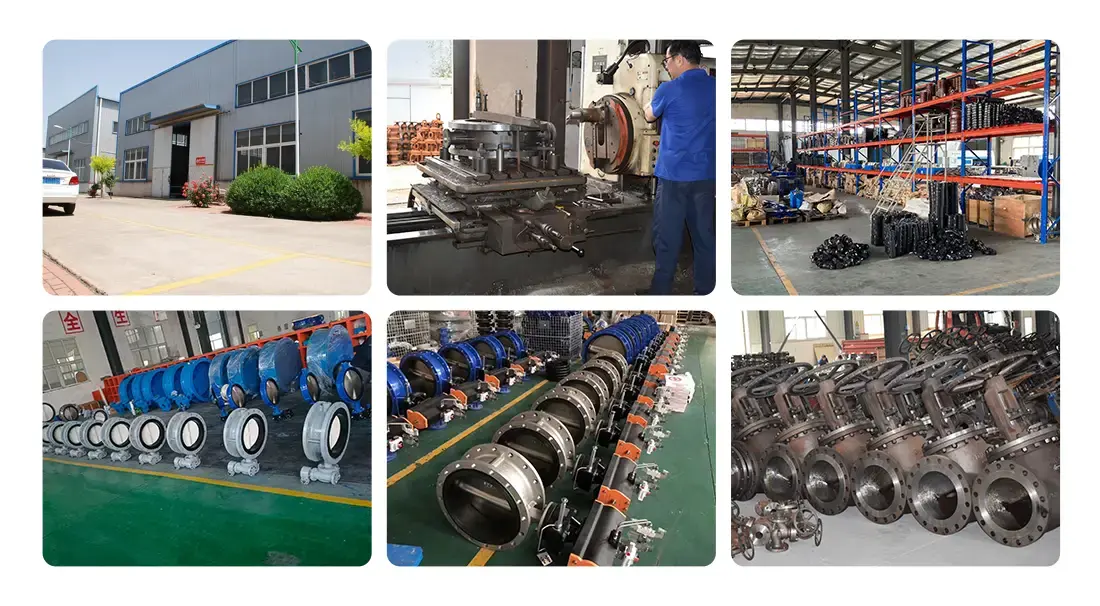
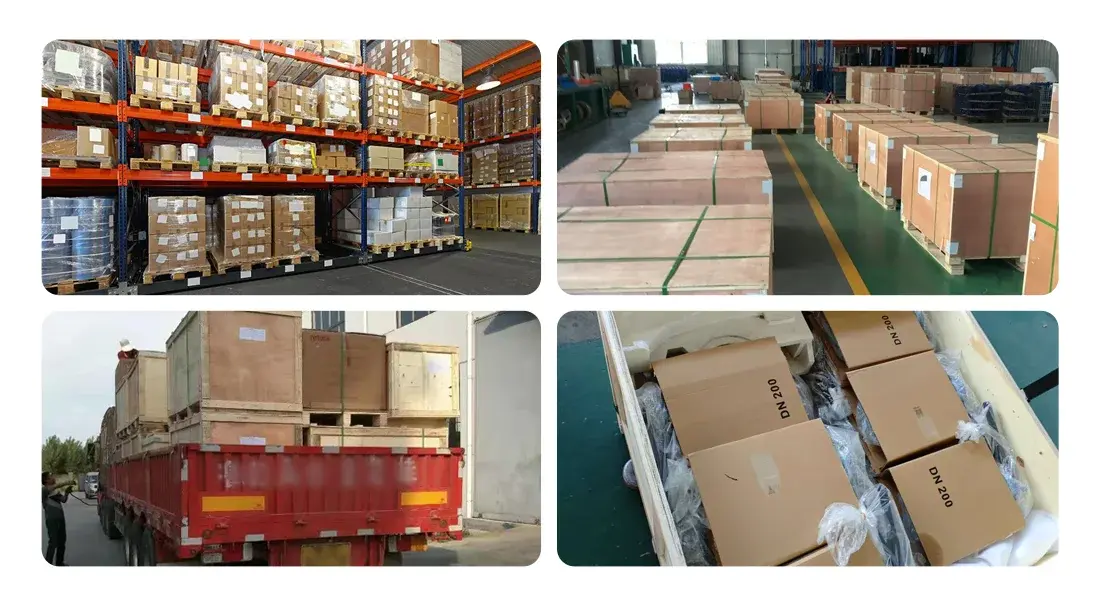
The plant is about 50km from Tianjin port, which helps to minimize export delays. Packaging is done in wooden boxes, moisture-proof film and mounting clamps according to ISPM 15 requirements.
To find out delivery timeframes and stock levels for various sizes, contact the ZTVK team directly with your size range and number demands.
FAQ
Q1: What's the difference between a valve and a weather-tight?
A: Designs that are weather-tight (usually IP65/66) can handle rain and spray, but not water. A valve (IP68) can handle being submerged in water and hydrostatic pressure for a long time without leaking. This is important for installations that are underground or in the water.
Q2: Can this valve be used for potable water applications?
A: Potable water systems can work with the EPDM seat material. For projects that need to be NSF-61 or WRAS compliant, make sure you talk to the ZTVK team about the seat and coating material choices before you place your order.
Q3: Does the actuator also need to be waterproof?
A: Yes. If you put together a valve body and a normal actuator (IP54 or lower), there will be a point where they will fail when they get flooded. The whole assembly, including the interface between the actuator and the bonnet, should meet IP68 standards for use in water.
Q4: What does this valve do with backpressure?
A: Backpressure from either direction of flow can be handled by the two-way sealing design. If you need a proven bi-directional pressure number for your application, let us know when you ask for a price so that the right seat combination is chosen.
Q5: Which material should I choose for my seat if it will be exposed to salt water or harsh chemicals?
A: An aluminum bronze disk with an EPDM seat is often chosen for seawater. PTFE or VITON seats work better with acidic or chemical media. Send ZTVK information about your media to get a specific suggestion.
Q6: What kind of help is there after the sale?
A: ZTVK gives you installation instructions, repair information, and access to records of product inspections. Get in touch with the team to talk about the warranty terms that apply to your order.
Contact Us
Send your size, media, and quantity requirements to ktec86961886@163.com and the ZTVK team will respond with watertight valve details or a quotation.
Send us your valve requirements and our team will provide professional solutions and fast quotations.