- English
- French
- German
- Portuguese
- Spanish
- Russian
- Japanese
- Korean
- Arabic
- Greek
- German
- Turkish
- Italian
- Danish
- Romanian
- Indonesian
- Czech
- Afrikaans
- Swedish
- Polish
- Basque
- Catalan
- Esperanto
- Hindi
- Lao
- Albanian
- Amharic
- Armenian
- Azerbaijani
- Belarusian
- Bengali
- Bosnian
- Bulgarian
- Cebuano
- Chichewa
- Corsican
- Croatian
- Dutch
- Estonian
- Filipino
- Finnish
- Frisian
- Galician
- Georgian
- Gujarati
- Haitian
- Hausa
- Hawaiian
- Hebrew
- Hmong
- Hungarian
- Icelandic
- Igbo
- Javanese
- Kannada
- Kazakh
- Khmer
- Kurdish
- Kyrgyz
- Latin
- Latvian
- Lithuanian
- Luxembou..
- Macedonian
- Malagasy
- Malay
- Malayalam
- Maltese
- Maori
- Marathi
- Mongolian
- Burmese
- Nepali
- Norwegian
- Pashto
- Persian
- Punjabi
- Serbian
- Sesotho
- Sinhala
- Slovak
- Slovenian
- Somali
- Samoan
- Scots Gaelic
- Shona
- Sindhi
- Sundanese
- Swahili
- Tajik
- Tamil
- Telugu
- Thai
- Ukrainian
- Urdu
- Uzbek
- Vietnamese
- Welsh
- Xhosa
- Yiddish
- Yoruba
- Zulu
What are the common applications of bronze gate valves?
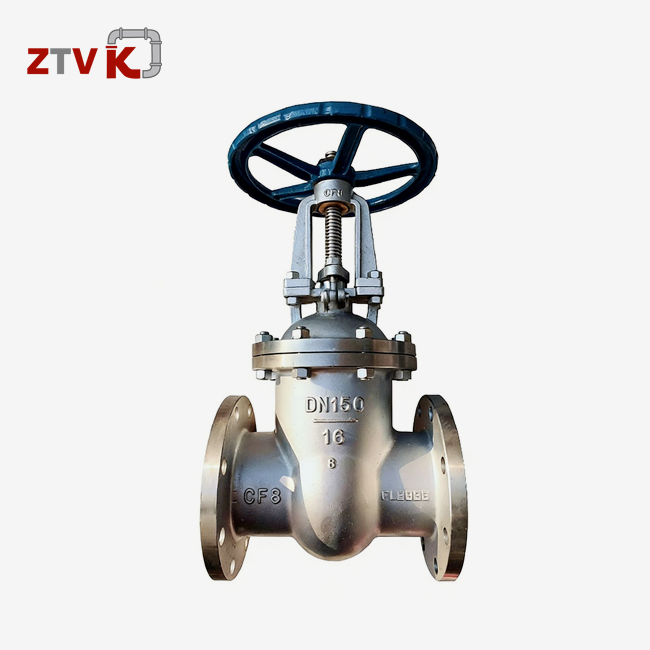
Bronze gate valves control the flow of many types of industry and public systems, from drinking water lines to marine installations at sea. A 4 bronze gate valve, which fits standard 4-inch pipes, is a good example of how versatile this group is. It can be used to reliably shut off seawater cooling loops, industrial building fire mains, and low-pressure steam condensate returns. Because they are made of a bronze blend, they don't dezincify or biofoul, so they are essential in places where ferrous or regular brass parts would rust too quickly. When distributors, contractors, and OEM clients know about these uses, they can match valve specs with operating needs, which keeps people safe and saves money.
Understanding Bronze Gate Valves and Their Core Features
Bronze gate valves work by lifting a disc in the shape of a wedge vertically out of the flow path. This makes a straight-through route when the valve is fully open and reduces the pressure drop. This device is different from globe or ball valves, and it has clear benefits for separation tasks.
Material Composition and Standards
C83600 metal, which is made up of 85% copper, 5% tin, 5% lead, and 5% zinc, is usually used in modern bronze gate valves. This alloy meets ASTM B62 standards. This mix is a good balance of strength and ease of working with, and it forms a protective patina in places where metals are likely to rust. Bismuth bronze versions that don't contain lead meet NSF/ANSI 61 standards for potable water without lowering their longevity. Following the rules set by MSS SP-80, ANSI B16.24, and BS 1400 LG2 guarantees that dimensions will be the same and performance will be predictable across all global supply lines.
Pressure and Temperature Ratings
Class 125 bronze gate valves can handle 200 PSI working pressure (oil, gas, or water) and 125 PSI full steam. Class 150 types can handle 300 PSI working pressure and 150 PSI steam. The operating temperature range is from -20°C to 180°C (PN20 grade), which means it can handle chilled water, liquids in the air, and mild heating circuits. These numbers have a direct effect on how well the system works for its purpose. For example, city water systems rarely need more than 150 PSI static pressure, but industrial condensate lines may need higher levels.
Stem and Connection Configurations
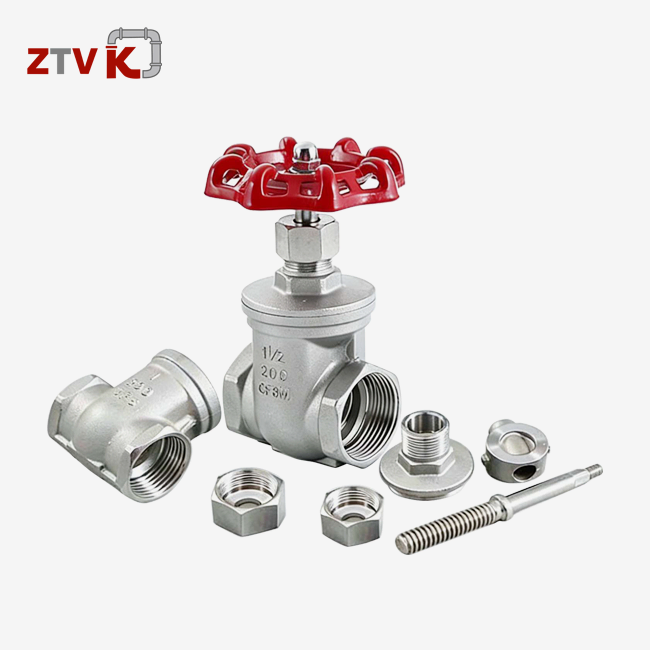
Rising stem (OS&Y) forms let you see where something is, which is very important for lockout/tagout processes in big buildings. Different types of stems that don't rise save vertical space under pipe racks or in mechanical rooms that are already full. Screwed BSPP threads are available for small setups, flanged ends are available for places with a lot of vibration, and union bonnet fittings make servicing easier. If you choose the right setup, installation time, and long-term care costs will go down.
After looking at these technical basics, we can look at how bronze gate valves are used in different businesses to control flow.
Common Industrial and Commercial Applications of Bronze Gate Valves
Bronze gate valves are used in many areas where their ability to fight corrosion and reliably shut off makes up for their higher cost compared to iron options.
Marine and Offshore Installations
Exposure to saltwater speeds up galvanic corrosion in metals that are not the same. The copper-rich structure of bronze is better at resisting chloride attack than carbon steel or cast iron. This is why it is usually used for ship sea chests, engine cooling inlets, and isolating ballast tanks. A 4 bronze gate valve on the seawater intake of a cargo ship has to deal with constant soaking, temperature changes as the ship travels between Arctic and warm ports, and biofouling organisms. These are problems that would destroy less durable valves within months. Maritime classification groups like ABS and Lloyd's Register require bronze for through-hull fittings because it lasts longer than other materials.
Potable Water Distribution Networks
Bronze gate valves are good for main line separation points that go into schools, hospitals, and business buildings, according to cities and towns. The full-port design keeps the pipeline moving quickly, so sediment doesn't build up and block the flow area or harbor germs. When butterfly valves are opened, they block some flow, but when gate valves are fully open, they don't block any flow at all. This is very important in fire defense situations where immediate maximum flow is needed. Bronze valves are used in filter backwash lines and chemical dosing systems at water treatment plants. These systems cycle a lot, so the seat closing and stem packing need to be strong.
HVAC and Fire Protection Systems
Bronze gate valves are used in pipes for cold water, returns for heating hot water, and control valves for sprinkler systems in commercial buildings. In an emergency, a stuck valve can make it take longer to put out a fire. This is because bronze is naturally flexible, so it doesn't break easily when hot water runs quickly through cold pipes. For retrofit jobs where welding isn't allowed near occupied areas, HVAC workers like threaded bronze valves. Screwed connections make replacement quick without hot work permits. -20°C to 180°C is the temperature range for glycol-based cooling loops in cold places and low-pressure steam coils in air conditioners.
Petrochemical and Refinery Applications
Even though stainless steel is most common in high-pressure petroleum service, bronze gate valves are used in systems that move lube oil, clean condensate, and move process water. The cooling tower makeup line in a factory works at 80 PSI with chlorinated city water. In these conditions, bronze flanged valves last longer than carbon steel ones, which are more likely to pit and rust. Small-bore bronze valves (DN50–DN100) are used in analyzer sample lines and instrument air dryers. Their non-sparking alloy makes them safer in places that are classed as dangerous.
Food and Beverage Processing
Materials that won't leach contaminants are needed in places like breweries, medicinal plants, and dairies. The FDA and 3-A sanitary guidelines for product touch are met by electropolished bismuth bronze gate valves. They are used on the hot water lines that feed mash tuns, where the temperature changes several times a day between room temperature and 75°C. The smooth flow path of the gate valve makes clean-in-place (CIP) processes easier than with globe valves, which have curved internal passageways that trap residues.
These examples show that bronze gate valves are more competitive when they fit the material's properties to environmental stresses than when they try to maximize flow capacity or throttling accuracy.
Comparing Bronze Gate Valves with Other Materials and Valve Types
Understanding the performance trade-offs between valve materials and working mechanisms is key to making choices about what to buy.
Bronze Versus Brass and Stainless Steel
Brass valves, usually made of C36000 free-machining brass, are 15–20% less expensive than bronze valves, but they lose their zinc when they are submerged in water above 65°C. The zinc leaves behind a porous copper sponge that breaks under pressure. The higher tin level in bronze keeps the metal stable against this breakdown. Stainless steel 316 is better than bronze at withstanding chemicals and high temperatures, but it costs twice as much and needs special welding techniques to be installed. Distributors who want to save money keep bronze on hand for regular water service and stainless steel for chemicals that break down metal or steam above 180°C.
Gate Valves Versus Ball Valves
Ball valves can close faster than multi-turn gate valves because they only need a quarter turn to open. However, their seats, which are usually made of PTFE or RPTFE, break down above 150°C, while metal-seated bronze gate valves can handle higher temperatures. Gate valves can also be opened slowly to avoid water hammer in long pipes. This can't be done with ball valves, which make violent mixing when they're partially open. Municipal water workers like to use gate valves at isolation points that don't need to be used very often but need to be completely shut off. They save ball valves for jobs that need to be cycled often and where speed is important.
Iron and Plastic Alternatives
Ductile iron gate valves are most common for large-diameter underground water mains because they are cheaper to make. However, iron is more likely to rust when installed above ground because it is exposed to air moisture, while bronze stays solid. At room temperature, PVC and CPVC plastic valves can handle toxic chemicals, but they can't handle being smashed during installation or thermal growth in heating systems. OEMs of industrial equipment choose the 4 bronze gate valve for pump output isolation because bronze can withstand vibrations and impacts that would cause plastic to crack.
By knowing these differences, buyers can avoid selecting too many expensive metals or too few materials that fail too soon.
Procurement Considerations for Bronze Gate Valves
To choose the best valve, you need to look at its technical specs, the reliability of its provider, and its overall cost of ownership.
Key Specifications to Verify
An 180 PSI cold water system needs Class 150 valves because the pressure class (125 or 150) must match or exceed the system design pressure plus a safety cushion. For small-bore steel pipes, the ends should be threaded, and for ductile iron mains, they should be flanged. The type of connection should match the current pipes. Check if the metallurgical approval confirms that the makeup meets ASTM B62 standards. If the standards aren't met, the castings may have too many holes, which can cause weep leaks. When a system has two uses, the temperature number is important. For example, a valve that handles both water and steam cleaning must be able to handle 180°C.
Certification and Quality Assurance
Manufacturers who are ISO 9001 qualified keep production records that can be tracked and are necessary for project paperwork. Each valve's shell soundness (1.5x rated pressure) and seat tightness (1.1x rating) are checked by API 598 hydrostatic testing. Independent checks are done by third-party inspection services like TÜV or Bureau Veritas, which cuts down on quality conflicts. When distributors buy to resell, they should ask for mill test results and dimensional inspection records that show the face-to-face lengths meet MSS SP-80 standards. Mismatched measurements: Strand valves should be sold as extra inventory.

Pricing and Lead Times
The price of bronze valves changes with the price of copper. Making frame deals with manufacturers protects against price changes. Standard bronze gate valves with a 4-inch thread range in price from $180 to $320 per unit, based on the class and brand. If you buy 50 or more units, you can save 12 to 18%. Sizes that are in stock usually ship within a week. However, unique designs, like long stems for buried service or special packing for ammonia refrigeration, take 15 to 25 days to make. There are 20% fees for rush orders, but they are delivered within 10 days, which is worth the extra cost when project delays could lead to liquidated damages.
Supplier Evaluation Criteria
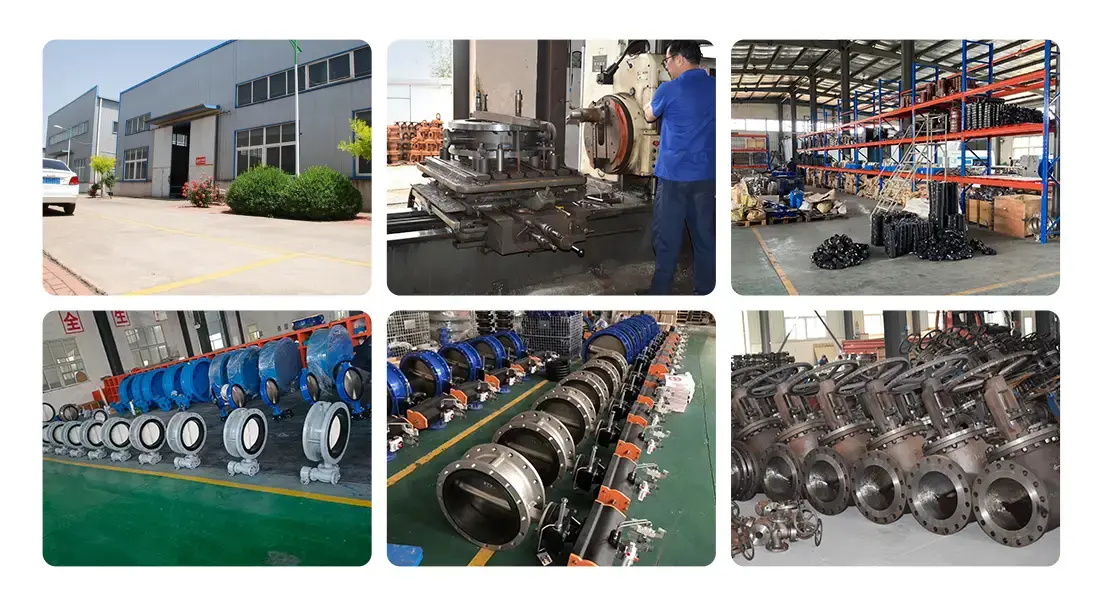
Suppliers with a good reputation back up their quality control with 18-month guarantees that cover problems with the way the product was made. Find a place that is close to major shipping hubs. For example, makers in Tianjin like ZTVK benefit from direct port access, which lowers the cost of inland freight and the risk of damage during transport. OEM features like custom branding, nameplate etching, and changed bonnet designs are important for equipment makers who put valves into packed systems. Partners are different from transactional sellers because they offer after-sales help like installation videos, troubleshooting tips, and access to replacement parts.
Thoroughly checking out a seller keeps you from either overpaying for a brand name or having to pay hidden fees for low-bid goods that aren't up to par.
Maintenance, Longevity, and Best Practices for Bronze Gate Valves
With the right care, a valve can go from being a disposable part to a treasure that will last for decades.
Routine Inspection Protocol
Visual checks every three months find surface rust, packing leaks, and damage to the handwheels before they get worse. By running the valve five full rounds a year, you can keep the seat from freezing, which happens when mineral deposits stick stationary wedges to seats after years of not closing. If you hear grinding sounds, that means grit is getting into the system. It's cheaper to flush the line and repack the stem than to replace a cut wedge. Maintenance management systems keep track of each check and show trends like faster wear from cavitation or too much cycling frequency.
Lubrication and Packing Adjustment
Bronze gate valves with non-rising stems need to have the stem threads greased every six months with a graphite-based grease that is compatible with the system fluid. When you overtighten the packing glands, the stem torque and galling get too high. Make the necessary adjustments until the weeping stops and the handwheel still turns smoothly. For use in temperatures above 120°C, braided graphite packing is better because it stays flexible through thermal cycles. For use in normal water, PTFE packing is enough.
Troubleshooting Common Failures
Seat leakage in a 4 bronze gate valve generally means that something is stuck between the wedge and the seat. Cycling the valve several times can often free up particles without having to take it apart. Seats should be re-lapped, or wedges should be replaced if leaks keep happening. Incompatible materials (for example, normal packing in salt water) cause stem corrosion under the packing. Use marine-grade stem coverings and packing instead. Over-torquing during fitting can cause bonnets to crack. Use calibrated tools and follow the manufacturer's torque specs.
By following these tips, you can make bronze gate valves last longer than 25 years in well-kept systems, which is better for the bottom line than cheaper options that need to be replaced more often.
Conclusion
Bronze gate valves are very useful in many different situations, including naval, city, HVAC, and industrial ones. Their corrosion resistance and stable isolation make them worth the money. When it comes to performance in harsh settings like seawater, potable water, and low-pressure steam, a 4 bronze gate valve strikes a good mix between cost and performance. It's important to make sure that the practical needs are met by matching pressure ratings, temperature ranges, and connection types, and to check the supplier's certifications and quality control methods. Distributors that sell to customers all over the world can benefit from working with manufacturers that offer OEM customization, fast shipping, and full expert support. Following the right repair procedures will keep valves in good shape for decades, protecting infrastructure investments and reducing unexpected downtime.
FAQ
Q1: What pressure ratings are standard for bronze gate valves?
Class 125 metal gate valves can handle 125 PSI of full steam and 200 PSI of cold working pressure (oil, gas, or water). Class 150 types have a higher capacity of 300 PSI and 150 PSI steam, making them good for industrial systems with higher pressures and stairs in buildings with more than one floor.
Q2: Can bronze gate valves be used in potable water systems?
Bronze metals that don't contain lead, like bismuth bronze that meets NSF/ANSI 61 standards, can be used in drinking water. Standard C83600 bronze has small amounts of lead in it, and in most places, it can only be used for non-potable purposes.
Q3: How do bronze gate valves compare to ball valves for shutoff service?
Bronze gate valves slowly cut off flow when they open, which keeps long pipes from getting water hammer. Ball valves can turn a quarter turn faster, but they make noise when they're only partially open. Gate valves are great for isolating systems that don't need to be used very often and need to be able to handle high temperatures.
Q4: What kind of upkeep makes a brass gate valve last longer?
Full-cycle operation once a year keeps the seat from freezing, and packing adjustments every three months stop stem leaks without over-tightening. Stem threads are oiled every six months, and the packing is replaced every five years to keep the machine running smoothly for decades.
Partner with ZTVK for Reliable Bronze Gate Valve Supply
Precision bronze gate valves are made by ZTVK. They have ISO 9001 approval and have been making products in Tianjin for over 15 years. Their types include screwed BSPP 4 bronze gate valve models with BS 1400 LG2 bodies rated PN20 for -20°C to 180°C service. Our stock of more than 2,000 standard DN50–DN600 sizes ships within 3–7 days. For urgent project deadlines, OEM customization (branding, changed setups, and specialized finishes) delivers in 15–25 days. We are 50 km from Tianjin Port, and make it easier to get FOB Xingang and CIF quotes by working with COSCO and Maersk. This makes sure that ISPM 15-compliant packaging gets to global wholesalers in one piece. You can email our procurement team at ktec86961886@163.com to get detailed datasheets, bulk prices on bronze gate valve stock, or help with custom engineering. As a reliable bronze gate valve provider, we help city builders, marine outfitters, and industrial distributors with installation guides, 18-month warranties, and quick service after the sale.
References
1. American Water Works Association. Manual of Water Supply Practices M11: Steel Pipe—A Guide for Design and Installation. 2017.
2. British Standards Institution. BS 1400: Specification for Copper Alloy Ingots and Copper Alloy and High Conductivity Copper Castings. 2019 Edition.
3. Manufacturers Standardization Society. MSS SP-80: Bronze Gate, Globe, Angle, and Check Valves. 2022 Revision.
4. Nesbitt, Brian. Handbook of Valves and Actuators: Valves Manual International. Elsevier Science, 2011.
5. Society of Naval Architects and Marine Engineers. Piping and Valves for Marine Applications: Design and Material Selection. Technical Paper Series, 2020.
6. Zappe, R.W. Valve Selection Handbook: Engineering Fundamentals for Selecting the Right Valve Design for Every Industrial Flow Application. Gulf Professional Publishing, 2004.
Send us your valve requirements and our team will provide professional solutions and fast quotations.
RELATED INDUSTRY KNOWLEDGE