- English
- French
- German
- Portuguese
- Spanish
- Russian
- Japanese
- Korean
- Arabic
- Greek
- German
- Turkish
- Italian
- Danish
- Romanian
- Indonesian
- Czech
- Afrikaans
- Swedish
- Polish
- Basque
- Catalan
- Esperanto
- Hindi
- Lao
- Albanian
- Amharic
- Armenian
- Azerbaijani
- Belarusian
- Bengali
- Bosnian
- Bulgarian
- Cebuano
- Chichewa
- Corsican
- Croatian
- Dutch
- Estonian
- Filipino
- Finnish
- Frisian
- Galician
- Georgian
- Gujarati
- Haitian
- Hausa
- Hawaiian
- Hebrew
- Hmong
- Hungarian
- Icelandic
- Igbo
- Javanese
- Kannada
- Kazakh
- Khmer
- Kurdish
- Kyrgyz
- Latin
- Latvian
- Lithuanian
- Luxembou..
- Macedonian
- Malagasy
- Malay
- Malayalam
- Maltese
- Maori
- Marathi
- Mongolian
- Burmese
- Nepali
- Norwegian
- Pashto
- Persian
- Punjabi
- Serbian
- Sesotho
- Sinhala
- Slovak
- Slovenian
- Somali
- Samoan
- Scots Gaelic
- Shona
- Sindhi
- Sundanese
- Swahili
- Tajik
- Tamil
- Telugu
- Thai
- Ukrainian
- Urdu
- Uzbek
- Vietnamese
- Welsh
- Xhosa
- Yiddish
- Yoruba
- Zulu
How Does a Gate Valve Achieve a Reliable Seal?
When specifying flow control equipment for high-pressure municipal water systems or petrochemical pipelines, ensuring zero leakage is non-negotiable. Gate valves, particularly specialized variants like the AR220 80 pressure seal gate valve, achieve exceptional sealing through a combination of precision-engineered components and intelligent design principles. The core mechanism relies on a wedge-shaped disc that slides perpendicular to the flow path, creating metal-to-metal or resilient contact with machined seats. In pressure seal configurations such as AR220 models rated for DN80 applications, the body-bonnet joint leverages system pressure itself to compress gaskets, intensifying sealing force as internal pressure climbs—a self-energizing effect that outperforms traditional bolted bonnet designs in demanding environments.
Understanding the Reliable Seal Mechanism in Gate Valves
Why Sealing Integrity Defines Valve Performance?
When industrial pipelines leak, money is lost, the environment is put at risk, and safety rules are broken. Even small drips add up to thousands of gallons of wasted water every year in water treatment plants that serve cities that are growing. Operators of petrochemical plants have to deal with harsher penalties: leaks of dangerous hydrocarbons lead to emergency shutdowns and fines from the government. These risks are eliminated by gate valves' full-bore closing, in which the disc fully pulls back from the flow path when the valve is open and then falls to form a barrier when the valve is closed. This barrier's dependability is based on three interconnected factors: the accuracy of the sitting surfaces' geometry, the compatibility of the materials used for the disc and the seat, and the presence of enough compression force to maintain touch during thermal cycles.
Operational Mechanics of Gate Valve Sealing
A threaded stem is moved up and down by turning the handwheel, which is usually made of ductile iron GGG40 for strength. The stem is made of stainless steel X 20 Cr 13 to keep it from rusting and galling. It moves the wedge-shaped gate through the flow path. As the gate moves down, its tapered edges fit into slots that have been machined into the valve body. In robust seated designs, an EPDM-covered wedge (like the ones in the AR220 series) presses against rigid chairs and slightly deforms to fill in tiny flaws and uneven wear patterns. This elastomeric interface can handle particle contamination better than metal seats with a hard face. This makes it perfect for use in raw water and slurry, where abrasive particles would damage rigid sealing surfaces.
Pressure Seal Bonnet Design and Self-Energizing Compression
In traditional attached bonnet valves, the body-bonnet gasket seal is kept in place only by the bolt pressure. When temperatures rise or vibrations happen, bolts can loosen, making ways for leaks to happen. With pressure seal gate valves, this weakness is fixed. The bonnet is held in place by a screw ring that fits inside a machined hole. The pressure inside the fluid pulls the bonnet outward against the gasket, which is usually EPDM in HVAC and public works, and fits in a tapered slot. As the pressure rises, the bonnet moves deeper into the taper, which makes the gasket squeeze even tighter. This self-energizing mechanism makes the sealing stronger just when the risks are highest, like when there are pressure surges or water hammer events. The design makes it lighter than similarly designed products that are highly bolted, which makes installation easier in valve caves that are already full.
Influence of Temperature and Pressure Ratings on Sealing Performance
Thermal limits are set by the choice of material. Ductile iron bodies with an EN-GJS-400 rating keep their shape up to 120°C when they are in water service, and EPDM seals stay flexible from -20°C to +80°C. When you go over these limits, the gasket gets harder, or the body gets distorted, which changes the shape of the seal. Pressure ratings tell you the biggest difference in pressure that the seal can handle. Because of its thinner body wall and steeper seat angle, an ANSI Class 150 valve can handle lower pressures than a Class 300 valve. Buyers need to make sure that the values of the valves match the design conditions of the system, taking temporary spikes into account. Valves that are too small leak, and units that are too high cost more and are harder to install.
Detailed Specifications and Material Composition of AR220 80 Pressure Seal Gate Valve
Core Dimensions and Flow Characteristics
The AR220 80 pressure seal gate valve number means that it has a nominal diameter of DN80, which is about 3 inches. It can be used for feeder lines, branch connections, and isolation points in distribution networks. When the pipeline is fully open, the full-bore design keeps the internal width the same. This keeps the pressure drop and noise to a minimum. This trait is very important in fire safety systems because flow speed has a direct effect on how well sprinklers work. Full-port gate valves have a more predictable flow coefficient than globe or ball valve limits, which helps hydraulic formulas for pump size.
Material Selection for Durability and Corrosion Resistance
Each part does something to keep the seal's integrity. The AR220 80 Pressure Seal Gate Valve uses ductile iron GGG40 (EN-GJS-400) for the body-bonnet assembly. It is more resistant to impact than grey cast iron and is still affordable for large-scale city projects. The base material for the wedge disc is the same, but it has an EPDM elastomer coating that protects it very well. This covering reduces mechanical shocks from fast closing and molds to the shape of the seat, which makes systems that cycle a lot last longer. The stem is made of stainless steel X 20 Cr 13, which doesn't rust in polluted water and works smoothly even when it's loaded on the side. EPDM is used for both the stem seat and the bonnet seal because it doesn't react with chlorine, has a low compression set, and works well in a wide range of temperatures that are common in outdoor setups.
Protective Coatings and Surface Treatment
Durability on the outside is just as important as protection on the inside. The 250-micron epoxy coating that is put on the outside of the body stops atmospheric corrosion in humid places and industrial areas where airborne contaminants are corrosive. This thickness meets international standards for long-term safety, which cuts down on upkeep times and keeps the value of assets. Coatings that are color-coded also make them easier to find in the field during installation and emergency response.
Comparison with Bolted Bonnet and Alternative Gate Valve Designs
Bolted bonnet gate valves are most common in lower-pressure situations because they are easier to make and can be serviced in the field—technicians can change the internals without taking the valve out of the line. In exchange for better high-pressure performance and less weight, pressure seal designs give up this ease. When compared to double-disc designs, resilient seated gate valves like the AR220 80 pressure seal gate valve are easier to use and can handle debris better, which makes them better for systems that take in raw water or treat wastewater. Built to petroleum industry standards, API 600 gate valves with metal-to-metal seats work well in high-temperature hydrocarbon service but need cleaner fluids and more maintenance than EPDM-seated counterparts.
Maintenance and Common Issues for Ensuring a Reliable Seal
Routine Inspection Protocols for Sustained Integrity
Visual checks should be done every three months to look for leaks around the bonnet gasket and packing gland. By keeping an eye on small changes, like a damp spot turning into active dripping, you can take action before infection or pressure loss gets too bad. Full-stroke pedalling under system pressure is done once a year as part of routine testing to make sure the stem moves smoothly and the seat fits properly. If the seal experiences unusual resistance or sound, it could mean that internal fouling or old parts need to be looked into.
Lubrication Requirements and Schedules
For non-rising stem designs, the stem threads need to be oiled every so often to keep them from galling and to make sure they show the correct position. For potable water service, lubricants must be food-grade or NSF-approved. Precision dispensing tools are better than hand grease guns because too much lubricant can attract dirt. The EPDM stem seat doesn't need to be oiled, but it should be checked for cuts or extrusions when the stem is being removed.
Diagnosing and Correcting Common Sealing Failures
There are three main reasons why seats leak. Leakage tracks are made by debris stuck between the disc and the seat. This risk can be reduced by flushing the line before it is fully closed and placing strainers upstream. When EPDM loses its flexibility after years of steady compression, especially in systems with little temperature change that stops stress release, gasket compression set happens. Failures caused by age can be avoided by replacing gaskets every ten years. Undersized valves that are temporarily exposed to pressures higher than their design ratings can deform due to pressure. The root reason can be taken care of with water hammer arrestors and proper pump control. The sign can be fixed by replacing the valves with higher-rated units.
Preventive Strategies for Extended Service Life
Keeping the operating parameters stable stops wear from happening too soon. Mechanical shock to sitting surfaces is lessened by opening and closing valves slowly. Gasket expansion and body stress can be avoided by keeping system pressure within the limits set by the designer. By teaching operators how to position valves correctly—fully open or fully closed, never throttled—vibrations caused by flow can be stopped before they damage resilient seals. Recording repair tasks creates performance trends that allow for planned replacements before problems stop operations.
Comparison and Decision Support: Selecting the Right Pressure Seal Gate Valve
Evaluating AR220 80 Versus AR220 50 Models
The choice of diameter depends on how much flow is needed and how much room is available. The DN50 AR220 50 is good for branch lines that don't need as much flow. It has lower material costs and is lighter, so it can be placed on the roof in HVAC systems. The DN80 AR220 80 pressure seal gate valve can handle higher flows, which are needed for fire protection risers and main distribution lines. The sealing technology and material requirements are the same for both, so the choice comes down to hydraulic formulas and fitting limitations.
Benchmarking Against Resilient Seated and API 600 Standards
Most city water systems use resilient seated gate valves because they can shut off bubble-tight with little actuator force, can handle grit and scale, and can be used for buried service. API 600 metal-seated gate valves are used in chemical plants and refineries where temperatures are too high for elastomers and all-metal construction is required by fire safety codes. The AR220 series is in the middle. It can handle higher pressures and temperatures than basic robust designs, but it still has the ease of use and ability to handle waste that API 600 valves don't have.
Key Selection Criteria for Industrial Procurement
Including transients, the pressure class must be higher than the maximum system pressure. To find out if two materials are compatible, you have to compare the fluid chemistry to the elastomer resistance charts. EPDM can handle water, weak acids, and alcohols, but it breaks down in petroleum products. The type of end link (flanged, threaded, or grooved) must be in line with pipe standards. The type of operator (manual handwheel, electric actuator, or gas cylinder) chosen relies on how easy it is to reach the valves, how often they need to be cycled, and how much automation is needed. When it comes to lead times, manufacturers who keep standard sizes in stock and have established supply chains are at an advantage.
Procurement Insights and Partnering with Trusted AR220 80 Pressure Seal Gate Valve Suppliers
Sourcing Strategies for Quality and Availability
Frameworks that ensure stable prices and priority delivery give buyers who buy in bulk more power. Having regional inventories kept by distributors cuts down on project delays, but it may limit the customization options. Working directly with OEM manufacturers lets you customize specifications, like changing trim materials, coatings, or certified paperwork for nuclear or pharmaceutical uses, but it takes longer to get the goods to you. Using both stock and unique sources helps keep project plans and risk in check.
Certification and Compliance Verification
Getting ISO 9001 approval shows that you have a quality management system that can produce regular results. Product-specific clearances, such as FM approval (fire safety) or NSF/ANSI 61 (drinking water components), let you get into new markets and meet code requirements. Reports from independent labs that test products on behalf of others confirm pressure ratings and seat leakage rates. This protects specifiers from liability. Asking for mill test reports for body materials and elastomer batch certifications makes it possible to find problems in the field.

Warranty Terms and After-Sales Support Expectations
Standard guarantees cover flaws in the way the product was made for 18 to 24 months after it is put into use. Wear items like packing and seals are often not covered by extended warranties. After-sales support for products like the AR220 80 pressure seal gate valve should include technical help for fixing problems during installation, the ability to get spare parts with known lead times, and the ability to do field service for big projects that need to be supervised during commissioning. When manufacturers post online tools like installation videos, torque specs, and exploded-view plans, project risks and contractor callbacks go down.
Conclusion
Material science, mechanical design, and precise production all work together to make gate valves that close well. The AR220 80 pressure seal gate valve is a good example of these ideas because it is made of malleable iron, has an EPDM-covered wedge, and has a self-energizing bonnet seal that makes security stronger as system demands rise. When buying valves for water systems, HVAC systems, or industrial pipelines, procurement professionals need to think about pressure ratings, material compatibility, and the supplier's ability to make sure the valves will work well in the long term. By following the right maintenance procedures and making decisions based on comparison analysis, you can get the most out of your assets while reducing the risks of leaks that could hurt safety and profits.
FAQ
1. What pressure range can the AR220 80 gate valve handle?
At room temperature, the AR220 80 pressure seal gate valve can handle pressures from 285 psi to 740 psi and usually works within ANSI Class 150 to Class 300. For safe use, check the manufacturer's pressure-temperature charts because exact rates depend on the fluid temperature and the grade of the material. The self-energizing bonnet seal design keeps its integrity even when there are short-lived pressure jumps that happen when pumps are first turned on.
2. How does EPDM coating improve sealing compared to bare metal?
The EPDM rubber layer on the wedge disc makes it more flexible than metal alone. It squeezes into tiny bumps on seats to make up for small rust pits or wear patterns that would let oil leak past the metal-to-metal contact that is supposed to be tight. The material also reduces closing shock, which lowers impact stress on sitting surfaces and increases the life of parts in installations that are used a lot.
3. What maintenance intervals does ZTVK recommend for AR220 models?
We suggest that the outside be checked for leaks every three months and that full-stroke operating testing be done once a year. Every six months, while the stem is being used, grease the threads on it. Every ten years, or sooner if a leak shows up, the gasket should be replaced. These times are based on the assumption that the municipal water service is normal. If you see that the schedule needs to be changed because of more aggressive fluids or harsh environmental conditions, you should do so.
Partner with ZTVK for Your Pressure Seal Gate Valve Needs
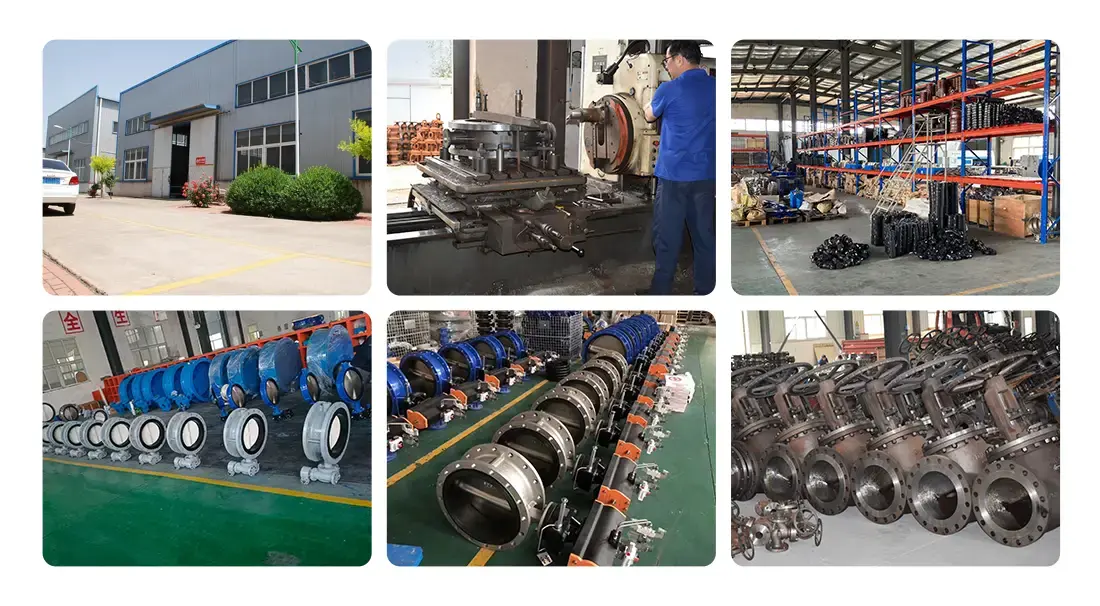
Water utilities and contractors all over North America trust ZTVK's industrial-grade sealing products. Over 2,000 ar220 80 pressure seal gate valve are kept in stock at our factory in Tianjin. Standard DN50–DN600 sizes can be delivered in 3–7 days. Our closeness to Tianjin Port makes international shipping easier, and our production is ISO9001-certified to ensure consistent quality. Our services include full OEM support, unique material specs, 18-month warranties, and quick expert help. Get in touch with our team at ktec86961886@163.com to talk about the needs of your project or to ask for certified test reports that show our dedication to dependable sealing performance in tough situations.
References
1. American Water Works Association. AWWA Manual M11: Steel Pipe—A Guide for Design and Installation. Denver: AWWA, 2017.
2. Skousen, Philip L. Valve Handbook, Third Edition. New York: McGraw-Hill Education, 2011.
3. Nesbitt, Brian. Handbook of Valves and Actuators: Valves Manual International. Oxford: Elsevier Science, 2007.
4. American Society of Mechanical Engineers. ASME B16.34: Valves—Flanged, Threaded, and Welding End. New York: ASME, 2020.
5. Zappe, R. W. Valve Selection Handbook: Engineering Fundamentals for Selecting the Right Valve Design for Every Industrial Flow Application, Fifth Edition. Burlington: Gulf Professional Publishing, 2004.
6. British Standards Institution. BS EN 1074: Valves for Water Supply—Fitness for Purpose Requirements and Appropriate Verification Tests. London: BSI, 2000.
Send us your valve requirements and our team will provide professional solutions and fast quotations.
RELATED INDUSTRY KNOWLEDGE