- English
- French
- German
- Portuguese
- Spanish
- Russian
- Japanese
- Korean
- Arabic
- Greek
- German
- Turkish
- Italian
- Danish
- Romanian
- Indonesian
- Czech
- Afrikaans
- Swedish
- Polish
- Basque
- Catalan
- Esperanto
- Hindi
- Lao
- Albanian
- Amharic
- Armenian
- Azerbaijani
- Belarusian
- Bengali
- Bosnian
- Bulgarian
- Cebuano
- Chichewa
- Corsican
- Croatian
- Dutch
- Estonian
- Filipino
- Finnish
- Frisian
- Galician
- Georgian
- Gujarati
- Haitian
- Hausa
- Hawaiian
- Hebrew
- Hmong
- Hungarian
- Icelandic
- Igbo
- Javanese
- Kannada
- Kazakh
- Khmer
- Kurdish
- Kyrgyz
- Latin
- Latvian
- Lithuanian
- Luxembou..
- Macedonian
- Malagasy
- Malay
- Malayalam
- Maltese
- Maori
- Marathi
- Mongolian
- Burmese
- Nepali
- Norwegian
- Pashto
- Persian
- Punjabi
- Serbian
- Sesotho
- Sinhala
- Slovak
- Slovenian
- Somali
- Samoan
- Scots Gaelic
- Shona
- Sindhi
- Sundanese
- Swahili
- Tajik
- Tamil
- Telugu
- Thai
- Ukrainian
- Urdu
- Uzbek
- Vietnamese
- Welsh
- Xhosa
- Yiddish
- Yoruba
- Zulu
What are the Applications of 4 inch electric butterfly valve?
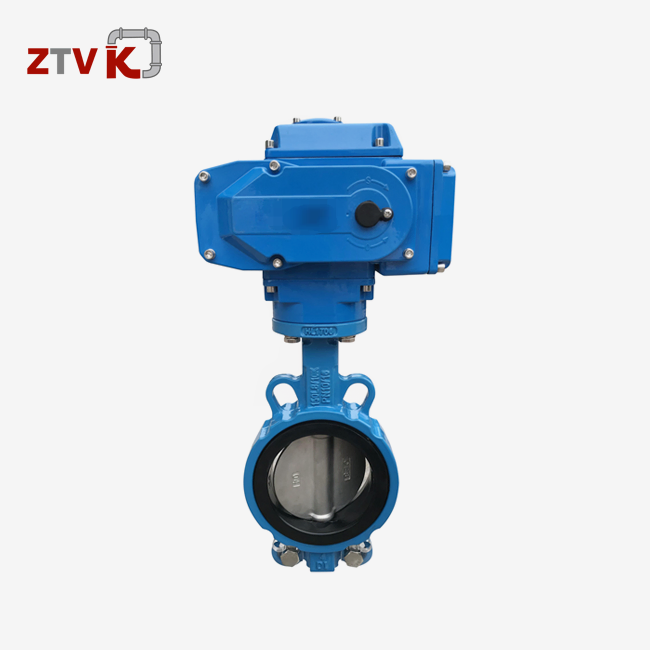
A 4-inch electric butterfly valve is a special kind of quarter-turn automatic flow control device that was made for DN100 pipe systems. This device turns electrical energy into mechanical force to turn a disc 90 degrees, which allows exact fluid separation or throttling. It does this by combining an electric actuator with a butterfly valve body. Water treatment, HVAC systems, chemical processing, and power production are all areas where it can be used. Reliable automation and remote operation cut down on labor costs and improve safety in tough industrial settings.
Understanding the 4-Inch Electric Butterfly Valve
The working concept is based on a disc inside a pipe that is moved by electricity. The actuator turns the disc to control the flow of fluid when it gets a control signal. When the disc is fully closed, it locks against an elastomeric seat, which stops all movement. Throttling is possible with partial spin, which lets you finetune the flow variation.
Key Specifications and Materials
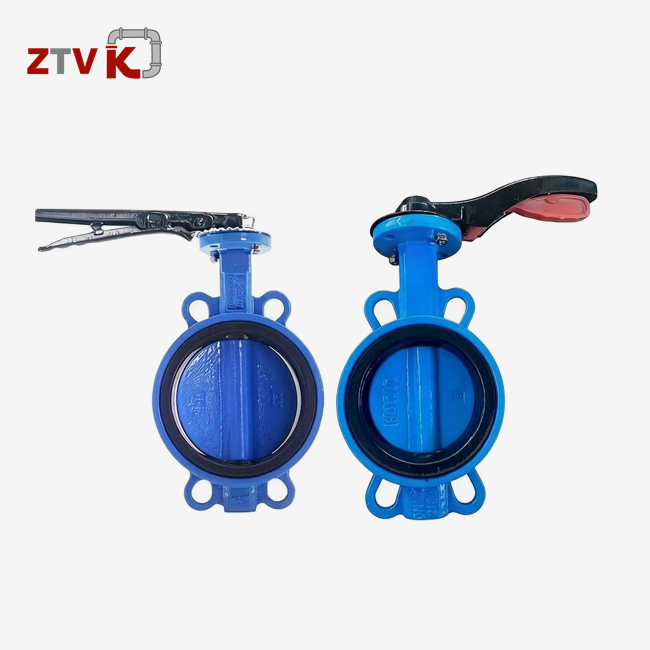
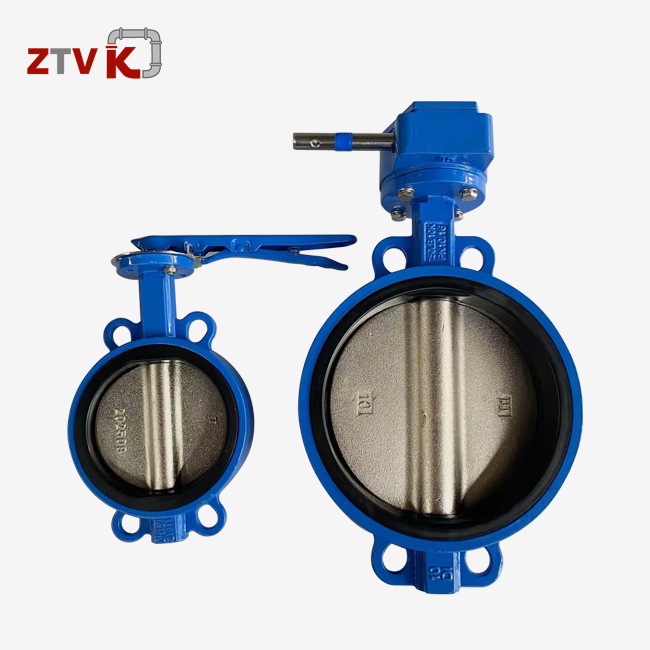
Our production standards are the same as ISO5211, which means they can be used in all foreign markets. The valve works with flanged connections from 2 to 80 inches (DN50 to DN2000 mm) and supports connection types such as PN10/PN16, 125LB/150LB, and JIS5K/10K/16K. For use in city water systems, body materials include ductile iron and WCB carbon steel. For general industry use, SS304 and SS316 stainless steel are available, which don't rust in chemical environments. For use in saltwater, discs can be made of malleable iron, CF8, CF8M, and aluminum bronze.
Materials used for seats can adapt to different working situations. EPDM works well in water systems that are between -20°C and 120°C. Petroleum-based solutions work well with NBR. Viton can stand up to oils and high temperatures, while PTFE can handle harsh chemicals up to 180°C. These material choices are made to work with certain types of media, making sure that they last a long time and don't leak.
Advantages Over Other Actuation Methods
Compared to gas and manual options, electric control has clear advantages. Electric motors work well with building management systems and SCADA platforms, which lets control and tracking be done from one place. Because they don't need equipment for compressed air, they lower the cost of installation and the amount of upkeep that needs to be done. Unlike human operation, electric activation allows remote control in dangerous or hard-to-reach places, keeping operations running smoothly while protecting workers. The self-locking worm gear system stops back-driving and keeps the valve in place when the power goes out, which is a very important safety feature for emergency shutdowns.
Core Industrial Applications of 4 Inch Electric Butterfly Valves
4-inch electric butterfly valves are mostly used in industry. This valve size is very useful because it can be used in a lot of different situations where a medium-sized flow is needed. We have seen directly how choosing the right valves can make our clients' operations more efficient.
Water and Wastewater Treatment
During cleaning stages, municipal water treatment plants need to be able to reliably control the flow of water. Filtration systems, chemical dosing lines, and distribution networks all use electric butterfly valves to control the flow of fluids. Operators can change the flow from central control rooms when the system is remotely operated. This makes treatment more efficient while lowering the need for human intervention. In the process of treating wastewater, these valves manage the flow in the aeration area and the handling of sludge. Their materials don't rust and can handle tough chemical conditions. Also, their IP67-rated actuators can handle the wetness that is common in treatment plants.
HVAC and Building Management Systems
In chiller lines, cooling towers, and hydronic heating systems, commercial buildings use 4-inch electric butterfly valves. Integration with BMS platforms lets flow change automatically based on the needs of the heat load. When cooling is most needed, valves open all the way to let the most heat escape. When the chiller is only partially loaded, they slow down the flow to keep it running as efficiently as possible. This system cuts down on energy use while keeping people comfortable. The small size makes it easier to put in retrofit projects because it fits into small machinery rooms.
Chemical and Petrochemical Processing
For chemical processes to work, the flow of violent and corrosive media must be precisely controlled. The PTFE chairs and stainless steel structure make it chemically compatible with acids, alkalis, and solvents. The 4-inch size is the standard for main distribution pipes because it balances flow capacity with actuator power needs that can be handled. Modulating electric valves makes it easier to control the ratio accurately in acid-mixing uses, which ensures stable product quality. Because the shape of the double-eccentric disc keeps the seat from wearing down too much during braking, it lasts longer in continuous-duty situations.
Food and Beverage Processing
Sanitary valve designs meet the standards for cleanliness needed in food preparation. Electropolished stainless steel surfaces stop germs from growing, and FDA-approved seat materials make sure the product is clean. Automated Clean-in-Place (CIP) processes can be run with electric actuators, which cuts down on cleaning time and water use. In pasteurization lines in dairy processing plants, these valves are used to keep the temperature just right. Accurate flow regulation is key to this. They are used by breweries in systems that move wort and cool fermentation, and their repeated operation keeps batch stability.
Power Generation and Energy Infrastructure
For the provision of auxiliary service water, turbine bypass systems, and cooling water control, power plants use electric butterfly valves. Their quick response time lets them handle quick changes in load, and their remote operation makes it easier for repair workers to get to tight areas. In steam condensate systems, where temperature changes test valve strength, the valves can handle the changing of temperatures. In combined-cycle facilities, they control the flow of the heat recovery steam generator (HRSG), which makes the thermal efficiency work best for a range of load patterns.
Decision Factors for Selecting a 4-Inch Electric Butterfly Valve
When making a procurement choice, technical specs and operational needs must be carefully weighed against each other. By making well-informed decisions, you can avoid costly mistakes and early fails.
Torque Requirements and Actuator Compatibility
When the disc opens and closes, the actuator force has to be greater than the disc resistance. Media pressure, disc shape, and seat friction are some of the things that affect power. Our double-eccentric design lowers the opening force by 30% compared to designs with concentric discs. This lets us use smaller motors and less energy. When choosing an actuator, the duty cycle is taken into account. For example, higher-grade actuators are needed for ongoing modulating service than for on-off uses. Direct actuator compatibility is ensured by ISO5211 mounting connections, which get rid of the need for custom adapters and make servicing easier.
Material Selection Based on Media and Environment
Material decisions are based on how the media works and the principle and wiring of the electric butterfly valve. Chemicals that are corrosive need frames made of stainless steel and seats made of PTFE. Hardened disc coats are good for abrasive slurries. Extreme temperatures mean that seats need to have the right heat values. For example, thicker valve stem protective covers were made for places with a lot of dust in the Middle East, and epoxy resin coats were made for places with a lot of humidity in Southeast Asia. These localized solutions make things last longer in tough circumstances.
Comparing Valve Types
Electric butterfly valves are in the same line as ball valves, hydraulic butterfly valves, and hand butterfly valves. Through 4-20mA modulating signals, electric actuation provides more precise control than human action. Compared to gas valves, electric valves don't need an air generator and are easier to maintain. Ball valves can shut off completely, but they can't slow down flow and need more actuator force. Butterfly valves are better for setups with limited room because they have a low pressure drop and are small.
Standards Compliance and Supplier Reliability
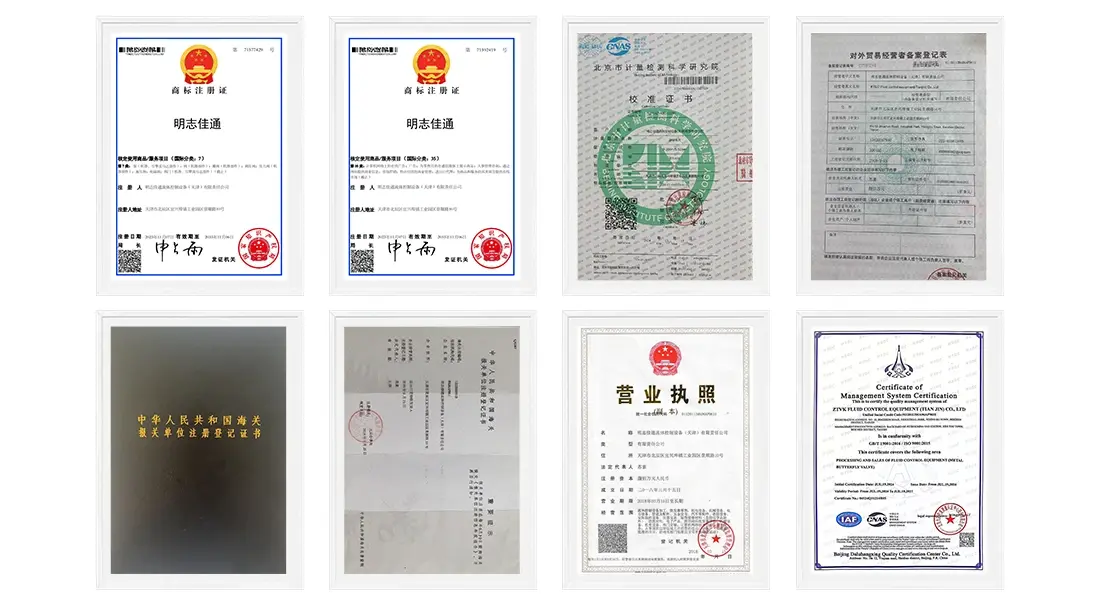
Following international norms makes sure that projects around the world can work together. Our ISO9001, ISO14001, and OHSAS18001 certifications show that we take quality control very seriously. API 609 face-to-face measurements ensure that the part can be dropped in and used instead. The CE mark shows that European safety standards have been met. We keep test records for every valve, such as proof of pressure testing and material approvals. Third-party factory checks confirm how we make things, which gives purchasing managers faith in the purity of the supply chain.
Maintenance and Troubleshooting for 4-Inch Electric Butterfly Valves
Regular care makes valves last longer and stops them from breaking down without warning. We suggest organized review schedules that are made to fit the conditions of the operation.
Inspection and Lubrication Schedules
Visual checks every three months find external rust, leaks, and problems with the actuator. Inspections of the disc alignment and seat state are done once a year during removal. When to lubricate an actuator depends on the type of actuator. Worm gear systems usually need to be oiled again every 5,000 rounds or once a year, whichever comes first. Proper lubrication lowers friction, which keeps power efficiency high and extends the life of gears. Our maintenance guides include thorough instructions on how to lubricate things so you don't have to guess.
Addressing Common Issues
Leakage is usually caused by worn seats or seats that aren't lined up right. Changing the elastomeric seats fixes the soundness of the seals. Control signal problems are often the cause of actuator problems. Most problems can be fixed by checking the wire consistency and signal voltage. Over time, the calibration of the torque switch changes, which can lead to partial movement or the motor stopping. Regular recalibration makes sure that limit sensing works correctly. We ship our goods with troubleshooting flowcharts that help support teams find problems in a structured way.
Operating within the boundaries of the plan is emphasized in preventative strategies. Seat wear can be lowered by not slowing too much in abrasive services. Putting in strainers upstream keeps debris from building up in the sitting areas. By keeping an eye on the current draw of an actuator, mechanical binding can be found before it breaks. These techniques reduce the number of emergency fixes needed and increase the time between overhauls.
Procurement Insights for B2B Buyers
Strategic buying strikes a mix between technology needs and business concerns. Understanding how the supply chain works helps projects go more smoothly.
Identifying Trusted Sources
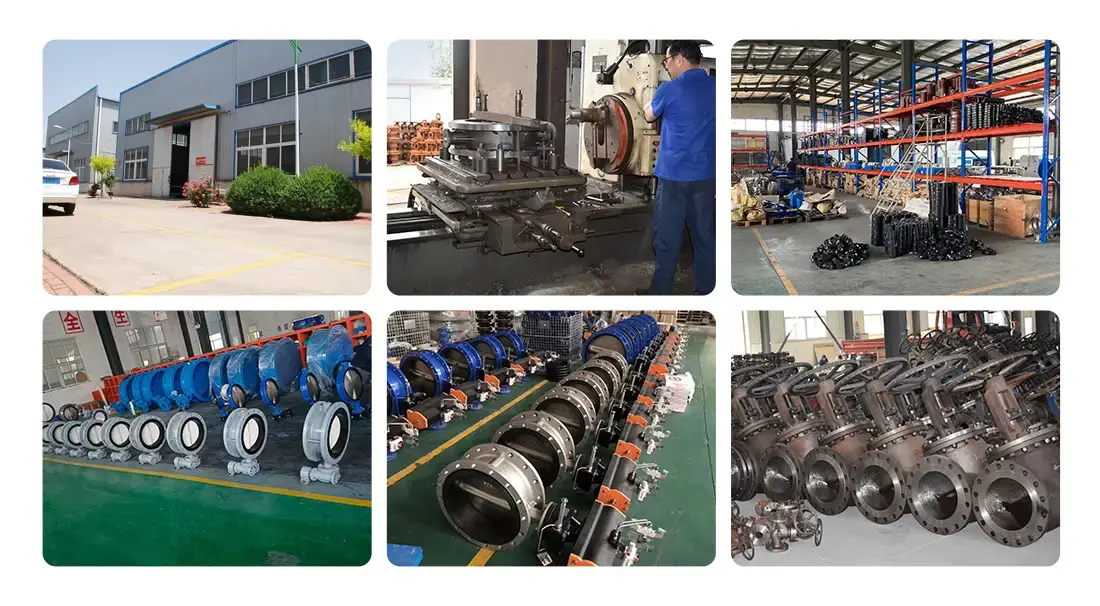
OEM makers offer direct technical help on the principle and wiring of the electric butterfly valve and the ability to make changes. Authorized dealers have stock close to home and can send items more quickly. Check the suppliers' certifications, look at their quality records, and ask for plant audit reports when you're reviewing them. Customers are welcome to visit our Tianjin plant to see how we make things and check the quality of our work. Being open and honest helps people trust each other, which sets trustworthy partners apart from shady sellers.
Pricing and Volume Considerations
Costs per unit go down when you buy in bulk because of economies of scale. We have tiered price systems that reward customers who commit to buying in bulk. Flexible payment terms, such as letter of credit and open account choices for long-term relationships, can be used to support project cash flow cycles. Logistics of shipping have a big effect on the total landing cost. Our plant is only 50 km from Tianjin Port, which makes it easier to coordinate boat freight. Competitive FOB Tianjin Xingang and CIF quotes are possible thanks to long-term partnerships with COSCO Shipping and Maersk.
Customisation and Lead Time Management
Standard types from DN50 to DN600 ship in 3–7 days from our collection of more than 2,000 units. Configurations that aren't common take 15 to 25 days, based on how complicated they are. For a small extra fee, rush orders get priority production and delivery in 7–10 days. We allow for a lot of customization, such as OEM branding with customer names and nameplates and ODM structural changes to fit specific working conditions. Schedule problems can be avoided by getting involved early in the planning stages of a project.
ZTVK's dedication goes beyond just delivering products. We offer free CAD drawings, 3D models, and expert talks before the sale to help with planning the integration. Our 18-month insurance covers damage that wasn't caused by a person, and we offer full after-sales support, including installation guides and troubleshooting help on-site through local service partners. There are digital QR codes on each valve that connect to full paperwork, certificates, and upkeep records. This makes managing assets easier.
Conclusion
The 4-inch electric butterfly valve is an important part of many businesses, such as water treatment, HVAC, chemical processes, food production, and power generation. It can be automated, can be made from a variety of materials, and is small, so it can fit into tight spaces and work with current control systems. To be successful at procurement, you need to match technical specifications to application needs, check the skills of suppliers, and build trusting relationships in the supply chain. Valve service life is extended by regular maintenance and proactive fixing, which protects capital investments and keeps operations going.
FAQ
1. How Does Electric Actuation Improve Process Automation?
Because electric motors can work with analog control signals, they can change the flow continuously instead of just turning on and off. Integration with distributed control systems centralizes valve management, which cuts down on human work and makes it possible for various control loops to work together to optimize the process.
2. Which Materials Handle Corrosive Media Best?
SS316 and CF8M types of stainless steel can handle most acids and bases. Up to 180°C, harsh chemicals can't hurt PTFE chairs. Aluminum brass plates can be used in salt water. When choosing a material, it's important to look at the chemistry, temperature, and concentration levels of the media to make sure they are compatible.
3. When Should I Choose Electric Over Pneumatic Actuation?
Electric actuation works well in places that don't have access to compressed air, for tasks that need exact variable control, and in places that want to save energy. Pneumatic control has shorter stroke times and is safe to use in environments that could explode. The best choice is made based on the specifics of the project.
Partner with ZTVK for Reliable 4 Inch Electric Butterfly Valve Solutions
ZTVK has been making specialized butterfly valves for more than 15 years and can help you with your buying needs. As a reliable company that makes 4 inch electric butterfly valves, we offer quality control that is ISO9001-certified and the ability to make changes as needed. Our Tianjin plant keeps a lot of stock on hand so that orders can be sent out quickly, and our tech team comes up with custom solutions for each operation. We offer reliable goods and full expert support, whether you need standard flanged valves that meet PN10/PN16 standards or custom designs made from special materials. Get in touch with us right away at ktec86961886@163.com to talk about the details of your project and get a full quote. Our team is ready to help you succeed by providing reliable valve options and quick service.
References
1. American Water Works Association. (2021). Butterfly Valves: Torque, Head Loss, and Cavitation Analysis. AWWA Manual M49, Sixth Edition.
2. Fisher, W.K. & Stevens, R.L. (2019). Electric Actuators for Industrial Valve Automation. Industrial Press Inc., New York.
3. International Organization for Standardization. (2020). Industrial Valves—Metallic Butterfly Valves for General Purposes. ISO 5752:2020.
4. Lyons, J.L. & Askeland, D.R. (2018). Corrosion-Resistant Materials Selection for Chemical Processing. McGraw-Hill Education, Third Edition.
5. National Fire Protection Association. (2022). Standard for Water-Based Fire Protection Systems. NFPA 25:2022 Edition.
6. Zappe, R.W. (2020). Valve Selection Handbook: Engineering Fundamentals for Selecting the Right Valve Design. Gulf Professional Publishing, Sixth Edition.
Send us your valve requirements and our team will provide professional solutions and fast quotations.
RELATED INDUSTRY KNOWLEDGE