- English
- French
- German
- Portuguese
- Spanish
- Russian
- Japanese
- Korean
- Arabic
- Greek
- German
- Turkish
- Italian
- Danish
- Romanian
- Indonesian
- Czech
- Afrikaans
- Swedish
- Polish
- Basque
- Catalan
- Esperanto
- Hindi
- Lao
- Albanian
- Amharic
- Armenian
- Azerbaijani
- Belarusian
- Bengali
- Bosnian
- Bulgarian
- Cebuano
- Chichewa
- Corsican
- Croatian
- Dutch
- Estonian
- Filipino
- Finnish
- Frisian
- Galician
- Georgian
- Gujarati
- Haitian
- Hausa
- Hawaiian
- Hebrew
- Hmong
- Hungarian
- Icelandic
- Igbo
- Javanese
- Kannada
- Kazakh
- Khmer
- Kurdish
- Kyrgyz
- Latin
- Latvian
- Lithuanian
- Luxembou..
- Macedonian
- Malagasy
- Malay
- Malayalam
- Maltese
- Maori
- Marathi
- Mongolian
- Burmese
- Nepali
- Norwegian
- Pashto
- Persian
- Punjabi
- Serbian
- Sesotho
- Sinhala
- Slovak
- Slovenian
- Somali
- Samoan
- Scots Gaelic
- Shona
- Sindhi
- Sundanese
- Swahili
- Tajik
- Tamil
- Telugu
- Thai
- Ukrainian
- Urdu
- Uzbek
- Vietnamese
- Welsh
- Xhosa
- Yiddish
- Yoruba
- Zulu
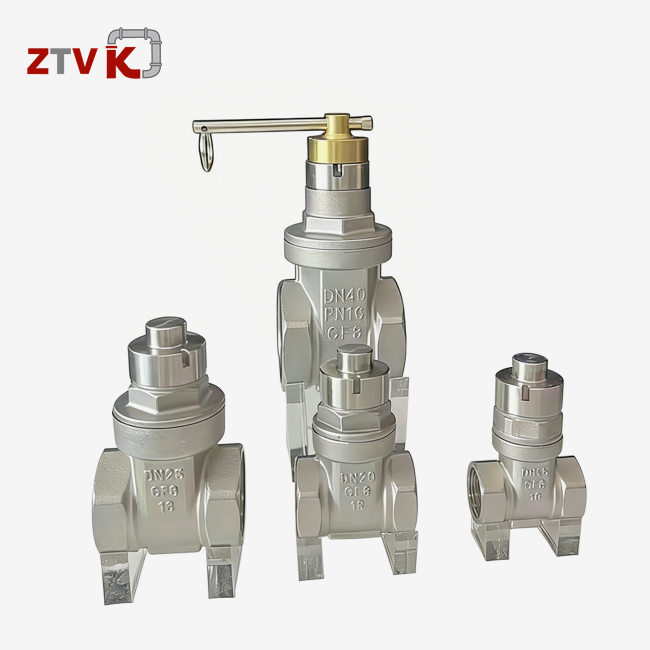
stainless shut off valve
Nominal Diameter: DN15~DN400
Connection Mode: RF/RJ/FF/LG, Flange PN16 convex surface, PN40, 64 concave convex surface
Body Material: LCB, WCB, CF8, CF8M, CF3, CF3M
Flow Characteristics: ON-OFF
Opening Degree: 90°
Valve Core Movement: Close the valve clockwise
Seat Form: Soft seat, metal seat (seal cover hardening)
Suitable Temperature: Soft seat: -20~+250°C; Metal seat: -60~+450°C
Leakage Level: Soft seat: ANSI VI; Metal seat: ANSI IV
Design Standard: GB/T 12237, ASME B16.34
Stainless Shut Off Valve for Industrial Piping Systems
ZTVK FLUID CONTROL EQUIPMENT (TIANJIN) CO., LTD. manufactures stainless shut off valves covering pressure ratings from PN1.6 to 6.4 MPa (ANSI 150LB–600LB) and nominal diameters from DN15 to DN400. Body materials include CF8, CF8M, CF3, and CF3M — cast 304 and 316 stainless steel comparable. Soft seat variants are rated -20°C to +250°C while metal seat models are rated -60°C to +450°C. Standard goods ship from stock in 3-7 days.
What Is a Stainless Shut Off Valve?
A stainless shut off valve is a fluid control device designed exclusively for on/off service — its function is to start or stop flow with positive isolation, not to regulate flow rate.
The valve disk moves a brief stroke along the stem axis, which is perpendicular to the seat sealing surface. And its shape provides a straight and dependable cut-off action. Compared to gate valves, the seat wear is less since the disk does not move across the seat while opening or shutting.
No surface coatings. Stainless steel body forms a passive layer of chromium oxide to prevent corrosion. The material is thus suitable for chemical lines, food processing, pharmaceutical production and maritime situations where carbon steel would deteriorate.
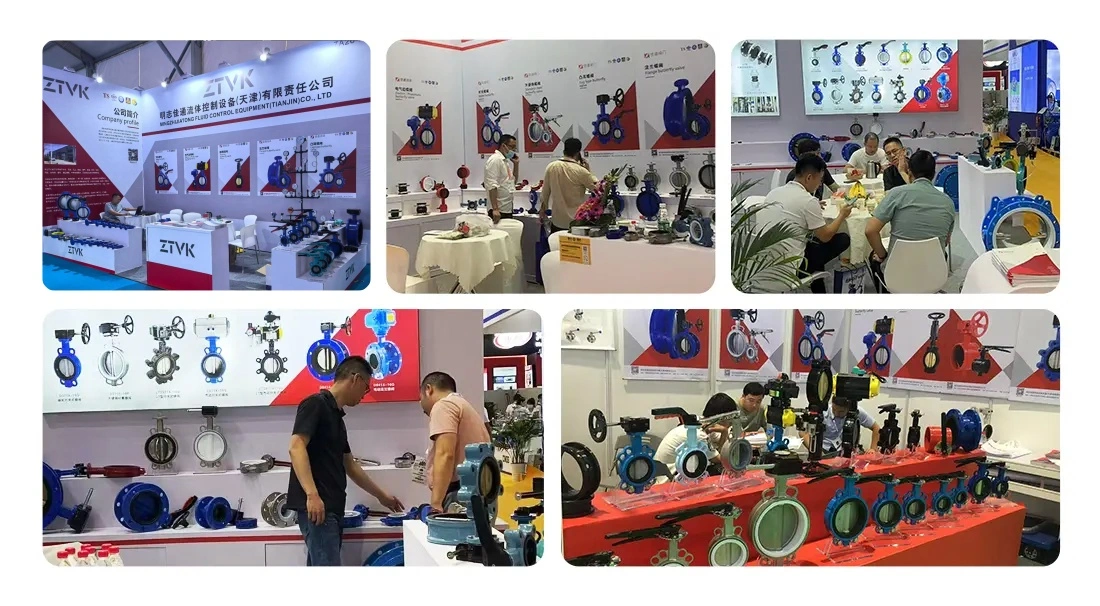
Key Specifications
|
Parameter |
Details |
|
Nominal Diameter |
DN15 – DN400 |
|
Pressure Range |
PN1.6–6.4 MPa / ANSI 150LB–600LB |
|
Connection Mode |
RF / RJ / FF / LG; Flange PN16 raised face, PN40/64 male-female face |
|
Body Material |
LCB, WCB, CF8, CF8M, CF3, CF3M |
|
Flow Characteristic |
ON-OFF |
|
Opening Degree |
90° |
|
Valve Core Movement |
Clockwise to close |
|
Seat Form |
Soft seat / Metal seat (hardened seal face) |
|
Suitable Temperature |
Soft seat: –20°C to +250°C; Metal seat: –60°C to +450°C |
|
Leakage Level |
Soft seat: ANSI Class VI; Metal seat: ANSI Class IV |
|
Design Standard |
GB/T 12237, ASME B16.34 |
Material Options: CF8 vs. CF8M
CF8 is the cast equivalent of 304 stainless steel. Suitable for typical industrial media such as clean water, light chemicals and foodgrade.
CF8M is the cast equivalent of 316 stainless steel. It includes 2-3% molybdenum, which enhances the resistance to chloride pitting and crevice corrosion. For marine, chemical and high salinity service CF8M is the best option.
For cryogenic use below -46°C (-50°F), LCB carbon steel with cryogenic-rated trim is offered. All alloy compositions are checked by Positive Material Identification (PMI) utilizing X-ray fluorescence testing before shipping.
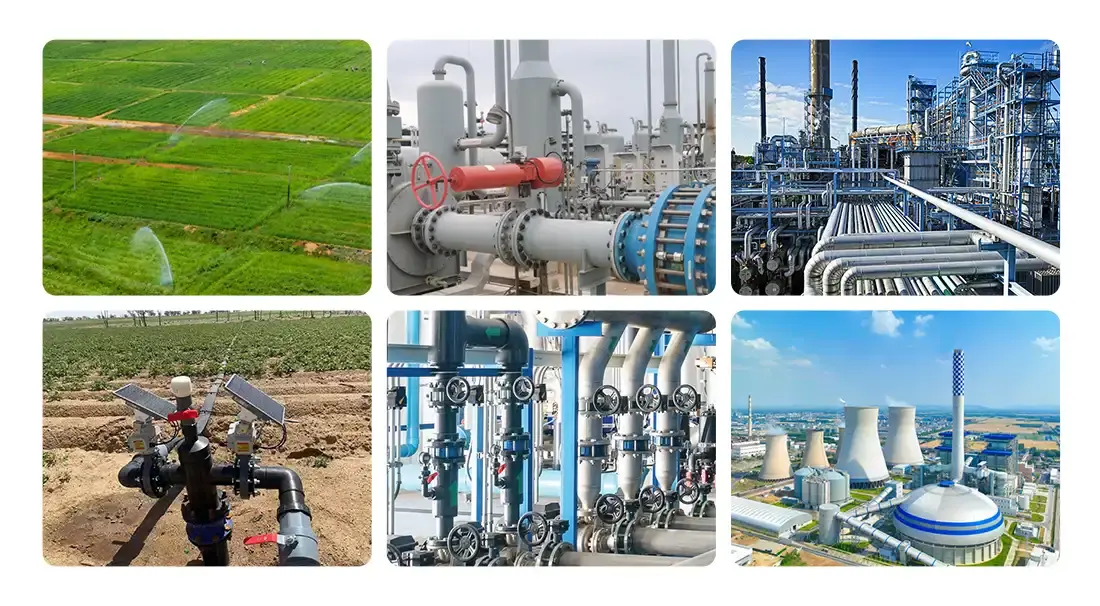
Structural Features
The valve stem axis is normal to the valve seat sealing surface. Turning the handwheel clockwise forces the disk against the seat to restrict flow. “Flow is only in one direction with this mechanism so installation orientation is important.”
The short disk stroke gives a compact valve height vs. gate valves, yet face-to-face length is larger. The disk does not move over the seat during stroke and hence prevents wear of the sealing surface over repeated cycles.
When fully open, the disk is immediately exposed to the flow of fluid. Metal seats with hardened surfaces are more resistant to erosion by high-velocity or abrasive media than soft PTFE seats.
Working Characteristics
· Sealing: No relative slippage between disk and seat during stroke. Seat wear is modest in regular riding circumstances.
· Flow resistance: The inside route is not linear so there is a bigger pressure drop than gate valves. This should be included in pump sizing estimates.
· Flow direction: The direction of flow influences sealing performance. Check installation with your pipe design for orientation needs.
· Torque: Requires greater operating force to open and close than a gate valve. For sizes greater (DN150 and above) mention a gear operator or actuator.
· Throttling: Not suitable for continuous throttling service. Partial opening increases erosion on disk and seat edges.
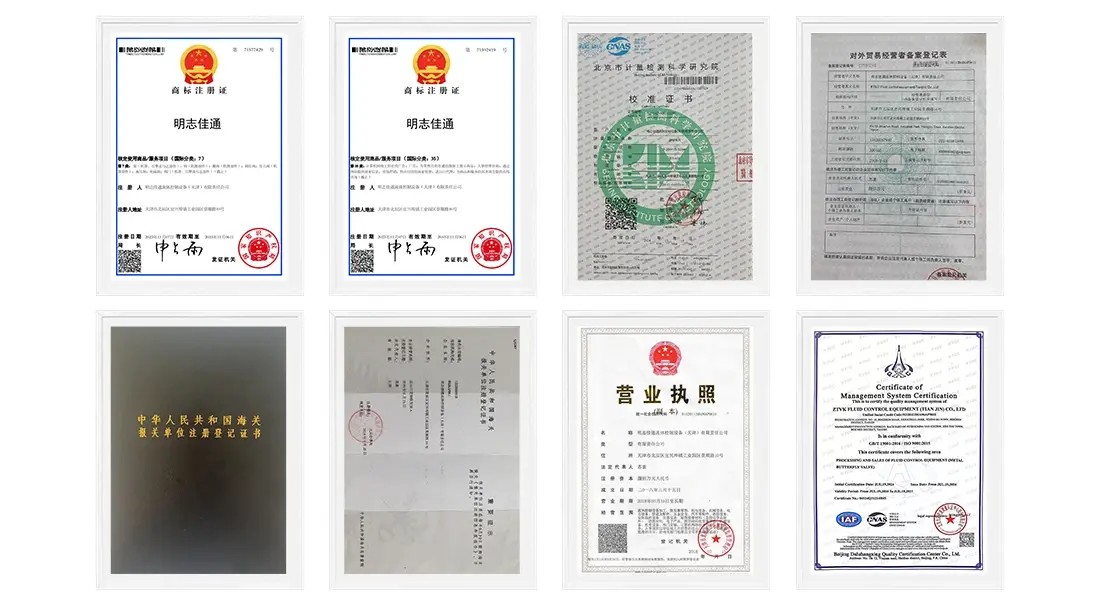
Industry Applications
· Petrochemical & Chemical: Handling corrosive acids, sour gas (H2S) and high pressure steam. Metal seat variants for Class IV tight shut-off up to +450°C.
· Food & Beverage / Pharmaceutical: CF8M bodies have smooth interior channels suitable with clean-in-place (CIP) and steam-in-place (SIP) cleaning cycles.
· Marine & Desalination: CF8M is a molybdenum-containing stainless steel alloy that resists chloride pitting in saltwater and reverse osmosis systems.
· Power Generation & Metallurgy: Metal seat designs provide dependable shut-off under high temperature and pressure conditions.
· Water & Wastewater Treatment – Soft seat variants provide Class VI bubble-tight isolation for clean water duty.
Quality Control
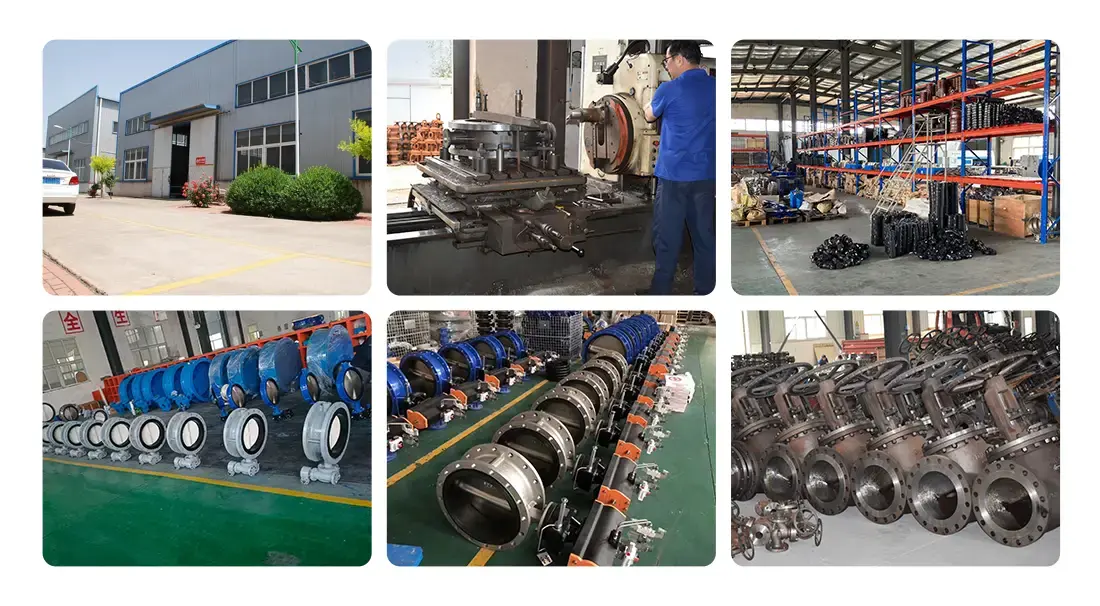
Every stainless shut off valve passes a structured inspection sequence before leaving the factory:
1. PMI verification – X-ray fluorescence verifies alloy composition to ASTM requirements.
2. Hydrostatic Shell Test – The shell is pressure tested at 1.5 times the rated pressure per API 598 to ensure structural integrity.
3. Seat Leakage Test – Seat tested at 1.1x rated pressure to prove ANSI Class VI (soft seat) or Class IV (metal seat) shut-off.
4. Air Under Water Test - Uses a low pressure pneumatic test of 80-100 PSI to find micro-leaks in castings or seals.
5. Dimensional Inspection – Face to face measurements per ASME B16.10. Flange drilling patterns per connection standards.
Certified ISO 9001, ISO 14001 and OHSAS 18001. Factory inspection, accepted third-party.
Customization & OEM/ODM Support
ZTVK supports OEM and ODM projects across the valve range.
OEM services include custom branding, engraved nameplates, and private-label packaging. ODM services cover valve body structure changes, seat material selection, and pressure-temperature adaptations. Connection configurations — flanged, wafer, or lug — are selected based on your piping system requirements.
Production lead time for customized orders is 15–25 days. Expedited production is available in 7–10 days.
Logistics & Delivery
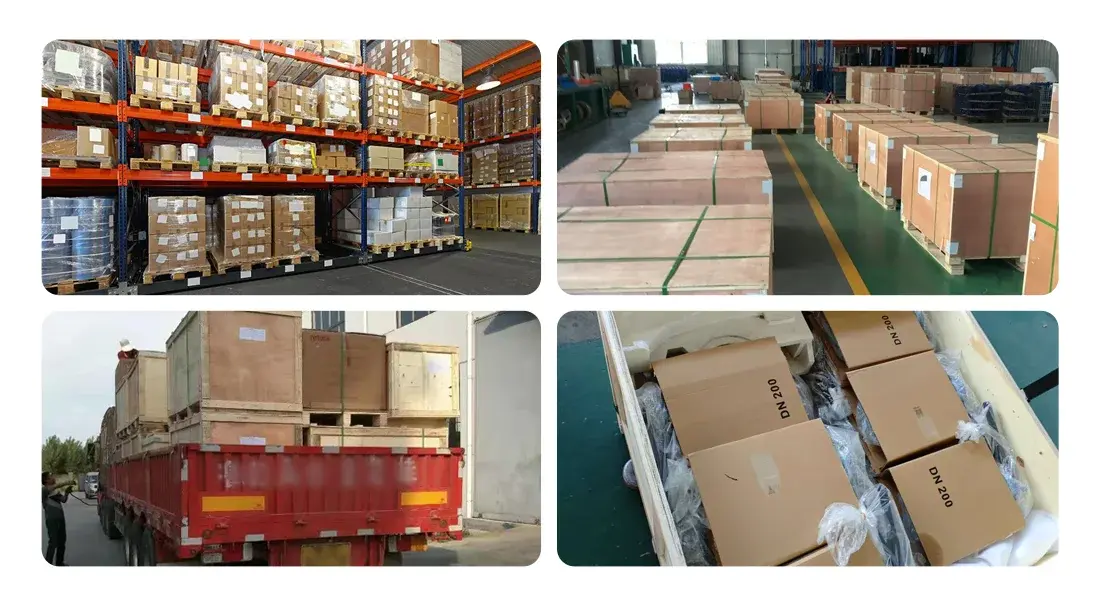
The ZTVK factory is approximately 50 km from Tianjin Port, about one hour by road. Standard products ship within 3–7 days. Export packaging uses wooden crates, moisture-proof film, and fixing brackets conforming to ISPM 15 phytosanitary requirements. FOB Tianjin Xingang and CIF destination-port quotations are both available.
After-Sales Support
Every valve carries an 18-month warranty. Non-human-caused product failures are covered with free replacement parts.
Technical support includes:
· Pre-sales valve selection assistance and CAD/3D drawing supply
· Installation guidance and troubleshooting documentation
· QC records and inspection reports provided per shipment
· Pre-sales technical consultation for project specifications
FAQ
Q1: What is the difference between CF8 and CF8M on a valve?
A: CF8 is the casting equivalent of 304 stainless steel CF8M is the cast equivalent of 316 stainless steel with 2-3% molybdenum. This addition provides better resistance to chloride pitting and crevice corrosion, making CF8M the material of choice for marine, chemical and high salinity applications.
Q2. Can a valve be used to throttle?
A: No. Throttling with a shut-off valve generates high velocity erosion of the seating surfaces which leads to premature wear and loss of shut-off function. The best solution for regulating service is a globe valve with precise seat selection.
Q3. How do you avoid galling on threaded connectors made of stainless steel?
A: Stainless steel threads are susceptible to galling when assembled. The danger may be reduced by using an anti-seize compound or PTFE tape and not over-tightening. This problem is solved by flanged connections according to ASME B16.5, and is standard for the bigger diameters.
Q4: What is the ANSI Class VI leakage rating for the soft seat version?
A: ANSI Class VI specifies a maximum permissible leakage rate in bubbles per minute for a given valve size. It is the highest leakage class for valves with soft seats. A correctly placed soft seat valve will have almost no leakage during normal operation.
Q5: What is the aim of strengthening the metal seat?
A: Hardened sealing surfaces of the metal seats withstand corrosion from high temperature steam, abrasive substances and repetitive cycling. Hardening helps to maintain ANSI Class IV shut-off performance throughout a long service life at temperatures up to +450°C.
Q6: What testing ZTVK does before shipping?
A: All valves are also PMI alloy verified, hydrostatic shell tested at 1.5x rated pressure, seat leakage tested at 1.1x rated pressure, and low pressure air-under-water pneumatic tested and dimensional inspection as per ASME B16.10. Third party examination is welcomed on request.
Contact Us
Send your stainless shut off valve specifications to ktec86961886@163.com and our team will respond with a technical proposal and quotation within 24 hours.
Send us your valve requirements and our team will provide professional solutions and fast quotations.