- English
- French
- German
- Portuguese
- Spanish
- Russian
- Japanese
- Korean
- Arabic
- Greek
- German
- Turkish
- Italian
- Danish
- Romanian
- Indonesian
- Czech
- Afrikaans
- Swedish
- Polish
- Basque
- Catalan
- Esperanto
- Hindi
- Lao
- Albanian
- Amharic
- Armenian
- Azerbaijani
- Belarusian
- Bengali
- Bosnian
- Bulgarian
- Cebuano
- Chichewa
- Corsican
- Croatian
- Dutch
- Estonian
- Filipino
- Finnish
- Frisian
- Galician
- Georgian
- Gujarati
- Haitian
- Hausa
- Hawaiian
- Hebrew
- Hmong
- Hungarian
- Icelandic
- Igbo
- Javanese
- Kannada
- Kazakh
- Khmer
- Kurdish
- Kyrgyz
- Latin
- Latvian
- Lithuanian
- Luxembou..
- Macedonian
- Malagasy
- Malay
- Malayalam
- Maltese
- Maori
- Marathi
- Mongolian
- Burmese
- Nepali
- Norwegian
- Pashto
- Persian
- Punjabi
- Serbian
- Sesotho
- Sinhala
- Slovak
- Slovenian
- Somali
- Samoan
- Scots Gaelic
- Shona
- Sindhi
- Sundanese
- Swahili
- Tajik
- Tamil
- Telugu
- Thai
- Ukrainian
- Urdu
- Uzbek
- Vietnamese
- Welsh
- Xhosa
- Yiddish
- Yoruba
- Zulu
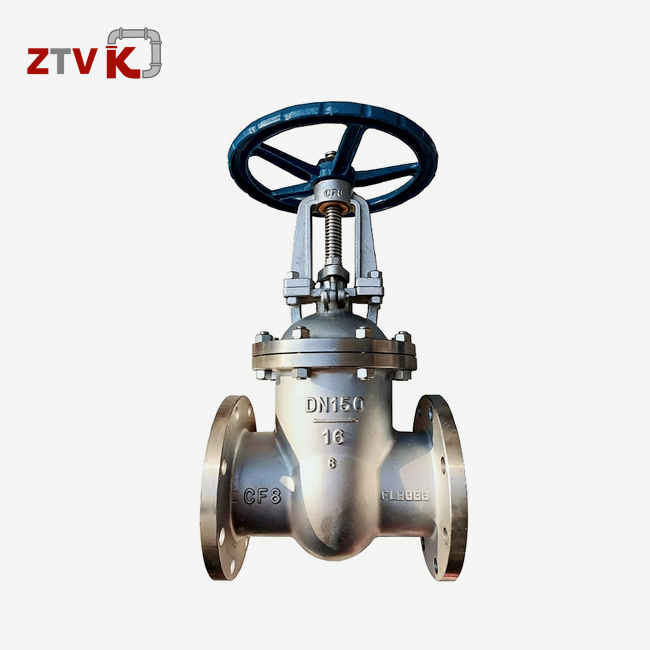
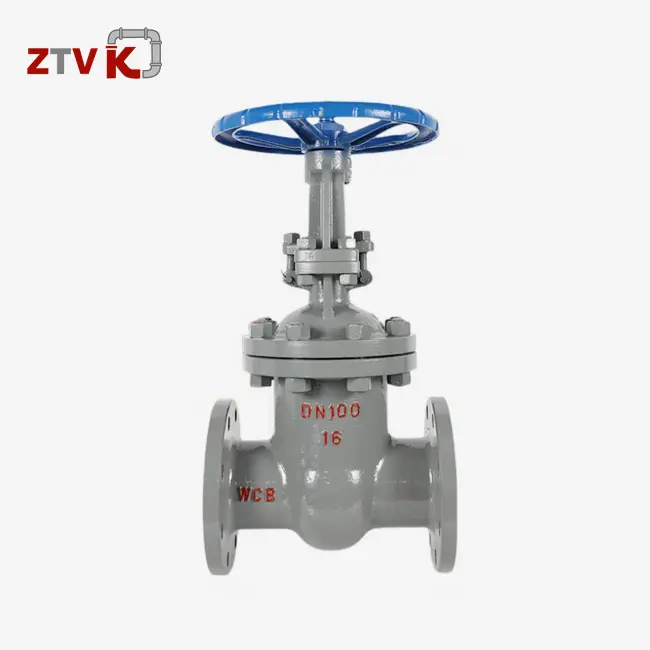
high temperature gate valve
Class 150/300/600/900/1500/2500 for 1/2" ~ 36" ( DN15 ~ DN900 )
PN16/40 for 1/2" ~ 36" ( DN15 ~ DN900 )
END CONNECTION :
Raised Face/Flat Face/RTJ Flanged Ends
Temperature Range :
-40°C to 500°C (-40°F to 932°F)
FEATURE
1.Rising Stem
2.OS&Y Design
3.Bolted Bonnet
High Temperature Gate Valve for Steam & Process Lines | API 600 / ASME B16.34
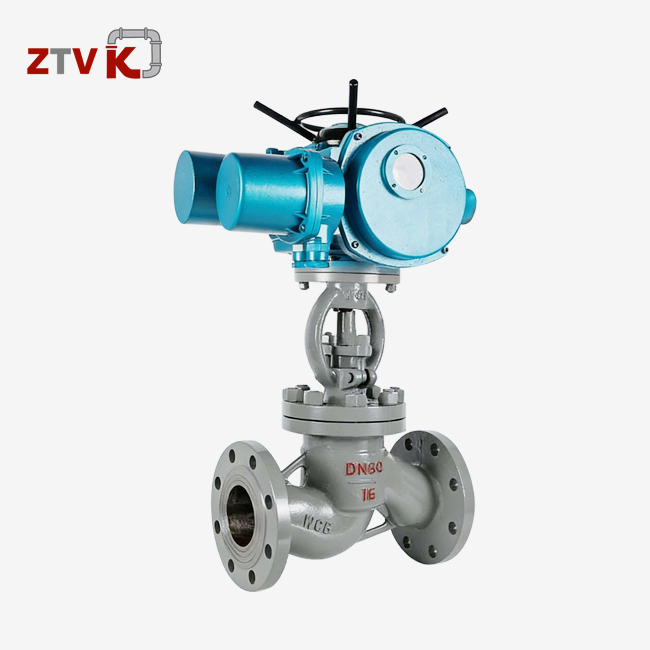
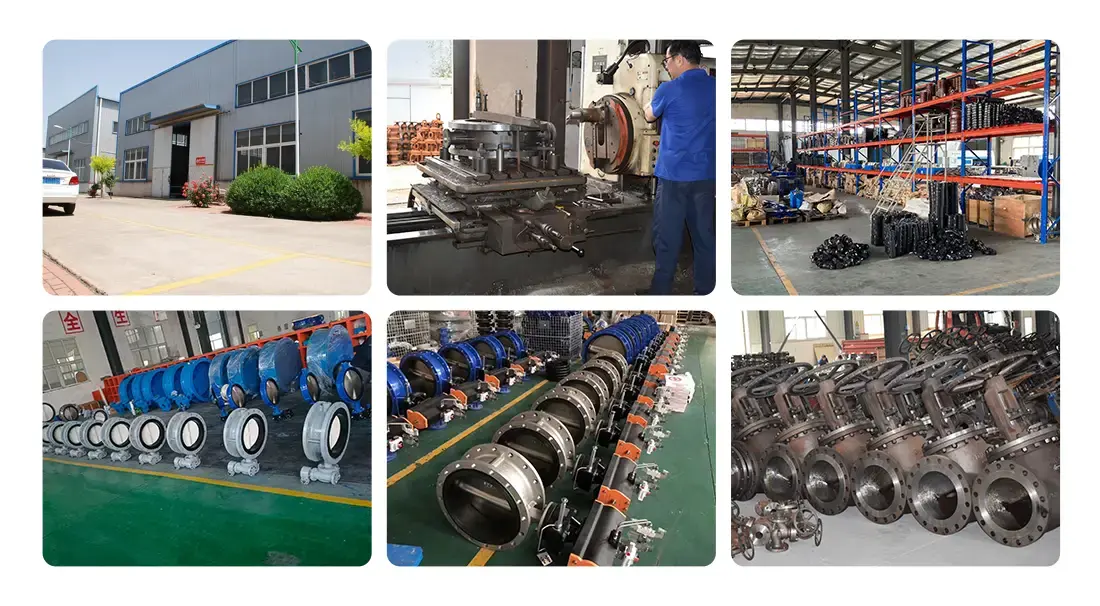
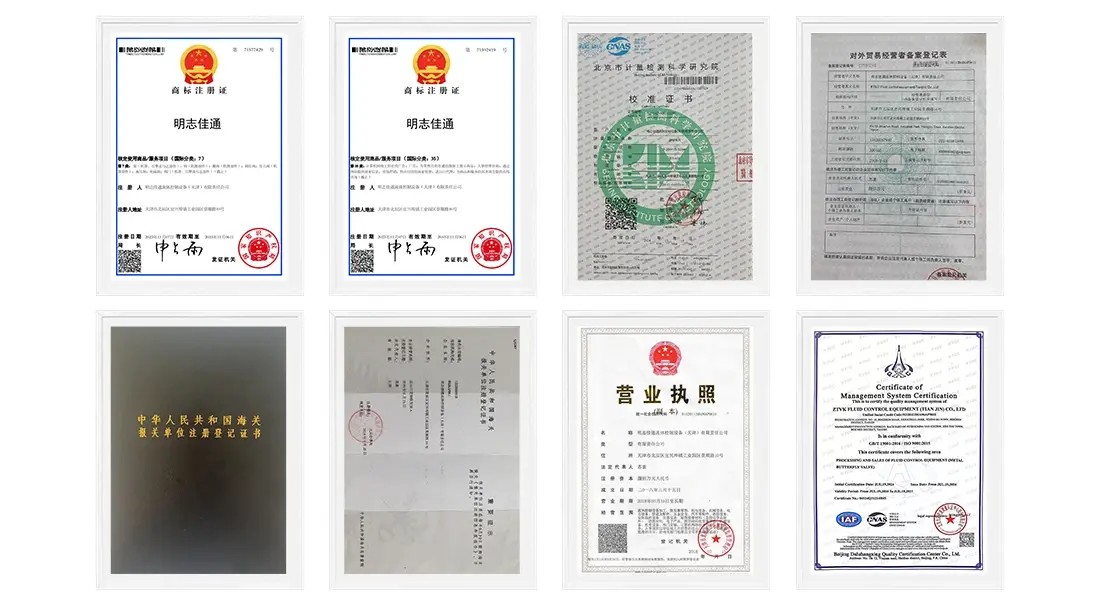
ZTVK's high temperature gate valve covers a temperature range of -40°C to 500°C (-40°F to 932°F) and pressure classes from Class 150 to Class 2500. The valve comes in sizes DN15 to DN900 (½" to 36") and has an OS&Y design with a rising stem. The bonnet is bolted together. There are API 600 and ASME B16.34-compliant Raised Face, Flat Face, and RTJ Flanged End fittings for end connections. The Chinese company ZTVK is based in Tianjin and has ISO 9001, ISO 14001, and OHSAS 18001 certifications.
Why a Standard Gate Valve Falls Short in High-Temperature Service
Thermal contraction can lock the wedge between the seats when a valve is closed while hot and then left to cool. This is called thermal binding. In petroleum and power production pipes, this type of failure is most likely to happen with standard solid-wedge designs.
This valve has a flexible wedge design that bends a little when the body changes shape because of temperature. The wedge can come free easily after heat cycling, which lowers the chance of a lasting seizure happening during normal power-off and power-on cycles.
With the OS&Y (Outside Screw and Yoke) configuration, the position of the valve can always be seen without the need for extra instruments.
Technical Specifications
|
Parameter |
Details |
|
Size Range |
DN15–DN900 (½"–36") |
|
Pressure Class |
Class 150 / 300 / 600 / 900 / 1500 / 2500; PN16/40 |
|
Temperature Range |
-40°C to 500°C (-40°F to 932°F) |
|
Design Standard |
API 600, ASME B16.34 |
|
End Connection |
Raised Face / Flat Face / RTJ Flanged Ends |
|
Stem Type |
Rising Stem |
|
Bonnet Type |
Bolted Bonnet |
|
Stem Sealing |
PTFE Packing |
|
Body Materials |
Carbon Steel (WCB), Alloy Steel (WC6/WC9), Stainless Steel 304/316, Duplex Steel |
|
Seating Surface |
Stainless Steel + Hard Alloy (Stellite 6 available) |
|
Actuation Options |
Manual, Electric, Pneumatic, Hydraulic, Turbine |
Material Options
For this line of valves, ZTVK offers three main types of materials that can be chosen to work with different types of media and processes.
Carbon steel, alloy steel (WC6, WC9, and C12A), stainless steel 304/316, titanium alloy, Monel, and copper alloy are some of the metals that can be used for body valves. As per the API 941 Nelson Curves, Chrome-Moly grades like WC9 (2.25Cr-1Mo) are commonly used in refineries to protect against High-Temperature Hydrogen Attack (HTHA).
Metal body lined valves come with rubber, fluorine, lead, plastic, and enamel linings to protect against corrosive or abrasive media.
For special low-load uses, you can choose bodies that aren't made of metal, like ceramic and plastic valves.
For sealing surfaces, hard alloy is mixed with stainless steel. Stellite Grade 6 (CoCr-A) hardfacing is available; it has a hardness range of 37–45 HRC, which means it won't blister or wear away when heated and cooled.
High temperature gate valve Design Features
The straight-through internal passage of this high temperature gate valve produces low flow resistance, allowing the medium to travel without redirection. This reduces pressure drop compared to globe valve configurations.
In operation, the gate plate moves perpendicular to the flow direction. This lowers the force needed to open and close the gate. PTFE packing stops the stem from moving rough during regular maintenance checks.
The length of the closing stroke lowers the risk of a pressure surge, which protects pipes further downstream. The symmetrical internal channel allows flow in both directions, which lets you choose how to install it.
CNC-machined sealing surfaces are finished to very tight standards, which ensures consistent sealing performance over time.
Applications
This high temperature gate valve is suitable for service conditions where thermal and pressure requirements exceed the capability of standard valve specifications.
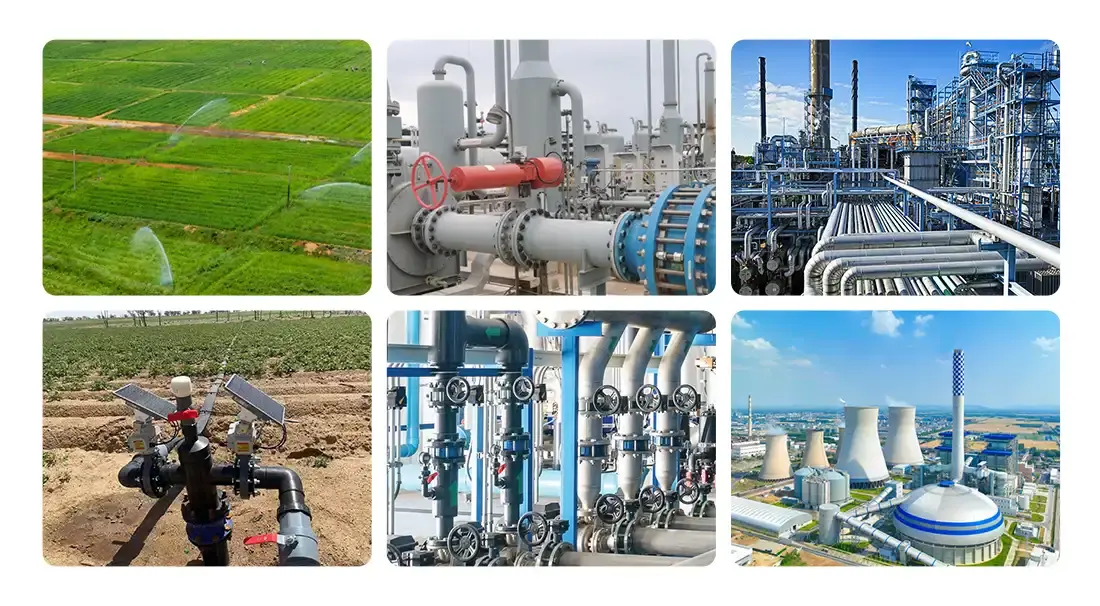
In supercritical and ultrasupercritical boiler systems that work at high pressure and temperature, main steam separation and high-pressure feedwater lines are used to make electricity.
In the refining of oil, sulfidation and HTHA resistance are needed in FCC units, hydrocrackers, and hydrogen service lines.
In petrochemical and chemical processes, high-temperature pipes carry toxic or explosive substances that need to be completely shut off and isolated.
Metallurgy, natural gas, pulp and paper, pharmaceuticals, food processing, and nuclear systems are some other industries.
Customization and OEM/ODM
ZTVK accepts the OEM and ODM demands. OEM custom logos, name plates and packaging are available. The ODM options include modifying the design of the valve body, selecting the closing material, changing the arrangement of the connections and adapting to particular requirements of pressure, temperature or media.
Regional design modifications are available upon request. Discuss your project and its intended usage with ZTVK so they may assist you in selecting the appropriate options.
Delivery, Packaging, and Logistics
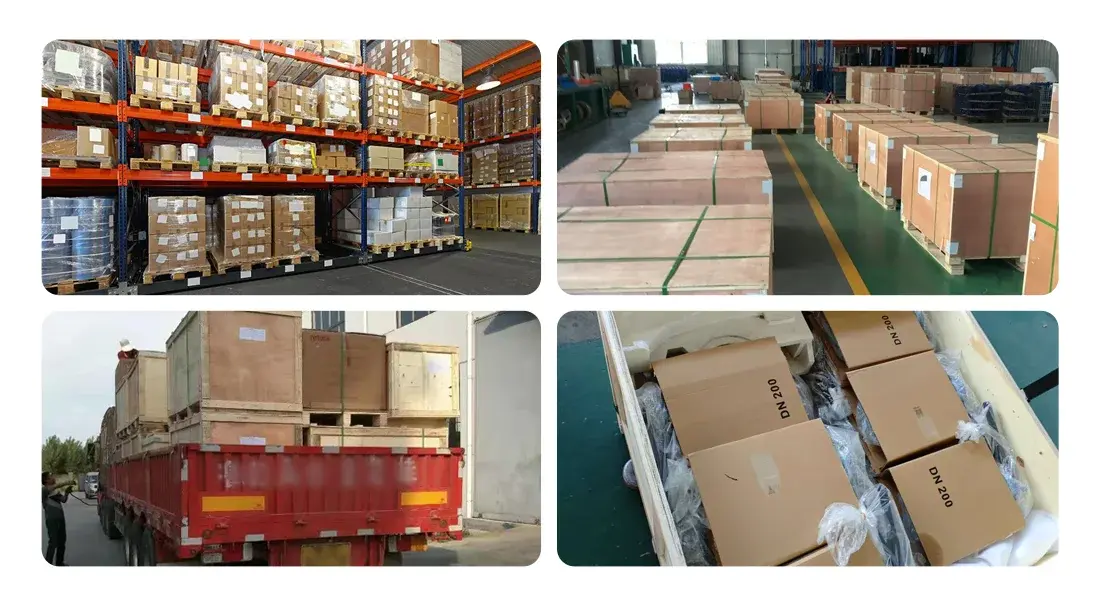
The factory is located in Tianjin, about 50 kilometers away from the Tianjin Port. Export packing includes hardwood cartons, moisture-proof film and attaching brackets to fulfill phytosanitary criteria of ISPM 15. You may obtain quotations for FOB Tianjin Xingang and CIF destination port.
Please contact ZTVK directly with your requirements to inquire about lead times and stock availability for certain sizes and combinations.
After-Sales Support
The 18-month warranty from ZTVK covers problems with the product that aren't caused by people. If the warranty terms are met, the product will be replaced for free.
Support tools include instructions on how to install something, information on how to fix problems, and contact information for expert support. As part of the pre-sales support, valve selection advice, CAD drawings, and 3D models made just for the project are provided.
FAQ
Q1: In high-temperature service, why is a flexible wedge better than a solid wedge?
A: When the valve body cools down after being closed while hot, a solid wedge can get stuck because thermal contraction presses the wedge against the seats. A flexible wedge bends a little to take in body distortion. This lets the wedge come loose when the valve needs to be opened again.
Q2: What's the difference between a Pressure Seal Bonnet and a Bolted Bonnet?
A: Torque is used to press down on a gasket in bolted bonnets. Pressure Seal Bonnets use the pressure in the system to power the seal. As the pressure rises, so does the sealing force. When working with high-pressure steam, Pressure Seal Bonnets are usually the best choice for Class 900 and up.
Q3: What kind of material is required in refineries to resist high temperatures and hydrogen attacks?
A: Most of the time, chrome-moly steels are used. In line with API 941 guidelines, ASTM A217 WC9 (2.25Cr-1Mo) and C12A (9Cr-1Mo-V) are common choices.
Q4: Why does the cap of some gate valves stick out further?
A: There is a difference in temperature between the hot flow path and the stem packing area because the bonnet is longer. This keeps the temperatures of the packing within safe limits, which lowers the risk of leaks and stem seizures during long periods of high temperatures.
Q5: How do you stop stem seizures when it's hot outside?
A: To keep the stems from galling, yoke nuts made from different materials, usually Ni-Resist or Aluminum Bronze, are paired with high-tensile stem materials like 17-4PH. Heavy-duty bearings in the yoke tube handle the extra force that comes from the temperature rising.
Q6: Do you sell valves that are approved by both API 600 and ASME B16.34?
A: Yes. This line of valves is made to meet the standards of both API 600 and ASME B16.34. Depending on the needs of the project, we can also make valves that meet JIS, DIN, BS, and other international standards.
Contact Us
For a quote or technical consultation, reach us at ktec86961886@163.com. We respond to high temperature gate valve selection and specification inquiries from industrial procurement and engineering teams.
Send us your valve requirements and our team will provide professional solutions and fast quotations.