- English
- French
- German
- Portuguese
- Spanish
- Russian
- Japanese
- Korean
- Arabic
- Greek
- German
- Turkish
- Italian
- Danish
- Romanian
- Indonesian
- Czech
- Afrikaans
- Swedish
- Polish
- Basque
- Catalan
- Esperanto
- Hindi
- Lao
- Albanian
- Amharic
- Armenian
- Azerbaijani
- Belarusian
- Bengali
- Bosnian
- Bulgarian
- Cebuano
- Chichewa
- Corsican
- Croatian
- Dutch
- Estonian
- Filipino
- Finnish
- Frisian
- Galician
- Georgian
- Gujarati
- Haitian
- Hausa
- Hawaiian
- Hebrew
- Hmong
- Hungarian
- Icelandic
- Igbo
- Javanese
- Kannada
- Kazakh
- Khmer
- Kurdish
- Kyrgyz
- Latin
- Latvian
- Lithuanian
- Luxembou..
- Macedonian
- Malagasy
- Malay
- Malayalam
- Maltese
- Maori
- Marathi
- Mongolian
- Burmese
- Nepali
- Norwegian
- Pashto
- Persian
- Punjabi
- Serbian
- Sesotho
- Sinhala
- Slovak
- Slovenian
- Somali
- Samoan
- Scots Gaelic
- Shona
- Sindhi
- Sundanese
- Swahili
- Tajik
- Tamil
- Telugu
- Thai
- Ukrainian
- Urdu
- Uzbek
- Vietnamese
- Welsh
- Xhosa
- Yiddish
- Yoruba
- Zulu
How to Choose the Right Single Flange Butterfly Valve
The right single flange butterfly valve is a strategic investment in system dependability and efficiency, not just a procurement chore. This decision affects capital investment, lifetime maintenance costs, and long-term operating performance for all B2B stakeholders—distributors, HVAC contractors, OEMs, and industrial end-users. Project managers and suppliers often misalign, causing premature failures, unscheduled downtime, and budget overruns. This document clarifies valve design, material compatibility, operating parameters, and sourcing best practices to meet these issues. Distributors need consistent quality and fast fulfillment; contractors must meet international requirements; and industrial clients need robust performance under harsh service circumstances. We want you to have the technical knowledge and procurement techniques to make decisions that meet your operational and market needs. We do so to ensure your valve investment lasts in water treatment, chemical processing, HVAC, and petrochemicals.
Understanding Single Flange Butterfly Valves
What Makes Single Flange Design Unique
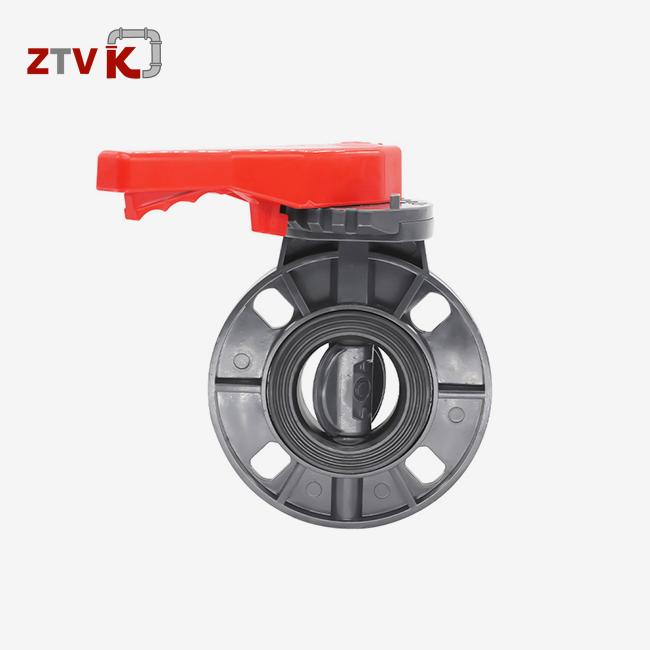
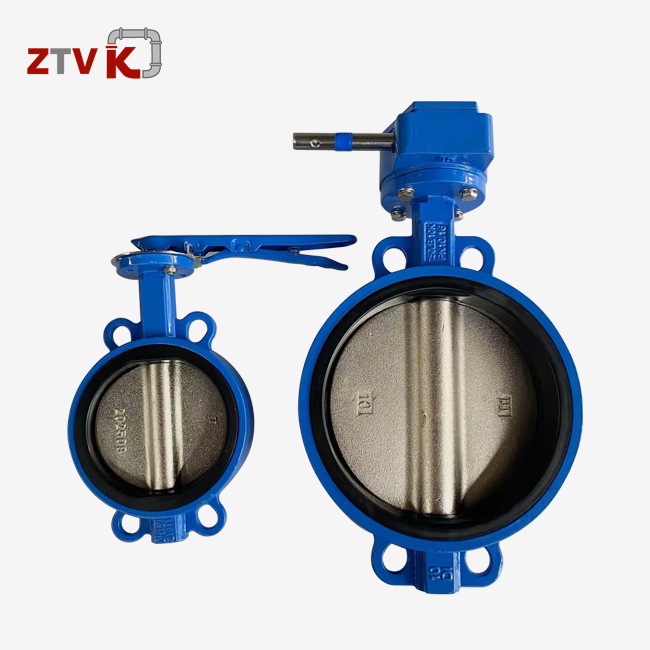
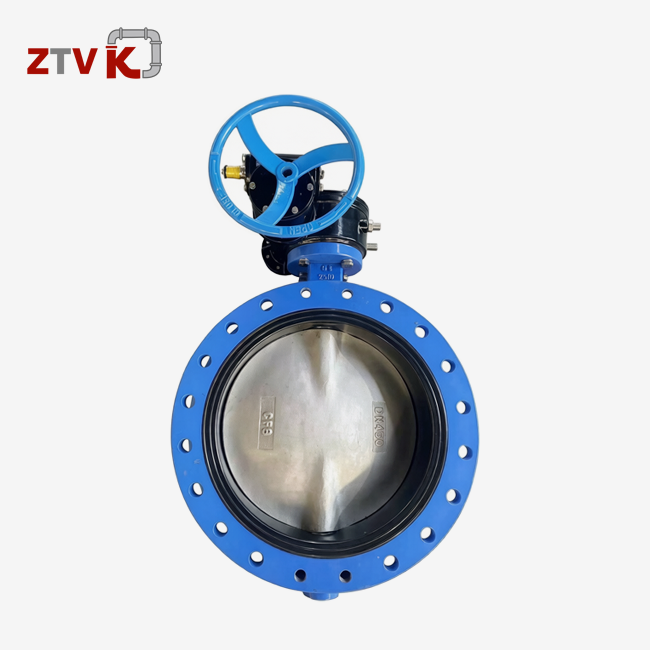
A single flange butterfly valve stands out because it can isolate a single contact, which solves a problem in the industry: dead-end service uses. This design is different from wafer-style valves that are clamped between two pipe flanges because it has drilled lugs or a single flange face that bolts straight to the next pipe flange using short screws. The valve's shape makes it a safe end-of-line stop, which lets workers disconnect pipes further downstream for repair while keeping pressure upstream. You don't have to drain whole systems during fixes, which makes the time that water networks and chemical processing plants aren't working much shorter. The quarter-turn rotary motion lets the valve shut off quickly, and the small disc shape takes up less room than gate or globe valves.
Core Materials and Construction Standards
Material choice has a direct effect on how long a valve lasts and what applications it can be used for. When it comes to general-purpose uses, bodies made of ductile iron or carbon steel are strong, but types SS304, SS316, SS304L, and SS316L of stainless steel are better at resisting rust in harsh settings. Different disc materials are better for different types of service conditions. For example, ductile iron (DI) works well in normal water, CF8 and CF8M steel grades are good with corrosive media, and aluminum bronze does great in ocean and high-salinity settings like those found in desalination and marine systems.
The closing ability and temperature range of the seat are determined by the materials used. EPDM is good for freshwater and mild chemicals up to 120°C; NBR (Nitrile) is good for oil products and hydraulic fluids; PTFE is very resistant to chemicals and works at temperatures from -20°C to +200°C; and Viton is good for high-temperature steam and harsh chemicals. For European markets, connection standards include ISO5211 and PN10/PN16. For North American markets, they are 125LB and 150LB, and for Asian projects, they are JIS5K, JIS10K, and JIS16K. These foreign certifications ensure that the new technology can work with current systems and meet the rules in the area.
Applications Across Industrial Sectors
These valves are used to keep water clean by isolating filter backwash lines and clarifier exits. They seal in both directions, so dirt doesn't come back into the system. Municipal contractors like how small it is, even in busy pump rooms, and how they can repair equipment further down the line without having to shut down the whole system. They are used as isolation points on chiller units and cooling tower branches by HVAC systems. This lets repair teams replace pumps or heat exchangers while keeping the main distribution loops filled and running.
Chemical processing plants use valves with PTFE seats at the ends of lines that deal with corrosive slurries and solvents. These valves' dead-end service feature is very useful during plant growth and short-term bypass operations. Because they don't rust or grow biofouling in saltwater, petrochemical plants choose aluminum bronze discs for offshore platforms and refinery seawater cooling circuits. For clean production lines that need to be taken apart and cleaned often, the food and drug industries use stainless steel construction and FDA-approved seat materials.
Criteria for Selecting the Right Single Flange Butterfly Valve
Operational Parameters and Performance Requirements
Start by specifying service terms. Measure system pressure, including surges that may exceed nominal PN values (e.g., PN10/16). Choose seal material based on temperature: EPDM works up to 120°C, whereas Viton can withstand 200°C. Abrasive slurries enhance wear, viscous fluids increase torque, and suspended particles can alter sealing.
Avoid cavitation and pressure drop by calculating flow. Butterfly valves work best at 1.5–4.5 m/s. To choose a valve size that matches capacity demands without oversizing, which adds expense and space, calculate the flow coefficient (Cv). A wider actuator mounting pattern simplifies automation upgrades for future development.
Comparing Valve Types and Design Trade-Offs
Understand the differences in flange designs. Single flange (wafer) valves are compact and economical for fixed installations. Double-flange valves bolt between pipes and allow bidirectional disassembly. Lug-style valves permit pipe removal from either side under pressure, offering flexibility between the two.
Compared to other valves, butterfly valves provide the best balance of cost, performance, and maintenance for isolation service. However, they are not suitable for precise throttling below 20% open due to flow instability. Ball valves offer a tighter shutoff but are bulkier and more expensive. Gate valves are ideal for slow-opening service but operate more slowly and require more maintenance due to stem threads and packing.
Installation Environment and Maintenance Access
Physical constraints often determine the final choice. Measure available space carefully, ensuring clearance for flange bolts and operation (e.g., wrench swing). The actuation method impacts both cost and upkeep:
- Manual (lever/gear): Ideal for small to medium valves (DN50–DN600) in accessible locations.
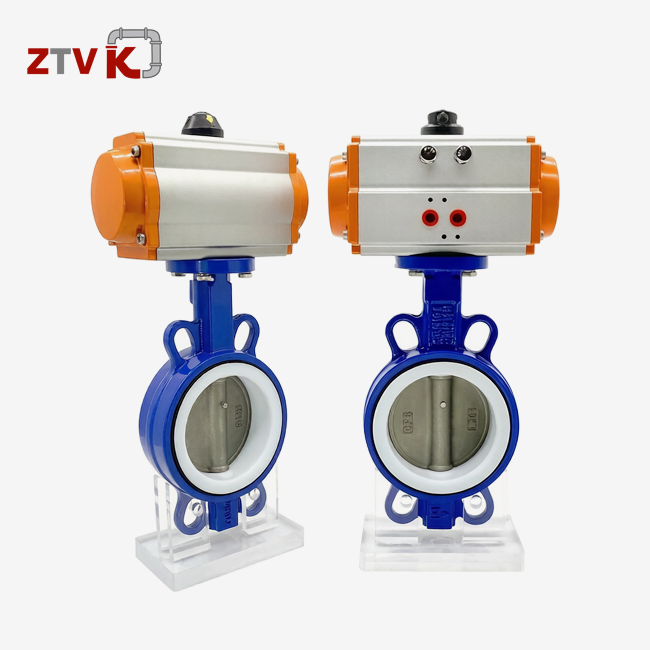
- Pneumatic: Enables remote, fast automation but requires a clean air supply.
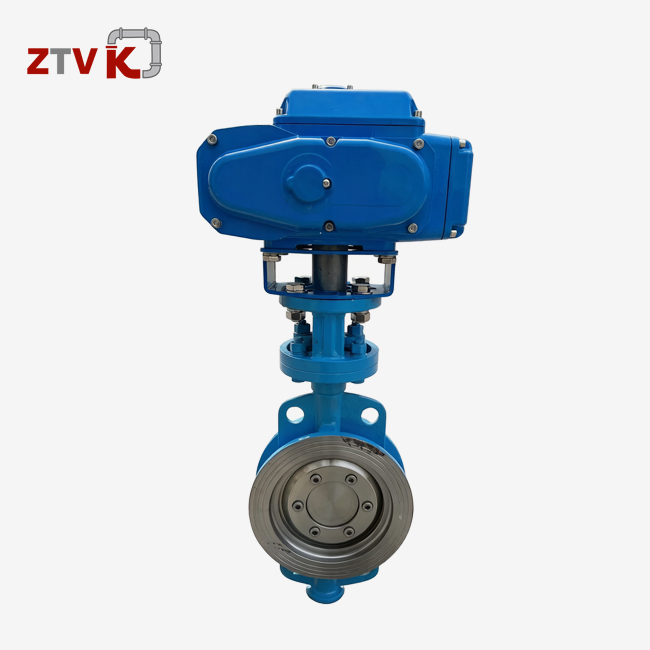
- Electric: Allows precise positioning and easy control integration, but has the highest initial cost and wiring complexity.
Long-term operating costs depend heavily on maintenance accessibility. Valves underground or at height are costlier to inspect. Plan for periodic seat replacement; soft seals typically last 3–5 years, depending on cycle frequency and media. For critical applications, inspect disc stem seals annually. Follow manufacturer guidelines for actuator maintenance—lubrication, adjustment, and component servicing (e.g., pneumatic filters, electrical checks).
Procurement Considerations for B2B Buyers
Supplier Credentials and Quality Assurance
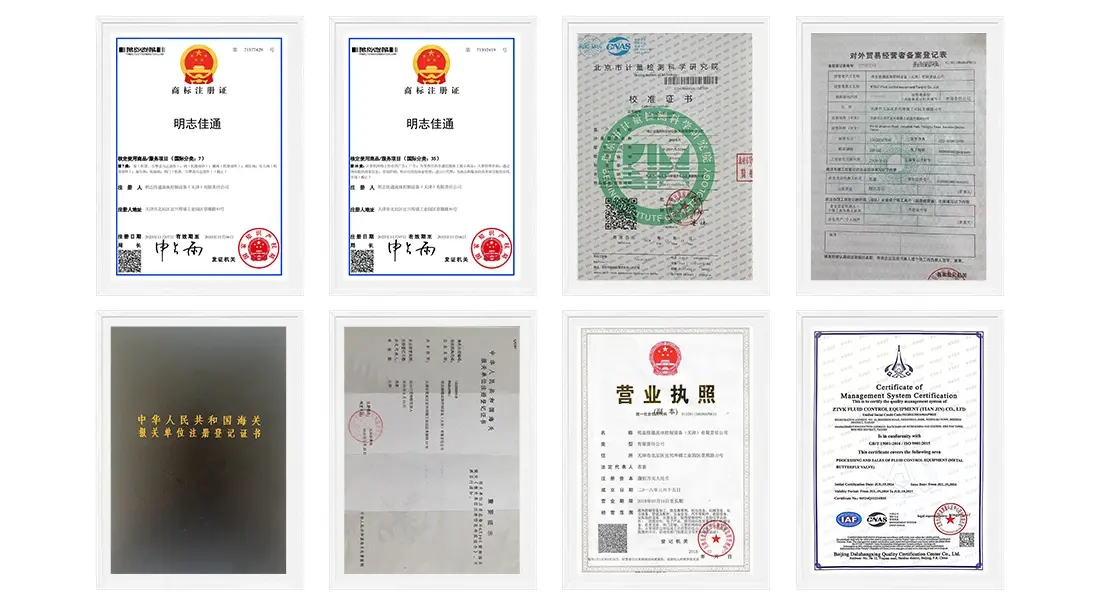
To avoid quality issues with internationally sourced single flange butterfly valves, thoroughly vet suppliers. Verify they hold ISO 9001 certification for consistent manufacturing processes. ISO 14001 accreditation demonstrates a commitment to environmentally responsible production, aligning with corporate sustainability goals. Occupational health and safety certifications like OHSAS 18001 or ISO 45001 indicate a structured approach to worker safety, which correlates with a quality focus.
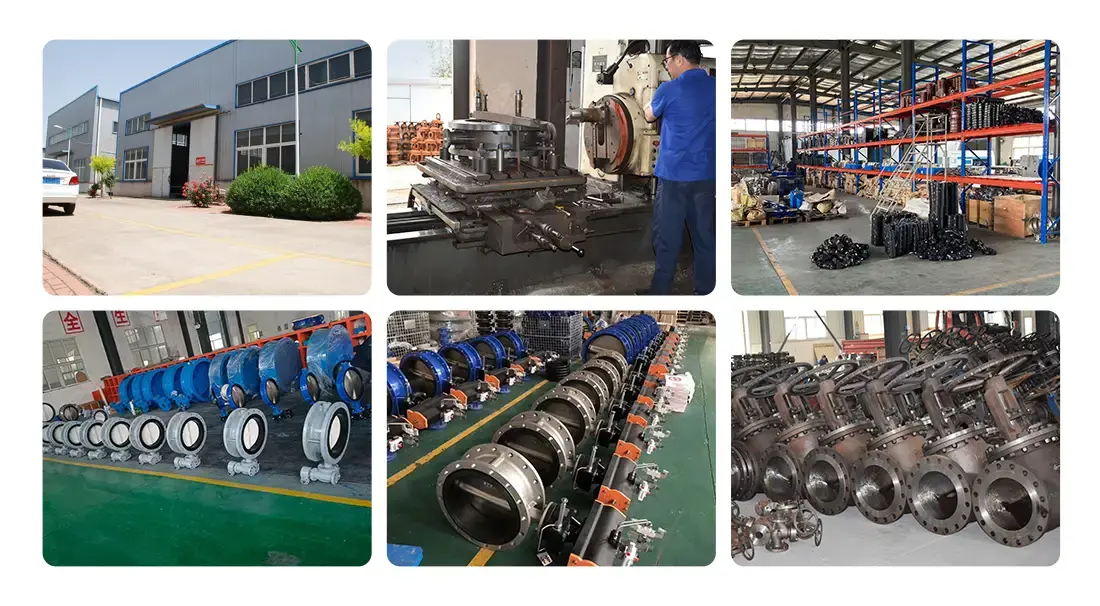
Demand proof of compliance with relevant standards, such as API 609 for oil service valves, MSS SP-67 for general applications, and regional approvals like CE marking for the EU. Be cautious of fraudulent certificates; authentic ones will have verifiable numbers and issuing body contact details. For significant orders or long-term contracts, consider a factory audit to directly assess production capabilities, testing equipment, and quality control procedures.
Pricing Structures and Lead Time Management
Pricing models vary, but volume discounts for standard sizes typically start at orders of 50–100 units. Distributors should negotiate tiered pricing aligned with inventory capacity and sales velocity. Non-standard configurations incur tooling costs—these can be minor (e.g., alternate flange drilling) or substantial (custom body molds or disc profiles).
Lead times depend on standardization. Common sizes (DN50–DN300) from stocked suppliers ship in 3–7 days. Non-standard specifications generally require 15–25 days for production, with rush services available at a 15–20% premium. Always factor international shipping into project schedules: ocean freight adds 2–4 weeks, plus customs clearance time. Proximity to major ports reduces both transit time and freight costs, offering logistical advantages that influence the total cost of ownership.
International Shipping and Documentation Requirements
Proper export packaging prevents transit damage. Wooden crates must comply with ISPM 15 standards for pest control (heat-treated or fumigated); non-compliant shipments risk rejection and treatment fees at the destination port. Moisture barriers are essential for sea freight to protect machined surfaces from saltwater corrosion. Individual valve protection and robust crating mitigate handling damage.
Accurate documentation ensures smooth customs clearance and duty assessment. Commercial invoices must correctly classify valves under HS code 8481.80 to avoid penalties. Certificates of Origin may qualify shipments for preferential duty rates under trade agreements. Material Test Certificates (MTCs) verifying chemical composition and mechanical properties are critical for end-user quality acceptance and contractual compliance. Detailed packing lists with exact piece counts and weights facilitate receipt inspection and prevent disputes.
OEM Partnerships and Customization Options
OEM agreements enable suppliers to support brand integration for equipment manufacturers. Basic OEM services—custom nameplates, logo stamping, branded packaging—are low-cost. Deeper collaboration may involve design modifications: adjusting valve dimensions for specific mounting patterns, altering stem heights for actuator compatibility, or developing special seal compounds for unique media.
Advanced customization distinguishes capable production partners. Look for providers who can interpret client CAD files, produce rapid prototypes for fit verification, and sign non-disclosure agreements (NDAs) to protect intellectual property. Note that extensive customization typically adds 1–3 weeks to lead times and may impose minimum order quantities (MOQs) to amortize tooling costs. For aftermarket replacements requiring quick turnaround, balance the benefits of bespoke solutions against the delays and costs of restocking standard inventory.
Best Practices for Installation and Maintenance
Step-by-Step Installation Guidelines
The right way to place a single flange butterfly valve starts before it even gets there. As soon as you get a package, check the flange faces, disc edges, and actuator parts for damage caused by shipping. Make sure the valve orientation is right for the job. Most butterfly valves can work in both directions, but the stem position (top, side, or bottom mount) affects how easy it is to access the actuator and how vapor drains in steam service. To get rid of welding slag, dirt, and other things that could get stuck between the disc and seat during the first closing, clean the pipe ends very well.
Place the valve between the flanges and make sure the disc is completely open so that it doesn't get damaged when the bolts are tightened. Put in the right gaskets for the job: compressed fiber for water, spiral-wound metal for high temperatures, or PTFE shells for chemical protection. First, finger-tighten the thread bolts. Then, tighten them in a star design to spread the stress evenly and stop the flange from bending, which can lead to leaks. Tighten screws to the manufacturer's specs using properly adjusted tools. Not tightening them enough leads to leaks, while too tightly tightening them damages gaskets and bends flanges. After installing the valve, run it a few times to make sure it works smoothly and that the disc is clear throughout its entire trip range. Only then should the system be pressurized.
Routine Maintenance Protocols
Set up review plans based on how bad the service is. Checks should be done every three months for critical uses that use dangerous media or have high cycle rates. For non-critical water service, checks may only need to be done once a year. During checks, run the valve through several full cycles and record any locking, strange noises, or increased torque that could mean the seat is worn or the disc is not aligned properly. Make sure the bolts that hold the actuator in place are tight, and look for leaks in the pneumatic supply lines or rust in the links between the electric actuators.
How often a seat needs to be replaced depends on how rough the media is and how often it is used. If you use clean water, you can go 5 to 7 years without replacing it. If you use gritty slurries, they will only last 2 to 3 years. Different designs have different replacement steps. For example, some makers make cartridge-style seats that snap into holes without any special tools, while others need to be heated to be taken out and put back in. When changing seats, always replace the stem O-rings and packing, since taking the bike apart makes it easier to get to the parts. Keep detailed maintenance logs that record the results of inspections, when parts need to be replaced, and any performance issues. This will help you figure out what maintenance will be needed in the future and justify buying extra parts in advance.
Material Selection for Harsh Environments
Corrosive settings need materials that are carefully matched to the chemistry of the media. Stainless steel grades SS316 and SS316L have molybdenum in them, which makes them more resistant to chlorides. This means that they can be used in seawater and brine, where SS304 grades would rust and pit. Duplex stainless steels have both austenitic and ferritic structures. They are about twice as strong as standard 316 and are better at resisting stress corrosion cracking in chlorinated and sour gas environments. This makes them perfect for chemical plants and offshore platforms, but they are more expensive than standard grades.
In some situations, protective coats make things last longer. Epoxy resin coats protect carbon steel and ductile iron bodies from corrosion in wastewater and humid warm conditions, but they break down when they are exposed to high or low temperatures or wear and tear. Electroless nickel plating gives a hard, even covering that works well in fairly acidic conditions and makes smooth surfaces that don't get clogged up in slurry service. While PTFE linings fully protect the body from harmful chemicals, they are very expensive and can only be used in certain temperature ranges because they don't react well with metal.
Conclusion
To choose the best single flange butterfly valve, you need to think about technical specs, source dependability, and the total cost of ownership over the whole service lifecycle. Procurement experts can choose valves that work well in their specific uses if they understand operational factors, material compatibility, and design trade-offs. By evaluating suppliers based on their certifications, manufacturing skills, product depth, and ability to accommodate customizations, you can find partners who can meet your current needs and support your long-term growth.
Best practices for installation and upkeep increase efficiency and lifespan, turning an initial investment into long-term value. When choosing valves for uses in HVAC, chemical processes, petrochemicals, water treatment, or other fields, keep in mind that the best price doesn't always mean the lowest total cost. Work with makers who care about quality, are good at their jobs, and really want their customers to succeed. The choices you make about buying valves will have a direct effect on how well they work, how much they cost to maintain, and the success of the job.
FAQ
Q1: What pressure ratings are available for single flange butterfly valves?
The different pressure levels for your single flange butterfly valve are listed below. According to European standards, the standard pressure classes are PN10 (about 145 PSI) and PN16 (about 232 PSI). In North American markets, the standard pressure classes are 125LB and 150LB. Make sure that the highest working pressure of your system, including surges, stays within the valve's stated capacity, giving it enough room for error.
Q2: Can these valves handle both water and chemical applications?
Media connectivity depends on the material and seat choice. Bodies made of stainless steel and seats made of PTFE or Viton can handle harsh chemicals, while bodies made of cast iron and seats made of EPDM are better for clean water service. Always make sure that the materials used for the body, disc, and seat will not corrode or break down in the temperature range in which they will be used.
Q3: How do single flange butterfly valves compare to double flange or wafer designs?
Single flange butterfly valve solutions work great in dead-end service situations where the downstream link needs to be broken while the upstream pressure stays the same. Double-flange systems work well in the middle of a line, where either side might need to be taken off. For long-term installs, wafer valves are the smallest and least expensive option. Choose based on how easy it is to do upkeep and where in the piping system you want to put it.
Partner with ZTVK for Reliable Single Flange Butterfly Valve Solutions
ZTVK delivers valves that meet international standards and work better than expected by combining excellent production with customer-focused service. Our large inventory, fast shipping, and customizable services help valve distributors, engineering companies, and industrial operators solve their most important problems. We make sure that your single flange butterfly valve orders get to you on time and exactly as planned because we are close to Tianjin Port and have built transportation partnerships with other companies. You can email our team at ktec86961886@163.com to talk about your unique needs, get technical data sheets, or get prices for jobs you have coming up. ZTVK is ready to be your manufacturer. They are committed to quality, dependability, and relationship success, and they have standard stock valves that can be used right away or custom-engineered solutions for specific uses.
References
1. American Petroleum Institute. "API Standard 609: Butterfly Valves – Double-Flanged, Lug- and Wafer-Type," Tenth Edition, 2018.
2. Manufacturers Standardization Society. "MSS SP-67: Butterfly Valves," Standard Practice, 2011.
3. International Organization for Standardization. "ISO 5752: Metal Valves for Use in Flanged Pipe Systems – Face-to-Face and Centre-to-Face Dimensions," 2021.
4. Skousen, Philip L. "Valve Handbook," Third Edition, McGraw-Hill Education, 2011.
5. Nesbitt, Brian. "Handbook of Valves and Actuators: Valves Manual International," Elsevier Science, 2007.
6. American Water Works Association. "AWWA Manual M49: Butterfly Valves: Torque, Head Loss, and Cavitation Analysis," Second Edition, 2012.
Send us your valve requirements and our team will provide professional solutions and fast quotations.
RELATED INDUSTRY KNOWLEDGE