- English
- French
- German
- Portuguese
- Spanish
- Russian
- Japanese
- Korean
- Arabic
- Greek
- German
- Turkish
- Italian
- Danish
- Romanian
- Indonesian
- Czech
- Afrikaans
- Swedish
- Polish
- Basque
- Catalan
- Esperanto
- Hindi
- Lao
- Albanian
- Amharic
- Armenian
- Azerbaijani
- Belarusian
- Bengali
- Bosnian
- Bulgarian
- Cebuano
- Chichewa
- Corsican
- Croatian
- Dutch
- Estonian
- Filipino
- Finnish
- Frisian
- Galician
- Georgian
- Gujarati
- Haitian
- Hausa
- Hawaiian
- Hebrew
- Hmong
- Hungarian
- Icelandic
- Igbo
- Javanese
- Kannada
- Kazakh
- Khmer
- Kurdish
- Kyrgyz
- Latin
- Latvian
- Lithuanian
- Luxembou..
- Macedonian
- Malagasy
- Malay
- Malayalam
- Maltese
- Maori
- Marathi
- Mongolian
- Burmese
- Nepali
- Norwegian
- Pashto
- Persian
- Punjabi
- Serbian
- Sesotho
- Sinhala
- Slovak
- Slovenian
- Somali
- Samoan
- Scots Gaelic
- Shona
- Sindhi
- Sundanese
- Swahili
- Tajik
- Tamil
- Telugu
- Thai
- Ukrainian
- Urdu
- Uzbek
- Vietnamese
- Welsh
- Xhosa
- Yiddish
- Yoruba
- Zulu
Butterfly Valve for Chilled Water System: Features and Benefits
It is very important to choose the right flow control component when handling chilled water systems in HVAC projects or industrial cooling loops. Coolant flow can be controlled in mechanical rooms, data centers, and district cooling networks with a butterfly valve for chilled water system. This valve can be turned a quarter of the way around. These special valves can handle temperatures from 4°C to 12°C and keep the valves tightly shut to prevent energy waste. Their small wafer shape means they take up little room when installed, which makes them perfect for retrofits and places with a lot of machines. We've seen firsthand that choosing the right valves directly affects system efficiency, reducing pump energy use by up to 20% in properly built setups.
Key Features and Benefits of Butterfly Valves for Chilled Water Applications
The needs of cold water movement require parts that work consistently while keeping costs as low as possible over their entire life. A butterfly valve for chilled water system made just for HVAC use has design improvements that deal with temperature cycles, condensation, and chemical compatibility.
Space-Saving Installation Advantages
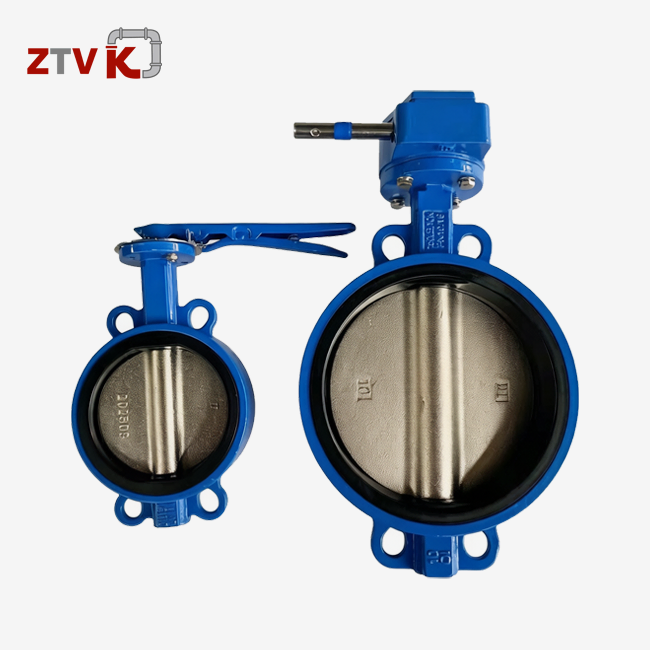
In business buildings, mechanical rooms are always under pressure to fit as much equipment as possible into a small space. A DN200 wafer butterfly valve has a face-to-face size of only 46mm, while an identical flanged gate valve has a size of 280mm. Because it has a small size, it can be installed in tight spaces between pipes near chillers and pumps, which means that expensive pipe changes are not needed. When older buildings are being updated, the short length makes it possible to change valves without having to cut and re-thread neighboring sections of pipe.
Corrosion Resistance and Extended Service Life
In chilled water systems, the water is often cleaned with biocides and rust inhibitors that break down common valve materials. Our EPDM chairs are cured with peroxide instead of sulfur, which, according to tests that show fast aging, makes them 60% more resistant to harsh additives. When an epoxy covering is fused to the outside of a valve, it stops the condensation-driven rust that usually shows up in 18 months on valves that aren't covered. When used for district cooling, well-maintained units usually last longer than 15 years, while cheaper options only last 7 to 9 years.
Precise Temperature Control Through Flow Modulation
For operations to be energy-efficient, the temperature differences between the supply and return lines must be kept at the design levels. When used with electric motors that respond to BMS orders, butterfly valves quickly change the flow to match the thermal loads. The near-linear flow pattern between 20% and 80% open levels makes control algorithms easier to understand and stops the hunting behavior that happens with some types of quick-opening valves. We have records of installations where improved control valves cut the number of cycles in the chiller by 35%, which directly increased the life of the compressor.
Lifecycle Cost-Effectiveness
When you add up the costs of work for installation, energy use, and repairs, the initial purchase price only makes up 15 to 20 percent of the total cost of ownership. The lightweight design cuts down on installation time by about 25% compared to heavier valves that need lifting tools. Low working force limits the size of the actuator, which lowers the cost of automation by $200 to $500 per valve. Less pressure drop saves a lot of energy. For example, a properly chosen butterfly valve in a 500-ton chiller system can save $800 to $1,200 a year in pump power costs compared to a high-resistance option.
Maintenance Practices for Long-Term Reliability
Visual checks for the butterfly valve for chilled water system should be done every three months to look for external rust, loose actuator mounting, and packing gland leaks. Seat adhesion that happens when valves stay still for long amounts of time can be avoided by going through the full travel range once a year. Every six months, the torque is checked to make sure that the motors keep the right seating force without over-compressing the soft seats, which can damage them. Draining and cleaning valve spaces stops microbes from growing on EPDM surfaces when systems are shut down for the season. Based on what our customers have told us, these simple steps increase the time between services and cut the number of emergency calls by over 70%.
Common Challenges and Problem Solving with Butterfly Valves in Chilled Water Systems
In the real world, there are problems that need to be solved, but proper design and upkeep processes can help. Knowing the different types of failures lets you fix small problems before they become system breakdowns.
Addressing Seat Leakage Issues
Leakage usually happens because of three things: the wrong fitting pressure, particle contamination, or seat materials that don't work together. When putting the flange bolts in place, they need to be tightened three times, first in a star design to 50 to 60 percent of their final pressure. This keeps the seat from warping, which can lead to leak tracks. Putting Y-strainers upstream of systems that have welding slag or pipe scale in them stops trash from getting stuck in valve seats. When the amount of glycol is above 40%, VITON seats are needed instead of EPDM seats, which swell and lose their flexibility in high-glycol settings. Before completing specs for a system that uses non-standard additives, we suggest checking to see if the chemicals are compatible.
Resolving Valve Sticking Problems
When rust products build up between the shaft and bushing, especially in valves that don't move for months, stem blocking happens. Designs with longer necks that allow for insulation can sometimes trap water around the stem seals, which speeds up rusting. Oxide building can be stopped by exercising through the full trip range once a month. During yearly upkeep, marine-grade anti-seize substance is applied to exposed stem threads to make a barrier that protects them. Changing the stems to stainless steel gets rid of the problem's source in machinery rooms with a lot of humidity.
Material Compatibility with Water Treatment Chemicals
Molybdate inhibitors, azole compounds, and quaternary ammonium biocides are some of the complicated chemicals that are used to clean chilled water in modern systems. Standard ductile iron discs can handle most treatments, but systems with pH levels below 6.5 or above 9.0 need different disc materials. The pH range of CF8M steel makes it compatible with all chemicals. Asking for material approvals and chemical resistance data from sources when they are being evaluated by buying teams keeps compatibility surprises from happening during commissioning. We keep a reference record of how well seat materials work with common treatment chemicals so that we can make choices about specifications.
Proactive Strategies to Minimize Downtime
When you keep important extra parts like seat repair kits, actuator links, and packing sets on hand, you can quickly fix problems that come up out of the blue. When vibration tracking is used on big automated valves (DN400+), bearing wear can be found before they fail. Thermal imaging during operation finds places where insulator breakdown lets surface condensation happen, which speeds up rusting. These predictive methods change maintenance from fixing things when they break down to doing things ahead of time during planned downtime. This cuts down on unexpected outages by over 60%.
Procurement Guide for Butterfly Valves Used in Chilled Water Systems
When looking for industrial valves for important structures, you need to carefully consider the technical specs, the supplier's skills, and the total cost of ownership. Distributors and builders who buy in bulk should know about some important selection factors.
Technical Specifications That Matter
Working pressure levels of PN10 or PN16 for a butterfly valve for chilled water system are good for 150–230 PSI chilled water uses. Oversizing the pressure class adds cost without improving efficiency. When choosing a size, the water speed should stay between 4 and 10 feet per second to stop damage and keep the pressure from dropping too much. Connection standards that follow ISO5211 make sure that actuators from different brands can be used together. Check that the bubble-tight shutoff fits ISO 5208 Class A or API 598 standards when looking at source datasheets. Claims of "tight shutoff" that aren't backed up by evidence aren't true.
Compliance Certifications and Quality Standards
For fire safety reasons, equipment going to business buildings in the US needs to be listed by UL. In Europe, systems need to have a CE mark that shows they follow the Pressure Equipment Directive 2014/68/EU. In the United States, materials for city projects often need to have NSF/ANSI 61 approval, which says they meet standards for drinking water contact. Suppliers with ISO 9001 recognition have quality control methods, but that doesn't mean the products will work well. Asking for third-party test reports from ISO/IEC 17025-accredited labs gives you extra proof beyond what the maker says.
Evaluating Supply Chain Reliability
Butterfly valve for chilled water system lead times are very different depending on how the product is made. Standard sizes (DN50–DN300) are usually in stock at distributors, and they usually ship within a week. It could take 15 to 25 days for custom configurations that need special seat materials or actuator fittings. Being close to major ports is important. For example, suppliers near Tianjin Port make export logistics easier and cut down on the time it takes to get to foreign places. Having a good relationship with freight companies makes the FOB or CIF price clear, so there are no surprises at the ports of destination.
Customization Options for Unique Needs
OEM programs let wholesalers brand valves with their own markings, which helps them stand out in places with a lot of competition. With ODM, basic designs can be changed to include longer necks for thick insulation, special coatings for corrosive environments, or different port layouts for installations with limited room. Drawing-based manufacturing can be used for the replacement of old valve forms that need exact copies of their dimensions. With these choices for flexibility, sellers go from being simple vendors of goods to strategic partners who can help solve unique technical problems.
Balancing Price and Long-Term Value
The best deal isn't always the one with the lowest starting cost. Cheap valves that cost $150 each usually need to be replaced every 5 to 7 years, while high-quality valves that cost 25% more usually last 15 years or more. Too much pressure drop can cause energy losses that are greater than the valve's buy price within 18 months. The terms of the warranty show how confident the maker is in the product. For example, 18 months of coverage against flaws shows dedication, compared to the usual 90 days. When comparing provider offers, it's important to look at the total cost, which includes how much energy the equipment will use, how often it will need to be maintained, and how long it is expected to last.
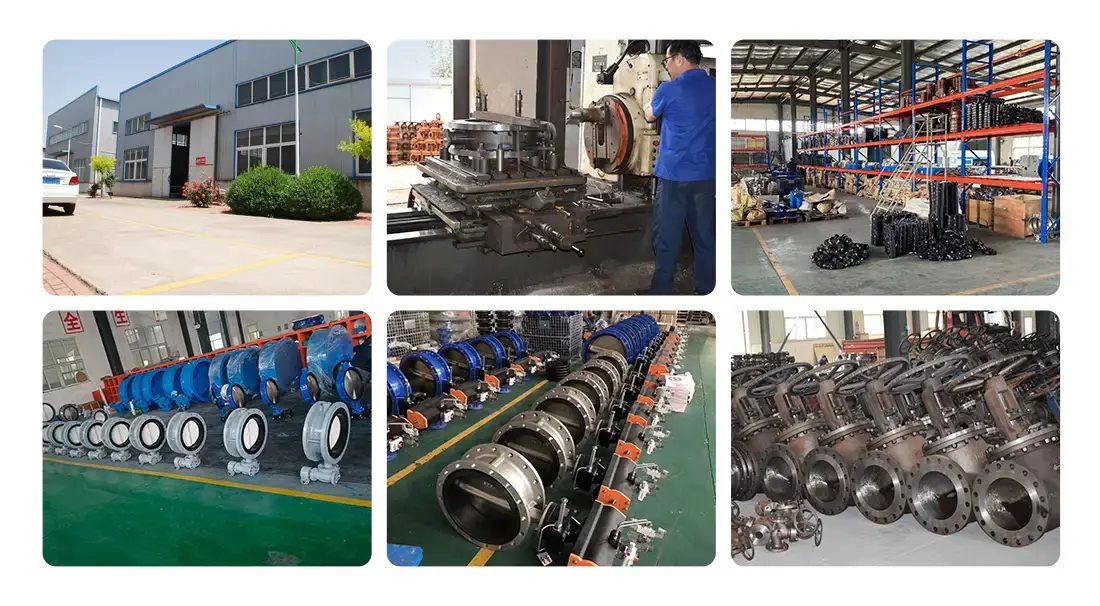
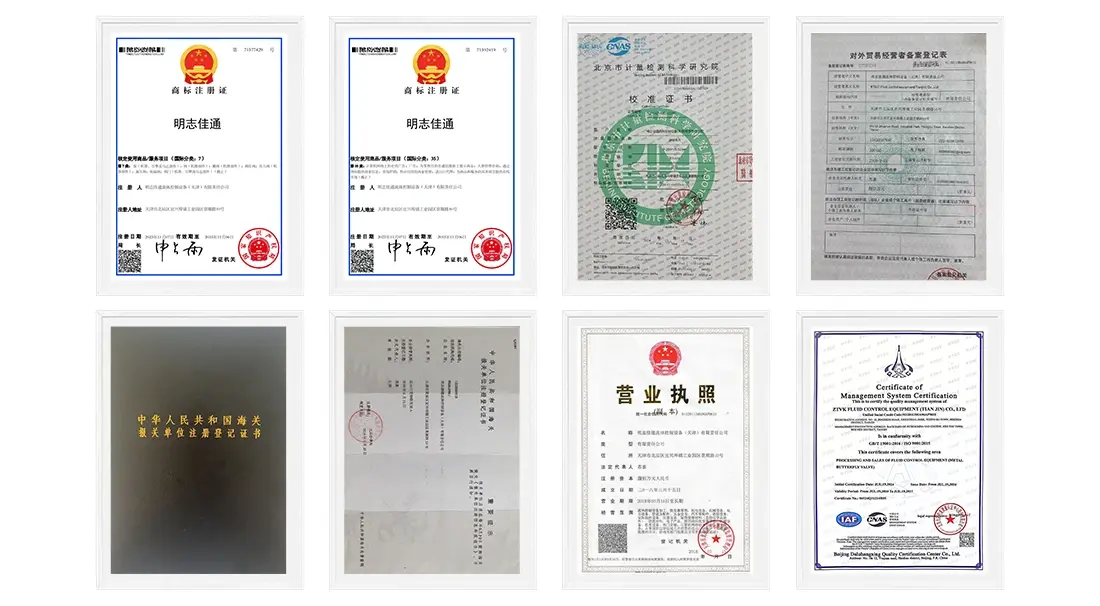
ZTVK is based in Tianjin's Beichen Industrial Zone and has more than 2,000 standard units (DN50–DN600) ready to be sent out right away. They can also handle custom orders with production processes of 15–25 days. Our goods meet foreign standards thanks to our ISO 9001, ISO 14001, and OHSAS 18001 certifications, as well as our adherence to API, ANSI, and CE standards. The factory is only 50 km from Tianjin Port, which makes it easy to load containers and work with big shipping lines to get clear butterfly valve for chilled water system prices.
Optimizing Butterfly Valve Performance in Chilled Water Systems
Installing high-quality parts isn't enough to make a system as efficient as possible; planned integration and ongoing improvement are also needed to get even better results.
Automated Control Integration
When temperature monitors or flow meters are connected to electric motors with 4-20mA analog inputs, proportional control can be used. When valves are connected to building management systems (BMS), they automatically change based on how many people are in the building. This stops chillers from running when demand is low. Automated setback methods usually pay for themselves in two to three years of energy savings. Positioning feedback makes sure that the BMS gets real-time information about the state of the valves, which lets it find faults when the ordered and true positions are different.
Monitoring and Verification Techniques
During commissioning, differential pressure sensors are put across valves to set standard performance measures. By comparing the results every three months to the first ones, you can see how they're getting worse over time due to seat wear or disc rust. Flow meters on the main loops show that valve slowing lowers the GPM as planned. Measuring energy at the chiller's sources figures out how many kWh are saved because of better flow control. These ways of measuring turn comments about efficiency from theoretical calculations into real-world facts that can be used.
Emerging Valve Technologies
The next step forward is a smart butterfly valve for chilled water system with built-in sensors and an internet connection. Onboard diagnostics keep track of cycle counts, look for strange torque patterns that could mean a block, and let repair teams know before problems happen. IoT platforms collect data from many switches and find system-wide trends that can't be seen at the device level. Nanoscale filling in new seat materials makes them more resistant to chemicals and cuts friction by 15%. Regulatory pressure to lower embodied carbon is pushing the use of recycled ductile iron and bio-based elastomers in seat mixtures. These materials keep up performance while having less of an impact on the environment.
Conclusion
Choosing the right butterfly valve for a chilled water system has a direct effect on how much energy they use, how much they cost to maintain, and how reliably they work. These valves are perfect for HVAC workers, dealers, and facility managers who need to reliably control flow because of their small wafer form, wide range of actuation choices, and ability to work with a variety of materials. Proper design that takes into account pressure levels, seat materials, and chemical compatibility keeps things from breaking down too soon. Proactive repair plans increase the life of a service and reduce the amount of unexpected downtime that happens. When looking at suppliers, don't just look at the original buy price. Instead, give more weight to those who offer expert help, quality certifications, and the ability to make changes. The long-term benefits of properly designed valves are much greater than the small differences in cost. They protect chiller investments and lower total operating costs over the course of many decades of infrastructure lifecycles.
FAQ
Q1: Why choose butterfly valves over ball or gate valves for chilled water systems?
Butterfly valves for a chilled water system are the best choice when you want low pressure drop, little fitting room, and low costs. When partially opened, ball valves cause too much turbulence, which wastes pump energy. Gate valves, on the other hand, take up 3–5 times more axial space and break down quickly when used to change the flow. Butterfly valves are great for mechanical rooms that need to save space and energy because they only need to be turned a quarter of the way and are made in a plate shape.
Q2: How often should butterfly valves in chilled water systems be maintained?
Visual checks every three months to look for corrosion and leaks on the outside, along with full-travel riding once a year, keep most problems from happening. Systems that run all the time profit from checking the power and inspecting the packing glands every six months. During seasonal shutdowns, seats should be drained and dried to stop the growth of microbes. With proper upkeep, a service can last for 15 years or more.
Q3: Are special seat materials needed for glycol-containing chilled water?
When glycol levels are 30 to 40 percent or higher, VITON seats are needed instead of regular EPDM seats, which break down in high-glycol settings. Systems that use rust inhibitors that aren't in the pH range of 6.5 to 9.0 might need better disc materials, such as CF8M stainless steel. Before finishing specs, you should always make sure that the chemicals will work with the water treatment additives.
Partner with ZTVK for Reliable Chilled Water Valve Solutions
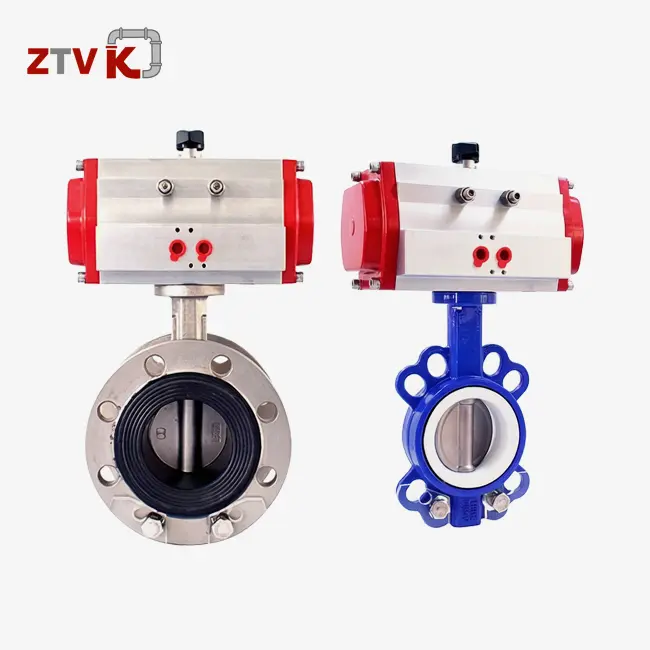
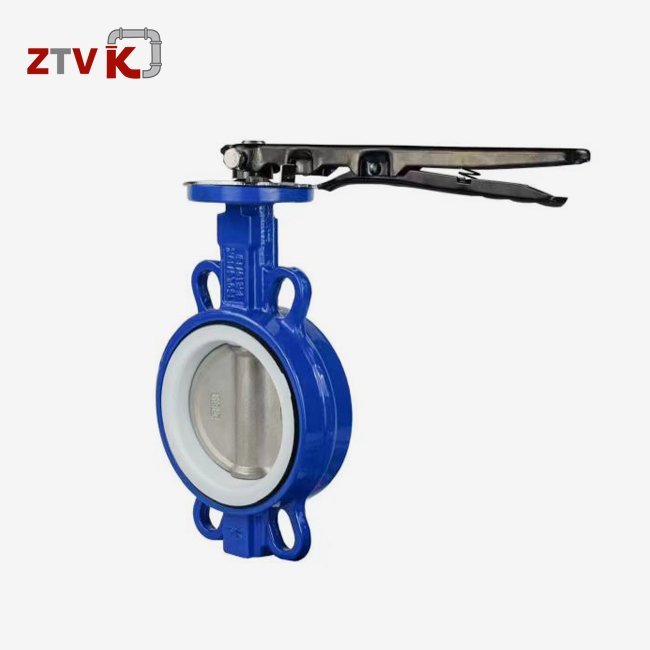
Finding a provider with both technical know-how and quick service is important when buying valves for important HVAC systems. Butterfly valve for chilled water system made by ZTVK is designed to work with cold water. They come in sizes ranging from DN40 to DN1200 and have pressure values of PN10 to PN16. Our ductile iron bodies, discs made of DI, CF8, CF8M, and aluminum bronze, and seat materials made of EPDM, NBR, PTFE, and VITON all work with a wide range of system needs. We support OEM/ODM customization for specialized projects as a dedicated butterfly valve for a chilled water system maker and keep a large stock of standard configurations. Our 18-month guarantee and production methods that are ISO 9001-certified show that we care about quality. You can email our technical team at ktec86961886@163.com to talk about your specific needs and get personalized suggestions based on our over 15 years of experience making valves for HVAC builders and dealers around the world.
References
1. American Society of Heating, Refrigerating and Air-Conditioning Engineers. ASHRAE Handbook: HVAC Systems and Equipment, 2020 Edition. Atlanta: ASHRAE Publications.
2. Manufacturers Standardization Society of the Valves and Fittings Industry. MSS SP-67: Butterfly Valves, 2011. Vienna, VA: MSS.
3. International Organization for Standardization. ISO 5208: Industrial Valves - Pressure Testing of Metallic Valves, 2015. Geneva: ISO.
4. American Water Works Association. AWWA Manual M49: Quarter-Turn Valves: Head Loss, Torque, and Cavitation Analysis, 2012. Denver: AWWA.
5. Baumann, Hans D. Control Valve Primer: A User's Guide, Fourth Edition. Research Triangle Park: ISA Publications, 2009.
6. Zappe, R. W. Valve Selection Handbook: Engineering Fundamentals for Selecting the Right Valve Design for Every Industrial Flow Application, Fifth Edition. Oxford: Gulf Professional Publishing, 2004.
Send us your valve requirements and our team will provide professional solutions and fast quotations.
RELATED INDUSTRY KNOWLEDGE