- English
- French
- German
- Portuguese
- Spanish
- Russian
- Japanese
- Korean
- Arabic
- Greek
- German
- Turkish
- Italian
- Danish
- Romanian
- Indonesian
- Czech
- Afrikaans
- Swedish
- Polish
- Basque
- Catalan
- Esperanto
- Hindi
- Lao
- Albanian
- Amharic
- Armenian
- Azerbaijani
- Belarusian
- Bengali
- Bosnian
- Bulgarian
- Cebuano
- Chichewa
- Corsican
- Croatian
- Dutch
- Estonian
- Filipino
- Finnish
- Frisian
- Galician
- Georgian
- Gujarati
- Haitian
- Hausa
- Hawaiian
- Hebrew
- Hmong
- Hungarian
- Icelandic
- Igbo
- Javanese
- Kannada
- Kazakh
- Khmer
- Kurdish
- Kyrgyz
- Latin
- Latvian
- Lithuanian
- Luxembou..
- Macedonian
- Malagasy
- Malay
- Malayalam
- Maltese
- Maori
- Marathi
- Mongolian
- Burmese
- Nepali
- Norwegian
- Pashto
- Persian
- Punjabi
- Serbian
- Sesotho
- Sinhala
- Slovak
- Slovenian
- Somali
- Samoan
- Scots Gaelic
- Shona
- Sindhi
- Sundanese
- Swahili
- Tajik
- Tamil
- Telugu
- Thai
- Ukrainian
- Urdu
- Uzbek
- Vietnamese
- Welsh
- Xhosa
- Yiddish
- Yoruba
- Zulu
What is the function of a sewage check valve?
A sewer check valve is an important safety feature that stops wastewater from going backwards through draining systems. This one-way flow control part makes sure that wastewater and polluted water only go in the right direction, away from buildings, treatment plants, and protected areas. Heavy rain or city sewer overflows can cause sewage systems to experience pressure surges, blockages, or backflow. When this happens, the 3 inch sewer check valve instantly stops its internal mechanism to make a watertight seal, keeping dirty water from entering your property again. Knowing how this function works helps people who work in procurement choose reliable backflow prevention options for wastewater systems in homes, businesses, and factories.
Understanding the Core Function of a Sewage Check Valve
How Sewage Check Valves Prevent Backflow
The main job of any sewer check valve is to stop waste lines from flowing backwards. Whether wastewater leaves a building by gravity or a pumping system, it goes through pipes to get to sewers or treatment plants. During regular function, the valve stays open so that effluent can flow easily. But if pressure further downstream is higher than pressure further upstream, like when a storm surge happens, a sewer main gets clogged, or a pump station stops working, the valve's internal parts react right away. This automatic closing system keeps the basement from flooding, equipment from getting damaged, and people from getting sick from being near sewage.
Mechanical Operation of Different Check Valve Types
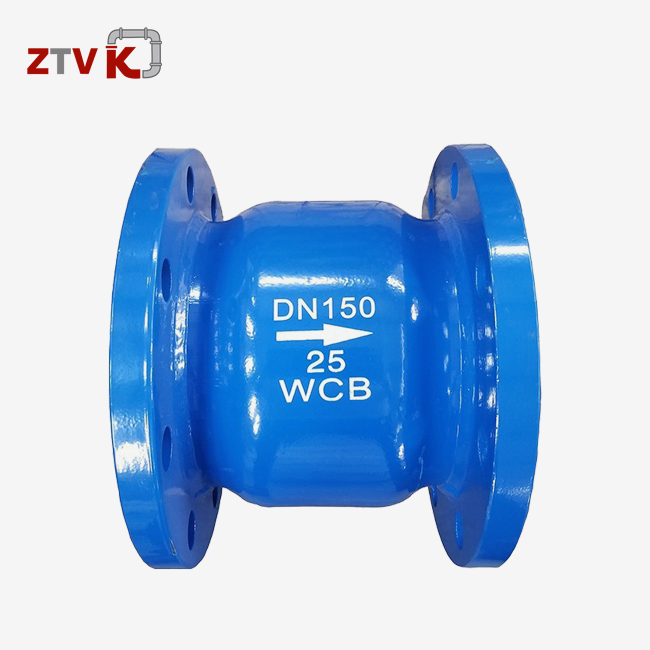
Swing check valves have a disc that is flexible and opens when there is forward flow. When the flow stops or changes direction, gravity closes this disc, sealing it against the valve seat. Spring-loaded designs use mechanical springs to help with closure. This makes the reaction time faster and works well in vertical placements where gravity alone isn't enough. Flap-style systems use gates made of flexible rubber or reinforced elastomer that bend open when the flow is regular and snap shut when the pressure goes the other way. Each design meets a different set of installation needs. The 3 inch sewer check valve configuration is most common in medium-capacity industrial drainage systems where the pipe width matches standard waste line sizes.
Why Size Matters in Sewage Applications
Choosing the right valve width has a direct effect on how well the system works. When valves are too small, they limit flow, which raises pressure losses and encourages solids to build up. If the unit is too big, it might not close all the way because the flow speed is too slow to fully open the internal mechanism during normal operation. The three-inch standard pipe size is a good compromise between grease traps in restaurants, small lift stations, and multi-fixture basement drainage systems in homes. This diameter allows for enough flow capacity while keeping installation footprints small enough to be doable in tight places.
Key Benefits and Material Considerations for Sewer Check Valves
Preventing Costly Infrastructure Damage
Installing good backflow control devices can save you a lot of money on repairs. A single sewage backup can cost building owners a lot of money in repairs, cleaning, and disinfecting. In addition to the damage they cause right away, contamination events can lead to legal issues, problems with insurance, and even regulatory violations. The valve protects against these situations by passively keeping things safe 24 hours a day, seven days a week, without needing electricity or human help. A well-designed check valve gives a big return on investment by preventing even one major backflow event over its 15-year service life.
Material Performance Characteristics
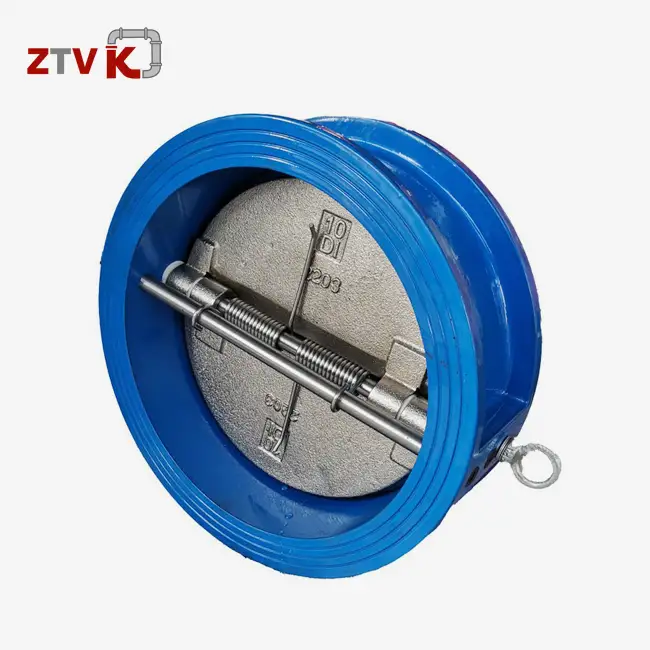
In harsh sewer conditions with hydrogen sulfide, organic acids, and caustic cleaning agents, stainless steel designs are better at resisting corrosion. The ZTVK Single-leaf Swing Check Valve (Model H74), which can be made from stainless steel or WCB carbon steel, is very durable at pressures between 0.6 and 1.6 MPa. It can be used in high-temperature situations with water, air, oil products, and substances that are only slightly acidic or basic. For home gravity systems with mild chemical exposure and working pressures below 50 PSI, PVC and ABS thermoplastic options are cost-effective options. Cast iron types offer mechanical strength for heavy-duty industrial setups that need to be resistant to pressure and keep their shape when temperatures change. When choosing a material, there are trade-offs between the original cost, the number of upkeep visits, and the expected service life.
Maintenance Frequency Reduction
Modern designs for check valves use several technical tricks to reduce the number of times they need to be serviced. Full-port designs keep the full internal pipe diameter, so trash doesn't build up as it does with reduced-bore options. Cover plates that can be taken off allow inspections to be done without taking the valve completely apart. This makes it possible to clean the flapper quickly during regular repair cycles. Corrosion-resistant sealing materials, such as EPDM or Viton, stay flexible over a wide range of temperatures, so they don't need to be replaced as often as rubber gaskets do. These design features mean that site managers who are in charge of multiple installations will pay less overall.
Installation Guide and Best Practices
Pre-Installation Pipeline Preparation
The right way to put something together starts with properly preparing the pipes. The ends of pipes that have been cut must be deburred and cleaned to get rid of plastic shavings, metal burrs, and other building waste that could damage the closing surfaces. Before using liquid cement or threaded connections, dry-fit all the parts to make sure they are in the right place, and there is enough space for servicing access in the future. Carefully measure the space you need for fitting, making sure to include the length of the valve body plus extra room for removing the cover if the design has a cleanup feature.
Correct Valve Orientation and Positioning
For a 3 inch sewer check valve, the flow path of the wastewater must line up exactly with the flow direction marks on the valve body. The hinge pin on a swing check valve needs to be at the top of the valve body, and the valve body needs to be straight. For vertical placements, you need types with springs that are made for upward flow. If you put a gravity-dependent valve in a vertical position, it will always be either open or closed, which means it can't stop backflow. The valve should be put upstream of the point where backflow protection is needed, but downstream of sources that could cause contamination.
Common Installation Errors to Avoid
Several mistakes hurt the performance of valves. The most obvious mistake is putting the valve in backwards, which lets overflow happen freely. When linked pipes aren't properly supported, they put mechanical stress on the valve body, which could bend the housing and stop it from closing properly. Too much tightening of threaded links can damage valve bodies or strip the threads, while not enough tightening lets pressure leak through. Using liquid cements that don't work well with PVC-to-ABS joints makes the bonds weak and easy to break. Before starting work, professional fitters check the manufacturer's instructions and the plumbing rules in their area.
Comparative Analysis: Choosing the Right Check Valve
Sewer Check Valves Versus Gate Valves
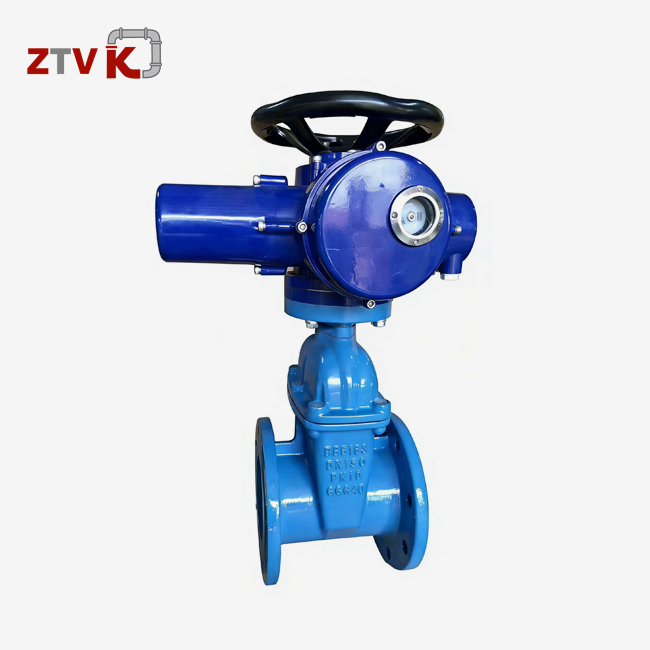
Both of these types of valves direct flow, but they are used for very different things. Manual on-off control is provided by gate valves, which need to be moved by hand. They don't automatically adjust to different flow conditions because they stay fully open or fully closed. Check valves work on their own, reacting quickly to a change in flow without any help from outside sources. Gate valves are great for situations where you need to intentionally stop flow for repair or system change. Check valves, on the other hand, protect against backflow events all the time. The practical needs for procurement must be clearly separated from each other.
Swing, Spring, and Flap Design Comparison
When fully open, swing check valves have the lowest pressure drop, which makes them perfect for gravity drainage systems where keeping the flow speed steady is very important. Their simple design makes them reliable over time, but they need to be installed horizontally and have enough room for the disc to move. Spring-loaded versions offer more installation options but lose a little more pressure during closure. They do this by adding mechanical help for faster closing and vertical installation. Flap designs have the smallest appearance and work well in places where room is limited, but the movable part may need to be replaced more often than rigid metal disc sections that are rigid.
Material Selection for Specific Applications
Chemical protection for industrial wastewater containing aggressive compounds is unmatched by stainless steel types 304 and 316. In certain situations, the material can handle temperatures up to 570°C, but most waste systems don't need to go that high. Carbon steel WCB has strong mechanical qualities and isn't too expensive. It's good for public and business buildings where rust protection comes from coatings or less aggressive media on the outside. Thermoplastics work well in home settings with lower pressures and temperatures that are usually present. Duplex steel works especially well in ocean or naval wastewater systems that are very corrosive. ZTVK makes valves out of all of these materials, and they can be customized to fit the needs of a particular application.
Procurement Strategies for Industrial Valve Distributors
Bulk Ordering Versus Project-Specific Purchases
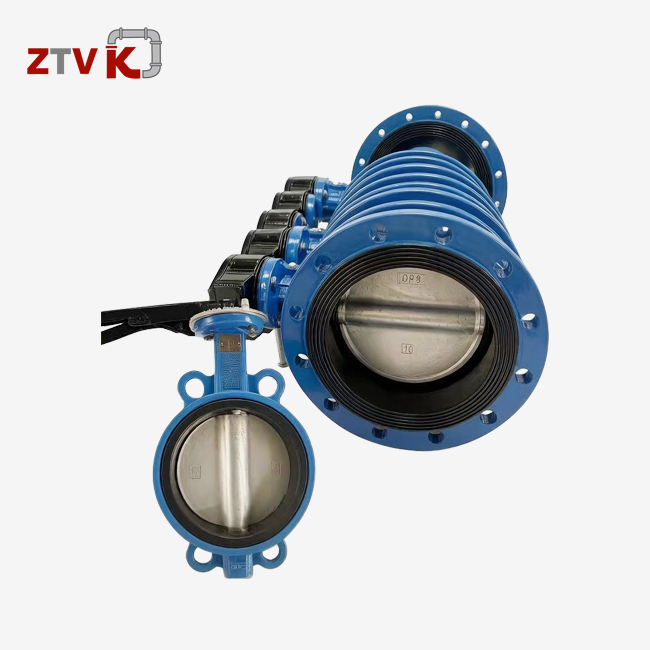
Establishing inventory ties with makers who keep a ready stock is good for large wholesalers. ZTVK has more than 2,000 standard DN50–DN600 butterfly and check valves ready to ship 3–7 days after an order is confirmed. This fast delivery helps distributors help workers who need to finish projects quickly. Non-standard designs that need certain materials, pressure grades, or connection types usually have a production lead time of 15 to 25 days. When wholesalers know these dates, they can balance the costs of keeping supplies with the needs of customer service. For urgent needs, rush production services can cut delivery times to 7–10 days, but they charge extra.
Supplier Reliability and Quality Verification
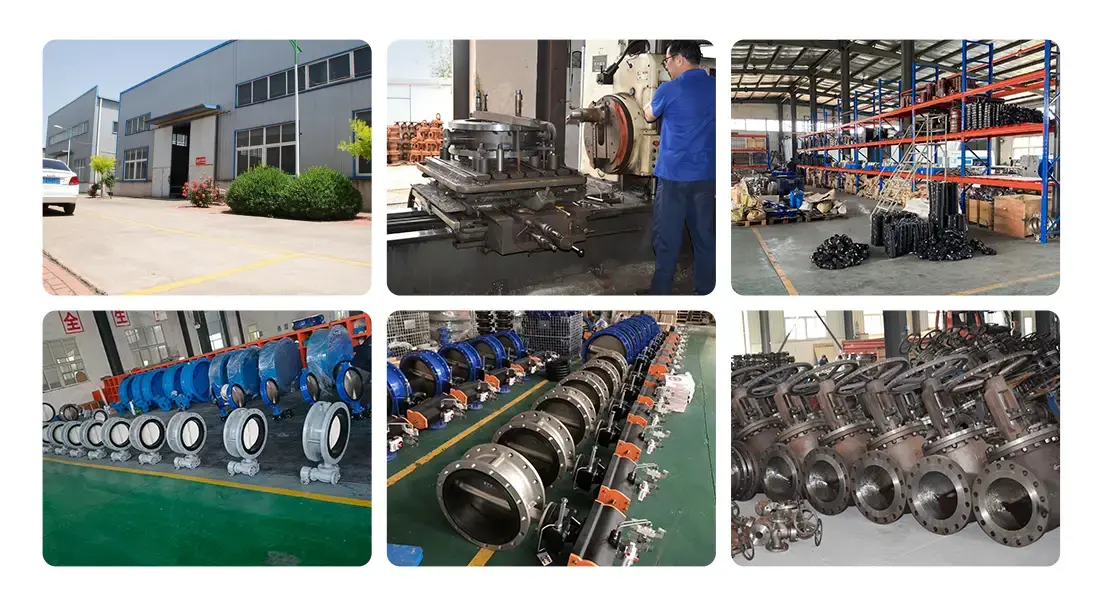
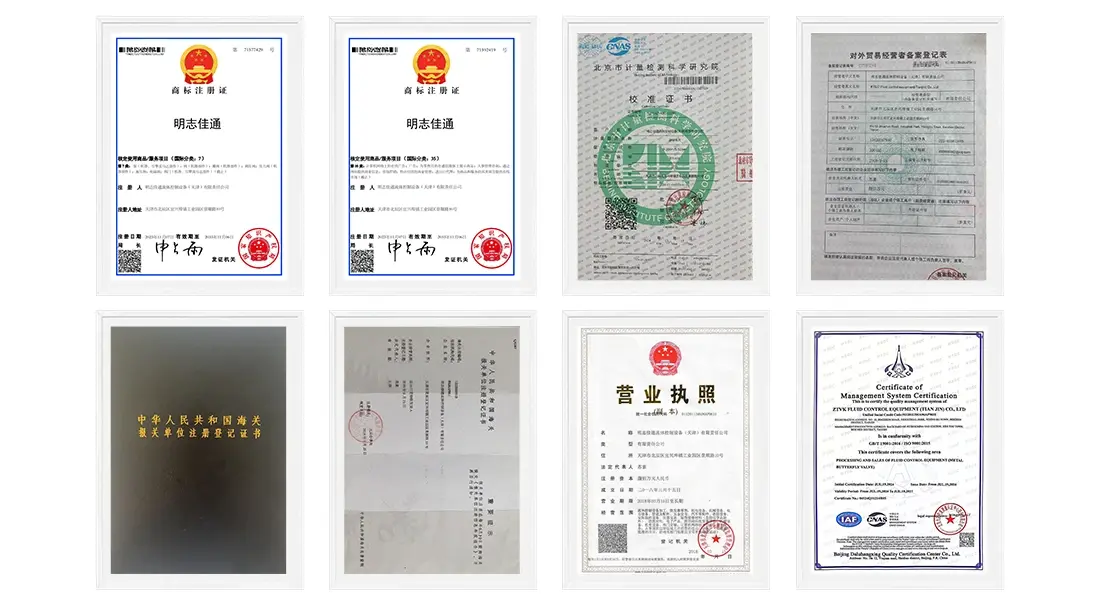
To successfully buy valves such as the 3 inch sewer check valve, suppliers must be carefully evaluated. Getting ISO 9001, ISO 14001, or OHSAS 18001 certifications shows that you care about quality management, being good to the environment, and meeting health and safety standards at work. Modern CNC machining centers and specialized testing facilities help manufacturers make sure that the specs of their products are the same from one production run to the next. At ZTVK's Tianjin facility, they keep chemical analysis tools, pressure testing stations, and material inspection tools that make sure every valve meets the written specs. Before committing to big orders, procurement workers can check what suppliers say by asking for factory audit records, material certifications, and proof of third-party testing.
OEM Customization and Branding Options
When distributors want to get into a new market, they often need private labeling. OEM manufacturing programs let distributors add their own logos, engrave their names on nameplates, and package their products in labeled boxes that help them stand out. ODM services go beyond customization and include practical changes like changing seal materials to work with certain chemicals, switching connection types from flanged to lug-style, or changing pressure ratings by swapping out materials. ZTVK supports both ways of doing things. They make valves based on drawings and specs provided by customers and keep quality standards high for both customized and standard goods. In competitive markets, this gives wholesalers more ways to set their products apart.
Logistics and Delivery Considerations
Geography has a big effect on how efficiently goods are bought. The Beichen District ZTVK facility is only 50 kilometers from Tianjin Port, which means it only takes an hour to get from the facility to the port by ground transport. International shipping is easier when you already work with COSCO Shipping, Maersk, and other big companies. The business offers both FOB Tianjin Xingang and CIF target port quotes to meet the needs of a wide range of buyers. The packaging meets the international ISPM 15 standards for wood treatment by using heat-treated crates, moisture barriers, and safe interior bracing that keeps cargo from getting damaged while it's being shipped by sea. These logistical skills help wholesalers in Southeast Asia, the Middle East, and Europe handle complicated supply lines that span multiple countries.
Conclusion
Sewage check valves are very important because they stop wastewater from flowing backwards, which protects buildings and other structures from contamination damage. Most businesses and light industrial uses use the 3 inch sewer check valve size, which is a good compromise between flow capacity and ease of installation. Choosing the right valve types, materials, and sources has a direct effect on how reliable the system is and how much it costs to run. Professional installation that follows the manufacturer's instructions guarantees the best performance, and regular upkeep makes the service last longer. Partnering with makers like ZTVK that offer technical know-how, quality certifications, flexible production capacity, and quick global logistics is good for procurement pros. Because of these relationships, wholesalers can meet the needs of a wide range of customers, knowing that the products will work well and that the supply chain will be reliable.
FAQ
Q1: What pressure rating do I need for commercial sewage applications?
Most industrial gravity drainage systems have static pressures below 25 PSI. However, when the pump is first turned on, the pressures in the discharge lines may rise briefly to 50 to 75 PSI. For these situations, specifying valves with ratings between 0.6 and 1.6 MPa (87 to 232 PSI) is a good safety cushion. When used in industrial processes or for garbage ejection systems in high-rise buildings, higher pressure levels are needed.
Q2: Can a single valve design work across different pipe materials?
Check valves work with different kinds of pipes by connecting them in the right way. Models with threads can be used with metal pipes, while models with solvent-weld can be used with PVC or ABS pipes. Using the right seals and bolts with flanged joints makes them compatible with all kinds of materials. Making sure the link type is compatible during the buying process avoids problems during installation.
Q3: How often should check valves undergo inspection?
An annual inspection is a good starting point for business setups that are used normally. High-solids areas, like grease systems in restaurants, should be checked every three months. To do an inspection, you have to take off the access covers to make sure the flapper moves, check the state of the seal, and clear away any waste that has built up. Keeping records of what inspectors find helps find patterns of wear and tear before they lead to failures.
Partner with ZTVK for Reliable Sewage Check Valve Solutions
ZTVK makes high-performance check valves, like our tried-and-true Single-leaf Swing Check Valve (Model H74), which is designed for tough wastewater uses. Our factory in Tianjin uses modern CNC cutting technology and quality systems that are ISO-certified to make sure that both standard and unique designs are made to the same high standards. We've been making valves for over 15 years, so we know what industrial valve distributors and trade companies need in terms of dependability. Our structures are made of WCB carbon steel and stainless steel, and they can handle pressures between 0.6 and 1.6 MPa and a wide range of temperatures. They can be used with water, air, oil, and chemically aggressive media. You can talk to an expert 3 inch sewer check valve seller about your needs by emailing ktec86961886@163.com. We offer reasonable bulk pricing, OEM branding options, and 3–7-day delivery on stock items from our facility near Tianjin Port.
References
1. American Society of Mechanical Engineers. (2018). ASME A112.14.1: Backwater Valves. New York: ASME Standards Publishing.
2. Canadian Standards Association. (2016). CSA B181 Series: ABS Drain, Waste, and Vent Pipe and Fittings. Toronto: CSA Group Publications.
3. Environmental Protection Agency. (2020). Sanitary Sewer Overflows and Peak Flows Technical Guidance. Washington DC: EPA Office of Water.
4. International Code Council. (2021). International Plumbing Code: Chapter 7 - Sanitary Drainage. Country Club Hills: ICC Publishing.
5. Water Environment Federation. (2019). Design of Wastewater Collection Systems: Manual of Practice No. FD-5. Alexandria: WEF Press.
6. National Association of Wastewater Technicians. (2017). Backflow Prevention in Wastewater Systems: Best Practices Guide. Indianapolis: NAWT Educational Foundation.
Send us your valve requirements and our team will provide professional solutions and fast quotations.
RELATED INDUSTRY KNOWLEDGE