- English
- French
- German
- Portuguese
- Spanish
- Russian
- Japanese
- Korean
- Arabic
- Greek
- German
- Turkish
- Italian
- Danish
- Romanian
- Indonesian
- Czech
- Afrikaans
- Swedish
- Polish
- Basque
- Catalan
- Esperanto
- Hindi
- Lao
- Albanian
- Amharic
- Armenian
- Azerbaijani
- Belarusian
- Bengali
- Bosnian
- Bulgarian
- Cebuano
- Chichewa
- Corsican
- Croatian
- Dutch
- Estonian
- Filipino
- Finnish
- Frisian
- Galician
- Georgian
- Gujarati
- Haitian
- Hausa
- Hawaiian
- Hebrew
- Hmong
- Hungarian
- Icelandic
- Igbo
- Javanese
- Kannada
- Kazakh
- Khmer
- Kurdish
- Kyrgyz
- Latin
- Latvian
- Lithuanian
- Luxembou..
- Macedonian
- Malagasy
- Malay
- Malayalam
- Maltese
- Maori
- Marathi
- Mongolian
- Burmese
- Nepali
- Norwegian
- Pashto
- Persian
- Punjabi
- Serbian
- Sesotho
- Sinhala
- Slovak
- Slovenian
- Somali
- Samoan
- Scots Gaelic
- Shona
- Sindhi
- Sundanese
- Swahili
- Tajik
- Tamil
- Telugu
- Thai
- Ukrainian
- Urdu
- Uzbek
- Vietnamese
- Welsh
- Xhosa
- Yiddish
- Yoruba
- Zulu
How the Size and Shape of a 12 Butterfly Valve Affect Performance
The DN300 bore size directly affects the hydraulic torque needed, the flow coefficient, and the pressure drop across the valve. Shape variables, such as disc thickness, body profile (wafer versus lug type), and stem orientation, affect sealing integrity, turbulence generation, and actuator sizing. In high-volume industrial systems like municipal water distribution, HVAC cooling loops, and petrochemical processing plants, even small changes in the design of a large-bore 12" butterfly valve can have big effects on energy use, maintenance frequency, and system uptime. Knowing these relationships helps procurement professionals and engineering teams make decisions that are good for both short-term and long-term performance.

Understanding the Basics of a 12" Butterfly Valve
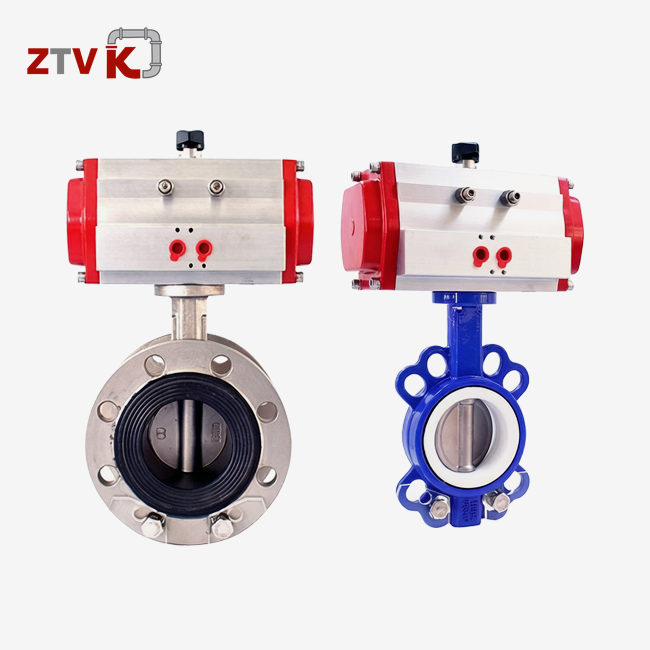
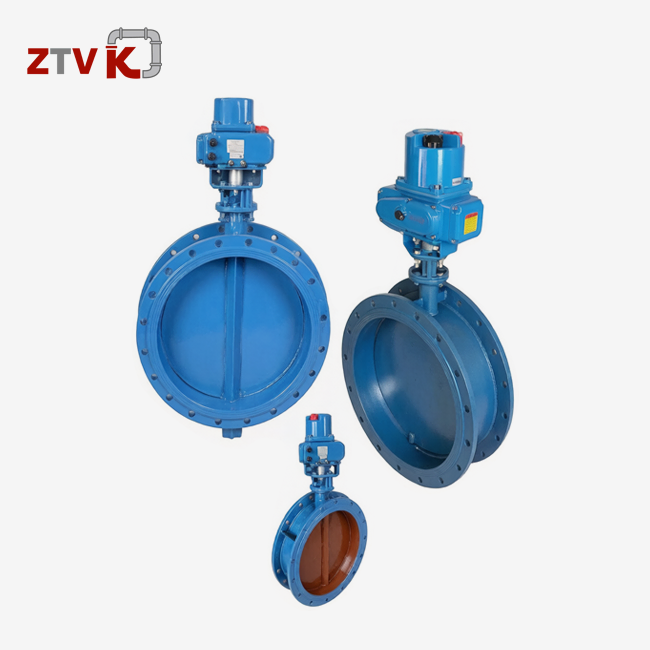
It can handle a lot of mass flow in industrial pipe systems. The DN300 12" butterfly valve is a quarter-turn flow control device. There are four main parts to the valve: a round disc, a stem that goes through the middle, a thin or thick metal seat, and a body that holds all of these parts together. Even when the gadget is being used, the disc can turn 90 degrees around the stem axis to go from fully open to fully closed.
Core Components and Their Functions
The main part that stops the flow is the disc, and the force it needs to work is directly linked to how big and thin it is. The stem takes spinning force from the user (a motor or an automatic actuator) and sends it to the disc. EPDM, NBR, PTFE, or VITON makes a seal on the seat when the valve shuts. Depending on the weather, body materials like ductile iron (DI/QT450) or stainless steel (CF8/CF8M) can provide a strong frame and keep rust at bay.
Lug-Type Versus Wafer-Type Configuration
Lug-type butterfly valves have threaded pieces on the outside of the body that let you attach a bolt to each side of the valve separately. You can get rid of the lines that go downstream with this design because it allows dead-end service. This means that the flow can stay uphill. On the other hand, through-bolts and plates hold wafer-type valves in place. The lug design gives you more installation choices and safety margins for a 12" butterfly valve that needs to be fixed or changed often.
The choice affects how the weight is spread, how simple it is to set up, and how you can keep it in good shape. Most of the time, lug-type valves weigh more because they need more metal for their threaded parts. There is a separate flange seal, though, so they don't need full-length nuts. This is very important for projects with a big diameter, because of technical problems like how to handle transportation and the weight of structures on pipe supports.
How Size Affects the Performance of a 12" Butterfly Valve
The diameter of a valve tells you how much flow, pressure, and operational torque it can handle. A 12" butterfly valve works in a dimension category where fluid dynamics get complicated, so it's important to be careful when picking the right size to keep your system running smoothly.
Flow Coefficient and Pressure Drop Correlation
The flow coefficient (Cv) for a DN300 butterfly valve is usually between 3,800 and 5,200, but it can be higher or lower depending on the disc thickness and body design. This number tells you how much fluid the valve can let through at a certain pressure drop. A properly sized valve keeps the pressure drop below 5 PSI at maximum design flow, which saves money on pumping energy. Undersizing a valve makes the system work faster, which increases friction losses, speeds up wear on sealing surfaces, and makes noise and vibrations that can damage nearby equipment.
Conversely, when you oversize a valve, it creates low-velocity areas where sediment can build up in water systems or dead zones in chemical processes. The relationship between valve diameter and system performance is not linear; going from an 11-inch to a 12 butterfly valve does not just increase flow capacity by the same amount. Instead, the larger cross-sectional area lowers turbulence, changes the flow profile, and changes the torque needed to move the disc against flowing media.
Torque Requirements and Operator Selection
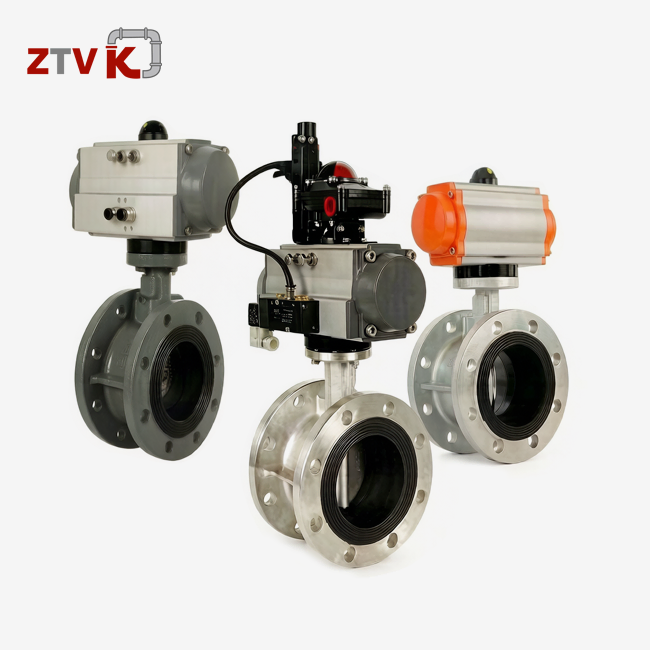
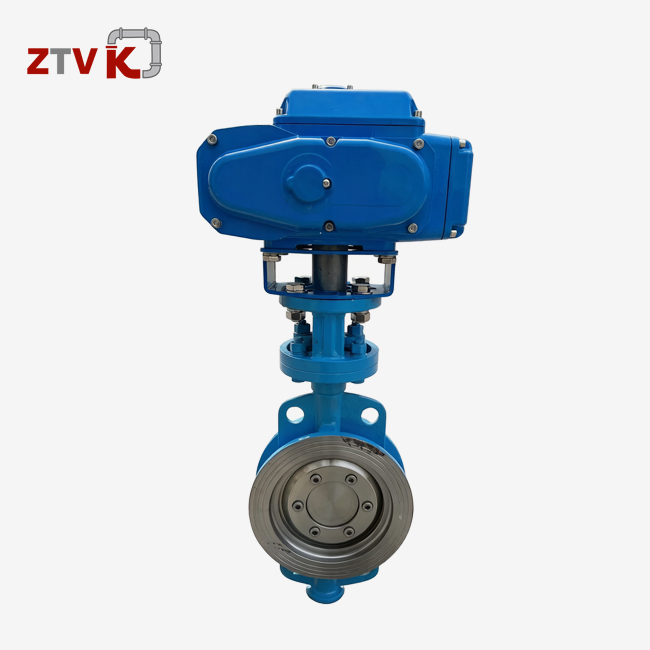
You can't open and close a 12" butterfly valve by hand when it's under pressure because it takes more than 500 ft-lbs of torque. To do this, you need a worm gear operator or an automated actuator. This requirement directly affects procurement, as buyers must budget for both the valve body and a gearbox that is the right size and gives enough mechanical advantage.
In applications with frequent cycling or automated control requirements, pneumatic or electric actuators become necessary. For example, a 12" butterfly valve with a PN16 pressure rating in a water treatment plant might need a pneumatic actuator with 400 ft-lbs of output torque to make sure it seats properly in all flow conditions. If the actuator's torque capacity isn't matched to the valve's torque demands, the valve won't close all the way, and the seal will wear out early, which lowers the system's efficiency.
Influence of Valve Shape and Design on Operational Efficiency
What makes a 12" butterfly valve work in real life isn't just its size; it's also the physical shape of the disc and body. Design choices made during manufacturing can change everything from the amount of flow turbulence to the life of the seal.
Disc Profile and Flow Characteristics
Any disc shape—flat, curved, or streamlined—affects how much flow is stopped when the valve is fully open. A flat disc bluntly blocks the flow path, causing turbulence and a 15-20% rise in pressure drop compared to a curved disc. New high-performance designs include subtle curvature that lets fluid flow around the disc with little energy loss.
This design factor becomes very important when pumping costs are a big part of the business. For example, a municipal water district that uses a dozen 12" butterfly valves in series can save a lot of money on energy costs by going with hollow disc designs. Each valve could save thousands of dollars a year.
Sealing Mechanism and Leakage Prevention
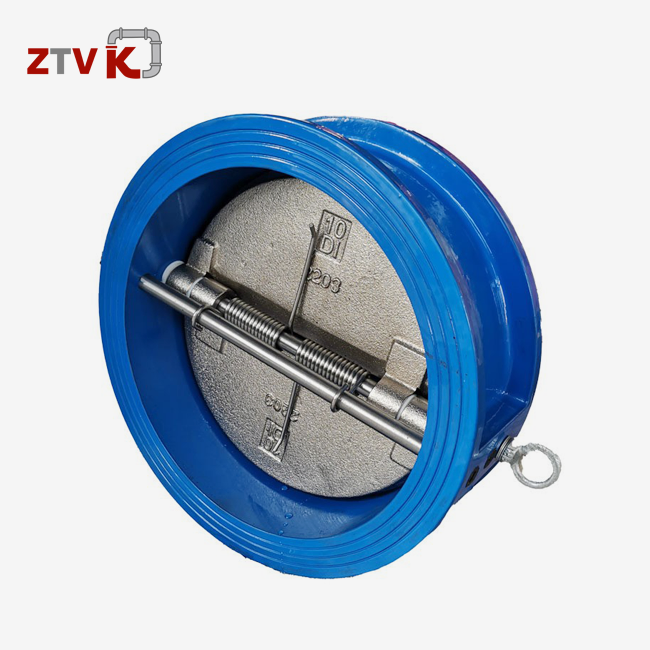
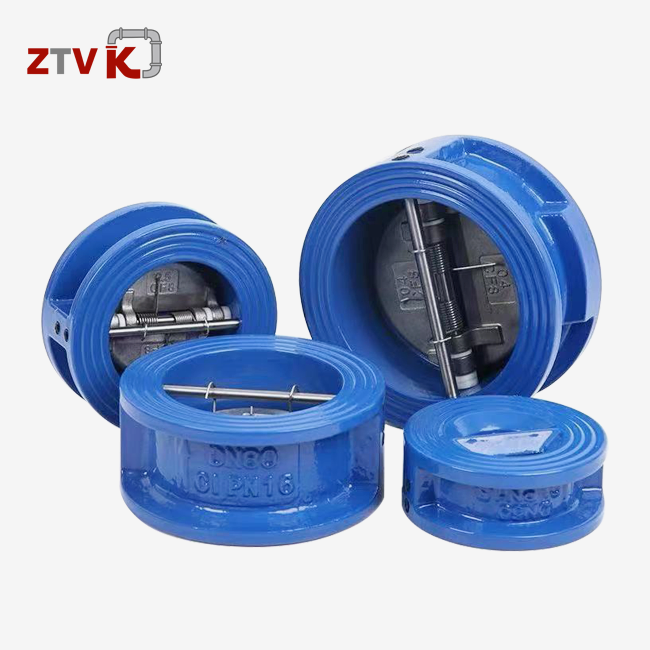
Disc edge and seat material interaction affects valve bubble-tightness. Lug-type butterfly valves with EPDM or NBR robust seats seal two-way for most water and HVAC applications. Elastomeric materials compress when the disc shuts, creating a good seal even if the disc edge is slightly misaligned or has surface defects.
Metal-seated designs made of stainless steel or aluminium bronze are more temperature- and abrasion-resistant but require tighter manufacturing tolerances for leak-free closing. In petrochemical plants with abrasive slurries or high-temperature hydrocarbons, metal chairs outlast their higher cost.
Actuator Interface and Automation Compatibility
Which actuators can be used and how much automation is possible depend on the stem design and ISO 5211 mounting pad configuration. For example, a 12" butterfly valve with a standard ISO 5211 flange makes it easy to connect pneumatic or electric actuators from different manufacturers. This cuts down on lead times and gives you options for future upgrades.
Gearbox-operated valves benefit from stem designs that minimize torsional stress during high-torque operations. Square or double-D stem profiles spread rotational forces more evenly than round stems with keyways, which lowers the risk of stem shearing under peak torque loads. This is especially important when the stem is put through repeated stress cycles because of changes in temperature or water pressure.
Comparison of 12" Butterfly Valve Types for Specific Industrial Needs
Valve performance needs to be different in different work environments. This is why certain shapes and materials are picked. Buying teams can better match the specs of a 12" butterfly valve to the needs of operations when they know about these differences.
Lug-Type Configuration for Maintenance Flexibility
Fire protection and public water networks often use lug-type butterfly valves because they allow parts to be shut off without dropping the pressure in the whole system. The upstream pressure will be kept in check by the valve's ability to close. This means that the maintenance team can unbolt the downstream flange and remove the pipes for inspection or repair. This benefit to operations cuts down on downtime and makes repair work safer for everyone.
Material Selection for Corrosion and Durability
Durable iron (DI/QT450) bodies don't cost a lot of money and are strong for their size. They are used to get drinkable water, for HVAC work, and for other industrial tasks. It can handle being hit better than gray cast iron because the material is flexible. This makes it less likely that water hammer or temperature shock will cause a catastrophic failure.
Stainless steel plates (CF8 or CF8M) are a must when dealing with salt water, dirty water, or harsh chemicals. It is worth the extra money to get a frame made of stainless steel because it lasts longer and needs less maintenance. An iron disc can only last 5–7 years in a desalination plant that works with high-salinity brine, but a 12" butterfly valve with a CF8M disc can last 15–20 years.
Aluminum bronze discs are a good middle ground between iron and soft steel discs because they last longer and don't rust as easily. This stuff works best for slurry jobs that need to be rough, like in the mining or paper industries, where rust and pollution are issues.
Performance Comparison with Gate Valves
There is no doubt that butterfly valves are better than regular gate valves when weight and space are issues. Most 12-inch gate valves weigh between 300 and 400 pounds and need 18 to 24 inches of room between them. It takes 8 to 10 inches of room and weighs 120 to 180 pounds for a 12" butterfly valve of the same size. Because of the shorter installation length, the pipe supports don't have to carry as much weight, and gate valves can be put in tight pipe configurations where they wouldn't work otherwise.
Another difference is that butterfly valves work faster than gate valves because they only need a quarter turn instead of several spins. This makes it easy to stop the flow if something goes wrong. Even when the gate valve is fully open, the disc blocks the movement. This makes the flow rough and lowers the pressure in a way that wouldn't happen if the gate valve were fully closed. Butterfly valves are better for on-off service and coarse control because of this trade-off, but gate valves are still better when flow paths need to be clear.
Maintenance, Common Issues, and Procurement Tips for 12" Butterfly Valves
There are costs that come up over the lifetime of an industrial 12" butterfly valve that go beyond the price at which it was bought. These costs are considered when smart purchasing decisions are made to lower the total cost of ownership.
Installation Best Practices
First, make sure there is enough room for the disc to turn. For a 12" butterfly valve, this space is equal to the valve diameter plus the disc thickness in all directions perpendicular to the stem axis. If you don't check this space, the disc could get in the way of nearby pipes or insulation while the valve is running.
Putting the valve in with a horizontal stem keeps particles from getting stuck in the lower stem bearing, which can cause binding and early wear. The torque on the flange bolts should be set to the level recommended by the manufacturer, which, for 12-inch Class 150 flanges, is usually 100 to 150 ft-lbs. This keeps the gasket compressed evenly without warping the valve body.
Common Performance Issues and Solutions
Most of the time, people complain about performance issues that involve leakage past the seat. This can be because the actuator torque settings are wrong, there is debris between the disc and seat, or chemically incompatible seat material breaks down. You can find early signs of seat wear by looking at the seat during scheduled shutdowns, before they become an operational issue.
There may be cavitation or the flow speed is too high if a 12" butterfly valve makes noise when it is throttling. This means that the system may not be operating within the valve's recommended Cv range. To fix the problem, either move the valve to a section with a larger diameter or choose a valve with a higher flow coefficient.
Actuator misalignment causes the torque to not be spread evenly across the stem. This speeds up bearing wear and could eventually break the stem. This problem usually happens in systems that don't have enough pipe support, because changes in temperature can cause the flanges to move out of alignment. This risk can be lowered by installing the right pipe supports and flexible connections.
Supplier Evaluation Criteria
For industrial projects that need 12" butterfly valves, procurement teams should look at a number of important factors. For example, manufacturers must be able to show that they can follow written quality control procedures, keep records of pressure tests, and have material certifications that can be traced back to well-known standards like ASTM or EN rules.
Lead time reliability is crucial in project-based procurement. Stocked PN10/PN16 pressure ratings, ductile iron bodies, and EPDM seats may be delivered in days instead of weeks. When projects require non-standard materials, coatings, or trim arrangements, customisation is crucial.
If a product has a warranty, the vendor guarantees its quality. Most warranties endure 18–24 months, indicating superior craftsmanship and materials. Technical support for installation, repairs, and replacement parts boosts the product's value after purchase.
Various discounts, consignment inventory programs, and flexible payment terms help contractors and distributors with various projects manage cash flow and make money. Being near major shipping ports reduces freight costs and transit times, especially when buying from foreign manufacturers.
Conclusion
That being said, the sizes and shapes of a 12" butterfly valve determine whether it can be used for certain industrial tasks. Your flow rate, pressure drop, and power needs will all change based on its size. How well sealing works, how well it runs, and how much maintenance it needs are all affected by shape. When procurement professionals think about these technical problems, they have to weigh them against price, supply time, and the need for long-term dependability. Getting the best performance in a lot of different places, from local water systems to petroleum processing plants, means choosing the right mix of body material, disc design, seat material, and user type. When you buy something, it's less risky and more useful over its lifetime if you have good relationships with providers and pay close attention to quality ratings.
FAQ
Q1: What factors determine the correct size for a butterfly valve in a specific application?
The standard for valve size is the smallest flow rate needed and the highest pressure drop that can happen. To find the right CV number, engineers look at the largest flow rate that the system can handle and then pick a valve width that fits that size while keeping the pressure drop below the limits of the system. The pressure and temperature factors at the job site further narrow down the options by figuring out the required material and pressure class rates.
Q2: How does lug-type construction differ from wafer-type in practical terms?
One flange bolts to the valve body at a time, which means that you can remove lines further downstream while the valve is still under pressure. Wafer-type valves need through-bolts to join both ends, so the system has to be depressurized before any parts further down can be taken out. This difference changes how the system is fixed and how long it has to be down.
Q3: Can a 12-inch butterfly valve effectively handle both water and gas applications?
The type of material used and the form of the seat determine how well a valve works with different types of media, not the size of the valve itself. Most of the time, EPDM or NBR chairs that are flexible are used in water applications. Different types of metal seats or PTFE seats may be needed for gas service, depending on the temperature and pressure. The valve body can fit different seat materials, but buyers have to choose the right mix when they place their order.
Partner with ZTVK for Reliable 12" Butterfly Valve Supply
At ZTVK, we manufacture DN300 butterfly valves that meet demanding industrial requirements through precision engineering and rigorous quality control. Our lug-type designs comply with ISO5211 standards across PN10/PN16 pressure ratings, featuring ductile iron bodies (DI/QT450) and multiple disc material options, including CF8, CF8M, and aluminum bronze. Located just 50 kilometers from Tianjin Port, we maintain over 2,000 standard valve units in ready stock, enabling 3-7 day delivery for urgent project requirements. Our 18-month warranty coverage and ISO9001-certified manufacturing processes provide assurance for distributors, contractors, and OEM clients seeking consistent quality and reliable supply chains. Whether you need OEM branding support, custom seat materials, or technical consultation on valve selection, our engineering team stands ready to assist. Contact us at ktec86961886@163.com to discuss your 12" butterfly valve requirements with an experienced supplier committed to competitive pricing and dependable service.
References
1. American Petroleum Institute, "API 609: Butterfly Valves: Double-Flanged, Lug- and Wafer-Type," 9th Edition, American Petroleum Institute, 2018.
2. Manufacturers Standardization Society, "MSS SP-67: Butterfly Valves," Manufacturers Standardization Society of the Valve and Fittings Industry, 2017.
3. Hutchison, J.W., "ISA Handbook of Control Valves," 2nd Edition, Instrument Society of America, 2016, pp. 287-312.
4. Zappe, R.W., "Valve Selection Handbook: Engineering Fundamentals for Selecting the Right Valve Design for Every Industrial Flow Application," 5th Edition, Gulf Professional Publishing, 2014.
5. Smith, P. and Zappe, R.W., "Valve Selection and Specification Guide for the Process Industries," Van Nostrand Reinhold, 2015, pp. 156-189.
6. Nesbitt, B., "Handbook of Valves and Actuators: Valves Manual International," Elsevier Science, 2017, Chapter 4: Butterfly Valves.
Send us your valve requirements and our team will provide professional solutions and fast quotations.