- English
- French
- German
- Portuguese
- Spanish
- Russian
- Japanese
- Korean
- Arabic
- Greek
- German
- Turkish
- Italian
- Danish
- Romanian
- Indonesian
- Czech
- Afrikaans
- Swedish
- Polish
- Basque
- Catalan
- Esperanto
- Hindi
- Lao
- Albanian
- Amharic
- Armenian
- Azerbaijani
- Belarusian
- Bengali
- Bosnian
- Bulgarian
- Cebuano
- Chichewa
- Corsican
- Croatian
- Dutch
- Estonian
- Filipino
- Finnish
- Frisian
- Galician
- Georgian
- Gujarati
- Haitian
- Hausa
- Hawaiian
- Hebrew
- Hmong
- Hungarian
- Icelandic
- Igbo
- Javanese
- Kannada
- Kazakh
- Khmer
- Kurdish
- Kyrgyz
- Latin
- Latvian
- Lithuanian
- Luxembou..
- Macedonian
- Malagasy
- Malay
- Malayalam
- Maltese
- Maori
- Marathi
- Mongolian
- Burmese
- Nepali
- Norwegian
- Pashto
- Persian
- Punjabi
- Serbian
- Sesotho
- Sinhala
- Slovak
- Slovenian
- Somali
- Samoan
- Scots Gaelic
- Shona
- Sindhi
- Sundanese
- Swahili
- Tajik
- Tamil
- Telugu
- Thai
- Ukrainian
- Urdu
- Uzbek
- Vietnamese
- Welsh
- Xhosa
- Yiddish
- Yoruba
- Zulu
Carbon Steel Butterfly Valve: Features and Benefits
When looking for industry flow control options, the carbon steel butterfly valve is a good example of how to combine mechanical strength, operational dependability, and cost-effective engineering. These quarter-turn rotating valves control the flow of water, oil, steam, chemicals, and compressed air through pipes. They are made from cast steel types like ASTM A216 WCB and have a tensile strength of more than 485 MPa while still being very flexible. Unlike cast iron alternatives that easily break when hit with hydraulic shock, carbon steel butterfly valves are strong enough to handle demanding situations in places like petrochemical refineries and municipal water systems. They meet the important industry need for long-lasting, low-cost flow regulation.
What Is a Carbon Steel Butterfly Valve and How Does It Work?
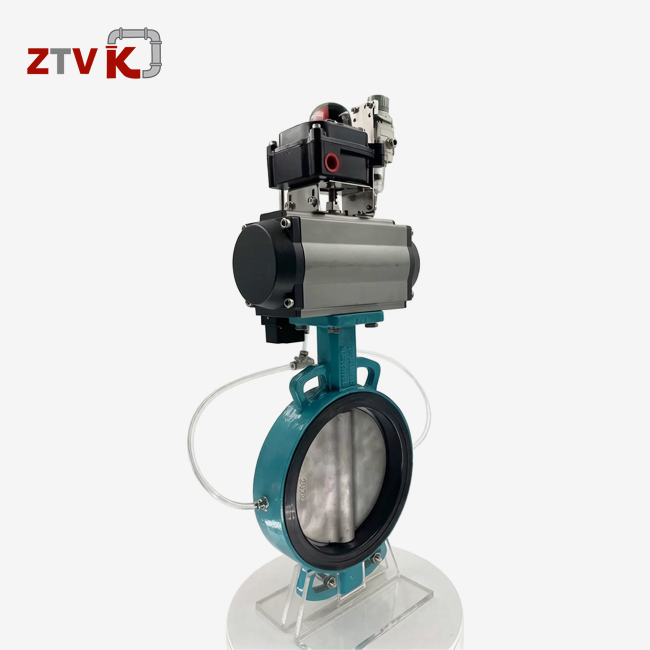
A carbon steel butterfly valve controls the flow of fluids through pipes by using a disc that spins on a central stem inside a steel body. The choice of material, which is usually WCB (Weldable Cast B-grade) carbon steel, hits the best balance between strength and cost, making it ideal for uses in non-corrosive media where high resistance to corrosion isn't needed.
Core Components and Construction
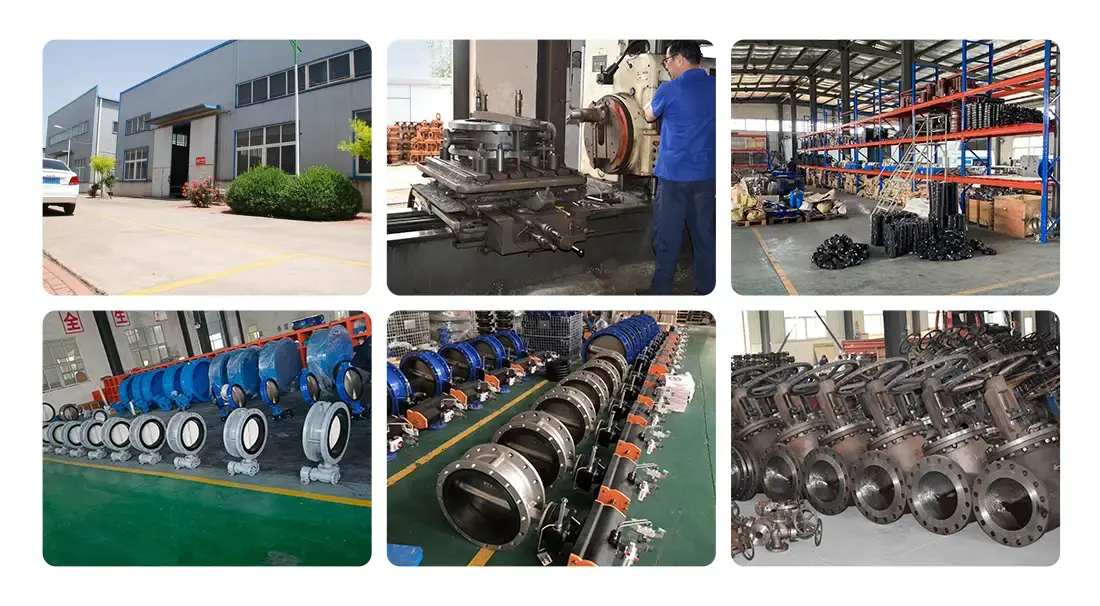
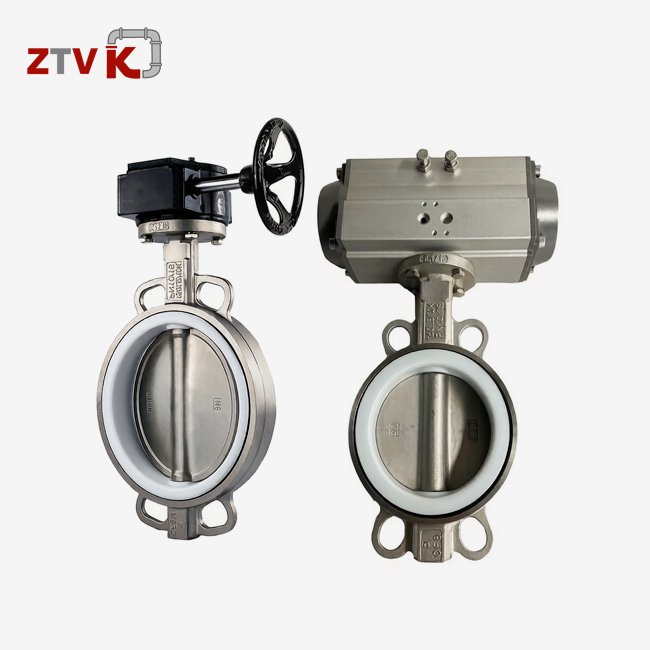
The valve's disc, or blade, spins opposite the flow. A disc stem protrudes from the valve body. It can be operated manually with a lever or automatically with pneumatic or electric motors. The seat inside the valve body seals when the disc shuts. CNC machine centers and large-diameter valve processing lathes create these parts accurately at our Tianjin Beichen District plant. All of our DN50–DN1200 diameters are precise and smooth because of this.
Flow Regulation Mechanism
Turn the valve 90 degrees and quarter-turn it to open or close. The disc opens parallel to the flow direction, minimising pressure loss. Turning the stem 90 degrees aligns the disc perpendicular to the flow, stopping it from entering the pipeline. This basic method is easier to use than multi-turn valves and allows rapid cutoff, which is useful in certain situations.
Design Variations
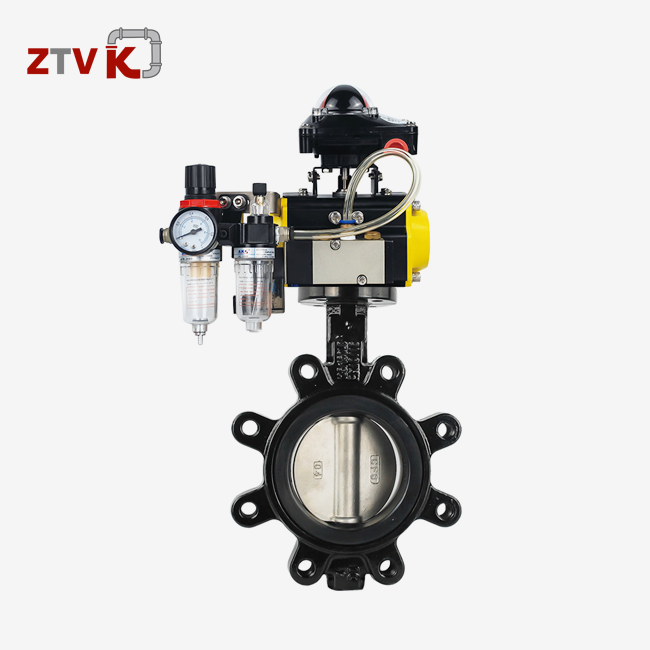
We make wafer-style valves that use longer bolts to fit between pipeline flanges and lug-style valves with threaded pieces that let the flange be removed separately. Performance is greatly affected by the material of the seat. PTFE (polytetrafluoroethylene) seats work well with chemicals and have low friction at temperatures up to 232°C. Metal seats, on the other hand, can handle higher temperatures and rough media but might not be able to achieve zero-leakage shutdown.
Advantages and Applications of Carbon Steel Butterfly Valves
Building with carbon steel butterfly valve components gives you unique performance benefits that help you solve certain manufacturing problems. Because the material is very strong when pulled apart and doesn't break easily when hit, these valves work well in high-pressure systems and places where the temperature changes or there is mechanical stress.
Core Industrial Benefits
Carbon steel butterfly valves are very durable and can handle tough situations. The material's ability to harden means that the valve body will stay structurally sound even if the pressure or temperature changes. Our double eccentric oblique seal design cuts the force needed to open and close by 30% compared to circular designs. This makes the seal last longer and can be used over 50,000 times. The quarter-turn system has fewer moving parts than gate or globe valves, so it needs less maintenance. This is because there are fewer places where parts can wear out, and it's easier to figure out what's wrong.
Pay close attention to the cost-performance relationship. Valves made of stainless steel work best in places where rust is a problem, but carbon steel butterfly valves work well in neutral media and cost a lot less. When buying in bulk, this price benefit becomes very important, which is something that selling and wholesale companies know when they're stocking up for local markets.
Primary Application Sectors
Municipal water and wastewater systems benefit from the stable flow control of carbon steel butterfly valves. Our valves for these uses are made to meet foreign standards like ISO, API, and ANSI, which makes sure they work with existing systems. The temperature range of -15°C to 135°C is good for most city business situations.
HVAC systems in businesses and factories use these valves to connect cold water and heating lines. Because they are smaller and lighter than gate valves, they are easier to place in overhead pipes, and the fact that they can handle flow in both directions gives installers more options.
Chemical processing plants use carbon steel butterfly valves to move fluids that don't corrode. Our epoxy resin coating choice, which was made to work well in the humid conditions common in Southeast Asian sites, protects against corrosion even more without the cost of using expensive metals.
Oil and gas midstream operations require valves that can handle ground changes and stresses from outside the pipeline. Because carbon steel is flexible, it doesn't break easily, and our thickened valve stem protective covers are made to work in high-dust settings that are common in Middle Eastern setups.
Pressure and Temperature Standards
Nominal pressures in our product line range from PN10/16 to Class 150-300 LB, which is about 150-750 PSI, and covers most industry uses. The normal temperature range is from -15°C to 135°C, which is good for working with acids, salt solutions, chemicals, compressed air, water, steam, and petroleum products. Because of these factors, carbon steel butterfly valves are useful in many different types of businesses.
Carbon Steel Butterfly Valve vs Other Valve Types — Making Informed Buying Decisions
Knowing how different types of valves work and how much they cost can help buying teams match parts to the needs of an application. Different types of valves have different benefits that rely on the application and the available budget.
Material Comparisons: Carbon Steel, Cast Iron, and Stainless Steel
Cast iron valves are the cheapest to buy, but they are very flimsy, which means they can't be used in systems with a lot of pressure or shocks. For uses that need high mechanical reliability, the modest price premium for a carbon steel butterfly valve is worth it because it has better tensile strength and impact resistance. 304 or 316 stainless steel works great in acidic conditions, but it costs a lot more—usually 200 to 300 percent more than carbon steel. Distributors who serve a wide range of markets usually keep carbon steel options in stock and only keep stainless steel options for specific toxic uses.
Butterfly Valves vs Ball Valves
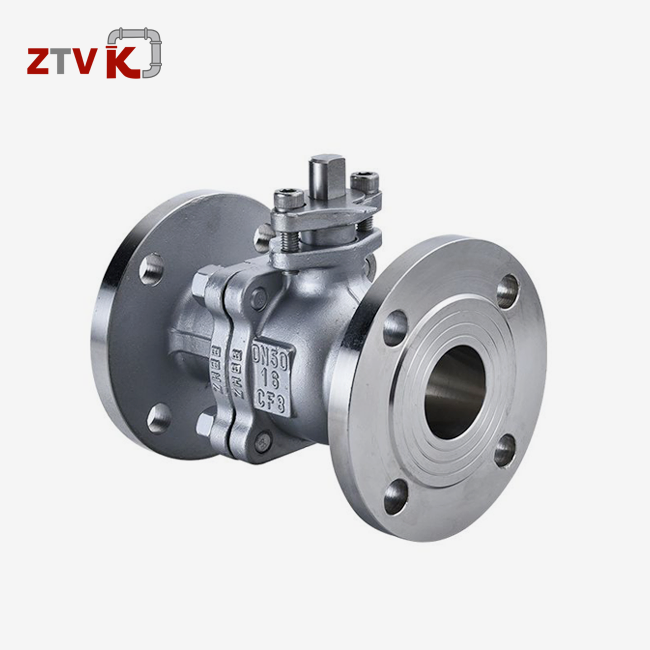
Ball valves close tightly and leak little, which makes them perfect for on-off uses that need to precisely stop flow. But because they are more expensive and can't slow as well, they can't be used to control flow. Butterfly valves are great for changing the flow rate and can work faster because they can be turned a quarter of the way. Butterfly valves are usually 40–60% less expensive than ball valves of the same size. This makes them a good choice for big projects with many separation and throttling points.
Wafer vs Lug Designs
For fitting, wafer valves need both upstream and downstream flanges. Longer through-bolts are used to squeeze the valve between pipeline sections. This design keeps the weight and cost as low as possible, but the separate flange can't be taken off for repair. Lug-style valves have threaded sections that let bolts attach to each flange separately. This lets the downstream link stay in place while the upstream flange is being serviced or removed. The lug version costs about 15 to 20 percent more, but repair teams like it because it gives them more installation options.
PTFE vs Metal Seats
PTFE seats work quietly and with little friction to provide great closing performance with little leaking. Within the temperature range of the material (usually up to 232°C), they can be used for clean fluid uses. Metal seats can handle higher temperatures and rough particles, but they might not be able to shut off completely without any bubbles. Our research team helps customers choose the right seat material by looking at the properties of the media, the temperature patterns, and the sealing needs.
Key Specifications and Maintenance Tips for Carbon Steel Butterfly Valves
Getting the right valves doesn't just mean picking the right size and pressure grade. Knowing the technical details and following the right repair procedures will make your tools last longer and give you a better return on your investment.
Critical Specification Parameters
Our carbon steel butterfly valve product range has sizes from DN50 to DN1200, so it can fit everything from small branch links to major transmission lines. Pressure levels have to be the same as or higher than the highest system pressures, which can include possible surges. Our PN10/16 and 150-300 LB ratings are good for most municipal and industrial uses. However, high-pressure petrochemical systems may need Class 600 standards, which we can make for you if you need them.
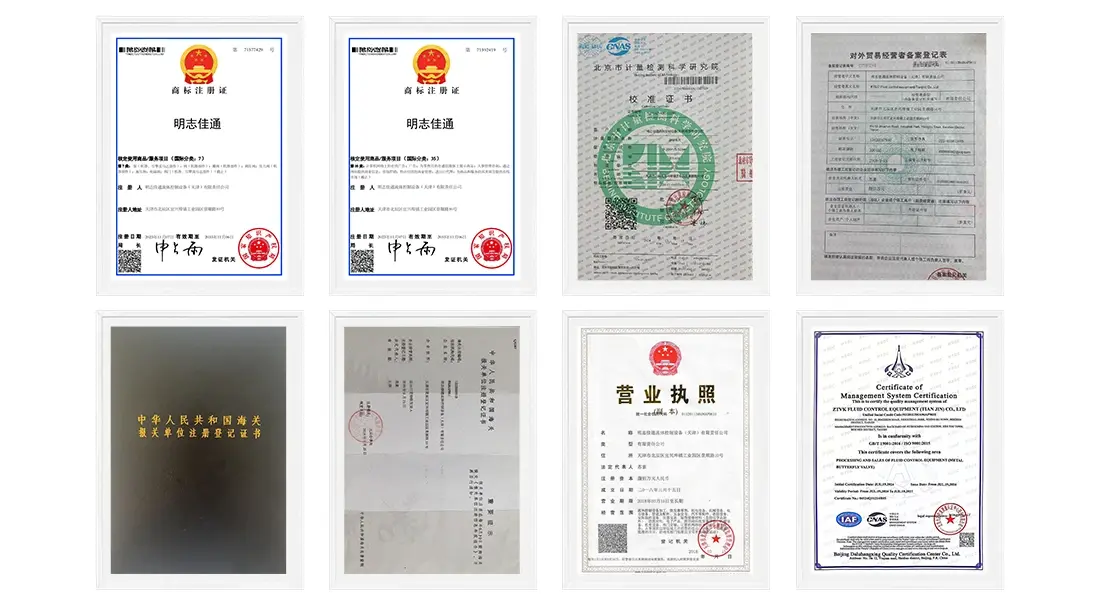
Certifications show that you meet the standards of your business. Our ISO9001, ISO14001, and OHSAS18001 system certifications show that our quality management meets standards around the world. The designs of the products meet API 609 and ASME B16.34 standards, and the face-to-face measurements are the same as those in ASME B16.10, so they can be easily installed in place of the current ones. Fire-safe designs meet API 607 standards, which is an important thing to think about for oil and gas uses.
Routine Maintenance Practices
Butterfly valves made of carbon steel need only minor but regular upkeep to last the 50,000 cycles that they are meant to last. Visual checks should be done every three months to look for external rust, stem seal leaks, and the stability of the actuator mounting. As part of the annual maintenance, the packing must be adjusted or replaced if the stem leaks, and the stem threads and actuator mechanisms must be oiled according to the manufacturer's instructions.
Seat quality has a direct effect on how well the cutoff works. By checking valves for leaks when the system is supposed to be shut down, worn-out seats can be found before they cause major problems. Our 18-month guarantee covers problems with the way the product was made, and we offer installation tutorial videos and repair guides to help maintenance teams. By scanning the QR codes on the nameplates of valves, you can get to digital product files that contain test results and records of upkeep.
Troubleshooting Common Issues
Too much working force is often a sign that the disc and seat are not lined up properly. The binding can be fixed by slightly loosening the mounting nuts and then tightening them in a star design. If a stem leaks repeatedly, the packing needs to be adjusted or replaced. When troubleshooting goes beyond what standard maintenance can do, our expert service partners come to the site to help. Leaving the valve slightly open for long amounts of time, which causes flow-induced vibration, can cause the seat to wear out too quickly. This type of wear can be avoided by using switches for on-off service or making sure that motors offer smooth modulation.
How to Procure Quality Carbon Steel Butterfly Valves for Your Business?
Technical needs, supplier dependability, quality certification, and logistics all need to be taken into account in good buying strategies. When looking for a quality carbon steel butterfly valve for projects or area markets, distributors, selling companies, and contractors all face different problems.
Supplier Evaluation Criteria
The image of a manufacturer comes from delivering high-quality products on time and providing helpful technical support. Our more than 15 years of experience working in the Tianjin Binhai New Area and the Beichen Industrial Zone gives us production authority in the region, and our many certifications show that we are committed to quality standards. Third-party audits of factories make sure they can make things. We support these kinds of checks, and we don't accept the fake licenses that hurt industry trust.
OEM and ODM skills are important for serving a wide range of businesses. We offer full OEM services, which include customer branding, logos, nameplates, and packages, all of which are important for dealers building their brand identity. ODM services change the designs of valve bodies, the materials used for sealing, and the ways they are connected based on the unique conditions of use. This solves compatibility problems that standard goods can't.
Pricing and Delivery Logistics
Buying in bulk lets you take advantage of economies of scale. Our normal types (DN50–DN600) are kept in stock at 2000+ units, so they can be delivered 3–7 days after an order is confirmed. Customization that isn't standard takes 15–25 days to make, based on how complicated it is. For urgent projects, fast orders can be made for 7–10 days delivery at an extra 20% cost. Dedicated production lines for clients in other countries make sure that they get priority scheduling, which keeps delays from throwing off project schedules.
Our plant is only 50 kilometers from Tianjin Port, which makes foreign shipping easier. We offer FOB Tianjin Xingang and CIF destination port quotes because we have long-term agreements with COSCO Shipping and Maersk. We use these partnerships to get cheap freight rates. Professional packaging using wooden boxes, moisture-proof film, and set brackets meets ISPM 15 international standards for wooden packaging, which keeps goods from being held at target ports.
Building Reliable Supply Chains
Long-term deals to work together keep prices stable and make sure that supplies don't run out. Trading companies that serve regional markets can benefit from making framework deals that lock in prices for set amounts of time while still letting them choose when to place orders. By scanning codes on our digital service platform, customers can see product files, test results, and maintenance records. This makes things clearer and makes it easier for customers to get good paperwork.
Conclusion
Within a wide range of industry settings, the carbon steel butterfly valve offers an appealing mix of mechanical power, ease of use, and low cost. Knowing how they are built, how they work, and how often they need to be maintained helps you make smart purchasing choices that support the system's effective operation. Choosing between carbon steel, cast iron, and stainless steel relies on how much corrosion protection you need and how much money you have to spend. Design choices, such as wafer vs. lug configurations and PTFE vs. metal seats, affect how easy it is to install and how well it seals. When distributors and contractors work with well-known manufacturers that have full certifications, reliable quality control systems, and quick logistics, it helps them with important issues like product consistency, delivery reliability, and technical support in competitive markets.
FAQ
Q1: What temperature range can carbon steel butterfly valves handle?
A carbon steel butterfly valve can usually work in temperatures between -15°C and 135°C, which means they can be used for most water, air, and oil uses. The exact temperature limit varies depending on the type of seat material. For example, PTFE seats can work up to about 232°C, while metal seats can handle higher temperatures. Always ask your supplier for exact temperature rates based on the properties of your media.
Q2: How do I choose between wafer and lug butterfly valve designs?
Wafer versions are cheaper and lighter, and they work well in situations where both pipeline flanges stay in place forever. Threaded inserts in lug designs make it possible to remove the flange separately, which is useful for repair access or dead-end service. When making your choice, think about whether you need to be able to service upstream parts without draining downstream areas.
Q3: What distinguishes carbon steel from stainless steel butterfly valves?
For non-corrosive media, carbon steel has good mechanical strength and isn't too expensive. Stainless steel 304/316, on the other hand, is much more expensive but can stand up to harsh chemicals and conditions. Stainless steel can handle acids, chlorides, and harsh industrial processes, while carbon steel works well with water, air, oil, and neutral chemicals. Choose materials that fit the needs of your media and your budget.
Partner with ZTVK for Reliable Carbon Steel Butterfly Valve Supply
At our Tianjin plant, ZTVK makes industrial-grade carbon steel butterfly valve products using advanced CNC machining and strict quality control under ISO9001, ISO14001, and OHSAS18001 standards. Our stock ranges from DN50 to DN1200 in size, with pressure values of PN10/16 and 150 to 300 LB. Standard configurations can be delivered right away, and special configurations can be made in 15 to 25 days. Our expert team offers free CAD drawings, 3D models, and advice on what to choose, whether you need OEM branding for local sales or ODM engineering for specific uses. Being close to Tianjin Port makes foreign shipping easy, and our 18-month warranty and relationships with local technical service providers ensure ongoing support. Get in touch with our purchasing experts at ktec86961886@163.com to talk about bulk prices for carbon steel butterfly valve orders, ask for technical information, or set up plant inspections.
References
1. American Petroleum Institute. API Standard 609: Butterfly Valves—Double-Flanged, Lug- and Wafer-Type. Washington, DC: API Publishing Services, 2018.
2. ASME International. ASME B16.34: Valves—Flanged, Threaded, and Welding End. New York: American Society of Mechanical Engineers, 2020.
3. Smith, Peter R. Valve Selection Handbook: Engineering Fundamentals for Selecting the Right Valve Design, Materials, Actuators, and Controls. Oxford: Gulf Professional Publishing, 2017.
4. Zappe, R.W. Valve Selection Handbook: The Definitive Guide to Applications, Standards, Maintenance and Safety. Burlington: Elsevier Science, 2012.
5. Nesbitt, Brian. Handbook of Valves and Actuators: Valves Manual International. London: Butterworth-Heinemann, 2011.
6. Sotoodeh, Karan. Industrial Valves: Calculations for Design, Manufacturing, Operation and Safety Assessments. Cambridge: Woodhead Publishing, 2020.
Send us your valve requirements and our team will provide professional solutions and fast quotations.
RELATED INDUSTRY KNOWLEDGE