- English
- French
- German
- Portuguese
- Spanish
- Russian
- Japanese
- Korean
- Arabic
- Greek
- German
- Turkish
- Italian
- Danish
- Romanian
- Indonesian
- Czech
- Afrikaans
- Swedish
- Polish
- Basque
- Catalan
- Esperanto
- Hindi
- Lao
- Albanian
- Amharic
- Armenian
- Azerbaijani
- Belarusian
- Bengali
- Bosnian
- Bulgarian
- Cebuano
- Chichewa
- Corsican
- Croatian
- Dutch
- Estonian
- Filipino
- Finnish
- Frisian
- Galician
- Georgian
- Gujarati
- Haitian
- Hausa
- Hawaiian
- Hebrew
- Hmong
- Hungarian
- Icelandic
- Igbo
- Javanese
- Kannada
- Kazakh
- Khmer
- Kurdish
- Kyrgyz
- Latin
- Latvian
- Lithuanian
- Luxembou..
- Macedonian
- Malagasy
- Malay
- Malayalam
- Maltese
- Maori
- Marathi
- Mongolian
- Burmese
- Nepali
- Norwegian
- Pashto
- Persian
- Punjabi
- Serbian
- Sesotho
- Sinhala
- Slovak
- Slovenian
- Somali
- Samoan
- Scots Gaelic
- Shona
- Sindhi
- Sundanese
- Swahili
- Tajik
- Tamil
- Telugu
- Thai
- Ukrainian
- Urdu
- Uzbek
- Vietnamese
- Welsh
- Xhosa
- Yiddish
- Yoruba
- Zulu
Understanding ISO 5211 Ball Valve Mounting: A Guide for Engineers
The ISO 5211 ball valve is a tried-and-true answer that takes care of compatibility issues when engineers are faced with the task of adding automated control into pipeline systems. This standard valve design has a top fixing part that is made to connect directly to actuators, whether they are pneumatic, electric, or hydraulic, without the need for special brackets or adapters. The ISO 5211 standard makes sure that all makers use the same bolt patterns and drive measurements. This lets engineers switch actuators without any problems and still get accurate positioning and torque transmission. This one-size-fits-all method cuts down on installation time, stops mechanical feedback, and provides reliable flow control in a wide range of industrial settings.
Overview of ISO 5211 Ball Valve Mounting Standard
The ISO 5211 standard sets the rules for how quarter-turn valves and motors should connect to each other. This creates a common language for industrial automation. This framework, which was made by the International Organization for Standardization, lists important factors like flange sizes, bolt hole patterns, and drive shaft shapes.
Standardized Flange Classifications and Their Applications
ISO 5211 sorts mounting flanges into groups called "F"—F03, F04, F05, F07, F10, F12, F14, and F16—each group having a different Pitch Circle Diameter (PCD) measurement. F03 or F04 flanges are usually used on smaller valves, while F07 or F10 shapes are needed for bigger bore sizes to handle higher torque loads. With dual-drilled flanges, a single valve can accept actuators of different sizes without needing to be changed.
The standard also lists drive stem profiles, which are usually square or double-D shapes. These profiles must be made to exact specs so that there is no play between the actuator output and valve stem. This tight engagement stops backlash during cycling, which is very important in modulating control situations where the accuracy of placement affects the result of the process.
Material and Pressure Rating Considerations
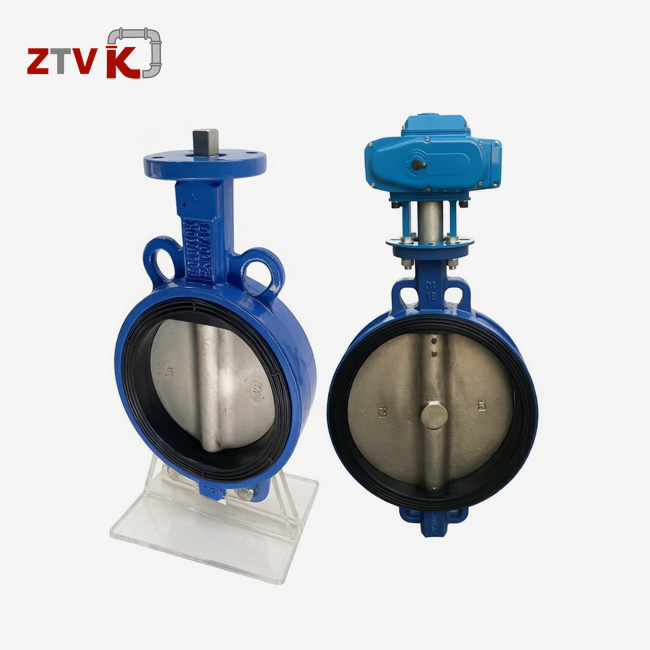
Knowing how to make materials work together ensures they will last in certain working settings. At ZTVK, we make ball valves out of INOX-316 CF8M microfusion steel, which is more resistant to rust than carbon steel options. This type of austenitic stainless steel can handle the harsh chemicals, saltwater, and high-purity medicinal systems that are used in chemical processes.
Our valves have seats and covers made of PTFE + 15% fiberglass-reinforced material. This makes the seal strong from -25°C to 180°C. The PN-63's nominal pressure grade allows for high-pressure uses up to about 63 bar, making it perfect for difficult power generation and petrochemical systems.
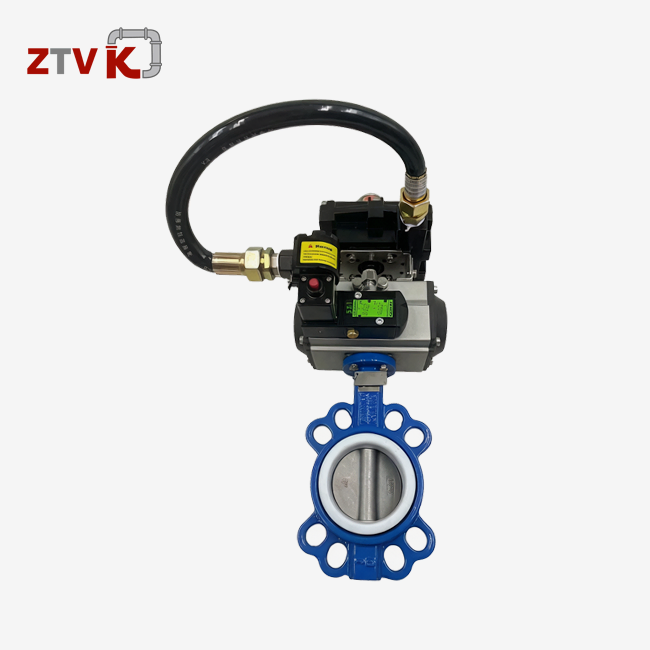
The built-in ISO 5211 mounting plate makes it easier to connect the actuator, which turns manual valves into automatic control points in hours instead of days.
How Does ISO 5211 Ball Valve Mounting Work in Industrial Applications?
The straight torque transmission line of the ISO 5211 mounting, as outlined in the Instruction Manual of Ball Valve, makes it very easy to use. As soon as an actuator gets a control signal, its output shaft turns the valve stem through the standard drive link. This makes the spherical ball element inside the valve body move. This quarter-turn motion moves the valve from fully open to fully closed in a full circle of 90 degrees. This allows for quick stoppage, which is important for emergency shutdown systems.
Step-by-Step Installation and Compatibility Verification
Making sure that the valve and actuator's lip sizes are compatible is the first step in a proper fitting. Both parts should have the same ISO 5211 rating based on their PCD and bolt hole width. If this step isn't done right, the bolts won't connect all the way, or the flanges will become warped, which weakens the seal.
Place the actuator on top of the valve mounting pad so that the drive shaft lines up with the square or double-D shape of the valve stem. As you put the stem into the actuator connection, make sure it fits all the way in and doesn't get stuck. Thread mounting bolts through the holes in the flange and tighten them in a star design to keep the tightening force even and stop the flange from bending.
Different flange sizes have different torque requirements. Check the manufacturer's instructions to make sure you don't damage the pad by over-tightening it or let it move while it's working. Before starting up, move the actuator by hand all the way through its full range of motion while keeping an eye on the valve position signs. This test makes sure that the mechanical link can transfer power without slipping and that the valve can reach both end stops without any problems. Any reluctance or uneven action is a sign of misalignment that needs to be fixed right away.
Material Selection for Specific Operating Conditions
In industrial settings, there are special needs that affect the materials that are used. For bodies and stems made of stainless steel, corrosive media with chlorides or acids must be used to avoid pitting and stress corrosion cracking. Metal-seated ball valves work best in high-temperature situations above 150°C. However, PTFE seats with fiberglass support, like those in our ZTVK valves, work well enough for many thermal cycle situations while still being cost-effective.
Pressure class selection strikes a balance between economic concerns and safety gaps. Over-specifying pressure values adds weight and costs that aren't necessary, while under-specifying them increases the chance of a catastrophic failure. To make sure that valves last more than 50,000 cycles, engineers should figure out the highest working pressure that includes surges and then choose valves that are rated at least 1.5 times that number.
Comparing ISO 5211 Ball Valves with Other Valve Types
For actuators to connect to traditional ball valves that don't have normal mounting pads, clamps and couplers have to be made just for them. This method adds mechanical slop through joints and links, which lowers the accuracy and speed of positioning. Each place on the linkage is a possible failure mode where rust, wear, or loosened bolts can make the system less reliable over time.
Advantages of Standardization in Actuator Interchangeability
Following the rules set by ISO 5211 turns valve-actuator units into flexible systems where parts can be easily switched out. A building that uses more than one brand of actuator can keep a single collection of valves, which makes getting extra parts easier and cheaper. When an actuator breaks, repair teams can quickly change it instead of making new mounting gear. This cuts down on unplanned downtime in businesses that use continuous processes.
The standard interface also protects systems for the future because it lets workers switch from manual to pneumatic or electric operation without having to change the pipes. Because of this, phased automation projects can be done when budgets or practical goals mean that small changes are better than big system overhauls.
Performance Metrics and Reliability Comparisons
ISO 5211 valves are different from non-standard versions because they can handle more torque. The built-in fixing pad spreads the actuator's forces over a large surface area. This stops the stem from side-loading, which wears out packing seals and speeds up the wear process.
This structural benefit lets higher cycle rates happen without lowering performance, which is very important in situations like CIP systems where valves have to work dozens of times every day. Leading companies like Schneider Electric, Emerson, and Honeywell make valves that are compliant with ISO 5211, have been through extensive testing and approval, and provide detailed documentation, such as the Instruction Manual of Ball Valve. These companies spend money on quality control systems that check each production batch for correct measurements, material makeup, and pressure stability. Working with well-known providers lowers the technical risk of projects where a broken valve could cause a safety issue, an environmental release, or an expensive stop in production.
Procurement Guide for ISO 5211 Ball Valves in Global B2B Markets
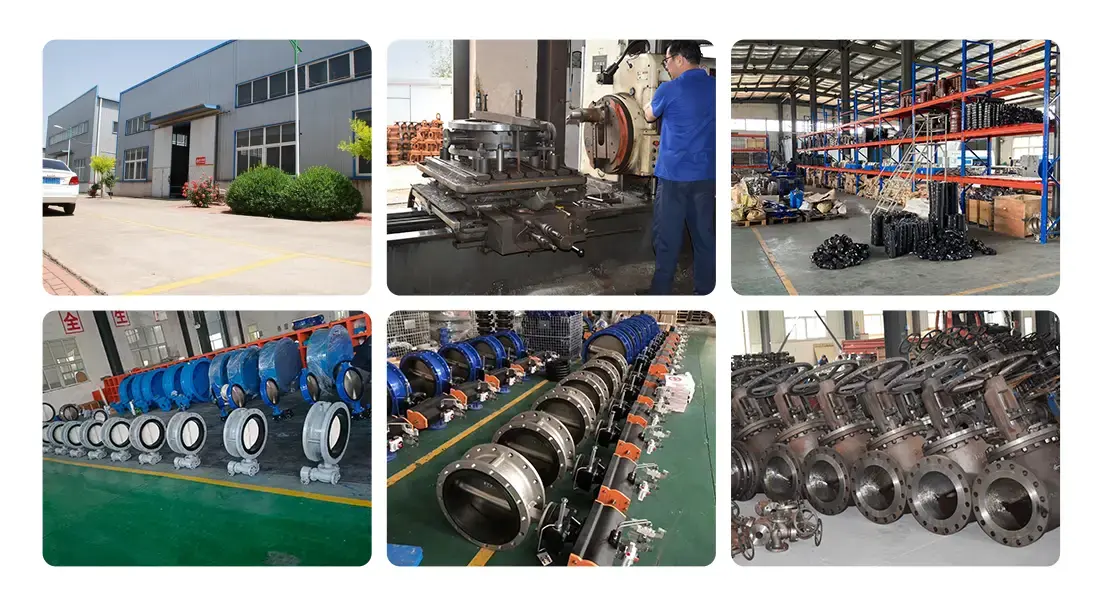
Finding reliable valves is hard because there are so many makers, distributors, and area norms to deal with. Direct relationships with makers like ZTVK give you access to technical support, the ability to customize your order, and better prices that you can't get through multiple levels of distribution. Our Tianjin plant keeps more than 2,000 standard valves in stock in sizes DN50 to DN600. This means that pressing project needs can be met in 3 to 7 days.
Understanding Pricing Structures and Bulk Order Benefits
Valve prices are based on more than just the unit cost. The base price is based on the material chosen. Because of the higher cost of raw materials and the special skills needed to machine them, stainless steel bodies cost more than carbon steel bodies. Pressure grades affect the width of the wall and how hard it is to make, while the size of the flange is related to the torque it can hold and the amount of material it needs.
When you buy in bulk, you can get big savings from economies of scale. Orders of more than 50 units often get tiered deals that cut the cost of each unit by 15–30%. This helps projects stick to their budgets without sacrificing quality.
ZTVK helps wholesalers build their own product lines by providing OEM branding and custom packing, which adds value beyond just providing standard valves. Our facility is only 50 kilometers from Tianjin Port, which makes foreign operations easier. We work with well-known shipping companies like COSCO and Maersk to offer FOB Tianjin Xingang or CIF target port quotes. This makes it easier for buyers from other countries to handle their freight. Our packaging meets the standards for ISPM 15 wooden crates, which keeps customs delays to a minimum and makes sure that valves arrive in perfect shape after being shipped across the ocean.
Ensuring Actuator Compatibility Through Certified Assemblies
When valves and actuators are not paired correctly, they can cause problems like not enough power or mechanical interference. Make sure that the actuator output torque is at least 25% greater than the valve breaking torque to make sure that the system will still work reliably as the seals wear out and media leftovers build up. The travel of the actuator must match the 90-degree rotation needed by the valve. Multi-turn actuators made for gate valves can't properly handle quarter-turn ball valves.
When it comes to electrical devices, you need to think more about the control signals, power source voltage, and fail-safe behavior. When air pressure drops, spring-return pneumatic valves instantly return to a set position, which is a fail-safe feature that is very important in ESD systems that handle flammable or toxic materials.
Troubleshooting Common Issues and Ensuring Proper Use
A lot of valve problems happen too soon because the fitting methods were not done correctly. If you tighten the mounting bolts too much, the ISO 5211 flange pad can crack, especially on lightweight aluminum actuators. On the other hand, if you don't tighten them enough, the actuator can move, which makes the bolt holes longer and the links loosen over time. These mechanical problems can be avoided by using accurate torque tools and tightening in the right order.
Maintenance Practices for Extended Service Life
In serious situations, mounting bolts should be checked for tension loss every three months, and the drive link should be checked for wear. Testing the actuator over and over again shows that the torque transmission is still working well and that the valve always hits its end stops. Using suitable greases to lubricate the ball and stem bearing surfaces increases seal life and lowers working force.
However, our iso 5211 ball valve with PTFE seats usually doesn't need as much lubrication as metal-seated designs. Outdoor projects break down faster when they are exposed to the weather. The ISO 5211 mounting pad on this valve has protective layers that stop rust that could loosen mounting bolts or make the flange less flat. Electrical parts are protected from getting wet by actuator covers, but air supply lines need to be filtered and dried to stop problems caused by condensation.
When the temperature changes, there are differences in how much the valve body and actuator box expand or contract. By letting these parts reach thermal balance before tightening the last bolt, you can account for changes in size and keep the clamp load constant across a wide range of working temperatures. When systems go through a lot of thermal shocks, the mounting parts should be re-torqued every so often to account for material relaxation.
Conclusion
Standardization under ISO 5211 answers long-standing problems in automated valve control by creating a single interface that removes the need for custom fabrication, improves reliability, and makes upkeep easier across industrial sites. Engineers are able to choose the best actuator technologies while protecting the investments they've made in pipe systems. The direct-mount design makes placement more accurate, extends the service life of components, and lowers the total cost of ownership by letting you use replaceable parts and install them faster. When you buy from makers who are committed to quality standards and quick support, you can be sure that projects will meet performance goals and avoid the costly delays and compatibility problems that come with non-standard methods.
FAQ
Q1: What materials work best for corrosive chemical applications?
Grades of stainless steel like 316 CF8M don't rust when exposed to chlorides, acids, and caustic solutions that are common in chemical processes. PTFE chairs don't react with chemicals and keep their seals even when the temperature changes a lot. Chemical resistance charts are used to check the suitability of specific media, which keeps things from failing too soon.
Q2: How do I verify actuator compatibility with my existing valve?
Find the ISO 5211 flange number that is marked on the valve attachment pad and make sure that the actuator also lists the same flange size. It is important to make sure that the actuator output torque is at least 25% higher than the valve's stated breaking torque. Make sure that the shape of the drive shaft fits the shape of the valve stem. Square shapes or double-D must line up perfectly.
Q3: Can ISO 5211 valves handle high-pressure steam service?
Steam compatibility is based on the type of material used and the pressure grade. PN-63 valves with metal seats and the right body materials can handle full steam conditions. However, PTFE seats can only be used in situations with very hot steam because they can't handle higher temperatures. Checking the manufacturer's specs ensures that the action is safe within the limits of the design.
Partner with ZTVK for Reliable ISO 5211 Ball Valve Solutions
ZTVK has been making valves for more than 15 years and can help you with your project needs, whether you need regular items from their store or solutions that are specially designed for you. Our ISO 5211 ball valve supplier can quickly deliver from our stock of over 2,000 units, make non-standard changes within 15 to 25 days, and provide specialized technical help throughout the entire procurement process. Its INOX-316 CF8M design, PN-63 pressure grade, and built-in ISO 5211 mounting plates make it reliable in harsh industrial settings.
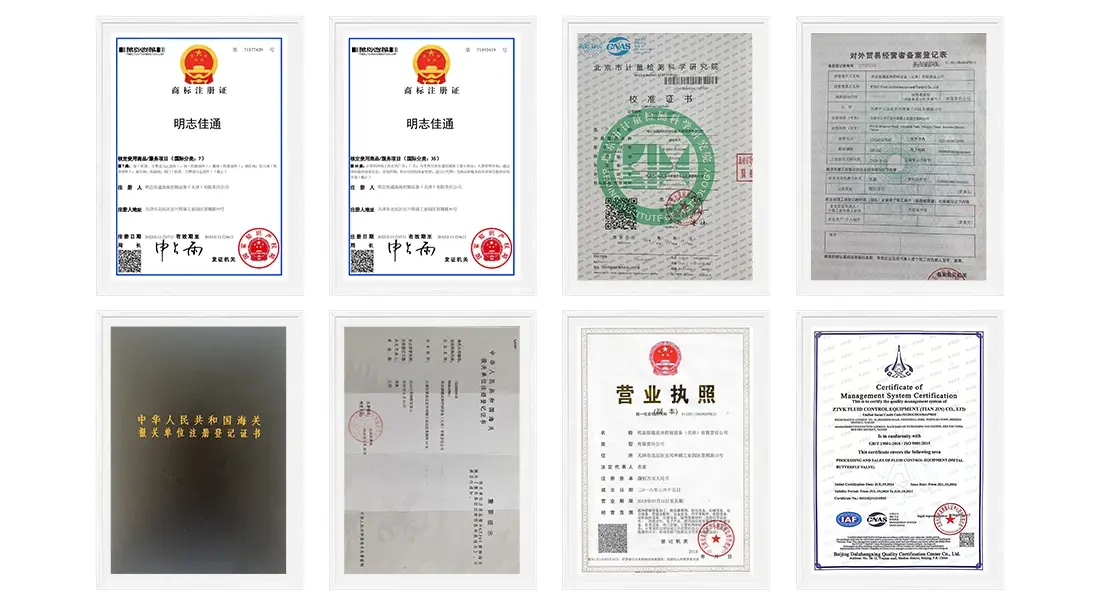
Our Tianjin plant has ISO9001, ISO14001, and OHSAS18001 certifications, which show that we care about worker safety, quality control, and protecting the environment. We help wholesalers build their market position through OEM branding programs, and our technical team provides CAD drawings, installation instructions, and troubleshooting help to make sure that commissioning goes smoothly. You can email our sales team at ktec86961886@163.com to talk about your specific application needs, get product brochures, or set up sample orders that show off our high-quality standards and excellent customer service.
References
1. International Organization for Standardization. "ISO 5211:2001 Industrial Valves - Part-turn Actuator Attachments." Geneva: ISO, 2001.
2. American Society of Mechanical Engineers. "ASME B16.34: Valves - Flanged, Threaded, and Welding End." New York: ASME, 2017.
3. Skousen, Philip L. "Valve Handbook, Third Edition." New York: McGraw-Hill Professional, 2011.
4. Smith, Peter and Zappe, R.W. "Valve Selection Handbook: Engineering Fundamentals for Selecting the Right Valve Design for Every Industrial Flow Application." Oxford: Gulf Professional Publishing, 2004.
5. British Standards Institution. "BS EN 12266-1:2012 Industrial Valves - Testing of Metallic Valves." London: BSI, 2012.
6. Emerson Automation Solutions. "Control Valve Handbook, Fifth Edition." Marshalltown: Fisher Controls International LLC, 2019.
Send us your valve requirements and our team will provide professional solutions and fast quotations.
RELATED INDUSTRY KNOWLEDGE