- English
- French
- German
- Portuguese
- Spanish
- Russian
- Japanese
- Korean
- Arabic
- Greek
- German
- Turkish
- Italian
- Danish
- Romanian
- Indonesian
- Czech
- Afrikaans
- Swedish
- Polish
- Basque
- Catalan
- Esperanto
- Hindi
- Lao
- Albanian
- Amharic
- Armenian
- Azerbaijani
- Belarusian
- Bengali
- Bosnian
- Bulgarian
- Cebuano
- Chichewa
- Corsican
- Croatian
- Dutch
- Estonian
- Filipino
- Finnish
- Frisian
- Galician
- Georgian
- Gujarati
- Haitian
- Hausa
- Hawaiian
- Hebrew
- Hmong
- Hungarian
- Icelandic
- Igbo
- Javanese
- Kannada
- Kazakh
- Khmer
- Kurdish
- Kyrgyz
- Latin
- Latvian
- Lithuanian
- Luxembou..
- Macedonian
- Malagasy
- Malay
- Malayalam
- Maltese
- Maori
- Marathi
- Mongolian
- Burmese
- Nepali
- Norwegian
- Pashto
- Persian
- Punjabi
- Serbian
- Sesotho
- Sinhala
- Slovak
- Slovenian
- Somali
- Samoan
- Scots Gaelic
- Shona
- Sindhi
- Sundanese
- Swahili
- Tajik
- Tamil
- Telugu
- Thai
- Ukrainian
- Urdu
- Uzbek
- Vietnamese
- Welsh
- Xhosa
- Yiddish
- Yoruba
- Zulu
Wafer Butterfly Valve: Working Principle, Types & Advantages Guide
For controlling flow in industrial pipe systems, experts all over the world believe the wafer body butterfly valve, which is small and doesn't cost much. A disc on this type of valve can turn 90 degrees to open or close the flow path. It's easy to use and doesn't take up much space. There are long bolts that hold wafer body butterfly valves in place. The valves are made to fit between two plates. Installing them is much faster and lighter than with regular gate or globe valves because they don't need any extra tools.
Understanding Wafer Butterfly Valves: Working Principle and Core Components
What Makes the Wafer Design Unique?
Wafer body butterfly valves, like lug-style butterfly valves, lack permanent pieces. Not springs, but valve body flange bolt force. This building utilises fewer resources and costs less due to its simplicity. For projects that need to conserve money and weight, this is ideal. Leaks are prevented when valve seats are flush with the edges because they seal well.
How the Quarter-Turn Mechanism Operates?
A central shaft holds a spherical disc in the butterfly valve. It might be a hand handle, worm gear, petrol cylinder, or electric motor that twists the shaft 90 degrees. The disc goes from straight out from the pipe opening (completely closed) to parallel to it. Turning something on or off with a quarter-turn speeds up automatic systems and reduces maintenance. Smooth discs reduce noise and pressure drop, saving pumping devices energy.
Core Materials That Define Performance
The valve's material determines its durability and media compatibility. Most valve bodies are robust, rust-resistant ductile iron (DI/QT450). This makes them suitable for water and HVAC systems. In harsh conditions, CF8 (stainless steel 304), CF8M (316), or aluminium bronze discs may manage dirt and heat better. Seat materials are also crucial. EPDM seats can tolerate 120°C water, NBR oil, PTFE strong chemicals up to 200°C, and VITON acidic and hot media. If these materials meet our use circumstances, they will shut properly and last longer between repairs.
Types of Wafer Butterfly Valves and Their Applications
Concentric Butterfly Valves
Disc and rod are placed in a circle in the pipe. Closing the valve squeezes a springy seat to seal bubbles. If the media temperature is below 120°C, these valves operate well in HVAC cold water loops, low-pressure water distribution systems, and city sewage systems. Due to its low cost, its simplistic structure is ideal for large projects.
Double Eccentric Butterfly Valves
Being doubly eccentric moves the shaft axis beyond the disc's plane and away from the closing face. This shape reduces gate opening and closing friction, reducing actuator force by 30% compared to spherical variants. The cam movement removes the disc from the seat when it opens. This reduces wear and extends its lifespan to over 50,000 times. This type works well for sludge or brine water treatment facilities and chemical plants with several valve turns.
Triple Eccentric Butterfly Valves
Triple eccentric valves have a cone seal with minimal friction because the sealing surface angle adds a third offset. Power plants and petroleum sectors use models with metal seats, which can safely switch off in a fire and withstand high pressure and temperatures (PN16, up to 350°C). Metal-to-metal contact doesn't destroy the springy seat. Even after years of temperature changes, the valve remains closed in both directions.
Industry-Specific Applications
Wafer body butterfly valves are utilised in pump discharge lines, filter separation systems, and chlorination systems. The valves' materials don't corrode and require little maintenance. These little valves balance and separate cooling tower circuits in small mechanical rooms, which HVAC professionals prefer. Chemical businesses employ PTFE models to deal with acids, solvents, and other severe fluids without contamination. Food and beverage firms use clean models with smooth discs and EPDM seats to prevent germs and fulfil health regulations.
Wafer Butterfly Valves vs Other Valve Types: Comparison and Decision Making
Wafer vs Lug Type Butterfly Valves
Threaded plugs allow lug-style valves to be used with one flange or in dead-end service. Both valves use quarter-turns. Wafer-type butterfly valves can't be utilised when lines need to be withdrawn often, since both ends must stay put. Wafers cost 15–20% less and weigh much less. Thus, pipe supports may sustain less weight. Based on budgets and operational flexibility, they choose wafer valves for long-term installs and lug types for high-maintenance lines.
Butterfly Valves vs Ball Valves
Ball valves shut better than others, preventing leaks in metal-to-metal or soft-seated contact. Although more costly and heavier, larger ball valves can tolerate higher pressure and provide full-bore flow pathways. Butterfly valves can leak (Class VI or better with soft seats), but they save weight and money by not. Butterfly valves are better for PN10 or PN16 pressure and little leakage.
Butterfly Valves vs Gate Valves
Fully open and flow-through gate valves operate well but require straight movement and extended face-to-face measurements. Due to their multi-turn reaction times, they can't be used for rapid turns off. Butterfly valves can open and close to 90 degrees in seconds and cost half as much as other valves of the same size. A third of the space is taken up by them. Butterfly valves are better for separating minor water lines than gate valves, although gate valves are excellent for slurry services with disc blocking.
Rubber Seats vs Metal Seats
EPDM, NBR, and VITON rubber seats seal bubble-tight as temperatures and pressures drop. These are wonderful for clean air, water, and gas. They may self-lubricate with slightly misaligned lines, reducing actuator force. Metal seats are essential for chemicals, hot oil, and steam since they don't catch fire and don't push out as pressure rises. Choose the proper one based on the shutdown grade, the highest temperature, and the media cleanliness.
Procurement Guide: How to Source and Buy Wafer Butterfly Valves?
Identifying Reputable Manufacturers and Suppliers
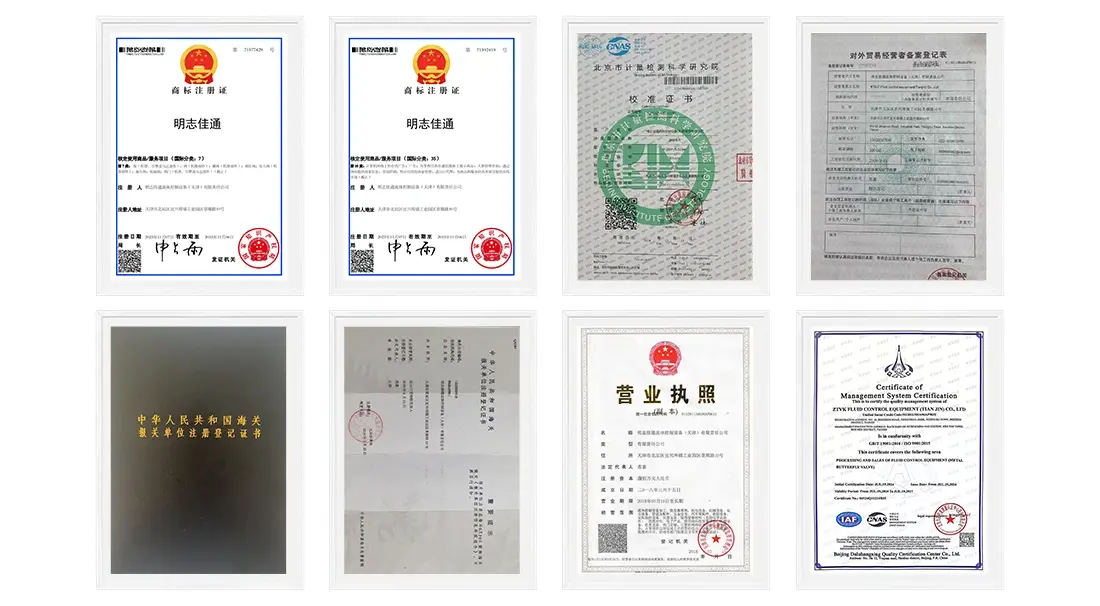
Global sourcing requires extensive manufacturer and source investigation. China's leading wafer body butterfly valve manufacturers may provide inexpensive pricing since they make many valves and are completely integrated. This applies especially to those near Tianjin and Shanghai ports. ISO9001, ISO14001, and OHSAS18001 standards demonstrate a company's environmental, labour, and quality concerns. Check if service providers comply with API 609, ISO 5752, and MSS SP-67. They should have third-party pressure, seat leakage, and material composition test results. Official dealers can support you locally, handle guarantees, and store extra parts, making it faster to receive urgent replacements.
Evaluating Certifications and Compliance
Authenticity approval tells you which services to trust and which to avoid. Get API 609 compliance letters, CE declarations of conformity, and ISO certifications in original form. Verify them with the donors. Standards like ISO5211, PN10/PN16, ANSI 125LB/150LB, and JIS 5K/10K/16K allow new and old pipes to join. Valve plates consisting of ductile iron (DI/QT450), CF8, CF8M, and aluminium bronze can withstand several temperatures and rust types. Valves between DN40 and DN1200 (1.5" to 48") are suitable for most businesses. Preparing these things will save you money on repairs and installation time.
Understanding Pricing Dynamics and Lead Times
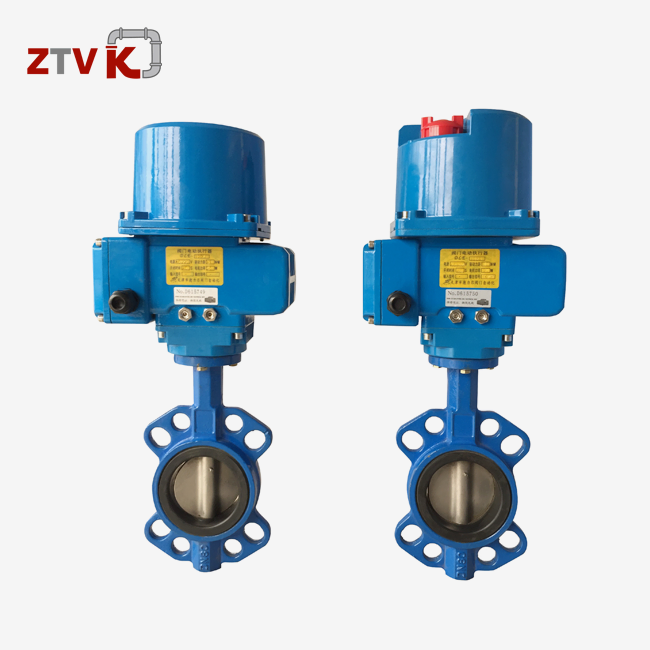
Price depends on approval level, actuator type, and valve size. An electric DN100 EPDM-seated wafer body butterfly valve usually costs 40% more than a similar model. Buy 50 or more units and save 10–15%. This helps offset international shipping expenses. Most typical kinds (DN50–DN600) from well-known companies ship in 3–7 days. However, abnormal alterations take 15–25 days. Faster orders cost 20% more but arrive in 7–10 days, which is useful for urgent repairs. A closed port matters. Tianjin producers can reach Xingang Port in an hour, speeding up marine freight and allowing FOB or CIF terms for quick customs clearance.
Key Factors for Supplier Evaluation
Before hiring an expert, consider more than pricing. Good vendors provide free CAD drawings, 3D models, and selection advice to help engineers match valve specs to system demands. This device has an 18-month warranty for non-user-caused issues. To demonstrate its excellence, the firm provides installation videos and troubleshooting suggestions. Local experts assist on-site to reduce downtime. QR codes that link to test reports, maintenance records and licence documents make things easier to track. Suppliers who allow third-party factory checks are honest about their company. This boosts seller trust among long-term contract buyers.
Maintenance, Installation, and Best Practices for Wafer Butterfly Valves
Correct Installation Procedures
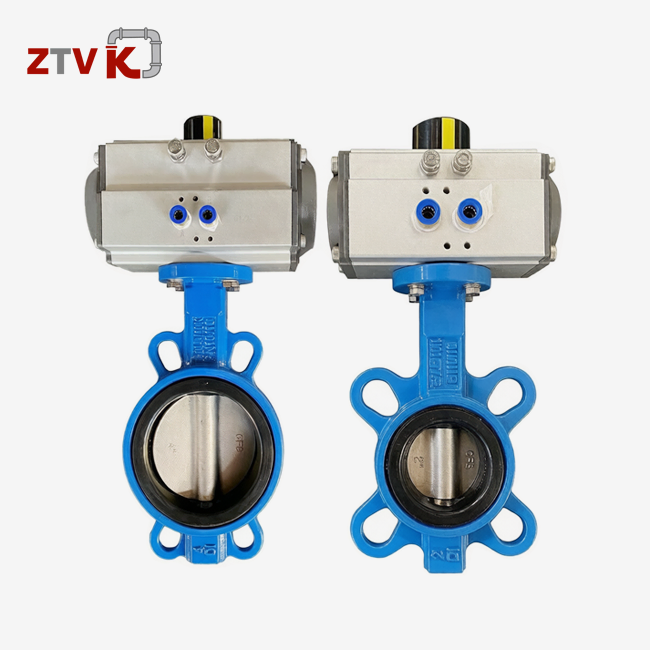
Flange inspection is the first step to a proper fitting. Clean, flatten, and remove anything that might prevent the seal from tightening evenly on the flanges. Flange bolt holes should match valve rings. If not, the disc and seat will stretch. To evenly distribute the load, tighten nuts in a star pattern. Screw bolts through the valve body and sides. Tighten the nuts as instructed by the manufacturer. They leak if they're too loose or too tight. Overtightening can break seals and deform valve bodies. The voltage, phase, and frequency of the electrical lines or air source pressure (typically 4–8 bar) should match the actuator values if the actuator is electric or pneumatic. Before using the valve, perform a few stroke tests to ensure it works and that the disc can turn completely.
Routine Maintenance Protocols
Valve repairs prolong their lifespan and prevent unexpected breakdowns. Check the stem packing for exterior leaks every three months and tighten the gland nuts if necessary. Lithium grease should be applied annually to prevent worm gear workers from getting trapped. Flush the line and operate the valve once a month in a slurry or particle-rich environment to prevent disc or seat contamination. Motors need periodic setup. Pneumatic positioners shift over time, while electric motors require power limits monitored to avoid damage. Repair work may be tracked in a QR-coded digital record. This reduces unwanted downtime by allowing repair planning.
Troubleshooting Common Operational Issues
Oversystem pressure or disc media development can make valves difficult to open and close. A little valve break before it seals lowers the differential pressure. This simplifies usage. Seat or disc movement might cause permanent stiffness. Take the joint apart and examine it. Edge leaks indicate a damaged seal. Return the caps and tighten the bolts. Water spills past the seat mostly because the seat is destroyed or something weird is placed there. Check the seat for cuts, holes and chemicals. Replace it if necessary. Metal-seated valves may need filing to shut normally. The air supply or electrical system must be analysed or corrected if the actuator has issues like a slow hydraulic response or a failing electrical function. Check solenoid valves, limit switches, and wire continuity.
Operational Optimisation Techniques
Fine-tuning valve numbers improves performance. Air actuator spring ranges must match system pressure patterns. This ensures the valve fails safely when air is lost. Electric motors with gradual open/close ramps protect pumps and pipelines from water pounding and pressure spikes. Connect critical valves to SCADA systems and install position sensors for real-time monitoring and control. The city saved 12% on energy expenditures by using wafer body butterfly valves with customisable electric motors. This aligned flow rates with demand models and reduced pump workload.
Conclusion
To pick the best wafer body butterfly valve, you should think about your technical needs, the price, and how trustworthy the seller is. If engineers know how valves work (a quarter-turn of the disc makes flow paths) and the different core material choices, they can pick valves that can handle real-world forces. It's easy to see when circular, double eccentric, or triple eccentric designs work best when you compare valve types. Buying tips can help you figure out how to buy things from other countries. Tough methods of installation and maintenance make things last longer, which turns initial saves into long-term working efficiency. Today, wafer body butterfly valves are a flexible and inexpensive way to control flows in industry. They've been used successfully to clean water, make electricity, process chemicals, and heat homes.
FAQ
Q1: What are the main advantages of wafer butterfly valves over other valve types?
Why are wafer body butterfly valves better than other kinds of valves? When compared to gate valves, wafer body butterfly valves have small face-to-face sizes that leave up to 40% less room for fitting. They are very light, so they don't put as much stress on the pipes' supports. This makes it easier to plan the infrastructure. With quarter-turn motion, you can quickly open and close the door, which is very useful for emergency shutdowns. Each material, like water, chemicals, steam, and slurries, is good for a different job. This means that one valve base can do many things. They cost less to buy and are easier to take care of, so the total cost of ownership is lower. They are great for projects that need to save money without sacrificing quality because of this.
Q2: Can wafer butterfly valves handle high-pressure and high-temperature applications?
Standard wafer body butterfly valves with strong seats can handle pressures up to PN10/PN16 and temperatures up to 120°C. This is enough for most water and HVAC systems. These triple eccentric designs work well and have metal seats that can handle temperatures up to PN40 and 350°C. This means they can be used in steam, hot oil, and fuel uses. The method works safely and without leaks if the body grade and seat material (VITON for heat and PTFE for chemicals) are the right ones for the job. When the number of rounds or the roughness of the media goes up, always look at the pressure-temperature charts that the maker gives you and stay within the limits that are written on them.
Q3: How often should wafer butterfly valves undergo maintenance?
Things are maintained based on how well they are running. Once a year, valves that are in clean water and don't turn very often should be checked to make sure the packing is correct, the actuator is cleaned, and there are no leaks. Every three months, the discs and seats need to be cleaned and checked for wear and tear when used with slurry or high-cycle. Each type of motor needs to be adjusted every six to twelve months to make sure that it stays in the right place and doesn't overpower itself. The idea behind condition-based strategies is to keep track of repair actions and performance metrics over time so that parts can be replaced before they break instead of at set dates.
Partner with ZTVK for Reliable Wafer Butterfly Valve Solutions
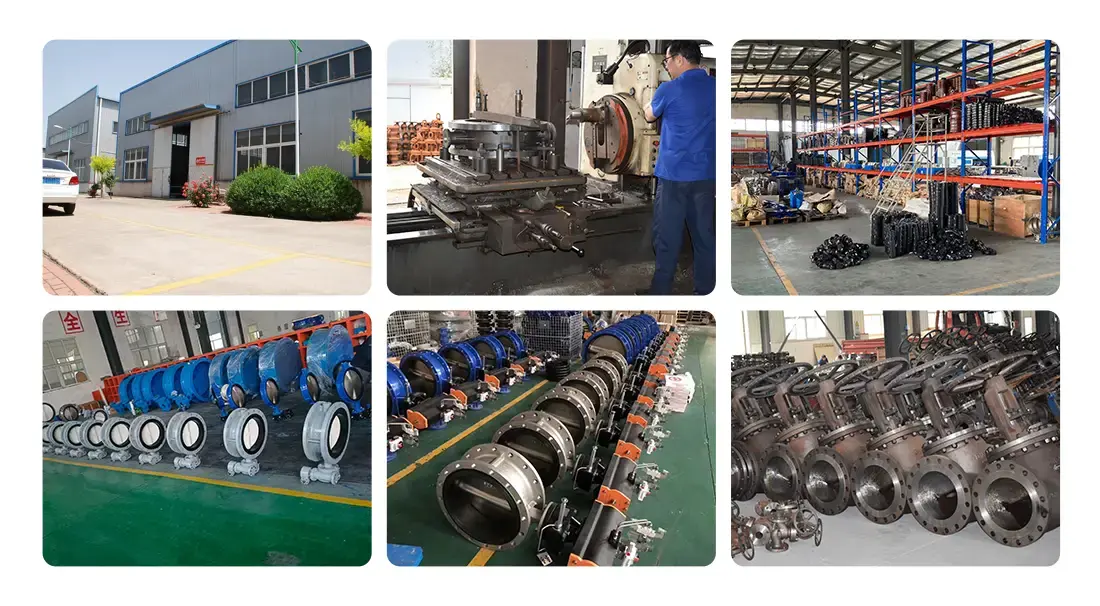
These are the high-quality wafer body butterfly valves that ZTVK makes. They are used by industrial valve dealers and trade companies all over the world. Since more than 15 years, our ISO9001, ISO14001, and OHSAS18001 companies have been in the Tianjin Binhai New Area. They use up-to-date CNC lathes, large-diameter valve processing lathes, and a lot of testing tools to make sure that every valve meets API 609, ISO 5752, and ANSI/JIS standards. Our versions with two eccentrics have over 50,000 cycle lives and 30% less opening force. To fit different types of media and temperature ranges, they also come with different body materials, such as DI/QT450 bodies, CF8/CF8M/aluminium bronze discs, and EPDM/NBR/PTFE/VITON seats. Over 2,000 normal pieces (DN50–DN600) are always in stock, ready to be sent out in 3–7 days. Plus, we're only 50 km from Tianjin Xingang Port, which speeds up shipping around the world thanks to its partnerships with Maersk and COSCO. Being able to customise OEM/ODM items, like labelling packages and making things based on models, can help you stand out in the market. You can talk about your project needs, get technical specs, or get fair prices from ktec86961886@163.com, which is a wafer body butterfly valve provider you can trust that wants your long-term success.
References
1. American Petroleum Institute. API Standard 609: Butterfly Valves – Double Flanged, Lug- and Wafer-Type. 11th Edition, 2018.
2. International Organisation for Standardisation. ISO 5752: Metal Valves for Use in Flanged Pipe Systems – Face-to-Face and Centre-to-Face Dimensions. 2021.
3. Manufacturers Standardisation Society. MSS SP-67: Butterfly Valves. 2018.
4. Smith, J.R. Industrial Valve Selection and Maintenance Handbook. McGraw-Hill Professional, 2020.
5. Chen, L., & Wang, H. "Performance Analysis of Double Eccentric Butterfly Valves in Municipal Water Systems." Journal of Flow Control Engineering, vol. 34, no. 2, 2022, pp. 145–162.
6. European Committee for Standardisation. EN 593: Industrial Valves – Metallic Butterfly Valves for General Purposes. 2019.
Send us your valve requirements and our team will provide professional solutions and fast quotations.
RELATED INDUSTRY KNOWLEDGE