- English
- French
- German
- Portuguese
- Spanish
- Russian
- Japanese
- Korean
- Arabic
- Greek
- German
- Turkish
- Italian
- Danish
- Romanian
- Indonesian
- Czech
- Afrikaans
- Swedish
- Polish
- Basque
- Catalan
- Esperanto
- Hindi
- Lao
- Albanian
- Amharic
- Armenian
- Azerbaijani
- Belarusian
- Bengali
- Bosnian
- Bulgarian
- Cebuano
- Chichewa
- Corsican
- Croatian
- Dutch
- Estonian
- Filipino
- Finnish
- Frisian
- Galician
- Georgian
- Gujarati
- Haitian
- Hausa
- Hawaiian
- Hebrew
- Hmong
- Hungarian
- Icelandic
- Igbo
- Javanese
- Kannada
- Kazakh
- Khmer
- Kurdish
- Kyrgyz
- Latin
- Latvian
- Lithuanian
- Luxembou..
- Macedonian
- Malagasy
- Malay
- Malayalam
- Maltese
- Maori
- Marathi
- Mongolian
- Burmese
- Nepali
- Norwegian
- Pashto
- Persian
- Punjabi
- Serbian
- Sesotho
- Sinhala
- Slovak
- Slovenian
- Somali
- Samoan
- Scots Gaelic
- Shona
- Sindhi
- Sundanese
- Swahili
- Tajik
- Tamil
- Telugu
- Thai
- Ukrainian
- Urdu
- Uzbek
- Vietnamese
- Welsh
- Xhosa
- Yiddish
- Yoruba
- Zulu
Best Applications for a Single Flange Butterfly Valve
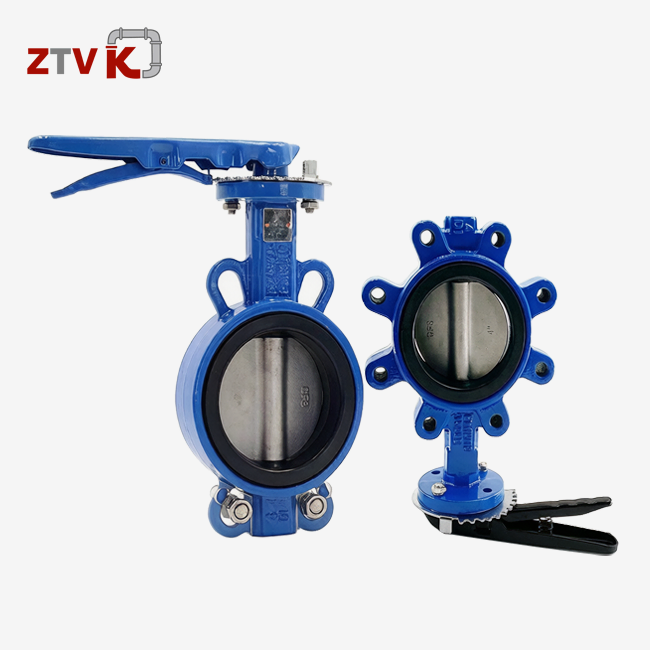
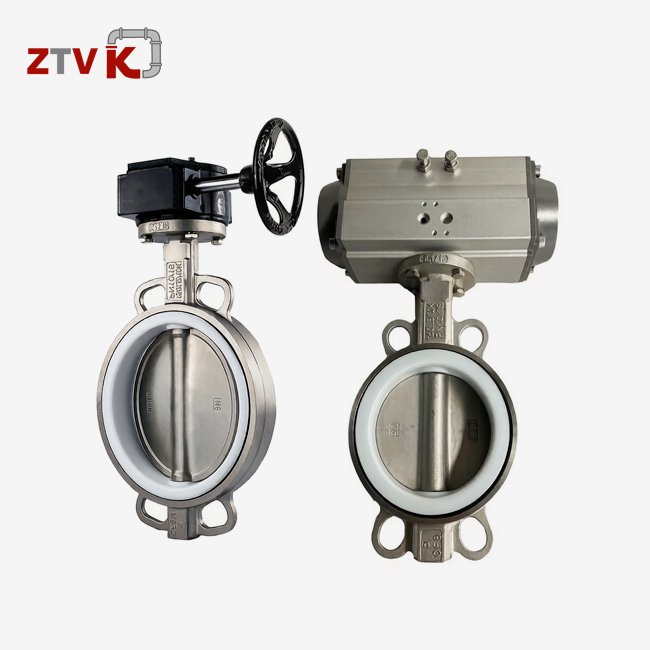
Modern industrial flow control systems employ single flange butterfly valves because they are easy to use and reliable. The one-sided flange design of these valves allows short bolts to easily bolt them to pipe flanges. Wafer-style valves must be fully clamped between two flanges, unlike these. This design provides dead-end service, making it a safe terminal separation point for removing downstream equipment without shutting down the larger system upstream. Understanding where this valve works best helps purchasing managers, engineers, and industrial dealers make challenging supply chain decisions that affect project performance, maintenance costs, and reliability. To assist you in picking valves that fit your system demands, this article discusses functioning principles, design possibilities, real-world usage, and purchase suggestions.
Understanding Single Flange Butterfly Valves
Core Design and Operational Principles
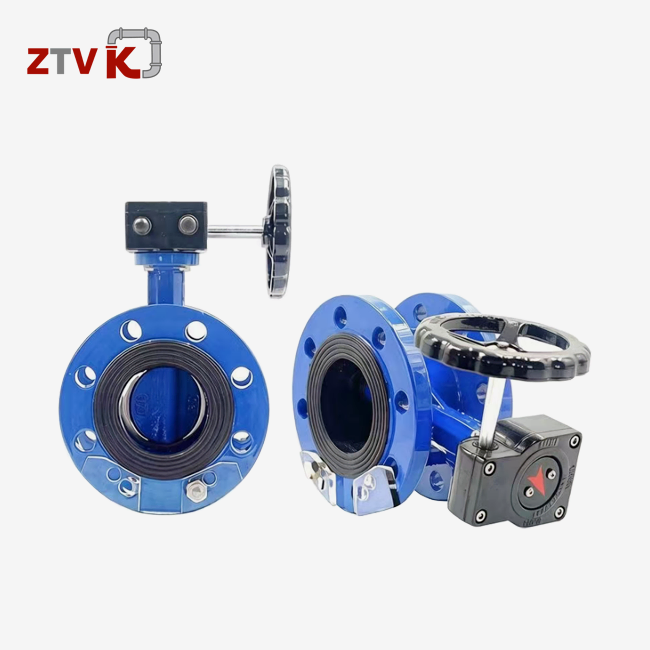
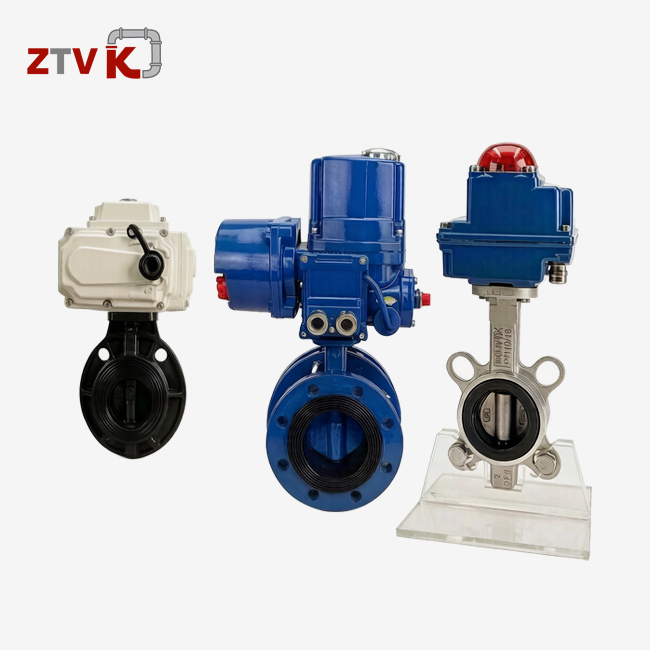
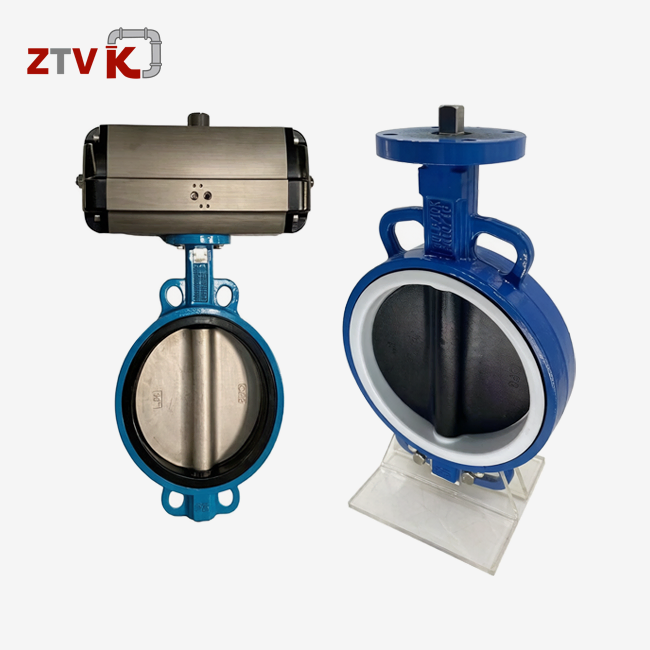
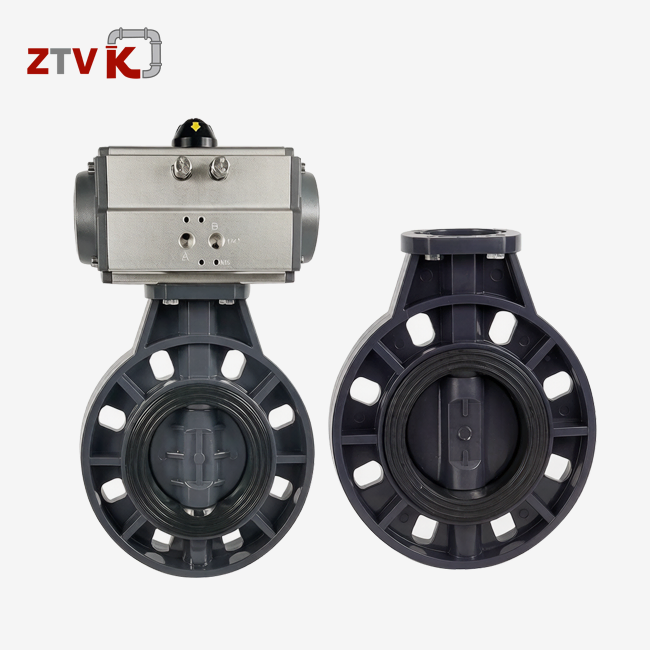
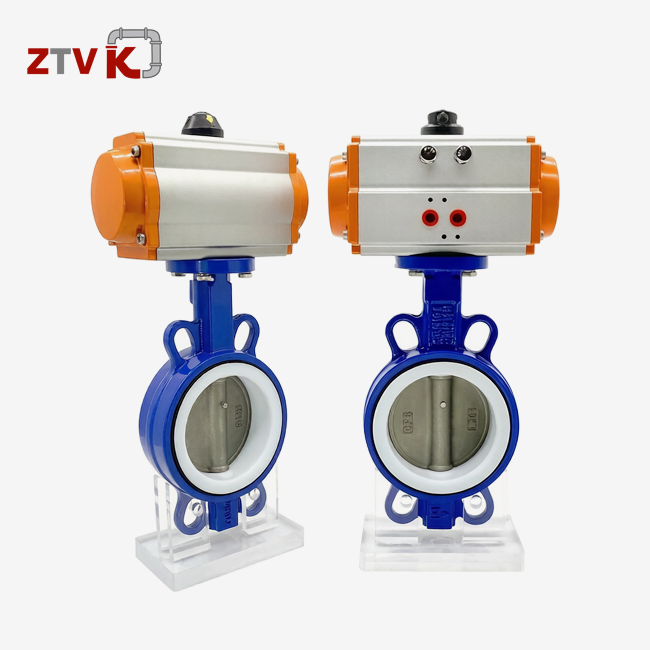
A quarter-turn rotary mechanism is used to operate the single flange butterfly valve. A disc in the flow line spins 90 degrees to control media flow. This rapid action reduces cycle time and allows flow changes faster than gate or globe valves. The valve body features drilled rings for ISO5211, PN10/PN16, 125LB/150LB, and JIS5K/JIS10K/JIS16K flange bolts. This secures the valve to the matching pipe flanges. The valve fits modest installations and large industrial pipes with diameters from 2" to 80" (DN50 to DN2000 mm). For manual control in easy-to-reach places, hand levers are good; worm gears are better for larger sizes; pneumatic actuators provide automated response in remote systems; and electric actuators allow precise modulation integrated with SCADA networks.
Material Selection and Performance Characteristics
Programme material compatibility indicates what media and operating systems it supports. Stainless steel types SS304, SS316, SS304L, and SS316L don't rust and function well in tough chemical, marine, and food processing environments where cleanliness is crucial. Ductile iron (DI), CF8, CF8M, and aluminium bronze discs have various strengths and corrosion resistance for different media. In saltwater with galvanic corrosion, aluminium bronze works nicely. EPDM, NBR, PTFE, and Viton are suitable water- and chemical-resistant seat materials. This keeps the seal robust in various temperatures and chemicals. PN10/PN16 working pressures suit moderate system needs. They maintain structural integrity and seal throughout operation.
Best Industrial Applications for Single Flange Butterfly Valves
Water Treatment and Municipal Distribution Systems
Municipal water networks depend on valves that can shut off parts of the system for repair while keeping flow in other parts of the system. At branch terminations and equipment connection points, single flange butterfly valves let workers separate pumps, filters, or meters for maintenance without having to shut down the whole system. Because stainless steel bodies don't rust, they can be exposed to chlorine water for decades without needing to be replaced as often as carbon steel options. EPDM chairs keep a tight seal even when there are particles in the water that are common in raw water sources. DN300 valves with pneumatic motors are often used in water treatment plants for automated control. This lets operators work from central control rooms in case of an emergency separation. When the gate valve is closed, the quick quarter-turn action reduces the risk of a pressure rise compared to gate valves that act more slowly.
HVAC and Fire Protection Infrastructure
For chiller plants, cooling towers, and distribution heads, climate control systems in businesses and factories rely on isolation valves that work well. When repair teams connect single flange butterfly valves to equipment, they can shut down individual chillers or air handling units without stopping the HVAC system for the whole building. Fire safety systems need valves that meet strict safety standards. The fail-safe position of the butterfly design and tamper-resistant electric motors make sure that the valves meet these standards. The small face-to-face size saves assembly space in crowded machinery rooms—a DN150 butterfly valve takes up a lot less axial area than a gate valve of the same size. When paired with the right seat material, like Viton, which can handle short-term temperature spikes, temperature ratings can work with hot water heating loops and steam systems.
Chemical Processing and Petrochemical Facilities
Chemical companies that work with corrosive fluids, slurries, and strong gases need valves that are made to work safely and with the materials they use. Acids, bases, and liquids that break down regular elastomers don't affect valves with CF8M discs and PTFE seats. The dead-end service feature is very helpful when reactor vessels or processing equipment need to be disconnected for cleaning or replacing catalysts. The upstream single flange butterfly valve keeps the process running smoothly while the downstream pipes are being fixed. These valves are used in cooling water systems, blowdown lines, and non-critical process streams at petrochemical plants where full-bore ball valves would be too expensive. The shape of the blowout-proof stem keeps it from breaking completely during pressure spikes, which protects people and equipment nearby.
Food, Beverage, and Pharmaceutical Production
For sanitary uses, valves must meet clean design standards to stop the growth of germs and contamination. Electropolished stainless steel surfaces keep cracks and other places where germs could hide to a minimum. EPDM and NBR seats that are allowed for food contact follow FDA rules, which ensure that products are safe when cheese is processed, drinks are bottled, and medicines are made. The smooth disc shape doesn't mess up the flow very much, which lowers the shear forces that could hurt delicate items like fruit drinks or fermentation broths. Clean-in-place (CIP) compatibility lets automatic cleaning steps happen without taking the valves apart, which keeps production running smoothly. On tank exit lines, a brewery might use DN100 valves with hand levers to make quick changes between product batches and make sure there is full draining.
Marine and Shipbuilding Installations
When ships work in saltwater, they have to deal with rust all the time, which means they need special valve materials. In many hull entry situations, single flange butterfly valves with aluminum bronze discs are better at resisting galvanic rust caused by seawater than standard stainless steel. The design is lighter than cast-iron gate valves, which keeps the vessel from moving, which is very important for performance-sensitive uses like high-speed boats or military ships. The valve's ability to separate tank parts during at-sea repair without the need for dry docking is helpful for ballast system setups. These valves are used in engine room cooling systems at places where seawater comes in, and debris needs to be cleaned out of the strainers on a regular basis. The upstream valve keeps the hull solid while repair work is done below the waterline.
Comparative Analysis: Single Flange Butterfly Valve vs Other Valve Types
Installation and Space Considerations
Comparing installation standards shows large disparities that affect project costs and system design flexibility. Double-flange butterfly valves require longer studs across both pipe flanges. They are tougher to remove in confined spaces because the studs are longer than the space. Wafer-style valves have no flanges, yet pipe flanges must match. If done incorrectly, tightening the bolt might destroy the seal. Simple installation using a single flange butterfly valve and standard-length cap screws. Setting is easier, and alignment is less delicate. This gain is particularly noticeable in retrofit work with limited pipe space.
Ball valves close better and can withstand pressure in both directions, but they take up more space and cost more as they grow. A DN400 ball valve may cost three times as much as a butterfly valve and be heavier, requiring more structural support. Offset butterfly valves reduce operating torque by eccentrically placing discs. However, they increase mechanical complexity that may impact abrasive media reliability. The single-flange centerline design balances performance and simplicity. It seals satisfactorily for most usage without the cost or maintenance of triple-offset versions.
Actuation and Automation Integration
Automation flexibility becomes increasingly important when choosing valves as more facilities implement Industry 4.0. Single-flange butterfly valves require less activation force than similar-sized multi-turn valves. Actuators can be smaller and cheaper. A DN300 butterfly valve may need 200 Nm, whereas a gate valve may need 800 Nm. This might lower actuator costs by 60%. Switching from manual to automated operation is simple with the ISO5211 mounting interface. As their operational demands change, a facility can move from hand lever valves to pneumatic actuators without replacing the valve bodies. Turn-on-off valve modulating electric motors become proportional flow control devices, allowing you to modify valve placement to optimise the process. This flexibility saves the initial expenditure and allows automated expansion.
Procurement Considerations for Single Flange Butterfly Valves
Supplier Qualification and Certification Verification
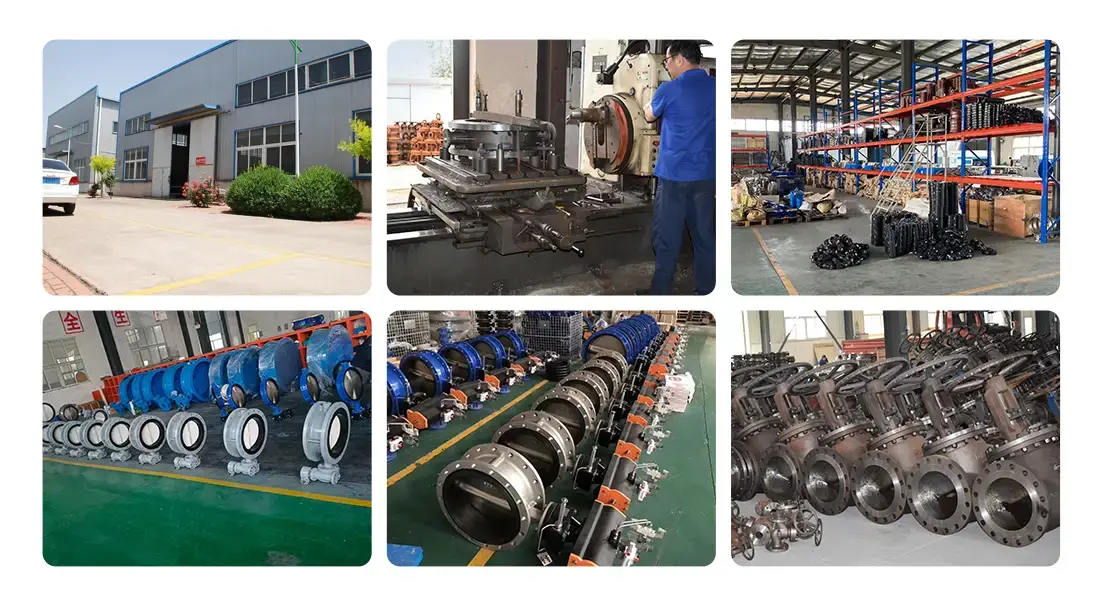
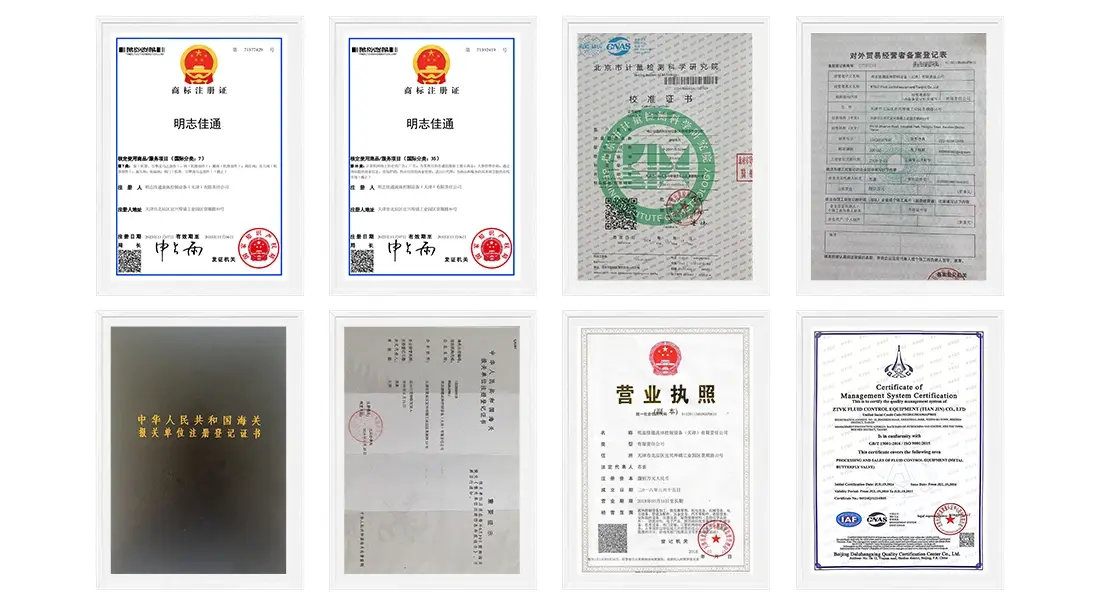
Effective buying requires analysing sources beyond pricing. ISO9001, ISO14001, and OHSAS18001 certifications demonstrate quality management and safety and environmental commitment. These are being examined more in commercial supply chain audits. Check that the product fulfils API 609 for oil and gas, MSS SP-67 for general service, and CE markings for European sales. Good manufacturers let other parties evaluate their goods and prove that materials can be monitored. ZTVK has been producing single flange butterfly valves for 15 years, demonstrating their stability. They maintain product quality with advanced CNC machining facilities and chemical analysis instruments. Logistics operate better when enterprises are within 50 km of shipping terminals, reducing interior transportation delays that might delay arrivals.
Customization Capabilities and Lead Time Management
Standard valve inventory suits urgent demands, but projects often require customisation. OEM programs enable distributors to pick local market-relevant branding, nameplates, and packaging. This builds brand recognition without production costs. Wetted parts manufactured of unique alloys for particular chemicals, valve bodies with strengthened stems for high-cycle usage, and non-standard flange drillings for ancient equipment may be handled by ODM. Understanding manufacturing timetables may help keep projects on track: normal sizes (DN50–DN600) with enough stock ship in 3–7 days, non-standard alternatives take 15–25 days, and rush orders (typically 20%) arrive in 7–10 days. Multiple-project distributors gain when suppliers maintain specialised manufacturing lines that prioritise urgent demands while fulfilling daily orders.
Total Cost Analysis Beyond Unit Price
Lifecycle costs are considered instead of the original buy price in intelligent procurement. A single flange butterfly valve priced 15% less than competitors that breaks early costs more than the initial savings in replacement, installation, and production downtime. Material quality affects durability. Although more expensive, investment-cast stainless steel bodies endure longer in corrosive operations than sand-cast choices. Seat material impacts maintenance frequency. In harsh conditions, PTFE seats can resist greater temperatures and chemicals better than EPDM seats, thus they need to be replaced less often. Actuator quality impacts reliability. Brand-name pneumatic actuators can last 100,000 cycles, whereas cheaper ones last just 30,000. They require less upkeep over time. Manufacturers' warranties demonstrate their confidence in their products. Eighteen months of free replacement for manufacturing faults suggests that the corporation values quality, whereas 90-day warranties show that buyers don't trust the goods.
Installation and Maintenance Tips for Optimal Performance
Proper Installation Techniques
Long-term, successful usage starts with the correct setup. Check that the single flange butterfly valve is pointed in the correct direction first. Some designs use disc position and body lines to illustrate flow direction. Pipe ends should be clear of weld spatter, corrosion, and old gasket material. New seals should be rated for the system pressure and medium and positioned so they don't pinch when bolted. Use star designs to tighten flange bolts following the manufacturer's recommendations. Tightening opposing bolts sequentially distributes the stress, preventing gasket and flange distortion. Align actuator hardware before attaching it to valve stems for operated valves. Unless it is, side loads accelerate bearing wear. Before pressurising the system, the valve should be pushed through its movement range to ensure it functions smoothly and there is no binding or strange resistance that might indicate installation issues.
Routine Inspection and Preventive Maintenance
Regular checkups extend asset life and detect issues before they break. Visual checks every six months look for exterior corrosion, actuator mounting that isn't tight, and stem seal leaking with media residue around packing glands. In low-use installations, cycle the valve every three months to prevent seat sticking and disperse lubrication over bearing surfaces. Idle valves may acquire stiction, requiring a higher breakaway force. Every year, the machine is disassembled to inspect its internals. Disc surface erosion from abrasive media, seat compression set that reduces seal performance, and stem thread wear from prolonged usage. Choose the correct solutions to clean the pieces; harsh procedures might harm delicate surfaces. Prevent seal failure by replacing them before they break. EPDM seats in dirty water service must be replaced every 5–7 years, regardless of appearance.
Conclusion
In water systems, HVAC infrastructure, chemical processes, food production, and marine settings where space efficiency, ease of installation, and the ability to isolate a dead end are important, single flange butterfly valves are a sensible choice. Different disc metals, stainless steel bodies, and elastomer seats make the materials flexible enough to work with a wide range of media and weather conditions. The design's lower actuator force makes it easier to integrate automation in a cost-effective way, protecting capital investment while allowing for future changes in how operations are run. A good procurement process weighs unit price against seller dependability, certification compliance, customization freedom, and total lifecycle costs, keeping in mind that initial savings are quickly lost due to early failure and the need for heavy upkeep. Careful installation and regular preventative maintenance make assets last longer, which protects operating consistency and capital investment.
FAQ
Q1: What pressure ratings do single flange butterfly valves typically handle?
The majority of commercial single flange butterfly valves work well in pressure classes PN10 and PN16, which are equal to about 150 and 232 psi, respectively. These grades are good for city water systems, building HVAC loops, and a lot of chemical processing tasks. When the pressure needs to be higher, different types may be needed, such as triple-offset valves or ball valves with Class 300 or Class 600 ratings. Always compare the pressure specs to the highest working conditions, which should include surge pressures during short-term events like when the pump starts up or a valve closes quickly.
Q2: Can these valves handle high-temperature applications?
Temperature power varies more with the type of seat material than with how the body is built. EPDM seats work steadily up to 120°C in constant use, making them good for systems that heat water. Viton chairs raise the temperature range to around 200°C, which lets them be used for low-pressure steam and thermal fluids. PTFE seats can work in the coldest conditions up to 260°C, which is the widest temperature range. However, their mechanical qualities start to break down at higher temperatures, which can affect how well they close. Check the manufacturer's instructions to make sure that the seat material is matched to the real working temperatures, which may include peak exposures during process upsets.
Q3: How do I choose between single flange and wafer butterfly valves?
Choose single flange butterfly valve designs for dead-end service areas where equipment needs to be removed from downstream while upstream pressure is kept up. This could be for pump discharge separation or branch line terminations. The design's self-contained flange link makes fitting easier in retrofit situations where bolts are hard to get to. When installing between existing pipe flanges with enough bolt length and when being able to handle two-way pressure is important, choose wafer valves. These designs are better at handling reverse pressure than most single-flange designs. Think about how easy it is to do maintenance. Single-flange valves are usually easier to remove because only one flange link needs to be taken apart, whereas loosening bolts on both sides of wafer setups is more difficult.
Partner with ZTVK for Reliable Flow Control Solutions
ZTVK makes precisely designed butterfly valves that use double eccentric oblique seal designs and a wide range of materials. These valves reduce operating power by 30% and have operational lifetimes of more than 50,000 cycles. Our factory in Tianjin is certified for ISO9001, ISO14001, and OHSAS18001, and it uses CNC machine centers and material analysis labs to make sure that the standard of each production run is the same. We keep more than 2,000 basic units (DN50–DN600) in stock and can ship them within 3–7 days. Custom setups, on the other hand, ship in 15–25 days to meet project deadlines. Because we are close to Tianjin Port, we can give FOB and CIF terms and packing that meets ISPM 15 standards, which cuts down on customs delays. This is made possible by our partnerships with COSCO and Maersk. If you need OEM branding for local sales, ODM engineering for specific uses, or ongoing technical support through our 18-month insurance program, ZTVK has reliable single flange butterfly valve solutions for you. You can email our team at ktec86961886@163.com to talk about your buying needs with single flange butterfly valve makers who are dedicated to your business's success.
References
1. American Petroleum Institute (2018). API Standard 609: Butterfly Valves - Double-flanged, Lug- and Wafer-type. Washington, DC: API Publishing Services.
2. Manufacturers Standardization Society (2017). MSS SP-67: Butterfly Valves. Vienna, VA: MSS Technical Standards.
3. Smith, P. & Zappe, R.W. (2019). Valve Selection Handbook: Engineering Fundamentals for Selecting the Right Valve Design. Houston: Gulf Professional Publishing.
4. International Organization for Standardization (2020). ISO 5752: Metal Valves for Use in Flanged Pipe Systems - Face-to-face and Centre-to-face Dimensions. Geneva: ISO Central Secretariat.
5. Skousen, P.L. (2021). Valve Handbook: Third Edition. New York: McGraw-Hill Education.
6. Nesbitt, B. (2016). Handbook of Valves and Actuators: Valves Manual International. Oxford: Elsevier Science.
Send us your valve requirements and our team will provide professional solutions and fast quotations.
RELATED INDUSTRY KNOWLEDGE