- English
- French
- German
- Portuguese
- Spanish
- Russian
- Japanese
- Korean
- Arabic
- Greek
- German
- Turkish
- Italian
- Danish
- Romanian
- Indonesian
- Czech
- Afrikaans
- Swedish
- Polish
- Basque
- Catalan
- Esperanto
- Hindi
- Lao
- Albanian
- Amharic
- Armenian
- Azerbaijani
- Belarusian
- Bengali
- Bosnian
- Bulgarian
- Cebuano
- Chichewa
- Corsican
- Croatian
- Dutch
- Estonian
- Filipino
- Finnish
- Frisian
- Galician
- Georgian
- Gujarati
- Haitian
- Hausa
- Hawaiian
- Hebrew
- Hmong
- Hungarian
- Icelandic
- Igbo
- Javanese
- Kannada
- Kazakh
- Khmer
- Kurdish
- Kyrgyz
- Latin
- Latvian
- Lithuanian
- Luxembou..
- Macedonian
- Malagasy
- Malay
- Malayalam
- Maltese
- Maori
- Marathi
- Mongolian
- Burmese
- Nepali
- Norwegian
- Pashto
- Persian
- Punjabi
- Serbian
- Sesotho
- Sinhala
- Slovak
- Slovenian
- Somali
- Samoan
- Scots Gaelic
- Shona
- Sindhi
- Sundanese
- Swahili
- Tajik
- Tamil
- Telugu
- Thai
- Ukrainian
- Urdu
- Uzbek
- Vietnamese
- Welsh
- Xhosa
- Yiddish
- Yoruba
- Zulu
Best ISO 5211 Ball Valve Solutions for Industrial Automation
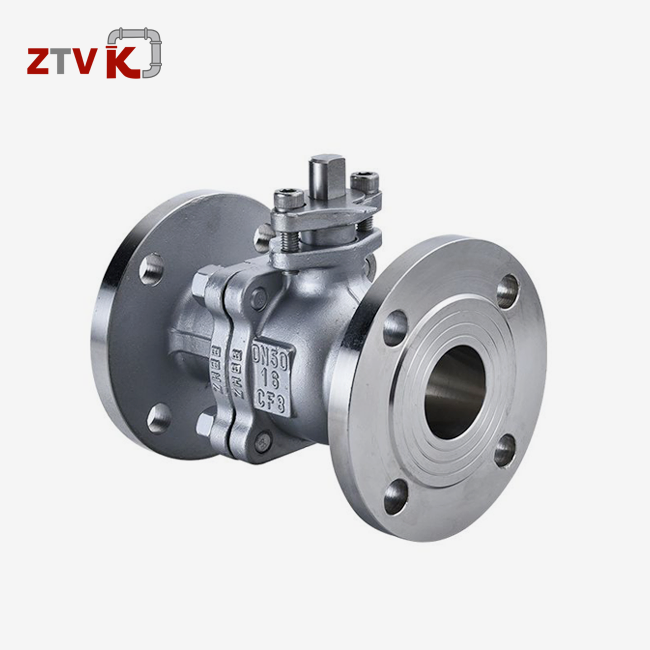
The ISO 5211 ball valve stands out as a crucial component when it comes to getting precision and dependability in industrial automation. This unique quarter-turn valve has a standard mounting link that lets it connect directly to pneumatic or electric motors, so you don't have to guess if they will work. The ISO 5211 standard spells out exact flange sizes and drive shapes. This lets engineers switch actuators from one maker to another without having to change the way pipes are laid out. We know that industrial valve distributors and builders need equipment that works well in a wide range of settings, from petrochemical plants to local water systems. This answer meets those needs with proven engineering excellence.
Introduction
Industrial automation depends on parts that work reliably under tough conditions and fit together easily. This requirement is met by the ISO 5211 ball valve, which has a universal mounting base that makes installing the actuator easier and increases the system's freedom. Problems that procurement managers, engineering contractors, and valve dealers all have to deal with are inconsistent product quality, problems with compatibility, and long wait times. You can get help with those problems on this blog by reading about technical details, comparing options, and buying methods. Our main goal is to give you useful information that you can use to choose the best valve option, improve your supply chain, and reach operating excellence. Knowing about these standard valves can make a big difference in the results of your projects, whether you're in charge of buying in bulk for regional delivery or designing automatic systems for city infrastructure.
Understanding ISO 5211 Ball Valves: Specifications and Dimensions
According to international measurement standards, the ISO 5211 ball valve has a flange pad fixed on top. This standardization makes sure that all makers use the same mounting bolt design and drive shaft geometry. This lets actuators all over the world be used without any problems.
Core Functional Purpose and Standardization
With F-numbers like F03, F04, F05, and F07, the ISO 5211 fixing standard tells you exactly how to measure the Pitch Circle Diameter (PCD) and where to put the pin holes. Larger valve sizes may have patterns that are drilled twice so that they can fit more than one type of actuator. The drive stem usually has a square or double-D shape that ensures the actuator connections meet with no play. This level of accuracy stops hysteresis and mechanical movement while the machine is running, which are very important for uses that need precise flow modulation or emergency shutdown processes.
Critical Dimensions for Compatibility
The force capacity of a valve is directly related to the size of the mounting lip. An F05 flange, which is common on valves DN50 to DN150, can transfer more force than an F03 flange, which is common on valves of smaller sizes. The stem must be straight across from the grounding pad; any variation can make it hard for the actuator to turn. We suggest using datasheets with tolerance grades and material hardness ratings to compare the shaft measurements to the actuator specs. This attention to detail keeps installations from going wrong and makes the product last longer.
Operation with Manual, Pneumatic, and Electric Actuators
When automation isn't needed or when repair needs to be done, manual work is best. Pneumatic actuators can move quickly, which makes them perfect for controlling processes in chemical dosing or wastewater treatment, where responses need to happen in less than two seconds. Electric actuators can be used in HVAC systems and fire defense networks because they can be precisely placed and controlled from a distance. Because the mounting is standard, facilities can switch from human to automatic operation without having to replace the valve body. This saves money in the long run.
Installation Best Practices
Making sure the actuator's F-number fits the valve's mounting pad is the first step in a proper fitting. To make sure the bolts are tight enough, follow the manufacturer's instructions. Tightening them too much can damage the flange, and loosening them too little can cause them to separate when they're loaded. We recommend that you use anti-seize compound on screws to make upkeep easier in the future. Put the actuator so that the indicator marks line up with the direction of the pipeline flow. This will make it easy for workers to quickly check the state of the valve. When you mount the unit before connecting it to the pipe, the valve stem doesn't have to work as hard to line up. These steps help keep installation mistakes to a minimum and create setups that are reliable and easy to maintain, which contractors and system programmers value.
Comparative Insights: Choosing the Right ISO 5211 Ball Valve Solution
To choose the best valve, you need to know how different designs work with things like mounting compatibility, material makeup, and how they are activated.
Standardized versus Non-Standard Valves
Valves that aren't mounted according to ISO 5211 need special clamps and couplers, which add mechanical play that makes control less accurate. This extra hardware raises the height of the assembly, which makes it harder to put in tight areas like skid-mounted systems. Standardized valves with direct-mount designs get rid of these problems. They also cut down on the number of parts needed and make upkeep easier. When distributors offer ISO-compliant goods, they can reassure customers that a wide range of actuators will work with them. This lowers the need for technical help and returns.
Stainless Steel and Brass Material Comparison
ZTVK makes valves out of INOX-316 CF8M microfusion steel, which is more resistant to rust than brass-based options. CF8M stainless steel can handle harsh chemicals like seawater, chlorinated water, and weak acids, which makes it a good choice for water treatment and evaporation plants in cities. Brass valves are less expensive, but they break down faster in acidic conditions, so they need to be replaced more often. Our stainless steel construction can handle temperatures from -25°C to 180°C, so it can be used with both chilled water systems and low-pressure steam systems. Brass isn't as flexible as stainless steel.
Ball Valves versus Pneumatic Control Valves
Ball valves let you turn them on and off with a quarter turn and don't need much power, which makes them perfect for isolating pipeline parts. On the other hand, pneumatic control valves let you precisely change the flow rate by slowing, but they need more upkeep because they have more complicated internal trim components. Modulating actuators with positioners can be used with ball valves that have an ISO 5211 fitting. This lets you switch between simple on-off service and complex control. This freedom, as described in the Instruction Manual of Ball Valve, is good for workers who are in charge of projects whose automation needs change over time.
Mounting Type and Actuator Brand Compatibility
Some common mounting arrangements are single-drilled pads for specific actuator families and dual-drilled pads that can fit more than one brand, such as Samson, Belimo, or Emerson. Dual-drilled designs make the supply chain more flexible. If your favorite actuator brand is late, you can switch to a different one without having to change the valve. We suggest selecting dual-drilled valves for projects with short deadlines or that aren't sure where to get actuators. This method lowers the risk of the project and works well for EPC contractors who are in charge of managing many equipment providers.
Procurement Guide: Sourcing the Best ISO 5211 Ball Valve for Your Needs
A good procurement process combines technical needs with the skills of suppliers, delivery times, and the overall cost of ownership.
Evaluating Supplier Reliability and Lead Times
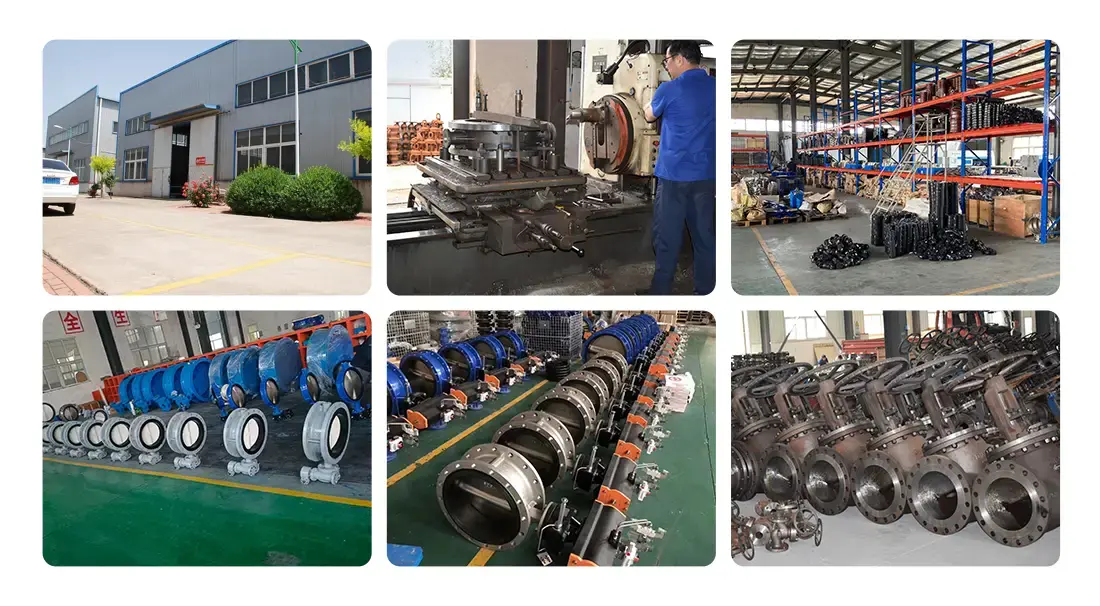
Distributors who want to keep their supply lines stable should look at how close a factory is to shipping hubs, how much inventory they have, and how much they can produce. At our Tianjin plant, ZTVK keeps more than 2,000 standard valves in stock in the DN50–DN600 range. This means that we can deliver your order 3–7 days after you confirm it. Because we are only 50 kilometers from Tianjin Port, we can easily book sea freight through our partnerships with COSCO Shipping and Maersk. When clients have project deadlines, this organizational advantage is important—knowing that your provider can speed up shipments keeps delays from costing a lot of money.
Certification and Quality Standards
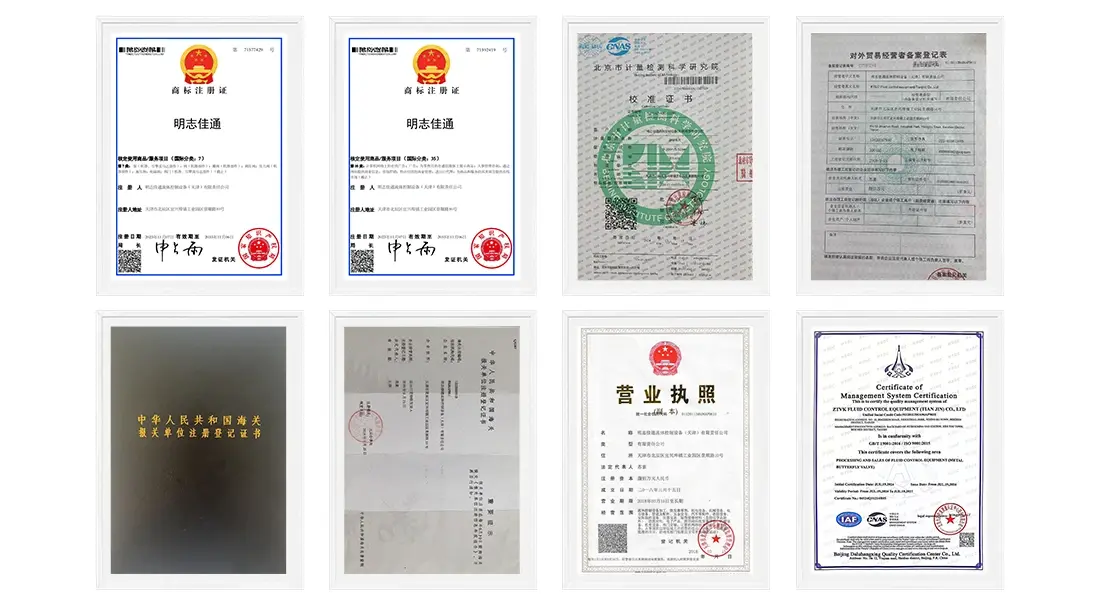
Certifications like ISO9001, ISO14001, and OHSAS18001 show that a company follows strict rules for quality control and protecting the environment. Positive Material Identification (PMI) testing lets us check the makeup of materials. To do this, we keep up-to-date CNC machining machines and chemical analysis labs. To make sure the performance meets the requirements, torque tests are done on each valve at full differential pressure. For high-value orders, getting inspection records from a third party and seeing plant acceptance tests can give you even more peace of mind. Distributors who resell valves can get clear paperwork that meets the safety needs of end users in the petrochemical or local sectors.
Customization Capabilities and OEM Support
In many industrial settings, changes are needed, like longer ends for shielded pipes or special sealing materials for use in cold environments. ZTVK offers OEM manufacturing, which means that we can make valves with your name, logo, and unique packaging. This is great for wholesalers who want to build a presence in the area market. As part of our ODM services, we can change the shape of the valve body, the joining methods (wafer, flanged, or lug), and the materials used for sealing. Depending on how complicated they are, non-standard setups can take anywhere from 15 to 25 days to make. Large bids and pressing replacement needs can both be met by flexible minimums and rush order choices (with the right fees).
Utilizing Technical Documentation
There should be dimensional models with mounting pad specs, torque curves with breakaway and running values, and material certificates with chemical makeup in product brochures. Compare these papers to the datasheets for your actuators to make sure they work together before you place your order. We offer CAD models and 3D files that make system creation easier by letting engineers see how parts fit together and find problems early in the planning stage. Being ready cuts down on installation shocks and the cost of doing work over.
Enhancing Industrial Automation with ISO 5211 Ball Valve Solutions
Standardized valve-actuator connections improve system reliability, ease of upkeep, and the ability to add more actuators.
Simplified Maintenance and Faster Replacements
When actuators break, they can be replaced in less than an hour without having to drain pipes or mess with valve connections. Because of the standard bolt design, replacement parts are easy to find and can be used on any system. This makes it easier to keep important systems like fire defense networks in cities running. With each shipment, we include movies that show how to install things and troubleshooting guides that give support teams the tools they need to fix problems on their own. This self-service feature is useful for contractors who are in charge of sites that are spread out physically and cannot provide on-site vendor help.
Scalability of Industrial Systems
Facilities that want to make more can use the current valve equipment by just getting bigger actuators. Because ISO 5211 systems are flexible, they can be used in stepwise automation projects. For example, you could install manual valves first and then add actuators as your budget allows. This upgrade path is good for distributors because it brings in repeat business and lowers the amount of money clients need to pay up front. System integrators like how flexible the design is because it lets them offer solutions that can grow with the needs of their clients.
Real-World Case Studies and ROI
Our CF8M stainless steel ISO 5211 ball valves were used by a local water contractor in the southeast of the United States to replace old brass valves. Over three years, they said they had 40% fewer emergency fixes and no more failures caused by corrosion, which cut upkeep costs by about $18,000 a year. The direct-mount design cut the time it took to install by 25%, which sped up the job and made the money move better. A business building HVAC builder bought our valves for chilled water systems because they work reliably in temperatures ranging from -25°C to 180°C all year. These results show that using high-quality parts makes operations run more smoothly and makes more money.
Emerging Trends in Automated Valve Solutions
Modern materials, like duplex stainless steel, make things last longer in places that are very likely to rust, like chemical processes and offshore oil platforms. Centralized control systems get real-time information on power, position, and cycle numbers from smart motors that have diagnostic sensors built in. IoT-enabled tracking finds problems before they happen, which makes predictive maintenance possible and cuts down on unplanned downtime. We are adding these technologies to our product plan to make sure that our clients can get cutting-edge solutions that help them compete. Keeping up with these trends helps buying managers choose tools that will work in the future, which protects the value of long-term investments.
Conclusion
The ISO 5211 ball valve has been used for many years to solve problems in industrial machinery. It has standard connections, a strong construction, and many different ways to open and close it. We've looked at technical details like mounting dimensions and drive geometries, compared materials and configurations to help you make a choice, laid out procurement strategies that stress supplier dependability and customization, and used real-life examples to show how these things can help your business. The CF8M stainless steel valves from ZTVK have a PN-63 pressure rating, a PTFE + 15% FV sealing, and can work in a wide range of temperatures. They meet strict standards in the HVAC, petrochemical, transportation, and water treatment fields. If you know about these things, you can make smart choices that improve system performance, lower total operating costs, and make the supply chain more resilient in today's global markets, which are very competitive.
FAQ
Q1: What advantages do ISO 5211 ball valves offer over non-standard alternatives?
Standardized mounting gets rid of the need for special mounts, which makes the assembly easier and lowers the height. Direct-mount designs stop mechanical play, which makes control more accurate and increases the life of the packing seal. Universal compatibility lets you switch out actuators without having to change the pipes. This makes the supply chain more flexible and lowers the cost of goods for sellers who manage multiple client sites.
Q2: How can I verify actuator compatibility before ordering?
Check the valve's F-number (F03, F04, F05, or F07) against the fitting flange standard for your actuator. Make sure the shape of the drive shafts matches. Square profiles or double-D must line up perfectly. Check the torque values to make sure that the output of the actuator doesn't go over the Maximum Transmissible Torque limits of the valve. If the specs aren't clear, ask both makers for dimensional models.
Q3: What factors influence lead times for bulk orders?
From stock, standard sizes (DN50 to DN600) ship within a week. Production takes 15 to 25 days longer for custom setups that need special materials, longer stems, or port sizes that aren't normal. Order number affects timing; deliveries of more than 500 units may need to be spread out over time. During busy times (usually Q1 and Q3), factories may have to work an extra 5 to 10 days. These factors can be lessened by communicating needs early on and keeping a backup stock.
Partner with ZTVK for Premium ISO 5211 Ball Valve Solutions
ZTVK makes control valves for industries that are built to last and work well. Our factory in Tianjin uses modern CNC machines, ISO9001 quality systems, and strict torque tests to make sure that every valve meets international standards. We keep a large stock of standard sizes so that we can deliver quickly, and we offer full OEM/ODM customization, from choosing the material to branding the package. Email our technical team at ktec86961886@163.com to talk about the needs of your project, get full brochures of our products, or set up an audit of our factory. We are a reliable ISO 5211 ball valve maker, offering low prices, 18-month warranties, and technical support that makes buying easier for distributors, contractors, and OEM clients all over the world.
References
1. International Organization for Standardization. (2020). ISO 5211: Industrial Valves - Part-Turn Actuator Attachments. Geneva: ISO Standards Publications.
2. American Petroleum Institute. (2019). API 607: Fire Test for Quarter-Turn Valves and Valves Equipped with Non-Metallic Seats. Washington, DC: API Publishing Services.
3. Chen, L. & Zhao, M. (2021). Material Selection and Corrosion Resistance in Industrial Valve Applications. Journal of Materials Engineering and Performance, 30(4), 2847-2859.
4. European Industrial Valve Association. (2022). Best Practices for Automated Valve Installation in Process Industries. Brussels: EIVA Technical Committee.
5. Kumar, R. & Patel, S. (2020). Predictive Maintenance Strategies for Industrial Automation Systems. Automation Technology Review, 15(2), 112-128.
6. National Fire Protection Association. (2021). NFPA 20: Standard for the Installation of Stationary Pumps for Fire Protection - Valve Specifications. Quincy, MA: NFPA Publications.
Send us your valve requirements and our team will provide professional solutions and fast quotations.
RELATED INDUSTRY KNOWLEDGE