- English
- French
- German
- Portuguese
- Spanish
- Russian
- Japanese
- Korean
- Arabic
- Greek
- German
- Turkish
- Italian
- Danish
- Romanian
- Indonesian
- Czech
- Afrikaans
- Swedish
- Polish
- Basque
- Catalan
- Esperanto
- Hindi
- Lao
- Albanian
- Amharic
- Armenian
- Azerbaijani
- Belarusian
- Bengali
- Bosnian
- Bulgarian
- Cebuano
- Chichewa
- Corsican
- Croatian
- Dutch
- Estonian
- Filipino
- Finnish
- Frisian
- Galician
- Georgian
- Gujarati
- Haitian
- Hausa
- Hawaiian
- Hebrew
- Hmong
- Hungarian
- Icelandic
- Igbo
- Javanese
- Kannada
- Kazakh
- Khmer
- Kurdish
- Kyrgyz
- Latin
- Latvian
- Lithuanian
- Luxembou..
- Macedonian
- Malagasy
- Malay
- Malayalam
- Maltese
- Maori
- Marathi
- Mongolian
- Burmese
- Nepali
- Norwegian
- Pashto
- Persian
- Punjabi
- Serbian
- Sesotho
- Sinhala
- Slovak
- Slovenian
- Somali
- Samoan
- Scots Gaelic
- Shona
- Sindhi
- Sundanese
- Swahili
- Tajik
- Tamil
- Telugu
- Thai
- Ukrainian
- Urdu
- Uzbek
- Vietnamese
- Welsh
- Xhosa
- Yiddish
- Yoruba
- Zulu
The Ultimate Guide to Air Operated Butterfly Valve
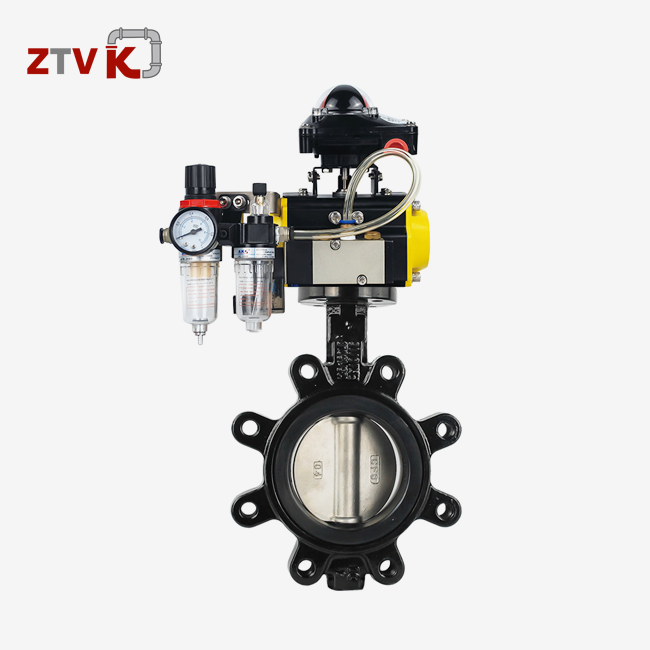
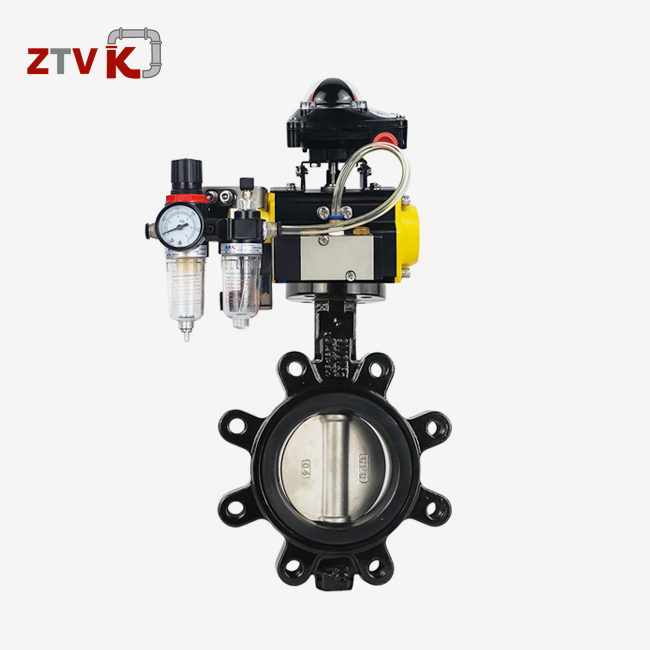
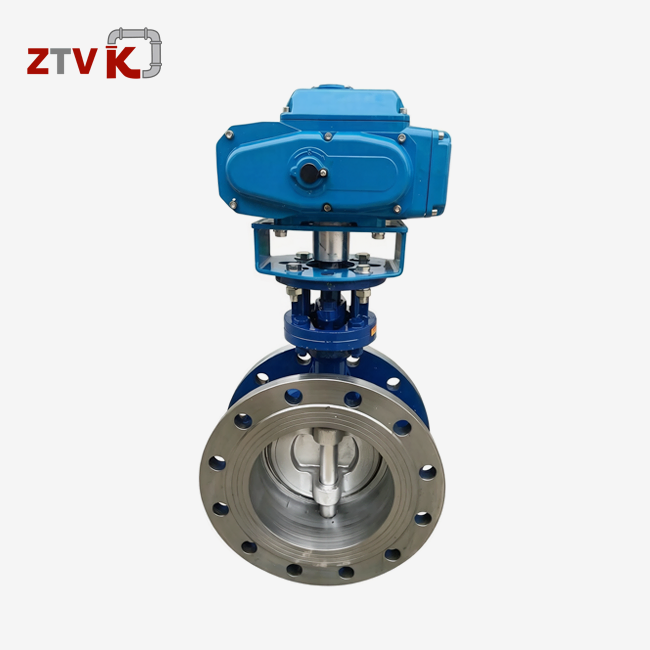
Manufacturers, builders, and EPC companies believe the air operated butterfly valve is the best way to automate tasks that need to be done quickly, accurately, and safely in factories. This quarter-turn flow control device has a streamlined disc mechanism and a pneumatic actuator that work together to turn compressed air pressure into spinning force right away. As a result? Response times in milliseconds, spark-free operation in dangerous areas by design, and duty cycles of more than one million operations—performance standards that human and electric options have a hard time meeting in high-frequency or safety-critical settings.
What Makes Air Operated Butterfly Valves Essential for Process Automation?
The pneumatic butterfly valve answers three important problems that valve dealers and project workers face every day: making sure that the valve works all the time, following the rules, and lowering the total cost of ownership.
In ATEX Zone 1 petroleum lines, traditional electric motorised systems can cause sparks, and manual wheels can slow things down in large-diameter city water networks where more than 50 valves need to be adjusted at the same time. Both problems are solved by pneumatic action. A single air supply network manages dozens of automatic butterfly valves spread out over large treatment plants or refining pipe racks. Each unit cycles 10,000 times a month without any risk of motor burnout.
The technical base is based on well-known mechanics: the linear air cylinder force is turned into a 90-degree disc spinning by rack-and-pinion or scotch-yoke actuators. For controlling the flow in mixing skids, double-acting designs that use compressed air for both opening and closing steps are the best choice. When air pressure drops, single-acting spring-return designs automatically move to a fail-safe position. This is an important trait for emergency shutdown systems that protect millions of dollars' worth of equipment downstream.
Material engineering looks at abuse in the real world. In fire protection mains, ductile iron bodies can handle water hammer; in pharmaceutical labs, CF8M steel discs can handle sulphuric acid; and in coastal desalination plants, where salt fog eats away at metals in months, hard-anodised aluminium actuator housings last for decades.
Critical Technical Specifications That Determine System Compatibility
When distributors sell air-operated butterfly valve pneumatic valves to different markets, they need to be clear on the specs that affect which applications are best and how well the valves will work in the long run.
Actuator size starts with figuring out the force. Line pressure, seat tension, and media thickness all affect breakaway torque, which is the force needed to move a disc that is not moving. To keep it from stopping, engineers increase this by 1.3. A DN200 wafer valve at PN16 with EPDM seats usually needs 150 Nm; putting it together with an actuator that only needs 100 Nm will lead to failures in the field and warranty claims.
Universal flexibility is ensured by ISO 5211 fastening designs. This international standard tells builders the sizes of flanges and drive squares, so they can switch actuators from different makers without having to fix pipes or clamps. This is very important for quick repairs when plants shut down without warning.
Cost and weight are directly affected by pressure grades. PN10 bodies work with HVAC cold water loops that work below 10 bar; PN16 handles the transfer of city water; and Class 150 ASME B16.5 flanged ends meet refining standards up to 20 bar in North America. If you don't define enough, you could waste money and time on catastrophic seat blowouts.
Seat materials determine how well they work with chemicals and how long they last. EPDM works great with clean water and steam vapour, but it doesn't work as well with hydrocarbons. Nitrile can handle grease, but it gets hard in places with a lot of ozone. PTFE is almost always resistant to chemicals, but it needs more breaking force because of friction. Even though they don't have a bubble-tight shutdown, metal chairs can handle 400°C superheated steam where elastomers would burn.
Different types of actuators have different air flow needs. For two-way control and changing positioners, double-acting units need a steady 5–7 bar pressure. Spring-return types work at a minimum of 4 bar, but they use more air during the driven stroke. Compressors that are too small make movement slow, and systems that are too big waste energy.
Where Pneumatic Butterfly Valves Deliver Maximum ROI
The air cylinder butterfly valve works great in three different workplace settings where electric or hand valves can't because of the way it's designed.
Water infrastructure on a large scale: Municipal companies in charge of the DN600–DN2000 trunk lines can't operate them by hand, and electric motors are too expensive for large-scale use. A central compressor station powers a pneumatic network that controls more than 200 butterfly valves in a treatment plant. Each unit costs 40% less than an electric package of the same size. The fast-acting stroke is finished in 2–5 seconds, which is very important for protecting against surges when pumps trip without warning.
Chemical processing in a dangerous area: petrochemical companies that work with flammable solvents or exploding dust need ATEX-certified tools. Pneumatic controllers are naturally safe from explosions because, unlike electric motor sparks, compressed air can't ignite vapours on fire. Automated mixing systems depend on air-operated butterfly valve PTFE-lined units and spring-return motors to work. If overpressure is detected within 500 milliseconds, emergency venting must happen.
High-cycle mixing for food and drugs: Dairy production lines cycle valves 50–100 times per shift to fill tanks, clean CIP, and switch between products. The abuse is easily handled by pneumatic action, and sterile butterfly valves made of stainless steel keep the surfaces clean. The quick open/close action keeps products from mixing too much when recipes change, which cuts down on waste that hurts profits.
Offshore bases make things even more complicated. Saltwater spray eats away at electrical contacts in just a few months, but hard-coated hydraulic actuators with duplex steel valve bodies can work for three or more years without any upkeep. During storms, when power goes out, spring-return motors instantly cut off important seawater cooling lines, so there's no need for battery backup systems.
How to Select the Right Configuration for Your Application
Valve wholesalers who get calls from a lot of different industries need a way to choose valves that takes technical needs and business realities into account.
Begin with reasoning that can't fail. When the air source goes away, does the valve have to stay open, close, or stay in place? For fire safety systems, the spring must return to the closed position. For emergency ventilation systems, the spring must return to the open position. For normal process control, double-acting designs are possible. With this one choice, half of the actuator catalogue is quickly gone.
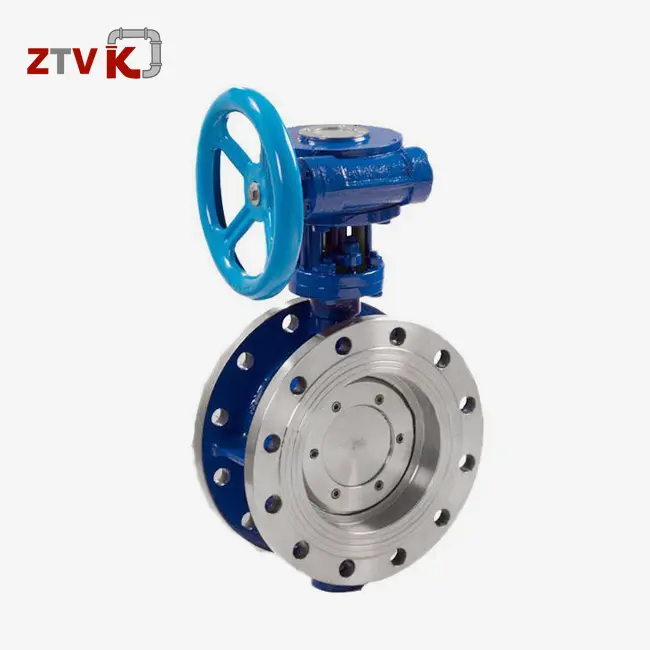
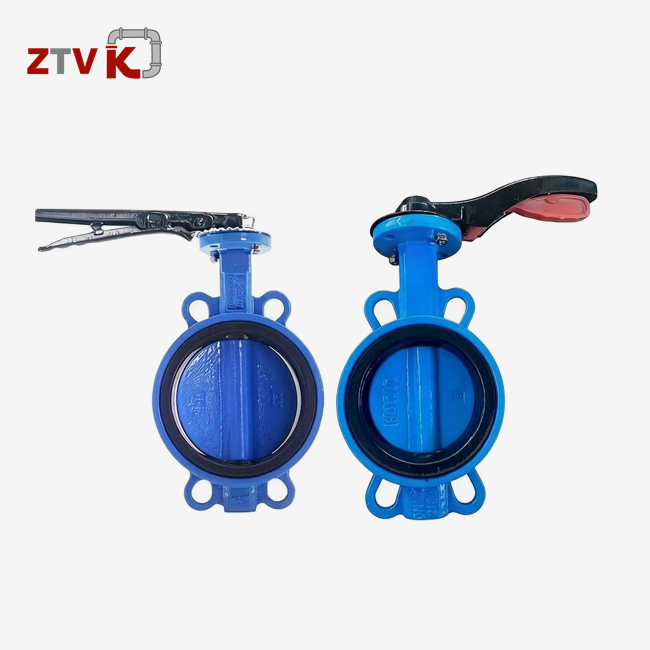
Match the type of link to the limitations of the placement. Wafer-style valves save weight and space by fitting between flanges with through-bolts. They are best for retrofits where the distance between the flanges is set. Lug-style bodies have threaded plugs that can take bolts on their own. This lets the upstream or downstream flange be removed for pump repair without affecting the valve. Full-flanged ends cost more and weigh more, but they make it easier to line up new buildings.
Look at what modifying capabilities you need. Basic air motors with limit switches that confirm open and closed states are used for on/off separation duty. For throttling, you need electro-pneumatic positioners that can handle 4–20 mA signals and keep the disc angle within ±1 degree. This is important for controlling the mixing ratio or the pressure. The cost of this change doubles the actuator but gets rid of the need for separate control valves.
Think about the truth of repair access. Extended-stem versions are preferred by offshore platforms and remote pump stations because the actuators can be mounted 500 mm above the pipeline. This makes the controls easy to reach, even when the valve body is submerged in water. Compact mounting works well in equipment rooms that don't have a lot of vertical space.
Look over the rules for protecting the environment. Standard IP65 actuator casings keep dust and water jets out, which is fine for installs inside. IP68 submersion grade is needed for wastewater and offshore uses. Extreme temperatures require internal anti-condensation heaters to keep moisture from building up and damaging the solenoid valves and positioner circuits.
Troubleshooting Common Pneumatic Butterfly Valve Issues
Even air operated butterfly valve systems that are well thought out can have problems in the field that hurt the image of the dealer and cause contractors to miss deadlines if they are not quickly identified.
The valve shuts, but water leaks past the seat. There are three main causes: the actuator force isn't strong enough to fully compress the seat, which causes the limit switches to close before the mechanical seating is complete; there is trash between the disc and the seat that stops them from closing; or the seat material breaks down due to chemical attack or changes in temperature. Check the actuator's torque output at the real line pressure, look for contaminated media, and make sure the seat material is safe for use with process fluids.
Slow or incomplete spinning of the disc. First, check the air supply pressure. Most failures are caused by a compressor that is overloaded, filters that are clogged, lowering the delivery pressure, or supply lines that are too small and are acting on motors far away. Check that the solenoid valves work properly; if the coils stop working, air can't get to the actuator even though the system pressure is right. Check the actuator shaft for rust or packing glands that are too tight, which is causing too much contact.
Actuator getting too hot or making strange noises. Pneumatic devices don't usually boil as electric motors do, so warmth can be used as a troubleshooting tool. Damaged seals let air leak all the time, which causes noise and too much spinning of the compressor. When you change directions, worn bushings make noise. Replace consumable seal kits when the maker says to, which is usually every two to three years in dry, clean air systems or once a year in dirty ones.
Positioner wander in service that modulates. Even though the input signals are right, the valve settles in the wrong place because of calibration mistakes. Vibration makes the relationships between feedback links less stable, which causes mechanical hysteresis. In analogue positioners, dirty instrument air can clog up the nozzle/flapper mechanisms. To fix this, install coalescing filters upstream and empty moisture traps once a week in wet areas.
When there is an emergency, the spring-return device doesn't move. Springs wear out over time, especially when they are used in high-cycle situations. Every year, tests on a bench make sure that the spring force is still good. Corrosion products inside air cylinders make it hard for pistons to move. Adding automatic lubricators makes service times longer. Make sure that the air tanks are the right size. Spring-return action takes up a lot of space, and receivers that are too small won't be able to finish the stroke when the supply pressure drops.
Conclusion
The air-operated butterfly valve represents the intersection of mechanical simplicity and automation sophistication—delivering intrinsic safety, lightning-fast response, and maintenance-free endurance that manual and electric alternatives cannot match in hazardous, high-cycle, or large-scale infrastructure applications. For distributors building regional market presence, selecting suppliers who provide consistent quality, rapid delivery, and deep customisation capabilities transforms product availability into a competitive advantage. As process automation expands across water treatment, chemical processing, and energy sectors, pneumatic actuation remains the proven technology that balances performance, safety, and total cost of ownership in the most demanding industrial environments.
Partner With a Pneumatic Butterfly Valve Manufacturer That Delivers Consistency
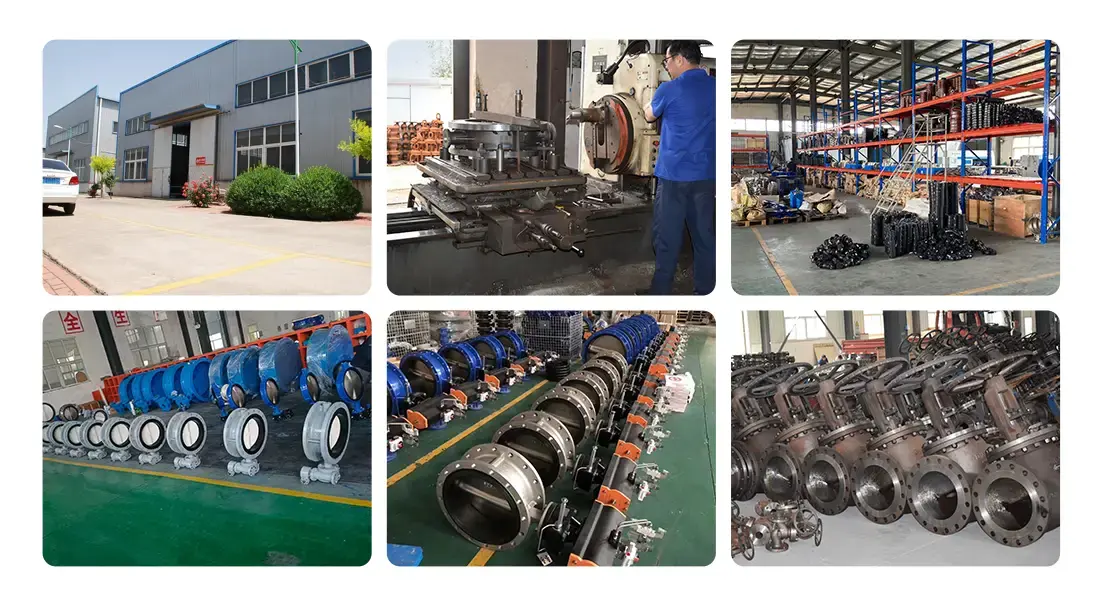
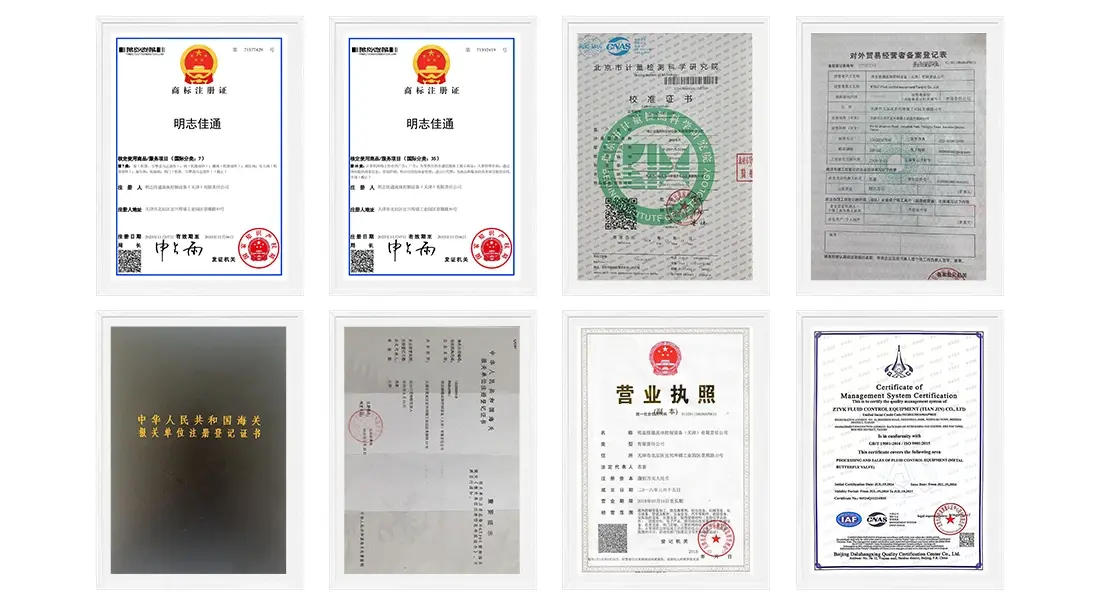
ZTVK combines 15 years of valve manufacturing expertise with supply chain agility that valve distributors and project contractors require for sustained profitability. Our Tianjin facility maintains 2,000+ air-operated butterfly valves in DN50–DN600 sizes with stock delivery within 3–7 days. Custom configurations featuring spring-return actuators, exotic seat materials, or non-standard flange drillings ship in 15–25 days, with rush service available for project emergencies. ISO 9001, ISO 14001, and OHSAS 18001 certifications guarantee quality consistency across repeat orders, while our proximity to Tianjin Port enables efficient FOB and CIF shipments to Europe, the Middle East, and Southeast Asia markets. Contact our team at ktec86961886@163.com to discuss OEM branding, technical specifications, or bulk pricing tailored to your distribution network.
References
1. Smith, J.R. (2021). Industrial Valve Selection Handbook: Pneumatic Actuation Systems for Process Control. Technical Publishing International.
2. Anderson, M.K. & Chen, L. (2020). "Comparative Analysis of Actuator Technologies in Hazardous Area Applications," Journal of Process Safety Engineering, 45(3), 217-234.
3. International Society of Automation (2022). ISA-75.25.01: Control Valve Diagnostic Data Acquisition for Predictive Maintenance Applications. Research Triangle Park: ISA Standards.
4. Thompson, R.D. (2019). Butterfly Valve Engineering: Design, Materials, and Performance Optimization. Boston: Valve Technology Press.
5. European Industrial Valve Manufacturers Association (2023). Technical Guidelines for Pneumatic Actuator Sizing and Selection in Water Infrastructure Projects. Brussels: EIVMA Publications.
6. Zhang, W. & Patel, S. (2022). "Failure Mode Analysis of Pneumatic Actuators in Marine and Offshore Service," International Journal of Pressure Vessels and Piping, 198, 104-119.
Send us your valve requirements and our team will provide professional solutions and fast quotations.
RELATED INDUSTRY KNOWLEDGE